
Page Contents
Best Indoor Flowering Plants That Bloom Year-Round (2025)
The most reliable indoor flowering plants for continuous blooms include African violets, begonias, and peace lilies, which can flower year-round with proper light and care.
Transform your home into a vibrant sanctuary with indoor flowering plants that bring color, fragrance, and natural beauty to every room, creating stunning focal points that bloom continuously throughout the year.
Many plant enthusiasts struggle to find flowering houseplants that actually bloom indoors, often ending up with green foliage that never produces the colorful flowers they were promised due to insufficient light, improper care routines, and choosing varieties that won’t flower in indoor conditions.
This comprehensive guide reveals the best indoor flowering plants that reliably bloom indoors, complete with specific care instructions, troubleshooting tips, and creative styling ideas to incorporate these beauties into your home décor for year-round color and natural elegance.
Top 12 Indoor Flowering Plants for Year-Round Blooms
African Violets (Saintpaulia)
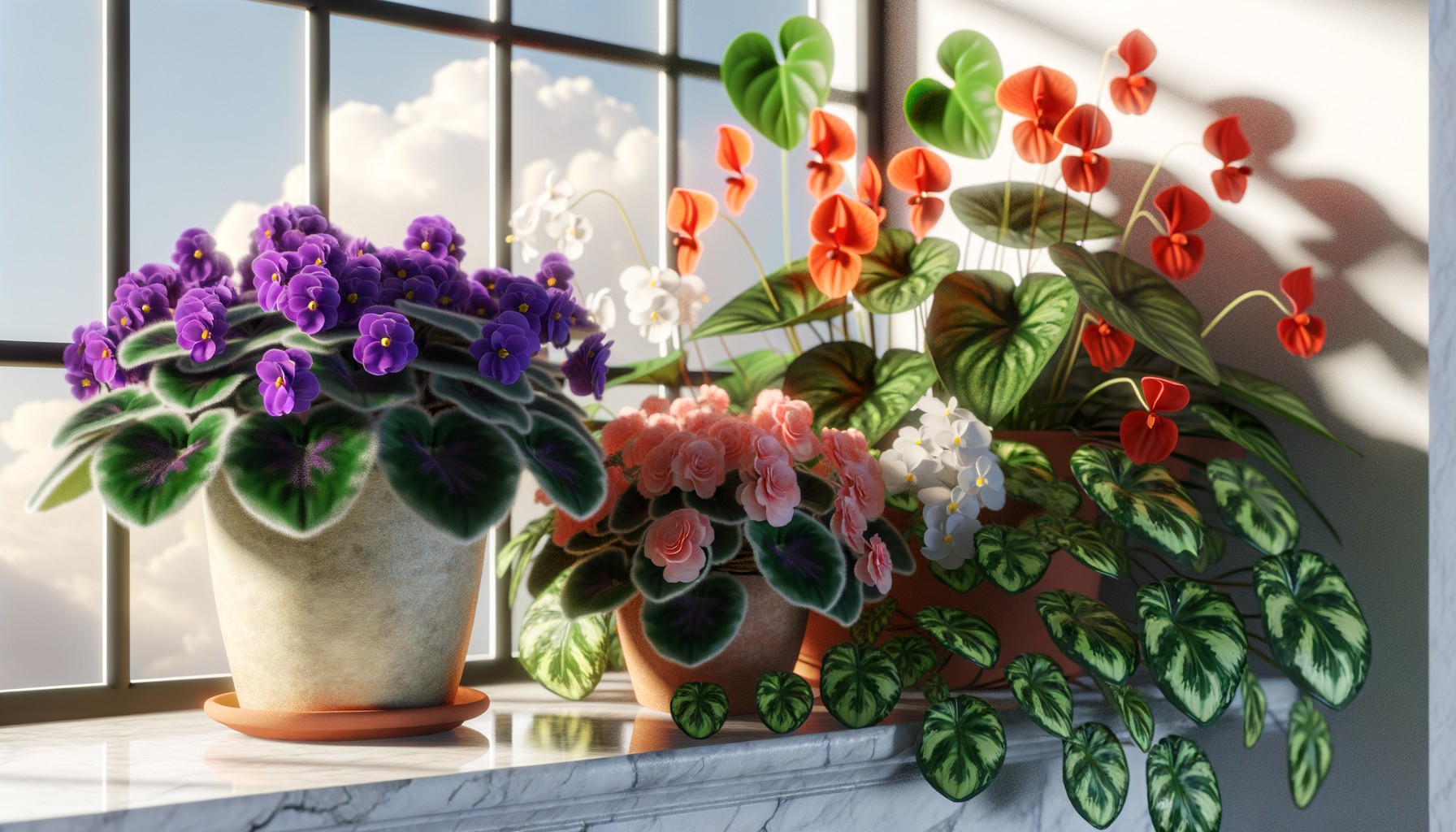
African violets are the superstars of indoor flowering plants, capable of blooming up to 10 months per year when you get their care just right. These compact beauties produce clusters of velvety flowers in stunning shades of purple, pink, white, and blue. The secret to their success lies in consistent moisture and bright, indirect light. Water them from the bottom to avoid getting their fuzzy leaves wet, and keep them in temperatures between 65-75°F. Propagation is surprisingly easy – just root a leaf cutting in water or moist soil. Within 6-8 weeks, you’ll have new plants ready to bloom.
Good Tip!
Place African violets 12-18 inches from a north or east-facing window for optimal blooming. Too much direct sun scorches their leaves, while too little light prevents flowering entirely.
Begonias
Begonias offer an incredible variety for indoor gardeners seeking year-round blooming plants. Wax begonias produce small, waxy flowers continuously in red, pink, or white, thriving in moderate light conditions. Rex begonias dazzle with their colorful foliage and occasional, delicate pink blooms. Tuberous begonias create the most dramatic display with large, rose-like flowers in vibrant oranges, yellows, and reds. Each type has different needs – wax begonias prefer consistent moisture, while tuberous varieties need a winter rest period. All begonias appreciate humidity levels around 50% and well-draining soil.
Peace Lilies and Anthuriums
These tropical beauties bring elegant, long-lasting blooms to any indoor space with minimal fuss. Peace lilies produce their signature white spathes (those aren’t actually flowers, but modified leaves!) that can last 2-3 months each. They’re incredibly forgiving, tolerating low light and irregular watering while still blooming reliably. Anthuriums step up the color game with glossy red, pink, or white heart-shaped spathes that persist for months. Both plants signal their needs clearly – drooping leaves mean they’re thirsty, while brown leaf tips indicate low humidity. These best flowering houseplants thrive in bright, indirect light and appreciate regular misting.
Orchids
Don’t let their reputation intimidate you – certain orchid varieties make excellent indoor flowering plants for beginners. Phalaenopsis orchids (moth orchids) are the most reliable bloomers, producing cascading sprays of flowers that last 2-3 months. Their blooms come in white, pink, purple, and yellow, often with intricate patterns. These orchids prefer bark-based potting mix and weekly watering with ice cubes (yes, really!). The key to reblooming is providing a temperature drop of 10-15°F at night for several weeks after the flowers fade. With proper care, a single orchid can bloom twice per year, making them true champions among low-light flowering plants.
Essential Light Requirements for Indoor Flowering Plants
Understanding Light Intensity for Blooming Success
Your indoor flowering plants need specific light levels to produce those gorgeous blooms you’re after. Most blooming houseplants require between 1,000 to 3,000 foot-candles of light daily to trigger flower production. African violets thrive at the lower end with 1,000-1,500 foot-candles, while orchids and begonias need 2,000-3,000 foot-candles for consistent flowering. Without adequate light intensity, your plants will focus energy on leaf growth instead of producing flowers.
Natural vs. Artificial Lighting Solutions
South-facing windows provide the brightest natural light, but they’re not always enough for year-round blooming plants. During winter months or in dimmer homes, you’ll need to supplement with grow lights. LED grow lights work best for flowering plants indoors because they produce the full spectrum needed for bloom production. Position grow lights 12-18 inches above your plants and run them for 12-14 hours daily during the growing season.
Good Tip!
Use a light meter app on your smartphone to measure foot-candles in different spots around your home. This helps you find the perfect location for your indoor plants that flower.
Strategic Positioning for Optimal Light Exposure
Place your best flowering houseplants within 3 feet of south-facing windows for maximum natural light exposure. East and west windows work too, but you may need grow light supplements. Rotate plants weekly so all sides receive equal light exposure. During summer, move plants back slightly to prevent leaf scorch, and bring them closer in winter when light intensity drops. Proper lighting techniques can make the difference between thriving blooms and disappointing foliage.
Common Lighting Mistakes That Kill Blooms
The biggest mistake? Assuming your plant gets enough light just because it’s near a window. Research shows that 80% of flowering failures stem from insufficient light exposure. Many people also make the error of using regular household bulbs instead of full-spectrum grow lights. Another common issue is inconsistent lighting schedules – your low-light flowering plants need steady, predictable light cycles to maintain their blooming schedule throughout the year.
Watering and Humidity Secrets for Continuous Blooms
Species-Specific Watering Schedules and Seasonal Care
Different indoor flowering plants have unique watering needs that change with the seasons. African violets prefer consistently moist soil but hate wet feet, so water them when the top inch feels dry. Peace lilies are drama queens – they’ll droop dramatically when thirsty, making it easy to know when they need water. Begonias like to dry out slightly between waterings, especially during winter when their growth slows down.
During spring and summer, most blooming houseplants need water every 3-5 days. But winter changes everything. Cold air and lower light mean slower growth, so reduce watering to once a week or even less. This seasonal adjustment prevents root rot while keeping your plants healthy enough to produce those gorgeous flowers you’re after.
Humidity Requirements for Better Flowering
Here’s where most people mess up their indoor flowering plants. These beauties need 40-60% humidity to bloom their best, but most homes sit around 30-40%. Low humidity stresses plants and reduces flower production by up to 40%.
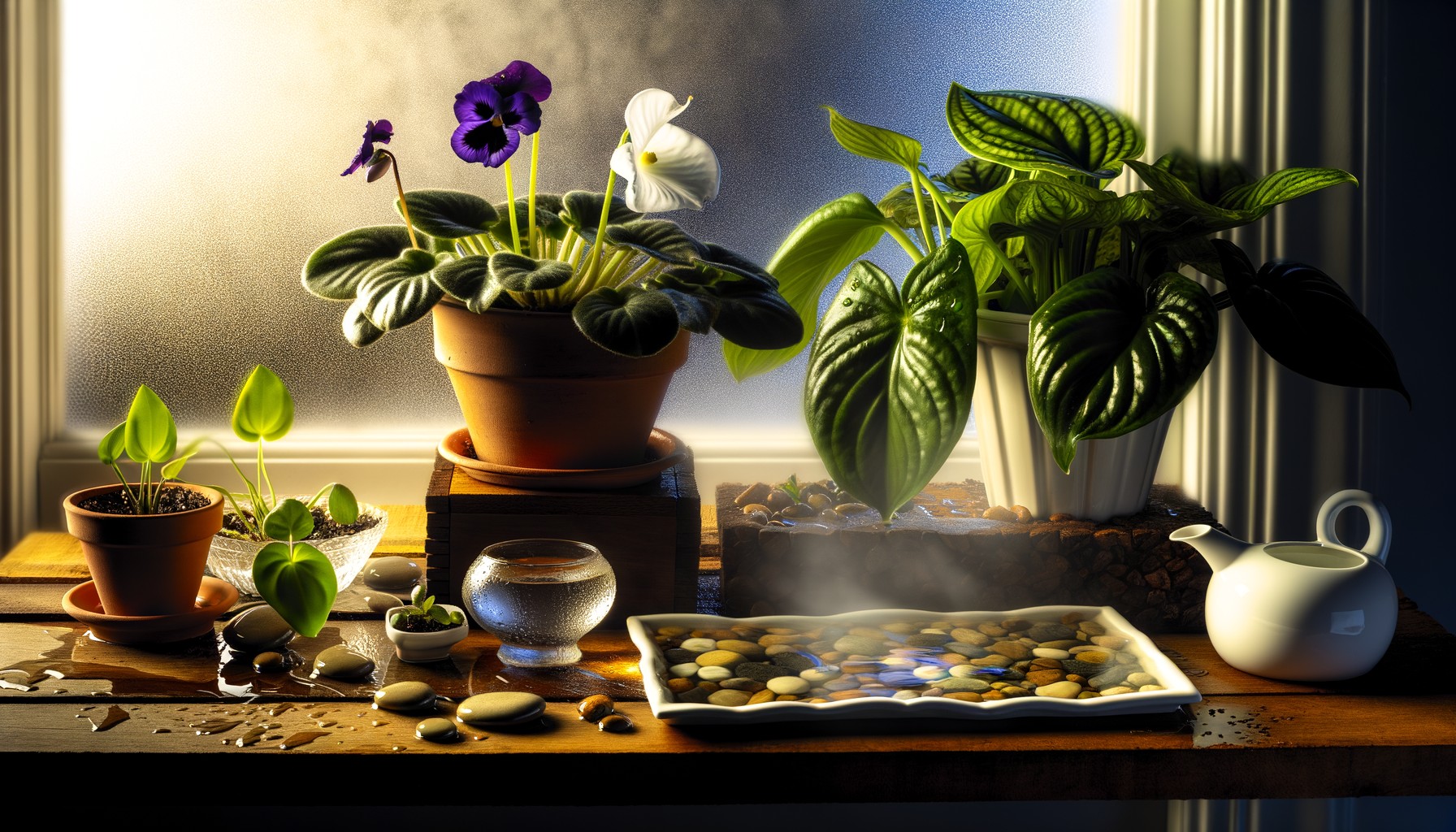
The good news? You don’t need expensive equipment. Group your flowering plants together to create a mini microclimate. Place water-filled saucers with pebbles under pots – as water evaporates, it boosts local humidity. Run a small humidifier nearby, or simply mist around (not on) your plants in the morning. Your year-round blooming plants will reward you with more frequent, longer-lasting flowers.
Good Tip!
Place a shallow dish of water near your heating vents during winter. The warm air will evaporate the water and naturally increase humidity around your flowering plants.
Water Quality Makes a Real Difference
Your tap water might be sabotaging your blooms. Chlorine, fluoride, and high mineral content can build up in soil and damage sensitive flowering plants for indoors. If your water is heavily treated, let it sit out overnight before watering – this allows chlorine to evaporate naturally.
Better yet, use filtered or distilled water for your most prized bloomers. African violets and orchids especially appreciate this extra care. You’ll notice healthier foliage and more vibrant flowers within a few weeks. It’s a small investment that pays big dividends in keeping your annual flowers blooming longer and stronger.
Recognizing Water Stress Before It Kills Blooms
Water stress is the silent bloom killer. Overwatering shows up as yellowing leaves, mushy stems, and a musty smell from the soil. Your plant stops producing flowers because it’s fighting for survival.
Underwatering is trickier. Leaves become crispy, flowers drop prematurely, and new buds fail to open. The key is checking soil moisture regularly – stick your finger an inch into the soil. If it’s bone dry or soggy wet, adjust your watering schedule immediately. Proper watering keeps your best flowering houseplants producing those stunning blooms you love all year long.
Fertilizing Indoor Flowering Plants for Maximum Blooms
Understanding NPK Ratios for Flowering Success
The secret to spectacular blooms lies in choosing the right fertilizer formula. Your indoor flowering plants need phosphorus to produce those stunning flowers you’re after. Look for fertilizers with ratios like 5-10-5 or 10-30-20, where the middle number (phosphorus) is highest. This phosphorus boost can increase bloom production by up to 65% compared to standard balanced fertilizers. Most people grab whatever plant food they see at the store, but flowering plants have different needs than foliage plants. The higher phosphorus content signals your plants to focus energy on flower production rather than just growing more leaves.
Creating the Perfect Feeding Schedule
Timing makes all the difference when feeding your blooming houseplants. During the active growing season (spring through early fall), feed your plants every two weeks with a diluted fertilizer solution. This bi-weekly schedule provides consistent nutrition without overwhelming the roots. Monthly feeding works too, but you’ll see better results with more frequent, lighter applications. Your plants can only absorb so much at once, so little and often beats heavy, infrequent doses. During peak blooming periods, your indoor flowering plants are working overtime and need that steady nutrient supply to keep producing flowers.
Good Tip!
Mix your fertilizer at half the recommended strength and apply twice as often. This prevents nutrient burn while keeping your plants consistently fed.
Choosing Between Organic and Synthetic Options
Both organic and synthetic fertilizers can work wonders for your year-round blooming plants. Organic options like compost tea and fish emulsion release nutrients slowly, feeding your plants gently over time. They also improve soil health and won’t burn delicate roots. Synthetic fertilizers act faster and give you more control over exact nutrient ratios. Many growers find success mixing both approaches—using organic fertilizers as detailed in this comprehensive guide as a base and supplementing with synthetic bloom boosters during the flowering season.
Seasonal Adjustments for Healthy Plants
Winter changes everything for your indoor plants that flower. As daylight hours shrink and growth slows, your plants enter a semi-dormant state. Cut back fertilizing to once monthly or stop completely from December through February. Over-fertilizing during this rest period causes nutrient burn and can actually prevent spring blooming. Resume regular feeding when you notice new growth starting in late winter or early spring.
Creative House Plants Design Ideas with Indoor Flowering Plants
Color Coordination for Interior Design Harmony
Your indoor flowering plants should complement, not clash with, your existing décor. Start by identifying your room’s color palette and choosing blooms that either match or create pleasing contrasts. Pink African violets pair beautifully with gray and white modern spaces, while orange begonias add warmth to neutral beige and cream rooms. For seasonal changes, swap out flowering plants or their decorative containers to match holiday themes – white peace lilies for winter elegance or bright red anthuriums for festive cheer.
Good Tip!
Create a color wheel with paint swatches from your room and take it plant shopping to ensure perfect bloom color matches.
Grouping Strategies for Maximum Visual Impact
Single flowering plants often get lost in a room, but strategic grouping creates stunning focal points. Use the “rule of threes” by clustering plants of different heights and bloom sizes together. Place a tall peace lily behind medium-height begonias and low African violets in front. This layered approach draws the eye upward and creates depth. For decorating with plants inspiration, consider grouping plants with similar care needs but different bloom times to ensure continuous color throughout the year.
Container Selection That Enhances Plant Beauty
The right pot can transform a simple flowering plant into a design statement. Choose containers that complement both your plant and your room’s style. Ceramic pots in solid colors work best for busy floral patterns, while decorative containers can highlight simple white or green blooms. Ensure all decorative pots have drainage or use them as cachepots with plain nursery pots inside.
Room-by-Room Placement for Function and Beauty
Different rooms offer unique opportunities for indoor flowering plants. In kitchens, flowering herbs like rosemary add beauty and functionality near sunny windows. Bathrooms with good light and natural humidity suit orchids and peace lilies perfectly. For bedrooms, choose night-blooming plants or air-purifying varieties, like flowering snake plants or peace lilies, which release oxygen at night and add gentle fragrance.
Common Problems and Solutions for Indoor Flowering Plants
Even the most dedicated plant parents face challenges with their blooming houseplants. The good news? Most issues are fixable once you know what to look for. Let’s tackle the most common problems that can turn your flowering paradise into a frustrating experience.
Pest Management for Flowering Plants
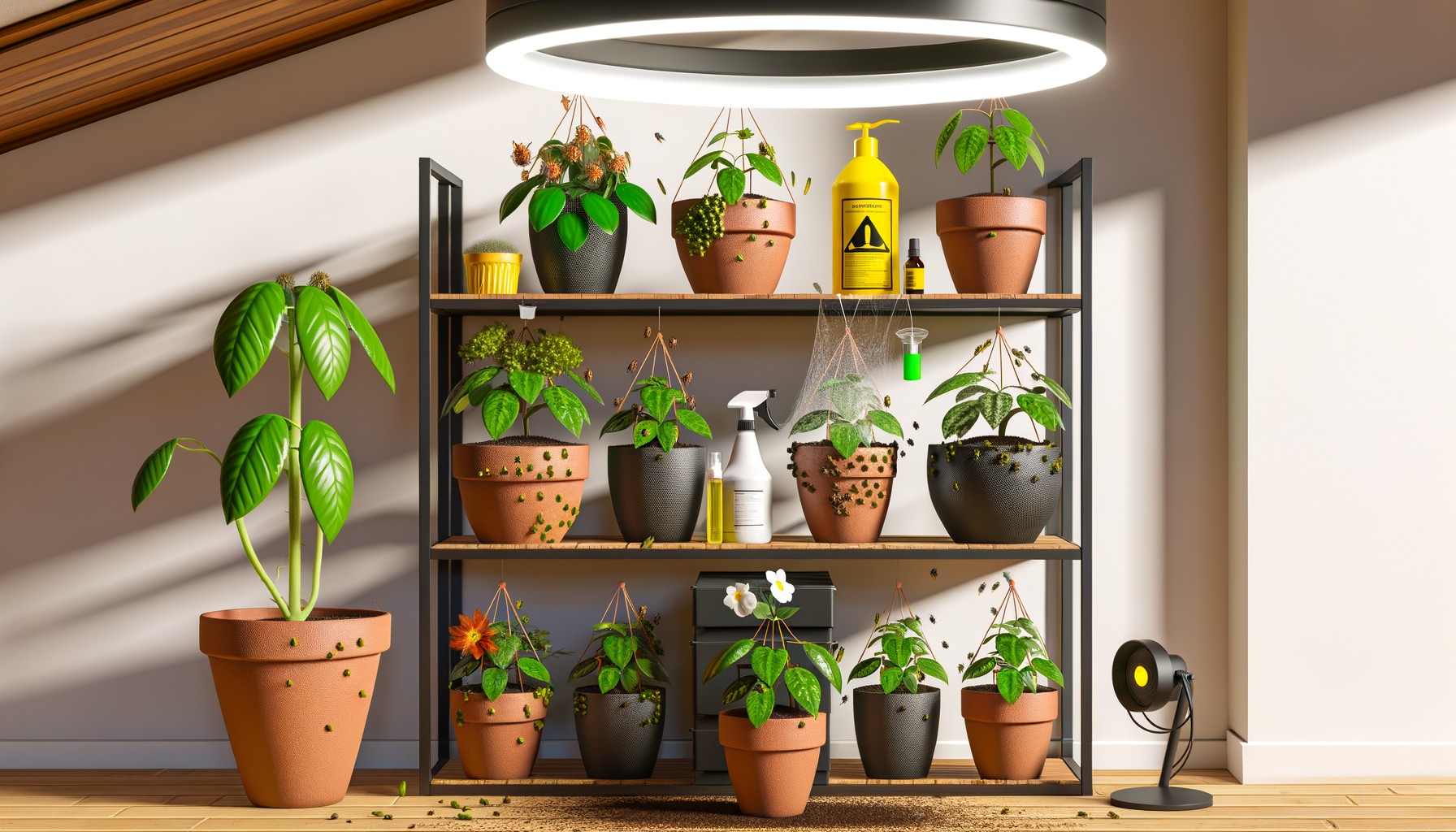
Aphids, spider mites, and fungus gnats love to target indoor flowering plants, especially when blooms are present. These tiny invaders can quickly damage delicate flowers and stress your plants.
Aphids cluster on new growth and flower buds, sucking plant juices and leaving behind sticky honeydew. Spider mites create fine webbing on leaves and cause stippling damage that weakens flowering plants. Fungus gnats, while mostly harmless as adults, have larvae that feed on roots and can stunt bloom production.
Start with prevention by checking new plants carefully before bringing them home. Use yellow sticky traps to catch flying pests early. For treatment, spray aphids and spider mites with insecticidal soap or neem oil every 3-4 days until eliminated. Combat fungus gnats by allowing the soil to dry between waterings and using mosquito dunks in your watering can.
Disease Prevention for Blooming Houseplants
Root rot, powdery mildew, and bacterial infections can halt flower production and kill your plants quickly. These diseases thrive in poor growing conditions and spread rapidly in indoor environments.
Root rot develops from overwatering and poor drainage, causing black, mushy roots that can’t support blooming. Powdery mildew appears as white, fuzzy patches on leaves and stems, blocking photosynthesis needed for flower development. Bacterial infections create dark, wet spots that spread quickly and often smell foul.
Prevent these issues by ensuring proper drainage in all pots and avoiding watering from above. Space plants adequately for good air circulation, and water early in the day so surfaces dry quickly. If disease strikes, remove affected parts immediately and treat with appropriate fungicides or bactericides.
Good Tip!
Place a small fan near your flowering plants to improve air circulation and prevent fungal diseases. Even gentle airflow reduces moisture buildup on leaves by 40%.
Bloom Failure Troubleshooting
When your indoor flowering plants refuse to bloom, environmental factors are usually the culprit. Insufficient light tops the list, followed by temperature stress, improper fertilizing, and watering issues.
Most flowering plants for indoors need bright, indirect light for 12-14 hours daily to produce blooms. Without adequate light, plants focus energy on survival rather than flowering. Temperature fluctuations, drafts, and extreme conditions also prevent bud formation.
Move non-blooming plants to your brightest window or add a grow light positioned 6-12 inches above the foliage. Maintain consistent temperatures between 65-75°F and avoid placing plants near heating vents or air conditioners. Switch to a high-phosphorus fertilizer during the growing season to encourage bloom development.
Leaf Drop and Stress Recovery
Environmental stress causes 60% of problems in year-round blooming plants, manifesting as sudden leaf drop, wilting, or general decline. Common stressors include temperature changes, watering inconsistencies, light variations, and humidity fluctuations.
When plants experience stress, they drop leaves to conserve energy, often stopping flower production entirely. This survival mechanism protects the plant but frustrates gardeners hoping for continuous blooms.
Recovery requires patience and consistent care. Identify and eliminate the stress source first, then maintain stable conditions while your plant recovers. Avoid fertilizing stressed plants until new growth appears. Most indoor flowering plants bounce back within 4-6 weeks when given proper care and stable growing conditions.
Conclusion
Indoor flowering plants offer incredible opportunities to bring year-round color into your home through reliable bloomers like African violets, begonias, and peace lilies. Success depends on providing adequate light (1,000-3,000 foot-candles), maintaining 50-60% humidity, and using phosphorus-rich fertilizers during growing seasons. Start with one or two recommended varieties, create optimal growing conditions, and gradually expand your collection for continuous blooms that transform any space into a vibrant living gallery.
Frequently Asked Questions
How often should I water my indoor flowering plants?
Watering frequency varies by plant type and season. Most indoor flowering plants prefer to dry out slightly between waterings – check the top inch of soil and water when it feels dry. During winter months, reduce watering frequency by about half as plants enter a slower growth phase.
Why won’t my indoor plants bloom even though they look healthy?
The most common reason for a lack of blooms is insufficient light – flowering plants typically need more light than foliage plants. Other culprits include using the wrong fertilizer (you need higher phosphorus for blooms), inconsistent temperatures, or the plant may be in its natural rest period. Try moving your plant to a brighter location and switch to a bloom-boosting fertilizer.
Can I keep indoor flowering plants in rooms with no windows?
Yes, but you’ll need to provide artificial lighting with full-spectrum grow lights. Position LED grow lights 12-18 inches above your plants and run them for 12-14 hours daily to simulate natural sunlight conditions. Some plants, like peace lilies and begonias, can adapt better to artificial light than others.
How do I get my orchid to rebloom after the flowers fall off?
After the flowers drop, continue normal care but reduce watering slightly. The key to reblooming is providing a temperature drop of 10-15°F at night for several weeks – this signals the plant to initiate new flower spikes. Keep the orchid in bright, indirect light, and continue fertilizing monthly with orchid-specific fertilizer at half strength.
Is it normal for my flowering plants to bloom less in winter?
Yes, this is completely normal. Most indoor flowering plants respond to seasonal changes in light and temperature. Shorter days and lower light intensity in winter naturally trigger a rest period in many plants. You can extend blooming seasons by supplementing with grow lights during winter months and maintaining consistent indoor temperatures.
How can I increase humidity for my indoor flowering plants without buying a humidifier?
Group your plants together to create a microclimate with higher humidity. Place pots on trays filled with pebbles and water (ensuring the pot bottom doesn’t touch the water). Mist the air around plants (not directly on leaves) in the morning. You can also place small bowls of water near heat sources to increase ambient humidity through evaporation.
Sources
- American Violet Society: African Violet Growing Guide
- Cornell University Cooperative Extension: Fertilizing Indoor Plants for Optimal Growth
- Journal of Environmental Horticulture: Light Requirements for Indoor Flowering Plants
- American Society for Horticultural Science: Humidity Effects on Indoor Plant Performance
- Plant Pathology Research Institute: Common Diseases of Indoor Flowering Plants
- Interior Design Association: Plants in Interior Spaces: Psychological Benefits Study