
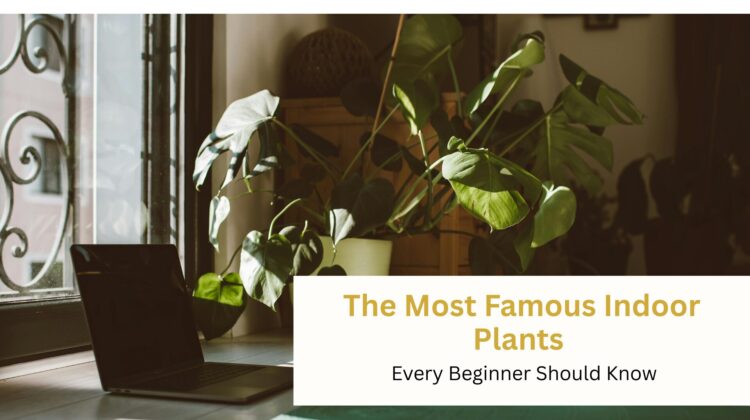
The most famous indoor plants—including pothos, snake plants, monstera, and peace lilies—have earned their reputation through proven durability, air-purifying qualities, and versatile styling potential.
Walk into any stylish home, scroll through Instagram, or visit a trendy café, and you’ll spot them—the same beloved faces of famous indoor plants gracing shelves, hanging from macramé planters, and transforming ordinary spaces into green sanctuaries. These celebrity plants didn’t earn their fame by accident; they’ve proven themselves as reliable, forgiving, and stunningly beautiful companions for plant parents of all experience levels.
If you’re new to the world of houseplants, the sheer variety can feel overwhelming. You might be asking: Which plants are actually worth the hype? Which ones will survive my less-than-perfect watering schedule or that dim corner in my living room? And how do these famous indoor plants fit into creative house plants design ideas that make your space feel intentional and vibrant?
In this guide, you’ll discover why these plants became household names, how to care for each one successfully, where to place them for maximum impact, and how to incorporate them into stunning house plants design ideas that reflect your personal style. Whether you’re furnishing your first apartment or refreshing your green collection, these tried-and-true favorites will never let you down.
Page Contents
Why These Famous Indoor Plants Became Household Names
The Science Behind Their Popularity
These famous indoor plants didn’t just get lucky—they earned their spots on windowsills worldwide through legitimate superpowers. The NASA Clean Air Study found that common houseplants remove up to 87% of airborne toxins within 24 hours. That’s not marketing hype, that’s science. These air-purifying houseplants literally clean the air you breathe while asking almost nothing in return.
What makes them truly beginner-friendly is their forgiving nature. Most popular houseplants for beginners tolerate low light, irregular watering, and the occasional bout of neglect. They’ve adapted to survive in less-than-perfect conditions, which means they’ll survive your learning curve too.
Beyond their practical benefits, there’s psychology at work here. University of Technology Sydney research found that indoor plants reduce stress by 37% and boost productivity by 15%. That’s a significant mental health benefit from simply keeping a pothos on your desk. With 66% of American households now owning at least one houseplant, we’re collectively recognizing what our ancestors knew—living with plants makes us feel better.
Social Media’s Role in Plant Fame
Instagram and Pinterest turned certain plants into celebrities overnight. The monstera deliciosa—with its dramatic split leaves—became the poster child for trendy houseplants in 2025. Google Trends data shows a staggering 300% increase in “monstera deliciosa” searches between 2016 and 2021. Suddenly, everyone wanted that Swiss cheese plant in their feed.
Fiddle leaf figs followed a similar trajectory, becoming the most-searched houseplant on Pinterest with 2.3 million monthly searches. Social media didn’t just spread pretty pictures—it created communities where beginners could learn, share, and feel confident trying these plants themselves.
A Brief History of Houseplant Trends
Today’s favorites stand on the shoulders of Victorian parlor palms and 1970s spider plants. A History of Houseplants reveals that Ancient Egyptians first brought ferns and palms indoors to decorate their homes. Each generation rediscovers the joy of indoor greenery, adapting plant choices to their lifestyles and aesthetics.
Good Tip!
Start with one plant from a different era—pair a trendy monstera with a classic spider plant to create visual interest while hedging your bets on care difficulty.
Understanding why these plants became famous helps you make smarter choices for your own space. But which specific plants deserve that fame? Let’s explore the champions that thrive where other plants would give up.
The Most Famous Indoor Plants for Low-Light Spaces
Got a dim apartment or a windowless bathroom? You’re not alone. Most of us don’t have sun-drenched rooms, but that doesn’t mean you can’t enjoy thriving greenery. These low-light plants have earned their fame by surviving—and even thriving—where other plants would give up.
Snake Plant (Sansevieria)
The snake plant earned the nickname “mother-in-law’s tongue” for its sharp, upright leaves that seem indestructible. NASA approved it as one of the best air-purifying houseplants, removing toxins like formaldehyde and benzene while you sleep. Water it every 2-3 weeks, and it’ll forgive you if you forget even longer. It survives in as little as 50 foot-candles of light—that’s dimmer than most office cubicles. If you’re new to plants, start here.
Pothos (Epipremnum aureum)
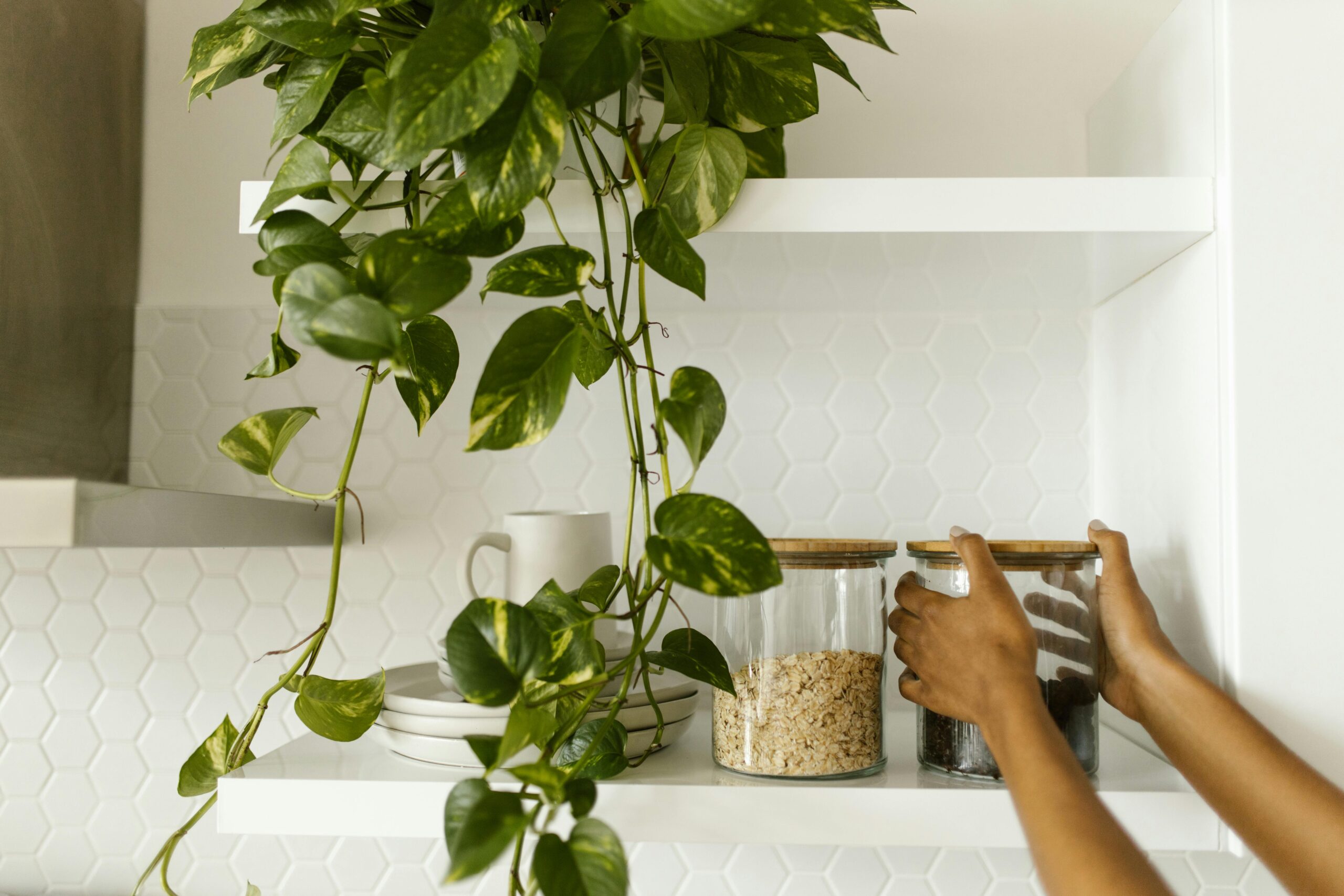
Called “devil’s ivy” because it’s nearly impossible to kill, pothos grows happily in water or soil. Its trailing vines look stunning cascading from shelves or climbing moss poles. It survives fluorescent office lighting and removes harmful chemicals from your air. This is one of the most popular houseplants for beginners who want instant impact with zero fuss.
Good Tip!
Place your pothos in a bathroom with no windows—the humidity from showers will keep it lush while it filters the air naturally.
ZZ Plant (Zamioculcas zamiifolia)
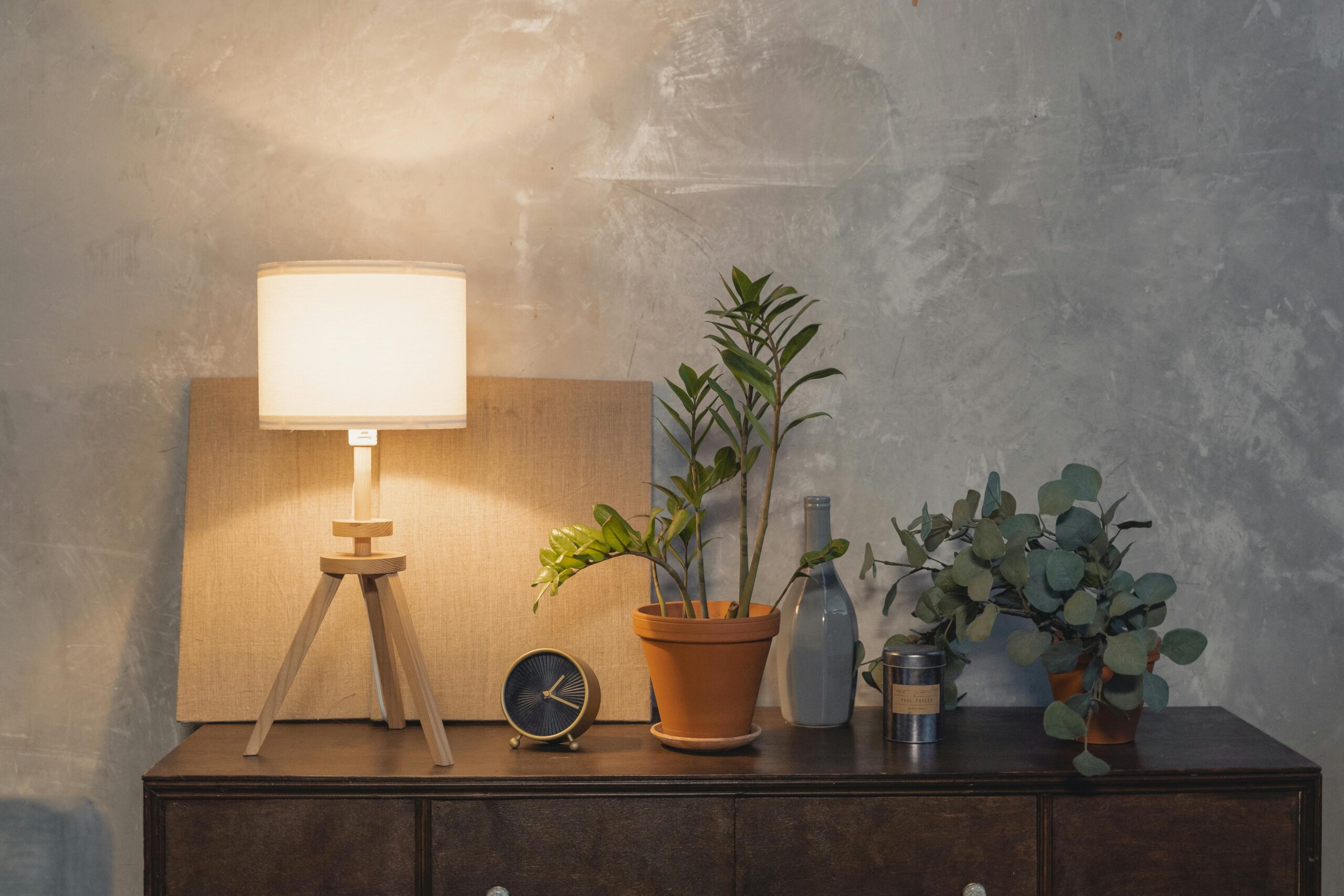
The ZZ plant’s glossy, architectural leaves store water in underground rhizomes, making it incredibly drought-tolerant. Forget to water for weeks? No problem. Its modern look fits any décor style, and it thrives in low light without losing its shine.
Cast Iron Plant (Aspidistra elatior)
This Victorian-era survivor literally earned its name from being indestructible. It tolerates neglect, temperature swings, and the darkest hallways in your home. Perfect for bathrooms or entryways where nothing else will grow.
While these low-light champions handle darker spaces beautifully, some famous indoor plants offer an extra bonus—they actively work to improve your air quality. Let’s look at the plants that combine beauty with powerful air-purifying capabilities.
Famous Indoor Plants That Purify Your Air Naturally
Beyond looking gorgeous on your shelves, some of the most popular houseplants for beginners actually work overtime to clean the air you breathe. These air-purifying houseplants don’t just sit there looking pretty—they actively filter toxins, remove mold spores, and even add moisture to dry indoor spaces.
Peace Lily (Spathiphyllum)
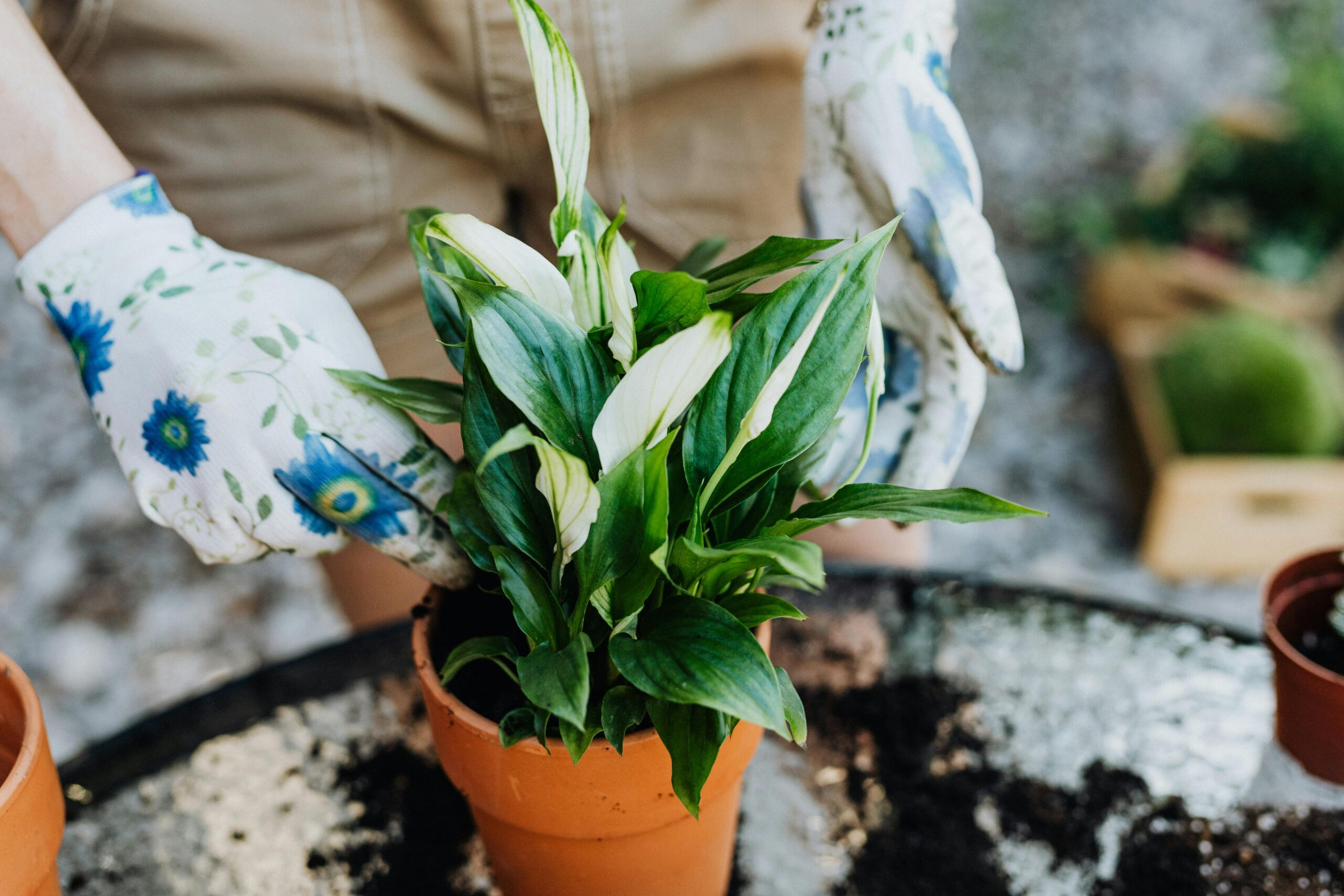
The peace lily brings elegance and function together in one graceful package. Those white blooms aren’t just beautiful—they’re part of a plant that reduces mold spores by 60%, making it perfect for bathrooms or basements prone to dampness. What beginners love most? This plant literally tells you when it needs water by drooping dramatically. Wait an hour after watering, and it perks right back up like nothing happened. It’s one of the best plants to clean indoor air, removing ammonia, benzene, and formaldehyde from your home.
Spider Plant (Chlorophytum comosum)
This retro favorite from the ’70s is making a serious comeback, and for good reason. Spider plants remove 95% of toxic formaldehyde in just 24 hours—that’s the stuff found in furniture, carpets, and cleaning products. They produce adorable “babies” that dangle from the mother plant, which you can snip off and propagate endlessly. Hang one in your kitchen or bathroom, and watch it thrive while quietly cleaning your air.
Good Tip!
Place one air-purifying plant per 100 square feet of living space for maximum toxin removal—NASA’s recommended ratio for cleaner indoor air.
Boston Fern (Nephrolepis exaltata)
If your home feels like the Sahara during winter months, the Boston fern is your new best friend. This natural humidifier increases humidity by 10%, which helps with dry skin, scratchy throats, and static electricity. Place one in your bedroom for better sleep quality. Just keep the soil consistently moist (not soggy), and give it indirect light. It’s fussier than some famous indoor plants, but the air quality benefits are worth the extra attention.
Rubber Plant (Ficus elastica)
Those broad, glossy leaves aren’t just for show—they’re toxin-filtering powerhouses. The rubber plant makes a bold statement in modern house plants design ideas while quietly removing airborne chemicals. It tolerates lower light than you’d expect and forgives occasional missed waterings. Start with a small one, and it’ll grow into a stunning floor plant that anchors any room.
Of course, not every plant parent prioritizes air purification. Some of us want famous indoor plants that make bold design statements and transform our spaces into Instagram-worthy sanctuaries. Let’s explore the trendsetters that deliver serious visual impact.
Trendy Famous Indoor Plants for Statement-Making Design
Monstera Deliciosa: The Instagram Icon
The Monstera Deliciosa didn’t become one of the most famous indoor plants by accident. Those dramatic, hole-punched leaves—called fenestrations—make every room feel like a tropical escape. Here’s the secret most beginners miss: those iconic splits only appear when your monstera gets enough bright, indirect light. Place it near an east or west-facing window, and watch new leaves unfold with increasingly larger holes. In minimalist interiors, treat your monstera as living sculpture. Let it climb a moss pole to reach its full glory, or position a mature plant in a simple white pot against a neutral wall. The plant itself becomes the art.
Fiddle Leaf Fig: The Designer’s Darling
Interior designers obsess over the Fiddle Leaf Fig’s oversized, violin-shaped leaves that add instant sophistication to any corner. But let’s address the elephant in the room—yes, it has a reputation for being fussy. The truth? It just needs consistency. Water when the top two inches of soil feel dry, give it bright indirect light, and resist the urge to move it around. Fiddle leaf figs thrive on routine. For styling, place yours in an empty corner where it can spread its branches without crowding. A tall, narrow planter emphasizes its vertical drama. Pro tip: wipe those glossy leaves monthly to keep them dust-free and photosynthesizing efficiently.
Good Tip!
Rotate your statement plants a quarter turn weekly so all sides get equal light exposure. This prevents lopsided growth and keeps your plant looking balanced from every angle.
Bird of Paradise: Tropical Drama Indoors
Want to create serious vertical interest? The Bird of Paradise delivers with paddle-shaped leaves that can stretch six feet tall indoors. This trendy houseplant brings instant vacation vibes to living rooms and entryways. Give it the brightest spot in your home—these plants crave light. The payoff? Bold, architectural foliage that transforms empty vertical space into a statement-making focal point. Pair it with low-profile furniture to emphasize its height, or flank a doorway with two for symmetrical impact.
Pilea Peperomioides: The Shareable Minimalist
The Chinese Money Plant charms with perfectly round, coin-shaped leaves on delicate stems. This beginner-friendly plant practically begs to be shared—it produces baby plantlets at its base that you can easily separate and gift to friends. In modern minimalist spaces, its geometric foliage adds organic softness without visual clutter. Display it on a floating shelf or simple plant stand where its unique silhouette can shine. Water when the soil dries out, give it moderate light, and watch it multiply.
While statement plants steal the spotlight, many busy plant parents need famous indoor plants that look great without demanding constant attention. These next champions deliver big style with minimal effort.
Easy-Care Famous Indoor Plants for Busy Plant Parents
Heartleaf Philodendron
If you’ve ever killed a houseplant and sworn off greenery forever, the heartleaf philodendron might just restore your confidence. This vining beauty practically begs you to forget about it for a week or two. Miss a watering? No problem. It’ll bounce back without holding a grudge. The heart-shaped leaves cascade gracefully from shelves or climb up moss poles, growing a solid 4-6 inches every month with zero fuss. You’ll find this popular houseplant for beginners thriving in offices, apartments, and even dorm rooms where care is, let’s be honest, pretty sporadic.
Aloe Vera
Here’s a plant that earns its keep twice over. Aloe vera stores water in its thick, spiky leaves, which means you only need to water it every three weeks—sometimes longer in winter. Forget about it completely? It’ll forgive you. But the real magic happens when you accidentally burn your hand on a hot pan. Snap off a leaf, squeeze out the cooling gel, and you’ve got instant relief. This dual-purpose succulent actually thrives on neglect, making it one of the best low-maintenance indoor plants you can own.
Good Tip!
Place your aloe near a bright window and wait until the soil is completely dry before watering—stick your finger two inches down to check. Overwatering kills more aloes than underwatering ever will.
Dracaena Varieties
Can’t decide on just one plant? The dracaena family gives you options. Whether you choose the spiky marginata, the corn-like fragrans, or the reflexa with its twisted leaves, you’re getting a plant that tolerates your busy schedule. These easy-care indoor plants handle low light like champions and won’t throw a fit if you skip watering for a bit. Even better, they grow tall and architectural—some reaching six feet indoors—without demanding constant attention. For more easy plants that thrive with minimal care, dracaenas consistently top the list.
Chinese Evergreen (Aglaonema)
Who says you need flowers for color? Chinese evergreens deliver stunning variegated foliage in silvers, pinks, and reds that brighten any room year-round. These famous indoor plants actually prefer your climate-controlled home—they handle air conditioning and heating without complaint. Best of all, they communicate clearly. Drooping leaves? Time for water. Yellowing? You’re overdoing it. This straightforward feedback makes them perfect for beginners still learning to read plant signals.
Once you’ve chosen the perfect plants for your space and lifestyle, the real fun begins—styling them to create a home that feels alive, intentional, and uniquely yours.
How to Style Famous Indoor Plants in Your Home
Layering Heights and Textures for Visual Interest
Think of your plant display like a beautiful photograph—it needs depth, not just flat surfaces. Start by placing a tall, upright snake plant at the back of your shelf or plant stand. Add a bushy fern in the middle for fullness. Then let a trailing pothos cascade over the front edge. This three-layer approach creates dimension that draws the eye naturally through your arrangement. The contrasting textures—spiky snake plant leaves, feathery fern fronds, and smooth pothos vines—make each plant stand out instead of blending together. Try this on floating shelves, tiered plant stands, or even your bookcase. The key is varying not just height but also leaf shape and growth pattern.
Choosing the Right Planters for Your Plants
Your planter choice affects more than just looks—it directly impacts how often you’ll water. Terracotta pots breathe, pulling moisture away from soil faster, which makes them perfect for plants that hate wet feet like snake plants and succulents. Ceramic or glazed pots hold water longer, ideal for thirsty ferns and peace lilies. Plastic planters retain the most moisture and work well for popular houseplants for beginners that prefer consistent dampness. Match your planter style to your plant’s personality too. A sleek monstera looks stunning in a modern white ceramic pot, while a trailing pothos feels right at home in a casual woven basket.
Good Tip!
Always use pots with drainage holes, then place them inside decorative cachepots. This prevents root rot while giving you styling flexibility.
Creating Professional Plant Vignettes
Interior designers swear by the “rule of three” for plant groupings. Pair a tall monstera (your focal point) with a medium-height peace lily and a trailing pothos at the base. This triangle formation creates balance and visual flow. Place them on a side table, console, or floor corner. Vary the planter colors but keep them in the same material family—all ceramic or all woven baskets—for cohesion. The different heights naturally guide your eye through the arrangement, making it look intentional rather than random.
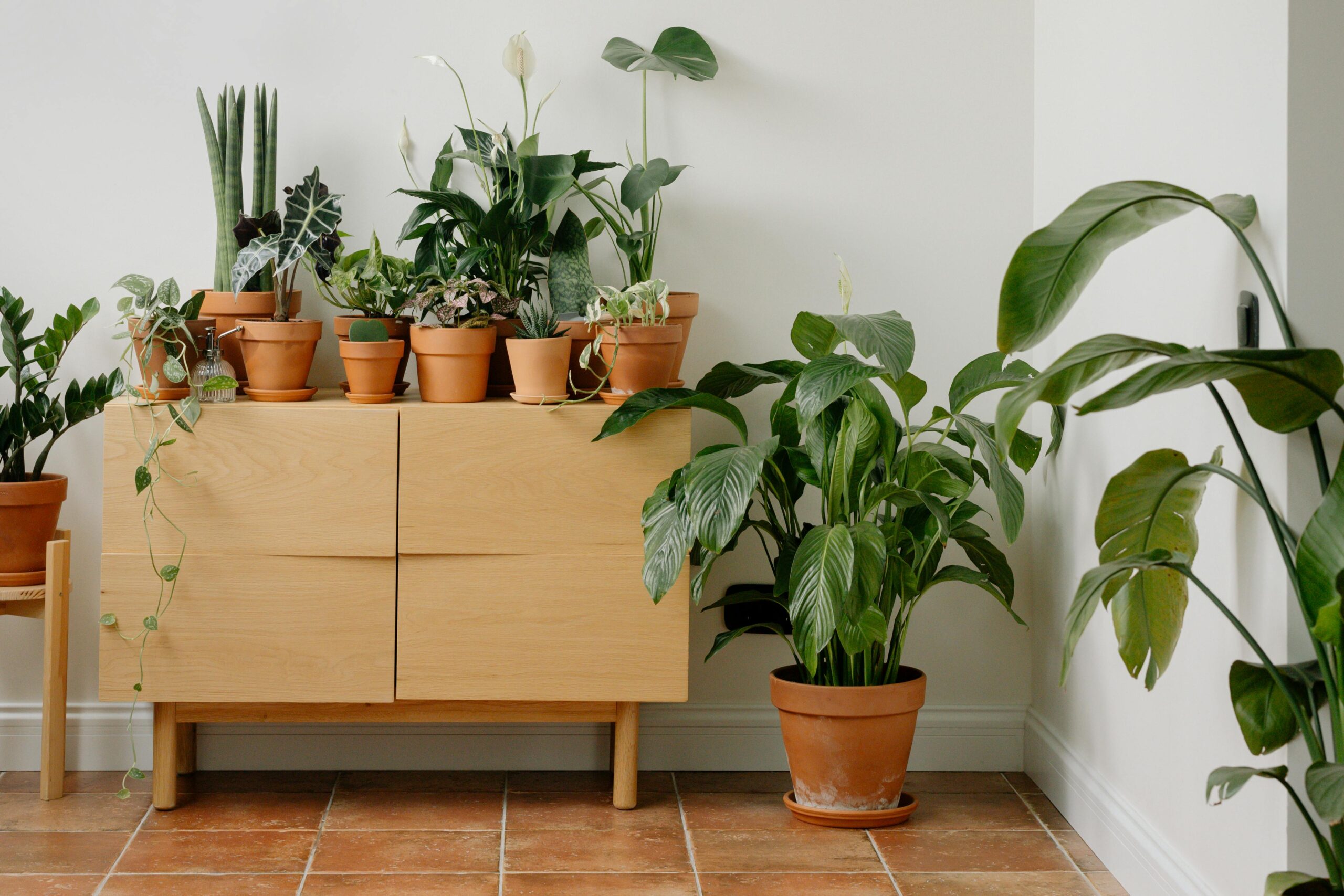
Room-by-Room Placement Strategies
Your kitchen thrives with herbs on sunny windowsills and pothos hanging above cabinets where steam rises. Bathrooms love humidity-loving ferns and low-light snake plants that handle moisture beautifully. Bedrooms benefit from snake plants and peace lilies, which release oxygen at night for better sleep quality. Living rooms deserve statement-makers like fiddle leaf figs in bright corners where they command attention. Match the plant to both the room’s light conditions and your lifestyle—high-traffic kitchens need durable plants, while peaceful bedrooms deserve calming greenery.
The famous indoor plants we’ve explored aren’t just decorative additions—they’re living companions that improve your air quality, boost your mood, and transform your space. Whether you choose low-light survivors, air-purifying champions, trendy statement-makers, or easy-care varieties, you’re joining millions of plant parents who’ve discovered what our ancestors knew all along: living with plants makes us feel better. Start with one that matches your light conditions and lifestyle, then watch as that first success story grows into a thriving indoor garden.
Conclusion
The most famous indoor plants have earned their celebrity status through decades of proven performance in homes around the world. From the nearly indestructible snake plant that tolerates weeks of neglect to the show-stopping monstera that commands attention in any room, these green companions offer something for every lifestyle and skill level. You’ve learned that their fame isn’t just about looks—it’s about air-purifying superpowers, forgiving natures, and incredible versatility in house plants design ideas that transform ordinary spaces into living, breathing sanctuaries.
The beauty of starting with these famous indoor plants is that success breeds confidence. As you master the simple care routines of a pothos or peace lily, you’ll naturally develop the intuition to expand your collection. Remember: even the most experienced plant parents started with these same beginner-friendly favorites. Your first step is choosing just one plant that speaks to your space and lifestyle—whether that’s a low-light champion for your dim apartment or a statement-maker for that empty corner.
Visit your local nursery this week and bring home one famous indoor plant from this guide. Start small, observe how it responds to your care, and let that first success fuel your growing passion for indoor greenery.
Frequently Asked Questions
Will these plants actually survive if I forget to water them?
Yes! Plants like snake plants, ZZ plants, and aloe vera are specifically designed to store water and tolerate weeks of neglect. Start with these forgiving varieties to build your confidence before moving to thirstier plants.
Do I really need bright windows for houseplants to survive?
Not at all. Low-light champions like pothos, snake plants, and cast iron plants thrive in dim conditions—even fluorescent office lighting. Save bright windows for statement plants like fiddle leaf figs and bird of paradise.
How many plants do I actually need to purify my home’s air?
NASA recommends one air-purifying plant per 100 square feet of space for noticeable results. A typical living room would benefit from 2-3 plants like peace lilies or spider plants working together.
Why do my plant’s leaves turn yellow even though I’m watering regularly?
Yellow leaves usually mean overwatering, not underwatering. Most famous indoor plants prefer drying out between waterings. Check the top two inches of soil—if it’s damp, wait before watering again.
Can I keep plants in rooms with no natural light at all?
Real plants need some light to photosynthesize, but snake plants and ZZ plants survive surprisingly well under consistent artificial lighting. Windowless bathrooms with good overhead lighting can support certain varieties successfully.
Are trendy plants like monsteras harder to care for than basic plants?
Not necessarily. Monsteras are actually quite forgiving and beginner-friendly despite their Instagram fame. They need bright indirect light and weekly watering—simpler than their dramatic appearance suggests.
Sources
- National Gardening Association — National Gardening Survey
- NASA — Interior Landscape Plants for Indoor Air Pollution Abatement
- University of Technology Sydney — The relative benefits of green versus lean office space: Three field experiments
- American Society for Horticultural Science — Common Causes of Houseplant Death and Prevention Strategies
- Google Trends Data — Monstera deliciosa search trends 2016-2021
- Architectural Digest — Millennial Home Décor Preferences Survey
- Environmental Protection Agency — Indoor Air Quality and Houseplants Research
- Royal Horticultural Society — Houseplant Care and Light Requirements Study
- Journal of Physiological Anthropology — Interaction with indoor plants may reduce psychological and physiological stress