
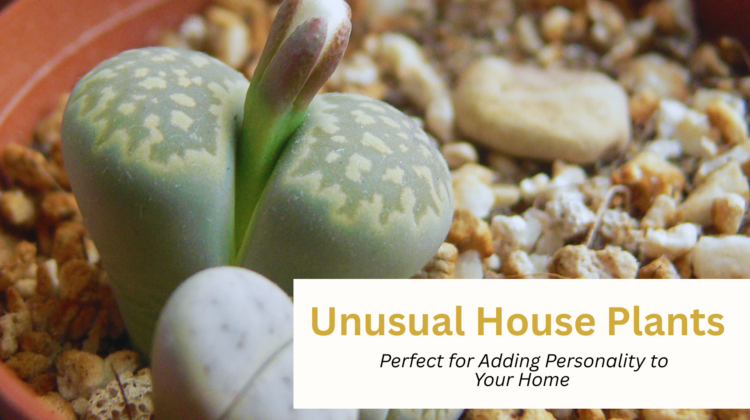
Unusual house plants like Lithops (living stones), carnivorous varieties, and rare aroids offer striking alternatives to common varieties while thriving indoors with proper care tailored to their native habitats.
While your neighbors fill their homes with pothos and snake plants, a world of extraordinary botanical specimens waits to transform your living space into something truly remarkable. Unusual house plants—from species that move on their own to those resembling polka dots or strings of pearls—captivate indoor gardeners craving something beyond the ordinary.
You’ve mastered basic plant care, but your indoor garden still resembles every plant-filled Instagram feed you scroll through. You crave unique greenery that sparks conversations and reflects your personality, but most garden centers stock predictable varieties, leaving you uncertain which rare specimens are worth the investment or how to care for them.
This guide introduces unusual house plants combining visual drama with realistic care requirements. You’ll discover each plant’s origins, what makes it special, specific indoor care instructions, and styling tips for these botanical conversation pieces—whether you’re drawn to carnivorous curiosities, living stones, or vines with heart-shaped windows.
Page Contents
What Makes House Plants Unusual and Why They’re Worth Growing
What Qualifies a Plant as “Unusual”?
Not every houseplant earns the “unusual” label. These botanical standouts distinguish themselves through rare availability, eye-catching appearance, or growth habits you won’t find in your average pothos. Some develop leaves that look like dolphins or pebbles. Others eat insects or fold their leaves at night like they’re going to sleep. What sets unusual house plants apart is their ability to make you stop and say, “Wait, that’s a real plant?”
You might find a Monstera at any big-box store, but try locating a Monstera obliqua with 90% fenestration. That scarcity drives both the appeal and the price tag. These plants often need specific care—distilled water for carnivorous varieties, custom soil mixes for succulents, or humidity levels that mimic their native rainforests.
The beauty of these specimens lies in their unpredictability. Unlike common houseplants that all start looking alike after a while, unusual house plants continue surprising you with their quirky characteristics and specialized needs.
Why Plant Lovers Are Obsessed with Rare Varieties
Millennials and Gen Z are fueling a plant revolution. The National Gardening Association reports a 35% increase in unusual plant purchases among adults under 35 between 2020 and 2024. These collectors aren’t just buying plants—they’re curating living art collections that reflect their personalities.
Social media plays a huge role. An Instagram-worthy String of Dolphins or a TikTok-famous Lithops generates more excitement than another snake plant. But it goes deeper than aesthetics. These plants challenge your growing skills and spark conversations when guests visit. According to Garden Media Group research, the specialty houseplant market grew by 42% from 2021 to 2023, with collectors specifically hunting rare variegations and exotic species.
The thrill of the hunt adds another layer to the obsession. Finding that perfect specimen after months of searching creates a sense of accomplishment that ordinary plants simply can’t match.
Good Tip!
Start with one unusual house plant that matches your current skill level and home conditions before investing in expensive rare specimens. This builds confidence and helps you understand specialized care requirements.
The Real Benefits Beyond Pretty Leaves
Sure, these plants look amazing. But they offer something more valuable—they teach you about plant biology in ways common varieties never will. Watching a carnivorous pitcher plant trap insects reveals nature’s ingenuity. Observing a prayer plant fold its leaves at dusk (nyctinasty) connects you to circadian rhythms in the plant kingdom.
These specimens also become genuine conversation starters. When someone notices your Stephania erecta with its sculptural caudex, you’re not just showing off a plant—you’re sharing a piece of botanical wonder. The Royal Horticultural Society notes that 68% of houseplant enthusiasts purchase at least one unusual variety annually, drawn by both beauty and the intellectual challenge.
Each unusual plant becomes a learning experience, pushing you to understand the specific conditions that make it thrive. This knowledge transforms you from someone who simply waters plants into a true plant parent who understands the “why” behind each care requirement.
Before You Start Collecting
Here’s the reality check: some rare houseplants for collectors sell for $100 to $500. A single Anthurium clarinervium cutting might cost what you’d spend on ten pothos plants. Ask yourself if your home environment supports their needs. Does your bathroom have enough humidity for tropical species? Can you provide the bright indirect light that fenestrated Monsteras crave?
Consider availability too. You won’t find most unique statement houseplants at local nurseries. You’ll need to research specialty growers, join online plant communities, or attend plant swaps. But if you’re ready to move beyond basic greenery, these extraordinary plants transform your space into something truly remarkable. Understanding what you’re getting into helps set realistic expectations and prevents the disappointment of losing expensive specimens to unsuitable conditions.
Most Spectacular Unusual House Plants for Indoor Gardens
Now that you understand what makes these plants special and why they’re worth the effort, let’s explore some of the most captivating varieties you can grow indoors. Each of these unusual house plants brings its own personality and care requirements to your collection.
String of Dolphins (Senecio peregrinus)
Imagine tiny dolphins leaping through your hanging basket. That’s exactly what String of Dolphins delivers. This succulent features plump, curved leaves that genuinely look like dolphins jumping through ocean waves. It’s one of those unusual house plants that makes guests do a double-take.
Care is refreshingly simple. Place it in bright indirect light—near a sunny window works perfectly. Water only when the soil dries completely, usually every 2-3 weeks. Overwatering kills more String of Dolphins than anything else. The trailing vines can reach 3 feet, creating a cascading waterfall effect that’s perfect for macramé hangers or high shelves.
As your String of Dolphins matures, it occasionally produces small white or pink flowers that smell faintly of cinnamon, adding another sensory dimension to this already delightful plant.
Lithops (Living Stones)
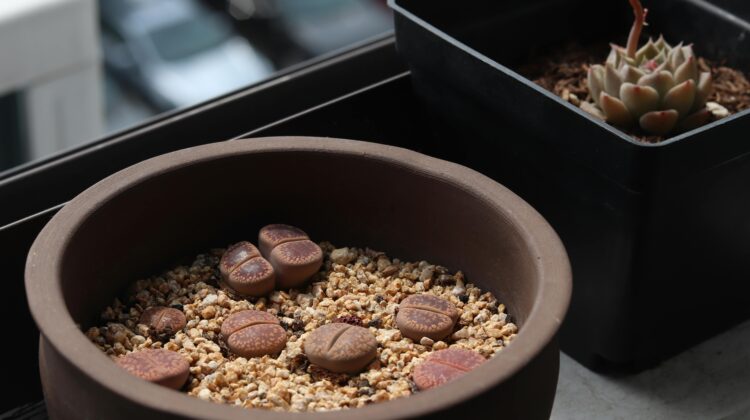
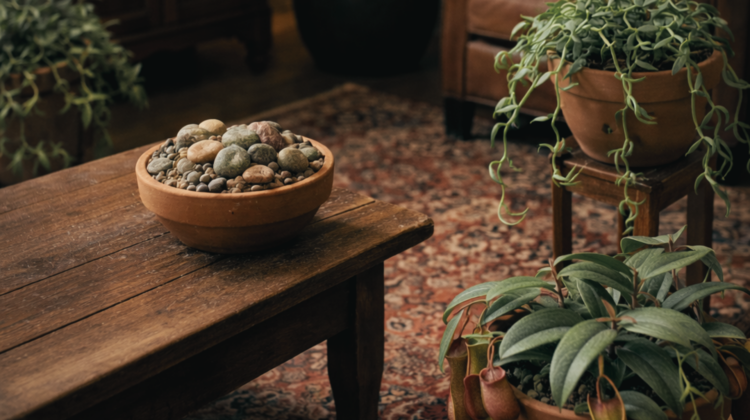
Lithops are the ultimate plant camouflage artists. These succulents evolved to mimic colorful pebbles, blending into South African deserts to avoid being eaten. Each “stone” is actually a pair of thick leaves that come in shades of gray, brown, pink, and green.
The watering cycle confuses most beginners. Water lightly during their growing season (spring and fall), then stop completely during summer and winter dormancy. Seriously—no water at all. This mimics their native habitat’s extreme drought periods. When mature (usually 3-5 years), Lithops surprise you with daisy-like flowers that emerge from the center split. For more rare houseplants for collectors, check out specialty succulent varieties that share similar care needs.
Good Tip!
Mark your calendar with Lithops’ dormancy periods. Set phone reminders to stop watering in June and December—this simple trick prevents 90% of Lithops deaths from well-meaning overwatering.
Monstera Obliqua
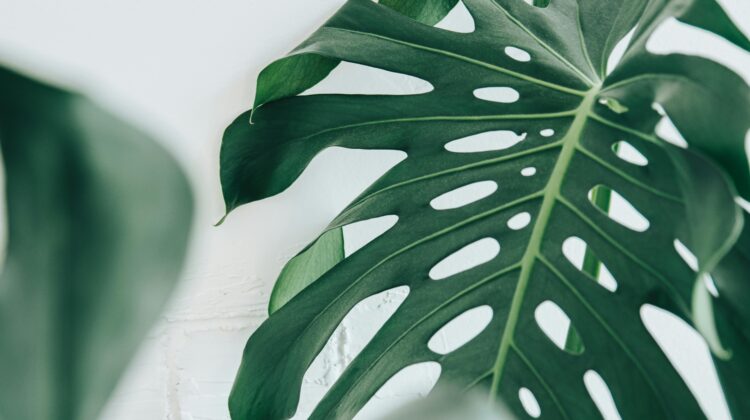
This is the holy grail of unusual house plants. Monstera obliqua features leaves that are literally 90% hole and only 10% actual leaf tissue. It’s often confused with Monstera adansonii, but obliqua’s fenestrations are far more extreme.
Here’s the reality check: obliqua grows painfully slowly. We’re talking one new leaf every few months. That’s why collectors pay $300-$1,000+ for small specimens. If you find one cheap, it’s probably adansonii mislabeled. Genuine obliqua needs high humidity (70%+) and patience—lots of patience. The reward for that patience is owning one of the most conversation-worthy plants in the entire houseplant world.
Pitcher Plants (Nepenthes Species)
Pitcher plants are living insect traps with stunning architectural beauty. Each pitcher is a modified leaf that lures bugs with nectar, then traps them in a pool of digestive enzymes. They’re surprisingly easy if you meet two requirements: distilled water only (tap water minerals kill them) and 60-80% humidity.
Beyond their carnivorous capabilities, these plants offer incredible visual interest with pitchers that range from green to deep burgundy, often with intricate patterns and colorful rims. Watching a pitcher develop from a tendril into a fully formed trap over several weeks never gets old, making them endlessly fascinating additions to any collection of unusual house plants.
Essential Care Requirements for Unusual House Plants
Successfully growing these botanical curiosities requires understanding their specific needs. While each species has unique requirements, certain fundamental principles apply across most unusual house plants.
Match Light to Your Plant’s Native Home
Think of light as your plant’s food source. Where did your unusual house plant originally grow? That’s the biggest clue to what it needs now. Rainforest understory plants—like most rare Anthuriums and Monsteras—thrive in bright indirect light. They evolved under a canopy, so they want lots of brightness without harsh rays.
Desert dwellers like Lithops? They actually crave some direct morning sun. Place them near an east-facing window where they’ll get that gentle early light. If your String of Dolphins starts stretching toward the window, it’s begging for more brightness. Scorched brown patches mean you’ve gone too far the other way.
Good Tip!
Take a photo of your plant’s spot at different times of day. This helps you see exactly how much light it’s actually getting—our eyes adjust and can trick us into thinking a corner is brighter than it really is.
Build the Right Soil Foundation
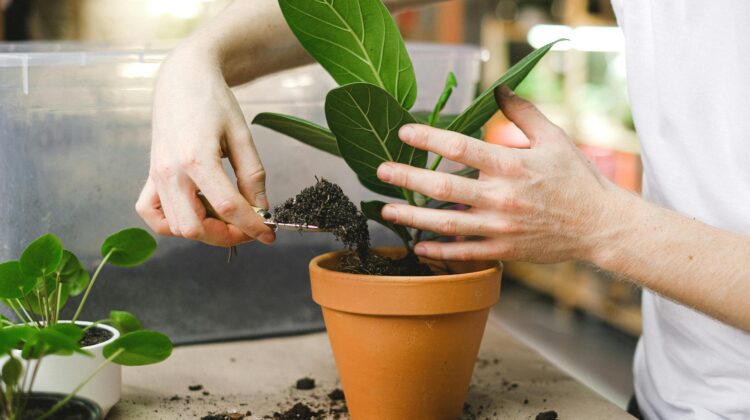
Your unusual house plants need specialized soil mixes, not the standard potting soil from the hardware store. Rare Monsteras and other aroids want a chunky mix—combine regular potting soil with orchid bark, perlite, and a bit of charcoal. This creates air pockets that prevent root rot.
Carnivorous plants like pitcher plants need pure sphagnum moss since they’re adapted to nutrient-poor bogs. Lithops and other living stones? They demand a gritty, mineral-heavy substrate that drains in seconds. Mix equal parts potting soil, coarse sand, and perlite. Yes, it feels like you’re planting them in gravel—that’s exactly right. How to care for your first rare houseplants starts with getting the soil right.
The investment in proper soil pays dividends in plant health. Using the wrong substrate is like feeding your plants the wrong diet—they might survive for a while, but they’ll never truly thrive.
Boost Humidity for Tropical Beauties
Most homes sit around 30-40% humidity. Many unusual house plants need 60% or higher. You’ll notice crispy leaf edges or slow growth when humidity drops too low. Start simple with pebble trays—fill a shallow tray with stones, add water just below the stone tops, and set your pot on top.
Grouping plants together creates a microclimate where they share moisture through transpiration. For serious collectors with multiple rare houseplants, a small humidifier pays for itself by keeping your investment healthy. Place it near your most humidity-demanding specimens for maximum benefit.
Water by Plant Type, Not by Calendar
Forget “water every Tuesday.” Your String of Dolphins might need watering every three weeks, while your pitcher plant wants constantly moist soil. Succulents and Lithops need the soil to dry completely between waterings—sometimes that’s a month in winter.
Carnivorous plants are the opposite extreme. They evolved in bogs and need their roots wet year-round. Check each plant individually by sticking your finger in the soil or lifting the pot to feel its weight. This individualized approach might seem tedious at first, but you’ll quickly develop an intuition for each plant’s rhythm.
Where to Find and How to Buy Unusual House Plants
Once you’re ready to start or expand your collection, knowing where to find quality specimens becomes crucial. The hunt for unusual house plants can be just as rewarding as growing them.
Shop Specialty Online Nurseries for Rare Specimens
Your local big-box store won’t stock that Monstera obliqua you’ve been dreaming about. That’s where specialty online nurseries come in. Sites like Steve’s Leaves, NSE Tropicals, and Logee’s rare plant collection carry exotic indoor plants that thrive indoors but rarely appear in mainstream retail.
Before you click “buy,” check seller ratings and reviews. Don’t hesitate to message sellers asking for current photos of the actual plant you’ll receive—not just stock images. Reputable growers will happily send you pictures showing leaf condition, size, and overall health. This simple step prevents disappointment when your package arrives.
Join Plant Swaps and Collector Communities
Some of the best unusual house plants come from fellow collectors, not stores. Facebook groups dedicated to rare houseplants for collectors connect you with people who propagate and trade cuttings at “friendship prices”—often just the cost of shipping.
Local plant swaps happen in many cities, where you can exchange divisions of your thriving plants for someone else’s rare specimens. These communities also offer priceless advice from growers who’ve successfully kept these plants alive in real homes, not just greenhouses. The relationships you build in these groups often prove as valuable as the plants themselves.

Good Tip!
Set up a dedicated quarantine shelf away from your main collection where new plants spend 2-3 weeks. This isolation period lets you spot pests or diseases before they spread to your established plants.
Inspect Before You Buy
Whether shopping online or in person, knowing what to look for saves heartache. Yellow leaves might indicate overwatering or nutrient problems. Check for tiny webs (spider mites), cotton-like clusters (mealybugs), or sticky residue (aphids or scale). Smell the soil—a sour, rotten odor signals root rot.
When your plant arrives, quarantine it immediately in a separate area before introducing it to your collection. This waiting period might test your patience, but it’s essential for protecting your existing plants from potential pests or diseases.
Styling Unusual House Plants in Your Home
Growing these spectacular plants is only half the fun—displaying them properly showcases their unique beauty while meeting their care needs.
Creating Focal Points with Statement Pieces
Your unusual house plants deserve to be seen. Place dramatic specimens like a mature Pitcher Plant or an Anthurium clarinervium on pedestals or plant stands where guests can’t help but notice them. These aren’t background plants—they’re living sculptures.
Elevating them brings their unique features to eye level, where the intricate veining of an Anthurium or the pitcher-shaped traps become conversation starters. Position them in high-traffic areas like entryways or living rooms where they’ll get the attention they deserve while still receiving appropriate light for their needs.
Grouping Plants for Visual Impact
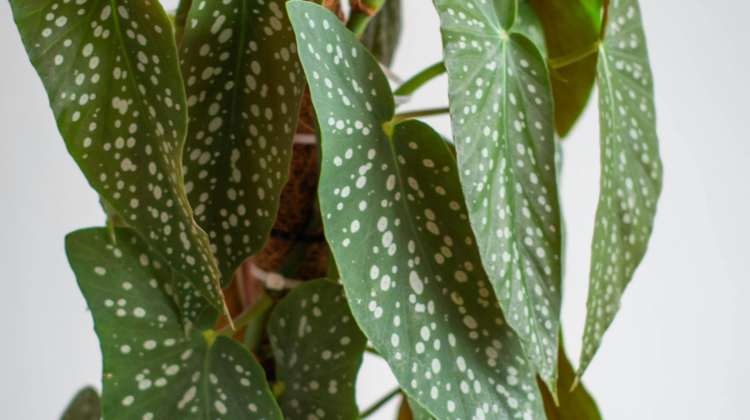
The “thriller, filler, spiller” concept works beautifully with unusual house plants. Start with an architectural “thriller” like Stephania erecta with its sculptural caudex. Add a textured “filler” such as Begonia maculata with its silver-spotted leaves. Finish with a trailing “spiller” like String of Dolphins cascading over the edge.
This combination creates depth and interest while showcasing different growth habits. Group them on a credenza or tiered plant stand where each plant gets adequate light but creates a cohesive display. The varied heights and textures turn your collection into a living piece of art.
Good Tip!
Rotate your plant groupings every few weeks so all sides receive equal light exposure, preventing lopsided growth and ensuring every angle looks Instagram-worthy.
Matching Plants to Your Interior Style
Your décor style should guide your plant choices. Minimalist spaces shine with single sculptural specimens—think a lone Stephania erecta on a concrete pedestal or a geometric Crassula umbella in a simple white pot. Bohemian interiors welcome mixed textures: combine fuzzy Purple Waffle Plants, smooth Living Stones, and architectural air plants in vintage containers.
Contemporary settings call for plants with clean geometric forms like Tillandsia xerographica’s perfect spiral, displayed in sleek ceramic planters that complement modern furniture. The right pairing between plant and container amplifies both elements.
Creative Display Methods
Different rare houseplants for collectors need different display approaches. Terrariums work perfectly for humidity-loving species like carnivorous plants and certain begonias—just ensure proper ventilation to prevent mold. Wall-mounted displays showcase epiphytes like air plants and trailing varieties like String of Hearts without taking up floor space.
Create vertical interest with shelving that displays small exotic indoor plants that thrive at varying heights, ensuring each specimen gets proper light while maximizing your display area. According to Houzz’s 2024 interior design report, nearly half of homeowners now incorporate statement plants into their design plans, with unique statement houseplants leading the trend.
Troubleshooting Common Problems with Unusual House Plants
Even experienced collectors encounter challenges. Knowing how to identify and address issues quickly can mean the difference between losing a prized specimen and nursing it back to health.
Spotting and Treating Pests on Rare Specimens
Your unusual house plants can attract some unwelcome visitors. String of Hearts often falls victim to spider mites—tiny pests that leave fine webbing between leaves. Succulents like Lithops attract mealybugs, which look like white cottony clusters hiding in leaf crevices. Anthuriums frequently host thrips, small insects that cause silvery streaks on leaves.
Catch these pests early by checking your plants weekly. Look under leaves and along stems where bugs like to hide. Treat infestations with neem oil or insecticidal soap, spraying thoroughly every five to seven days until the problem clears. For stubborn mealybugs, dab them directly with rubbing alcohol on a cotton swab.
Always quarantine new plants for two to three weeks before adding them to your collection—this simple step prevents pest spread to your established rare houseplants for collectors. Prevention requires less effort than treatment, and protects your investment in these valuable specimens.
Understanding What’s Normal Versus What’s Wrong
Not every issue signals trouble. Lithops and Monstera obliqua naturally grow at a snail’s pace—sometimes producing just one or two leaves per year. That’s completely normal. Stephania erecta goes dormant in winter, losing all its leaves and looking dead. Don’t panic and don’t overwater. The caudex stays alive underground, ready to sprout again in spring.
Leaf problems tell different stories. Yellowing leaves usually mean you’re watering too much. Browning tips suggest your home’s humidity is too low for tropical varieties. Fading patterns or pale new growth? Your plant needs more light. Understanding these signals helps you adjust care before small issues become big problems, as explained in this helpful troubleshooting guide.
Learning to read your plants’ signals transforms you from a reactive caregiver into a proactive one, catching problems when they’re still easy to fix.
Good Tip!
Keep a plant journal noting watering dates, light changes, and symptoms. Patterns emerge quickly, helping you solve problems faster with your unique statement houseplants.
Getting Help from Fellow Collectors
You don’t have to figure everything out alone. Online communities like Reddit’s r/rarehouseplants and Facebook groups dedicated to unusual house plants connect you with experienced collectors who’ve faced the same challenges. These spaces offer real-time advice on rescuing struggling plants and identifying mysterious problems.
Many specialty nurseries also provide ongoing support after purchase—don’t hesitate to email them photos when something seems off. The plant community’s collective knowledge exceeds any single care guide, and most collectors genuinely enjoy helping others succeed. This collaborative spirit makes growing unusual house plants less intimidating and far more enjoyable, turning what could be a solitary hobby into a shared passion with people around the world who appreciate these botanical treasures as much as you do.
Conclusion
Growing unusual house plants transforms your indoor garden from predictable to extraordinary, offering botanical diversity that reflects your personal style while challenging your plant care skills.
From the beginner-friendly String of Dolphins to advanced specimens like Monstera obliqua, these rare varieties introduce textures, colors, and growth habits beyond common houseplants.
Success depends on matching each plant to your home’s specific conditions, investing in proper soil mixes, and joining collector communities where experienced growers share knowledge.
Start with one unusual species suited to your current conditions, then gradually expand your collection as your confidence grows—creating a home filled with greenery as unique as you are.
Frequently Asked Questions
How much should I expect to spend on my first unusual houseplant?
Starter unusual plants like String of Dolphins or basic Lithops typically cost $15-$40. You can build a collection gradually without breaking the bank. Save the $100+ investment for after you’ve successfully kept a few unusual varieties alive.
Can I grow unusual houseplants if I don’t have a green thumb?
Absolutely! Start with forgiving options like String of Dolphins or hardy succulents. These plants teach you specialized care without punishing mistakes. Many unusual plants are actually easier than common varieties once you understand their specific needs.
Do unusual houseplants need more maintenance than regular plants?
They need different maintenance, not necessarily more. Lithops require less frequent watering than pothos. The key is matching the plant’s specific needs rather than following generic care routines that work for common houseplants.
Where’s the best place to find unusual plants if I live in a small town?
Online specialty nurseries ship nationwide and offer far better selection than local stores. Join plant swap groups on social media to trade cuttings with collectors. Both options work perfectly regardless of your location.
Will my unusual plants survive if my house has low humidity?
Choose wisely and you’ll be fine. Succulents like Lithops and String of Dolphins thrive in dry conditions. Reserve tropical pitcher plants and fenestrated Monsteras for bathrooms or invest in a small humidifier for their area.
How do I know if a seller is reputable when buying rare plants online?
Check reviews from multiple sources and ask for current photos of the actual plant, not stock images. Reputable sellers respond quickly to questions and guarantee their plants arrive healthy. Avoid deals that seem too good to be true.