

You can grow virtually any plant in a greenhouse with proper temperature, humidity, and light control—including vegetables year-round, tropical fruits, flowers, herbs, and profitable specialty crops.
Imagine stepping into your greenhouse on a frosty January morning and harvesting ripe tomatoes, fresh basil, and admiring blooming orchids while snow covers the ground outside. The magic of greenhouse gardening lies in its ability to defy seasons and climates, transforming your growing possibilities into a year-round bounty.
Many gardeners struggle with short growing seasons, unpredictable weather destroying crops, or the inability to grow heat-loving plants in cooler regions. You might be wondering if a greenhouse is worth the investment, what actually thrives under glass, or how to maximize your space for the best variety and yield.
This comprehensive guide walks you through everything you can successfully cultivate in a greenhouse environment—from everyday vegetables and herbs to exotic fruits, stunning flowers, and even specialty crops that command premium prices.
Page Contents
Vegetables You Can Grow In A Greenhouse Year-Round
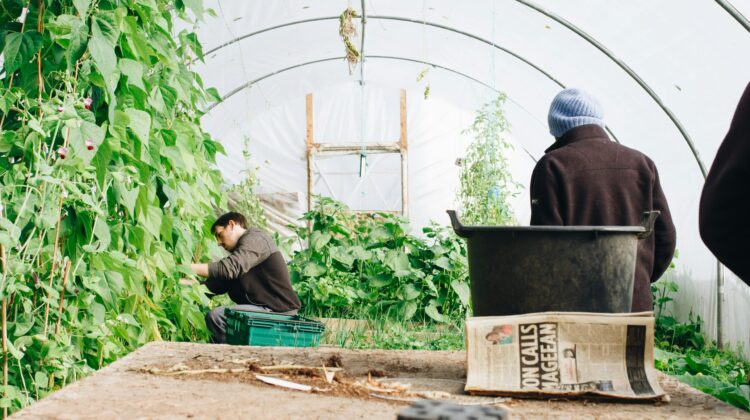
When exploring what can you grow in a greenhouse, vegetables offer the most practical starting point for both beginners and experienced growers. The beauty of greenhouse vegetable gardening lies in its versatility—you can grow everything from delicate salad greens to heavy-producing fruiting plants, regardless of what’s happening with the weather outside.
Cool-Season Crops That Thrive With Minimal Heat
If you’re wondering what can you grow in a greenhouse during the coldest months, cool-season vegetables are your answer. Lettuce, spinach, kale, and broccoli actually prefer temperatures between 45-65°F—perfect for unheated or minimally heated greenhouses. These crops don’t just survive cooler conditions; they thrive in them, making them ideal for extending your harvest well into winter and getting a jump-start on spring.
The secret to never running out? Succession planting. Plant a new batch every two weeks, and you’ll have fresh salads and greens continuously from fall through spring. Michigan State University Extension found that these leafy greens harvest 3-4 weeks earlier in greenhouses and keep producing 6-8 weeks longer into fall compared to outdoor gardens. That extended season means you’re eating fresh, crisp lettuce when your neighbors are buying limp grocery store greens.
Good Tip!
Plant lettuce and spinach in shallow trays or containers—they have short roots and mature quickly, making them perfect for filling empty bench space between larger plants.
Warm-Season Favorites That Deliver Massive Yields
While cool-season crops excel in unheated spaces, warm-season vegetables demonstrate what can you grow in a greenhouse when you add a bit of supplemental heat. Tomatoes, peppers, cucumbers, and eggplants are greenhouse superstars that produce 2-3 times more under glass than in outdoor gardens. Rutgers University research shows greenhouse tomatoes can yield 25-40 pounds per plant annually, compared to just 10-15 pounds outdoors.
Why such a huge difference? Your greenhouse protects plants from temperature swings, extends the growing season by months, and keeps pests at bay. The controlled environment eliminates the stress that outdoor plants face from sudden cold snaps, hailstorms, or scorching heat waves. Choose indeterminate tomato varieties that keep producing all season long, and select compact pepper cultivars if space is tight. These plants appreciate consistent warmth between 65-80°F and reward your attention with abundant harvests that keep your kitchen stocked year-round.

Root Vegetables and Quick-Turn Crops
Don’t overlook the humble root vegetables when planning what can you grow in a greenhouse. Carrots, beets, and radishes are the perfect gap fillers that maximize every inch of your growing space. These root vegetables grow quickly and fit into tight spaces between larger plants, making them excellent companion crops that increase your overall productivity.
Radishes can be ready in just 25 days, making them ideal for teaching kids about gardening or filling empty spots while waiting for slower crops to mature. They also help break up compacted soil and can be grown in containers or directly in greenhouse beds. Carrots and beets take longer—typically 60-80 days—but they’re incredibly productive and store well, giving you fresh vegetables even between major harvests. The key is choosing shorter varieties bred for container or intensive growing, which tend to develop better in the confined space of greenhouse beds.
Exotic Vegetables That Expand Your Options
Here’s where greenhouses get exciting and really showcase the range of what can you grow in a greenhouse beyond typical garden fare. Plants that would never survive your outdoor climate become totally doable. Specialty melons, okra, and Asian eggplant varieties suddenly become part of your greenhouse vegetables list. These heat-lovers need consistent warmth and protection from weather extremes—exactly what your greenhouse provides.
Just remember that melons and some larger vegetables need vertical trellising to save space, and hand pollination might be necessary if bees can’t access your greenhouse. A small paintbrush becomes your pollination tool, gently transferring pollen between flowers in the morning for better fruit set. This opens up possibilities for growing Asian long beans, bitter melon, Thai basil varieties, and other specialty vegetables that command premium prices at farmers’ markets or simply expand your culinary adventures at home.
Fruits And Berries To Grow In Your Greenhouse
Once you’ve mastered vegetable production, fruits and berries represent the next frontier in greenhouse growing. While they typically require more patience than quick-growing vegetables, the payoff is remarkable—fresh fruit harvested during months when outdoor production is impossible.
Citrus Trees That Thrive in Containers
Ever dream of picking fresh lemons in February? Your greenhouse makes it possible. Dwarf citrus varieties—lemons, limes, kumquats, and oranges—adapt beautifully to container life and reward you with 20-50 fruits per tree when you keep temperatures above 50-55°F. These trees need bright light (at least 8 hours daily) and consistent moisture, but they’re surprisingly forgiving once established.
Choose dwarf or semi-dwarf varieties like ‘Improved Meyer’ lemon or ‘Bearss’ lime that stay manageable in 15-20 gallon pots. The fragrance alone when they bloom makes them worth growing, and harvesting your own citrus in the dead of winter feels like pure magic. Citrus trees also double as ornamental features, with glossy evergreen foliage that stays attractive year-round even when not fruiting. They’re proof that what can you grow in a greenhouse extends far beyond traditional northern crops.
Strawberries for Nearly Year-Round Harvests
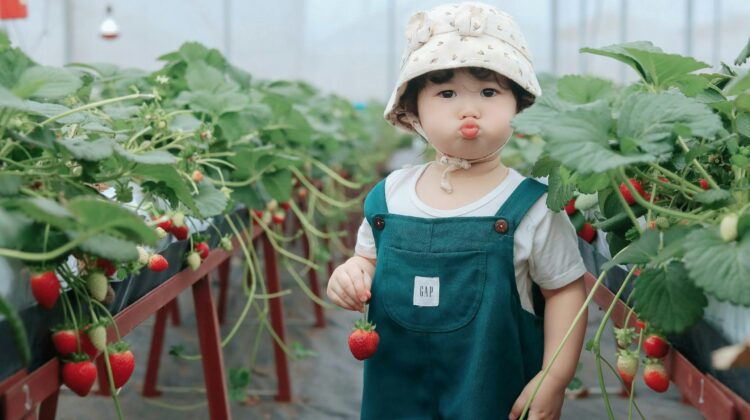
Forget waiting for that brief outdoor strawberry season. Greenhouse strawberries equipped with day-neutral varieties like ‘Albion’ or ‘Seascape’ can produce fruit 8-10 months per year instead of the typical 4-6 weeks you’d get outdoors. Grow them in elevated planters or hanging baskets to save space and keep berries clean and away from soil-borne diseases.
These varieties don’t depend on day length to set fruit, so they’ll keep producing as long as temperatures stay between 60-75°F. You’ll get smaller but more frequent harvests—perfect for fresh eating and adding to breakfast bowls throughout most of the year. The continuous production means you can enjoy strawberries with your morning oatmeal in January just as easily as in June, completely transforming what you thought was possible with homegrown berries.
Exotic Fruits You Never Thought Possible
Your greenhouse opens doors to fruits that would never survive your outdoor climate, dramatically expanding what can you grow in a greenhouse beyond cold-hardy options. Figs produce two crops annually in protected environments—one on old wood in early summer and another on new growth in fall. Passion fruit vines climb trellises and create edible living walls while yielding 50-100 fruits per season, their unusual flowers adding tropical beauty to your growing space.
Even dwarf bananas become achievable—yes, it takes 18-24 months from planting to harvest, but imagine the satisfaction of cutting your own banana bunch. 6 Easy, Fun Fruits to Grow in a Greenhouse offer even more inspiration for beginners ready to expand beyond traditional crops. These exotic fruits often require warmer temperatures (70-85°F) and higher humidity than vegetables, so group them together to create a tropical zone within your greenhouse.
Good Tip!
Hand-pollinate citrus and passion fruit flowers with a small paintbrush if you don’t have bees visiting your greenhouse—just gently transfer pollen between flowers in the morning for better fruit set.
Vertical Growing for Grapes and Melons
Don’t let limited floor space stop you from growing larger fruits. Grape vines and compact melon varieties thrive on vertical trellises, maximizing your greenhouse footprint while protecting fruits from ground pests and weather damage. Train grape vines along overhead wires or wall-mounted supports to create productive canopies that don’t consume precious ground space.
Choose smaller melon varieties like ‘Minnesota Midget’ or ‘Sugar Baby’ watermelon that produce 3-5 pound fruits perfect for trellising. Use fabric slings or mesh bags to support developing melons as they grow—this prevents stems from breaking under the weight. The vertical approach improves air circulation around fruits, reducing disease pressure while making harvesting easier on your back. This technique effectively doubles or triples what can you grow in a greenhouse by utilizing vertical space that would otherwise go unused.
Herbs And Aromatic Plants Perfect For Greenhouse Growing
Herbs represent one of the most rewarding categories when considering what can you grow in a greenhouse, offering continuous harvests, pest-deterrent properties, and often commanding premium prices if you choose to sell them. Unlike many crops that have distinct seasons, greenhouse herbs can produce year-round with proper planning.
Culinary Powerhouses That Keep On Giving
Your kitchen herbs deserve a spot in your greenhouse, and here’s why: culinary favorites like basil, cilantro, and parsley produce three to four times more harvestable leaves under glass compared to outdoor plants. The secret? Succession planting combined with optimal growing conditions. Start a new batch every two to three weeks, and you’ll never run out of fresh herbs.
Basil loves warmth—keep it above 65°F and watch it explode with fragrant leaves perfect for pesto, caprese salads, and endless other dishes. Cilantro prefers cooler spots (50-65°F), so plant it near vents or doors where temps stay moderate. This staggered approach means you’re always snipping fresh herbs while new plants mature, creating a continuous harvest cycle that outdoor gardens simply can’t match. For more ideas on getting started, check out 11 Easy Herbs to Grow in a Greenhouse Garden.

Mediterranean Herbs That Actually Survive Winter
Rosemary, thyme, oregano, and sage struggle through harsh winters outdoors, often dying back or barely surviving. In a greenhouse, these Mediterranean perennials thrive for five to ten years or longer, becoming woody, productive plants that just keep giving. They need protection from freezing temps and soggy soil—two things your greenhouse handles perfectly.
Plant them in well-draining containers or raised beds with sandy, gritty soil that mimics their native Mediterranean habitat. Prune regularly to encourage bushy growth, and you’ll have woody, aromatic herbs that provide fresh flavor year after year. These aren’t annuals you replant every spring—they’re long-term investments that mature into substantial plants. A single established rosemary bush can provide enough herbs for cooking, gift-giving, and even small-scale selling, demonstrating the practical value of understanding what can you grow in a greenhouse for the long term.
Good Tip!
Prune woody herbs like rosemary and thyme by one-third in early spring to promote bushier growth and prevent them from becoming leggy.
Tropical Aromatics That Command Premium Prices
Want to grow something truly unique? Lemongrass, ginger, and turmeric are impossible in most outdoor gardens but thrive in greenhouse warmth. These tropical aromatics need consistent heat (65-75°F) and humidity, conditions your greenhouse delivers effortlessly. Fresh lemongrass plants sell for $8-15 each at farmers’ markets, making them profitable greenhouse crops if you’re thinking commercially.
Even if you’re just growing for yourself, the culinary possibilities are endless—fresh ginger for stir-fries, turmeric for golden milk, lemongrass for Thai curries. These plants add exotic flair to what can you grow in a greenhouse while expanding your cooking repertoire far beyond what’s available at typical grocery stores. Start ginger and turmeric from organic rhizomes purchased at health food stores, and lemongrass from divisions or nursery plants. Within a season, you’ll have productive clumps that provide both culinary ingredients and propagation material for expanding your collection.
Strategic Placement For Pest Control And Convenience
Don’t just cluster your herbs in one corner—strategic placement throughout your greenhouse serves multiple purposes. Scatter aromatic varieties among your other crops to naturally deter pests while keeping fresh herbs within easy reach. Basil planted near tomatoes discourages aphids and whiteflies. Mint (always grown in containers since it spreads aggressively) repels various flying insects. Rosemary and sage confuse spider mites and other pests with their strong scents.
This companion planting approach creates a living pest management system while making harvesting convenient—you’re never more than a few steps from fresh herbs when cooking. Plus, the visual interest of herbs tucked between vegetables and flowers creates an attractive, functional layout that maximizes every inch of your growing space. The varied textures and colors of different herbs break up monotonous rows of crops and create a more garden-like atmosphere that’s pleasant to work in.

Flowers And Ornamentals For Beauty And Profit
While food production dominates most greenhouse planning discussions, ornamental plants deserve serious consideration. They not only beautify your growing space but often represent the most profitable options for commercial growers and serious hobbyists alike.
Cut Flower Production: Consistent Blooms, Serious Income
Cut flower production becomes reliable year-round in greenhouse environments, with potential returns of $15,000-25,000 annually per 1,000 square feet of growing space. That’s not a typo, and it’s why commercial flower farming has exploded in recent years. Roses, gerbera daisies, lisianthus, and snapdragons thrive under glass, producing consistent, high-quality stems regardless of what’s happening outside.
You’re no longer at the mercy of frost dates or summer storms that can devastate outdoor flower crops overnight. Greenhouses let you time blooms for holidays and events when prices peak—Valentine’s Day, Mother’s Day, wedding season. Start with easy varieties like snapdragons or zinnias to learn the basics, then work up to more demanding crops like lisianthus that command higher prices but require more precise climate control. For deeper insights on the most profitable flowers to grow and sell, check out this comprehensive guide to profitable flower farming.
Orchids And Tropical Flowering Plants: Humidity-Loving Beauties
Orchids and tropical flowering plants that require specific humidity and temperature ranges (typically 60-80°F and 50-70% humidity) thrive in controlled greenhouse conditions where you can fine-tune the environment to their exact preferences. These plants are notoriously fussy outdoors and marginal as houseplants in dry indoor air, but in a greenhouse, you control everything.
Phalaenopsis orchids, anthuriums, and bromeliads reward you with months-long blooms when their needs are met—far longer than most cut flowers. Install a simple hygrometer to monitor humidity, and use pebble trays or misting systems to maintain moisture levels. The satisfaction of coaxing a “difficult” orchid into bloom is unmatched, and these plants demonstrate the exotic possibilities when you expand your thinking about what can you grow in a greenhouse beyond edibles.
Good Tip!
Group humidity-loving plants together to create a microclimate—they’ll naturally raise moisture levels around each other, reducing your workload.
Plant Propagation: Small Space, Big Returns
Plant propagation businesses for seedlings, houseplants, and perennials can generate $2,000-8,000 annually even from small greenhouse operations focused on spring sales. Spring seedling sales alone can cover your greenhouse heating costs for the entire year, making this one of the most practical ways to offset operating expenses.
Propagate trendy houseplants like pothos or snake plants, start vegetable seedlings for local gardeners, or root perennial cuttings to sell at farmers’ markets. The startup costs are minimal—just pots, soil, and seeds or cuttings. Markup is typically 300-500%, making this one of the best plants for greenhouse growing if profit matters to you. Even hobby growers often find that selling excess seedlings to friends and neighbors covers their seed costs and then some.
Succulents And Cacti: Desert Dwellers Under Glass
Succulent and cacti collections benefit from greenhouse protection in cold climates while receiving the intense light these plants require for compact, colorful growth. These desert natives need full sun and excellent drainage but can’t handle freezing temperatures that would kill them outdoors in most regions.
Greenhouses solve both problems perfectly. You’ll grow tighter, more colorful specimens than indoor growers ever achieve, with intense pigmentation and symmetrical growth that comes from abundant light. You can overwinter entire collections safely, then move them outdoors for summer if desired. Display them on tiered benches to maximize space and create stunning visual arrangements that showcase your collection while inspiring other growers.
Profitable Specialty Crops For Your Greenhouse
If you’re thinking beyond personal use and wondering what can you grow in a greenhouse to generate income, specialty crops offer the highest returns per square foot. These niche products command premium prices and often require the controlled environment only greenhouses provide.
Microgreens: Quick Cash Crops With Minimal Space
If you’re looking to turn your greenhouse into a money-maker fast, microgreens are your best friend. These tiny powerhouses go from seed to harvest in just 7-21 days, meaning you can cycle through multiple crops while other plants are still getting established. What really gets people excited is the price tag—microgreens regularly sell for $25-50 per pound at farmers’ markets and to restaurants. That’s not a typo.
These nutrient-dense greens contain 4-40 times more vitamins and minerals than their full-grown versions, which is why chefs and health-conscious consumers happily pay premium prices. You can grow them on simple shelving units, stacked vertically to maximize every square foot. Start with easy varieties like sunflower, pea shoots, and radish, then expand into specialty mixes as you build relationships with buyers. The rapid turnover and minimal space requirements make microgreens ideal for small greenhouses or for filling spaces while establishing longer-term crops.
Gourmet Mushrooms: Making Money In The Shadows
Here’s something most greenhouse growers overlook when planning what can you grow in a greenhouse—those dark corners and under-bench spaces you thought were wasted? They’re perfect for growing gourmet mushrooms. Oyster mushrooms, shiitakes, and lion’s mane thrive in the exact conditions other crops hate: low light, high humidity, and cooler temperatures.
These specialty fungi wholesale for $12-16 per pound, and you can grow them in bags or logs that stack vertically, maximizing otherwise unused space. The beauty of mushrooms is they complement your other crops perfectly. While your tomatoes soak up sunshine above, mushrooms are quietly producing underneath. Plus, you can use spent mushroom substrate as compost for your other plants, creating a closed-loop system that makes your greenhouse more productive without adding square footage. It’s an elegant solution that improves both productivity and sustainability.
Medicinal Herbs And Tea Ingredients: Tapping Into Wellness Trends
The market for medicinal and tea herbs keeps growing as more people seek natural remedies and artisanal products. Chamomile, echinacea, specialty mints, lemon balm, and lavender are all greenhouse-friendly and command strong prices when dried properly. These herbs wholesale for $8-20 per pound dried, and you can often get even better prices selling directly to tea blenders, herbalists, or at farmers’ markets.
The best part? Most medicinal herbs are perennials or easy-to-grow annuals that don’t need constant replanting. They’re also relatively pest-resistant and forgiving of variable greenhouse conditions. If you’re wondering what can you grow in a greenhouse that practically sells itself, medicinal herbs check all the boxes—especially if you can get organic certification, which adds significant value to your product and opens doors to premium markets.
Seedlings And Houseplant Propagation: Spring Gold Rush
Every spring, gardeners scramble to find quality seedlings for their gardens. That’s where you come in. Growing vegetable seedlings, annual flowers, and trendy houseplants for sale typically delivers a 300-500% markup on your production costs. Think about it—a pack of tomato seeds costs a few dollars, but you can sell six healthy seedlings for $4-6 each.
The spring rush is real, and if you time it right, you can move hundreds or thousands of plants in just a few weeks. Houseplant propagation extends this business year-round. Trendy plants like pothos varieties, philodendrons, and snake plants are incredibly easy to propagate and sell consistently. Many small-scale greenhouse growers report earning $2,000-8,000 just from spring seedling sales alone—enough to justify the greenhouse investment entirely. For more ideas on profitable greenhouse crops, check out proven strategies from experienced commercial growers who’ve built successful businesses around specialty production.
Good Tip!
Start your specialty crop business small with just one or two products, perfect your growing system and find reliable buyers, then scale up. Many successful greenhouse businesses began by mastering microgreens or seedlings before diversifying into other profitable crops.
The remarkable diversity of what can you grow in a greenhouse means there’s truly something for every grower, whether you’re focused on feeding your family fresh vegetables year-round, creating a beautiful cut flower operation, or building a profitable specialty crop business. The controlled environment gives you possibilities that simply don’t exist in outdoor gardening, turning dreams of tropical fruits, winter tomatoes, or exotic herbs into reality. Start with crops that match your goals and climate conditions, then expand as your confidence and experience grow. Your greenhouse isn’t just a structure—it’s a gateway to year-round growing that transforms how you think about gardening entirely.
Conclusion
Your greenhouse opens possibilities that transcend seasons, climate zones, and traditional gardening limitations. From year-round vegetables and fresh herbs to citrus in January or exotic orchids, what you can grow in a greenhouse is limited only by your imagination and willingness to manage the environment. With proper planning—including smart watering systems, pest management, and space optimization—your greenhouse becomes an investment that pays dividends in fresh food, beautiful flowers, and the satisfaction of gardening regardless of weather outside.
Frequently Asked Questions
Can I really grow citrus trees in a greenhouse if I live in a cold climate?
Absolutely! Dwarf citrus varieties thrive in containers inside greenhouses as long as you maintain temperatures above 50-55°F and provide at least 8 hours of bright light daily. You can harvest 20-50 fruits per tree annually.
What’s the fastest crop I can grow to see quick results?
Microgreens and radishes are your fastest options. Microgreens harvest in just 7-21 days, while radishes are ready in about 25 days. Both are perfect for beginners wanting immediate satisfaction.
Do I need to heat my greenhouse to grow vegetables in winter?
Not necessarily. Cool-season crops like lettuce, spinach, kale, and broccoli actually thrive in unheated or minimally heated greenhouses with temperatures between 45-65°F, making winter growing totally achievable.
How much money can I realistically make from a small greenhouse?
Even small operations can generate $2,000-8,000 annually from seedling sales or specialty crops like microgreens. Cut flower production in a 1,000 square foot space can bring $15,000-25,000 yearly.
Will I need to hand-pollinate my greenhouse plants?
Some plants will need hand-pollination if bees can’t access your greenhouse. Use a small paintbrush to gently transfer pollen between flowers on citrus, melons, and passion fruit for better fruit set.
What’s the biggest mistake beginners make with greenhouse growing?
Overcrowding is the most common error. Plants need adequate spacing for air circulation to prevent disease. Start with fewer plants, master their care requirements, then expand as you gain confidence.
Sources
- Cornell Cooperative Extension – Season Extension for Market Gardeners
- Michigan State University Extension – Growing Leafy Greens in High Tunnels and Greenhouses
- USDA Specialty Crop Reports – Market data on microgreens pricing and specialty crop values