

The best windowsill plants match your available light conditions, fit your care routine, and enhance your space aesthetically while thriving in limited space.
That empty windowsill has been staring at you for months—a blank canvas begging for life and color. Windowsill plants offer the perfect solution for bringing nature indoors without sacrificing valuable floor space, instantly transforming even the tiniest apartment into a refreshing green sanctuary.
But choosing the right windowsill plants can feel overwhelming. Will succulents scorch in your south-facing window? Can anything actually thrive on that dim north-facing ledge? And how do you prevent leggy growth or root rot in those shallow containers that heat up during the day and chill drastically at night?
This guide walks you through selecting, caring for, and styling windowsill plants that actually thrive in your specific conditions—from sunny southern exposures to dim northern nooks. You’ll discover foolproof species recommendations for every light level, practical care tips that work in the unique microclimate of a windowsill, and creative arrangement ideas that turn ordinary sills into stunning focal points.

Page Contents
Best Windowsill Plants for Sunny South-Facing Windows
South-facing windows deliver the brightest, most intense light in your home—often 6+ hours of direct sunlight daily. This abundance of light opens the door to growing vibrant, sun-loving windowsill plants that would struggle in dimmer locations. Let’s explore the varieties that absolutely thrive in these sunny conditions.
Succulents and Cacti That Love the Sun
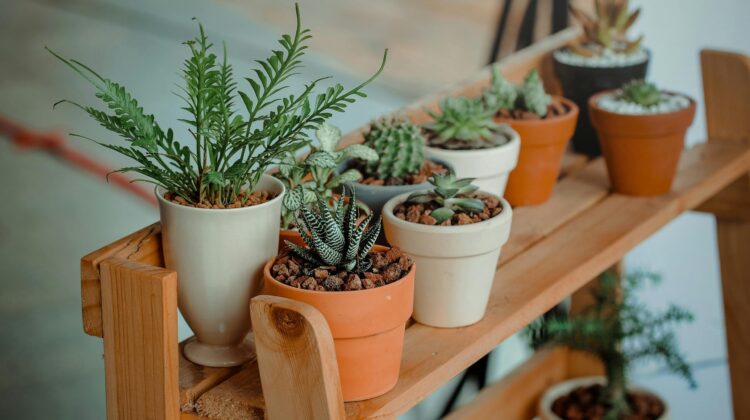
If your south-facing window bathes in 6+ hours of direct sunlight, succulents are your best friends. Plants like Echeveria, Haworthia, and jade plants actually need that intense light to thrive. They’re built for it—their thick, fleshy leaves store water like tiny reservoirs, so they won’t wilt under the sun’s glare.
Here’s the cool part: the more sun they get, the prettier they become. Echeveria develops stunning pink and purple edges. Jade plants turn their leaf tips a gorgeous reddish hue. It’s like they’re rewarding you for giving them what they love. Water them only when the soil is bone dry—usually every 2-3 weeks. These windowsill plants are low-maintenance champions for busy plant parents who want beauty without constant fussing.
The secret to succulent success lies in mimicking their natural desert habitat. Well-draining soil is non-negotiable, and terracotta pots help wick away excess moisture while allowing roots to breathe in the intense heat. When you do water, drench the soil thoroughly until water runs from the drainage holes, then don’t touch it again until it’s completely dry. This wet-dry cycle keeps roots healthy and prevents the rot that kills more succulents than underwatering ever could.
Mediterranean Herbs for Your Kitchen Windowsill
Want windowsill plants that earn their keep? Rosemary, thyme, and basil transform a sunny south-facing window into a productive mini-garden. These kitchen windowsill herbs need 6+ hours of direct sun to develop the essential oils that pack their signature flavors. Without adequate light, they’ll grow tall and leggy while producing sparse, bland leaves.
Fresh herbs at your fingertips change how you cook. Snip basil for pasta, grab thyme for roasted chicken, or pinch rosemary for potatoes—all without leaving your kitchen. Pro tip: harvest from the top, pinching just above leaf nodes. This encourages bushier growth instead of tall, leggy stems. Your herbs will stay compact and productive for months, continuously replacing what you harvest.
Unlike ornamental windowsill plants, herbs need consistent feeding to maintain their productivity. A diluted liquid fertilizer applied every two weeks during the growing season keeps them lush and flavorful. Pinch off flower buds when they appear—once herbs flower, leaf production slows and flavors can turn bitter. By redirecting that energy back into foliage, you’ll extend your harvest season significantly.
Good Tip!
Rotate your south-facing windowsill plants a quarter turn every week. This prevents one side from leaning toward the light and keeps growth even and balanced.
Compact Flowering Plants for Year-Round Color
African violets, geraniums, and kalanchoe bring vibrant blooms to sunny windowsills without hogging space. These compact beauties stay small—perfect for narrow sills—while delivering continuous color. Geraniums produce cheerful clusters in red, pink, or white. Kalanchoe offers long-lasting blooms that can stick around for weeks, making them exceptional value for the space they occupy.
The secret to keeping them blooming? Deadhead spent flowers regularly and feed them diluted liquid fertilizer every two weeks during spring and summer. Plants for south-facing rooms thrive with this simple routine, rewarding you with continuous color that brightens even the dreariest winter days.
African violets deserve special mention for their ability to bloom almost year-round in bright light. Unlike many flowering plants that take seasonal breaks, well-cared-for African violets produce fresh blooms every few months. They prefer water at room temperature applied from the bottom—cold water spotted on their fuzzy leaves causes unsightly marks. Set them in a saucer of water for 30 minutes, then drain completely.
Watering and Container Tips for Hot Windowsills
South-facing windowsill plants dry out fast—sometimes every 2-3 days in summer when the sun beats down relentlessly. Check soil moisture daily by sticking your finger an inch deep. If it’s dry, water thoroughly until it drains out the bottom. Shallow watering encourages roots to stay near the surface where they’re vulnerable to heat stress.
Terracotta pots are game-changers here. They’re porous, so they breathe and prevent roots from overheating on hot sills. They also wick away excess moisture, protecting against root rot. Pair them with well-draining cactus or succulent soil, and you’ve created the perfect environment for sun-loving plants to flourish without the waterlogged conditions that spell disaster.
Consider adding a layer of decorative gravel or small stones to the top of the soil. This mulch reduces evaporation during scorching summer days, meaning you’ll water slightly less frequently. It also prevents soil from splashing onto leaves during watering and gives your display a polished, finished look.
Ideal Windowsill Plants for East-Facing Morning Light
East-facing windows provide a gentler lighting scenario—bright morning sun followed by indirect light for the rest of the day. This balanced exposure suits a different category of windowsill plants that appreciate brightness without the intensity of all-day sun. The morning rays energize growth without the scorching afternoon heat that can damage delicate foliage.
Trailing Pothos and Philodendrons for Gentle Brightness
East-facing windows offer the sweet spot for trailing plants like pothos and philodendrons. These beauties get just enough morning sun to keep their variegation bold and beautiful without the harsh afternoon rays that can scorch their leaves. Golden pothos, marble queen, and heartleaf philodendron all thrive here, maintaining their distinctive patterns and healthy growth.
The morning light is gentle but bright enough to fuel vigorous growth. Your pothos will maintain those gorgeous cream and yellow patterns instead of reverting to plain green—a common problem when these variegated varieties receive insufficient light. Let them cascade down for a waterfall effect, or train them upward with small hooks for vertical drama. Water when the top inch of soil feels dry—usually once a week.
These trailing windowsill plants are incredibly forgiving and adapt well to slight variations in care. If you forget to water for an extra day or two, they’ll forgive you. Their vining nature also makes them perfect for propagation—snip a stem below a leaf node, place it in water, and you’ll have roots within weeks. This gives you an endless supply of new plants to fill other windowsills or share with friends.
Begonias That Shine in Morning Sun
Begonias absolutely love east-facing windowsills where they receive bright morning light without afternoon stress. Rex begonias show off their stunning foliage patterns—swirls of silver, pink, and burgundy that look almost painted on. Wax begonias bring cheerful blooms in pink, red, or white that add pops of color to any kitchen or living space.
These plants need consistent moisture but hate soggy soil. The morning light keeps their colors vibrant without the stress of intense afternoon sun. You’ll notice that begonias in east-facing spots maintain richer colors than those in dimmer locations. They also appreciate a bit of humidity, so group them with other plants or place them on a pebble tray with water beneath the pot.
Rex begonias, in particular, are grown primarily for their spectacular leaves rather than flowers. The foliage patterns range from subtle to dramatic, with some varieties featuring metallic sheens or deeply textured surfaces. These windowsill plants become living art pieces, drawing the eye and sparking conversations. Pinch back leggy growth to encourage bushier, more compact plants that better fit windowsill dimensions.
Spider Plants for Easy Propagation
Spider plants are propagation machines in the bright indirect light that east windows provide. Those arching leaves with cream or white stripes look fresh and clean, and the plant rewards you with baby plantlets dangling from curved stems. These babies root easily in water—just snip them off and you’ll have new windowsill plants in weeks.
Morning light from an east window keeps spider plants compact and healthy. They produce more babies when they’re happy, giving you an endless supply of new plants to share with friends or populate other areas of your home. For even more options, check out these 10 amazing plants for east-facing windows that thrive in gentle morning brightness.
Spider plants are also exceptional air purifiers, removing common household toxins while they grow. They’re nearly indestructible—tolerating occasional neglect, irregular watering, and temperature fluctuations that would stress more finicky varieties. Their only real complaint comes from fluoride in tap water, which can cause brown leaf tips. If you notice this, switch to distilled water or let tap water sit overnight before using it.
Good Tip!
Move your east-facing windowsill plants closer to south-facing windows during winter months when daylight hours shrink. They’ll appreciate the extra brightness and maintain better growth until spring returns.
Seasonal Light Adjustments for Best Growth
Here’s something many plant parents miss: that perfect east-facing spot changes dramatically with the seasons. Winter light can drop by 50% compared to summer, leaving your plants stretching and pale. The sun’s angle shifts lower, reducing both intensity and duration of exposure.
Watch for signs your windowsill plants need a change. Leggy growth and faded colors mean they need more light—shift them to a brighter south-facing sill temporarily. Brown spots or wilting despite moist soil means too much light, though this is rare in east-facing locations. Rotate your moderate-light plants seasonally to match their needs, and they’ll reward you with year-round beauty.
During the transition periods of spring and fall, reassess your windowsill arrangements. Plants that thrived in summer’s bright mornings might need supplemental light as autumn days shorten. Conversely, varieties that struggled with summer heat might finally hit their stride during cooler months when morning sun loses its intensity.
Low-Light Windowsill Plants for North-Facing Windows
North-facing windows get the least direct light, receiving mostly indirect or reflected brightness throughout the day. But that doesn’t mean your windowsill has to stay bare. Several tough, beautiful windowsill plants actually prefer these gentler conditions. They won’t complain about the dim light—they’ll thrive in it, offering lush foliage and surprising resilience.
Snake Plants Bring Architectural Beauty Without the Fuss
Snake plants are the ultimate survivors for dim windowsills. These upright beauties tolerate low light better than almost any other houseplant, making them ideal for north-facing exposures that receive minimal direct sun. Their thick, sword-shaped leaves store water, so you only need to water them once every 3-4 weeks—sometimes even less during winter months when growth slows to a crawl.
This infrequent watering is actually a feature, not a bug. In low light, plants grow slower and use less water. Overwatering becomes the biggest danger. Snake plants tell you they’re fine by standing tall and firm. If leaves start to wrinkle or lean, then it’s time for a drink. Until then, leave them alone—they’re perfectly content.
Varieties like ‘Black Gold’ with yellow edges or silvery ‘Moonshine’ add visual interest without needing bright sun. They maintain their architectural structure even in the dimmest corners, making them perfect for north-facing kitchen windowsills where you want greenery without constant maintenance. Their vertical growth also makes them space-efficient, taking up minimal sill real estate while providing maximum visual impact.
ZZ Plants Thrive on Neglect
ZZ plants might be the most forgiving option for busy homes and challenging low-light windowsills. They store water in thick underground rhizomes, which means they can go weeks without attention. Perfect for north-facing locations where you might forget to check on them regularly or for travelers who are away from home frequently.
Their glossy, dark green leaves catch whatever light is available and make the most of it through efficient photosynthesis. Growth is slow in low light, but that’s actually ideal for windowsills with limited space. You won’t need to repot or prune constantly, and the plant maintains a compact footprint month after month.
One important note: ZZ plants are mildly toxic if eaten, so keep them away from curious pets and kids. Beyond this single caution, they’re remarkably undemanding. They tolerate temperature fluctuations, inconsistent watering, and even extended periods in full shade. If you’ve struggled with other windowsill plants, ZZ plants offer a virtually guaranteed success story.
Peace Lilies Bloom Even in Shade
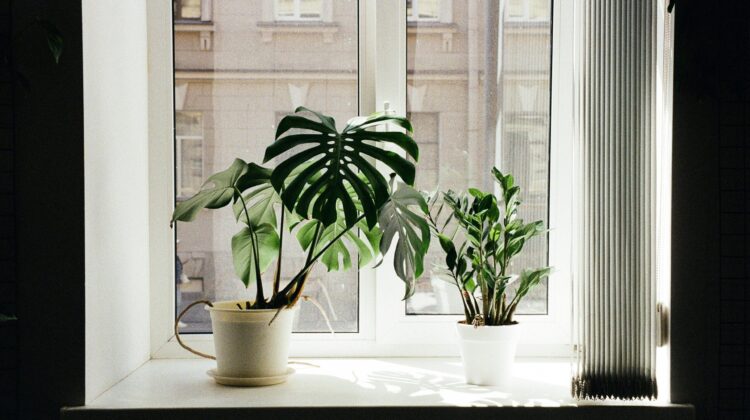
Peace lilies actually prefer the softer light of north-facing windows over brighter exposures. Too much sun burns their leaves, causing unsightly brown patches that diminish their elegant appearance. They produce beautiful white blooms even without bright light, adding a touch of sophistication to any windowsill while thriving in conditions that would leave flowering plants sulking.
Here’s their best feature: they tell you exactly when they need water. The leaves droop dramatically when thirsty, then perk back up within hours of watering. No guessing games, no moisture meters required. This makes them ideal for beginners who worry about overwatering or underwatering their windowsill plants.
They also clean the air while they grow, removing common indoor pollutants like benzene, formaldehyde, and carbon monoxide. Feed them monthly during spring and summer with diluted fertilizer to encourage more blooms. With minimal care, peace lilies can produce flowers multiple times per year, even in the modest light of north-facing windowsills.
Pothos Adapts to Almost Anything
Solid green pothos varieties work beautifully on north-facing windowsills where light levels stay consistently low. While variegated types (with white or yellow patterns) prefer brighter spots to maintain their colorful markings, the all-green versions maintain rich coloring and healthy growth in lower light conditions.
You can train pothos to trail down from your windowsill for a cascading effect, or use small hooks to guide them upward around the window frame. This flexibility makes them perfect for maximizing vertical space in small apartments where every square inch counts. The vines can grow impressively long—10 feet or more with proper care—creating a living curtain of greenery.
They’re nearly impossible to kill and will forgive occasional neglect that would doom fussier plants. For more ideas on low-light houseplants that tolerate northern exposures, pothos consistently ranks as a top performer. Propagation is effortless—just snip a section with a few leaves and place it in water until roots develop.
Good Tip!
Group your low-light windowsill plants together to create a mini humidity zone. As they release moisture through their leaves, they’ll help each other thrive—especially helpful during dry winter months when indoor air gets crispy.
Creative Windowsill Plants Styling and Arrangement Ideas
Once you’ve selected the right plants for your window’s light conditions, thoughtful styling transforms a simple collection into an eye-catching display. Strategic arrangement makes care easier while creating visual interest that enhances your entire room.
Group Plants by Water Needs While Mixing Growth Habits
Smart plant grouping makes care easier and looks better simultaneously. Start by clustering windowsill plants that need similar watering schedules—your succulents and cacti together, your thirsty herbs in another section. This prevents the common mistake of overwatering drought-lovers or neglecting moisture-hungry varieties when you’re rushing through your watering routine.
But don’t stop there. Create visual drama by mixing different growth habits within those groups. Pair upright growers like snake plants or columnar cacti with trailing varieties like string of pearls or ivy. The vertical plants add height and structure, while trailing ones soften edges and add movement. This contrast makes your windowsill feel like a curated mini-garden rather than a random plant collection.
Consider the mature size of each plant as well. Place shorter varieties toward the front where they won’t be shadowed by taller neighbors. This layered approach ensures every plant receives adequate light while creating depth that draws the eye from foreground to background.
Choose Containers That Tell Your Style Story
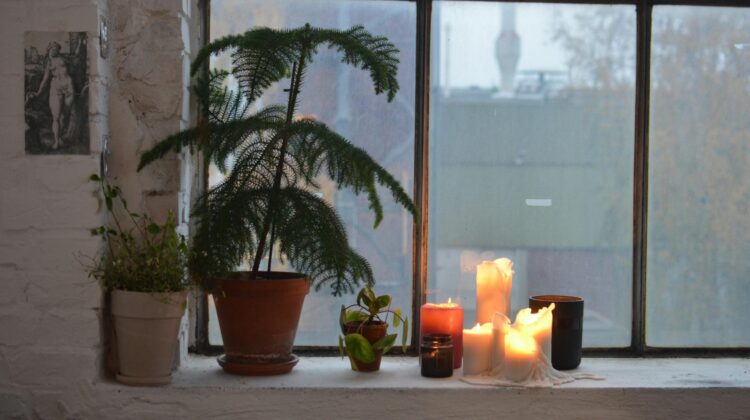
Your pot choices shape the entire vibe of your windowsill display and tie it to your room’s overall aesthetic. Matching containers in the same color and material create formal elegance—think white ceramic pots in a row for a clean, modern look. But mixing vintage finds with modern planters adds personality and eclectic charm that feels collected over time rather than purchased all at once.
The secret? Stick to a cohesive color palette that complements your room’s existing decor. Maybe it’s earthy terracottas and creams for a warm kitchen, or sleek blacks and grays for a contemporary living room. Even mismatched pots feel intentional when they share a common color thread or material element.
Don’t forget about drainage. No matter how beautiful a container looks, it’s useless for windowsill plants without proper drainage holes. If you fall in love with a pot that lacks drainage, use it as a decorative cachepot—slip a standard nursery pot inside and remove it for watering.
Maximize Tight Spaces with Vertical Solutions
Small windowsills don’t mean fewer plants—they just need creative thinking to maximize every inch. Tiered plant stands instantly double or triple your growing space by stacking plants at different heights. Wall-mounted planters flanking your window extend the display beyond the sill itself, creating a living frame around your view.
Here’s a game-changer: tension rods with S-hooks. Install one across your window frame and hang small containers at varying heights. You’ve just created a vertical garden without drilling a single hole or committing to permanent fixtures. This works brilliantly for trailing plants and 30 creative windowsill decor ideas with plants show how vertical arrangements transform cramped sills into lush displays.
Magnetic containers offer another no-damage solution for metal window frames. Small magnetic planters hold lightweight windowsill plants while freeing up precious horizontal space. This approach works particularly well for herbs and small succulents that don’t require large root zones.
Rotate Seasonal Elements for Year-Round Interest
Your windowsill doesn’t have to look the same all year, and seasonal rotation keeps your display fresh and engaging. Add flowering bulbs like paperwhites or hyacinths in spring for fragrance and color that announces winter’s end. Summer calls for bright coleus or colorful caladiums that thrive in warm windowsill conditions and bring tropical vibes indoors.
Come fall, tuck decorative miniature pumpkins or gourds among your permanent plants for seasonal flair. Winter invites evergreen sprigs or branches with berries for a festive touch. These rotating elements keep your display fresh and give you something to look forward to as seasons change. Plus, they’re conversation starters when guests notice your ever-evolving windowsill garden.
Seasonal rotation also allows you to move struggling plants to more suitable locations. That succulent that loved your south window in winter might need a break from intense summer heat. Swap it temporarily with an herb that craves maximum sun during the growing season.
Good Tip!
Take a photo of your windowsill arrangement every season. You’ll spot what works, what doesn’t, and build a visual library of styling ideas for future plant swaps.
Essential Care Tips for Healthy Windowsill Plants
Regardless of which direction your window faces or which plants you choose, certain care fundamentals apply across the board. Master these essential practices, and your windowsill plants will reward you with vigorous growth and minimal problems.
Match Your Watering Schedule to Your Window’s Light
Your watering routine should change based on where your windowsill sits and how much light it receives. Plants in sunny south or west windows dry out fast—check them every 2-3 days during summer when evaporation rates skyrocket. Stick your finger an inch into the soil. If it feels dry, water thoroughly until it drains from the bottom, ensuring moisture reaches the entire root zone.
North-facing windowsill plants need far less water because they grow slower in reduced light. Check them weekly, and let the soil dry partially between waterings. Overwatering kills more windowsill plants than anything else, especially in low light where roots can’t use moisture quickly and soggy soil leads to root rot.
Temperature and humidity also affect watering frequency. During winter when heating systems run constantly, indoor air becomes desert-dry and plants may need water more often despite lower light levels. In humid summer months, the opposite may be true—adequate moisture lingers in the soil longer even in bright conditions.
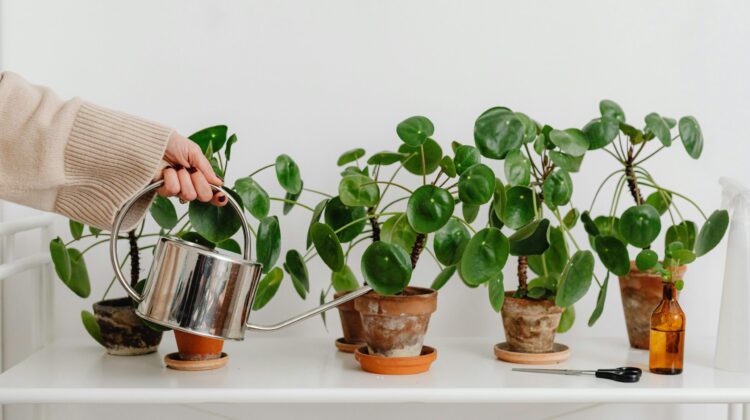
Shield Plants from Temperature Swings
Windows turn into refrigerators on winter nights and ovens during summer afternoons, creating temperature extremes that stress your windowsill plants. Move your plants an inch or two away from the glass when temperatures drop below 50°F outside. That small gap makes a huge difference by creating an insulating air barrier between tender foliage and cold glass.
In summer, hang sheer curtains to filter intense afternoon sun. Your plants get plenty of light without the scorching heat that causes brown, crispy leaves and heat stress. This simple trick keeps your kitchen windowsill herbs thriving through every season without investing in expensive equipment or complicated solutions.
Watch for drafts from poorly sealed windows as well. Cold drafts in winter and hot blasts from air conditioners in summer both stress plants. A simple draft test with a lit candle reveals problem areas—the flame will flicker near leaks. Address these with weatherstripping to create more stable conditions for your windowsill plants.
Good Tip!
Set a phone reminder to rotate your plants every Sunday morning—consistency prevents lopsided growth better than random turns.
Rotate Plants Weekly to Prevent Leaning
Plants grow toward light like sunflowers tracking the sun across the sky. Give each pot a quarter-turn every week so all sides get equal exposure. This matters most for east and west-facing windows where light comes primarily from one direction for much of the day.
Skip this step, and your windowsill plants develop a permanent lean. They’ll look scraggly and unbalanced instead of full and symmetric. Consistent rotation builds stronger stems and more even foliage distribution, creating that professional, well-maintained appearance.
Make rotation part of your watering routine—every time you check soil moisture, turn the pot. This habit ensures you won’t forget and keeps your plants growing straight and true. It’s a small investment of time that yields significant aesthetic returns.
Jump on Pest Problems Immediately
Windowsills create warm microclimates that pests love, especially during winter when dry indoor air weakens plant defenses. Spider mites multiply fast in dry, sunny conditions. Check leaves weekly for tiny webs or stippling—small yellow or white dots that indicate feeding damage.
Catch problems early with neem oil or insecticidal soap. Spray thoroughly, hitting leaf undersides where pests hide and lay eggs. The warm windowsill environment accelerates pest reproduction, so quick action saves your plants from serious infestations that require more aggressive intervention.
Fungus gnats often appear when soil stays too moist, particularly in low-light windowsills where evaporation is slow. Let soil dry more thoroughly between waterings and consider adding a layer of sand to the soil surface—this prevents adults from laying eggs in moist soil. Yellow sticky traps catch adult gnats and help you monitor whether your intervention is working.
Regular inspection is your best defense. During your weekly rotation and watering checks, look closely at new growth and leaf undersides. Early detection means simple solutions, while ignored problems can spread to your entire windowsill plant collection.
Conclusion
Windowsills offer prime real estate for indoor gardening in any home, regardless of your available light or space constraints. By matching plants to your specific window orientations, you’ll create thriving miniature landscapes that bring life to previously empty spaces. Remember to assess your windowsill’s light patterns before selecting plants, adjust watering based on exposure and season, and embrace creative arrangements that maximize even the narrowest sills. Whether you choose sun-loving succulents, adaptable foliage plants, or resilient low-light specimens, your windowsills can transform from overlooked ledges into vibrant green sanctuaries that enhance both your home’s beauty and your wellbeing.
Frequently Asked Questions
Can I grow vegetables on my windowsill, or just herbs?
Yes, compact vegetables like cherry tomatoes, lettuce, and dwarf peppers work well on sunny south-facing windowsills. They need at least 6 hours of direct sun and consistent watering to produce fruit.
How do I know if my plant is getting too much or too little light?
Too much light causes brown, crispy leaf edges and fading colors. Too little light creates leggy, stretched growth and pale leaves. Move plants gradually and watch for improvements over 1-2 weeks.
Should I fertilize windowsill plants differently than other houseplants?
Windowsill plants often grow faster due to better light, so they need more frequent feeding during spring and summer. Use diluted liquid fertilizer every 2-3 weeks for flowering and edible plants.
Do drafty windows hurt my plants in winter?
Yes, cold drafts stress tropical plants and can cause leaf drop. Check for air leaks with your hand on cold days and either seal them or move sensitive plants back from the glass.
Can I leave my windowsill plants when I go on vacation?
Most windowsill plants survive 1-2 weeks with preparation. Water thoroughly before leaving, move them slightly back from intense sun, and consider self-watering spikes for longer trips.
Why do my windowsill plants look leggy even with good light?
Warm temperatures near windows accelerate growth, which can create lanky stems. Pinch back growing tips regularly to encourage bushier growth and ensure plants aren’t too far from the glass.