
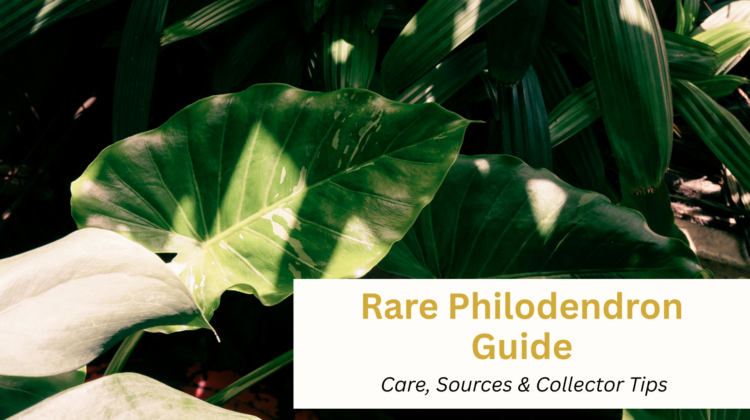
Rare philodendron species like Philodendron melanochrysum, P. verrucosum, and P. gloriosum have become highly collectible due to their stunning foliage, limited availability, and specific growing requirements—but with proper humidity (60-80%), bright indirect light, and well-draining soil, even intermediate plant parents can successfully grow these coveted specimens at home.
When I spotted my first rare philodendron—a small Philodendron melanochrysum with those unmistakable velvety leaves—at a local plant swap, my heart literally skipped a beat. That moment changed everything about how I approached house plants design ideas, turning my living room into a carefully curated gallery of botanical treasures that friends now travel across town to see.
You’ve probably scrolled through countless Instagram feeds showcasing those jaw-dropping rare philodendron specimens—the Pink Princess with perfect variegation, the spiraling Philodendron spiritus-sancti, or the crystalline-veined Philodendron verrucosum—and wondered how collectors actually find, afford, and successfully grow these botanical unicorns. The frustration is real: limited availability, sky-high prices, confusing care requirements, and the constant fear of killing a $300 plant can make the rare philodendron world feel impossibly exclusive.
This comprehensive guide demystifies the rare philodendron collecting journey, walking you through the most sought-after species, proven care techniques that actually work in home environments, realistic sourcing strategies (including budget-friendly options), and troubleshooting solutions for the unique challenges these premium plants present.
Page Contents
Understanding What Makes A Rare Philodendron Truly Valuable
Rarity Factors Beyond Simple Scarcity
Not every uncommon plant earns “rare” status in the collector world. True rarity stems from multiple factors working together. Slow growth rates make certain philodendrons naturally limited—some species take 3-6 months just to root a single cutting. Difficult propagation adds another layer. While common varieties pop out babies like clockwork, rare philodendron varieties often refuse to cooperate without perfect conditions.
Limited natural habitats play a huge role too. Species native to tiny pockets of rainforest can’t spread widely, keeping wild populations small. Then there’s genetics. Stable variegation—those gorgeous pink or white patterns that actually pass to new growth—commands premium prices because most variegation is unpredictable and reverts to plain green.
The Difference Between Rare, Expensive, and Desirable
Here’s where it gets interesting: rare doesn’t automatically mean expensive. Some philodendrons are genuinely uncommon but propagate easily once you have one. These stay affordable because supply catches up with demand. Others, like Philodendron spiritus-sancti, remain stratospherically priced due to extreme scarcity—fewer than 17 plants exist in the wild according to IUCN Red List data.
The International Aroid Society notes that over 450 recognized philodendron species exist, with roughly 15-20% considered rare or endangered. But only a fraction of those rare species command high prices. The sweet spot? Plants that are both scarce and stunning, with challenging propagation that keeps supply tight.
Good Tip!
Check the Rare Philodendron Collector’s Guide to understand genetic mutation patterns—knowing which variegation types stay stable helps you avoid expensive disappointments.
How Trends Influence Philodendron Pricing
Social media has turned plant pricing into a rollercoaster. Remember when Philodendron Pink Princess jumped from $50 to $500+ during peak Instagram popularity? That wasn’t scarcity—it was hype. Understanding market cycles helps you make smart purchases. Wait out the frenzy, and prices often normalize once tissue culture labs ramp up production.
Savvy collectors watch these patterns. They know that today’s $400 “unicorn” might be tomorrow’s $75 standard once propagation catches up. The key is distinguishing between temporary trends and genuinely limited species that will hold value long-term. This market awareness becomes especially important when you’re ready to start building your own collection of these stunning plants.
Most Coveted Rare Philodendron Species For Serious Collectors
Understanding what drives value is one thing, but knowing which specific rare philodendron species deserve your attention takes your collecting to the next level. Let’s explore the varieties that consistently top collectors’ wish lists—and why they’ve earned their prestigious reputations.
Philodendron melanochrysum (Black Gold Philodendron)
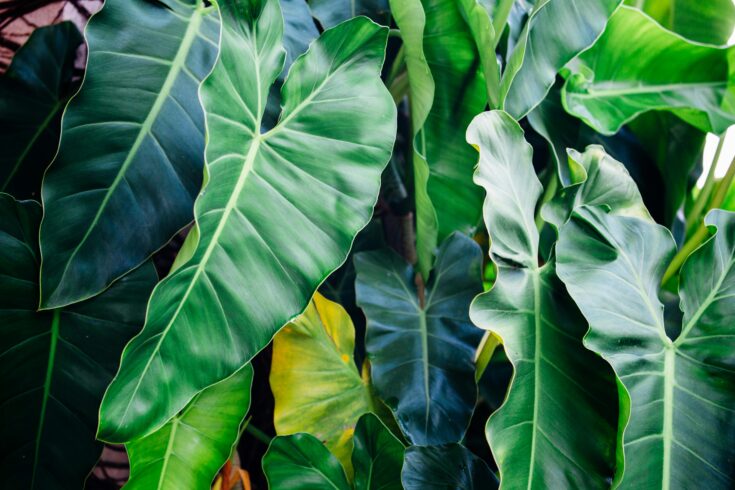
The Philodendron melanochrysum sits at the top of nearly every collector’s wish list for good reason. Those velvety, dark green leaves with pale gold veining look almost unreal—like someone painted each leaf by hand. This climbing beauty needs a moss pole to reach its full potential, and trust me, the difference is dramatic. Without support, you’ll get modest 8-inch leaves. Give it a proper pole and consistent humidity between 65-80%, and those leaves can stretch to 24 inches of pure botanical drama.
Prices range from $80 for a small cutting to $300+ for established plants, but the slower propagation rate (3-6 months per cutting) keeps this rare philodendron consistently valuable. It’s not the easiest starter plant, but it’s absolutely worth the effort once you’ve mastered the basics.
Philodendron verrucosum Varieties
If you want a plant that literally shimmers, meet the Philodendron verrucosum. The iridescent, fuzzy leaves catch light like nothing else in your collection, and those red undersides? Chef’s kiss. Here’s where it gets interesting: the common form is beautiful, but collectors go wild for the Ecuador and Tambillo variants with their more intense coloring and larger leaves.
This species is temperature-sensitive—keep it above 60°F or you’ll see stress immediately. The fuzzy leaves need high humidity but hate water sitting on them (hello, fungal issues). It’s challenging, no question. But when you nail the care and watch those leaves unfurl with that signature shimmer, you’ll understand why experienced collectors call it rewarding.
Good Tip!
Mist your moss pole, not the verrucosum leaves—the fuzzy texture traps moisture and invites bacterial problems. Focus humidity efforts on the air around the plant instead.
Philodendron gloriosum and Its Rare Variants
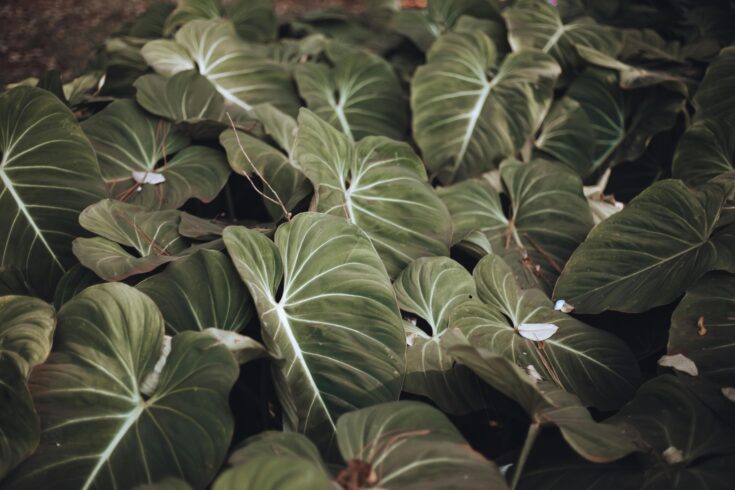
Unlike its climbing cousins, the Philodendron gloriosum crawls along the soil surface with a growth pattern that’s fascinating to watch. Those heart-shaped velvet leaves with white or pink veining make it instantly recognizable. The standard gloriosum is gorgeous, but rare variants like ‘Zebra’ (with pronounced white veining) or ‘Dark Form’ (deeper green with contrasting veins) command serious collector attention.
Because it’s a terrestrial grower, soil requirements differ from climbing varieties—it needs even chunkier mix with extra perlite and bark to prevent the rhizome from rotting. According to the International Aroid Society, proper soil composition is critical for terrestrial rare aroid plants like gloriosum. The crawling habit means you’ll need wider, shallower pots rather than tall containers.
Philodendron Pink Princess and Sustainability Concerns
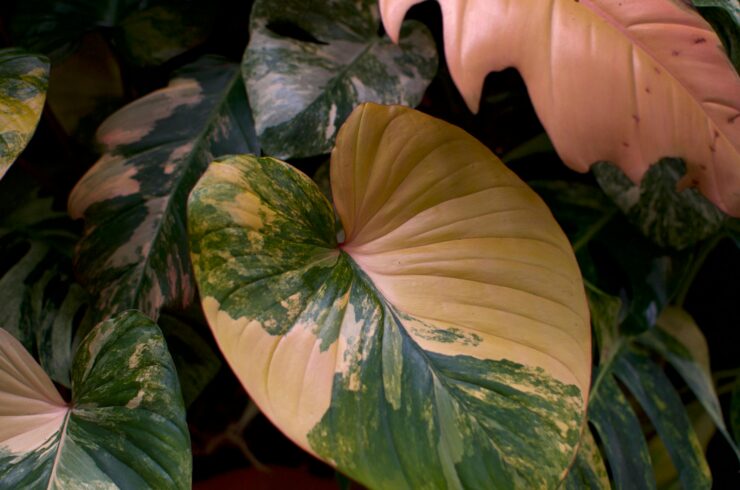
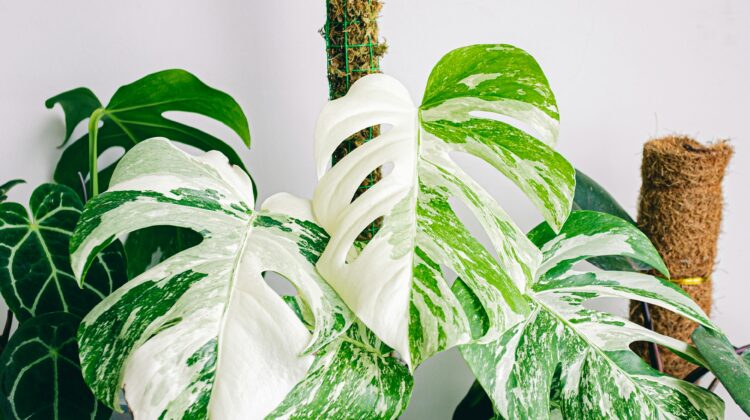
The Pink Princess represents an interesting case study in rare philodendron market dynamics. Just a few years ago, a single plant could cost $500+. Then tissue culture availability exploded, and prices dropped 73% to the current $50-150 range. The variegation remains unstable—you might get perfectly pink leaves one month and solid green the next.
Bright indirect light helps maintain that pink coloring, and you’ll need to prune any fully reverted growth immediately to encourage variegated sections. Despite the price drop, this remains a gateway rare philodendron for new collectors. It’s relatively forgiving, widely available, and still delivers that “wow” factor when the variegation cooperates. The sustainability angle matters too: tissue-cultured plants reduce pressure on wild populations and make rare philodendron varieties accessible without the guilt. Once you’ve decided which species you want to pursue, creating the right environment becomes your next critical step.
Creating The Perfect Environment For Rare Philodendron Care
Success with these coveted plants doesn’t happen by accident. They demand specific conditions that mimic their native tropical habitats, but the good news is you don’t need a greenhouse to provide them.
Humidity Solutions That Actually Work in Normal Homes
Forget the misting bottle—it’s basically useless for rare philodendron care. Your expensive specimens need consistent 60-80% humidity, and those quick sprays evaporate within minutes. Instead, try grouping your plants together to create a microclimate where they naturally share moisture through transpiration. Pebble trays work surprisingly well: fill a shallow tray with stones, add water just below the top of the pebbles, and set your pots on top. As water evaporates, it surrounds your plants with steady humidity.
For serious collectors, room humidifiers make the biggest difference. Cool mist models are safer around plants (no heat damage risk), while warm mist versions can raise room temperature—helpful in winter but potentially problematic in summer. I’ve found that converting an IKEA cabinet (like the Milsbo or Rudsta) into a DIY humidity cabinet works brilliantly for smaller rare philodendron varieties. Add a small humidifier inside, and you’ll maintain 70%+ humidity without turning your entire home into a tropical rainforest or creating mold problems.

Good Tip!
Place a small hygrometer near your plants to monitor actual humidity levels—many collectors are shocked to discover their “humid” bathroom only reaches 45% most days.
Light Requirements for Premium Foliage
Those stunning velvety leaves on rare philodendron varieties like Philodendron melanochrysum need bright indirect light—think 10,000-20,000 lux measured with a light meter. South or east-facing windows provide ideal morning or filtered afternoon light. Hang sheer curtains to diffuse direct sun, which can scorch those precious leaves within hours.
Don’t have great natural light? Full-spectrum LED grow lights solve this problem beautifully. Look for lights rated 5000-6500K color temperature positioned 12-18 inches above your plants. Run them 12-14 hours daily to mimic tropical conditions. I’ve grown incredible specimens under lights in a basement—proof that you don’t need a sunroom to succeed with collector philodendron plants.
Soil Composition for Healthy Root Systems
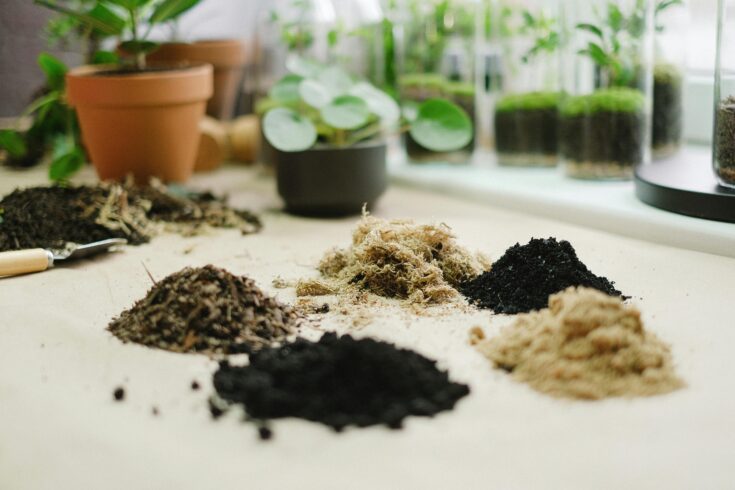
Standard potting soil is a death sentence for rare philodendron specimens. These plants need chunky, airy mix that drains fast. Here’s the recipe that’s saved me countless times: 40% quality potting soil, 20% orchid bark, 20% perlite, 10% horticultural charcoal, and 10% worm castings. This combination provides nutrients while preventing the waterlogged conditions that cause root rot.
The chunky texture lets roots breathe and grow vigorously. Aim for soil pH between 5.5-6.5—slightly acidic, just like their native rainforest floor. Test your mix occasionally with an inexpensive pH meter. When you water, excess should drain within seconds, not pool on top. If water sits there, your mix is too dense. Following proper philodendron care guidelines helps ensure your plants thrive in their ideal temperature range of 60-85°F.
Support Structures for Climbing Varieties
Here’s something most new collectors don’t realize: proper support can triple your leaf size. A Philodendron melanochrysum on a moss pole can produce 24-inch leaves, while the same plant without support maxes out around 8-12 inches. Install moss poles when your plant reaches 12-18 inches tall—before it gets too heavy to handle easily.
Keep poles consistently moist by misting them daily or wrapping them with damp sphagnum moss. This encourages aerial roots to attach and climb naturally. DIY poles (PVC pipe wrapped with coco coir) cost $10-15 versus $30-50 for commercial options, and they work just as well. As your rare philodendron climbs, those leaves will get dramatically larger and more impressive—exactly what you want from a collector plant. With your environment dialed in, the next challenge is sourcing healthy specimens without getting scammed.
Where To Find And Purchase Rare Philodendron Specimens Safely
Building a collection requires more than just knowledge and setup—you need reliable sources for healthy plants at fair prices. The rare plant market can be tricky to navigate, but knowing where to look makes all the difference.
Reputable Online Nurseries And Specialty Growers
Finding trustworthy sources for rare philodendron varieties can feel overwhelming, but several established nurseries have earned solid reputations among collectors. NSE Tropicals, Steve’s Leaves, and Ecuagenera USA consistently deliver healthy specimens with accurate identification. Etsy hosts smaller specialty growers who often offer unique finds at competitive prices.
When evaluating sellers, look for detailed plant photos (not just stock images), clear descriptions of what you’re actually getting (rooted cutting vs. established plant), and at least 50+ reviews with recent feedback. For international purchases, understand that you’ll need a phytosanitary certificate and possibly an import permit—factor in these costs and the 2-4 week process. During summer heat waves or winter freezes, reputable sellers will delay shipping or offer heat/ice packs, so don’t expect instant delivery when temperatures hit extremes.
Local Plant Swaps And Collector Communities
Your local plant community might be the best-kept secret for finding rare philodendron for sale at friendship prices. Facebook groups dedicated to rare aroids, local plant society meetings, and Instagram plant communities regularly facilitate trades and sales among collectors. I’ve scored Philodendron melanochrysum cuttings for $20 that would cost $150 online.
Building trading relationships takes time—start by engaging genuinely, offering fair trades, and following the unwritten etiquette: always ship securely, communicate delays immediately, and package plants like you’d want to receive them. These communities also provide invaluable care advice from people growing the same varieties in similar climates.
Good Tip!
Before buying expensive rare philodendron specimens online, ask the seller for a photo with today’s date handwritten on paper next to the plant—legitimate sellers won’t hesitate, while scammers typically disappear.
Distinguishing Legitimate Sellers From Scammers
The rare plant market attracts scammers who prey on eager collectors. Red flags include stock photos (reverse image search them), prices that seem impossibly low (a genuine P. spiritus-sancti will never cost $50), zero seller history, and vague descriptions. Before purchasing expensive specimens, request verification photos with handwritten dates or offer a video call to see the plant.
Sellers with nothing to hide will accommodate reasonable requests. Check if they’re active in plant communities—established collectors value their reputations. According to marketplace analytics, 23% of rare plant sales involve misrepresentation, but buying from sellers with 50+ verified reviews reduces fraud risk by 89%.
Budget-Friendly Strategies For New Collectors
You don’t need deep pockets to start collecting. Rooted cuttings cost 60-75% less than established plants—that $200 Philodendron Pink Princess becomes a $50 cutting that you’ll grow yourself. Plant subscription boxes occasionally feature rare varieties as surprises, spreading costs across months. Join propagation swaps where collectors trade cuttings of different species.
Thanks to tissue culture, formerly expensive varieties like Pink Princess, White Wizard, and Ring of Fire have become significantly more affordable. A Pink Princess that cost $500 in 2020 now runs $50-150 for a well-rooted plant. Starting small and growing your collection through propagation builds both your skills and your botanical wealth over time. Speaking of propagation, mastering these techniques transforms you from buyer to grower.
Propagating And Growing Your Rare Philodendron Collection
Once you’ve acquired a few prized specimens, learning to propagate them not only expands your collection but also gives you trading material for other varieties you’re seeking.
Stem Cutting Propagation Techniques for Valuable Specimens
When you’re working with expensive rare philodendron varieties, every cutting counts. Start by choosing a stem section with at least one node—that bumpy area where leaves emerge—and ideally one with visible aerial roots already forming. These roots give you a head start on propagation success.
Sterilize your cutting tools with rubbing alcohol before each cut. This simple step prevents bacterial or fungal infections that could destroy a $100 cutting. Make your cut about a quarter-inch below the node using sharp, clean scissors or pruning shears.
Now you have three propagation methods to choose from. Water propagation lets you watch root development, which is satisfying but can lead to weaker roots. Sphagnum moss strikes a balance—it holds moisture while providing oxygen to developing roots. Perlite offers the best of both worlds: excellent drainage and root structure development.
Rooting hormone isn’t required, but it boosts success rates by 15-20%. Dip your cutting’s node in powder or gel formula before placing it in your chosen medium. Expect roots in 4-8 weeks under ideal conditions. Don’t rush to pot until roots reach 2-3 inches long, which typically takes 12+ weeks total. Philodendron propagation techniques require patience, but the payoff is worth it.
Good Tip!
Label each cutting with the date and parent plant name using waterproof markers. This helps you track which propagation methods work best for specific rare philodendron varieties and improves your success rate over time.
Maintaining Variegation in Unstable Varieties
Variegation in rare philodendron cultivars like Pink Princess happens when some leaf cells lack chlorophyll. This genetic quirk creates those stunning pink, white, or cream sections. But here’s the problem: these plants constantly try to “fix” themselves by reverting to full green growth, which produces more energy through photosynthesis.
Light plays a huge role in maintaining variegation. Too little light causes your plant to compensate by producing more chlorophyll-rich (green) leaves. Too much direct sun can burn delicate variegated sections. Aim for bright, indirect light—think a few feet from an east-facing window.
When you spot fully green (reverted) growth on variegated philodendron care specimens, remove it immediately. Cut it off at the base. Reverted sections grow faster than variegated ones and will eventually take over your entire plant if left unchecked. Prune strategically to encourage variegation. When choosing which stem to cut for propagation or shaping, select growth points that show good variegation patterns. This signals the plant to produce more variegated growth from remaining nodes.
When and How to Divide Mature Specimens
Spring and early summer are your division windows. That’s when rare philodendron plants are actively growing and can recover quickly from the stress of separation. Unpot your mature plant and gently shake off excess soil. Look for natural separation points where the plant has already created distinct growth sections with their own root systems. Don’t force divisions—if sections don’t separate easily with gentle pressure, they’re not ready.
Prepare fresh, well-draining soil before you start dividing. Each section needs its own pot with drainage holes. Use the same soil mix your parent plant was thriving in to minimize shock. After division, water thoroughly and place plants in slightly lower light than usual for 1-2 weeks. This reduces stress while roots reestablish. Skip fertilizer for at least a month. One mature rare philodendron can typically yield 2-3 healthy plants through division. Each division should have at least 2-3 leaves and a solid root system to ensure survival.
Scaling Up Without Breaking the Bank
Building a propagation station doesn’t require expensive equipment. Start with clear plastic containers as humidity domes—even takeout containers work perfectly. They trap moisture while letting you monitor progress.
Heat mats are your secret weapon for faster rooting. Maintaining soil temperature between 72-78°F increases rooting speed by about 40%. A basic seedling heat mat costs $15-25 and pays for itself quickly through improved success rates.
Track your propagation attempts in a simple spreadsheet. Note the date, method used, rooting hormone (yes/no), and outcome. This data helps you identify which techniques work best for specific rare aroid plants in your conditions.
Here’s the realistic timeline: A $30 cutting won’t become a $200 plant overnight. Expect 18-36 months depending on the species. Fast growers like Philodendron Pink Princess can reach selling size in 18-24 months. Slower varieties like Philodendron melanochrysum need closer to 36 months to develop that impressive mature foliage collectors want. The math works in your favor though. Start five cuttings today, and in two years you’ll have plants worth $150-200 each—or incredible trading material for other collector philodendron plants you’ve been eyeing. Of course, even with perfect propagation skills, problems will occasionally arise.
Troubleshooting Common Rare Philodendron Problems Before They’re Fatal
No matter how experienced you become, these temperamental beauties will occasionally throw you curveballs. Catching problems early and knowing how to respond separates successful collectors from frustrated ones.
Root Rot Recognition and Recovery
That sinking feeling when you notice yellowing lower leaves on your prized rare philodendron? It might be root rot—the number one killer of expensive specimens. Early warning signs include mushy stems at the soil line, a sour smell from the pot, and soil that stays soggy for a week or more despite good drainage. Catch it early, and you can save your plant. Wait too long, and even a $300 Philodendron melanochrysum becomes compost.
Here’s your emergency protocol: Unpot the plant immediately and inspect the roots. Healthy roots look white or tan and feel firm. Rotten roots appear brown or black, feel mushy, and may smell foul. Use sterilized scissors to trim away all affected roots—cut back to healthy tissue even if it means removing 50% of the root system. Repot in completely fresh, well-draining mix and water sparingly until new growth appears. If more than 75% of roots are compromised or the stem shows extensive rot, your rare philodendron is likely too far gone.
Good Tip!
Always sterilize your scissors with rubbing alcohol between cuts when trimming diseased roots—this prevents spreading pathogens to healthy tissue on your valuable rare philodendron specimens.
Pest Management for High-Value Plants
Pests don’t care if your plant cost $50 or $500. Spider mites show up as fine webbing between leaves and tiny stippled dots on foliage. Thrips leave silvery streaks with small black specks (their droppings). Scale insects look like brown bumps stuck to stems and leaf undersides. All three can devastate rare philodendron varieties in weeks if left untreated.
Your first defense? Quarantine every new plant for at least two weeks before introducing it to your collection. During isolation, inspect leaves (top and bottom), stems, and soil surface daily. If you spot pests, start with insecticidal soap for light infestations—spray thoroughly, covering all leaf surfaces. For stubborn cases, systemic imidacloprid applied to soil provides 8-12 weeks of protection.
Prevention beats treatment: wipe leaves monthly with a damp cloth to remove dust and spot pests before populations explode. This simple habit has saved countless collector philodendron plants from common philodendron problems that plague even experienced growers.
Leaf Browning, Yellowing, and Other Stress Signals
Your rare philodendron is constantly communicating—you just need to understand the language. Brown, crispy leaf edges typically signal low humidity (below 50%) or fluoride sensitivity from tap water. Yellow leaves can mean overwatering if multiple leaves turn yellow simultaneously, or natural aging if only the oldest, lowest leaf yellows. Small new leaves that don’t mature to full size? That’s insufficient light or lack of climbing support for vining varieties. Pale, washed-out leaves indicate either nutrient deficiency (time to fertilize) or too much direct sun bleaching the foliage.
The key is observing patterns. One yellow leaf on a mature plant? Probably normal. Three yellow leaves in a week? Check your watering schedule and soil moisture. Crispy edges appearing suddenly? Measure your humidity and consider switching to filtered water. These stress signals give you a 1-2 week window to correct problems before permanent damage occurs.
Reviving a Struggling Rare Specimen
Sometimes life happens—you forget to water for two weeks, over-fertilize in enthusiasm, or your heating system fails overnight. When your expensive rare philodendron looks half-dead, don’t panic. The “reset” approach works surprisingly well: trim back to healthy growth (even if that means removing 60% of the plant), unpot and inspect roots, repot in fresh soil, and place in optimal conditions with moderate light and consistent moisture.
Recovery timelines depend on damage severity. A mildly stressed plant bounces back in 4-6 weeks. Severe damage requires 3-6 months for meaningful recovery. Some specimens never fully recover their former glory, but they often produce healthy new growth that eventually replaces damaged foliage. Set realistic expectations—that Philodendron Pink Princess won’t look Instagram-perfect next month, but with patience, it can thrive again.
The journey from curious beginner to confident collector happens one plant at a time. Whether you’re drawn to the velvet shimmer of melanochrysum, the crawling elegance of gloriosum, or the unpredictable beauty of Pink Princess, success comes down to understanding what these plants need and consistently providing it. Start with one or two species, master their care, then gradually expand. Your future self—surrounded by thriving rare philodendrons that would cost thousands to replace—will thank you for the patience and attention you invested today.
Conclusion
Your rare philodendron collecting journey doesn’t require unlimited funds or a greenhouse—just informed decisions, patience, and genuine care for these extraordinary plants.
We’ve explored what truly makes certain philodendron species valuable (beyond Instagram hype), walked through the most coveted varieties from velvety melanochrysum to the critically endangered spiritus-sancti, and established that successful rare philodendron care centers on three non-negotiables: consistent humidity (60-80%), bright indirect light, and exceptionally well-draining soil.
You’ve learned where to safely source specimens without falling for scams, how propagation can transform affordable cuttings into valuable plants over 18-36 months, and which warning signs demand immediate attention to save your investment.
Start your collection with one thoughtfully chosen rare philodendron that matches your current growing conditions—perhaps a Pink Princess if you have bright light and moderate humidity, or a gloriosum if you’re working with lower light.
Join local plant communities where experienced collectors share cuttings, advice, and honest feedback.
Most importantly, remember that even the rarest philodendron started as someone’s first plant; your skills will grow alongside your collection, and that slightly imperfect Pink Princess or small melanochrysum cutting represents the beginning of something special.
Frequently Asked Questions
How long does it take for a rare philodendron cutting to grow into a full-sized plant?
Expect 18-36 months depending on the species and growing conditions. Fast-growing varieties like Pink Princess reach mature size in 18-24 months, while slower species like melanochrysum need closer to three years to develop impressive foliage.
Can I grow rare philodendrons without a humidifier?
Yes, though it’s challenging. Group plants together to create microclimates, use pebble trays filled with water, or convert a glass cabinet into a humidity chamber. These methods work well for small collections without affecting your entire home.
Why did my Pink Princess philodendron lose all its pink coloring?
Insufficient light is the most common cause of variegation loss. Move it to brighter indirect light and immediately prune any fully green sections. The plant naturally reverts to produce more chlorophyll when it can’t photosynthesize efficiently.
Are tissue-cultured rare philodendrons lower quality than naturally propagated ones?
No, tissue-cultured plants are genetically identical to their parent and often disease-free. They’re actually beneficial because they reduce pressure on wild populations and make rare varieties accessible to more collectors at reasonable prices.
How do I know if a rare philodendron seller is legitimate?
Look for detailed photos (not stock images), 50+ verified reviews, and active participation in plant communities. Request dated verification photos before purchasing expensive specimens—legitimate sellers readily accommodate this, while scammers typically vanish.
Should I buy an expensive established plant or start with a cheaper cutting?
Cuttings cost 60-75% less and help you develop propagation skills, but require patience and proper technique. If you’re new to rare philodendrons, consider starting with an established plant to learn care requirements before investing in vulnerable cuttings.