
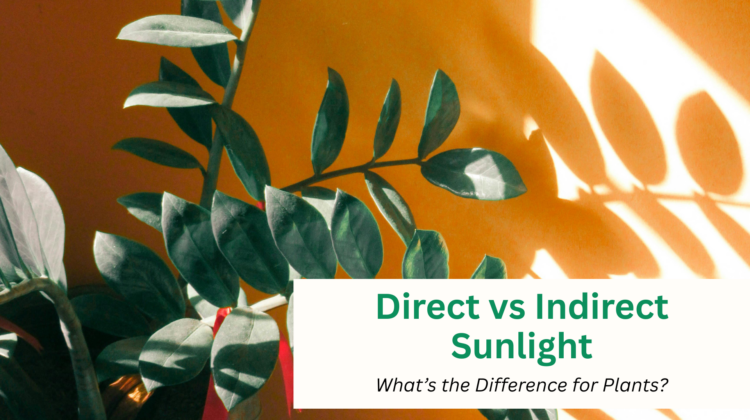
Direct vs Indirect Sunlight – let’s break it down. Direct sunlight means unfiltered sun rays hitting your plant for several hours daily, while indirect sunlight is bright, filtered light that doesn’t create harsh shadows—understanding this difference prevents most common houseplant problems.
Have you ever watched a beloved houseplant slowly decline despite your best efforts, only to realize it was sitting in completely the wrong light? Understanding the difference between direct vs indirect sunlight is the single most crucial factor in keeping your indoor greenery healthy and thriving.
Most plant parents struggle with light terminology that feels vague and confusing. When a care tag says ‘bright indirect light,’ what does that actually mean? How do you measure it? And why did your ‘low-light’ snake plant develop brown tips when you placed it in that dim corner?
This comprehensive guide will demystify direct vs indirect sunlight with clear definitions, practical measurement techniques, and specific plant recommendations for each light type. You’ll learn to assess every room in your home, troubleshoot light-related issues, and confidently match plants to their perfect spots for year-round success.
Page Contents
What Is Direct Sunlight For Plants? Understanding Unfiltered Light
Understanding the difference between direct vs indirect sunlight is essential when evaluating light conditions for your indoor garden. Direct light occurs when unobstructed sun rays reach your plant’s foliage without passing through any barriers—it’s the most intense form of natural light your houseplants can receive.
When Sunlight Hits Without Filters
Direct sunlight means exactly what it sounds like—unfiltered rays from the sun striking your plant’s leaves with nothing in between. This typically happens within 2-3 feet of south-facing windows in the northern hemisphere or directly under skylights. You’ll know it when you see it: the light creates sharp, well-defined shadows and feels noticeably warm on your skin. The intensity varies throughout the day and changes with the seasons, but that crisp shadow is your telltale sign.
At peak hours, this light measures 10,000+ foot-candles—that’s seriously bright. Research from the University of Georgia Extension shows that south-facing windows receive 5-6 times more light intensity than north-facing ones, which explains why window direction matters so much for the best plants for direct sunlight indoors.
How Much Direct Sun Do Plants Actually Need?
Full direct sun means your plant basks in unfiltered light for 6+ hours daily. Partial direct sun is 3-6 hours. Only certain plants truly need this intense light, though. Cacti and succulents like Echeveria and Sedum top the list. Flowering plants such as hibiscus and jasmine need it to bloom. Herbs like basil and rosemary thrive in it. Citrus trees and sun-loving tropicals like croton and Bird of Paradise also make the cut. These species evolved in desert or tropical environments where intense, unfiltered light is the norm. The American Horticultural Society notes that only 5-10% of common houseplants actually require this much light.
Good Tip!
Hold your hand 12 inches above your plant spot at midday. If you see a crisp, dark shadow with defined edges, that’s direct light. A blurry shadow means indirect light.
The Glass Window Myth
Here’s where many plant parents get tripped up when learning about direct vs indirect sunlight. Just because your plant sits by a window doesn’t mean it’s getting true direct sunlight. Glass filters 30-50% of light intensity and blocks most UV rays. Plus, seasonal changes dramatically shift everything—winter sun is weaker and hits at a lower angle, while summer sun is intense and prolonged. Direct light means the sun is directly hitting the plant, while everything else counts as indirect.
This distinction becomes especially important as we explore the other side of the lighting spectrum—the gentler, more forgiving world of indirect light that most houseplants prefer.
What Is Indirect Sunlight? Decoding Bright, Medium, And Low Light
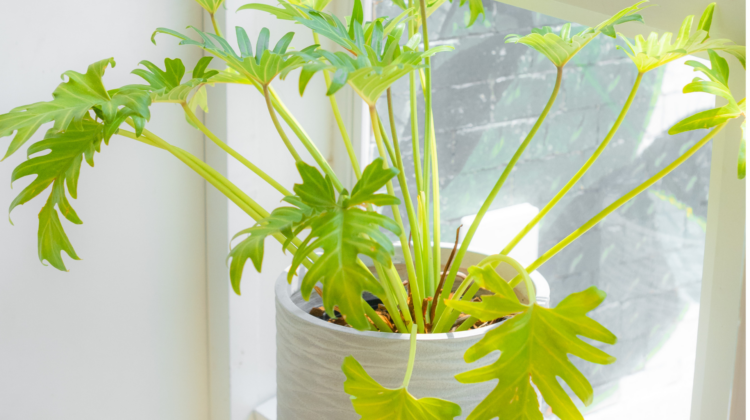
When comparing direct vs indirect sunlight, indirect light covers the widest range of conditions—and it’s exactly what most houseplants crave. Think of it as sunlight that’s been softened before it reaches your plant’s leaves. No harsh rays. No sharp shadows. Just gentle, filtered brightness that keeps your green friends happy without the risk of sunburn.
Bright Indirect Light: The Sweet Spot for Most Plants
Bright indirect light happens about 3-6 feet from south or west-facing windows, or right in front of a window with sheer curtains. You’ll know you’re in the bright zone when you can read comfortably without straining your eyes and your hand casts a soft, blurred shadow. This measures 400-800 foot-candles on a light meter.
This is prime real estate for your plant collection. Most popular houseplants—like Monsteras, Philodendrons, and Calatheas—thrive here. The light is strong enough to fuel healthy growth but gentle enough to prevent damage.
Good Tip!
Place a white sheet of paper where you plan to put your plant at midday. If you can easily read text on your phone without squinting, you’ve got bright indirect light—perfect for most houseplants.
Moving further from bright windows, the light gradually diminishes into what we call medium and low indirect zones. Understanding these dimmer areas helps you place plants strategically throughout your entire home.
Medium and Low Indirect Light: Understanding the Dimmer Zones
Medium indirect light (200-400 fc) sits 6-10 feet from bright windows or near north and east-facing windows. Shadows are barely there. You can still see clearly, but you’d probably reach for a lamp if you were reading for a while.
Low indirect light (50-200 fc) is found in corners away from windows or rooms without direct window access. This isn’t darkness—you can still function without artificial light—but it’s definitely dim. Only the toughest plants like Pothos, Snake Plants, and ZZ Plants can handle these conditions long-term.
How Natural Filters Create Indirect Light Conditions
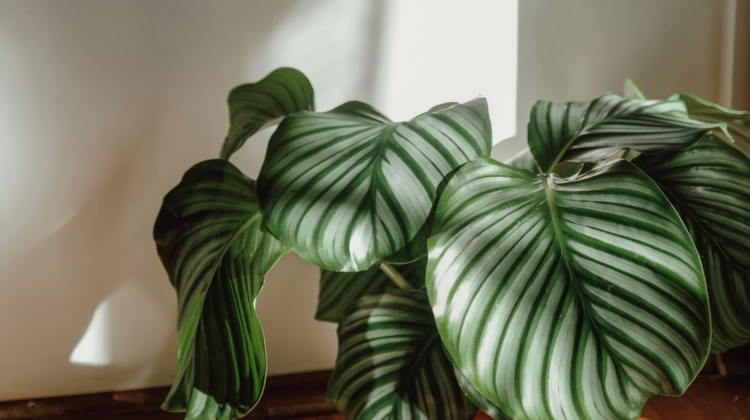
Your home already has built-in light filters working for you. Sheer white curtains are perfect—they knock down harsh rays while keeping rooms bright. Trees outside your windows act as natural diffusers. According to the University of Florida IFAS Extension, a mature tree can reduce light intensity by 50-90% depending on how thick its canopy is.
Even neighboring buildings create helpful shade. That apartment building blocking your afternoon sun? It’s actually protecting your plants from intense west-facing rays. These natural barriers are what transform direct sunlight into the softer indirect light most houseplants prefer.
Beyond passive filters, your room’s design elements play a surprisingly active role in light distribution, creating secondary sources of illumination that benefit your plants.
The Power of Reflected Light in Your Space
Here’s something most plant parents overlook: your walls are working for (or against) your plants. Light-colored walls bounce light around your room, increasing brightness by 20-40%. White walls reflect up to 80% of available light.
Mirrors are game-changers. Position one opposite a window and you’ve essentially doubled your light exposure. Glossy surfaces—metallic planters, glass tables, even polished floors—all contribute to better indirect light conditions by bouncing rays upward to reach lower leaves. Understanding these reflection principles becomes especially useful when you need to measure and quantify the light in your space.
How To Measure Direct vs Indirect Sunlight In Your Home Accurately
Now that you understand the fundamental differences between direct vs indirect sunlight, the next step is accurately measuring what you actually have. You might think your corner spot gets bright indirect light, but measurements often reveal surprising truths about your home’s lighting conditions.
Use Smartphone Apps and Light Meters for Precise Readings
You don’t need expensive equipment to measure sunlight for houseplants. Free apps like Photone turn your smartphone into a light meter, measuring foot-candles or lux using your phone’s camera sensor. For more precise readings, affordable light meters from brands like Dr.Meter or URCERI cost just $15-40 and deliver professional-grade accuracy.
Here’s the key: always take measurements at plant height, not at floor or ceiling level. Light intensity drops dramatically with distance, so measuring where your plant actually sits gives you the real story. Take readings during midday when light is strongest for the most accurate assessment of your space’s potential.
The Hand Shadow Test: A Quick Visual Check
No tools handy? Try the hand shadow test. Hold your hand about 12 inches above where you plan to place your plant. A sharp, well-defined shadow means you’ve got direct light—perfect for cacti and succulents. A soft, blurred shadow indicates bright indirect light for plants like Monsteras and Fiddle Leaf Figs. If you can barely see a shadow, that’s medium indirect light, suitable for Pothos and Philodendrons. No shadow at all? You’re in low light territory, where only the toughest plants like Snake Plants will thrive. This simple technique works anywhere, anytime, and helps you quickly gauge light conditions without any equipment.
Good Tip!
Take photos of your room at 9am, noon, and 3pm on a sunny day. Compare how sunbeams move across the space—this visual record helps you predict light patterns year-round and choose the perfect spot for each plant.
Static measurements only tell part of the story, though. Light is dynamic, shifting dramatically as the sun travels across the sky. Observing these patterns reveals crucial placement insights.
Track Sunbeam Movement Throughout the Day
Light isn’t static. That cozy corner that seems shaded at 10am might get blasted with harsh afternoon rays at 3pm. Spend a day observing how sunbeams travel across your room from morning to evening. Direct sun patches shift as the sun moves, and intensity changes dramatically. My south-facing window receives eight hours of direct sun in summer but only four in winter due to the sun’s lower angle.
Understanding these patterns prevents surprises—like discovering your “medium light” plant is actually getting scorched by late-day sun. Seasonal changes matter too, so revisit your observations in different months to see how light quality shifts with the seasons.
The final piece of the measurement puzzle is understanding how your windows themselves influence the light streaming through them.
Understand Window Direction and Light Quality
Window direction determines the type and intensity of light your plants receive. South-facing windows (in the northern hemisphere) deliver the strongest, longest-duration light with direct sun most of the day—ideal for sun-loving plants. East windows offer gentle morning direct sun for 2-5 hours, then transition to bright indirect light for the rest of the day. West windows pack a punch with intense, hot afternoon sun that can overwhelm sensitive plants. North windows provide consistent, cool indirect light year-round, making them perfect for low-light species.
Knowing your window orientations helps you match plants to their ideal spots. For more detailed guidance on how to determine sunlight levels for houseplants, check out expert measurement techniques that take the guesswork out of plant placement.
Armed with accurate measurements and understanding of your home’s light patterns, you’re ready to make smart decisions about which plants belong where.
Matching Plants To Your Home’s Direct vs Indirect Sunlight Conditions
The real challenge isn’t just understanding direct vs indirect sunlight—it’s translating that knowledge into practical plant placement decisions. Those care tags and online guides offer helpful starting points, but they rarely tell the complete story about what works in your specific space.
Read Plant Labels Like a Pro
Those little care tags stuck in your plant pots? They’re helpful, but they don’t tell the whole story. When a label says “full sun,” it means your plant needs 6+ hours of direct sunlight daily. “Partial sun” means 3-6 hours. “Bright indirect” means your plant should sit near a window without those harsh rays hitting its leaves directly.
Here’s the tricky part: these terms were often written for outdoor conditions. Your indoor environment is completely different. Glass windows filter and intensify light in ways that change everything, which is why understanding the nuances of direct vs indirect sunlight becomes so critical.
Why Indoor Light Behaves Differently
That outdoor “full sun” succulent might actually sunburn on your south-facing windowsill. Why? Glass magnifies heat and light intensity. A jade plant that thrives in your garden’s blazing sun might develop crispy brown patches indoors when placed too close to a window.
The reverse is also true. “Shade” garden plants still get way more light outdoors than most indoor spots. That hosta labeled for “shade” would need medium to bright indirect light for plants when brought inside—outdoor shade is still brighter than your living room corner.
Creating a systematic approach to mapping your space makes matching plants to locations much simpler.
Map Your Home’s Light Zones
Create a simple light inventory of your space. Walk through each room and note which direction the windows face. South windows get the strongest light. East windows offer gentle morning sun. West windows blast intense afternoon heat. North windows provide steady, cool indirect light all day.
Sketch a basic floor plan showing these zones. Mark which rooms get morning versus afternoon sun. This becomes your plant placement blueprint. I keep mine on my phone—it makes shopping trips so much easier. No more guessing whether that fiddle leaf fig will work in your bedroom.
Good Tip!
Take photos of each room at different times of day. This visual record helps you remember which spots get morning sun versus afternoon heat—invaluable when plant shopping.
Even with perfect initial placement, your work isn’t done. Light conditions shift throughout the year, requiring ongoing adjustments to maintain optimal plant health.
Adjust With the Seasons
Your plant’s light needs change as the year progresses. Winter sun sits lower in the sky and feels weaker. You might need to move plants closer to windows during these months. Summer sun blazes stronger and longer. Add sheer curtains or scoot plants back a foot or two.
Set reminders on your calendar for March and September. These transition months are perfect for reassessing plant placement and making adjustments before the season fully shifts. Even with careful planning and seasonal adjustments, problems still arise. Learning to recognize and respond to light-related stress keeps your plants thriving.
Troubleshooting Common Direct vs Indirect Sunlight Plant Problems
Understanding direct vs indirect sunlight means nothing if you can’t recognize when your plants are struggling with their current conditions. Plants communicate constantly through their leaves, stems, and growth patterns—you just need to learn their language.
Signs Your Plant Is Getting Too Much Direct Sunlight
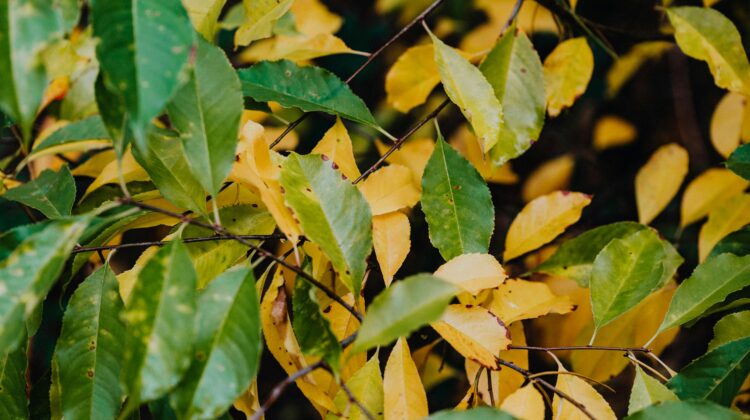
Your plant will tell you when it’s getting scorched by too much sun—you just need to know what to look for. Bleached or brown crispy patches on leaves are the most obvious red flags. These sunburned spots usually appear on the side of the plant facing the window. You might also notice leaf edges curling upward, almost like they’re trying to protect themselves from the intense rays.
Here’s the confusing part: your plant might wilt even though the soil is still moist. That’s because excessive direct sunlight damages the leaves faster than the roots can supply water. I learned this the hard way when my Pothos developed pale, washed-out leaves after I placed it in direct afternoon sun. Moving it just four feet back restored its deep green color within two weeks.
On the opposite end of the spectrum, insufficient light creates an entirely different set of visible symptoms that develop more slowly but can be equally damaging.
Symptoms of Insufficient Light
When plants don’t get enough light, they literally stretch themselves thin trying to find more. This creates leggy, elongated stems that reach desperately toward windows—a condition called etiolation. New leaves come in smaller than the older growth, and if you have a variegated plant, those beautiful white or cream patterns start disappearing as the plant reverts to solid green to maximize photosynthesis.
Lower leaves turn yellow and drop off because the plant can’t support them with limited energy. According to the Ultimate Indoor Plant Light Guide, understanding these three standard light levels helps you catch problems early. Growth slows to a crawl or stops completely. These symptoms develop gradually over weeks or months, making them easy to miss until the damage is significant.
Not every leaf change signals a problem, though. Learning to distinguish normal plant processes from light stress saves unnecessary worry.
How to Tell Sunburn Apart from Natural Aging
Not every brown leaf means your plant is in crisis. Sunburn and natural aging look similar at first glance, but knowing the difference saves you from unnecessary panic. Sunburn appears as brown, crispy patches with yellow halos around them, concentrated on the leaves facing the light source. It happens suddenly—within days of exposure.
Natural aging, on the other hand, affects the oldest, lowest leaves first with even yellowing across the entire leaf before it drops. This process is gradual, taking weeks to complete, and it’s completely normal as plants shed older foliage to focus energy on new growth.
Good Tip!
Take a “before” photo of your plant when you first bring it home or move it to a new spot. Check back in two weeks—comparing photos makes subtle light-related changes obvious.
When you do identify a genuine light problem, the solution seems obvious: move your plant. But the way you make that transition matters enormously to your plant’s recovery.
Moving Plants to Brighter Spots the Right Way
Think of adjusting your plant’s light exposure like building a tan—you wouldn’t spend eight hours in the sun on your first beach day. Start with just one to two hours of the new light level daily, then gradually extend the duration over one to two weeks. This gives your plant time to adjust its internal systems without going into shock.
Sudden changes cause stress, leaf drop, and stunted growth that can set your plant back for months. Whether you’re moving from bright indirect to direct sunlight or vice versa, patience during the transition period makes all the difference in how well your plant adapts to its new home.
Mastering the differences between direct vs indirect sunlight transforms you from a plant owner into a confident plant parent who can diagnose problems, adjust conditions, and create thriving indoor gardens in any space. The key isn’t having perfect light everywhere—it’s understanding what you have and matching plants accordingly.
Conclusion
Understanding direct vs indirect sunlight is the cornerstone of successful houseplant care—get this right, and you’ve solved most potential problems before they start.
Direct sunlight means unfiltered rays creating sharp shadows, while indirect sunlight encompasses the spectrum from bright to low that most houseplants prefer.
Use simple tools to assess your spaces and always transition plants gradually between light conditions to prevent shock.
The difference between thriving plants and struggling ones often comes down to matching species to appropriate light conditions in your home.
Frequently Asked Questions
Can I use a regular lamp instead of sunlight for my plants?
Regular incandescent bulbs don’t provide the right light spectrum plants need. You’ll need specialized grow lights with full-spectrum LEDs or fluorescent bulbs. They’re affordable and work great for supplementing natural light in darker spaces.
How do I know if my window gets enough light without measuring?
Check if you can comfortably read a book at midday without turning on lights. If yes, you have at least medium indirect light. Also observe if sunbeams directly hit the floor—that’s your direct light zone.
Do all cacti and succulents need direct sunlight indoors?
Most do, but not all. While desert varieties like Echeveria need direct sun, some forest cacti like Christmas Cactus prefer bright indirect light. Always research your specific succulent’s natural habitat for best results.
Will my plant die if I put it in the wrong light?
Plants are surprisingly resilient and rarely die immediately from incorrect lighting. They’ll show stress symptoms first, giving you weeks to adjust placement. Catch problems early and your plant will usually recover completely.
Does light through a skylight count as direct sunlight?
Yes, skylights provide true direct sunlight, often more intense than windows since light comes straight down. Plants placed directly under skylights get similar exposure to outdoor conditions, perfect for sun-lovers.
Why does my plant lean toward the window?
This is phototropism—plants naturally grow toward their light source. Rotate your plant a quarter turn weekly to encourage even growth on all sides and prevent lopsided development.