
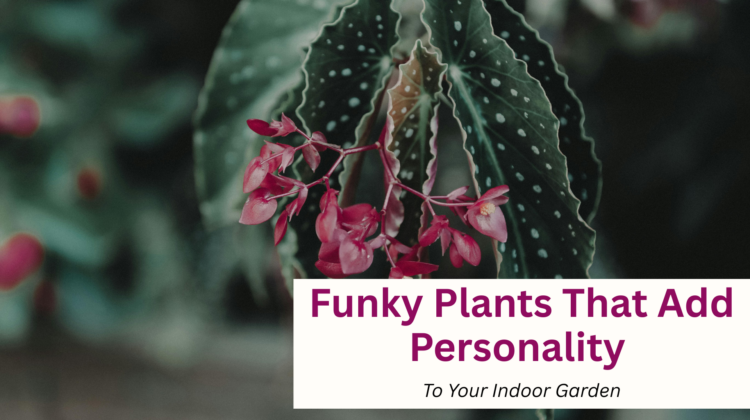
Funky plants—including varieties with vibrant colors, unusual textures, and architectural forms like String of Dolphins, Calathea ‘White Fusion,’ and Corkscrew Albuca—add instant personality to indoor spaces.
If your home feels more like a beige waiting room than a vibrant sanctuary, funky plants are your secret weapon for injecting instant personality into any space. These aren’t your grandmother’s ferns—we’re talking plants with purple polka dots, fuzzy pink leaves, spiraling stems, and colors that look dipped in psychedelic paint.
You’ve scrolled through countless houseplant design ideas, but everything looks cookie-cutter—the same fiddle leaf fig in the same white pot. You want plants that reflect YOUR personality, not just follow trends. Finding genuinely unique specimens that don’t immediately die under your care can feel like an impossible challenge.
This guide introduces you to the most captivating funky plants available today—from beginner-friendly oddities to statement pieces that’ll make your space unforgettable. You’ll discover specific species with wild colors, bizarre textures, and architectural shapes, along with honest care advice, styling tips that work in real homes, and troubleshooting for common quirks these plants throw your way.
Page Contents
What Makes Funky Plants Different From Traditional Houseplants
Walk into any plant shop today, and you’ll notice something has shifted. Sure, the reliable pothos and snake plants still line the shelves, but nestled among them are specimens that look like they’ve escaped from an alien planet or an artist’s fever dream. These are funky plants—and they’re rewriting the rules of indoor gardening.
The “Funky Factor” Defined
So what exactly makes a plant “funky”? It’s all about breaking the mold. We’re talking unusual leaf shapes—think Monstera obliqua’s dramatic Swiss cheese holes or spiraling tendrils that look like nature’s own sculpture. Then there are unexpected colors: pink variegation, deep purple foliage, or near-black leaves that make you do a double-take.
Growth patterns matter too. Some funky plants cascade like living waterfalls, while others spiral upward in geometric perfection. And don’t forget texture—fuzzy surfaces that beg to be touched, waxy leaves that gleam like they’ve been polished, or velvet-soft foliage that feels like luxury fabric. These aren’t your grandmother’s houseplants. They’re conversation starters, mood boosters, and living art pieces rolled into one.
Good Tip!
Start with just one statement funky plant before building a collection—it’s easier to learn its quirks and prevents overwhelming yourself with different care routines all at once.
Why Your Brain Loves Distinctive Plants
There’s actual science behind why these strange looking plants captivate us. Research backs up what plant lovers already know: our brains crave novelty. A 2019 study in the Journal of Environmental Psychology found that distinctive plants increase perceived room uniqueness by 34%. People simply feel more satisfied with spaces featuring unusual houseplants compared to standard greenery.
When you place a sculptural Euphorbia or a pink-splashed Philodendron in your living room, your brain registers it as something special—something worth noticing. That daily dose of visual interest translates into genuine mood enhancement and a stronger connection to your space.
What’s Trending in Funky Plant Categories
The collector plant movement is exploding, and funky plants are leading the charge. Rare Aroids and variegated mutations—plants that develop unique color patterns through spontaneous genetic changes—are flying off nursery shelves faster than growers can propagate them.
Pet-safe options have become equally important, with 67% of millennial buyers prioritizing furry friend compatibility when shopping for plants. And busy plant parents? They’re hunting for low-maintenance statement pieces that look high-effort but aren’t. The sweet spot is a plant that draws gasps without demanding constant attention.
These colorful houseplants fit perfectly into maximalist plant styling and biophilic design trends that are dominating interior design feeds. They’re living art installations that add personality without requiring a gallery wall. Instead of hanging fifteen framed prints, place one showstopping plant on a pedestal, and you’ve made your statement.
Now that you understand what separates funky plants from their conventional cousins, let’s dive into specific varieties that’ll transform your space from mundane to magnificent. We’ll start with the bold and colorful options that pack the most visual punch.
Bold Color Funky Plants That Transform Your Space
Color is the fastest way to make an impact, and these funky plants deliver pigment in spades. Whether you’re drawn to bubblegum pink, deep purple, or near-black foliage, there’s a bold specimen calling your name.
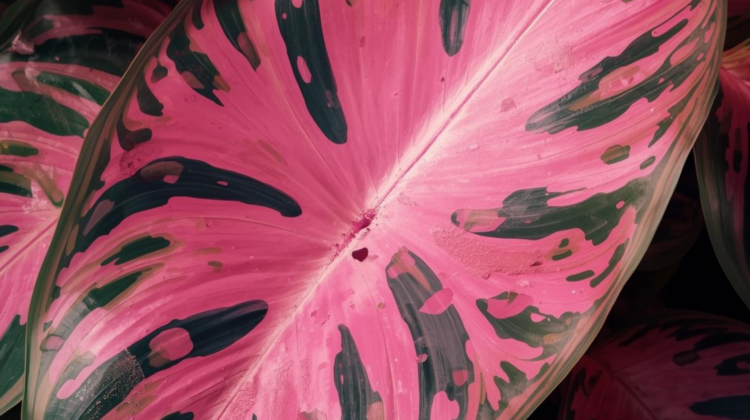
Pink Princess Philodendron
The Pink Princess Philodendron is the Instagram star of the plant world, and for good reason. Those bubblegum-pink splashes against dark green leaves create instant drama on any shelf or plant stand. It’s the plant equivalent of wearing a leather jacket to a business meeting—unexpected, memorable, and impossible to ignore.
But here’s the catch—that gorgeous pink variegation is unstable and temperamental. Place your Pink Princess in bright indirect light to keep those pink patches vibrant. Too much direct sun fades the color to washed-out cream, while too little light causes reversion to boring solid green. If you notice new leaves coming in all green, prune them immediately and move your plant closer to a window. The price tag might make you wince, but slow growth and unpredictable variegation make this one of the rarest colorful houseplants around. Think of it as an investment piece in your plant wardrobe.
Tradescantia Zebrina
Want funky plants that practically grow themselves? Tradescantia zebrina delivers purple-and-silver striped foliage without the fuss. This trailing beauty thrives in bright indirect light, which intensifies those purple hues into a show-stopping display. Hang it in a macramé planter near a window, and watch it cascade down like a jeweled waterfall.
The best part? Propagation is ridiculously easy. Snip a 4-inch stem cutting, stick it in a glass of water, and watch roots appear within 7-10 days. You’ll have big, bold plants to share with friends before you know it. This unusual houseplant does get leggy over time, so pinch back stems regularly to maintain that full, bushy look. Those trimmings become new plants, so nothing goes to waste.
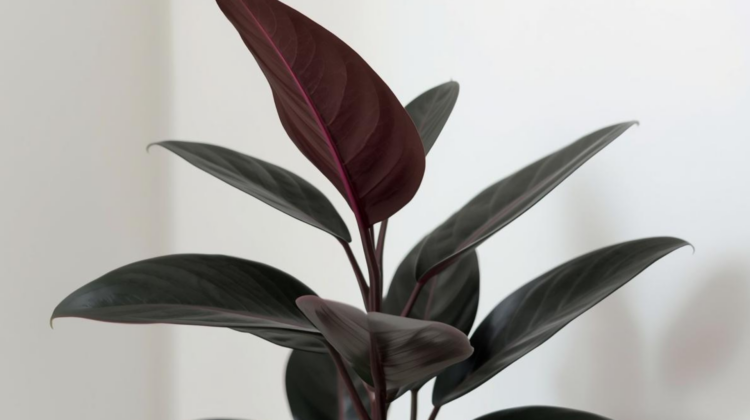
Raven ZZ Plant
If you’ve killed every plant you’ve touched, the Raven ZZ is your redemption story. This near-black beauty starts life as lime-green shoots, then darkens to glossy charcoal over several weeks—it’s like watching a time-lapse in real life. The transformation is so dramatic that new plant parents often think something’s wrong, but that deepening color is exactly what you want to see.
It survives low light, tolerates drought, and forgives neglect better than any other statement plant. Water only when the soil is bone-dry (every 2-3 weeks), and it’ll thrive for years. The architectural silhouette and moody coloring make it perfect for modern spaces that need a sophisticated edge. Place it in a white ceramic pot, and the contrast becomes pure poetry.
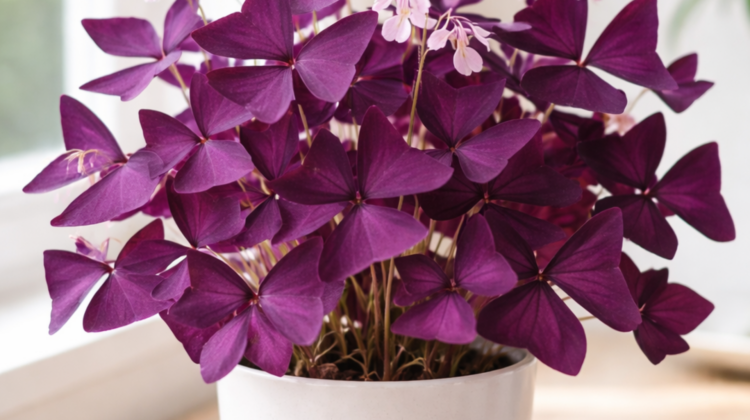
Oxalis Triangularis
Deep purple triangular leaves that fold up at night? Yes, please. Oxalis triangularis performs nyctinasty—a fancy term for sleep movement that never fails to spark conversation. Watch the leaves open at sunrise and close at dusk like tiny purple umbrellas. It’s the kind of plant that makes kids (and adults) check on it multiple times a day just to catch it moving.
This easy-care gem tolerates medium light and bounces back quickly if you forget to water. It even dies back completely during dormancy periods, then resurrects itself weeks later like a botanical phoenix. That resilience, combined with its deep purple coloring, makes it one of the most reliable funky plants for adding drama without stress.
Good Tip!
Rotate colorful houseplants a quarter turn every week to ensure even light exposure and prevent one-sided growth—this keeps variegation balanced and prevents your plant from leaning toward the window like it’s trying to escape.
While bold colors certainly command attention, texture and shape bring a different kind of intrigue to your plant collection. These sculptural specimens prove that funky plants don’t need bright pigments to make a statement.
Funky Plants With Unusual Textures And Shapes
Sometimes the most memorable plants aren’t about color—they’re about form. These textural and architectural varieties offer three-dimensional interest that flat, conventional foliage simply can’t match.
String of Dolphins (Senecio peregrinus)
If you’ve ever wanted a plant that makes people do a double-take, String of Dolphins delivers. This succulent’s leaves look exactly like tiny dolphins leaping through the air—it’s not your imagination. Each plump leaf curves into a dolphin shape, complete with a little “fin” and “snout.” Display it at eye level on a floating shelf, and watch every guest lean in for a closer look.
It’s become a social media darling for good reason, but don’t let the cuteness fool you. This plant needs bright light to thrive—think a south-facing window or a spot within a foot of an east or west window. Water only when the soil dries out completely, usually every 10-14 days. Use a well-draining cactus mix to prevent root rot, which is the #1 killer of these unusual houseplants.
If your dolphins start looking shriveled, you’re underwatering. If they turn mushy and translucent, you’ve overdone it. The key is finding that Goldilocks zone where the soil dries out between drinks but the plant never gets desperate. Once you nail the routine, this playful succulent rewards you with steady growth and endless charm.
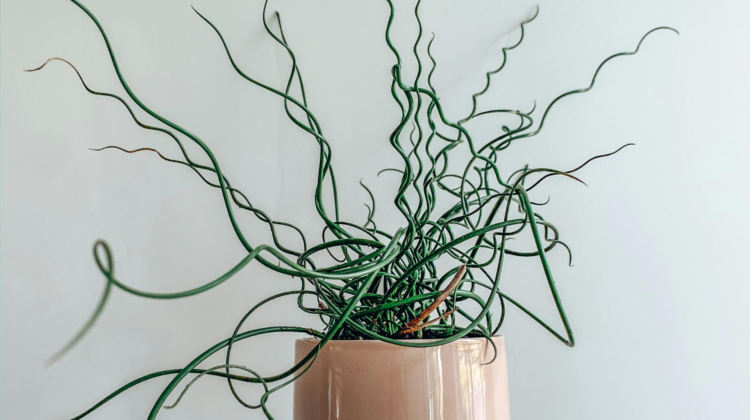
Albuca Spiralis (Frizzle Sizzle)
Want a plant that looks like it styled its hair with a curling iron? Frizzle Sizzle grows corkscrew-shaped leaves that spiral tighter when you give it what it wants—full sun and a cool dormancy period in summer. The tighter the spirals, the happier your plant. It’s botanical proof that sometimes the weirdest-looking specimens are the most satisfying to grow.
In spring, it rewards you with vanilla-scented yellow flowers that smell like dessert. The fragrance alone makes it worth the space on your sunniest windowsill. Here’s the trick most people miss: this bulb needs a rest period. When leaves start yellowing in late spring, cut back on water and let it go dormant for a few months. Resume watering in fall when new growth appears. Skip this step, and your spirals will straighten out and lose their signature funk. Respect the dormancy, and you’ll enjoy those gravity-defying curls year after year.
Good Tip!
Rotate sculptural funky plants like String of Dolphins weekly to encourage even growth on all sides—otherwise, they’ll lean dramatically toward the light source and lose their balanced appearance.
Gynura Aurantiaca (Purple Passion Plant)
This plant begs to be touched. Purple Passion is covered in vibrant purple fuzzy hairs that shimmer when sunlight hits them, creating an almost iridescent effect. It’s a tactile experience unlike any other houseplant—running your fingers across the leaves feels like petting velvet. Kids especially love this interactive quality, making it a gateway plant for getting young people interested in gardening.
The catch? It grows fast and can get leggy if you don’t pinch it back regularly. Trim the tips every few weeks to keep it bushy and full. And here’s a warning nobody tells you until it’s too late: the orange flowers smell awful—like a mix of old socks and decay. Deadhead them immediately when they appear.
Place this beauty in bright indirect light to maintain that stunning purple color. Too little light, and it fades to plain green, losing all that fuzzy purple magic that makes it special. With proper light and regular pinching, though, Purple Passion becomes a conversation piece that guests can’t resist reaching out to touch.
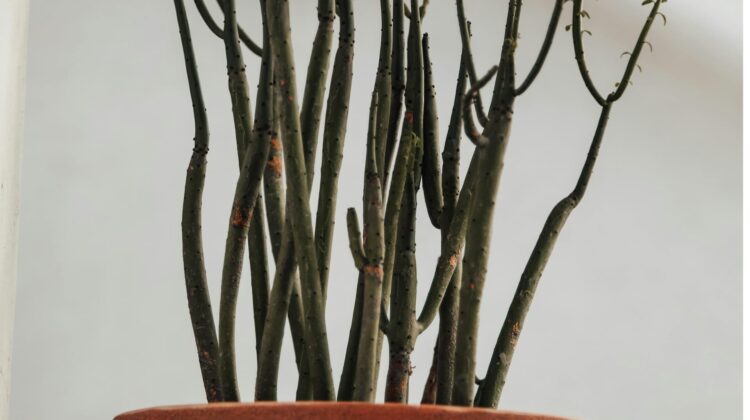
Euphorbia Tirucalli ‘Sticks on Fire’
If minimalist architecture had a plant equivalent, this would be it. Sticks on Fire offers coral-colored pencil-thin branches without any leaves at all—just smooth, geometric stems that look like a modern art installation. It’s an architectural statement piece that works beautifully in contemporary spaces where traditional leafy plants might feel too busy or organic.
But here’s the serious part: this plant produces toxic sap that can cause severe skin irritation and is dangerous to pets and children. Always wear gloves when handling it, and position it out of reach. This isn’t a plant for homes with curious toddlers or pets who like to nibble on greenery.
Despite this caution, it’s nearly indestructible—thrives in bright light, needs minimal water, and tolerates neglect better than most colorful houseplants. If you can provide a safe display location, Sticks on Fire brings sculptural drama that feels more like an art installation than a living plant. Place it against a white wall, and the coral stems practically glow.
Texture and form provide one kind of visual excitement, but patterned and variegated funky plants offer something different entirely—the feeling that nature has become an abstract artist, painting each leaf with deliberate creativity.
Patterned And Variegated Funky Plants For Visual Drama
Variegation and intricate patterns transform ordinary foliage into living masterpieces. These funky plants prove that Mother Nature has impeccable taste in design.
Calathea ‘White Fusion’
If you want a plant that stops people in their tracks, Calathea ‘White Fusion’ delivers. Its leaves look hand-painted—swirls of white, green, and purple marble together like abstract art. One plant on a side table becomes an instant focal point. No need for multiple plants or fancy arrangements. This single specimen commands attention like a sculpture in a gallery.
Here’s the catch: this beauty demands attention. It needs consistent humidity (think 60% or higher) and hates tap water. Use filtered or distilled water to prevent brown, crispy edges that ruin its artistic appearance. Place it in bright, indirect light—too much sun scorches those pale sections, leaving permanent damage.
Despite its high-maintenance reputation, the payoff is worth it if you’re ready to commit. Consider it the houseplant equivalent of owning a sports car—gorgeous, impressive, but requiring regular specialized care. Group it with other humidity-loving plants to create a microclimate, or place it near a humidifier for consistent moisture.
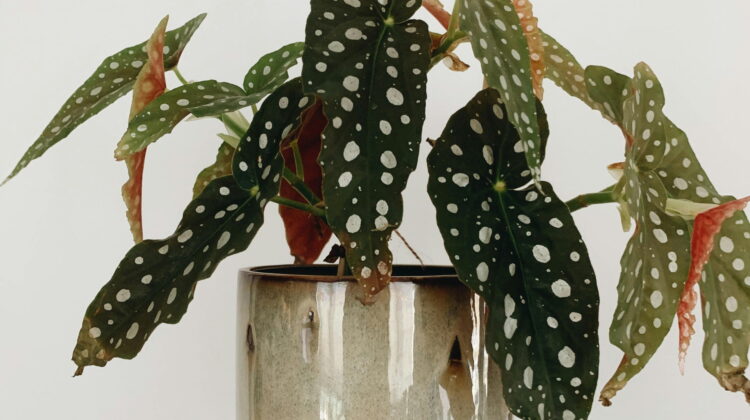
Begonia Maculata (Polka Dot Begonia)
The Polka Dot Begonia feels like the universe got playful. Silver polka dots scatter across olive-green leaves, while the undersides flash dramatic burgundy. It’s quirky without being difficult—the perfect balance for anyone who wants personality without stress.
This one grows fast and forgives minor mistakes. Give it bright indirect light and keep the soil lightly moist (not soggy). It’s perfect for anyone wanting unusual houseplants without the stress. Within months, you’ll have a full, bushy plant that looks expensive but acts easygoing. The cane-like stems grow tall and angular, adding vertical interest to tabletops and shelves. When it blooms, delicate white flowers dangle like tiny earrings, adding another layer of charm to an already charismatic plant.
Maranta Leuconeura (Prayer Plant)
Red veins streak across emerald leaves like lightning bolts. At night, the leaves fold upward—a movement called nyctinasty that never gets old. Kids and guests love watching this plant “pray” at dusk, making it one of the best funky plants for sparking curiosity about botany and plant behavior.
Best part? It’s pet-safe. If you have curious cats or dogs, this is your funky plant. It thrives in medium light, making it ideal for rooms without south-facing windows. Water when the top inch of soil dries out, and you’re set. The trailing growth habit looks stunning in hanging planters, where the patterned leaves can cascade and show off their burgundy undersides.
Good Tip!
Rotate variegated plants weekly so all sides get equal light—this prevents lopsided growth and keeps patterns vibrant across every leaf.
Scindapsus Pictus ‘Exotica’
Silvery splashes dance across heart-shaped leaves like moonlight on water. This vining plant trails beautifully from shelves or climbs up a moss pole—your choice. It’s a beginner-friendly alternative to pricier variegated plants that create drama in any room without the anxiety of potentially killing a $200 specimen.
Care is straightforward: medium to bright indirect light, water when the top two inches of soil dry out. It grows steadily without fuss, making it perfect for testing whether you’re ready for more demanding rare indoor plants. The silvery variegation catches light from different angles throughout the day, creating subtle shifts in appearance that keep the plant visually interesting even in static displays.
All these stunning options might seem intimidating if you’re new to plant parenthood, but don’t worry. The next category proves that funky plants and beginner-friendly care aren’t mutually exclusive.
Easy-Care Funky Plants For Beginners
You don’t need years of experience to enjoy funky plants that turn heads. These forgiving varieties deliver personality without punishment, making them perfect entry points into the world of unusual houseplants.
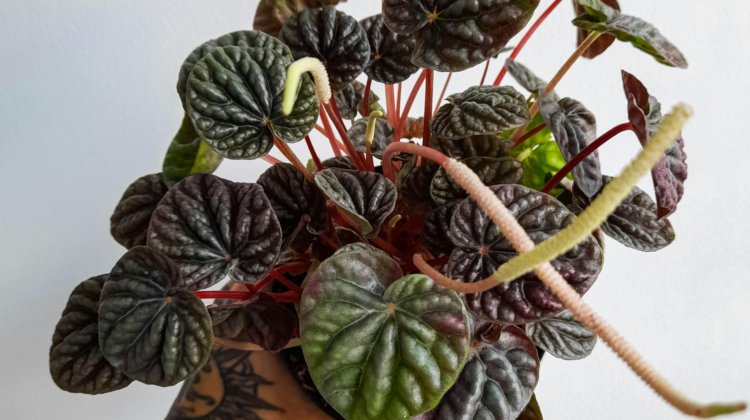
Peperomia caperata ‘Rosso’
This little powerhouse proves that beginner-friendly doesn’t mean boring. Peperomia ‘Rosso’ shows off deeply rippled green leaves with stunning crimson-red undersides that catch the light like stained glass. The texture resembles crinkled fabric, adding dimensional interest that flat leaves can’t provide.
It stays compact—maxing out around 8 inches tall—making it perfect for desks, shelves, or tight spaces. The best part? It actually prefers neglect over attention. Let the soil dry out completely between waterings, and you’ll avoid the root rot that kills most houseplants. If you forget to water for a week (or two), this forgiving beauty just keeps trucking along. It’s the rare plant that suffers more from over-care than under-care, making it ideal for busy people or those who travel frequently.
Haworthia cooperi (Cushion Aloe)
If you’ve ever wanted a plant that looks like it belongs in a sci-fi movie, meet Haworthia cooperi. Its translucent “window” leaves resemble tiny water droplets frozen in time, glowing when backlit by sunlight. Place it on a windowsill where afternoon sun can shine through those windows, and you’ll understand why succulent collectors obsess over this variety.
Water it every 2-3 weeks and forget about it otherwise—this succulent thrives on neglect. Unlike many succulents that pose risks to curious pets, Haworthia is completely pet-safe, so you can display it anywhere without worry. It’s the ideal starter plant for anyone who wants something truly unusual without the high-maintenance drama. The compact rosette form stays tidy and never outgrows its space, making it perfect for small apartments or minimalist aesthetics.
Good Tip!
Pair your beginner funky plants with other easy indoor plants like pothos or snake plants to build confidence before tackling finicky varieties—mixing low-maintenance classics with unique specimens creates visual interest without overwhelming new plant parents.
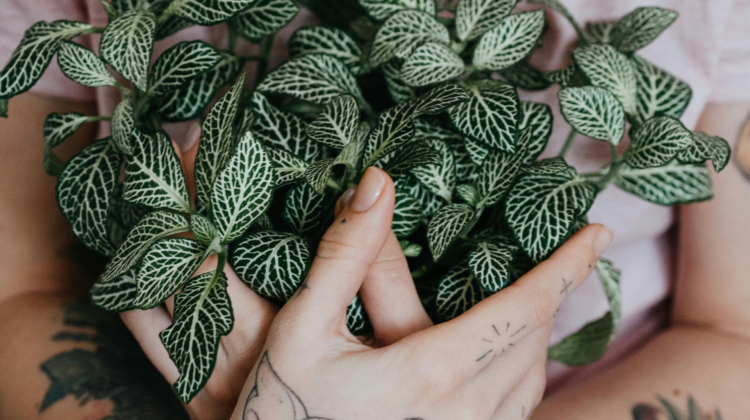
Fittonia (Nerve Plant)
Fittonia takes the guesswork out of plant care with its dramatic communication style. When thirsty, it literally faints—leaves drooping in an unmistakable plea for water. Give it a drink, and within hours it perks back up like nothing happened. This clear signal system makes it nearly impossible to kill from neglect, since the plant tells you exactly when it needs attention.
The vibrant pink, white, or red veins against deep green leaves create eye-catching patterns that rival any pricey collector plant. Choose pink-veined varieties for a softer look, or go with red for maximum punch. Fittonias thrive in terrariums or humid bathrooms, making them perfect for spaces where other plants struggle. The low-growing, spreading habit fills containers quickly, creating lush displays in weeks rather than months.
Chlorophytum comosum ‘Bonnie’ (Curly Spider Plant)
Forget the straight-laced spider plant your mom grew in the ’80s. ‘Bonnie’ brings funky energy with twisted, spiraling leaves that look like they’ve been styled by a tiny plant hairdresser. The cascading rosettes of curled foliage create movement and texture that standard spider plants lack entirely.
It purifies air, tolerates low light, and produces adorable baby plantlets on long stems—perfect for propagating and sharing with friends. This variety combines all the bulletproof qualities of classic spider plants with way more personality, proving that reliable doesn’t have to mean predictable. Hang it in a basket where those baby plants can dangle freely, creating a living mobile that changes as it grows. Within a year, you’ll have enough plantlets to fill your entire home or gift to every friend who admires your green thumb.
These easy-care options prove that diving into the world of funky plants doesn’t require expert skills or endless free time. Start with one or two from this beginner-friendly list, build your confidence, then gradually work your way toward the more demanding divas like Calathea ‘White Fusion’ or Pink Princess Philodendron. The journey from plant newbie to funky plant collector is half the fun—each new addition teaches you something and transforms your space into a more interesting, personalized environment. Whether you’re drawn to bold colors, unusual textures, intricate patterns, or simply want something that’s ridiculously easy to care for, there’s a funky plant waiting to become your new favorite living accessory.
Conclusion
Funky plants offer an accessible way to infuse personality into any space, whether you’re drawn to bold colors, unusual textures, fascinating patterns, or architectural forms.
From beginner-friendly options like Peperomia ‘Rosso’ to showstoppers like the Pink Princess Philodendron, there’s a funky plant to match your style, space, and care capabilities.
Remember that even one well-chosen unique specimen can transform a room, so start with plants that truly speak to you rather than following trends. With proper care and creative display, these living conversation pieces will reward you with not just beauty but a distinctive atmosphere that feels authentically yours.
Frequently Asked Questions
How often should I water my funky plants?
It depends on the specific plant type. Succulents like String of Dolphins need watering every 10-14 days, while humidity-lovers like Calathea prefer consistently moist soil. Always check the top inch of soil before watering.
Can I keep funky plants in low-light rooms?
Some tolerate lower light better than others. Raven ZZ and Prayer Plants handle medium to low light well, but colorful varieties like Pink Princess need bright indirect light to maintain their vibrant patterns and colors.
Are funky plants more expensive than regular houseplants?
They can be. Rare varieties like Pink Princess cost more due to unstable variegation and slow growth. However, easy-to-propagate options like Tradescantia Zebrina and Spider Plant ‘Bonnie’ are budget-friendly and shareable.
Which funky plants are safest around pets?
Prayer Plants, Haworthia cooperi, and Spider Plants are completely pet-safe. Avoid Euphorbia ‘Sticks on Fire’ and Philodendrons around curious cats and dogs, as these contain toxic compounds that cause serious harm.
Why is my variegated plant turning all green?
Insufficient light causes reversion to solid green leaves. Move your plant closer to a bright window and prune any fully green growth immediately to encourage variegated leaves to return on new growth.
Do funky plants need special fertilizer?
Most thrive with standard houseplant fertilizer diluted to half-strength during growing season (spring and summer). Avoid over-fertilizing variegated plants, as excess nitrogen can reduce their colorful patterns and cause plain green growth.