
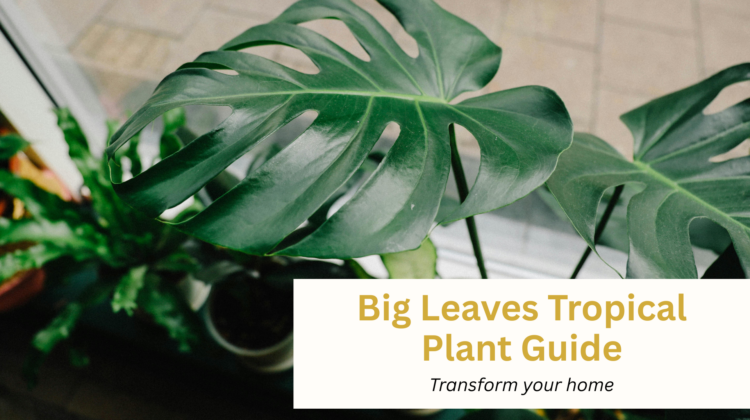
Big leaves and a tropical plant is possible to find in one like the: Monstera deliciosa, Bird of Paradise, and Philodendron varieties thrive indoors with bright indirect light, consistent moisture, and humidity levels above 50%, creating dramatic focal points that transform any room into a tropical oasis.
Picture walking into a room where enormous, glossy leaves cascade from corners, their sculptural silhouettes transforming ordinary spaces into lush, jungle-inspired sanctuaries. Big leaves tropical plants have become the cornerstone of modern house plants design ideas, offering instant drama and architectural interest that smaller foliage simply can’t match. These botanical showstoppers don’t just fill empty corners—they create living art installations that breathe life, texture, and tropical elegance into every room.
You’ve seen those stunning Instagram-worthy interiors featuring oversized tropical foliage, but you’re unsure which big-leafed beauties will actually thrive in your home. Maybe you’re worried about care requirements, or you’re struggling to choose between the dozens of tropical species with statement-sized leaves. Perhaps you’ve tried growing large-leafed plants before, only to watch them struggle with browning edges, drooping stems, or disappointing growth.
This comprehensive guide walks you through everything you need to know about selecting, caring for, and styling big leaves tropical plants in your indoor spaces. You’ll discover the best species for different light conditions, master essential care techniques that keep those massive leaves glossy and healthy, troubleshoot common problems, and learn professional styling secrets that maximize visual impact.
Page Contents
Why Big Leaves Tropical Plants Transform Indoor Spaces
A single big leaves tropical plant can do what a dozen small ones can’t—it commands attention the moment someone walks into your room. Those oversized leaves, often stretching 12 inches or more, create instant focal points that draw the eye upward and outward. They add vertical dimension to spaces that feel flat or cramped, and they fill empty corners with sculptural presence that actually looks intentional.
Visual Impact and Architectural Interest
Think of them as living art. A Monstera with its dramatic split leaves or a Bird of Paradise with paddle-shaped foliage doesn’t just sit there—it creates silhouettes and shadows that change throughout the day. You get the visual impact of a statement piece of furniture without the weight or permanence. This dynamic quality means your space feels alive and constantly evolving, responding to natural light in ways that static decor simply can’t match.
Beyond aesthetics, these plants solve common design challenges. They soften hard architectural lines, add organic curves to angular rooms, and create natural transitions between living areas. When you’re working with limited floor space but high ceilings, a tall big leaves tropical plant draws the eye upward, making rooms feel more spacious rather than cluttered.
Air Purification at Scale
Here’s something most people don’t realize: bigger leaves mean cleaner air. The surface area matters significantly. A 2019 study in the Journal of Exposure Science & Environmental Epidemiology found that houseplants with big leaves removed up to 20% more VOCs (volatile organic compounds) than their smaller-leafed cousins.
Why? Larger leaves have more stomata—those tiny pores that filter air as the plant breathes. So that statement plant in your living room isn’t just pretty. It’s actually working to remove toxins like formaldehyde and benzene from your air. Consider this: one mature Monstera or Philodendron can process air for a 100-square-foot space more efficiently than several smaller plants combined, and with far less maintenance effort on your part.
Biophilic Design Benefits
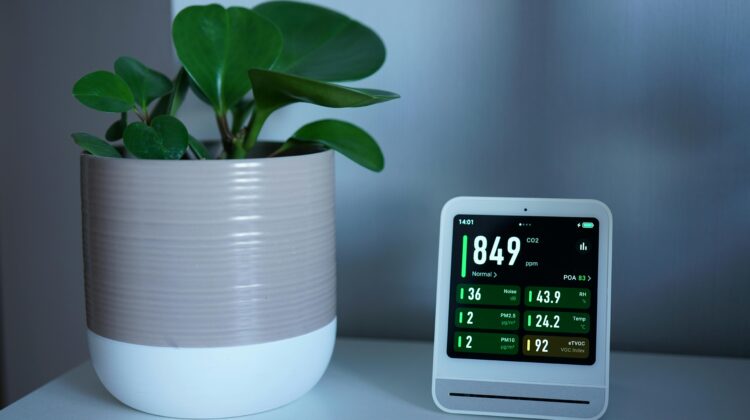
Your brain responds to big tropical foliage in ways you might not consciously notice. A 2020 study from the International Journal of Environmental Research showed that tropical plants with bold, oversized leaves reduced stress markers by 37% in office environments. Productivity jumped 15%.
That’s biophilic design at work—our hardwired connection to nature kicking in. When you bring a big leaves tropical plant into your home, you’re not just decorating. You’re creating an environment where you feel calmer and think more clearly. The large-scale foliage triggers the same neurological responses as being in nature, which explains why these plants have become essential elements in modern wellness-focused interior design.
Good Tip!
Start with one large statement plant instead of buying multiple small ones—you’ll spend less time on maintenance and get bigger visual impact for your money.
Low Maintenance, High Reward
Here’s the myth: big plants need big effort. The truth? Many large-leafed tropicals are surprisingly forgiving. One watering session for a single Rubber Plant beats managing five smaller plants on different schedules. You’re essentially consolidating your plant care routine while maximizing the visual payoff.
The houseplant market grew 50% from 2019 to 2023, with tropical statement plants leading the charge. People are catching on—these dramatic foliage houseplants deliver maximum impact with minimal fuss once you understand their basic needs. The key is choosing the right species for your space and lifestyle, which brings us to the varieties that consistently perform well indoors.
Best Big Leaves Tropical Plant Species for Indoor Growing
Choosing the right big leaves tropical plant for your space can feel overwhelming when you’re staring at rows of gorgeous greenery at the nursery. The good news? A handful of proven winners thrive indoors without demanding expert-level care. Let’s break down the top species that deliver dramatic foliage without the drama.
Monstera Deliciosa (Swiss Cheese Plant)
There’s a reason Monstera deliciosa has become the poster child for statement plants for home. Those iconic split leaves—reaching 2-3 feet wide at maturity—create instant jungle vibes that smaller plants just can’t match. The natural fenestrations (those artistic holes and splits) develop as the plant matures, giving you a living sculpture that changes over time.
What makes Monstera especially beginner-friendly is its tolerance for moderate light. You don’t need a sun-drenched room to keep this beauty happy. It grows vigorously indoors, often putting out new leaves monthly during growing season. Expect to pay $25-$150 depending on size, with smaller starter plants offering budget-friendly entry into large leaf indoor plants. As your Monstera matures, those leaves will grow progressively larger and more fenestrated, rewarding your patience with increasingly dramatic foliage.
Bird of Paradise (Strelitzia nicolai and reginae)
If you want architectural drama, Bird of Paradise delivers. Those paddle-shaped leaves stretch 18+ inches long and grow in an upright habit that can reach 5-7 feet indoors. The plant naturally creates a striking vertical accent that draws the eye upward and makes ceilings feel taller.
Here’s where variety matters: Strelitzia nicolai (white Bird of Paradise) tolerates lower light conditions than Strelitzia reginae (orange Bird of Paradise). If your space doesn’t get intense bright light, nicolai is your friend. With proper care, you might even see blooms—white flowers on nicolai, vibrant orange on reginae—though flowering indoors requires patience and optimal conditions.
Good Tip!
Wipe Bird of Paradise leaves every two weeks with a damp cloth—dust blocks light absorption and those massive leaves collect it fast, reducing the plant’s ability to photosynthesize efficiently.
Philodendron Varieties
The Philodendron genus offers incredible variety for different spaces and styles. Philodendron gloriosum steals the show with velvety, heart-shaped leaves that can reach 36 inches—yes, three feet of pure tropical luxury. The soft texture catches light beautifully and adds tactile interest that elevates any space.
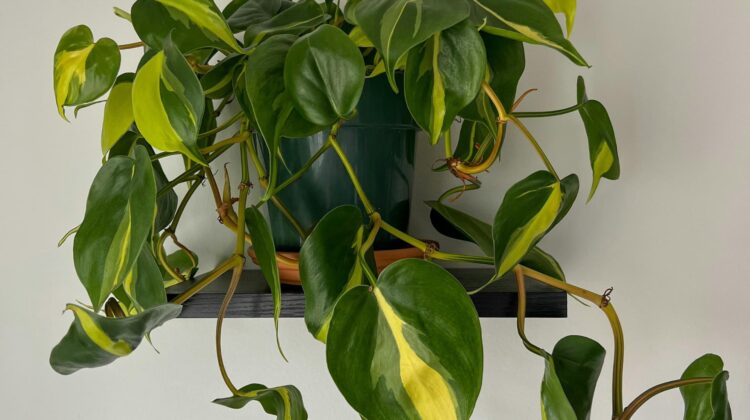
For tighter spaces, Philodendron birkin brings compact elegance with white pinstripes decorating dark green leaves. It’s the perfect choice when you want big-leaf impact without the sprawl. Meanwhile, Philodendron selloum (also called tree philodendron) features deeply lobed leaves that create amazing tropical texture and work especially well as floor plants in corners.
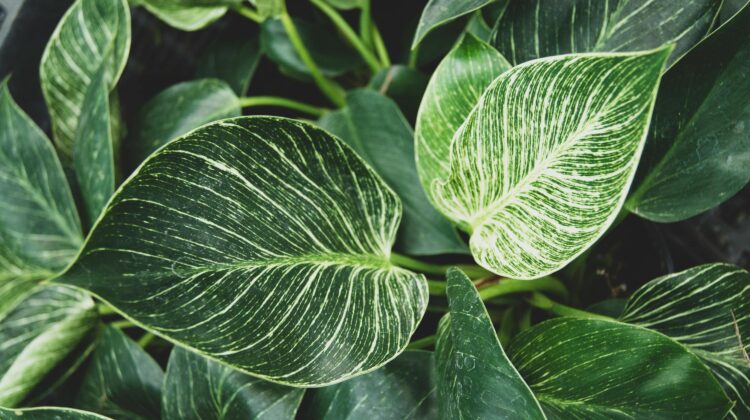
The beauty of exploring tropical houseplants with big foliage within the Philodendron family? Most tolerate moderate light and forgive occasional care mistakes, making them ideal for building confidence with large tropical plant care. They also adapt well to typical household humidity levels, unlike some fussier tropical varieties.
Alocasia Species (Elephant Ear)
Alocasia plants bring bold, almost alien-looking foliage with their arrow-shaped or shield-shaped leaves and prominent veining. Alocasia amazonica offers a compact option with dark, glossy leaves that pack visual punch without requiring massive floor space. On the opposite end, Alocasia macrorrhiza produces giant leaves stretching up to 3 feet.
Fair warning: Alocasias need higher humidity (ideally 60%+) and go through dormancy periods where they may drop leaves in winter. They’re not quite as forgiving as Monstera or Philodendron, but the dramatic foliage houseplants aesthetic they create is worth the extra attention. According to The Spruce’s comprehensive Alocasia care guide, consistent moisture and humidity are non-negotiable for keeping these beauties thriving. If you’re willing to invest a bit more effort, Alocasias reward you with some of the most striking foliage in the plant world.
Essential Light Requirements for Big Leaves Tropical Plants
Once you’ve selected your perfect big leaves tropical plant, understanding light becomes your most critical success factor. Get this right, and everything else falls into place. Get it wrong, and even the most forgiving plant will struggle.
Understanding Bright Indirect Light
You’ve probably heard “bright indirect light” a thousand times, but what does that actually mean for your big leaves tropical plant? Think of it as the Goldilocks zone—not too harsh, not too dim. We’re talking about spots that get 10,000-20,000 lux, which you can measure with free smartphone apps. Picture placing your plant about 3-5 feet from a south or west-facing window, or right in front of a window with sheer curtains filtering the rays.
Why the fuss? Direct sunlight scorches those gorgeous, thin tropical leaves faster than you’d think. Those broad leaves evolved under rainforest canopies, not blazing sun. The dappled light filtering through jungle trees is what these plants crave—bright enough to fuel growth, but diffused enough to prevent damage.
Species-Specific Light Needs
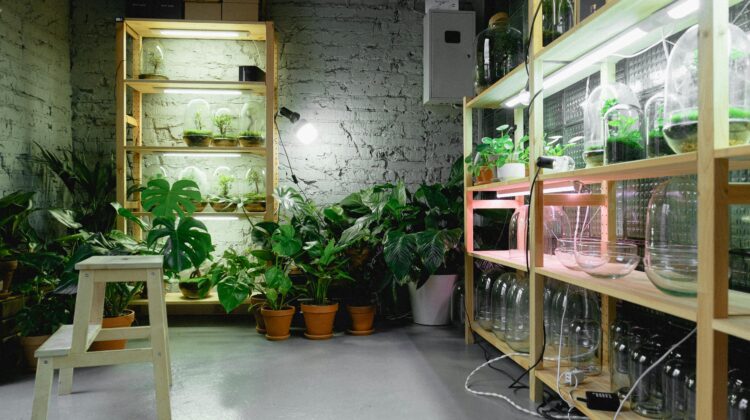
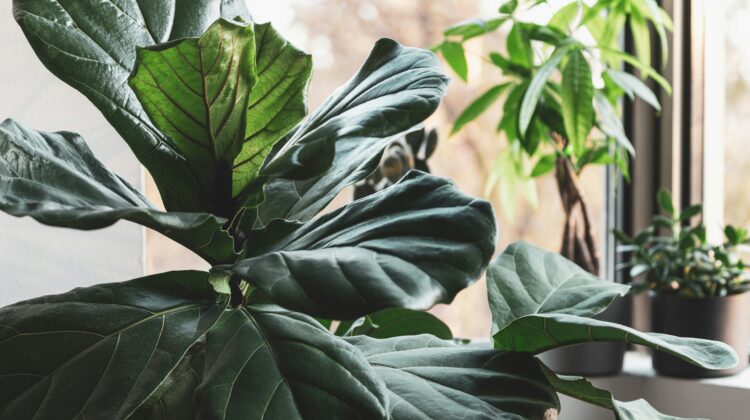
Not all large leaf indoor plants play by the same rules. Some are forgiving low-light champs, while others demand the spotlight. Philodendrons, Pothos varieties, and certain Alocasias tolerate dimmer conditions—around 5,000-10,000 lux—making them perfect for rooms without huge windows. On the flip side, Bird of Paradise, Fiddle Leaf Fig, and Rubber Plants need brighter setups, thriving at 15,000-25,000 lux.
Match your plant to your space, not the other way around. Trust me, forcing a light-hungry plant into a dark corner ends in disappointment. Before you fall in love with a particular species at the nursery, honestly assess the light conditions in your home. This single decision will determine whether your tropical houseplants with big foliage thrive or merely survive.
Good Tip!
Download a free lux meter app on your phone and check light levels at different times of day—you’ll be shocked how much they fluctuate between morning and afternoon.
Seasonal Light Adjustments
Winter changes everything. Light intensity can drop by 50% or more during shorter days, leaving your tropical houseplants with big foliage struggling. The fix? Move plants closer to windows as fall arrives. A 2022 HortScience study found that tropical plants getting supplemental LED lighting kept 85% more leaf mass through winter.
If you notice slower growth or smaller leaves between November and March, your plant’s basically telling you it needs more light. Unlock the secrets of big leaf houseplants by adjusting placement seasonally—it makes a massive difference. Consider investing in a grow light if your home naturally runs dark; modern LED options are affordable, energy-efficient, and far more aesthetically pleasing than the purple lights of years past.
Signs of Incorrect Light
Your plant talks to you through its leaves. Leggy, stretched-out growth with tiny new leaves? That’s a cry for more light. Brown patches, faded colors, or crispy edges mean too much direct sun. Here’s the kicker: plants getting optimal light produce leaves 40-60% larger than stressed ones. That’s the difference between “meh” and magazine-worthy.
Pay attention to these signals early. The sooner you adjust light conditions, the faster your plant will recover and resume producing those impressive leaves you bought it for in the first place.
Watering and Humidity Care for Big Leaves Tropical Plant Success
Light sets the foundation, but water and humidity keep your big leaves tropical plant thriving day to day. These two factors work together—get one right and the other wrong, and you’ll still face problems.
The Watering Sweet Spot
Getting watering right makes the difference between thriving tropical foliage and sad, droopy leaves. Stick your finger into the soil—when the top 2-3 inches feel dry, it’s time to water. For larger pots (12 inches or more), check even deeper, about 4 inches down. Water thoroughly until you see it flowing from the drainage holes. This ensures the entire root system gets moisture, not just the top layer.
Most big leaves tropical plants need watering every 7-10 days during spring and summer when they’re actively growing. In winter, they slow down and need less—sometimes only every 2-3 weeks. The key? Let the soil guide you, not the calendar. Environmental factors like humidity, temperature, and light all affect how quickly soil dries out, so rigid schedules rarely work.
Humidity Requirements by Species
Your tropical houseplants with big foliage come from rainforests where humidity hovers around 50-70%. Most large leaf indoor plants thrive in this range, though some are more forgiving. Rubber Plants, for example, tolerate humidity as low as 40%, making them perfect for drier homes.
Practical solutions include pebble trays filled with water beneath pots, grouping plants together to create a humid microclimate, or investing in a humidifier. Running a humidifier to maintain 55-60% humidity costs about $15-30 monthly in electricity—a small price for healthy, glossy leaves. For more detailed guidance on maintaining optimal conditions, check out this Tropical Plant Care Guide.
Good Tip!
Place a hygrometer near your plants to monitor humidity levels accurately—they cost under $10 and take the guesswork out of tropical plant care.
Leaf Cleaning and Maintenance
Those gorgeous oversized leaves act like dust magnets. A layer of dust blocks light and reduces photosynthesis by up to 30%, according to research in Urban Forestry & Urban Greening. Wipe leaves monthly with a damp microfiber cloth, supporting each leaf from underneath to avoid damage. Skip the leaf shine products—they clog pores and do more harm than good.
This simple maintenance task also gives you a chance to inspect leaves for pests or disease. Catching problems early means easier solutions and healthier plants long-term.
Troubleshooting Water-Related Issues
Brown leaf tips? You’re likely dealing with low humidity or mineral buildup from tap water. Try filtered water and boost humidity. Yellowing leaves signal overwatering—the number one killer of tropical plants, responsible for 60% of houseplant deaths. Cut back on watering and check for root rot.
Drooping leaves mean your plant is thirsty or suffering from root problems. Check soil moisture first, then inspect roots if the problem persists. Learning to read these signals transforms you from a plant owner into a confident plant parent who can diagnose and fix issues before they become serious.
Soil, Potting, and Feeding Your Big Leaves Tropical Plant
Beyond the basics of light and water, proper soil composition and feeding schedules determine whether your big leaves tropical plant reaches its full dramatic potential or remains disappointingly small.
Ideal Soil Composition
Your big leaves tropical plant needs soil that walks a fine line—draining fast enough to prevent soggy roots, but holding moisture long enough to keep those massive leaves hydrated. Standard potting soil from the garden center won’t cut it. It’s too dense and compacts quickly, suffocating roots and inviting rot.
Mix your own blend instead: 40% peat moss or coco coir for moisture retention, 30% perlite or pumice for drainage, 20% orchid bark for air pockets, and 10% worm castings for nutrients. This combination mimics the loose, airy forest floor where tropical plants naturally thrive. You’ll notice healthier root growth within weeks. While pre-mixing soil sounds intimidating, it takes less than 10 minutes and dramatically improves your plant’s health.
Pot Selection and Sizing
Drainage holes aren’t optional—they’re essential. Without them, water pools at the bottom and roots drown. When repotting (every 18-24 months), go up only 2 inches in diameter. Bigger isn’t better here. Oversized pots hold too much moisture and actually slow growth because the plant focuses on root development rather than foliage.
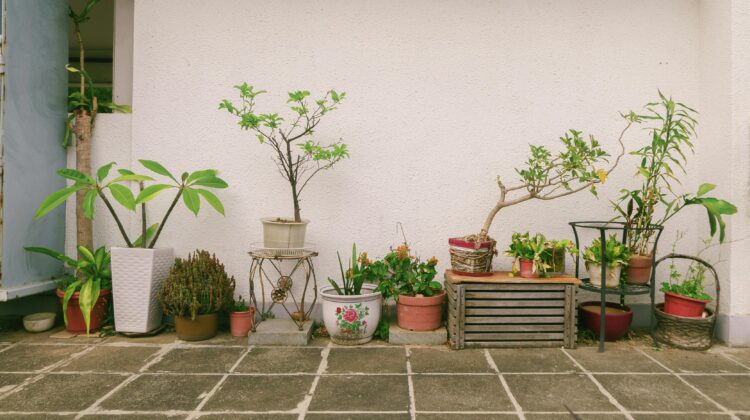
Choose terracotta if you tend to overwater. The porous clay wicks away excess moisture. Prefer ceramic or plastic if you travel often or forget to water—these materials retain moisture longer, giving you more wiggle room between waterings.
Fertilizing Schedule and Products
Large leaf indoor plants are hungry. Those statement-sized leaves demand serious nutrients. Feed with balanced liquid fertilizer (20-20-20 or 10-10-10 NPK) diluted to half-strength every 2-4 weeks during spring and summer. Scale back to monthly in fall. Skip fertilizing entirely in winter when growth slows.
Properly fed tropical houseplants with big foliage produce 45% more leaf growth annually. That’s the difference between a plant that merely survives and one that becomes a showstopper. Think of fertilizer as plant food—just as you wouldn’t expect yourself to thrive on minimal nutrition, your plant can’t produce those impressive leaves without adequate feeding.
Good Tip!
Mark your calendar for fertilizing days or set phone reminders—consistency matters more than the exact product you choose.
Repotting Best Practices
Watch for these signs: roots circling the drainage holes, water running straight through without absorbing, or growth that’s stalled despite good care. Early spring is ideal for repotting—plants are gearing up for active growth and bounce back faster.
Gently loosen the root ball before placing it in fresh soil. Water thoroughly after repotting, then hold off on fertilizer for 4-6 weeks. The new soil contains nutrients, and you want to avoid overwhelming freshly disturbed roots. The right repotting technique reduces root disease by 70% compared to plants left in depleted soil. This single task, done properly every couple of years, extends your plant’s healthy lifespan significantly.
Styling and Placement Ideas for Big Leaves Tropical Plants in Your Home
You’ve mastered the care basics—now comes the fun part. Strategic placement and styling transform your big leaves tropical plant from a houseplant into a design element that elevates your entire space.
Strategic Placement for Maximum Impact
Think of your big leaves tropical plant as a living sculpture, not just another houseplant. Empty corners are perfect spots—they transform dead space into eye-catching focal points. Try flanking your fireplace or doorway with matching statement plants for a designer look. You can even use taller varieties as natural room dividers in open-concept spaces, creating visual zones without blocking light or building walls.
Here’s a pro trick from interior designers: the rule of thirds. Place your tall plant so its height hits about one-third of your room’s total height. This creates visual balance that just feels right. A six-foot Bird of Paradise in an 18-foot room? Perfect proportions. This mathematical approach to placement might seem fussy, but it’s the difference between “something feels off” and “this space feels professionally designed.”
Pairing with Interior Styles
Your decor style should guide your plant choices. Mid-century modern fans, pair a Monstera or Rubber Plant with simple wooden stands—clean lines work best. Going for bohemian vibes? Mix several tropical houseplants with big foliage at different heights and add macramé hangers for texture.
Minimalists should embrace the “less is more” approach. One dramatic Bird of Paradise becomes your statement piece—no competing elements needed. Contemporary spaces shine with architectural Alocasias in sleek, geometric containers. The key is matching your plant’s personality to your room’s aesthetic. Your big leaves tropical plant should feel like an intentional part of your design story, not an afterthought.
Container and Stand Selection
Elevate your game—literally. Wooden plant stands add 12 to 36 inches of height, making your plants command more attention. For mature specimens, choose containers at least 14 inches in diameter. Those massive leaves need substantial pots for visual proportion—a huge plant in a tiny pot looks unbalanced and unstable.
Use cachepots to hide ugly plastic nursery pots while maintaining proper drainage. Just remember: never let water pool in decorative containers without drainage holes. If you use a cachepot without drainage, either drill holes or place stones in the bottom and remove the pot after watering to pour out excess water.
Good Tip!
Before buying a plant stand, measure your ceiling height and plant size. You need at least 6-12 inches of clearance above the tallest leaf to avoid a cramped look.
Creating Layered Tropical Displays
Professional designers use height variation to create depth. Start with a tall Bird of Paradise at six feet, add a mid-height Monstera at three to four feet, then finish with a lower Philodendron at two feet. This three-tier approach mimics natural forest layers and looks incredibly lush—like you’ve stepped into an indoor jungle rather than just placed a few plants around.
The payoff? Homes staged with large leaf indoor plants sell 15% faster and command 5-8% higher prices. That’s serious visual impact translating to real value. Even if you’re not selling, that statistic reveals something important: these plants dramatically improve how spaces feel and function. They make homes more inviting, more peaceful, and more visually interesting—benefits you get to enjoy every single day.
When you combine thoughtful care with strategic styling, your big leaves tropical plant becomes more than decor. It becomes a living focal point that transforms not just how your space looks, but how it feels to be in it.
Conclusion
Bringing big leaves tropical plants into your home creates living focal points that transform ordinary rooms into lush, sophisticated spaces.
From the iconic split leaves of Monstera deliciosa to the architectural drama of Bird of Paradise, these statement plants deliver maximum impact with surprisingly manageable care requirements.
Match species to your available light conditions (bright indirect for most varieties), maintain consistent moisture without overwatering, provide 50-60% humidity for optimal leaf health, and feed regularly during growing season to support impressive foliage.
Large tropical leaves are dust magnets—monthly cleaning keeps them photosynthesizing efficiently and looking their glossy best. When you get the fundamentals right, your big leaves tropical plant will reward you with stunning growth, sometimes producing leaves twice the size of those struggling in low-light corners.
Whether you’re working with a sun-drenched living room perfect for a towering Fiddle Leaf Fig or a moderate-light bedroom ideal for a graceful Philodendron, there’s a large-leafed tropical perfectly suited to your space.
Start with one statement plant, master its care, and watch as it becomes the conversation-starting centerpiece that ties your entire house plants design ideas together.
Frequently Asked Questions
Can big-leafed tropical plants survive in rooms without much natural light?
Some varieties like Philodendrons and Pothos can tolerate lower light, but most tropical plants need at least moderate brightness. Consider adding a grow light if your space gets minimal natural light, or choose specifically low-light tolerant species for darker rooms.
How do I know if my plant needs a bigger pot?
Check if roots are poking through drainage holes or circling the soil surface. Another sign is when water runs straight through without being absorbed. Most large tropical plants only need repotting every 18-24 months during spring.
Why are the new leaves on my tropical plant so much smaller than the old ones?
Small new growth typically means insufficient light. Your plant is stretching to find more brightness and can’t support large leaf production. Move it closer to a window or add supplemental lighting to restore normal growth.
Do I really need a humidifier for tropical plants, or is misting enough?
Misting provides only temporary humidity that evaporates within minutes. A humidifier or pebble tray delivers consistent moisture levels. Most tropical plants need 50-60% humidity, which misting alone can’t maintain in typical homes.
How often should I actually clean my plant’s leaves?
Wipe down large leaves every 2-4 weeks with a damp cloth. Dust accumulation significantly reduces photosynthesis efficiency. Support each leaf from underneath while cleaning to prevent tearing or damage to the delicate tissue.
Is it worth making my own soil mix, or can I just buy potting soil?
Standard potting soil is too dense for most tropical plants and leads to drainage problems. Mixing your own ensures proper aeration and moisture balance. It costs roughly the same but dramatically improves root health and growth.