

The best places to find philodendron plants for sale include reputable online specialty nurseries, local garden centers with high turnover, plant swaps, and verified Etsy sellers—but knowing what to inspect before purchasing matters more than where you buy.
I still remember scrolling endlessly through online plant shops at midnight, trying to find the perfect philodendron to fill that empty corner in my living room. With hundreds of philodendron plants for sale across nurseries, garden centers, and online marketplaces, I felt completely overwhelmed by choices—and honestly, I wasn’t sure which sellers I could trust.
Finding quality philodendron plants for sale isn’t just about clicking ‘add to cart.’ You’re probably wondering: Which variety suits your space and skill level? How do you spot a healthy plant versus one that’ll struggle? Should you buy locally or order online? Are those Instagram sellers legitimate, or will your new plant arrive half-dead? With philodendrons ranging from $15 starter plants to $500+ rare specimens, making the wrong choice feels risky—both for your wallet and your plant parent confidence.
This guide walks you through exactly where to find healthy philodendrons, what warning signs to avoid, how to evaluate sellers, and which varieties offer the best value for beginners through collectors. Whether you’re eyeing a classic heartleaf philodendron or hunting a rare Pink Princess, you’ll finish reading with a clear action plan and confidence to bring home a thriving plant that transforms your space into the house plants design ideas you’ve been dreaming about.
Page Contents
Understanding Philodendron Varieties Before You Buy Plants For Sale
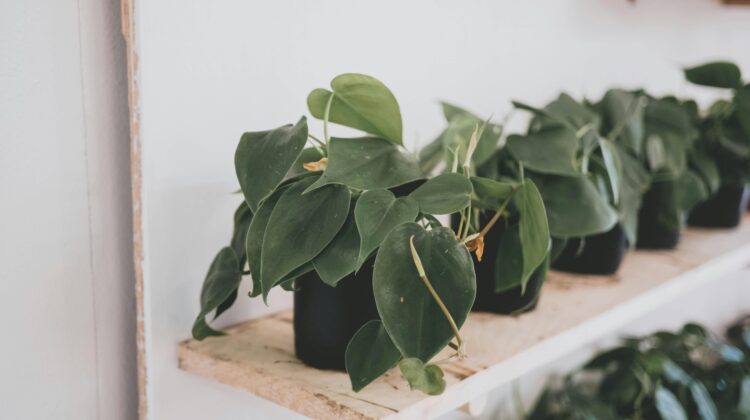
If you’re new to philodendrons, three varieties will save you from heartbreak and wasted money. Heartleaf Philodendron (Philodendron hederaceum), Brasil, and Micans tolerate low light, irregular watering, and typical indoor conditions without drama. These plants bounce back from neglect that would kill fussier tropicals. You’ll find them priced between $12-30 at most garden centers, and research shows they have a 92% survival rate among novice indoor gardeners. That’s not luck—it’s biology. These varieties evolved to thrive in understory forest conditions, which makes your dimly lit apartment feel like home.
Once you’ve kept a heartleaf alive for six months, consider stepping up to Philodendron ‘Birkin’ or ‘Prince of Orange’. These beauties need more consistent care—brighter indirect light, regular watering schedules, and attention to humidity. Expect to pay $25-75 depending on size and maturity. Here’s a common mistake: buying Monstera plants thinking they’re philodendrons. While they’re related and sold alongside philodendron varieties, Monsteras need different care and support structures. Check the botanical name before you buy.
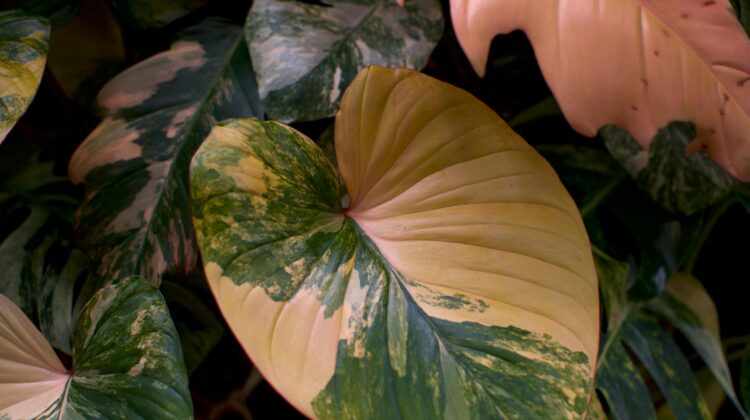
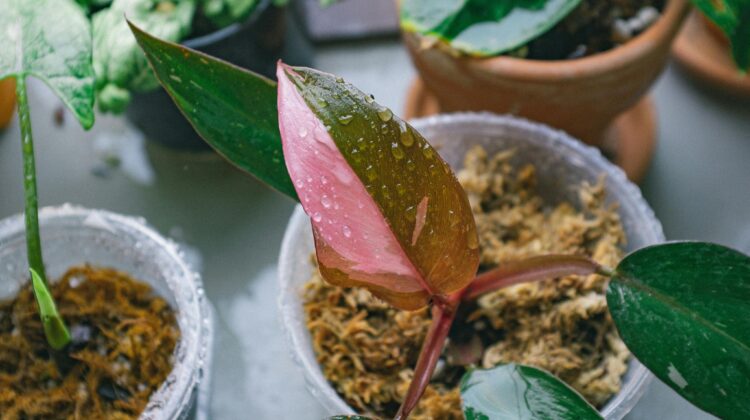
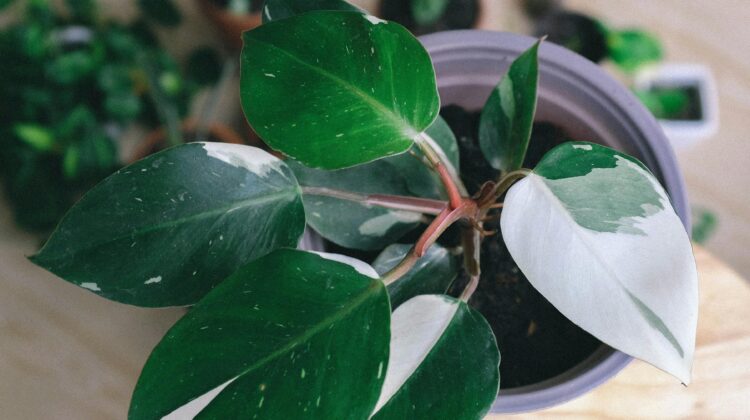
At the premium end of the spectrum, rare philodendrons command serious attention and even more serious prices. Pink Princess, Gloriosum, Melanochrysum, and Verrucosum regularly sell for $80-500+. Why? Limited availability, slow growth rates, and variegation that doesn’t always pass to new leaves. Authenticity matters here—scammers sell regular plants with pink-painted leaves as “Pink Princess.” Only buy rare philodendron plants for sale from reputable sellers who provide clear photos of the actual plant you’ll receive.
Beyond price and rarity, consider how different varieties grow. Vining philodendrons need vertical support like moss poles or trellises, while self-heading varieties grow upright without climbing. This affects where you can place them long-term. A vining variety in a small apartment might outgrow your space within two years, while a compact self-heading type stays manageable indefinitely.
Good Tip!
Take a photo of your space with natural lighting before shopping. Show it to nursery staff or include it when messaging online sellers—they can recommend varieties that’ll actually thrive in your specific conditions.
Understanding these distinctions helps you narrow down where to start your search for philodendron plants for sale that match both your skill level and living space.
Where To Find Quality Philodendron Plants For Sale Near You
Your neighborhood garden center offers something online shopping can’t match—the chance to inspect plants before you buy. You can check leaf health, peek at roots through drainage holes, and ask staff about care history. Spring and early summer bring the best selection, when fresh shipments arrive weekly. Before you buy, ask where they source their plants and what quarantine practices they follow. A reputable nursery will happily share this information because it protects both you and their reputation.
For budget-conscious shoppers, Home Depot’s philodendron selection and similar big-box retailers offer the most wallet-friendly option—typically $8 to $25 per plant. That’s hard to beat when you’re just starting out. But there’s a trade-off. These stores account for 52% of houseplant sales volume, yet plant care can be inconsistent. You’ll find limited varieties, and many plants arrive stressed from long shipping routes. If you shop here, visit on delivery days (ask staff when trucks arrive) and inspect carefully before buying.
Specialty plant boutiques represent the opposite end of the spectrum. Yes, you’ll pay more—sometimes double what big-box stores charge. But 68% of customers report higher satisfaction compared to just 43% at big-box retailers, and there’s a reason why. These shops employ knowledgeable staff who can guide your house plants design ideas, offer unusual varieties you won’t find elsewhere, and provide plants that receive expert daily care. You’re not just buying a plant—you’re gaining access to ongoing advice that can mean the difference between thriving and barely surviving philodendrons.
Good Tip!
Visit specialty shops during weekdays when staff have more time to answer questions and share care tips specific to each plant.
Plant swaps and farmers markets offer a completely different experience. These venues connect you with local growers and fellow plant enthusiasts, where you’ll find propagations at lower costs and build community connections that last beyond a single purchase. But plant health varies widely at these venues. Bring a checklist—check for pests, examine roots if possible, and don’t feel pressured to trade or buy if something looks off. The best deals mean nothing if your new philodendron brings pests home to your collection.
Each of these local options has advantages, but they all share one limitation: geographic availability. That’s where online marketplaces expand your possibilities dramatically.
Navigating Online Marketplaces For Philodendron Plants For Sale
When you buy philodendron online, reputable specialty nurseries like Steve’s Leaves, NSE Tropicals, and Gabriella Plants take the guesswork out of the process. These established sellers pack plants with heat packs during cold months, offer arrival guarantees, and maintain hundreds of verified customer reviews. Shipping typically runs $12-20, which covers careful packaging that protects your plant during transit.
Here’s the catch: most online philodendron nurseries pause shipping during extreme weather. You’ll see seasonal restrictions from late June through August in hot regions and December through February in cold zones. This protects your investment—nobody wants a $75 Pink Princess arriving cooked or frozen. Summer shipping kills more philodendrons than any other factor. Research shows 15-22% of plants shipped June through August arrive with heat stress damage—wilted leaves, crispy edges, or worse. Compare that to just 4-7% damage rates during spring and fall.
If you’re browsing philodendron plants for sale online in July, bookmark that listing and wait until September. Your patience saves money and heartbreak. Most quality sellers clearly post when they’ll resume shipping after weather extremes, making it easy to plan your purchases around safer shipping windows.
Good Tip!
Before checking out with any online seller, screenshot the plant’s current photo and save the listing description. If your philodendron arrives looking nothing like what you ordered, you’ll have proof for refund requests.
Etsy and independent plant shops offer unique finds beyond what mainstream nurseries stock, but you need to play detective before hitting “purchase.” Start by reading every review—not just the star rating. Look for mentions of packaging quality, plant size accuracy, and how sellers handle problems. Check the shop’s policies page for return and refund terms. If there’s no return policy listed, that’s your first red flag.
Ask sellers for photos taken that same week, not stock images from months ago. Watch for unrealistic prices—a $15 Philodendron Melanochrysum probably isn’t legitimate—and vague descriptions. The Better Business Bureau reports that plant-related complaints jumped 89% between 2020-2023, with most issues involving misrepresented rare philodendron for sale and shipping damage.
Instagram and Facebook plant groups take you even further into direct-from-grower territory. You can ask questions, see their growing setup, and sometimes snag deals on healthy philodendron plants before they hit mainstream marketplaces. But here’s the risk: scammers thrive on social media. Always use PayPal Goods & Services for transactions—never Friends & Family, Venmo, or Zelle. That buyer protection is your safety net if the seller ghosts you or ships a sad cutting instead of the advertised plant. If someone pressures you to pay outside protected platforms, walk away.
For a stunning collection of Philodendrons at Orange Lake Nursery, check their seasonal availability and shipping calendar before ordering. This pattern holds true for most quality online sources—transparency about timing and conditions signals a seller who prioritizes plant health over quick sales.
Whether you’re shopping locally or online, knowing what to look for when you actually examine philodendron plants for sale protects your investment.
Inspecting Philodendron Health Before Purchasing Plants For Sale
Start with the leaves—they tell you everything about a plant’s recent history. Healthy philodendron plants for sale should have vibrant, species-appropriate color. A Brasil should show bold yellow variegation, while a Micans displays velvety bronze-green tones. Run your fingers gently along the leaves. They should feel firm, not limp or papery.
Brown edges signal watering issues or low humidity stress that started weeks ago. A little yellowing on the bottom one or two leaves? That’s normal aging. But yellow leaves scattered throughout the plant mean trouble—possibly root problems or nutrient deficiencies. Look closely for spots, holes, or stippling. These aren’t cosmetic issues. They indicate disease or pest damage. Finally, check for new growth points at the stem tips or nodes. Active growth means the plant is thriving, not just surviving.
This step separates careful shoppers from impulsive ones. If you’re shopping in person, gently tip the pot and peek at the drainage holes. Healthy roots appear white or cream-colored, never brown and mushy. Brown, slimy roots mean root rot—a death sentence that’s hard to reverse. Give the soil a quick smell. Fresh potting mix has an earthy, neutral scent. Sour or rotten odours indicate anaerobic bacteria from overwatering.
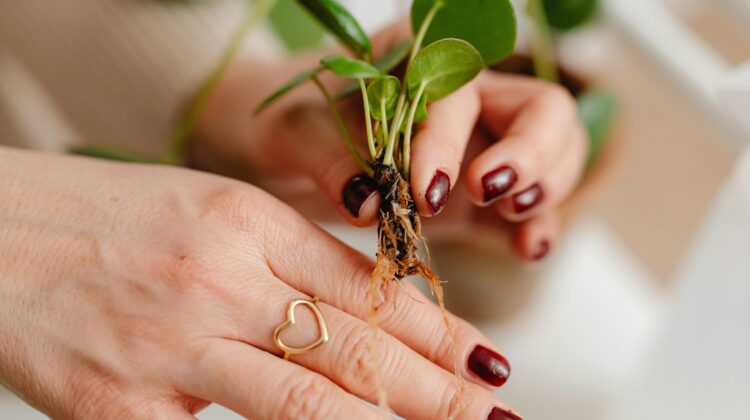
Check moisture levels too. Bone-dry soil suggests neglect, while waterlogged soil points to poor drainage or overwatering. When you buy philodendron online, ask sellers for photos of the root system. Reputable sellers understand this request and will comply. According to the University of Florida’s Institute of Food and Agricultural Sciences, 73% of houseplant failures within 90 days trace back to pre-existing root rot or pest problems present at purchase.
Pests hide where you don’t naturally look—leaf undersides, stem crevices, and new growth. Spider mites leave fine webbing between leaves and create tiny yellow dots on foliage. Thrips cause silvery streaks and distorted new leaves. Mealybugs look like white cottony clusters tucked into leaf joints. Scale insects appear as small brown bumps that don’t move when touched.
Here’s the scary part: early-stage infestations go undetected in roughly 40% of retail plant purchases. Bring a flashlight when shopping in person, or zoom in on seller photos when browsing online. Check every leaf, top and bottom. One mealybug means dozens more you haven’t spotted yet.
Good Tip!
Take photos of the plant from multiple angles before leaving the store or accepting delivery. If problems appear within days, you’ll have proof the issue existed at purchase—crucial for returns or refunds.
Once you’ve confirmed a plant’s health, the next question becomes whether the price makes sense.
Price Ranges And Value Assessment For Philodendron Plants For Sale
Not all philodendrons carry the same price tag, and understanding why helps you spot genuine value versus inflated hype. Rarity and demand drive prices more than anything else. A Pink Princess with stable variegation commands premium pricing because consistent pink coloring remains genetically unpredictable. Growth rate matters too—slow-growing varieties like Philodendron Gloriosum take years to reach maturity, justifying higher costs.
Pot size and root development also factor in. A well-established plant in a 6-inch pot with healthy root systems costs more than a fresh cutting, but you’re paying for time and proven growth. As a general framework, common varieties like Heartleaf Philodendron typically run $10-30, intermediate varieties like Birkin sit around $30-80, rare collector plants range $80-300+, and extreme rarities can hit $300-1000+.
Here’s the good news: rare philodendron prices peaked in 2021-2022 at 300-400% above today’s prices. That $800 Pink Princess? You can find similar quality specimens for $150-250 now. Market stabilization happened because tissue culture propagation flooded availability, bringing many “rare” varieties into the $60-120 range. This crash benefits you—previously unattainable plants are now accessible.
However, truly rare specimens like verified Philodendron Pink Princess with documented variegation tracking still command premium pricing for good reason. The average American houseplant enthusiast spends $180 annually on new plants, so budget accordingly and prioritize quality over quantity.
Propagation stage dramatically affects value. Rooted cuttings cost $15-40 while mature specimens reach $100+. Should you buy a cutting or splurge on a full plant? It depends on your patience and risk tolerance. Cuttings require months to establish, and success rates vary—expect 70-85% survival with proper care. Mature plants offer instant gratification and proven growth patterns, but you’re paying for the grower’s time and expertise.
If you’re new to philodendrons, start with an established plant. Once you’ve mastered care basics, cuttings become budget-friendly expansion options.
Good Tip!
Buy rooted cuttings in late winter or early spring when plants enter active growth—they’ll establish faster and stronger than cuttings purchased during dormant periods.
Seasonal pricing patterns create strategic buying opportunities. Spring brings premium pricing—expect 20-30% markups as demand surges and growers capitalize on planting season enthusiasm. Fall offers clearance deals as nurseries reduce inventory before winter. Holiday gift-giving spikes prices in November and December, so avoid those months unless you’re shopping sales immediately after.
The smartest move? Shop late summer or early fall when selection remains strong but seasonal demand drops, giving you negotiating power and better deals on quality philodendron plants for sale. Understanding these pricing dynamics ensures you get maximum value, but the relationship between you and your plant doesn’t end at checkout.
Post-Purchase Care And Acclimation For Your New Philodendron
Keep your new philodendron isolated for 2-3 weeks before introducing it to your other plants. This quarantine period protects your existing collection from hidden pests or diseases that might not show symptoms immediately. Place your new plant in a separate room with good light, and check it every few days for spider mites, mealybugs, or unusual leaf spots. If you spot any issues, treat them with insecticidal soap or neem oil before the problem spreads. This simple step prevents one infested plant from turning into a collection-wide disaster.
Your philodendron just traveled through darkness and temperature changes—it needs time to adapt. Start by placing it in indirect light for the first week, even if the variety tolerates brighter conditions. Plants shipped from online nurseries especially need this gentle transition. Check the soil moisture before watering; don’t assume it needs water just because it’s new.
Greenhouse-grown plants also need humidity adjustment, so consider misting daily or using a pebble tray if your home air feels dry. Learn more about philodendron care after purchase to set your plant up for success. The first two weeks are critical—this is when your philodendron either adjusts successfully or begins showing stress that compounds into larger problems.
Good Tip!
Take photos of your new philodendron on day one. This helps you track whether changes are normal adjustment or warning signs of trouble.
Resist the urge to repot immediately. Wait 4-6 weeks to let your plant settle before adding repotting stress. The exception? If the nursery soil stays soggy for days or drains poorly, repot sooner using a chunky aroid mix. Combine orchid bark, perlite, and peat or coco coir for drainage and root health. Choose a pot only 1-2 inches larger than the current one—oversized pots hold too much moisture and invite root rot.
This patient approach to acclimation applies whether you bought a $15 cutting or a $300 rare specimen. The care principles remain consistent, and following them transforms your purchase from a risky gamble into a long-term addition to your indoor jungle. By understanding varieties, choosing reputable sources, inspecting carefully, assessing value, and providing proper post-purchase care, you’re setting yourself up for success with philodendron plants for sale—regardless of where you buy or what you spend.
Conclusion
Finding the perfect philodendron plants for sale becomes manageable once you understand variety selection, health inspection, seller evaluation, and proper acclimation.
Match varieties to your actual space and experience level, inspect health indicators like roots and foliage carefully, understand fair pricing that reflects rarity and maturity, and implement proper post-purchase quarantine to protect your collection.
Your next step is making a list of your top three philodendron varieties based on light conditions, available space, and budget, then visiting a local specialty nursery or browsing reputable online shops with this guide’s checklist.
Whether adding your first heartleaf philodendron or hunting a dream Pink Princess, you now have the knowledge to confidently evaluate philodendron plants for sale and bring home a healthy specimen that transforms your space.
Frequently Asked Questions
Can I keep my philodendron alive if I forget to water it sometimes?
Yes, if you choose beginner varieties like Heartleaf, Brasil, or Micans. These evolved in forest understories and tolerate irregular watering better than most houseplants. Just avoid letting soil stay bone-dry for weeks.
Why are Pink Princess philodendrons so expensive compared to other varieties?
Their variegation is genetically unstable and doesn’t always pass to new growth, making consistent pink coloring unpredictable. Slow growth rates and limited availability also drive up prices, though costs have dropped significantly since 2021.
Should I buy a rooted cutting or pay more for a mature plant?
If you’re new to philodendrons, invest in a mature plant for guaranteed success. Once comfortable with care basics, rooted cuttings offer budget-friendly expansion with 70-85% survival rates when properly maintained.
How can I tell if an online seller is legitimate before buying?
Read detailed reviews mentioning packaging and accuracy, verify return policies exist, and request current photos. Always use PayPal Goods & Services for payment protection—never Friends & Family, Venmo, or Zelle.
What’s the best time of year to buy philodendrons online?
Late summer and early fall offer the sweet spot—good selection remains available, but seasonal demand drops. Avoid June-August when 15-22% of shipments arrive heat-damaged, and skip holiday price spikes.
Do I need to repot my philodendron right after bringing it home?
Wait 4-6 weeks unless the soil drains poorly or stays waterlogged. Your plant needs time to adjust before handling repotting stress. When ready, use chunky aroid mix in a pot just 1-2 inches larger.