
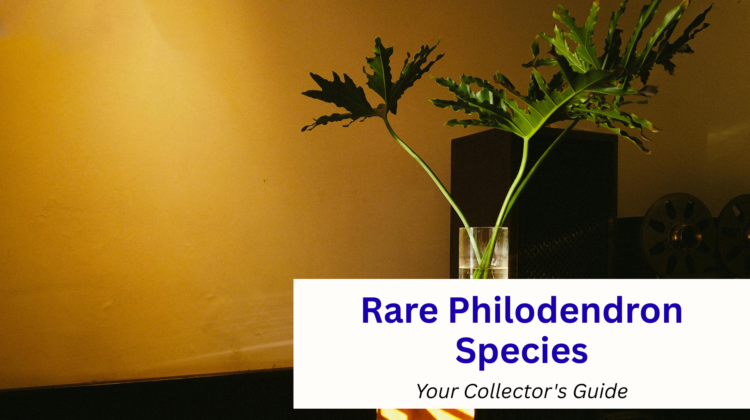
Rare philodendron species like Philodendron spiritus sancti, P. gloriosum, and P. melanochrysum require specific humidity levels (60-80%), well-draining soil, and bright indirect light to thrive, with prices ranging from $50 to several thousand dollars depending on rarity and size.
While common pothos and monsteras fill countless Instagram feeds, a hidden world of rare philodendron species exists—plants so stunning and unusual that collectors wait months (sometimes years) and pay hundreds of dollars for a single cutting. These aren’t your grandmother’s houseplants; they’re living art pieces with leaves that shimmer, blush pink, or develop patterns so intricate they look hand-painted.
If you’ve caught the rare plant bug, you’ve probably discovered that finding reliable information about uncommon philodendron varieties is frustrating. Most care guides focus on the same five popular species, leaving collectors confused about light requirements, growth patterns, and whether that $300 plant is actually the species the seller claims. You need expert guidance to avoid costly mistakes and successfully grow these botanical treasures.
This comprehensive guide reveals everything you need to know about rare philodendron species—from accurate identification and specialized care requirements to sourcing authentic specimens and integrating these statement plants into your house plants design ideas. Whether you’re eyeing your first rare variety or expanding an established collection, you’ll learn how to select, care for, and showcase these extraordinary plants with confidence.
Page Contents
Understanding What Makes Rare Philodendron Species Truly Rare
Defining Rarity in Philodendrons
Not all rare philodendron species are rare for the same reasons, and understanding these distinctions matters more than you might think. True botanical rarity means a plant has limited wild populations or exists only in a tiny geographic area. These species face genuine extinction risks and deserve serious conservation attention. Philodendron spiritus sancti exemplifies this perfectly—fewer than 15 plants cling to life on a single cliff face in Brazil’s Espírito Santo state. Conservation databases call it the world’s rarest philodendron, and for good reason.
Then there’s artificial scarcity, which operates on completely different principles. Newly released hybrids, trademarked cultivars, and varieties controlled by specific growers create market rarity rather than ecological rarity. A plant might be “rare” simply because only one nursery propagates it, not because it’s endangered in its natural habitat. Understanding this difference helps you make informed collecting decisions and supports genuine conservation efforts rather than just feeding marketing hype.
The Economics of Rare Plants
The rare houseplant market has exploded in recent years, transforming from a niche hobby into a cultural phenomenon. Since 2019, it’s grown 50% every single year, with some philodendron specimens now selling for over $20,000 at auction. Social media changed everything, as plant influencers showcase stunning specimens to millions of followers. The pandemic pushed people indoors, and suddenly everyone wanted a jungle in their living room. Prices skyrocketed accordingly.
In 2021, a variegated Philodendron minima (actually Rhaphidophora tetrasperma) sold for $19,297 in New Zealand. That’s not a typo. The combination of Instagram-worthy aesthetics, limited availability, and collector psychology creates a perfect storm for premium pricing. As more people learn about rare philodendron varieties and their unique characteristics, demand continues climbing faster than nurseries can propagate stock plants.
Good Tip!
Before buying an expensive rare philodendron, check multiple sellers and auction sites to understand current market prices. Prices can vary 200-300% between sellers for identical plants.
Conservation Concerns and Ethical Collecting
While market economics drive prices upward, over-collection threatens wild populations of rare philodendron species in their native habitats. The International Union for Conservation of Nature (IUCN) lists several philodendron species as endangered, and when collectors pay premium prices, poachers see opportunity. They strip plants from natural habitats, devastating already fragile populations and pushing vulnerable species closer to extinction.
Your purchasing choices matter in this equation. Always buy from reputable nurseries that propagate from stock plants rather than wild-collected specimens. Ask sellers directly about their sourcing—legitimate growers happily explain their propagation methods and can provide documentation. Tissue culture and ethical propagation programs make rare species accessible without harming wild populations, allowing you to build your collection while protecting natural habitats. Supporting these nurseries creates positive market pressure that rewards sustainable practices.
Variegated Versus Standard Forms
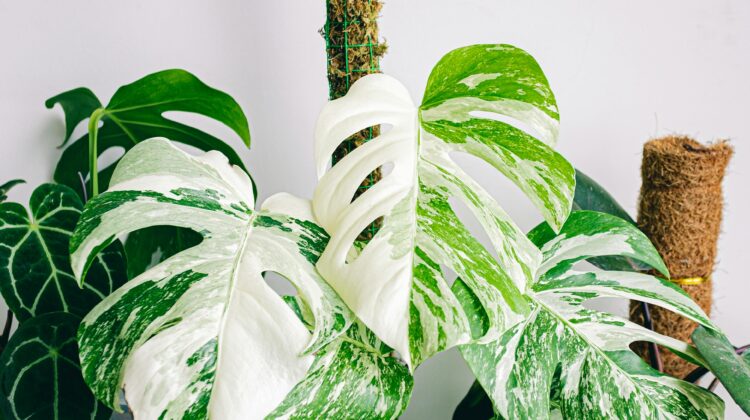
Variegation creates some of the most dramatic price differences in rare plant collecting, and it’s easy to see why. These random genetic mutations produce white, yellow, or pink patterns that make each plant unique and highly photogenic. A standard Philodendron birkin costs $25-40, while a highly variegated specimen can command $200-500 or more depending on the pattern.
The catch? Variegation is inherently unstable. Plants can revert to solid green, losing their valuable patterns permanently. Variegated philodendron cuttings sometimes produce fully green growth, and there’s nothing you can do to prevent it. This instability adds significant risk to expensive purchases. Look for plants with stable variegation patterns and at least 30-40% green tissue—completely white sections can’t photosynthesize and will eventually die. Understanding these reversion risks helps you set realistic expectations when investing in variegated varieties, preventing disappointment down the line.
Top Rare Philodendron Species Every Collector Should Know
Philodendron spiritus sancti (The Holy Grail)
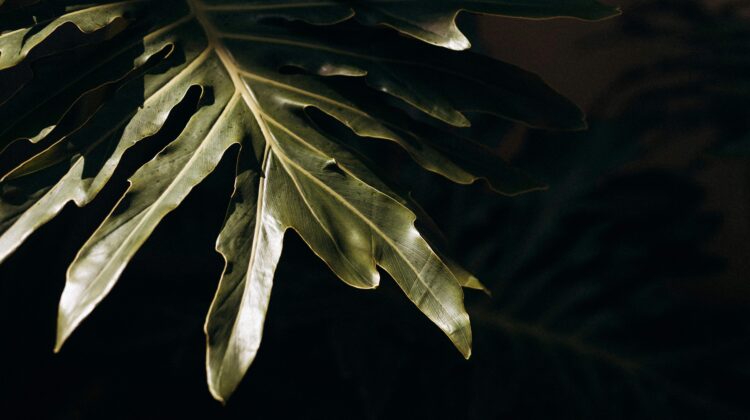
If you’re serious about rare philodendron species, this is the crown jewel that defines the upper echelon of collecting. Native to a single cliff face in Espírito Santo, Brazil, P. spiritus sancti features elongated, deeply lobed leaves that can stretch 60-90cm long. With fewer than 15 plants remaining in the wild, it’s earned its “Holy Grail” nickname among collectors worldwide.
Tissue culture has made this species slightly more available to enthusiasts, but you’ll still pay $1,000-3,000 for young plants from reputable sources. The biggest challenge beyond the price tag? Growth moves at a snail’s pace—expect just 2-3 new leaves per year even when you nail the care requirements. This isn’t a plant for impatient collectors, but the dramatic foliage and the prestige of owning one of the world’s rarest philodendrons make the wait worthwhile for serious enthusiasts.
Philodendron gloriosum and melanochrysum
These two stunners offer different looks but deliver similar wow factor in any collection. P. gloriosum displays heart-shaped, velvety leaves with prominent white veining that practically glow under proper lighting. Unlike climbing varieties, it crawls along the soil, spreading horizontally as a terrestrial species. You’ll need to maintain 70-80% humidity for optimal growth and expect to pay $75-300 depending on size and maturity.
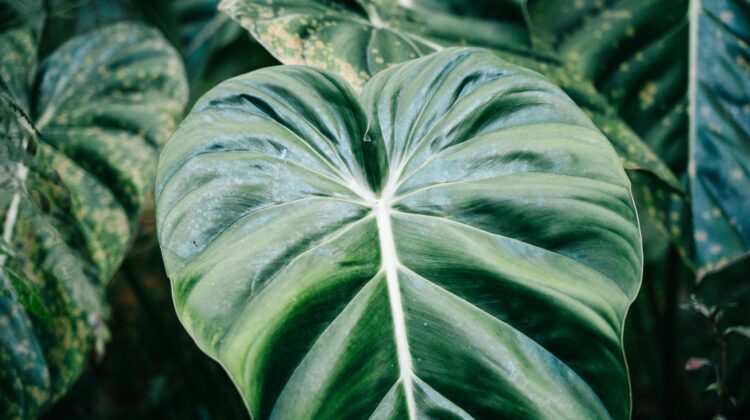
P. melanochrysum transforms dramatically as it matures, making it one of the most rewarding rare philodendron species to grow long-term. Those small bronze-green juvenile leaves become massive (up to 90cm), nearly black, iridescent beauties with pale veining that creates striking contrast. This climber needs a moss pole and brighter light than most philodendrons to maintain that coveted dark coloration. Prices run $60-200, making it more accessible for newer collectors who want to experience something truly special without breaking the bank.
Good Tip!
Take monthly photos of your melanochrysum next to a ruler to track leaf size changes—you’ll be amazed how much larger each new leaf grows when the plant has proper support and lighting.
Philodendron verrucosum and billietiae
P. verrucosum is the diva of rare houseplants, demanding attention and specific conditions but rewarding you with unmatched beauty. Those fuzzy, iridescent leaves show emerald-green tops and red undersides, while the distinctive warty petioles covered in reddish hairs make identification unmistakable. This species demands 75-85% humidity—the highest of any philodendron—and challenges even experienced growers. Expect to invest $100-400 depending on size and seller.
On the flip side, P. billietiae offers easier care with equally stunning results. Long, narrow leaves (up to 90cm) pair with striking bright orange petioles that look almost artificial in their vibrancy. It grows faster than most rare varieties and tolerates lower humidity at 60-70%, making it perfect for collectors just starting with rare philodendron species. Prices range $50-150, offering excellent value for such a visually impressive plant that won’t punish beginners.
Philodendron mamei (Silver Cloud)
This terrestrial beauty showcases large, heart-shaped leaves with silver patterns that look hand-painted by a skilled artist. Like P. gloriosum, it grows horizontally rather than climbing, needing space to spread its stunning foliage across surfaces. P. mamei has become increasingly popular in house plants design ideas for tabletops and low shelving where those silver leaves can really shine as focal points.
Give it room to crawl, maintain moderate humidity around 65-75%, and watch it become a conversation piece that guests always comment on. Prices typically fall between $80-250 depending on leaf count and maturity, positioning it in the mid-range of rare philodendron species pricing. Its relatively straightforward care requirements combined with striking appearance make it an excellent choice for collectors expanding beyond the basics.
Essential Care Requirements For Rare Philodendron Species
Light Requirements and Placement
Getting the light right makes the difference between a thriving specimen and a disappointing struggle. Most rare philodendron species thrive in bright, indirect light—typically 200-400 foot-candles (2,000-4,000 lux). Too little light slows growth dramatically and dulls variegation, while too much burns those delicate leaves you paid good money for.
Measure your light levels using smartphone apps like Photone or an inexpensive light meter to take the guesswork out of placement. Position your plants 3-5 feet from east or north-facing windows, which provide enough brightness without harsh afternoon sun. Here’s an important exception: darker species like P. melanochrysum actually benefit from slightly brighter conditions—up to 500 foot-candles. More light intensifies that stunning black coloration everyone loves, making proper placement crucial for this particular species.
Humidity Control and Soil Composition
Humidity consistently ranks as the most challenging aspect of growing rare philodendron species, but it’s absolutely non-negotiable for success. Keep humidity between 60-80% for healthy plants that produce their characteristic large, vibrant foliage. Room humidifiers work best for most situations—aim for at least 40-50% room humidity as a baseline. Humidity domes suit small plants and propagations, while dedicated plant cabinets handle larger collections with precision control.
Your soil mix matters just as much as environmental conditions. Standard potting soil compacts over time and drowns roots, leading to rot issues that can kill expensive specimens. Instead, create a chunky blend: 40% potting soil, 20% orchid bark, 20% perlite, 10% coco coir, and 10% worm castings. For terrestrial species like gloriosum or mamei, add extra coco coir to the mix. These crawling varieties need more moisture retention than climbers while still maintaining adequate drainage. This philodendron care guide covers additional soil variations for specific species requirements.
Good Tip!
Place a small hygrometer near your rare philodendrons to monitor humidity accurately—guessing often leads to brown leaf edges and stunted growth.
Watering and Temperature Management
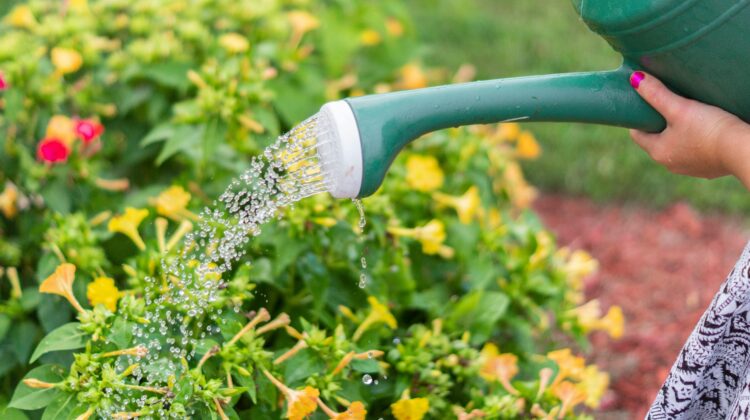
Forget rigid watering schedules that don’t account for seasonal changes or individual plant needs. Use the finger test instead—stick your finger 2 inches into the soil and water when it’s mostly dry. This simple technique prevents both overwatering and underwatering issues that plague many collectors.
Bottom watering every 7-10 days works well for most species, ensuring thorough hydration without wetting leaves and causing bacterial issues. Cut watering frequency by 30-40% during winter when growth naturally slows and plants enter semi-dormancy. Keep temperatures steady at 65-80°F (18-27°C), avoiding drafty windows, AC vents, and heating registers. Temperature swings stress plants and slow growth, sometimes causing existing leaves to yellow and drop prematurely.
Fertilization for Optimal Growth
Proper nutrition transforms mediocre growth into impressive displays. Apply balanced liquid fertilizer (20-20-20) at half-strength every 2-3 weeks during spring through early fall when plants actively produce new foliage. Reduce to monthly feeding in winter when metabolic processes slow down significantly.
Some collectors prefer organic options like worm tea or fish emulsion, which provide gentler, slow-release nutrition. Set a calendar reminder for consistent feeding—many growers use the first Sunday of each month as their “plant food day.” Consistency matters more than the specific product you choose, as regular feeding schedules allow plants to maintain steady growth patterns without the feast-or-famine cycle that stresses root systems.
Identifying Authentic Rare Philodendron Species (Avoiding Scams)
The rare plant market’s explosive growth has attracted both passionate growers and unscrupulous sellers looking to exploit uninformed buyers. Some mislabel common plants as expensive rarities, hoping you won’t notice the difference. Learning to spot fakes protects your wallet and ensures you get the rare philodendron species you’re actually paying for.
Common Misidentifications and Lookalikes
Philodendron micans gets passed off as juvenile P. melanochrysum constantly in online marketplaces. Here’s the thing: micans costs $15-25, while melanochrysum starts at $60 and climbs higher for mature specimens. The difference? Micans has smaller, bronze-green leaves that remain relatively consistent in size. Melanochrysum shows darker, more iridescent foliage even when young, with dramatic size increases as the plant matures.
Another common trick involves selling P. hederaceum—the heartleaf philodendron you can find at any big-box store for under $10—as a “rare variety” with vague naming. Don’t fall for it. Hederaceum is literally the most common philodendron in cultivation worldwide, and no amount of creative marketing changes that fundamental fact.
Verification Techniques Before Purchasing
Before dropping serious cash on rare philodendron species, do your homework thoroughly. Check the seller’s reputation on plant forums, Facebook groups, and review sites to see what other buyers experienced. Ask for multiple photos showing the whole plant, both sides of the leaves, and the stems with visible nodes. For purchases over $200, request a video from different angles—videos are significantly harder to fake than photos.
Compare what you see to botanical references from the Missouri Botanical Garden or International Aroid Society. A reputable seller won’t hesitate to provide detailed documentation and answer specific questions about growth patterns and distinguishing characteristics.
Red Flags in Online Listings
Watch for these warning signs that signal potential scams: prices way below market rate (if P. gloriosum typically runs $150-200, a $50 listing screams scam), stock photos instead of actual plant images, brand-new seller accounts with zero reviews, vague names like “rare philodendron” without the specific species identification, and sellers who refuse to answer questions or send more photos upon request. Legitimate sellers understand that collectors need detailed information and are happy to provide it.

Good Tip!
Screenshot all listing photos and seller communications before purchasing. If the plant arrives mislabeled, you’ll have documentation for refund claims or disputes.
Variegation Stability and Import Regulations
Variegation looks stunning in photos but can be unstable in practice, especially in tissue-cultured plants. Avoid plants with entirely white leaves or stems—they lack chlorophyll and won’t survive long-term. Look for balanced variegation with at least 30-40% green tissue to ensure the plant can photosynthesize adequately.
For international purchases of rare philodendron species, verify proper documentation including CITES permits and phytosanitary certificates. Importing without proper permits can cost you the plant plus fines up to $50,000 under the Lacey Act. It’s simply not worth the risk when legitimate import channels exist for legally acquiring plants from overseas sources.
Propagation Methods For Rare Philodendron Species
Stem Cutting Propagation for Climbing Varieties
Want to multiply your climbing rare philodendron species like melanochrysum or verrucosum? Start by cutting just below a node—that bumpy section where leaves emerge and aerial roots develop. Make sure your cutting has at least one leaf and an aerial root attached, which dramatically increases success rates.
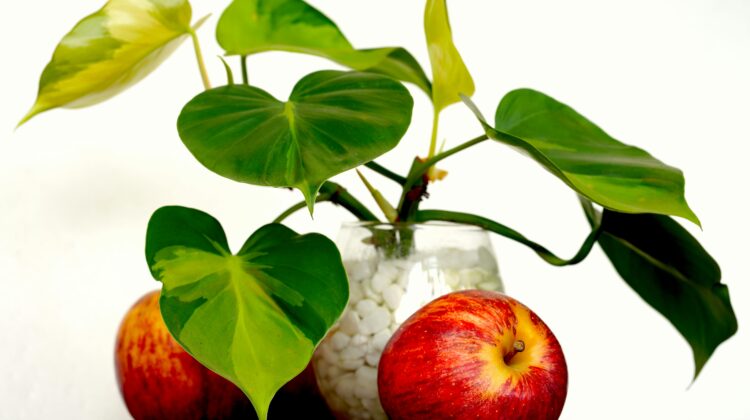
Use sterilized shears (wipe them down with rubbing alcohol first) to prevent introducing bacterial or fungal infections. Apply rooting hormone to the cut end, then choose your rooting method. Water propagation lets you watch roots develop in real time, which is incredibly satisfying for beginners. Once roots hit 2-3 inches, your cutting is ready for soil transition.
Sphagnum moss works too and actually reduces transplant shock since roots adapt better to soil texture when they develop in moss. Either way, expect to wait 4-8 weeks before you see significant root growth—patience is essential. For more detailed techniques, check out this philodendron propagation guide that breaks down water versus soil methods comprehensively.
Rhizome Division for Terrestrial Species
Crawling varieties like gloriosum and mamei need a different approach since they don’t develop the same node structure as climbing species. These grow from rhizomes—thick underground stems that creep horizontally through the soil. Wait until your plant has multiple growth points before attempting division to ensure both sections can survive independently.
Gently remove the plant from its pot and brush away soil to expose the rhizome structure. Look for natural divisions where the rhizome branches into separate sections. Cut with a sterilized knife, making sure each section has both roots and at least one growth point. Pot each division immediately in your regular soil mix to prevent roots from drying out.
This method boasts 80-90% success rates, making it the most reliable option for terrestrial rare philodendron species. The established root system and growth points give divisions a significant advantage over cuttings that must develop roots from scratch.
Good Tip!
Keep a dedicated “propagation toolkit” with sterilized shears, rooting hormone, and clear containers. Having everything ready prevents you from making rushed cuts or using dirty tools that introduce disease.
Air Layering and Tissue Culture Considerations
Got an expensive plant you can’t risk losing through traditional cutting methods? Air layering is your safety net, allowing propagation without removing anything from the mother plant until roots develop. Make a small upward cut below a node on the stem while it’s still attached. Wrap the cut area with moist sphagnum moss, then cover with plastic wrap to lock in humidity. Secure everything with twist ties or string.
In 6-10 weeks, roots will develop right there on the stem. Then you can cut and pot your new plant while keeping the original intact and growing. Commercial tissue culture has changed the rare plant game significantly. Labs can produce hundreds of identical plants from tiny tissue samples, making previously impossible-to-find species more available to collectors worldwide.
Just know that tissue-cultured plants sometimes show unstable variegation at first due to the rapid cell division process. They typically stabilize after 6-12 months of normal growth in home conditions, so don’t panic if patterns look inconsistent initially.
Optimal Propagation Timing
Timing matters more than many beginners realize when propagating rare philodendron species. Spring and early summer are your best friends for philodendron propagation. Plants are actively growing, cell division is happening at peak rates, and roots develop quickly in warm conditions.
Try propagating in fall or winter? Your success rate drops 40-60% due to slower metabolic processes. Winter cuttings can take up to 12 weeks to root versus just 5 weeks for spring cuttings under identical conditions. Save yourself the frustration and wait for warmer months when your rare philodendron species are naturally ready to grow, ensuring the highest possible success rates for your efforts.
Displaying Rare Philodendron Species In Your Home Design
Support Structures for Climbing Varieties
Your climbing rare philodendron species will never reach their full glory without proper support structures. These plants need something sturdy to grab onto—think moss poles wrapped with coco coir or sphagnum around a PVC or wooden stake. The moss doesn’t just hold the plant upright; it keeps aerial roots moist and happy, which directly correlates to the plant developing those massive, mature leaves you’re after.
Here’s the good news: you don’t need to drop serious cash on expensive pre-made options. DIY moss poles run about $5-10 in materials versus $20-40 for store-bought versions. Just grab a stake, some moss, and fishing line or zip ties to secure everything. Your P. melanochrysum will thank you—properly supported specimens can produce leaves three times larger than trailing ones, transforming the entire appearance of the plant.
Showcasing Terrestrial Species
Crawling philodendrons like gloriosum and mamei play by completely different rules than their climbing cousins. These terrestrial species spread horizontally, not vertically, so forget the moss pole entirely. They need wide, shallow containers with room to roam—think low plant stands, open shelves, or tabletops where their leaves can unfurl naturally without crowding.
These make stunning statement pieces on coffee tables or credenzas where guests can appreciate them at eye level. Just remember to rotate your pots weekly. Without rotation, your plant will lean hard toward the light source and develop lopsided growth that ruins the aesthetic you’re working to create. Consistent rotation ensures balanced, symmetrical specimens.
Good Tip!
Place a small piece of painter’s tape on your pot as a rotation marker—move it 90 degrees each week to ensure even growth on all sides.
Lighting Solutions for Optimal Display
Not every room has perfect natural light, but that shouldn’t stop you from displaying rare philodendrons wherever you want them in your home. Full-spectrum LED grow lights solve this problem beautifully. Position them 12-18 inches above your plants and run them 12-14 hours daily to supplement inadequate natural light.
The best part? Modern grow lights don’t look like grow lights anymore. Floor lamps and pendant fixtures with built-in grow bulbs blend right into your decor while delivering the light intensity your plants crave. This opens up interior rooms and north-facing spaces that would otherwise be off-limits for rare specimens. Check out these creative philodendron display ideas for inspiration on integrating lighting seamlessly into your setup.
Creating Humidity Microclimates
Grouping your rare philodendron species together isn’t just aesthetically pleasing—it actually creates better growing conditions through transpiration. Plants release moisture through their leaves, and when clustered, they boost humidity for their neighbors naturally. It’s like a little tropical community that benefits every member.
Take it further by placing humidity-loving species in naturally humid rooms like bathrooms or kitchens, assuming the lighting works for their needs. For high-maintenance varieties like P. verrucosum that demand 75-85% humidity, consider glass cabinets, Ikea greenhouse hacks, or a dedicated plant room with a humidifier running continuously. These setups maintain the elevated humidity these finicky plants demand while protecting your walls and furniture from excess moisture damage.
Conclusion
Rare philodendron species offer collectors extraordinary beauty and botanical diversity, from the Holy Grail P. spiritus sancti to velvet-leaved P. gloriosum and dramatic P. melanochrysum.
Success with these coveted plants requires understanding what makes species truly rare, providing precise care including 60-80% humidity and bright indirect light, identifying authentic specimens to avoid scams, mastering propagation techniques, and creating thoughtful displays that showcase their unique characteristics.
Whether you’re investing in your first rare variety or expanding an established collection, these guidelines help you cultivate these living art pieces with confidence while supporting ethical collecting practices that protect endangered wild populations.
Frequently Asked Questions
How long does it take for rare philodendrons to grow to full size?
Growth speed varies dramatically by species. Fast growers like P. billietiae can reach maturity in 2-3 years, while P. spiritus sancti takes 5-7 years or longer. Proper support structures and consistent care significantly accelerate growth rates.
Can I keep rare philodendrons alive without a humidifier?
Yes, for most species! Grouping plants together, regular misting, and pebble trays maintain adequate humidity for varieties needing 60-70%. Only ultra-demanding species like P. verrucosum truly require dedicated humidifiers for long-term success.
Why are my variegated leaves turning completely green?
Reversion happens when plants produce more chlorophyll, typically due to insufficient light. Move your plant to brighter indirect light and prune fully green stems immediately to encourage variegated growth to return.
What’s the difference between tissue culture plants and regular cuttings?
Tissue culture plants are lab-grown from cells, creating genetically identical copies that are disease-free. Regular cuttings come from mature plants and typically show more stable growth patterns initially, though both methods produce healthy specimens.
Should I buy a small rare philodendron or wait for a larger one?
Smaller plants cost 50-70% less and let you experience the full growth journey, but require 1-2 extra years to mature. Larger specimens provide instant impact but carry higher risk if care mistakes happen early on.
Do rare philodendrons need different fertilizer than common varieties?
No, the same balanced fertilizer works for all philodendrons. Rare species aren’t more demanding nutritionally—they just cost more. Focus on consistent half-strength feeding rather than specialized products to avoid nutrient burn.