
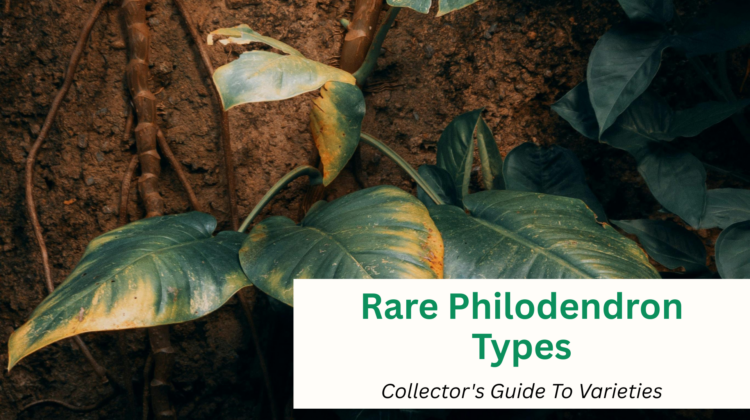
Rare philodendron types include species like Philodendron spiritus-sancti, P. gloriosum, and P. melanochrysum—distinguished by limited natural habitats, unique morphology, and specialized growing requirements that make them highly sought after by collectors.
When my friend showed me her Philodendron spiritus-sancti—one of only a handful in private collections worldwide—I understood why rare philodendron types command thousands of dollars and inspire devoted communities of collectors. These aren’t your grandmother’s houseplants; they’re living art pieces with leaves that shimmer, spiral, and display colors you’d swear were Photoshopped.
Acknowledge the reader’s challenges: You’ve mastered common philodendrons and crave something special, but navigating the rare plant market feels overwhelming. How do you identify authentic rare varieties versus overhyped houseplants? Where do you even find these elusive specimens? And once you acquire one, how do you keep a $500+ plant alive when standard care guides don’t address their unique needs? The rare philodendron world has its own language, price points, and cultivation requirements that can intimidate even experienced plant parents.
This comprehensive guide demystifies rare philodendron types, walking you through identification markers, care requirements, acquisition strategies, and realistic expectations for these botanical treasures. You’ll learn which varieties suit your experience level, how to authenticate specimens, where to source them ethically, and the specific care techniques that keep these investment plants thriving for years.
Page Contents
Understanding What Makes Rare Philodendron Types Truly Rare
What Actually Makes a Philodendron Rare
Not every expensive plant deserves the “rare” label. True rarity comes from nature, not marketing hype. Many rare philodendron types grow only in tiny pockets of Central and South American rainforests—sometimes just a single mountainside or valley. They’re endemic species that evolved in isolation, cut off from genetic mixing with other populations.
The combination of limited natural range and difficult cultivation creates genuine scarcity. These plants often have slow growth rates, tricky propagation requirements, and seeds that barely germinate. You simply can’t flood the market with plants that take years to produce a handful of viable cuttings. The International Union for Conservation of Nature (IUCN) lists several philodendron species as endangered, which simultaneously pushes conservation efforts forward and drives collector demand through the roof.
The Market Reality Behind the Price Tags
Here’s where things get wild. A 2023 analysis by the American Society for Horticultural Science found that rare philodendron auctions jumped 340% in price since 2019. Some specimens now sell for $10,000 to $20,000—prices that would have seemed absurd just five years ago.
Social media fuels the frenzy. One viral post can send demand soaring overnight, creating artificial scarcity as collectors rush to acquire the latest “it” plant. Breeding programs and tissue culture operations help increase availability, but these rare philodendron types grow painfully slow. Even tissue-cultured varieties take years to reach saleable size, keeping prices elevated despite increased production.
Good Tip!
Before buying any “rare” philodendron, check the Rare Philodendron Collector’s Guide to verify whether you’re looking at a genuinely rare species or just clever marketing.
Watch Out for Fakes and Mislabels
The rare plant trade has a serious fraud problem that every collector needs to understand. Studies from botanical gardens show up to 30% misidentification in online marketplaces—a staggering rate that should give any buyer pause. Sellers pass off common juvenile plants as rare species, knowing most buyers can’t tell the difference until it’s too late. Hybrids get sold as pure species. Even experienced collectors get burned.
Learning authentic rare philodendron identification takes time and careful study, but it’s the only way to protect your investment. The good news? Once you understand what to look for, spotting fakes becomes much easier.
The Conservation Side You Need to Know
Many rare philodendron types face habitat destruction right now. Logging, agriculture, and climate change threaten the tiny pockets where these plants evolved. Ethical collecting means saying no to wild-collected plants and yes to tissue-culture propagation from certified nurseries.
You’re not just building a collection—you’re participating in conservation through cultivation. Every legally propagated rare philodendron in cultivation reduces pressure on wild populations and preserves genetic diversity. This makes your role as a collector meaningful beyond simple aesthetics.
The Most Coveted Rare Philodendron Types for Collectors
Philodendron Spiritus-Sancti: The Holy Grail
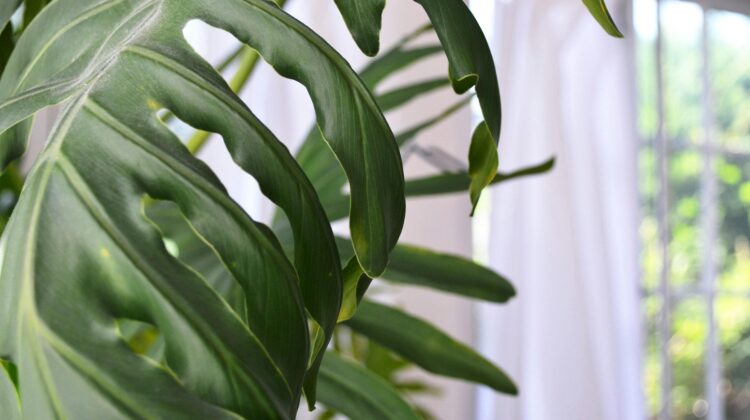
If you’re serious about collecting, you’ve heard whispers about this one. The Philodendron spiritus-sancti stands as the ultimate trophy plant—and for good reason. Native to a single location in Brazil’s Espírito Santo state, fewer than 10 plants survive in the wild today. The species teeters on the edge of extinction.
Its elongated, blade-like leaves can stretch beyond 60 inches, creating a dramatic statement unlike any other houseplant. The foliage emerges in a deep green that seems to absorb light, with a glossy finish that catches the eye from across a room.
Here’s the reality check: tissue-cultured specimens now exist, making ownership theoretically possible for dedicated collectors. However, they’ll set you back $3,000 to $8,000 depending on size and maturity. That’s not a typo. This rare philodendron type demands bright indirect light, humidity above 70%, and well-draining soil that mimics its forest floor habitat. If you’re considering this investment, make sure your growing conditions are dialed in first. There’s no room for experimentation at these price points.
Good Tip!
Before buying expensive philodendron varieties, practice with a P. melanochrysum first. It shares similar care requirements but costs a fraction of the price—perfect for testing your setup.
Philodendron Gloriosum: Velvet Beauty for Intermediate Collectors
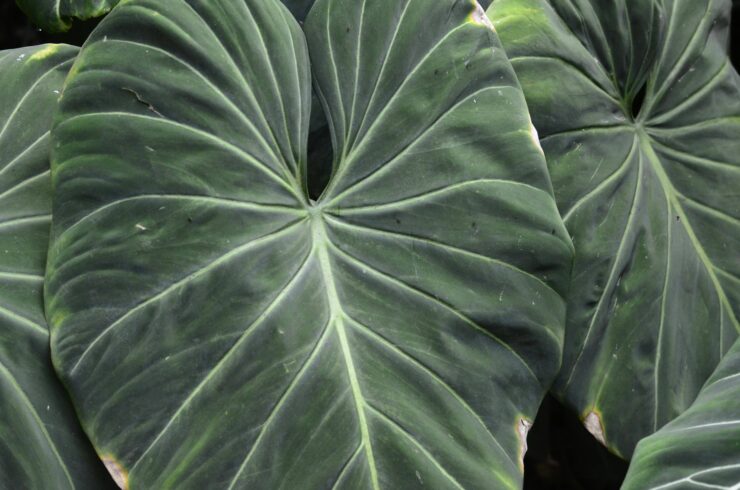
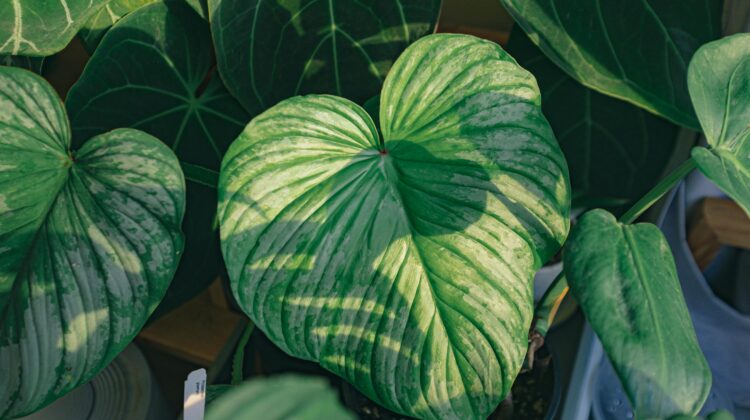
The gloriosum offers a more accessible entry point into rare philodendron collecting. Its velvety, heart-shaped leaves feature striking white veins that practically glow against the dark green background. The texture alone justifies the price—running your fingers across those leaves reveals why collectors become obsessed.
This crawler spreads along the ground rather than climbing, creating a unique display that works beautifully in wide, shallow containers. Endemic to Colombian cloud forests, it needs careful humidity management to maintain that signature velvet texture. But at $150 to $400, it won’t devastate your budget if you’re still learning the nuances of rare plant care.
The real magic happens when mature leaves develop. Those pronounced white veins become more dramatic with each new leaf, rewarding patient growers with increasingly stunning foliage. It’s a plant that actually gets more beautiful over time—assuming you provide the consistent conditions it needs.
Philodendron Melanochrysum: The Black Gold Standard
Called the “black gold philodendron” for good reason, this climbing species starts with almost black juvenile leaves that look otherworldly under the right lighting. As it matures, golden undertones emerge alongside a crystalline texture that catches light beautifully. The transformation from juvenile to mature foliage is one of the most dramatic in the plant world.
You’ll need a sturdy moss pole since this is a climbing philodendron variety that naturally wants to climb toward the canopy. Without vertical support, it stays stuck in juvenile form—pretty, but not showing its true potential.
Prices range from $100 to $500 depending on size and leaf maturity. Smaller plants cost less but take time to develop those coveted dark mature leaves. This waiting period tests your patience but makes the first true mature leaf feel like a genuine achievement.
Identifying Authentic Rare Philodendron Types: A Buyer’s Guide
Know Your Leaf Details Before You Buy
Learning to spot authentic rare philodendron types starts with understanding leaf characteristics at a granular level. Look closely at venation patterns—those distinctive vein arrangements that make each species unique. Check the petiole structure, which is the stem connecting leaf to plant. Notice the cataphyll, that protective sheath wrapping around new growth. These details tell the real story.
Here’s where buyers get tricked most often: juvenile and mature leaves look completely different on many rare varieties. Scammers exploit this knowledge gap by selling common baby plants as expensive rarities. A young melanochrysum might look remarkably similar to a basic heartleaf philodendron until it matures and develops that signature black-gold coloring. Always ask sellers for photos showing multiple leaf stages, not just the newest growth.
Use Reliable Verification Tools
Don’t trust your eyes alone—even experienced collectors make identification mistakes. Cross-reference plants using botanical databases like the International Aroid Society or Missouri Botanical Garden’s Tropicos. Compare your potential purchase against herbarium specimens, which are dried, preserved plants showing true species characteristics without the variation fresh plants display.
Join species-specific Facebook groups where experienced collectors share authentic rare philodendron identification tips and call out misidentified plants. The app PlantNet helps too—2024 studies show it’s 85% accurate for philodendron identification. Not perfect, but a solid starting point that catches obvious misidentifications.

Good Tip!
Before buying, ask sellers for photos of the petiole and newest unfurling leaf—these reveal species identity better than mature foliage alone.
Spot the Warning Signs That Save You Money
If a “spiritus-sancti” costs $50, run. That plant sells for thousands from legitimate sources. Suspiciously low prices always mean something’s wrong—either misidentification, stolen photos, or worse. Watch for sellers who won’t provide multiple photos from different angles or won’t share where they acquired the plant. Missing provenance information suggests either honest misidentification or illegal wild collection.
“Too perfect” leaves raise red flags too. Some sellers steal photos from legitimate nurseries or digitally enhance images to make plants look healthier than they are. Request a photo with the seller’s username written on paper next to the plant. Legitimate sellers have no problem providing this verification.
Buy from Trusted Sources Only
Stick with reputable specialty nurseries like NSE Tropicals, Steve’s Leaves, or Ecuagenera that have established reputations to protect. Botanical garden sales offer verified specimens backed by professional identification. Established collectors with documented histories and social media presence provide safer purchases than random online sellers with no track record.
For international purchases, always request import permits and phytosanitary certificates. These documents prove legal sourcing and plant health—protecting both you and wild populations from exploitation. Yes, it adds complexity to the purchase, but it’s the right way to participate in this hobby.
Specialized Care for Rare Philodendron Types: Beyond Basic Houseplant Rules
Light Requirements: Stop Guessing, Start Measuring
That “bright indirect light” advice you see everywhere? It’s too vague when your plant costs $500. Rare philodendron types need species-specific light levels to truly thrive. Velvet-leaved beauties like gloriosum and verrucosum actually prefer lower light—around 200-400 foot-candles. They evolved on shaded forest floors where dappled light barely penetrates the canopy. Push them into brighter spots and those gorgeous leaves bleach out, losing the deep coloration that makes them valuable.
Climbing varieties like melanochrysum need more intensity—400-600 foot-candles—to develop those stunning mature leaves. Without enough light, they stay stuck in juvenile form indefinitely, never reaching their true potential. Buy a basic light meter for $15-20. It’s the cheapest insurance policy for expensive plants and removes the guesswork from positioning.
Humidity Plus Airflow: The Combo Most People Miss
Your rare philodendron came from cloud forests with 70-90% humidity and constant breezes rustling through the understory. Most collectors nail the humidity part—they run humidifiers nonstop and check hygrometers obsessively. But they completely forget the airflow component, and that’s where problems start.
Stagnant moisture is a bacteria and fungus party invitation. I learned this the hard way when my verrucosum developed leaf spot despite perfect humidity levels. Added a small USB fan positioned near (not blasting directly at) the plant, and the problem disappeared within weeks. Set up your humidifier, then position a gentle fan to keep air moving. This simple pairing mimics natural conditions far better than humidity alone ever could.
Good Tip!
Place your fan on a timer—run it for 15 minutes every hour during the day. This creates natural air circulation patterns without constant noise or drying out your space.
Soil That Breathes: The Oxygen Factor
Here’s what kills most rare philodendron types: suffocation. The University of Florida’s Environmental Horticulture Department found that aroid roots need serious oxygen access to function properly. Standard potting soil is far too dense, holding water that pushes air out of the root zone.
For terrestrial crawlers like gloriosum, mix 40% orchid bark, 20% perlite, 20% coco coir, and 20% worm castings. It looks chunky and wrong compared to regular potting soil—that’s correct. Climbers tolerate slightly more moisture retention but still need excellent drainage. When you water, it should flow through quickly, not sit pooling in the pot. This specialized approach to philodendron care protects your investment better than following generic houseplant advice ever could.
Feed Less, Feed Smart
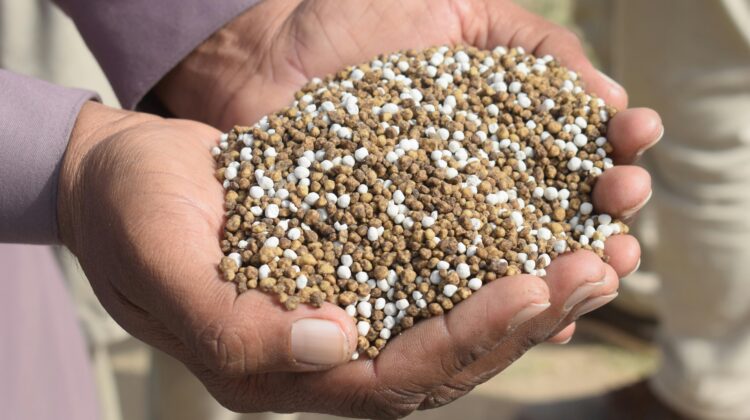
Rare philodendron types grow slowly by nature. They’re not hungry like pothos that pump out leaves weekly. Over-fertilizing burns roots and creates weak, stretched growth with poor coloration. Use balanced fertilizer (20-20-20) at quarter strength monthly during spring and summer. That’s it. Stop there. Or switch to slow-release pellets for even gentler feeding that releases nutrients gradually.
For varieties with dramatic venation—those white or pink veins you paid extra to see—add calcium and magnesium supplements. These micronutrients support proper leaf development without pushing excessive growth that weakens the plant.
Propagation and Growing Rare Philodendron Types from Cuttings
Propagation Methods by Type
Not all rare philodendron types propagate the same way, and using the wrong method guarantees failure. Climbing varieties like melanochrysum respond well to stem cuttings. Make sure each cutting has at least one node and preferably an aerial root—this gives your cutting the best chance at establishing quickly.
Terrestrial crawlers like gloriosum need a different approach: rhizome division. You’ll carefully separate sections of the underground stem, ensuring each piece has both roots and active growth points. Cutting without growth points gives you dead rhizome sections, not new plants.
Tissue culture is how nurseries produce many rare specimens in controlled laboratory conditions, but it requires specialized equipment and sterile technique. Understanding this process helps explain why tissue culture philodendron availability still comes with premium pricing—the infrastructure investment is substantial.
Some rare philodendron types, like spiritus-sancti, have notoriously low propagation success rates. That’s part of what keeps them scarce and expensive even as more growers attempt to produce them commercially.
Optimal Propagation Conditions
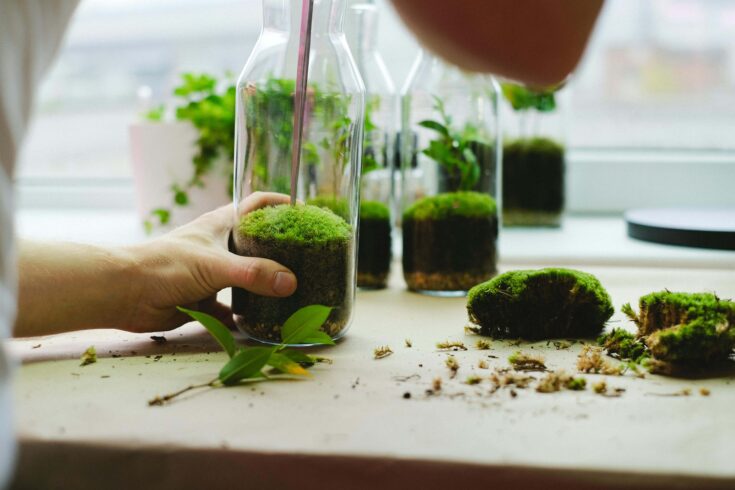
The debate rages on among collectors: water, sphagnum moss, or perlite? Each method has passionate supporters with anecdotal success stories. But research from Cornell University’s horticulture program (2023) found sphagnum moss produced 30% faster root development compared to water propagation. Moss also carries lower bacterial contamination risk—critically important when you’re working with expensive cuttings you can’t afford to lose.
Temperature makes a real difference that beginners underestimate. Keep your propagation setup between 75-80°F to speed up rooting significantly. I learned this the hard way when my first melanochrysum cutting sat in 68°F conditions for weeks without visible progress. A simple seedling heat mat changed everything, producing roots within three weeks.
Good Tip!
Seal your sphagnum moss propagation container with plastic wrap to maintain humidity, but poke 2-3 small holes for air circulation—this prevents rot while keeping moisture high.
Patience Timeline: Set Realistic Expectations
Set realistic expectations now before frustration sets in. A melanochrysum cutting might take 4-8 weeks just to develop roots long enough to plant. Then expect another 6-12 months before it produces a new leaf. Rare varieties grow slowly—this isn’t instant gratification gardening where you see changes daily.
When you understand these timelines upfront, you’ll stop second-guessing yourself every week and wondering if something’s wrong. Slow is normal. Slow is actually healthy for these plants. For more detailed propagation techniques across philodendron varieties, specialized guides walk through each step with photos showing what success looks like at every stage.
Trading and Selling Ethics
The rare plant community thrives on trading among collectors. Once you’ve successfully propagated extras, participate in local rare plant swaps or online trading groups. These communities operate on trust and fair dealing—protect that trust by pricing your cuttings fairly based on current market rates.
Check recent eBay sold listings—not asking prices—to see what plants actually sell for. Asking prices reflect hope; sold prices reflect reality. Building your reputation for fair pricing and honest descriptions matters far more than quick profit from a single sale. That reputation opens doors to private sales, early access to new releases from other collectors, and trading opportunities that money can’t buy.
Incorporating Rare Philodendron Types Into House Plants Design Ideas
Display Strategies for Crawler Species
Gloriosum and mamei aren’t meant to be stuffed into standard pots where they look cramped and awkward. These crawlers spread naturally across the forest floor, so give them room to show off properly. Wide, shallow planters work best—think 18 inches across but only 6 inches deep. This mimics their natural forest floor habitat and lets those stunning leaves spread out horizontally like they’re designed to do.
Want something more dramatic that really showcases these rare philodendron types? Mount them on driftwood or cork bark slabs. I did this with my gloriosum last year, and it completely changed how people see the plant when they visit. The leaves cascade naturally off the mount, and you can actually see the white venation patterns from multiple angles—details that get lost when plants sit in traditional pots.
Position mounted specimens on plant stands or floating shelves where the leaves hang freely without touching the floor—this prevents pests from crawling up and lets light hit the undersides, promoting more vibrant coloration.
Vertical Designs for Climbers
Melanochrysum and verrucosum need to climb. Period. Without vertical support, they’ll stay juvenile forever, and you’ll never see those incredible mature leaves that justify their prices. Use sturdy moss poles or wooden planks wrapped in coco coir—the thicker, the better. These climbing philodendron varieties develop aerial roots that grab onto textured surfaces, pulling the plant upward toward light.
As they climb, the leaves transform dramatically in size, color, and texture. My melanochrysum on a 6-foot moss pole creates a living wall that stops guests in their tracks and becomes the focal point of the entire room. The leaves get bigger, darker, and develop that crystalline shimmer you see in collector photos online. Just make sure your pole is anchored securely—a mature climber gets surprisingly heavy and can topple over if not properly supported.
Lighting Design Considerations
Here’s where most people mess up rare philodendron types with velvety leaves. Verrucosum and gloriosum need specific lighting angles to show their true colors and that sought-after iridescence. Position grow lights at 45-degree angles rather than directly overhead. This side lighting highlights the leaf texture and brings out that iridescent quality that makes these plants special.
Natural morning light through sheer curtains creates that Instagram-worthy glow everyone wants to capture. But watch out for afternoon sun—it’ll bleach those expensive leaves faster than you can say “buyer’s remorse.” I learned this the hard way with a $300 verrucosum that developed ugly brown patches from just two hours of direct sun exposure.
Good Tip!
Rotate your rare philodendrons 90 degrees every week to ensure even growth and prevent them from leaning heavily toward the light source—this keeps the display balanced and promotes symmetrical leaf development.
Creating Micro-Environments That Work
Stop scattering your rare philodendron types randomly around the house wherever there’s an empty surface. Group them by humidity needs instead. This creates micro-environments where plants thrive together, shared humidity benefits all of them, and your display looks intentional rather than random.
Glass cabinets are absolute game-changers for serious collectors. Ikea Detolf and Milsbo cabinets are collector favorites because they maintain 70%+ humidity while looking sleek and modern. Add LED strips, and you’ve got a botanical showcase that doubles as living art—a conversation piece that impresses plant people and non-collectors alike.
For a budget-friendly option that still looks polished, use decorative humidity trays or pebble trays grouped together on a console table or plant stand. This approach transforms house plants design ideas from “I like plants” to “I’m a serious collector with carefully curated rare philodendron types.” The visual impact of thoughtful grouping and proper display elevates your collection from hobby to art installation, making every dollar invested in these plants feel worthwhile.
Conclusion
Your journey into rare philodendron types transforms you from casual plant parent to curator of living botanical treasures.
Remember these key takeaways: authenticity matters—invest time in learning identification markers and source from reputable sellers to avoid costly mistakes; specialized care pays dividends—these aren’t set-it-and-forget-it plants, but with proper humidity, light, and soil, they’ll reward you with stunning growth; patience is non-negotiable—rare varieties grow slowly, and rushing care or propagation leads to failure; and community connection enriches the experience—join collector groups, trade propagations, and share your successes and struggles.
These rare philodendron types aren’t just houseplants; they’re connections to endangered ecosystems, opportunities to participate in conservation through cultivation, and stunning additions to thoughtful house plants design ideas that reflect your dedication to botanical excellence.
Your next step: Choose one rare variety that matches your experience level and environmental conditions, source it from a verified seller, and document its growth journey—you’re not just growing a plant, you’re becoming part of a global community preserving botanical diversity one leaf at a time.
Frequently Asked Questions
Can I keep rare philodendrons alive without a greenhouse or cabinet?
Absolutely! While cabinets help, a good humidifier and proper watering technique work fine for most species. Start with more forgiving varieties like gloriosum before investing in high-maintenance species that demand controlled environments.
How long does it take for a rare philodendron cutting to look like the mature plant I saw online?
Expect 2-4 years for most climbing varieties to develop mature foliage. Juvenile leaves look completely different, which frustrates new collectors. Growth speed depends heavily on light, humidity, and climbing support availability.
Are tissue-cultured rare philodendrons actually the same as the original plant?
Yes, they’re genetically identical clones of the parent plant. Tissue culture creates exact copies, not hybrids. They’ll develop the same characteristics as wild specimens when given proper care and maturation time.
What’s the best starter rare philodendron if I’ve only grown pothos before?
Philodendron melanochrysum offers a manageable introduction to rare varieties. It tolerates slight care mistakes better than ultra-rare species, costs $100-200, and rewards you with stunning foliage as your skills improve.
Should I worry about buying rare philodendrons from international sellers?
Only buy internationally if sellers provide proper permits and phytosanitary certificates. Many countries require import permits for plant material. Illegal imports risk confiscation, fines, and support habitat destruction you’re trying to avoid.
Do rare philodendrons actually need fertilizer, or will they grow without it?
They’ll survive without fertilizer but won’t thrive or develop vibrant coloring. Light, quarterly feeding with diluted balanced fertilizer supports healthy growth without the risks of over-fertilization that damages expensive specimens.