
Air purifying plants like pothos, snake plants, and peace lilies can remove up to 87% of indoor air toxins within 24 hours when you place one plant per 100 square feet of living space, according to NASA’s Clean Air Study.
Every time you walk into your home, you’re breathing a cocktail of invisible pollutants—formaldehyde from furniture, benzene from cleaning products, and volatile organic compounds (VOCs) lurking in the air. Air purifying plants offer nature’s solution to indoor air quality, backed by decades of NASA research. These green allies don’t just filter toxins—they transform your space into a healthier, more beautiful sanctuary.
Indoor air can be 2-5 times more polluted than outdoor air, according to the EPA, yet most people don’t realize their homes harbor invisible health threats. You might experience headaches, fatigue, or allergies without understanding why. Chemical off-gassing from carpets, paints, and electronics creates a toxic environment, and opening windows isn’t always practical or effective. The question becomes: how do you create genuinely cleaner air without expensive purifiers or complicated systems?
This guide reveals which air purifying plants actually remove toxins from your home, how many you need for real results, and exactly how to care for each variety so they thrive year-round. You’ll discover science-backed plant selections, practical placement strategies that complement your house plants design ideas, and troubleshooting tips for common care challenges—transforming your indoor environment into a healthier, greener haven.
Page Contents
The Science Behind Air Purifying Plants: What Research Really Shows
NASA’s Clean Air Study: The Foundation Of Plant-Based Air Purification
Back in 1989, NASA scientists discovered something remarkable. They placed common houseplants in sealed chambers filled with toxic chemicals—formaldehyde, benzene, and trichloroethylene—to see what would happen. Within 24 hours, those plants removed 87% of the pollutants. This wasn’t marketing hype. It was hard science conducted by researchers looking for ways to clean air in space stations. The study identified over 50 common houseplants that purify air, giving us the foundation for understanding how indoor air quality plants actually work in our homes.
How Plants Actually Clean Your Air
Here’s where it gets interesting. Plants don’t just look pretty—they’re working 24/7 through a process called phytoremediation. Plant leaves absorb airborne toxins through tiny pores called stomata. Meanwhile, roots pull pollutants from the air that settles near the soil. But here’s the real secret: soil microorganisms do about 90% of the heavy lifting. These beneficial bacteria break down harmful compounds into harmless byproducts. Think of your potted plant as a living air filter with its own cleanup crew working around the clock to scrub your indoor air clean.
The Reality Check: What Modern Research Shows
Now for some honesty. A 2019 study threw cold water on the hype, according to research from the American Lung Association. Scientists found you’d need 10 to 1,000 plants per square meter to match office building ventilation rates. That sounds discouraging—until you realize most homes aren’t office buildings. Your house likely has lower air exchange rates, which means air purifying plants have more time to work their magic. Sealed bedrooms and living rooms with minimal drafts? That’s where houseplants that purify air really shine.
Good Tip!
Place your best plants for clean air in rooms where you spend the most time with doors closed—like bedrooms at night or home offices during work hours—to maximize their air-cleaning potential.
Beyond Air Cleaning: The Bonus Benefits
Air purifying plants deliver more than toxin removal. They boost humidity by 5-10%, which helps during dry winter months when heating systems parch the air. They reduce airborne dust particles by up to 20%, meaning less sneezing and easier breathing. During daylight, they pump out fresh oxygen while absorbing carbon dioxide. It’s like having a mini ecosystem working for your health while you sleep, work, or binge-watch your favorite shows. These additional benefits make them valuable additions to your home even beyond their air-cleaning capabilities.
Top 12 Air Purifying Plants That Actually Clean Your Home
Understanding the science is one thing, but choosing the right plants makes all the difference. Not all houseplants offer equal air purification power, and some are far easier to care for than others. Let’s look at the top performers that combine serious toxin-fighting abilities with forgiving care requirements—perfect whether you’re a seasoned plant parent or a complete beginner.
Snake Plant: The Indestructible Night-Time Oxygen Producer
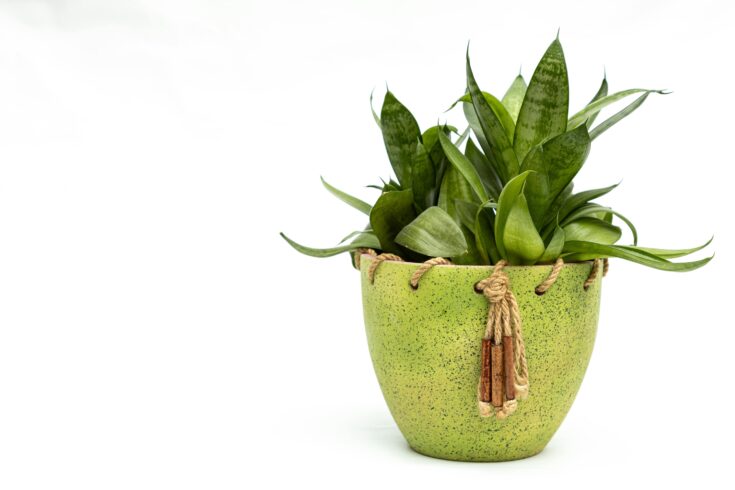
If you’ve killed every houseplant you’ve ever owned, the snake plant is your redemption story. This hardy survivor tackles formaldehyde, benzene, xylene, and toluene—all common toxins lurking in furniture, carpets, and cleaning supplies. What makes it truly special? Unlike most plants that only produce oxygen during daylight, snake plants release oxygen at night, making them perfect bedroom companions for better sleep. Water them every 2-6 weeks, forget about them for stretches, and they’ll still thrive. They tolerate low light, dry air, and neglect better than almost any other indoor air quality plant.
Pothos: NASA’s Fast-Growing Formaldehyde Fighter
Pothos earned its reputation as one of the best plants for clean air thanks to NASA’s research on formaldehyde removal. This trailing vine grows fast, which means more leaf surface area scrubbing your air clean. It adapts to nearly any light condition—from dim corners to bright windowsills—making it incredibly versatile. The faster it grows, the more toxins it removes, so don’t be shy about letting those vines cascade down shelves or climb up walls. This rapid growth habit makes it one of the most effective air purifying plants for quick results.
Peace Lily: The Dramatic Toxin Remover That Tells You What It Needs
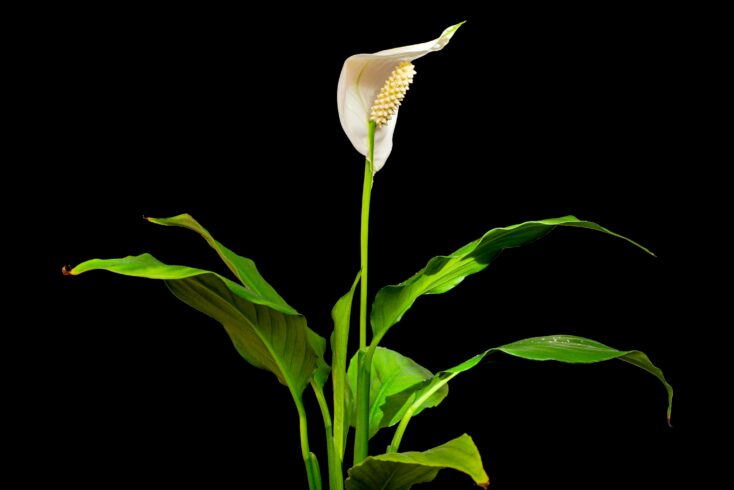
Peace lilies tackle four major pollutants: ammonia, benzene, formaldehyde, and trichloroethylene. They’re also master communicators—when they need water, they droop dramatically, then perk right back up after a drink. This built-in alert system makes them nearly impossible to kill from neglect. As a bonus, they produce elegant white blooms indoors with proper care, adding beauty alongside air purification. Their ability to thrive in low to medium light makes them perfect for bathrooms and bedrooms where other plants might struggle.
Spider Plant: The Pet-Safe Propagation Machine
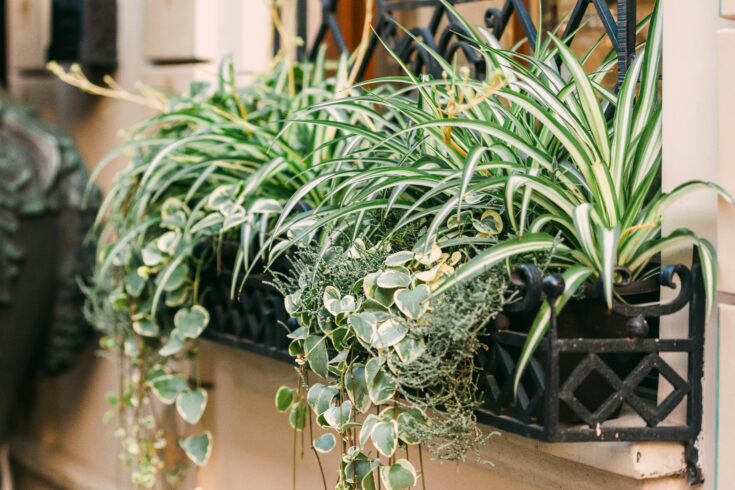
Got pets? Spider plants are your safest bet. They remove formaldehyde and xylene without posing any toxicity risk to curious cats or dogs. These air purifying plants produce adorable “babies” (offsets) that dangle from the mother plant, which you can easily propagate into new plants. NASA found spider plants removed 95% of formaldehyde from sealed test chambers in just 24 hours—impressive for such a low-maintenance performer. Their fast growth rate and prolific propagation mean you can start with one plant and soon have enough to spread throughout your entire home.
Good Tip!
Start with one plant in your bedroom and one in your living room. These two spaces typically have the highest pollutant concentrations and longest exposure times, giving you the biggest health impact for minimal effort.
How Many Air Purifying Plants Do You Actually Need For Clean Air
Knowing which plants to choose is only half the battle. The question everyone asks is: how many do I actually need? The answer involves some simple math, smart prioritization, and strategic placement throughout your living space.
NASA’s One Plant Per 100 Square Feet Rule
Here’s the simple math: NASA researchers recommend one plant per 100 square feet of living space for effective air cleaning. If you live in a typical 1,500-1,800 square foot home, that means you’d need about 15-18 plants total. Sounds like a lot, right? But before you panic about turning your home into a jungle, remember this is the ideal number for maximum air purification. You’ll still see real benefits with fewer air purifying plants—especially if you start strategically. Begin with 3-5 houseplants that purify air in the rooms where you spend the most time, then build your collection as you gain confidence in caring for them.
Why Plant Size Matters More Than You Think
Not all air purifying plants pull equal weight. A towering 6-foot palm with broad, sweeping leaves does the work of approximately 3-4 small pothos plants. That’s because leaf surface area directly impacts filtration power—bigger leaves mean more contact with airborne toxins. Think of it this way: one large rubber plant in your living room can replace several smaller plants while taking up less floor space. If you’re short on room or just starting out, investing in a few larger indoor air quality plants gives you better bang for your buck than cramming your windowsills with tiny succulents.
Target High-Priority Rooms First
Don’t spread yourself thin trying to green every corner at once. Focus on these three spaces where air quality matters most:
- Bedrooms: You spend 6-8 hours breathing here nightly—snake plants or peace lilies on nightstands make perfect bedroom air purifying plants
- Living rooms: High-traffic areas accumulate more pollutants from foot traffic, furniture, and fabrics
- Home offices: Electronics release VOCs constantly; a desk-side pothos or spider plant tackles these toxins head-on
Spread Plants Throughout Your Home
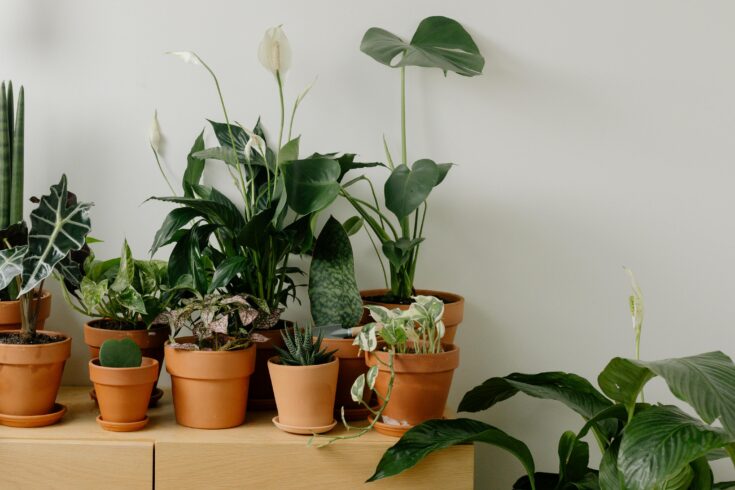
Here’s a mistake most beginners make: clustering all their plants in one sunny corner. Toxins don’t work that way. Formaldehyde from your bedroom dresser won’t magically travel to your kitchen windowsill for filtering. Each room generates its own specific pollutants based on furniture, electronics, and daily activities. Distribute your best plants for clean air across different rooms to address toxins where they actually occur. One plant in each major room beats five plants crowded together in your living room. This distribution strategy ensures you’re addressing air quality issues throughout your entire home rather than just one well-filtered corner.
Good Tip!
Measure your most-used rooms first and calculate their square footage separately. A 150 sq ft bedroom needs just 1-2 plants, making the NASA guideline suddenly feel much more achievable than buying 18 plants at once.
Complete Care Guide For Thriving Air Purifying Plants
Getting the right number of plants distributed throughout your home is important, but keeping them healthy and thriving is what actually delivers clean air. Dead or struggling plants don’t filter toxins effectively. Here’s everything you need to know to keep your natural air purifiers working at peak performance.
Matching Light Levels To Your Plant Species
Not all houseplants that purify air need the same amount of light. Snake plants and pothos are your best friends if you’re working with dim corners or north-facing rooms—they tolerate low light conditions (50-100 foot-candles) without complaint. Peace lilies need a bit more brightness, thriving in medium indirect light (100-200 foot-candles), which you’ll find a few feet away from east or west-facing windows. If your leaves are turning yellow or growth seems stunted, you’re probably dealing with a lighting mismatch. Move your plant closer to (or farther from) natural light sources and watch how it responds over two weeks.
Watering Without Drowning Your Plants
Here’s the truth: overwatering kills 90% of houseplants. Most air purifying plants prefer the “soak and dry” method—water thoroughly until it drains out the bottom, then wait until the top two inches of soil feel dry before watering again. Stick your finger into the soil to check moisture levels rather than following a rigid schedule. Yellowing leaves? That’s your plant screaming it’s getting too much water. Root rot follows quickly after, so adjust immediately. Different seasons mean different watering needs—your plants drink less in winter when growth slows, which is especially important to remember as you maintain your collection year-round.
Good Tip!
Use filtered or distilled water if your tap water contains high levels of chlorine or fluoride—these chemicals cause brown leaf tips on sensitive plants like peace lilies and spider plants.
Building The Perfect Soil Mix For Maximum Filtration
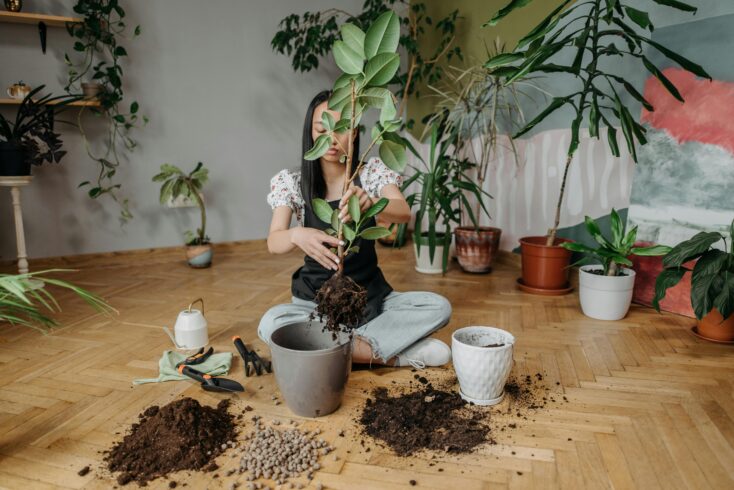
Your potting mix matters more than you think. Well-draining soil with added perlite or orchid bark prevents water from sitting around roots, which causes rot. Here’s where it gets interesting: adding 10-20% activated charcoal to your mix boosts toxin absorption by 30-40%. The charcoal works alongside soil microbes to break down pollutants more efficiently. You can find activated charcoal at garden centers or create your own air-purifying setup with minimal fuss. This enhanced soil mixture transforms your houseplants that purify air into even more effective filtration systems.
Keeping Leaves Clean For Better Air Quality
Dust isn’t just unsightly—it blocks leaf pores and reduces air purification effectiveness by up to 50%. Wipe down leaves monthly with a damp cloth, supporting each leaf from underneath to avoid tearing. For plants with fuzzy leaves like African violets, use a soft brush instead. This simple maintenance step keeps photosynthesis running efficiently and ensures your natural air purifiers work at full capacity. Think of it as changing the filter in your air conditioning unit—regular cleaning keeps everything functioning optimally.
Designing With Air Purifying Plants: Style Meets Function
With your care routine dialed in, it’s time to think about placement strategy. The way you arrange air purifying plants affects both their effectiveness and your home’s aesthetic appeal. Smart design choices mean you get cleaner air and a more beautiful living space.
Layer Your Plants For Maximum Air Contact And Visual Appeal
Think of your indoor air quality plants like a living sculpture that works while it beautifies. Start with tall floor plants like areca palms or rubber plants in corners or beside furniture. Add mid-height peace lilies or snake plants on tables, shelves, or plant stands. Then hang trailing pothos or philodendrons from ceiling hooks or wall brackets. This layering strategy does two things: it creates eye-catching depth in your space, and it maximizes the amount of air that touches plant leaves throughout the room. The more surface area your houseplants that purify air can access, the more toxins they’ll filter. Plus, you’ll avoid the “all plants at one level” look that feels flat and uninspired.
Design Room-By-Room For Targeted Air Purification
Not all rooms face the same air quality challenges, so customize your plant placement. In bedrooms, place snake plants on nightstands—they release oxygen at night, unlike most plants, which makes them perfect sleep companions. Bathrooms benefit from English ivy in hanging baskets since these natural air purifiers thrive in humidity and tackle airborne particles. In kitchens, position aloe vera on sunny windowsills where it can filter cooking pollutants like formaldehyde while giving you fresh gel for burns. This targeted approach means you’re not just decorating—you’re strategically deploying 12 plants with air purifying powers where they’ll work hardest for your health.
Good Tip!
Group plants with similar care needs in the same room—ferns and palms together in humid bathrooms, succulents and snake plants in drier bedrooms—to simplify your watering routine.
Create Breathing Zones Where You Spend Time
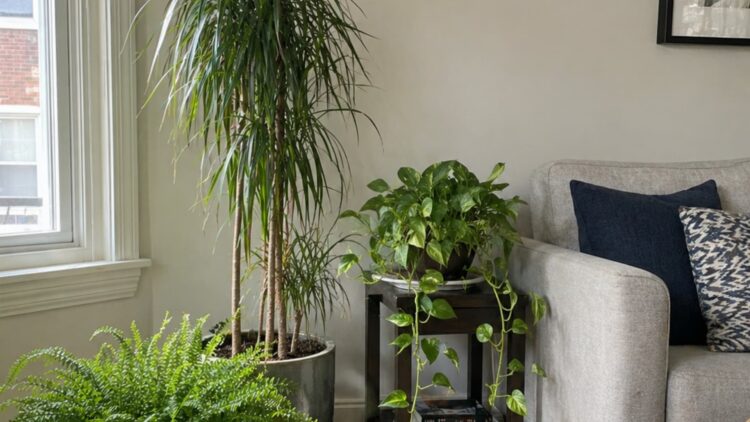
Your living room and home office deserve special attention since you spend hours there daily. Cluster 3-5 air purifying plants of different heights and textures in these high-traffic areas to create what designers call “breathing zones.” Mix a tall dracaena with a tabletop pothos and a floor-level Boston fern. This grouping doesn’t just look intentional—it creates a concentrated pocket of cleaner air right where you sit, work, or relax. The plants also boost humidity by 10-15% in their immediate microenvironment, which helps during dry winter months when indoor air quality typically drops. These dedicated zones give you the most noticeable benefits while creating attractive focal points in your most-used spaces.
Go Vertical In Small Spaces
Limited floor space doesn’t mean limited air purification. Wall-mounted planters, floating shelves, and trellises let climbing plants like pothos and philodendrons grow upward instead of outward. This vertical approach can increase your air purification surface area by 300% without sacrificing precious square footage. Install a simple trellis on a blank wall and train a pothos to climb it, or mount three small planters in a staggered pattern for visual interest. You’ll transform dead wall space into a living air filter that’s both functional and Instagram-worthy.
Maximizing Air Quality: Beyond Just Adding Plants
Even with perfect placement and care, air purifying plants work best as part of a comprehensive approach to indoor air quality. Let’s explore how to amplify their effectiveness and understand their limitations so you can create the healthiest home environment possible.
Pair Plants With Source Reduction For Best Results
Air purifying plants work hardest when they’re not working alone. Think of them as part of your clean-air team, not the entire squad. When you combine houseplants that purify air with source reduction strategies—like switching to low-VOC paints, choosing natural cleaning products, and avoiding synthetic air fresheners—you can slash indoor pollutants by 60-75% total. That’s a massive improvement compared to plants alone. Start by identifying your biggest pollution sources: that new furniture off-gassing formaldehyde, the harsh bathroom cleaner releasing ammonia, or the scented candles pumping out VOCs. Replace these culprits with safer alternatives, then let your plants handle the remaining toxins. This one-two punch creates genuinely cleaner air without relying on expensive mechanical systems. For more comprehensive strategies, check out 10 Easy Ways to Improve Indoor Air Quality and Live Sustainably.
Boost Filtration With Activated Charcoal And Compost
Your potting soil does more than hold your plant upright—it’s actually where most air purification happens. Soil microbes break down absorbed toxins into harmless compounds, doing the heavy lifting while leaves get all the credit. You can supercharge this process by mixing 10-20% activated charcoal into your potting mix when repotting. The charcoal acts like a sponge, grabbing onto VOCs and other pollutants. Add a handful of finished compost too, which introduces beneficial microbes that boost filtration effectiveness significantly. This simple soil upgrade turns your snake plant or pothos into an even more powerful natural air purifier without changing your care routine.
Good Tip!
When repotting, layer activated charcoal at the bottom of your container first, then mix more throughout your soil. This creates multiple filtration zones as water and air move through the pot.
Track Your Progress With Symptoms And Data
How do you know if your indoor air quality plants are actually working? Start by paying attention to your body. Track symptoms like headaches, allergy flare-ups, morning congestion, and sleep quality for 4-6 weeks after adding plants. Many people notice they wake up less stuffy or experience fewer afternoon headaches within a month. For harder data, consider an affordable air quality monitor that measures VOCs and particulate matter. These devices give you measurable proof of improvement and help you identify problem areas that need more plants or ventilation adjustments. Seeing the numbers drop over time provides motivation to expand your collection and maintain your air purifying plants properly.
Understand What Plants Can’t Fix
Let’s be honest about limitations. Air purifying plants are fantastic tools, but they’re not miracle workers. They can’t fix mold problems—those require finding and eliminating the moisture source causing fungal growth. They won’t remove radon gas, which needs professional mitigation systems. And they don’t replace mechanical ventilation entirely, especially in tightly sealed modern homes. If you’re dealing with persistent mold, mysterious odors, or serious air quality concerns, plants should complement professional solutions, not substitute for them. Use plants for everyday toxin removal and general air freshening, but call in experts for structural or serious contamination issues. Understanding these boundaries helps you set realistic expectations and create a truly effective indoor air quality strategy that combines the best of natural and technological solutions.
Conclusion
Your journey toward cleaner indoor air starts with understanding that air purifying plants are scientifically proven allies, not just decorative additions.
The research is clear: strategically placed plants like snake plants, pothos, and peace lilies genuinely remove toxins such as formaldehyde and benzene while boosting oxygen and humidity levels.
Start with NASA’s guideline of one plant per 100 square feet, focusing first on bedrooms and living spaces where you spend the most time. Remember that success comes from proper care—appropriate lighting, correct watering (letting soil dry between drinks), and monthly leaf cleaning to maintain maximum filtration efficiency.
These air purifying plants work best when combined with source reduction strategies like choosing low-VOC products and maintaining good ventilation. Whether you’re integrating them into existing house plants design ideas or building a collection from scratch, you’re creating a healthier home environment with every green addition.
Take action today: choose 3-5 beginner-friendly air purifying plants suited to your lighting conditions, position them in high-traffic areas, and commit to consistent care. Your lungs—and your home’s atmosphere—will thank you within weeks as you breathe easier in your newly refreshed, naturally filtered space.
Frequently Asked Questions
Can air purifying plants really help with allergies and asthma?
Plants can reduce airborne dust and certain irritants, but they’re not allergy cures. If you’re sensitive to mold, overwatering plants can actually worsen symptoms. Start with low-maintenance varieties and monitor your response.
How long does it take to notice cleaner air after adding plants?
Most people notice subtle improvements in 4-6 weeks—better sleep, fewer headaches, or less stuffiness. The plants work immediately, but your body needs time to adjust and respond to gradually improving conditions.
Are air purifying plants safe around kids and pets?
Some are, some aren’t. Spider plants and Boston ferns are completely pet-safe, while peace lilies and pothos are toxic if chewed. Always research specific plants before bringing them home with curious children or animals.
Do I need to fertilize my air purifying plants?
Yes, but sparingly. Feed most houseplants with diluted liquid fertilizer monthly during spring and summer, then skip feeding in fall and winter. Healthy, growing plants filter air more effectively than struggling ones.
Will a small desk plant actually clean the air around me?
One small plant provides minimal purification for an entire room, but it does improve air quality in its immediate vicinity. Think of it as a personal breathing zone rather than whole-room filtration.
Can I use artificial light if my home is too dark for plants?
Absolutely! LED grow lights work wonderfully for low-light spaces. Position them 6-12 inches above your plants and run them 12-16 hours daily. Snake plants and pothos adapt especially well to artificial lighting.