
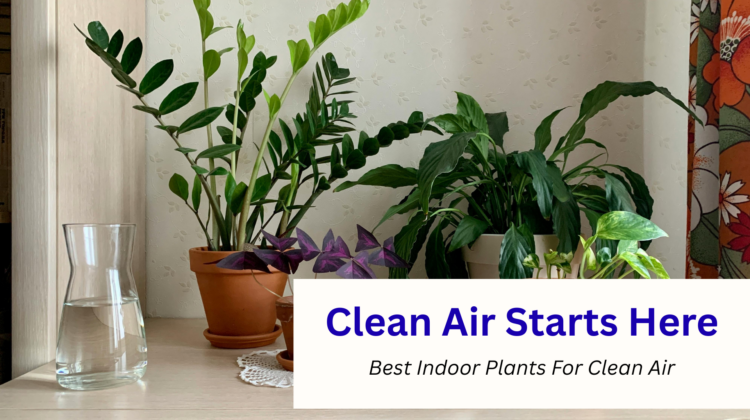
The best indoor plants for clean air—including snake plants, pothos, and peace lilies—can remove up to 87% of indoor air toxins within 24 hours when you place one plant per 100 square feet of living space.
Every breath you take indoors matters—and it might surprise you that the air inside your home can be up to five times more polluted than outdoor air. The best indoor plants for clean air aren’t just decorative; they’re working silently to filter toxins, boost oxygen levels, and create a healthier living environment while adding natural beauty to your space.
Between off-gassing furniture, cleaning products, and poor ventilation, our homes harbor invisible pollutants like formaldehyde, benzene, and trichloroethylene. You want a healthier home for your family, but air purifiers are expensive and noisy. What if nature offered a quieter, more affordable solution that also elevated your house plants design ideas?
This guide reveals scientifically-proven air-purifying plants that actually work, showing you exactly which varieties remove specific toxins, how many you need per room, and the simple care requirements that make them thrive. You’ll learn which plants suit your light conditions, lifestyle, and aesthetic preferences—plus get practical placement tips that maximize both air quality and visual impact.
Page Contents
The Science Behind Air-Purifying Indoor Plants For Clean Air
Back in 1989, NASA scientists did something brilliant. They sealed over 50 common houseplants in chambers filled with toxic chemicals and watched what happened. The results? Game-changing. Certain plants removed up to 87% of pollutants like formaldehyde, benzene, and trichloroethylene within just 24 hours. This wasn’t marketing hype—it was controlled scientific research that identified which NASA air purifying plants actually worked. The study gave us a shortlist of proven performers that could tackle the invisible toxins lurking in our homes, establishing the foundation for understanding which plants could genuinely improve indoor air quality.
How Plants Actually Clean Air
Here’s what’s happening behind the scenes. Plants pull toxins through tiny pores called stomata on their leaves during photosynthesis. That’s part one. Part two happens underground, where beneficial soil microbes break down pollutants at the root level. It’s a tag-team purification system running 24/7. Your snake plant isn’t just sitting there looking pretty—it’s actively filtering the air you breathe while you sleep.
This natural filtration process works continuously, unlike mechanical air purifiers that only operate when switched on. The combination of leaf-surface absorption and microbial breakdown in the soil creates a biological filter that targets specific compounds commonly found in indoor environments.
Real-World Effectiveness and What to Expect
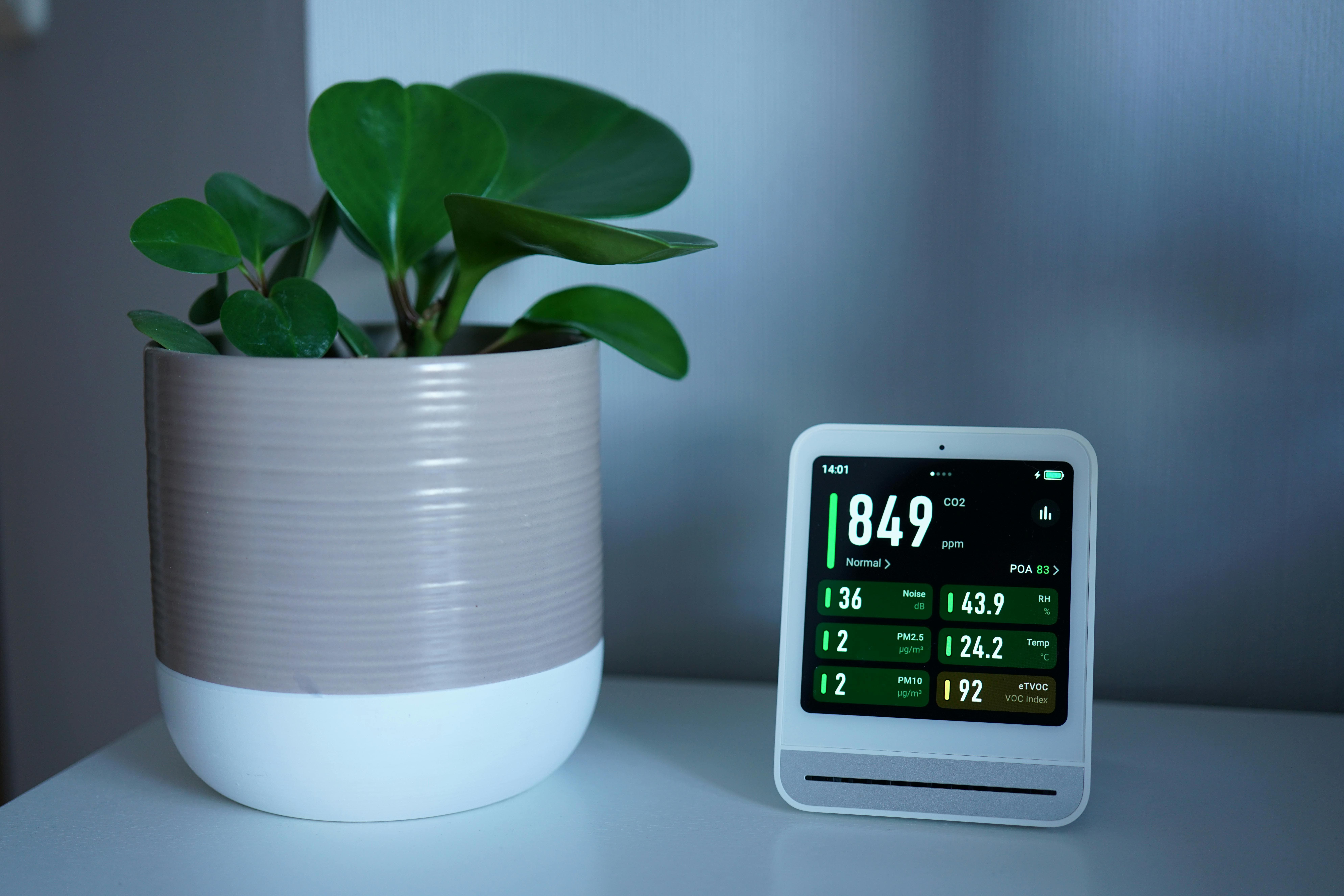
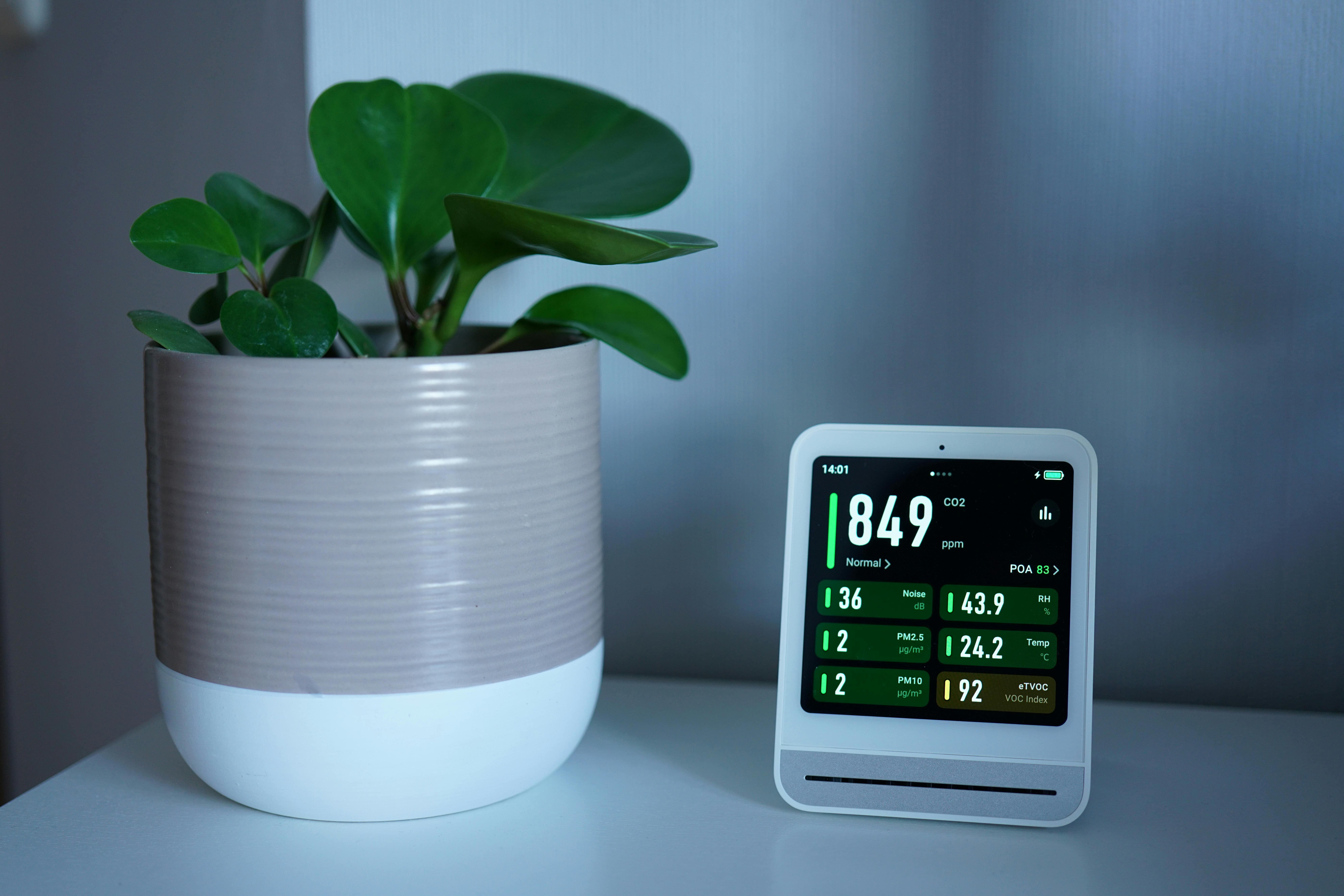
Now, let’s get realistic. Lab conditions showed dramatic results, but your living room isn’t a sealed chamber. For noticeable improvement, you’ll need about one plant per 100 square feet. A 2019 University of Technology Sydney study found that just five plants in a standard office cut carbon dioxide by 10% and slashed volatile organic compounds by 75%. That’s significant, but it requires commitment to multiple plants that clean indoor air naturally.
Understanding these real-world limitations helps set proper expectations. While houseplants won’t replace HEPA filters entirely, they provide continuous, passive air cleaning without electricity costs or filter replacements. The key is strategic placement and sufficient quantity to make a measurable difference in your indoor air quality.
Good Tip!
Start with three toxin-filtering houseplants in your bedroom and home office—the rooms where you spend the most time breathing—before expanding to other spaces.
Which Toxins These Plants Target
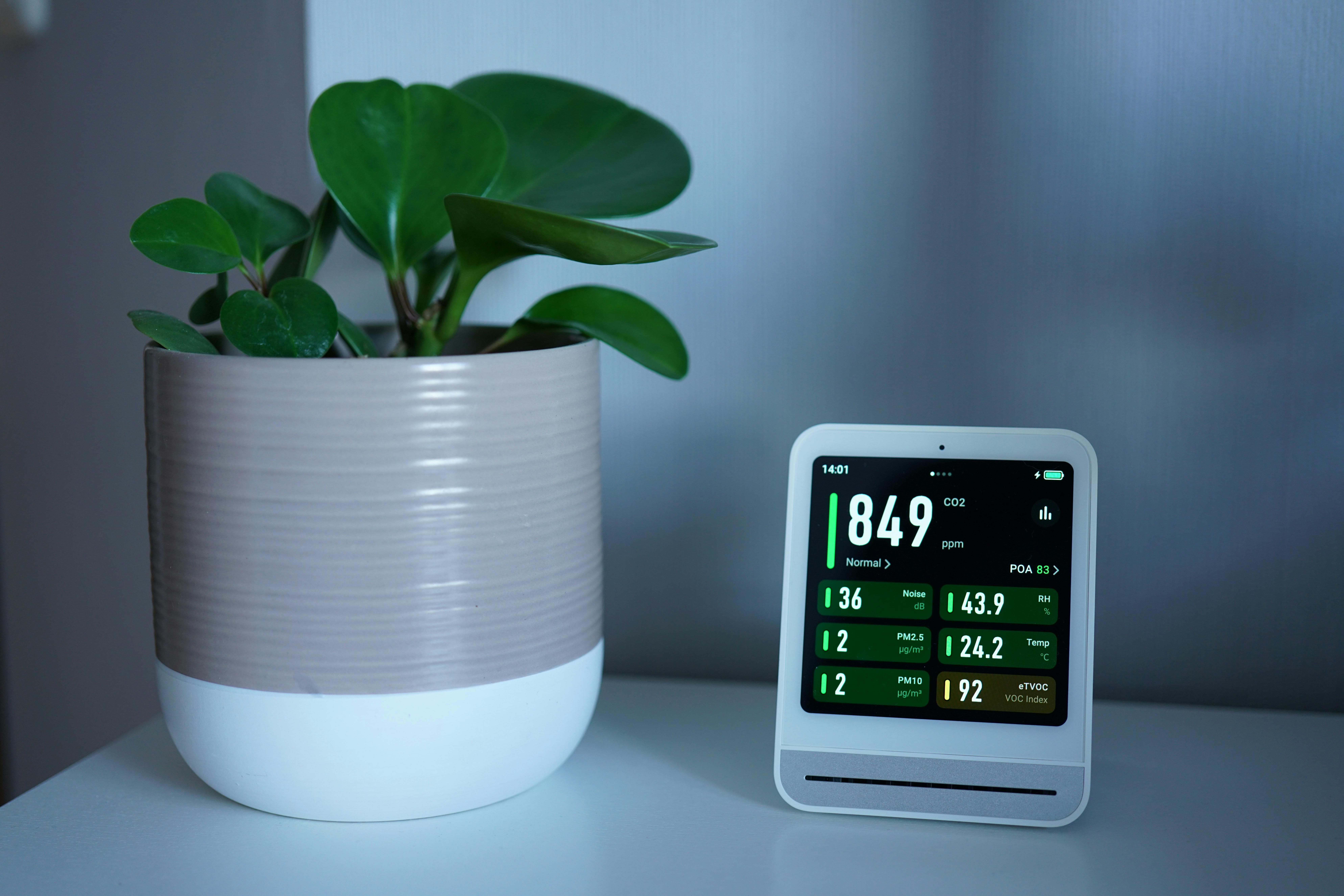
Your home releases more pollutants than you’d think. Formaldehyde seeps from pressed wood furniture and new carpeting. Benzene comes from plastics, synthetic fabrics, and stored cleaning products. Xylene hides in paints, markers, and adhesives. Ammonia lurks in cleaning products and bathroom supplies. These chemicals trigger headaches, respiratory issues, and poor sleep quality. While houseplants don’t clean the air as dramatically as mechanical filters, removing even a portion of these toxins supports better respiratory health and daily comfort. This is where selecting the best indoor plants for clean air becomes crucial—choosing varieties that target the specific pollutants in your environment.
Best Indoor Plants For Clean Air: Top Scientifically-Proven Varieties
Understanding the science behind air purification is one thing, but knowing which specific plants deliver results is where rubber meets the road. Not all houseplants clean air equally. The following varieties have been rigorously tested and proven effective at removing specific toxins from indoor environments.
Snake Plant (Sansevieria trifasciata)
If you’re looking for a bedroom champion, the snake plant delivers. Unlike most houseplants that only photosynthesize during the day, this oxygen-producing indoor plant converts CO2 to oxygen at night—making it 10 times more effective for bedrooms than typical varieties. It filters formaldehyde and benzene while tolerating serious neglect. Forgot to water for three weeks? Your snake plant won’t hold it against you.
It actually prefers dry soil and thrives in low to bright indirect light, making it perfect for beginners who tend to over-love their plants. Place one on your nightstand, and you’ll breathe easier while you sleep. The architectural, upright leaves also add modern style to any space, making snake plants both functional and visually appealing—truly among the best indoor plants for clean air.
Pothos (Epipremnum aureum)
Pothos is the workhorse you didn’t know you needed. This versatile toxin-fighter tackles formaldehyde, xylene, and benzene while looking gorgeous cascading from shelves or climbing moss poles. What makes pothos truly special? It grows in virtually any light condition—from bright corners to that dim hallway you thought was hopeless.
A University of Georgia study found pothos removes 73% of airborne mold in just 48 hours. If you have a windowless bathroom or a shadowy corner that needs life, pothos is your answer. Just know that variegated varieties (the ones with white or yellow streaks) need slightly brighter spots to maintain their patterns. This adaptability makes pothos one of the most versatile options when you’re selecting the best indoor plants for clean air across different rooms.
Peace Lily (Spathiphyllum)
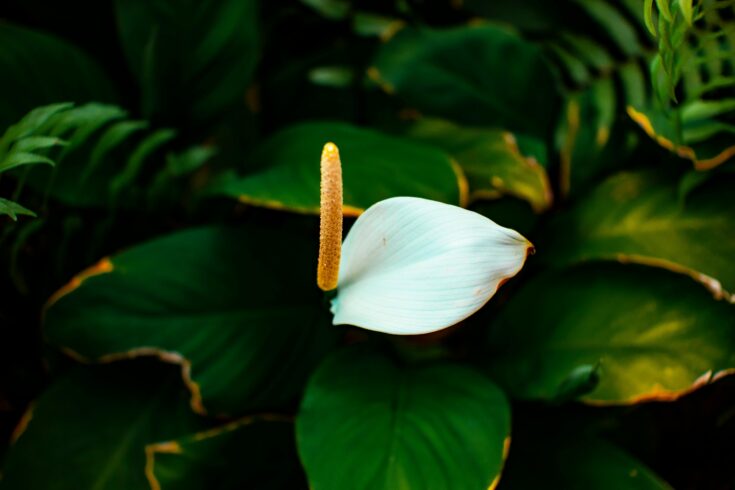
The peace lily is the communicator of the plant world. It filters ammonia, benzene, and formaldehyde while producing elegant white blooms that brighten any space. But here’s what makes it brilliant for beginners: when it needs water, it droops dramatically—then perks up within hours of getting a drink. No more guessing games.
This triple-threat thrives in low to medium light and loves humid bathrooms, where it increases room humidity by 5% and helps your respiratory function. According to NASA’s compiled list of best plants to clean indoor air, peace lilies consistently rank among top air purifiers for home environments. The combination of effective filtration, easy-to-read watering cues, and beautiful flowers makes peace lilies a favorite for those building their first collection of air-purifying plants.
Spider Plant (Chlorophytum comosum)
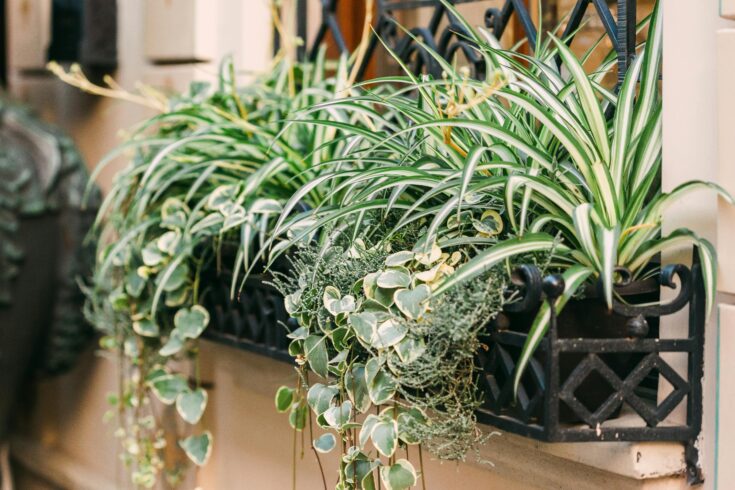
If you have pets, the spider plant is your best friend. It’s one of the few pet-safe air purifying plants that actually works—NASA tested it and found it removes 95% of formaldehyde from sealed environments. This formaldehyde specialist produces cascading baby plantlets you can easily propagate and share with friends.
It adapts to most light conditions and forgives occasional over-watering, making it ideal for learning plant care. Plus, those arching green-and-white striped leaves add visual interest whether you display it on a shelf or in a hanging basket. The bonus propagation feature means you can start with one spider plant and eventually distribute clean air benefits throughout your entire home as babies mature.
Good Tip!
Start with one plant from each category to test which fits your lifestyle best. A snake plant for your bedroom, pothos for a dim corner, peace lily for the bathroom, and spider plant for pet areas covers all your bases while you learn what works in your home.
Matching The Best Indoor Plants For Clean Air To Your Light Conditions
Choosing the right plants is only half the battle—placing them where they’ll actually thrive determines whether you’ll see air quality benefits or watch your investment slowly decline. Light is the single most important factor in plant health, and matching plants to your available light conditions ensures they’ll grow vigorously and purify air effectively.
Low-Light Champions for Dim Spaces
Snake plants, pothos, and ZZ plants are your best friends when natural light is scarce. These air purifying houseplants thrive in north-facing rooms, windowless bathrooms, or that dark corner behind your couch. Why? They evolved as understory plants in tropical forests, where they adapted to survive on whatever filtered light made it through the dense canopy above.
If your apartment has limited windows or you’re dealing with a basement office, these varieties won’t just survive—they’ll actually clean your air while tolerating the gloom. I keep a pothos in my windowless bathroom, and it’s been thriving for three years without complaint. These low-light champions make it possible to enjoy the benefits of the best indoor plants for clean air even in spaces that seem impossible for plant life.
Medium-Light Performers for Most Rooms
Peace lilies, dracaenas, and philodendrons handle the lighting conditions in about 80% of homes. Place them 3-6 feet from east or west-facing windows where they’ll receive bright but indirect exposure. These workhorses are perfect if you’ve got typical apartment or house lighting—not super bright, not super dim, just that comfortable in-between.
They’ll purify your air without demanding a sun-drenched spot, making them ideal for living rooms, bedrooms, and home offices where you spend most of your time. This middle-ground flexibility is why medium-light plants often form the backbone of indoor plant collections—they simply work in the spaces where most people live and breathe daily.
Bright-Light Lovers for Sunny Spots
Rubber plants, areca palms, and Boston ferns need serious light to do their best work. Position them near south-facing windows or in sunrooms where light intensity stays high throughout the day. Here’s the bonus: these plants purify air fastest because photosynthesis rates increase with light availability. More light equals more toxin-filtering action.
According to NASA’s research on air-purifying plants, plants in bright conditions photosynthesize 3-4 times faster than low-light specimens, dramatically boosting their air-cleaning power. If you have sunny spots available, these high-performance varieties deliver maximum purification benefits.
How to Assess Your Light Levels
Here’s a simple trick that’ll save you from buying the wrong plant: the shadow test. At midday, hold your hand 12 inches above a surface in the spot where you want to place your plant. A sharp, defined shadow means bright light—go for those rubber plants and palms. A soft, blurry shadow indicates medium light—peace lilies and philodendrons will love it. Barely visible shadow? That’s low light territory, perfect for snake plants and pothos.
This quick test helps you choose the best indoor plants for clean air that’ll actually thrive instead of slowly dying in the wrong conditions. Once you understand your home’s light map, selecting and placing plants becomes straightforward rather than guesswork.
Good Tip!
Take photos of your space at different times of day to track how light moves through your rooms—morning, noon, and late afternoon. This helps you identify which spots get consistent light versus those that only catch a few hours of sun.
How Many Air-Purifying Plants Do You Actually Need?
Once you know which plants work and where to place them, the next logical question is quantity. Too few plants won’t make a noticeable difference in air quality, while too many can feel overwhelming to maintain. Finding the sweet spot ensures you get measurable benefits without turning plant care into a second job.
The Square Footage Formula
NASA recommends one plant per 100 square feet for effective air purification. That means a 1,500 square foot home needs about 15 plants total. Before you panic at that number, here’s the good news—it’s easier than it sounds when you break it down room by room. Place 3-4 plants in your living room, 2-3 in each bedroom, 2 in the kitchen, and 2-3 in bathrooms.
Suddenly, 15 plants doesn’t feel overwhelming. Think of it this way: you’re not cramming your home with a jungle. You’re strategically placing natural air purifiers where they’ll work hardest for your health. This systematic approach makes achieving the full benefits of the best indoor plants for clean air feel achievable rather than daunting.
Strategic Placement for Maximum Benefit
Not all rooms are created equal when it comes to air quality. Prioritize your bedroom first—you spend roughly 8 hours there every night breathing the same air. Next, focus on your home office where concentration and mental clarity matter. Kitchens deserve attention too, since cooking releases particulates and odors that plants can filter.
Here’s a game-changer: place plants at different heights. Put some on the floor, others on desks or nightstands, and hang a few from the ceiling. Pollutants settle at various levels, so this multi-height approach captures more toxins than clustering everything on one shelf. This vertical strategy maximizes the air-cleaning efficiency of each plant you add to your collection.
Good Tip!
Start by placing one plant on each level of your bedroom—floor, nightstand, and dresser top—to create a three-tier air purification system while you sleep.
Larger Plants vs. Smaller Collections
Size matters when it comes to air purification. One large 6-8 inch potted plant delivers roughly the same toxin-filtering power as three smaller 4-inch plants. Why? Greater leaf surface area and more extensive root mass mean more biological filtration happening. If you’re working with limited floor space, go vertical. Hanging pothos cascading from macramé holders or wall-mounted staghorn ferns maximize your air-cleaning capacity without eating up precious square footage.
This understanding helps you make smarter purchasing decisions—sometimes investing in one mature plant provides better value and results than buying multiple small specimens that need time to grow before they effectively purify air.
Starting Small and Scaling Up
Don’t rush out and buy 15 plants tomorrow. Start with 3-5 NASA air purifying plants in your most-used rooms and see how you handle the care routine. It’s far better to maintain five thriving, healthy plants than to neglect fifteen struggling ones. Here’s why that matters: stressed plants with yellowing leaves and stunted growth barely purify air at all. Robust, actively growing plants with lush foliage work exponentially harder to filter toxins.
NASA researchers suggest efficient air cleaning is accomplished with at least one plant per 100 square feet of home or office space, but only if those plants are actually thriving. Give yourself permission to start small, build confidence, and expand your collection as your green thumb develops. This measured approach leads to long-term success with the best indoor plants for clean air.
Care Essentials For The Best Indoor Plants For Clean Air
Having the right plants in the right locations means nothing if they’re not properly maintained. Healthy, vigorously growing plants purify air exponentially better than struggling specimens. Fortunately, the care requirements for most air-purifying varieties are straightforward once you understand a few fundamental principles.
Watering Schedules That Prevent Root Rot
Most air purifying houseplants thrive on what I call the “drought and drench” method. Let the top 1-2 inches of soil dry out completely before watering again. When you do water, go all in—soak the soil thoroughly until water drains freely from the bottom. This mimics natural rainfall patterns and encourages strong root growth.
Here’s the reality: overwatering kills more houseplants than anything else. Set phone reminders to check your plants. Pothos and philodendrons typically need water weekly, while snake plants and ZZ plants can go 2-3 weeks between drinks. Stick your finger in the soil before watering—if it feels damp, wait another day or two. This simple check prevents the most common mistake that undermines the air-purifying capabilities of otherwise healthy plants.
Soil and Potting Requirements
Your plants need room to breathe, literally. Use a well-draining potting mix with perlite or orchid bark mixed in. These additions create air pockets that prevent soil from becoming waterlogged. Never use garden soil indoors—it compacts too much and suffocates roots.
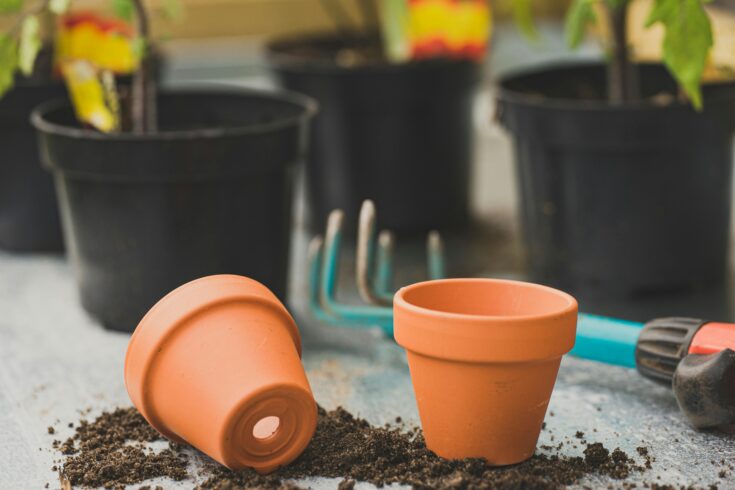
Drainage holes aren’t optional. Standing water breeds fungus gnats and causes root rot faster than you’d think. Repot every 18-24 months when roots start circling the pot’s interior. Size up just one pot diameter—jumping to a much larger container holds too much moisture and increases overwatering risk. Proper potting ensures your plants develop the robust root systems necessary for effective air filtration.
Good Tip!
Place a coffee filter or paper towel over drainage holes before adding soil—it prevents soil from washing out while still allowing water to drain freely.
Feeding and Maintenance
Feed your low maintenance air cleaning plants monthly during spring and summer with liquid fertilizer diluted to half-strength. Full-strength formulas can burn leaves and damage roots. Come fall and winter, pause feeding entirely—plants enter dormancy and don’t need extra nutrients.
Here’s something most people miss: dust is the enemy of air purification. Wipe leaves monthly with a damp cloth. Dust blocks the stomata where gas exchange happens, reducing air purification by up to 50%. Clean leaves mean better breathing for you. This simple maintenance task literally doubles the effectiveness of your plant collection at filtering indoor air.
Common Problems and Quick Fixes
Yellow leaves? You’re probably overwatering. Check soil moisture before the next watering session. Brown, crispy edges signal underwatering or low humidity—group plants together to create a humid microclimate. Leggy, stretched-out growth means your plant needs more light. Move it closer to a window.
I’ve learned that plants communicate if you pay attention. When my peace lily droops, I know it’s thirsty. Within 2-3 hours of watering, it perks right back up. These visual cues make caring for the best indoor plants for clean air easier than you’d expect. Once you learn to read your plants’ signals, maintenance becomes intuitive rather than stressful.
Styling Air-Purifying Plants For Function And Beauty
Air purification doesn’t require sacrificing aesthetics. In fact, thoughtful plant placement enhances both air quality and interior design. The key is understanding how to arrange plants so they function optimally while creating visual appeal that makes you want to spend time in the space they’re improving.
Multi-Level Displays That Maximize Purification
Think of your room as having three zones: floor, mid-level, and ceiling. When you place plants at all three heights, you’re not just creating visual interest—you’re actually capturing pollutants where they naturally settle. Heavy toxins like formaldehyde sink low, while lighter compounds float higher.
Start with a tall rubber tree or dracaena on the floor in a corner. Add pothos or philodendrons on bookshelves or side tables at eye level. Then hang spider plants or Boston ferns near windows or from ceiling hooks. This layered approach turns your space into a full-room air filter while making ceilings feel higher and rooms more dynamic. It’s interior design that works double-duty, combining the best indoor plants for clean air with professional-looking spatial arrangement.
Grouping Plants For Humidity And Impact
Instead of scattering single plants around your home, cluster 3-5 together in key spots. Here’s why: when plants sit close together, they release moisture through their leaves (transpiration), creating a mini humid zone that helps everyone in the group thrive. It’s like they’re looking out for each other.
Use odd numbers—groups of three, five, or seven look more natural to the eye. Mix heights and leaf shapes: pair a tall snake plant with a bushy pothos and a delicate fern. This creates professional-looking arrangements that work harder at cleaning your air than isolated plants ever could. The combined leaf surface area in these clusters provides exponentially more air filtration than the same plants distributed individually throughout your space.
Good Tip!
Place a tray under grouped plants to catch water drainage and boost humidity even more—the evaporating water creates an ideal microclimate for tropical air purifiers.
Room-Specific Recommendations
Not all rooms are created equal, and your air purifying houseplants shouldn’t be either. Bedrooms need oxygen producing indoor plants like snake plants and pothos—they’ll work while you sleep, literally improving the air you breathe for eight hours straight.
Bathrooms are naturally humid, making them perfect for peace lilies and ferns that love moisture. These humidity lovers will thrive in post-shower steam while filtering bathroom cleaning product fumes. Home offices benefit from spider plants and dracaenas on your desk or nearby shelf—studies show air purifying plants for salons and workspaces improve focus and reduce stress. Matching plants to room conditions ensures they’ll grow vigorously and provide maximum air purification benefits where you need them most.
Pet-Safe Options For Households With Animals
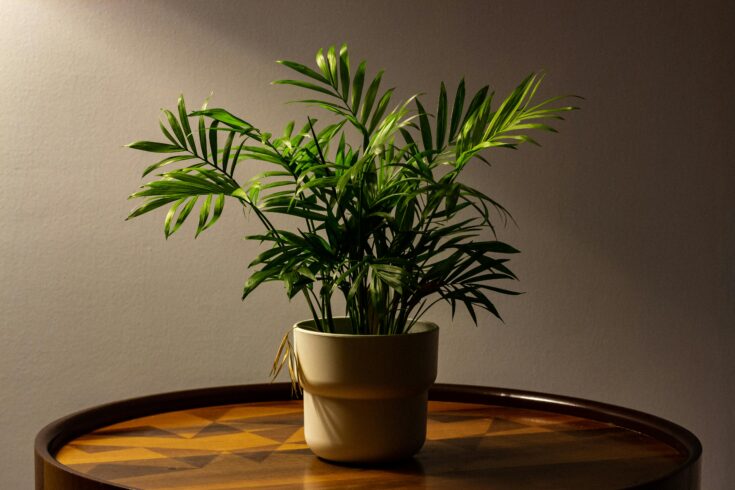
If you have curious cats or dogs, you need to be strategic. Spider plants, Boston ferns, areca palms, and parlor palms are all pet-safe air purifying plants that clean your air without risking your pet’s health.
Avoid pothos, peace lilies, and philodendrons in areas your pets can reach—they contain calcium oxalate crystals that cause drooling and mouth irritation if chewed. If you love these plants (and they are excellent air purifiers), hang them from the ceiling or place them on high shelves where paws can’t reach. Your air gets cleaned, and your pets stay safe. This strategic placement allows you to enjoy the full benefits of the best indoor plants for clean air while maintaining a pet-friendly home environment.
Creating a healthier indoor environment doesn’t require expensive equipment or major renovations. With strategic selection, proper placement, and basic maintenance, air-purifying plants transform your home into a naturally filtered space where you breathe easier and live better. Start with a few proven performers, learn their needs, and expand your collection as your confidence grows. Your lungs—and your home—will thank you.
Conclusion
The best indoor plants for clean air transform your home into a healthier sanctuary while adding natural beauty to every room.
Start with proven performers like snake plants for bedrooms, pothos for versatile spaces, peace lilies for bathrooms, and spider plants for pet-friendly areas—each scientifically validated to remove specific household toxins.
Remember the golden ratio: one plant per 100 square feet, strategically placed at multiple heights to capture pollutants where they settle.
Match plants to your actual light conditions using the shadow test, commit to simple drought and drench watering, and wipe leaves monthly to maintain peak air-purifying performance.
These aren’t just decorative additions; they’re working continuously to filter formaldehyde, benzene, and volatile organic compounds while releasing oxygen and humidity.
Whether you’re starting with three plants or building a collection of fifteen, you’re investing in cleaner air, better sleep, and a more vibrant living space. Choose one air-purifying plant this week—perhaps a forgiving pothos for your living room or a night-time oxygen-producing snake plant for your bedroom—and experience the difference that the best indoor plants for clean air make in your daily life.
Frequently Asked Questions
Do I really need 15 plants in my home to notice cleaner air?
Not necessarily. While NASA recommends one plant per 100 square feet, start with 3-5 thriving plants in high-traffic rooms like your bedroom and office. You’ll experience benefits without overwhelming yourself with maintenance.
Can air-purifying plants replace my mechanical air filter?
No, plants work best as a complement, not a replacement. They remove a portion of toxins naturally, but mechanical filters capture more particulates. Together, they create a comprehensive approach to indoor air quality.
How long before I’ll notice improved air quality from my plants?
NASA’s study showed results within 24 hours in sealed chambers, but home environments take longer. With adequate plant coverage, most people notice fresher air and reduced stuffiness within 2-4 weeks.
Are expensive specialty plants better at purifying air than common ones?
Not at all. Budget-friendly varieties like pothos, snake plants, and spider plants performed exceptionally well in NASA’s research. Effective air purification depends on leaf surface area and plant health, not price tags.
Will my plants still clean air if I forget to dust them?
Their effectiveness drops significantly. Dusty leaves can’t exchange gases efficiently through their stomata, reducing purification by up to 50%. A quick monthly wipe-down keeps them working at peak performance.
Can I keep air-purifying plants if I travel frequently?
Absolutely. Choose drought-tolerant options like snake plants or ZZ plants that survive 2-3 weeks without water. Self-watering pots or asking a neighbor for occasional watering makes extended absences manageable.