
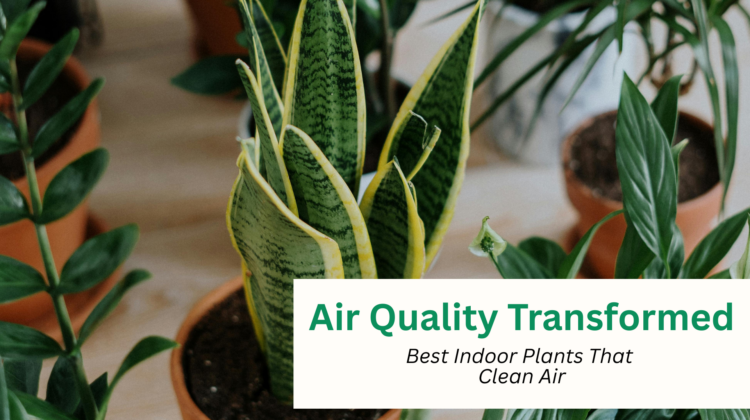
This guide will reveal the best indoor plants for air quality. Based on NASA research, plants like snake plants, pothos, and spider plants can remove up to 87% of air toxins in 24 hours, with one plant per 100 square feet providing measurable air quality benefits.
You walk into your home after a long day, close the door behind you, and take a deep breath—but did you know that indoor air can be 2-5 times more polluted than outdoor air according to the Environmental Protection Agency? While we often think of our homes as safe havens, they’re actually filled with invisible pollutants from cleaning products, furniture off-gassing, and poor ventilation. The good news? The best indoor plants for air quality can naturally filter toxins while adding life and beauty to your space. Think of them as your home’s personal air purification team, working silently around the clock to create a healthier environment for you and your family.
Maybe you’ve noticed stuffiness in your bedroom, experienced unexplained headaches, or simply want to breathe cleaner air without investing in expensive mechanical purifiers. You might be wondering which plants actually work (spoiler: not all air-purifying claims are equal), how many you need for real impact, and whether they’ll survive in your specific lighting conditions. With conflicting information online and marketing hype around every houseplant, it’s tough to know which green companions will genuinely improve your indoor air quality versus just looking pretty on your shelf.
This guide cuts through the confusion with science-backed recommendations from NASA’s Clean Air Study and recent botanical research. You’ll discover which plants remove specific toxins like formaldehyde and benzene, learn exactly how many plants per room create measurable air quality improvements, and get practical care tips so your air-purifying greenery actually thrives. Whether you’re dealing with low light, have curious pets, or simply want low-maintenance options, we’ll match you with the best indoor plants for air quality that fit your lifestyle. Plus, you’ll learn how to integrate these functional beauties into your house plants design ideas for spaces that are both healthier and more visually appealing.
Page Contents
The Science Behind Indoor Plants For Air Quality Improvement
What NASA Discovered About Plants and Indoor Air
Back in 1989, Dr. Bill Wolverton led a groundbreaking NASA study that changed how we think about houseplants. The research tested 19 different plants to see if they could remove volatile organic compounds (VOCs) from sealed chambers—basically simulating a space station environment. The results? Plants removed between 50-90% of specific toxins like formaldehyde, benzene, and trichloroethylene within just 24 hours.
This wasn’t just about making space stations greener. It proved that the best indoor plants for air quality could actually tackle the invisible pollutants floating around your home right now. These findings opened the door to understanding how ordinary houseplants function as natural air purifiers, setting the stage for decades of research into their practical applications.
Good Tip!
Place your air-purifying plants near pollution sources—like a peace lily next to your printer or a snake plant near pressed-wood furniture—to target toxins right where they’re released.
How Plants Actually Clean Your Air
Here’s where it gets interesting. Plants use a process called phytoremediation to filter toxins. They absorb pollutants through their leaves and roots, while beneficial microbes living in the soil break down those nasty chemicals. Then, through photosynthesis, the plant releases clean oxygen back into your room.
The real workhorse? The root-soil zone. According to University of Technology Sydney research, this area removes up to 90% of certain VOCs. It’s like having a tiny filtration factory working 24/7 in your living room. This biological system operates continuously without requiring electricity or replacement filters—just water, light, and occasional care.
The Reality Check: Lab vs. Your Living Room
Let’s be honest. A 2019 study in the Journal of Exposure Science found you’d need 10-100 plants per square meter to match those impressive lab results. That’s a jungle, not a home. The controlled environment of a laboratory chamber simply doesn’t reflect the reality of homes with open windows, HVAC systems, and constantly changing air flow patterns.
But here’s the thing—even 1-2 plants per room still deliver real benefits. They boost humidity by 5-10%, which helps your breathing. They reduce stress (proven psychological effect). And they provide modest but meaningful pollutant reduction that adds up over time. While recent research suggests houseplants may not dramatically transform air quality in typical homes, they still contribute to a healthier indoor environment when combined with proper ventilation. Think of them as one piece of your indoor air quality strategy, not a complete solution on their own.
Which Toxins Do These Plants Actually Remove?
Different plants target different chemicals, which matters when you’re deciding where to put them. Understanding what you’re fighting helps you choose the right green ally for each space in your home. Here’s the quick breakdown:
- Formaldehyde (from pressed wood, carpets, and some fabrics)
- Benzene (from plastics, synthetic fibers, and detergents)
- Trichloroethylene (from adhesives and paint removers)
- Xylene (from paints and varnishes)
- Ammonia (from cleaning products and window cleaners)
Strategic placement means putting formaldehyde-fighters near furniture, benzene-removers in laundry areas, and ammonia-absorbers where you store cleaning supplies. It’s about working smarter, not just greener. This targeted approach maximizes the effectiveness of your best indoor plants for air quality without requiring an overwhelming number of specimens.
Best Indoor Plants For Air Quality: Top Performers For Every Space
Now that you understand the science, let’s talk practical application. These four powerhouse plants deliver real results backed by research, and each one tackles specific toxins while fitting different lifestyles and spaces. Whether you’re a seasoned plant parent or just starting out, these selections offer proven air-cleaning benefits with varying levels of care requirements.
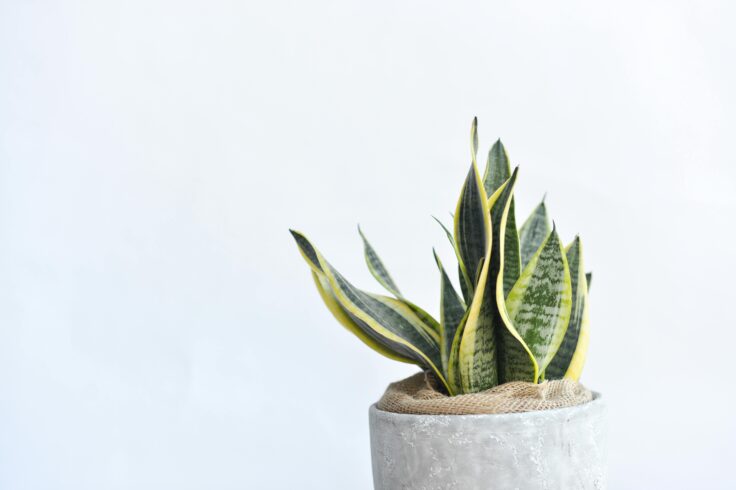
Snake Plant (Sansevieria): The Bedroom Champion
Here’s something special: snake plants actually release oxygen at night. Unlike most plants, they use CAM photosynthesis—absorbing CO2 while you sleep and pumping out fresh oxygen. That makes them perfect bedroom companions who work the night shift while you rest.
NASA rated snake plants highly for removing formaldehyde, benzene, trichloroethylene, and xylene. Translation? They tackle chemicals from your furniture, carpets, and cleaning products. And they’re nearly impossible to kill, which makes them ideal for beginners or anyone with a less-than-consistent care routine.
Water every 2-3 weeks, place them in low to bright indirect light, and they’ll thrive. Overwatering is the only real threat—yellow, mushy leaves mean you’re being too generous. These architectural beauties also add visual interest with their upright, sword-like foliage that fits modern and traditional décor equally well.
Good Tip!
Position your snake plant within 3 feet of your bed for maximum nighttime oxygen benefits—you’ll literally breathe cleaner air while sleeping.
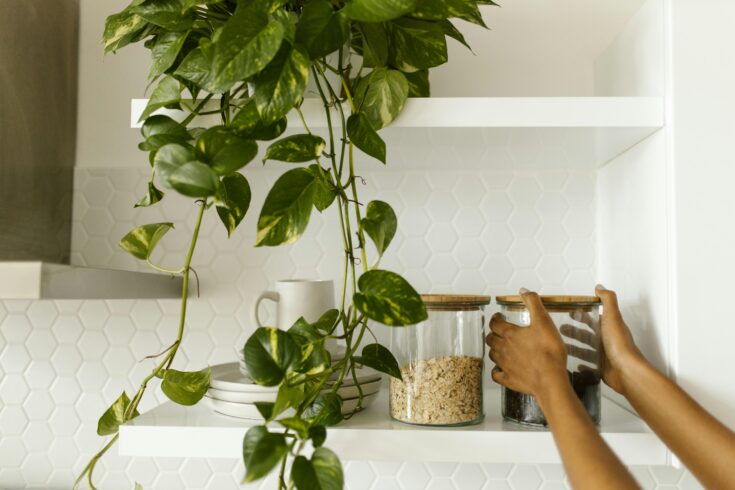
Pothos: The Versatile Toxin Fighter
Pothos earns its spot among NASA’s top air-purifying plants for removing formaldehyde, benzene, and xylene. But here’s the real advantage: it grows like crazy. A mature trailing pothos can stretch 20+ feet, creating massive leaf surface area for air filtration.
This plant adapts to almost any light condition and only needs water when the top 2 inches of soil dry out. Its flexibility makes it perfect for experimenting with different locations until you find the perfect spot. Even better? Snip a stem, stick it in water, and you’ll have new plants in weeks. One pothos becomes ten within months—expanding your air-purifying collection for free.
The cascading vines look stunning in hanging baskets or trained along shelves, making them both functional and decorative. They’re forgiving enough for busy professionals but rewarding enough for dedicated plant enthusiasts.
Spider Plant: The Family-Friendly Purifier
Got kids or pets? Spider plants are completely non-toxic, even if nibbled. They ranked highly in NASA studies for removing formaldehyde and xylene while producing oxygen-rich air. And they’re nearly indestructible, bouncing back from neglect with remarkable resilience.
These plants prefer bright indirect light but tolerate low light just fine. Water when the top inch dries, and they’ll reward you with “babies”—plantlets you can share or use to expand your collection. It’s like getting free plants as a thank-you for basic care.
Brown leaf tips? That’s usually fluoride in tap water. Switch to filtered water and the problem disappears. The arching, striped leaves create a fountain-like effect that softens any space while quietly filtering your air around the clock.
Peace Lily: The Low-Light Air Quality Star
Peace lilies topped NASA’s list for removing the most toxins—formaldehyde, benzene, trichloroethylene, ammonia, toluene, and xylene. That’s an impressive résumé for a single plant. Their large leaves create measurable humidity increases up to 5%, which helps your respiratory system function more comfortably.
They thrive in low to medium indirect light, making them perfect for offices and north-facing rooms where other plants struggle. They’ll even tell you when they’re thirsty by drooping dramatically—a built-in reminder system that takes the guesswork out of watering. Within hours of a good drink, they perk right back up.
Just note: they’re mildly toxic to pets, so keep them out of reach if you have curious cats or dogs. For households without animals, peace lilies represent one of the best indoor plants for air quality you can choose, combining multiple toxin-fighting abilities with elegant white blooms and minimal care requirements.
How Many Best Indoor Plants For Air Quality Do You Actually Need?
Getting the numbers right makes the difference between an effective air-cleaning strategy and just having pretty decorations. Too few plants won’t make a noticeable impact, while understanding the optimal density helps you maximize benefits without turning your home into an overwhelming jungle.
The Numbers Breakdown: What Science Actually Says
Here’s where things get real. NASA originally suggested 15-18 plants in 6-8 inch pots for an 1,800 square foot home. That might sound like a lot, but more recent research makes it simpler: aim for one plant per 100 square feet. For most people, that means 2-3 medium-sized plants per bedroom and 3-4 in your living areas.
The key word here is “medium”—a 12-18 inch plant with plenty of leaves does more work than three tiny desk plants. Bigger specimens with more leaf surface area actually count as 1.5-2 plants in terms of air-cleaning power. NASA researchers suggest efficient air cleaning is accomplished with at least one plant per 100 square feet of home or office space, giving you a concrete starting point for planning your indoor garden.
Room-by-Room Strategy: Put Plants Where They Work Best
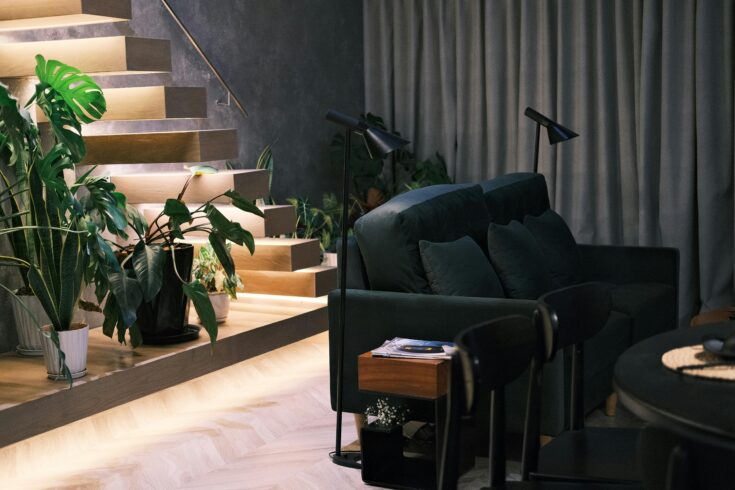
Not all rooms need the same plants, and strategic placement amplifies their effectiveness. Your bedroom benefits most from snake plants and aloe—they release oxygen at night while you sleep, directly improving your breathing during rest hours. Living rooms need larger specimens like rubber plants or dracaena positioned near TVs and furniture, which off-gas formaldehyde from their materials and finishes.
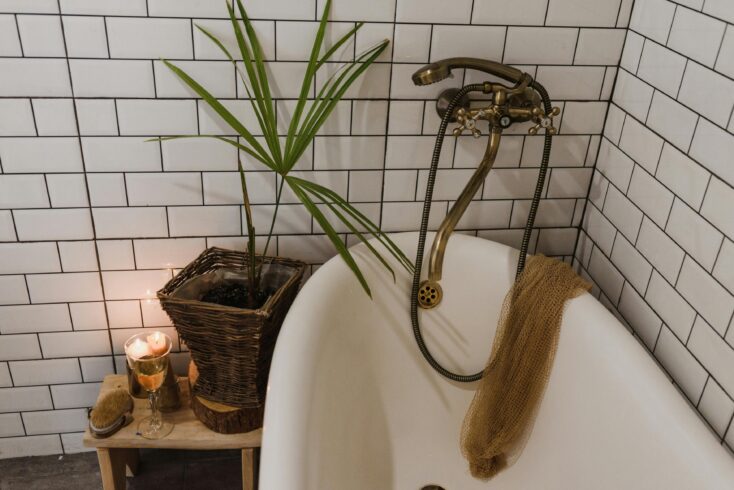
Kitchens should have spider plants or pothos near stoves to filter benzene from cooking fumes and gas appliances. Bathrooms love humidity-lovers like ferns that thrive in moisture while cleaning the air, taking advantage of conditions other plants might find challenging. This targeted approach means you’re fighting specific pollutants in the rooms where they’re most concentrated.
Maximize Effectiveness Without Breaking the Bank
Smart strategies multiply your results without multiplying your investment. Group your plants together—they create humidity microclimates that help each other work better through transpiration. Rotate them monthly so all sides get even light, promoting balanced growth and maximum leaf production.
Wipe leaves with a damp cloth once a month because dust blocks pores and cuts filtration by half. This simple maintenance task takes minutes but dramatically improves performance. Choose one large plant over several small ones—more leaf surface area means better air cleaning for the same amount of care.
Start with 3-5 high-impact plants in rooms where you spend most time, then propagate cuttings. A $50 starter investment can become 20+ plants within a year through simple propagation. This approach lets you gradually build an effective collection of the best indoor plants for air quality without straining your budget.
Good Tip!
Take a “before” photo of each room, add your plants, then snap an “after” shot two weeks later. You’ll actually see the visual transformation and stay motivated to maintain your indoor air quality garden.
Best Indoor Plants For Air Quality In Low Light Conditions
Not everyone has bright, sun-filled rooms. Maybe your apartment faces north, or your office sits far from windows. Good news—you don’t need blazing sunshine to enjoy cleaner air. Several of the best indoor plants for air quality actually prefer shade, having evolved in environments where direct sunlight rarely reaches.
Low-Light Champions That Still Clean Your Air
These shade-tolerant varieties prove that effective air purification doesn’t require a greenhouse. Pothos handles 50-75 foot-candles (think typical office lighting). Snake plants thrive in 100-200 foot-candles. Peace lilies bloom beautifully in 150-250 foot-candles. Philodendrons adapt to that same 150-250 range.
These plants evolved as understory species in tropical forests, growing beneath dense canopies. They’re naturally built for shade while still filtering your air effectively. This adaptation makes them perfect for apartments, offices, basements, and any other space where natural light is limited but air quality still matters.
What “Low Light” Really Means
Low light isn’t darkness—it’s 50-250 foot-candles. That’s the brightness you get from north-facing windows, rooms sitting 5+ feet from windows, or spaces lit only by artificial sources. Understanding this distinction helps you set realistic expectations.
Want to measure it? Download a free light meter app or try the shadow test. Hold your hand under the light source. If it casts only a faint shadow, you’re in low light territory. Your plants will survive but grow slowly. Rotate them to brighter spots monthly to give them a boost and maintain their air-purifying capacity.
Good Tip!
Use your smartphone’s camera to test light levels—if you need flash for a clear photo during daytime, your plants need more light too.
Making Air Purification Work in Dim Spaces
Size matters more in low light conditions. Choose mature, larger plants—they have energy reserves to maintain filtration even when photosynthesis slows. One big plant beats three small ones because established root systems and abundant foliage continue working efficiently despite reduced light.
Cluster 3-4 low-light tolerant plants together for cumulative effect. They’ll create their own microclimate while multiplying air-cleaning power in concentrated areas. Consider supplementing with full-spectrum LED grow lights for 12-14 hours daily. This adds 200-400 foot-candles and can boost purification capacity by 30-40%, essentially transforming a low-light space into a medium-light environment.
Browse low light air purifying indoor plants to find mature specimens ready to clean your space without requiring bright windows.
Mistakes That Kill Low-Light Plants
Even shade-lovers have limits. Don’t expect flowers in dim conditions. Peace lilies need medium light to bloom—they’ll survive in shade but won’t produce those elegant white spathes. If blooms matter to you, provide supplemental lighting or choose a brighter location.
Overwatering kills more low-light plants than anything else. When plants aren’t actively growing due to limited light, they use less water. Check soil before watering every time—it should be dry at least an inch down before you add moisture.
Never position plants more than 8 feet from any light source. Even shade-lovers need some illumination for basic photosynthesis and air purification. Complete darkness stops these processes entirely, turning your air-purifying plant into a struggling decoration.
Pet-Safe Best Indoor Plants For Air Quality: Non-Toxic Options
If you have pets, choosing the right air-purifying plants isn’t just about clean air—it’s about keeping your furry friends safe. The good news? You don’t have to sacrifice air quality for pet safety. Several highly effective plants naturally filter toxins without posing risks to curious cats or dogs who might investigate these new household additions.
The Best Pet-Safe Air Purifiers for Your Home
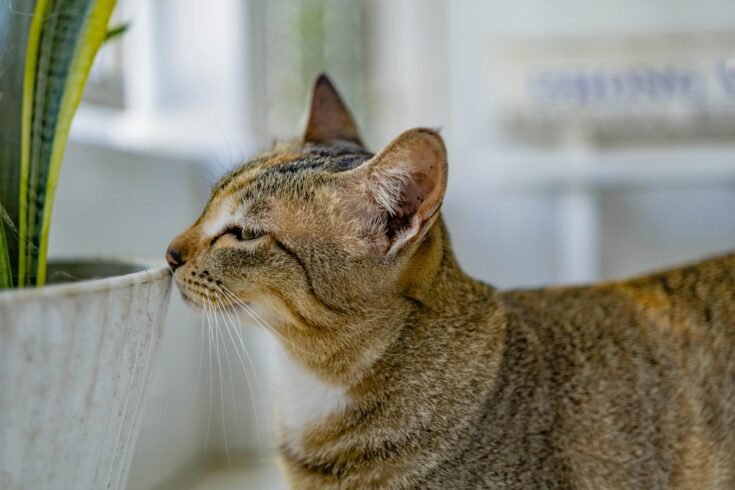
When it comes to pet safe air purifying plants, these options deliver real results without the worry. Spider plants top the list as completely non-toxic, even if your cat decides to nibble (and they often do—cats love these). Boston ferns work double duty as humidity boosters while staying safe for pets. Areca palms tackle xylene and toluene while remaining pet-friendly.
Bamboo palms earned NASA approval and won’t harm your animals. Parlor palms thrive in low light and pose zero toxicity risk. Prayer plants add gorgeous foliage with fascinating leaf movements without danger to pets. While these plants won’t harm pets, eating large amounts of any plant can still cause minor stomach upset—so discourage excessive munching when possible.
Good Tip!
Place aluminum foil around plant bases temporarily—most cats dislike the texture and sound, helping them learn to avoid your greenery without harsh corrections.
Common Air-Purifying Plants That Aren’t Pet-Friendly
Some of the best indoor plants for air quality unfortunately don’t mix well with pets. Understanding which ones pose risks helps you make informed decisions. Pothos contains calcium oxalates that cause mouth irritation and excessive drooling. Peace lilies trigger vomiting and difficulty swallowing in both cats and dogs. Snake plants lead to nausea if ingested.
Philodendrons create oral swelling and irritation that can be quite uncomfortable for your pet. Rubber plants cause stomach upset. If you love these plants for their superior air-cleaning abilities, don’t give up—just get strategic about placement to create safe zones.
Smart Placement Strategies for Pet Households
You can still enjoy powerful air purifiers by keeping them out of paw’s reach. Hanging planters work perfectly for trailing plants like pothos—cats simply can’t reach them when they’re suspended from the ceiling. High shelves positioned 18+ inches from edges prevent jumping access, even for athletic felines.
Creating a dedicated plant room behind a baby gate gives you a pet-free zone for your collection. Decorative plant stands that elevate pots 3-4 feet high work well for larger specimens. Home offices or guest rooms with closed doors become ideal spots for your air-purifying plants, letting you enjoy their benefits during work hours while keeping pets safe.
For more guidance on creating a pet-safe plant environment, check out The Best Air-Purifying Plants Safe for Children, Cats, and Dogs.
What to Do If Your Pet Eats a Plant
Despite your best efforts, accidents happen. Know your plants’ toxicity levels before bringing them home—prevention starts with awareness. Save the ASPCA Poison Control number (888-426-4435) in your phone right now so you’re prepared for emergencies. Watch for symptoms like excessive drooling, vomiting, or unusual lethargy.
If ingestion seems serious, bring a sample of the plant to your vet for quick identification and appropriate treatment. Most plant-related incidents involve only mild irritation, but quick action makes all the difference for truly toxic species. The ASPCA reports about 9,000 plant-related pet poisoning calls annually—but hanging planters alone reduce these incidents by 95%.

Caring For Your Best Indoor Plants For Air Quality: Maintenance Essentials
Your air-purifying plants work hard to clean your home, but they can only perform at peak efficiency when properly maintained. A struggling plant filters maybe half as much as a thriving one, so investing time in care directly translates to better air quality. Let’s make sure yours are operating at maximum capacity.
Watering Wisdom For Optimal Air Purification
Most people kill their plants with kindness—specifically, too much water. The “soak and dry” method works best for most of the best indoor plants for air quality. Water thoroughly until you see it drain from the bottom holes, then wait. Stick your finger into the soil. If the top 1-2 inches feel dry, it’s time to water again. This usually happens every 7-10 days, though frequency varies with season, humidity, and plant type.
Overwatering causes root rot. You’ll notice yellowing leaves and mushy stems—signs that roots are drowning. Underwatering shows up as brown, crispy leaf tips and wilting. Neither extreme helps your air quality. Healthy roots mean better filtration, so get your watering rhythm right and stick to it consistently.
Good Tip!
Use room-temperature water and let tap water sit overnight to let chlorine evaporate—your plants’ roots will thank you.
Light Requirements For Maximum Effectiveness
Even low-light plants need some light to purify your air effectively. Photosynthesis drives the processes that filter toxins, so adequate illumination is non-negotiable. Rotate your plants 90 degrees each week so all sides get equal exposure, promoting balanced growth. In winter, when natural light drops by 50%, move plants closer to windows to compensate.
If you’re getting less than 4 hours of natural light daily, consider a grow light. Watch for warning signs. Leggy growth with lots of space between leaves? That’s your plant stretching toward light it can’t find. It needs more illumination to filter air properly and maintain compact, healthy growth.
Leaf Maintenance For Air Quality
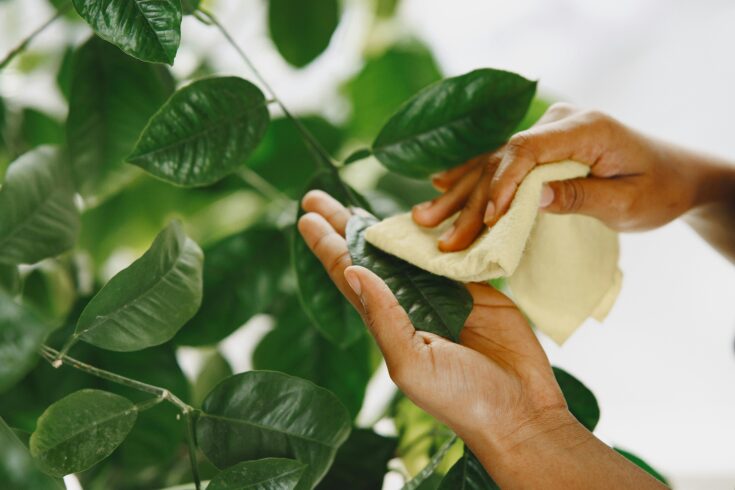
Here’s something most people don’t realize: dust on leaves blocks the tiny pores plants use to filter air. Studies show dusty leaves reduce purification by up to 50%. That’s like running your vacuum with a clogged filter—the machine runs, but effectiveness plummets.
Wipe leaves monthly with a damp microfiber cloth, supporting each leaf from underneath to prevent damage. Mist weekly to boost humidity and keep those pores clear. Every three months, give your plants a gentle shower in the tub. Prune dead or yellowing leaves right away—they’re not helping with air quality anyway and may actually harbor pests or disease.
Fertilizing And Repotting Schedules
Feed your best indoor plants for air quality with balanced liquid fertilizer (10-10-10 or 20-20-20) at half-strength monthly during spring and summer when growth is active. Skip feeding in fall and winter when growth naturally slows and nutrient uptake decreases. Over-fertilizing causes salt buildup that damages roots.
Repot every 18-24 months or when roots start circling the pot, which restricts growth and reduces air-cleaning capacity. Even if repotting isn’t needed, refresh the top 2 inches of soil annually. This simple maintenance keeps your natural air purifiers working at full capacity. For more plant care insights, check out 20 Plants To Help Purify the Air in Your Home.
With these maintenance essentials mastered, your indoor plants will thrive for years, continuously improving your home’s air quality while requiring only minutes of attention each week. The investment in care pays dividends in cleaner air, healthier living spaces, and the satisfaction of nurturing living things that actively contribute to your wellbeing.
Conclusion
Transforming your indoor air quality doesn’t require expensive purifiers or complicated systems—the best indoor plants for air quality offer a natural, beautiful, and scientifically-proven solution.
Start with NASA-tested champions like snake plants for bedrooms, pothos for versatile placement, spider plants for family-friendly spaces, and peace lilies for maximum toxin removal.
Remember that effectiveness scales with quantity, so aim for one plant per 100 square feet as your baseline, adjusting based on room usage and specific air quality concerns.
Whether you’re working with low light conditions, accommodating curious pets, or simply want low-maintenance greenery, there’s an air-purifying plant perfectly suited to your needs.
The key is consistent care—keep leaves dust-free, water appropriately, and provide adequate light to maintain optimal filtration capacity.
By strategically placing these living air filters throughout your home and maintaining them properly, you’ll create measurably cleaner air while enjoying the aesthetic and psychological benefits of connecting with nature indoors. Your healthier home starts with just a few well-chosen plants.
Frequently Asked Questions
Will air-purifying plants work if I have my windows open regularly?
Absolutely! Open windows provide natural ventilation, which is actually the best air cleaner. Plants complement this by targeting specific toxins and adding humidity. Together, they create a healthier environment than either method alone.
Can I use artificial plants to get the same air-purifying benefits?
Unfortunately, no. Fake plants only provide visual appeal. The air-cleaning magic happens through living processes—leaf absorption, root microbes, and soil filtration. Only real plants deliver actual air quality improvements.
How long does it take before I notice cleaner air from my plants?
Plants begin filtering immediately, but measurable differences typically appear within 2-4 weeks with adequate plant coverage. You might notice easier breathing, less stuffiness, and reduced odors as early signs.
Do I need to replace the soil in my air-purifying plants regularly?
Not frequently. Refreshing the top 2 inches annually and complete repotting every 18-24 months keeps microbes active. The root-soil zone does most filtration work, so maintaining healthy soil matters.
What’s the easiest air-purifying plant for complete beginners?
Snake plants win hands-down. They tolerate neglect, need minimal water, survive low light, and still filter multiple toxins. You’d practically need to try to kill one—perfect for testing your green thumb.
Can air-purifying plants help with cooking odors and pet smells?
They help modestly but aren’t odor eliminators. Plants filter chemical compounds over time, not immediate smells. Good ventilation, regular cleaning, and activated charcoal work better for odors while plants tackle invisible toxins.