
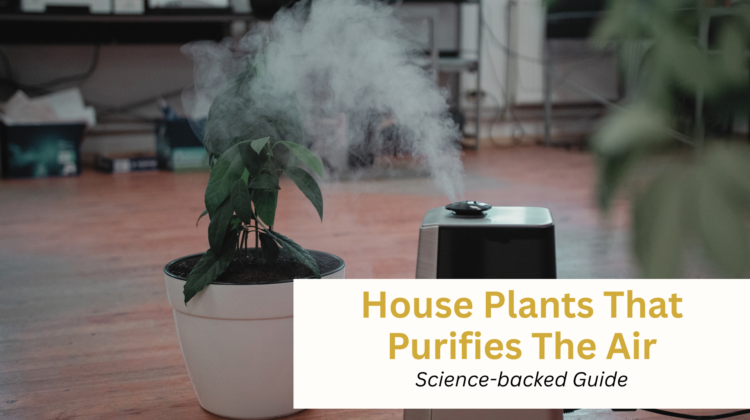
House plants that purifies the air—including pothos, snake plants, and peace lilies—can remove up to 87% of indoor air toxins within 24 hours when you place one plant per 100 square feet of living space.
We spend 90% of our time indoors, breathing recycled air that’s often 2-5 times more polluted than outdoor air. Certain house plants that purifies the air can naturally filter toxins like formaldehyde, benzene, and trichloroethylene—common chemicals found in everyday household items from furniture to cleaning products. NASA’s Clean Air Study first validated this phenomenon, proving scientifically that houseplants can effectively purify indoor environments.
Indoor air quality concerns affect millions: headaches, allergies, poor sleep, and general stuffiness plague many homes. The confusion around which plants actually work versus marketing hype, how many plants are needed for real impact, and whether these green additions fit into existing house plants design ideas without overwhelming limited space leaves many would-be plant owners uncertain. Plant lovers want cleaner air but don’t know where to start or worry about maintenance complexity.
This comprehensive, research-backed guide covers the most effective house plants that purifies the air, exactly how they work, how many you need per room, care requirements for each species, and practical styling tips that complement your home aesthetic. You’ll discover actionable plant recommendations, placement strategies, and care instructions to transform your indoor air quality naturally and beautifully.
Page Contents
How House Plants That Purifies The Air Actually Work
Your houseplants aren’t just sitting there looking pretty—they’re actively cleaning your air through a process called phytoremediation. Here’s how it works: plants absorb volatile organic compounds (VOCs) through tiny pores in their leaves and roots. Once inside, the plant’s natural metabolic processes break down these toxins into harmless byproducts. Think of it like a tiny chemical factory running 24/7 in your living room.
Common VOCs like formaldehyde from your furniture or benzene from cleaning products get pulled in and neutralized. This isn’t marketing hype—it’s basic plant biology working in your favor. As plants filter air, they also release moisture through transpiration, a natural process that can improve humidity levels by 5-10%. This directly benefits your respiratory health, meaning fewer airborne particles sticking around and easier breathing, especially during dry winter months.
The Real Heroes Are in the Soil
Here’s something that might surprise you: the plant itself only does about 10% of the air cleaning work. The real MVPs are the microorganisms living in the root zone. According to research from the University of Technology Sydney, these soil bacteria and fungi metabolize pollutants and account for up to 90% of the purification effectiveness. That’s why healthy soil matters so much—you’re not just feeding your plant, you’re supporting an entire ecosystem of pollution-fighting microbes.
This discovery changes how we should think about house plants that purifies the air. It’s not just about the leaves you see above the surface—it’s about creating an optimal environment for those underground workers. Use pots with drainage holes and well-draining soil to keep root-zone microbes healthy and oxygen-rich. They can’t metabolize pollutants effectively in waterlogged conditions, which means your plant’s purification power drops dramatically when the soil stays soggy.
Good Tip!
Use pots with drainage holes and well-draining soil to keep root-zone microbes healthy and oxygen-rich—they can’t metabolize pollutants effectively in waterlogged conditions.
Understanding how these natural air purifiers work helps you choose the right varieties for your space. Not all greenery delivers equal air-cleaning power, so you need plants backed by real science—not just pretty leaves.
Top House Plants That Purifies The Air With Proven Results
Snake Plant (Sansevieria): The Bedroom Champion
Snake plants are workhorses when it comes to purifying indoor air. They tackle formaldehyde and benzene—two nasty chemicals lurking in furniture, carpets, and cleaning products. What makes them special? They produce oxygen at night, unlike most plants that only work during daylight hours. This makes them perfect for your bedroom, where you’ll benefit from cleaner air while you sleep.
Research shows snake plants can remove 107 different types of toxins. They’re also nearly indestructible. Forget to water for weeks? They’ll forgive you. Low light? No problem. If you’ve killed every plant you’ve ever owned, start here. Their thick, upright leaves require minimal care while maximizing air purification capacity.
Pothos (Epipremnum aureum): The Beginner’s Best Friend
Pothos excels at removing formaldehyde—one of the most common indoor air pollutants. This trailing vine grows fast, looks beautiful in hanging baskets, and thrives in almost any light condition. Bright indirect light? Great. Dim corner? Still works.
New to plants? Pothos forgives nearly every beginner mistake. Overwatered it? It’ll probably survive. Forgot about it for two weeks? It bounces back. This natural air purifier grows quickly, giving you more air-cleaning leaf surface in less time. The more leaves it develops, the more toxins it removes, creating a compounding benefit as your plant matures.
Good Tip!
Propagate your pothos by cutting 4-6 inch stems and placing them in water. You’ll have new plants—and more air purification—in 2-3 weeks, completely free.
Peace Lily (Spathiphyllum): The Complete Package
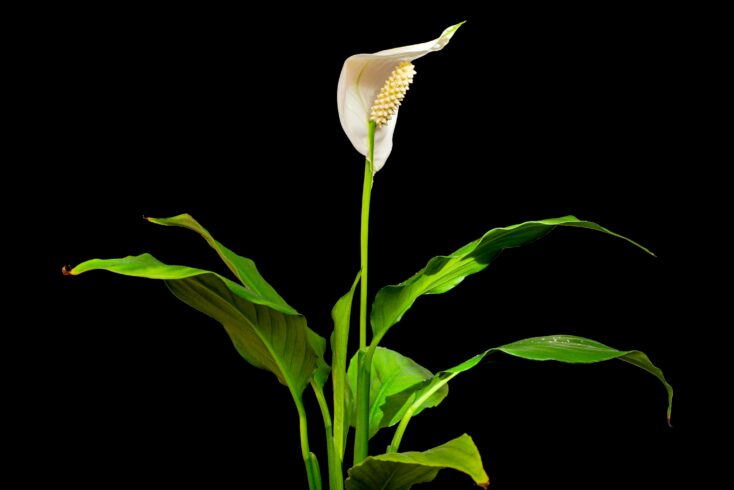
Peace lilies earned their spot on NASA’s list of best air-cleaning plants by removing all five major toxins tested. They handle formaldehyde, benzene, trichloroethylene, xylene, and ammonia—basically the full lineup of household nasties.
Beyond air purification, peace lilies produce gorgeous white blooms that add visual appeal to any space. They also communicate clearly about their needs. When they need water, they droop dramatically. Give them a drink, and they perk up within hours. This built-in indicator prevents both overwatering and neglect, making peace lilies one of the most user-friendly house plants that purifies the air.
Spider Plant (Chlorophytum comosum): The Pet-Safe Option
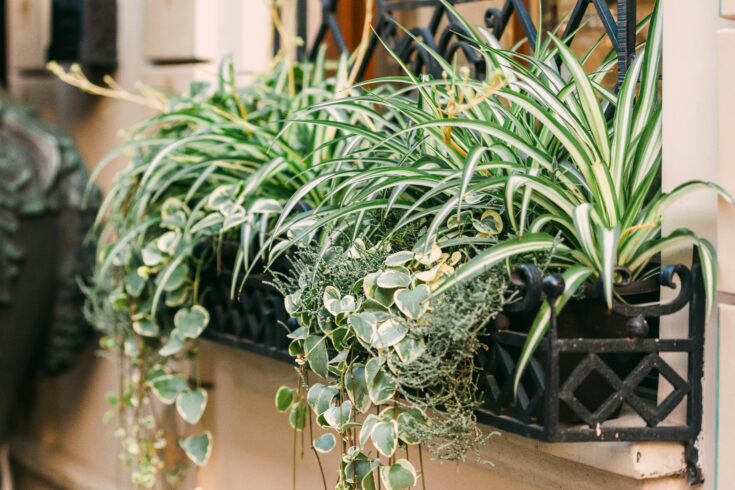
Spider plants removed 95% of formaldehyde from sealed test chambers in just 24 hours. They also tackle xylene, making them excellent choices for homes with new furniture or fresh paint. Their efficiency is particularly impressive given their minimal care requirements.
Got pets? Spider plants are non-toxic to cats and dogs—a huge advantage since many top air purifiers (like peace lilies) can make pets sick. They also produce baby plantlets on long stems, giving you free plants to spread throughout your home or share with friends. This means you can expand your air purification coverage without spending another dime.
Once you’ve chosen your plants, the next logical question becomes: how many do you actually need to make a difference?
How Many House Plants That Purifies The Air Do You Actually Need?
The Science-Based Starting Point
Here’s the straight answer: one plant per 100 square feet. Multiple studies back this baseline, making it easy to calculate your needs. Your average bedroom (around 150 square feet) needs 2-3 plants. Living rooms typically run about 300 square feet, so aim for 4-6 plants. Home offices? Stick with 2-3 plants for most spaces.
These numbers come from real research, not guesswork. NASA researchers suggest efficient air cleaning is accomplished with at least one plant per 100 square feet of home or office space. Read more about their findings. But here’s where it gets interesting—Wolverton Environmental Services actually recommends doubling that to 2 plants per 100 square feet for optimal results.
Good Tip!
Measure your room’s square footage by multiplying length times width. A 12×15 bedroom equals 180 square feet—meaning you need just 2 medium plants or one large floor plant to start purifying effectively.
Why Plant Size Changes Everything
Not all plants pack the same punch. One large floor plant with broad leaves can do the work of 2-3 smaller pots. It’s all about leaf surface area—more leaves mean more air filtering power.
Think of it this way: a 6-8 inch potted snake plant offers decent purification. But a tall floor plant in a 10-12 inch pot? That delivers 2-3 times more cleaning capacity. When you’re working with limited space, bigger really is better. This understanding helps you make strategic decisions about which house plants that purifies the air will give you the most bang for your buck.
Setting Realistic Expectations
Let’s be honest—house plants that purifies the air won’t fix severe air quality problems alone. They’re teammates, not solo performers. You still need proper ventilation, and you should reduce pollutant sources when possible.
Plants work best as part of your overall air quality strategy. Open windows regularly. Use exhaust fans. Choose low-VOC furniture and cleaning products. Then let your natural air purifiers complement these efforts. They’re highly effective at removing specific toxins over time, but they can’t compensate for poor ventilation or overwhelming pollution sources.
Smart Placement Without the Clutter
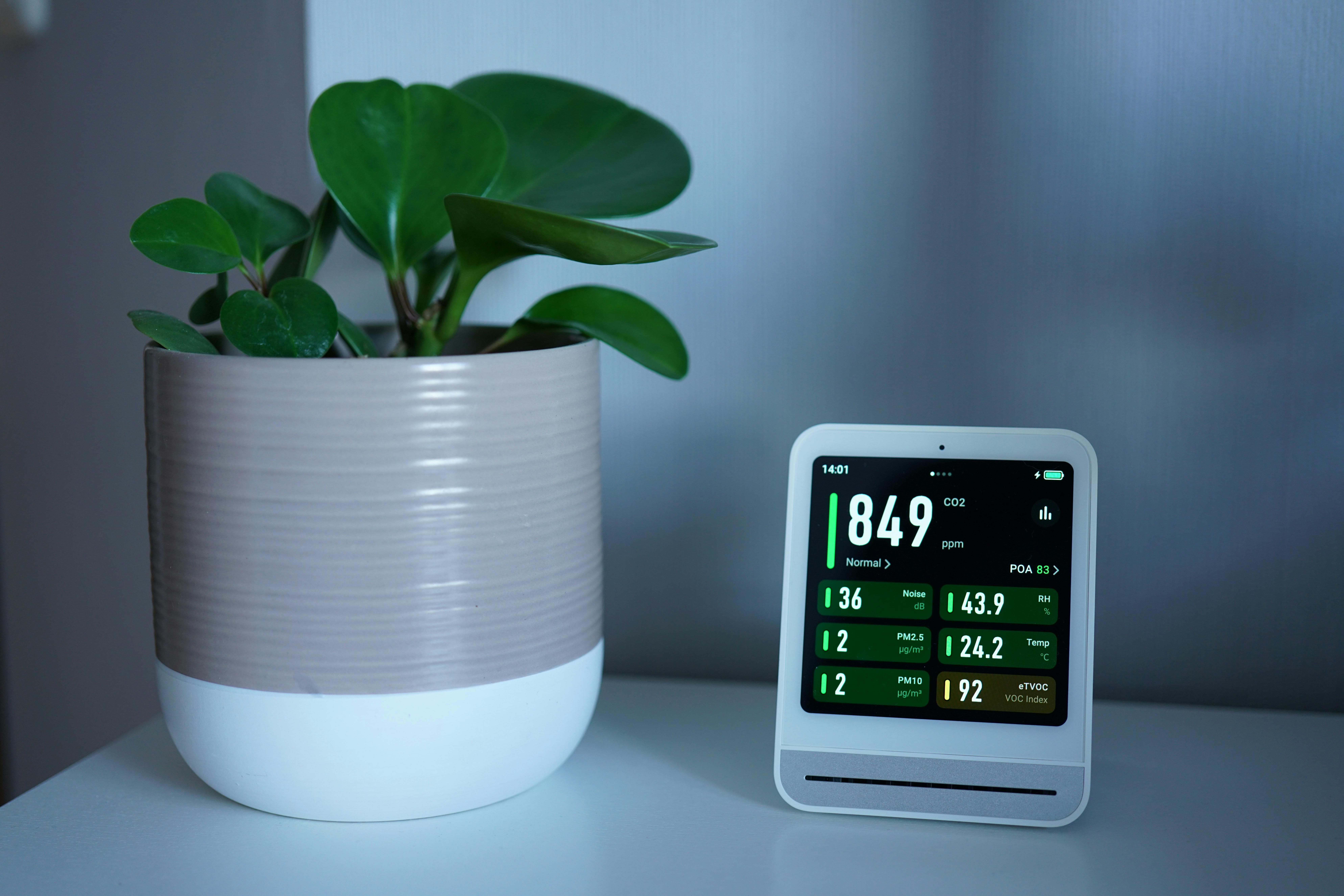
Strategic positioning maximizes your plants’ effectiveness while keeping your space stylish. Corners work beautifully for tall floor plants. Shelves showcase trailing pothos at different heights. Hanging planters create purification layers without eating up floor space.
Here’s the catch: more isn’t always better. Studies show diminishing returns after about 10 plants per average room. You hit a point where space and light become limiting factors. Focus on thoughtful placement rather than overcrowding. Quality distribution beats sheer quantity every time.
With the right number of plants selected, proper care becomes essential to maintaining their air-cleaning abilities.
Caring For Your Air-Purifying House Plants: Essential Tips
Matching Light Levels to Your Plant’s Needs
Not all air-purifying plants need a sunny window. Some actually prefer the shadows. Snake plants, pothos, and peace lilies are low-light champions that thrive in dim corners, north-facing rooms, or spaces far from windows. They’re perfect if you live in an apartment with limited natural light or want to purify a basement office.
Spider plants and rubber plants, on the other hand, crave bright indirect light—think a few feet from an east or west-facing window where they get plenty of brightness without harsh direct sun. Match your plant to your space’s light conditions, and you’ll see healthier growth and better air purification. A struggling plant can’t clean your air effectively, so this matching process is crucial.
Getting Watering Right (Because Most Plants Die From Too Much Love)
Here’s the hard truth: overwatering kills 90% of houseplants. We mean well, but that daily watering habit is drowning your natural air purifiers. Use the finger-test method instead—stick your finger two inches into the soil. If it feels dry, water thoroughly until it drains from the bottom. If it’s still moist, wait another day or two.
Peace lilies will dramatically droop when thirsty (then perk right back up after watering). Snake plants can go weeks between drinks. Yellowing leaves usually mean too much water, while brown crispy edges signal too little. Learn your plant’s specific signals, and you’ll avoid the biggest houseplant killer while keeping your air purification system running at peak efficiency.
Good Tip!
Water in the morning so excess moisture evaporates during the day, preventing root rot and fungal problems that compromise your plant’s air-cleaning abilities.
Soil Health: The Secret Behind Purification Power
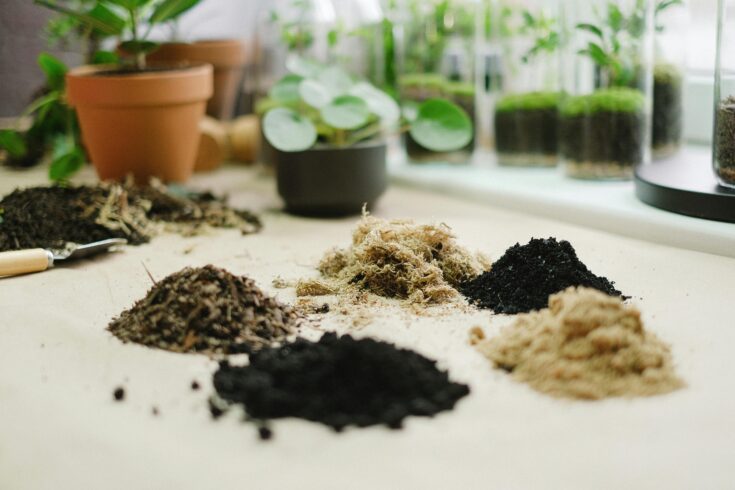
Remember, root-zone microbes do most of the actual toxin removal work. Those beneficial bacteria need oxygen-rich, well-draining soil to metabolize pollutants effectively. Use a quality potting mix (not garden soil) that contains perlite or orchid bark for drainage.
When roots start circling the pot’s bottom or poking through drainage holes, it’s time to repot—usually every 1-2 years. Choose containers with drainage holes to prevent waterlogged soil that kills those helpful microbes. For more detailed guidance on keeping your houseplants healthier, check out these plant care tips for cleaner indoor air. Healthy soil means robust microbial activity, which directly translates to better air purification.
Clean Leaves Equal Better Air Purification
Dust isn’t just unsightly—it blocks leaf pores and reduces purification by 20-50%. Once a month, gently wipe leaves with a damp cloth or give smaller plants a lukewarm shower. This simple task dramatically improves your plant’s ability to filter toxins.
While you’re cleaning, inspect for common pests like spider mites (tiny webs), mealybugs (white cottony spots), or fungus gnats (tiny flies in soil). Catch problems early with organic solutions like neem oil spray or insecticidal soap. Healthy, clean leaves mean maximum air-cleaning power for your home.
Beyond basic care, where you position your plants makes a significant difference in their effectiveness.
Strategic Placement: Where To Position House Plants That Purifies The Air
Target High-Pollutant Areas First
Not all spots in your home need air-purifying plants equally. Focus on areas where toxins concentrate. Place plants near pressed-wood furniture that releases formaldehyde—think bookshelves, cabinets, and particle board desks. Position a pothos or peace lily next to your printer or computer setup, since electronics emit ozone and VOCs.
Your kitchen benefits from spider plants or snake plants that tackle cooking fumes and grease particles. Bathrooms are mold hotspots, so add a humidity-loving fern or peace lily near the shower to combat spores and cleaning chemical residue. Targeting these pollution sources means your plants work smarter, not harder, maximizing the benefit you get from each house plant that purifies the air.
Bedroom Placement For Better Sleep
Your bedroom deserves special attention because you spend 6-8 hours breathing that air every night. Snake plants and orchids are bedroom superstars—they release oxygen after dark, unlike most plants. Position them on nightstands or dressers within sight of your bed.
Research from Kansas State University shows bedroom plants for better air can improve sleep quality by 6-10% through cleaner air and increased oxygen levels. Just keep plants dust-free and avoid overwatering to prevent mold, which triggers allergies. One medium snake plant per side of the bed creates a gentle purification zone without overwhelming a small space.
Good Tip!
Place your tallest air-purifying plant in the corner farthest from your bed to maximize air circulation while keeping your sleeping area uncluttered and calming.
Living Room And Office Arrangements
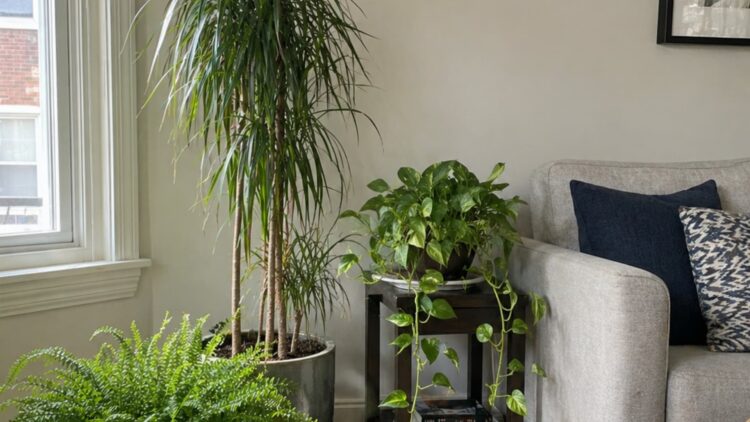
Living rooms and home offices blend function with style. Group natural air purifiers at different heights—a tall floor plant like a rubber tree, mid-height pothos on a stand, and a small spider plant on a shelf. This layered approach looks intentional while maximizing leaf surface area for purification.
Use statement floor plants as room dividers to create distinct zones in open layouts. The key is creating “breathing zones” within 6-8 feet of where you sit most. That’s your reading chair, your desk, or your couch. Learn more about how houseplants can purify your indoor air to position them effectively in high-traffic areas.
Avoid These Common Placement Mistakes
Even the best plants for clean air fail when positioned poorly. Keep plants away from heating and cooling vents—blasting air stresses them and disrupts their natural transpiration. Leave 6-12 inches between plants so air circulates freely around each one.
Direct hot sun through windows scorches leaves and weakens purification ability; opt for bright indirect light instead. Here’s a pro move: group 3 or more plants together. This creates a microclimate with higher humidity that boosts each plant’s health and collective air-cleaning power. Your plants will thrive, and you’ll breathe easier.
While cleaner air is the primary goal, house plants that purifies the air offer several unexpected bonuses worth considering.
Beyond Air Purification: Additional Benefits Of House Plants That Purifies The Air
Mental Health And Productivity Boosts
Your stress levels might drop just by adding a few plants to your workspace. Research from the University of Queensland found that office environments with greenery showed a 37% reduction in tension and anxiety. Even more impressive? Cortisol levels—your body’s main stress hormone—decrease by 15% when you’re around plants regularly.
But the benefits don’t stop at feeling calmer. The same research revealed a 15% productivity boost in workspaces with indoor air quality plants. Think about it: you’re breathing cleaner air, feeling less stressed, and getting more done. That’s a win across the board. Hospital studies back this up too—patients with plants in their rooms needed 15% less pain medication and recovered faster than those without greenery nearby.
Natural Humidity And Comfort Improvements
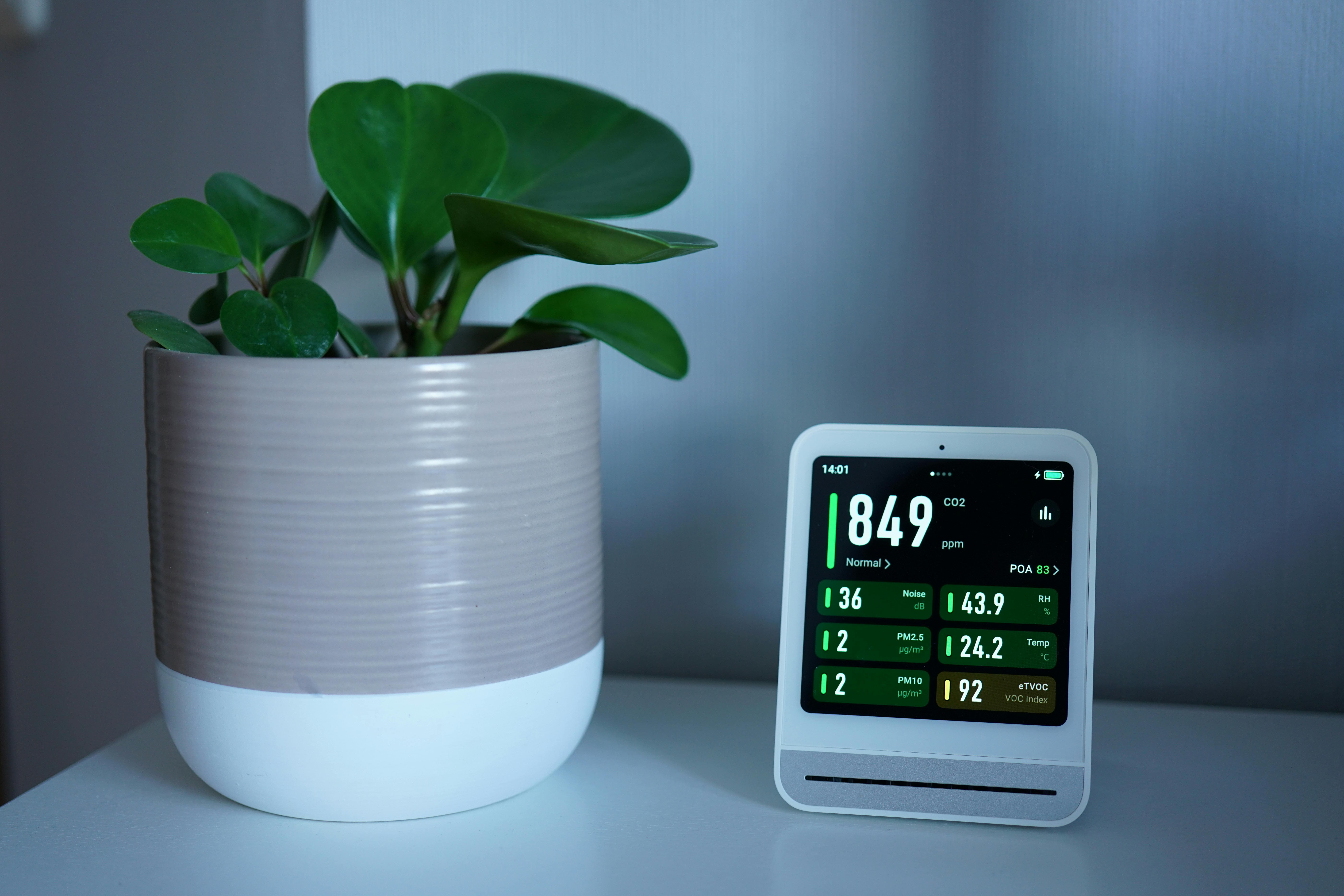
Dry indoor air wreaks havoc on your skin, throat, and sinuses, especially during winter months. Here’s where plants shine beyond just filtering toxins. They release about 97% of the water they absorb back into the air through transpiration. This natural process bumps indoor humidity up to that sweet spot of 40-60%—the range where you’ll breathe easier and your skin won’t feel like sandpaper.
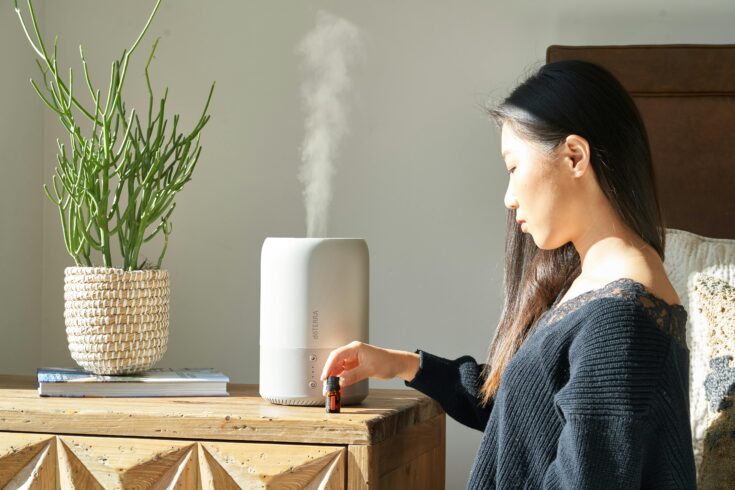
No need for noisy, electricity-guzzling humidifiers. Your best plants for clean air handle moisture regulation naturally while simultaneously removing pollutants. It’s a two-for-one deal that keeps your respiratory system happy without adding to your electric bill.
Good Tip!
Group 3-5 plants together in your driest rooms to create a humidity microclimate that benefits both you and the plants themselves.
Noise Reduction And Peaceful Spaces
Larger plants with dense foliage do something unexpected—they absorb sound. In rooms with hard surfaces like tile, wood floors, or lots of windows, background noise can bounce around and create a chaotic atmosphere. Adding substantial plants can reduce ambient noise by up to 5 decibels, which might not sound like much but makes a noticeable difference in how calm a space feels. This acoustic benefit combines beautifully with the stress-reducing visual presence of greenery.
Cost-Effectiveness Compared To Air Purifiers
Air purifiers cost anywhere from $50 to $800 upfront, then demand ongoing electricity and filter replacements that add up quickly. House plants that purifies the air? You buy them once. Water them regularly. Maybe repot them eventually. That’s it.
No filters to track down. No energy costs draining your wallet monthly. Just living, breathing natural air purifiers that get better with time. As your plants grow larger and produce more leaves, their purification capacity actually increases—the exact opposite of mechanical air purifiers that lose efficiency as filters get clogged. When you factor in the mental health benefits, humidity regulation, and aesthetic appeal, plants deliver value that extends far beyond simple air cleaning. They’re an investment that pays dividends across multiple aspects of your home environment.
Conclusion
Creating healthier indoor air doesn’t require expensive purifiers or complicated systems—house plants that purifies the air offer a natural, beautiful, and scientifically-proven solution.
Start with one plant per 100 square feet using proven performers like snake plants, pothos, peace lilies, and spider plants that remove formaldehyde, benzene, and other common toxins.
Remember that root-zone microorganisms do most purification work, so maintain healthy soil with proper watering and adequate drainage. St
rategic placement near pollution sources like furniture, electronics, and kitchens maximizes effectiveness, while regular leaf cleaning maintains optimal purification capacity.
Beyond cleaner air, you’ll enjoy reduced stress, improved humidity, better sleep quality, and the satisfaction of nurturing living greenery that actively works for your wellbeing.
Ready to transform your indoor air quality? Start small with 2-3 beginner-friendly air-purifying plants in your most-used rooms, choose species that match your light conditions and lifestyle, then expand your collection as you gain confidence. Incorporate these selections into your broader house plants design ideas to create spaces that are both stunning and health-supporting.
Frequently Asked Questions
Do air-purifying plants really work, or is it just a myth?
Yes, they work, but set realistic expectations. Plants genuinely remove toxins through phytoremediation, with soil microbes doing most of the heavy lifting. However, they work best as part of an overall air quality strategy alongside ventilation and reducing pollution sources.
Can I keep air-purifying plants if I have pets?
Absolutely! Spider plants are completely non-toxic to cats and dogs and excel at removing formaldehyde. However, avoid peace lilies and some other varieties that can make pets sick. Always check plant toxicity before bringing greenery into pet-friendly homes.
How long does it take for plants to start cleaning my air?
Plants begin filtering air immediately, but noticeable results take 2-3 weeks as root microbes establish and leaf surface area increases. Spider plants removed 95% of formaldehyde in just 24 hours during controlled tests, showing their effectiveness works quickly.
What happens if I forget to water my air-purifying plants?
Snake plants and pothos are extremely forgiving and survive weeks of neglect. Peace lilies visibly droop when thirsty but recover quickly after watering. Choose hardy varieties if you’re new to plants or have a busy schedule.
Will plants help with allergies and asthma?
They can help by removing airborne toxins and adding humidity, which reduces respiratory irritation. However, keep leaves dust-free and avoid overwatering to prevent mold growth, which actually triggers allergies. Clean plants support better breathing.
Do I need expensive equipment to keep air-purifying plants healthy?
Not at all. You just need basic potting soil, containers with drainage holes, and tap water. Unlike mechanical air purifiers requiring filters and electricity, plants are one-time purchases with minimal ongoing costs.