
Page Contents
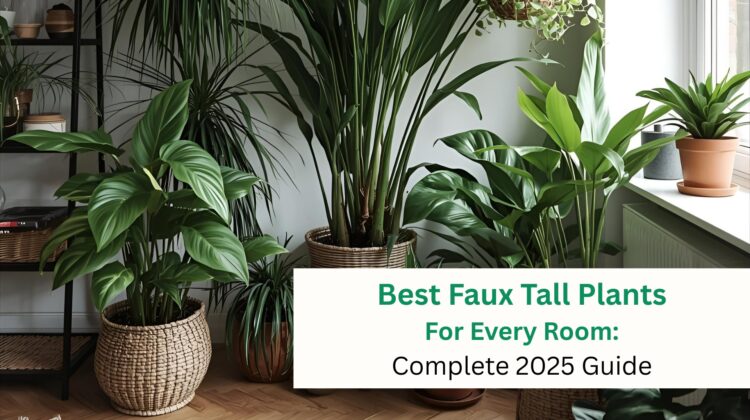
Best Faux Tall Plants for Every Room: Complete 2025 Guide
High-quality faux tall plants offer the perfect solution for anyone wanting beautiful, low-maintenance greenery that provides instant visual impact without watering, pruning, or plant care knowledge.
Picture walking into a beautifully designed space filled with lush, towering greenery that never needs watering, never drops leaves, and looks stunning year-round. The best faux tall plants have revolutionized interior design, offering all the visual impact of living plants without the maintenance headaches that keep busy homeowners awake at night.
Whether you’re dealing with low-light spaces, frequent travel, plant allergies, or simply want fool-proof greenery that thrives in any condition, artificial tall plants solve the age-old problem of wanting beautiful botanical elements without the commitment. Many people struggle with keeping real plants alive, spending hundreds on replacements, or feeling guilty about their black thumb.
This comprehensive guide reveals everything you need to know about selecting, styling, and maintaining faux tall plants that look so realistic, even plant enthusiasts will do double-takes. You’ll discover the top varieties, styling secrets, and insider tips to create stunning green spaces that require zero plant care experience.
Types of Realistic Faux Tall Plants That Fool Everyone
The world of artificial plants has come a long way from those obviously fake plastic specimens your grandmother kept in her living room. Today’s best fake plants that look real feature incredible details that make even seasoned plant lovers pause for a second look. Let’s explore the top varieties that consistently fool guests and bring instant style to any space.
Artificial Fiddle Leaf Fig Trees
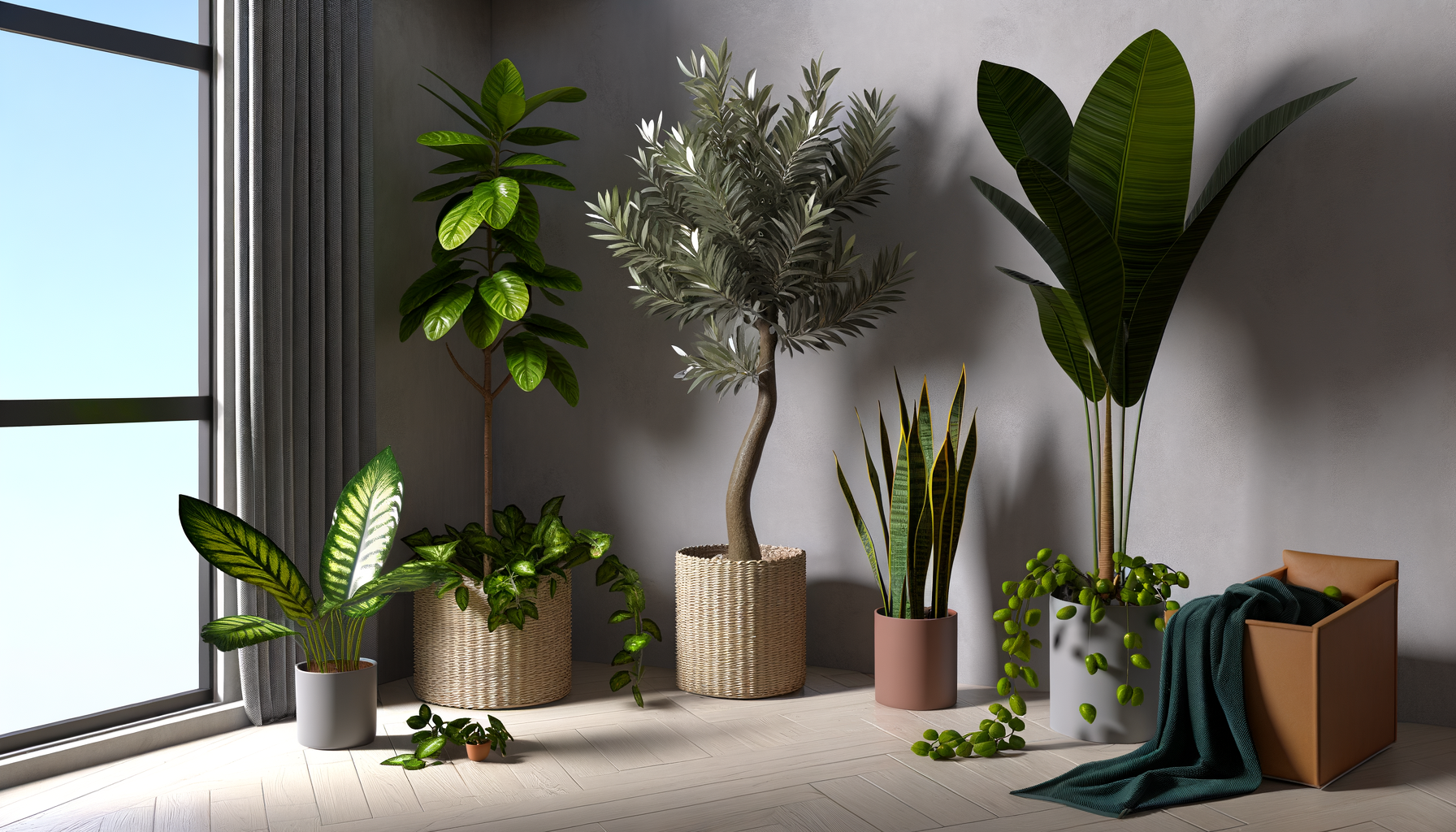
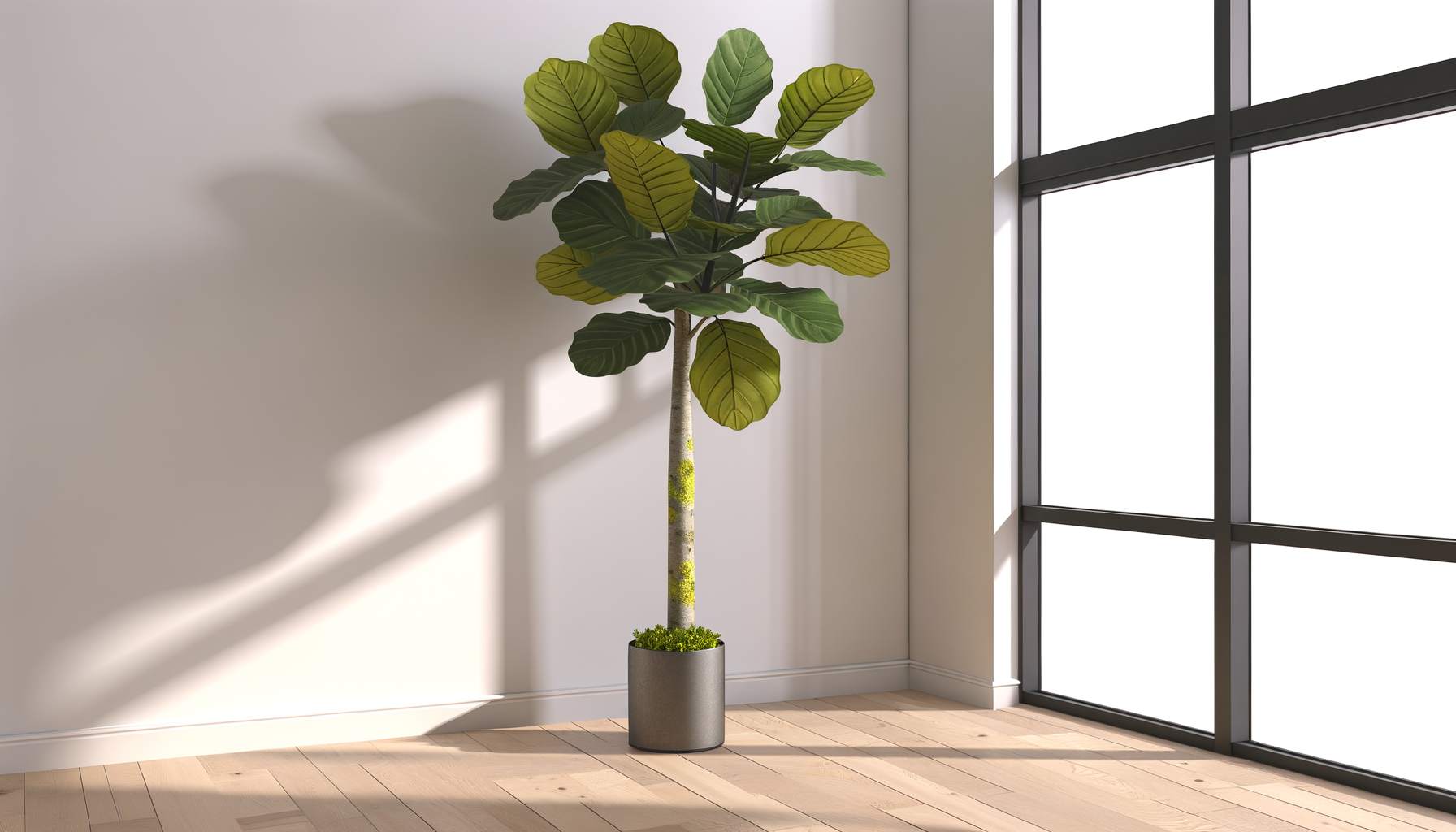
Nothing says “Instagram-worthy interior” quite like a fiddle leaf fig, and the artificial versions have mastered this trendy look perfectly. These show-stopping trees typically reach 6-8 feet tall, making them ideal focal points for living rooms or entryways.
The key to their realistic appeal lies in the leaf construction. Premium versions feature hand-painted veining, subtle color variations from deep forest green to lighter lime tones, and that distinctive glossy finish real fiddle leaves are famous for. The large, violin-shaped leaves often include realistic imperfections like small brown spots or slightly curled edges that mirror what you’d see on a living plant.
Many homeowners choose these as their first artificial tall plants for home because they solve the notorious “fiddle leaf fig drama” – no more worrying about perfect lighting, humidity levels, or those dreaded brown spots that plague real ones.
Fake Olive Trees
Bring Mediterranean elegance to your space without the mess of real olive trees dropping leaves everywhere. These beauties typically stand 5-7 feet tall and feature that distinctive gnarled trunk texture that makes them instantly recognizable.
The magic happens in the foliage details. Quality fake olive trees showcase those characteristic silvery-green leaves with realistic color gradients – darker green on top, silvery underneath. The branches often include small artificial olives or buds for added authenticity. The twisted, weathered trunk appearance comes from careful hand-painting and texturing that mimics years of Mediterranean sun exposure.
These work exceptionally well in modern farmhouse or coastal decor styles, and they’re perfect for spaces where you want that relaxed, European villa vibe without worrying about proper drainage or seasonal care.
Good Tip!
Look for artificial trees with multiple trunk diameters and varying branch thicknesses – this natural irregularity is what separates realistic faux plants from obviously fake ones.
Faux Palm Varieties
Transform any room into a tropical paradise with artificial palms that capture that vacation resort feeling year-round. The most popular varieties include areca palms with their feathery fronds, elegant kentia palms with broader leaves, and dramatic phoenix palms with their architectural appeal. These typically range from 6-10 feet tall, making them perfect statement pieces.
The realism comes from attention to frond details. Quality versions feature individual leaflets that move naturally, realistic brown tips (just like real palms get), and that slightly droopy, relaxed appearance that living palms develop over time. The trunks often include realistic fiber texturing and natural color variations from tan to deep brown.
Areca palms work beautifully in corners where you need height and fullness, while kentia palms offer a more refined, hotel-lobby elegance. Phoenix palms make bold statements in modern spaces with their dramatic, spiky silhouette.
Artificial Snake Plants (Sansevieria)
For those who love clean, architectural lines, tall snake plants deliver serious style impact. These sculptural beauties reach 4-6 feet in height and bring that trendy, minimalist vibe that works in everything from modern lofts to traditional homes.
The realistic versions nail the thick, succulent texture that makes real snake plants so distinctive. Look for varieties with realistic marbling patterns, those characteristic yellow edges, and the slightly tapered leaf tips. Quality artificial snake plants often include multiple heights within the same pot, mimicking how real ones grow in clusters.
What makes these particularly appealing is their versatility – they look equally at home in a sleek office setting or a cozy bedroom corner. Plus, many people appreciate having the snake plant aesthetic without worrying about the plant’s toxic properties around pets or children.
For more inspiration on incorporating artificial plants that look incredibly realistic into your home design, interior designers often recommend starting with one statement piece and building your green oasis from there.
How to Choose High-Quality Faux Tall Plants That Look Real
Shopping for artificial plants can feel overwhelming when you’re staring at dozens of options that all claim to look “real.” The truth is, not all faux tall plants are created equal. Knowing what separates the convincing from the obviously fake can save you from buyer’s remorse and help you create stunning spaces that fool even your plant-loving friends.
Material Quality Indicators
The materials used in construction make or break the realism of artificial tall plants for home decor. Start by examining the leaves closely. High-quality options feature silk or premium polyester leaves with natural texture variations, while cheap alternatives use shiny plastic that screams “fake” from across the room. Run your fingers along the foliage – realistic leaves should feel soft and pliable, not stiff or waxy.
Don’t overlook the trunk and stem construction either. Quality faux plants feature realistic bark textures with natural imperfections, color variations, and even moss or aging details. The base should feel substantial and weighted, providing stability without looking like an obvious plastic pot. These weighted bases prevent tipping and give your plant the grounded appearance of something that’s actually growing.
Size and Proportion Guidelines
Getting the scale right is crucial for believability. A common mistake is choosing plants that overpower your space or look comically small. For standard 8-foot ceilings, stick to plants that max out around 6 feet tall. This leaves breathing room and maintains proper proportions that feel natural rather than cramped.
Consider the width too – a 7-foot fiddle leaf fig needs adequate floor space to look authentic. Measure your intended spot before shopping, and remember that large artificial plants for living room spaces should complement, not compete with, your furniture. When in doubt, slightly smaller often looks more intentional than oversized.
Good Tip!
Before buying, use painter’s tape to outline the plant’s footprint on your floor and mark the height on your wall – this simple trick prevents expensive sizing mistakes.
Color Authenticity Markers
Real plants aren’t uniform green, and neither should your faux tall plants be. Look for foliage that incorporates multiple shades – from deep forest greens to lighter lime tones, with touches of yellow or brown that mimic natural aging. The best fake plants that look real feature subtle color gradients within individual leaves, just like you’d find in nature.
UV-resistant materials are non-negotiable if your plant will be near windows. Quality manufacturers treat their products to prevent fading, ensuring your investment maintains its realistic appearance for years. Check product descriptions for UV-resistance guarantees, and avoid options that don’t mention this crucial feature.
Construction Details That Matter
The devil is in the details when it comes to realistic construction. Bendable branches allow you to adjust and customize your plant’s shape, creating the natural asymmetry that real plants develop over time. Rigid, perfectly positioned branches are dead giveaways of artificial construction.
Examine the foliage density carefully. Quality plants layer leaves at varying depths and angles, creating the full, lush appearance of healthy growth. Sparse or uniformly spaced leaves look obviously manufactured. The root system or trunk base should also show realistic details – exposed roots, natural flaring, or authentic soil textures all contribute to the overall illusion. For more insights on achieving authentic-looking artificial plants, this comprehensive guide offers additional expert tips on selection and styling.
Best Rooms and Spaces for Styling Faux Tall Plants
Living Room Focal Points
Your living room craves that perfect statement piece, and faux tall plants deliver instant wow factor without the stress. Corner placement works magic – tuck a 6-foot fiddle leaf fig into that awkward empty corner and watch it transform the entire space. Flanking your sofa or entertainment center with matching artificial tall plants for home creates symmetry that feels intentional and polished. For open floor plans, use large artificial plants for living room as natural room dividers that define spaces without blocking light or conversation flow.
Bedroom Sanctuary Creation
Turn your bedroom into a peaceful retreat with strategically placed faux tall plants that never disturb your sleep. Position a tall snake plant behind your headboard to create depth and visual interest without worrying about nighttime oxygen levels or plant care routines. Reading nooks come alive with a graceful artificial palm in the corner, instantly making your space feel like a spa retreat. The best fake plants that look real work perfectly here because they maintain their calming presence 24/7 without dropping leaves on your pillows.
Good Tip!
Place faux tall plants at least 18 inches from your bed to create visual breathing room while maintaining the calming effect of greenery in your sleep space.
Office and Workspace Enhancement
Professional environments demand greenery that looks sharp and stays consistent. Faux tall plants solve the office dilemma perfectly – no maintenance schedules, no allergy concerns, and no worries about vacation plant-sitting. Position them near conference tables or reception areas where they make powerful first impressions. Home improvement experts recommend artificial options for workspaces because they maintain their professional appearance regardless of lighting conditions or HVAC systems.
Entryway and Hallway Impact
First impressions happen in seconds, and your entryway sets the tone for your entire home. High-traffic hallways and dim entryways challenge real plants, but faux tall plants thrive in these conditions. A stunning 7-foot olive tree by your front door creates immediate curb appeal from inside. Narrow hallways benefit from tall, slender options like artificial snake plants that add vertical interest without crowding the walkway.
Styling Secrets: Making Faux Tall Plants Look Naturally Placed
Pot and Planter Selection
The right container can make or break your faux tall plants display. Skip the obvious plastic pots that scream “fake” and invest in planters that match your room’s style. Natural materials like wicker baskets, ceramic pots, or wooden planters work wonders for creating authenticity. The key is choosing containers that look like they belong in your space, not like they just came from a store shelf.
Size matters too. Your planter should be proportional to both your plant and room. A massive fiddle leaf fig looks silly in a tiny pot, while a delicate artificial snake plant gets lost in an oversized planter. Aim for containers that are about one-third the height of your plant for the most natural appearance.
Layering Techniques
Real gardens don’t have plants all the same height, so why should your artificial arrangements? Create depth by combining different heights and textures throughout your space. Place a tall faux palm next to a medium-height artificial olive tree, then add a shorter plant at the base. This layering trick fools the eye into seeing a natural, organic arrangement.
Mix textures too. Pair broad-leafed plants with spiky varieties, or combine smooth foliage with textured bark. The contrast creates visual interest and mimics how plants naturally grow together outdoors.
Good Tip!
Add real moss or decorative stones to the top of your planters to hide any fake soil and create an authentic finished look that even plant experts will admire.
Realistic Placement Strategies
Perfect symmetry is nature’s enemy. Avoid placing your large artificial plants for living room in perfect pairs or straight lines. Instead, use odd numbers – groups of three or five work beautifully. Position plants at slightly different angles and distances from walls to create natural sight lines that draw the eye around the room.
Think about how real plants would actually grow in your space. They’d lean toward light sources and have some imperfections. Angle your artificial plants slightly toward windows or lamps, and don’t be afraid to bend a branch here or there for that lived-in look.
Seasonal Styling Updates
Keep your faux plant displays fresh by adding seasonal touches throughout the year. Tuck in some decorative branches with berries for fall, add string lights during winter holidays, or include flowering branches for spring. These temporary elements make your artificial tall plants for home feel current and intentional.
You can also rotate accessories like decorative stones, seasonal ornaments, or even small real plants around the base. This simple trick keeps your display looking dynamic and prevents that “set it and forget it” artificial appearance.
Maintenance and Care for Long-Lasting Faux Tall Plants
Your investment in beautiful faux tall plants deserves proper care to maintain their realistic appearance for years. Unlike living plants that need water and fertilizer, artificial plants require different maintenance strategies to keep them looking fresh and vibrant.
Cleaning Routines
Dust is the biggest enemy of artificial tall plants for home decor. Start with weekly light dusting using a microfiber cloth or feather duster, working from top to bottom. For monthly deep cleaning, use a damp cloth with mild soap solution on leaves and branches. Silk plants benefit from gentle vacuuming with a brush attachment on low suction. For stubborn dirt, try compressed air to blow dust from crevices between leaves and stems.
Good Tip!
Mix one tablespoon of fabric softener with water in a spray bottle for monthly cleaning. This creates an anti-static barrier that repels dust longer than soap alone.
UV Protection Strategies
Sunlight fades even the best fake plants that look real. Position your large artificial plants for living room away from south-facing windows where direct sunlight hits for hours. UV-resistant sprays create an invisible protective layer on leaves and stems. Apply these sprays every six months, especially for plants near windows. Consider rotating your plants occasionally so all sides receive equal light exposure.
Storage and Seasonal Rotation
Proper storage prevents crushing and shape distortion during off-seasons or moves. Wrap branches individually in tissue paper before storing in upright boxes. Never store plants in damp basements or hot attics where temperature extremes damage materials. For seasonal rotation, clean and care for your artificial plants before storing to prevent dirt from setting in during storage periods.
Refreshing Techniques
Even quality faux tall plants need occasional refreshing to maintain their natural appearance. Gently bend and reshape branches monthly to prevent permanent creases. Fluff leaves by hand, separating any that stick together. Replace worn components like damaged leaves or faded flowers rather than replacing entire plants. Steam cleaning works wonders for silk plants, restoring their original texture and removing stubborn odors.
Conclusion
The world of faux tall plants has evolved dramatically, offering incredibly realistic options that solve the eternal struggle between wanting beautiful greenery and maintaining living plants. Key takeaways include investing in quality materials with multi-toned leaves, choosing appropriate sizes for your space, styling naturally using triangular arrangements, and maintaining through regular dusting and UV protection. Start by measuring your space, identifying your style preferences, and investing in one high-quality faux tall plant as your foundation piece for stress-free botanical beauty year-round.
Frequently Asked Questions
How can I tell if a faux plant is high quality before buying online?
Look for detailed product photos that show leaf textures and stem construction up close. Quality manufacturers will highlight features like UV-resistant materials, weighted bases, and varied leaf coloring. Also check customer reviews specifically mentioning realism and durability.
Won’t people know my plants are fake right away?
Today’s premium artificial plants are incredibly realistic, especially when properly styled and maintained. The key is choosing high-quality pieces, placing them naturally, and keeping them clean. Most guests won’t notice unless they physically touch the plants.
How long do artificial plants typically last?
With proper care and maintenance, high-quality faux plants can maintain their appearance for 5-7 years or longer. The lifespan largely depends on exposure to direct sunlight, regular cleaning, and careful handling. UV-resistant materials will last significantly longer than untreated options.
Are expensive faux plants really worth the investment?
While premium artificial plants have a higher upfront cost, they often prove more economical over time compared to repeatedly replacing real plants or lower-quality faux options. High-end faux plants require minimal maintenance, never die, and maintain their appearance for years when properly cared for.
Can I put artificial plants outdoors on my porch?
Only if they’re specifically designed for outdoor use. Regular indoor artificial plants will fade, deteriorate, and possibly mold when exposed to weather elements. Look for products labeled “UV-resistant” and “weather-safe” for outdoor spaces.
How do I keep my artificial plants from looking dusty and dull?
Regular maintenance is key – dust weekly with a microfiber cloth or feather duster, and deep clean monthly with a damp cloth and mild soap solution. Using fabric softener in your cleaning solution helps prevent static that attracts dust. Rotate plants periodically to ensure even exposure and wear.
Sources
- Grand View Research, Artificial Plants Market Size Report
- Artificial Plant Shop Study, Consumer Preferences in Artificial Plant Design
- Interior Design Magazine Survey, Designer Preferences for Artificial vs. Live Plants
- Home & Garden Research Institute, Longevity Study of Artificial Plant Materials