
Plants with big leaves like Monstera, Fiddle Leaf Fig, and Bird of Paradise thrive indoors with proper light, consistent watering, and humidity levels between 50-60%, creating dramatic focal points while purifying your air.
Walking into a room where a single plant commands attention—its massive, architectural leaves creating dramatic shadows and an instant jungle vibe—is an unforgettable experience. Plants with big leaves have become the darlings of interior design, transforming ordinary spaces into lush, magazine-worthy sanctuaries with minimal effort. Whether you’re scrolling through Instagram or visiting a trendy café, you’ll notice these bold beauties stealing the spotlight, and there’s a scientific reason why: large-leaved plants make spaces feel more alive, improve air quality significantly, and create that coveted biophilic connection we all crave.
But here’s where many plant lovers hit a wall—choosing the right big-leaved plant for your specific space, light conditions, and lifestyle can feel overwhelming. Will that gorgeous Monstera actually thrive in your north-facing apartment? How do you keep those stunning leaves from turning brown and crispy? And what about pets—are these statement plants safe for your curious cat? Beyond selection, caring for large-leaved plants requires understanding their unique needs, from humidity requirements to proper cleaning techniques that keep those impressive leaves looking their best.
This comprehensive guide walks you through the best big-leaved varieties for every home environment, complete with specific care instructions, troubleshooting tips for common issues, and creative styling ideas that maximize their architectural impact. Whether you’re a beginner looking for forgiving options or an experienced plant parent ready to tackle more challenging specimens, you’ll discover exactly which plants with big leaves will transform your space and how to keep them thriving year-round.
Page Contents
Why Plants With Big Leaves Transform Your Indoor Space
They Create Instant Drama and Reduce Stress
Large leaf houseplants work like living sculptures in your home. A single statement plant can completely change how a room feels, shifting the entire atmosphere with its bold presence. Studies show that bigger plants reduce stress levels by 37% more than smaller varieties. That’s not just aesthetic appeal—it’s measurable mental health benefits you can feel the moment you walk through the door.
These architectural indoor plants naturally draw your eye upward, making ceilings feel higher and rooms more spacious. Instead of investing in expensive artwork, one well-placed Monstera or Bird of Paradise becomes your focal point. The dramatic shadows those oversized leaves cast throughout the day add movement and interest without any effort on your part, creating an ever-changing display as natural light shifts.
They Purify Your Air More Effectively
Here’s something most people don’t realize: bigger leaves mean better air quality. NASA’s Clean Air Study found that leaf surface area directly correlates with air filtration power. Plants with big leaves like Rubber Trees and Philodendrons can remove up to 87% of air toxins within 24 hours.
Each square inch of those giant leaves processes carbon dioxide and releases oxygen. The math is simple—more leaf surface equals cleaner air. If you’re choosing between a small plant and a large-leaved variety for your bedroom or home office, the big-leaved option delivers significantly better air purification. This becomes especially noticeable in smaller spaces where a single plant can make a tangible difference in how fresh the air feels.
They Boost Your Productivity and Creativity
Working from home? Tropical plants with large leaves aren’t just decoration—they’re productivity tools. Research shows that incorporating these plants increases productivity by 15% and creativity by 45% in home offices.
Why such dramatic results? These plants mimic the forest canopy our ancestors evolved under. Your brain recognizes this pattern and triggers subconscious relaxation responses. You feel calmer, think more clearly, and come up with better ideas. It’s biophilic design in action, and it’s why plants with big leaves have dominated interior design trends recently.
They Naturally Improve Your Environment
Beyond their visual appeal, plants with big leaves do double duty as sound dampeners and humidifiers. Those large surfaces absorb ambient noise, reducing it by up to 5 decibels. That might not sound like much, but it’s the difference between a busy café and a quiet library—enough to create a noticeably more peaceful environment.
A mature Monstera can release up to 97% of the water it absorbs back into your air. This natural humidification helps during dry winter months when heating systems strip moisture from indoor spaces. Your skin, sinuses, and even your wooden furniture will thank you.
Good Tip!
Place your large-leaved plant near your workspace or favorite reading chair to maximize the productivity and stress-reduction benefits—proximity matters more than you’d think.
Best Plants With Big Leaves For Every Home Environment
Choosing the right large leaf houseplants depends on your lighting conditions, schedule, and commitment level. Whether you’re a beginner or experienced plant parent, these four proven winners deliver serious visual impact while fitting different lifestyle needs.
Monstera Deliciosa (Swiss Cheese Plant)
This is your go-to if you’re new to plants with big leaves. Monstera produces leaves that can reach 2-3 feet wide once mature, creating that instant jungle vibe everyone loves. It’s become an icon of modern plant design for good reason—it looks incredible and forgives most beginner mistakes.
The best part? It’s incredibly forgiving. Medium to bright indirect light works perfectly—think a few feet back from an east or west-facing window. You don’t need to obsess over watering schedules either. Let the top two inches of soil dry out between waterings, and you’re golden.
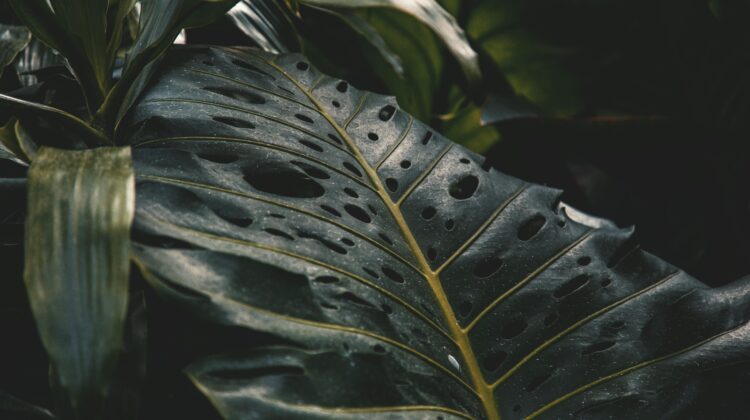
Those iconic split leaves won’t appear immediately, though. Young Monsteras start with solid, heart-shaped leaves. The fenestrations (those cool holes and splits) develop after the first year as the plant matures. Be patient—it’s worth the wait. As your Monstera grows and those splits emerge, you’ll understand why it’s one of the most photographed houseplants on the planet.
Fiddle Leaf Fig (Ficus Lyrata)
If Monstera is the easygoing friend, Fiddle Leaf Fig is the high-maintenance one who’s absolutely worth it. Those violin-shaped leaves grow up to 18 inches long, creating dramatic architectural presence that immediately elevates any room.
But here’s the reality: this plant demands consistency. It needs bright, indirect light for at least 6 hours daily and humidity above 40%. Water on a strict schedule—same day each week, same amount. Fiddle Leaf Figs hate surprises, and they’ll drop leaves to let you know when they’re unhappy.
Is it fussy? Yes. But for committed plant parents who love a challenge, few statement plants deliver this level of sophistication. When you get the care right, a Fiddle Leaf Fig becomes a stunning centerpiece that defines your entire space.
Bird of Paradise (Strelitzia)
Want instant tropical vibes? Bird of Paradise creates massive paddle-shaped leaves spanning 18-24 inches that look like they belong in a resort lobby. This is the plant that makes visitors stop and stare.
This plant is light-hungry. Place it in your brightest spot—south or west-facing windows are ideal. It can reach 6-7 feet indoors, making it perfect for filling awkward empty corners or flanking entryways where you need serious vertical drama.
During growing season, keep the soil consistently moist (not soggy). In winter, ease back slightly. This is one of those statement houseplants with large and showy leaves that commands attention without demanding constant fussing. Once established, it’s remarkably low-maintenance for such a show-stopping plant.
Good Tip!
Rotate your Bird of Paradise 90 degrees every week to prevent it from leaning toward the light source and ensure even, balanced growth on all sides.
Rubber Plant (Ficus Elastica)
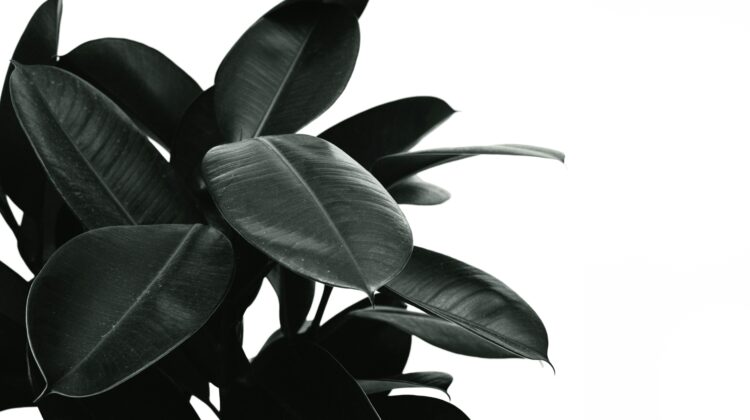
Looking for a forgiving option with serious style? Rubber Plant delivers glossy, oval leaves up to 12 inches long in gorgeous varieties—deep burgundy, variegated cream, or classic dark green. Each variety brings its own personality to your space.
This is one of the most adaptable big foliage indoor plants you’ll find. It tolerates lower light (though it grows faster in bright conditions) and doesn’t throw tantrums if you miss a watering. For busy people who want the impact of plants with big leaves without the high-maintenance commitment, this is your answer.
Bonus: it’s naturally air-purifying and considered pet-safe, making it an excellent alternative to toxic varieties if you have curious cats or dogs around. The Rubber Plant proves you don’t have to sacrifice style for practicality.
Essential Care Guide For Plants With Big Leaves
Once you’ve chosen your perfect plant, success comes down to mastering a few key care elements. The good news? Large-leaved plants follow similar care patterns, so once you understand the basics, you can confidently expand your collection.
Getting The Light Just Right
Most tropical plants with large leaves evolved under forest canopies. They need bright but filtered light—not harsh, direct sun that can scorch those beautiful leaves. Think about it this way: if you can comfortably read a book without squinting or harsh shadows, your plant will be happy there too.
South and east-facing windows with sheer curtains create ideal conditions. These spots measure around 200-400 foot-candles, which is the sweet spot for most big foliage indoor plants. You can download a free light meter app to check your space if you want to get technical about it.
Here’s a simple trick: rotate your plant 90 degrees every week. This prevents it from leaning toward the light and keeps growth even on all sides. It takes five seconds but makes a huge difference in maintaining that balanced, symmetrical look that makes plants with big leaves so appealing.
Watering Without The Guesswork
Here’s the truth: bigger leaves don’t mean constant watering. In fact, most large leaf houseplants prefer the “soak and dry” method. Water thoroughly until it drains from the bottom holes, then wait. Let the top 2-3 inches of soil dry completely before watering again.
Skip the strict schedule. Your finger is the best tool here. Stick it in the soil—if it feels dry a few inches down, it’s time to water. In winter, you might water every 2-3 weeks. Come summer, that could shift to weekly. Consistency matters more than frequency, and this simple approach prevents the overwatering that kills most statement plants.
Good Tip!
Use a bamboo skewer like a dipstick—push it into the soil and pull it out. If it comes out clean and dry, it’s time to water. If soil clings to it, wait a few more days.
Humidity That Actually Works
Large-leaved tropical plants need 60-80% humidity, but most homes sit around 30-40%. Misting? It barely helps—the moisture evaporates too quickly to make any real difference.
Instead, try methods that actually work:
- Pebble trays: Fill a tray with pebbles and water, then set your pot on top (not in the water)
- Plant grouping: Cluster your plants together to create a humid microclimate
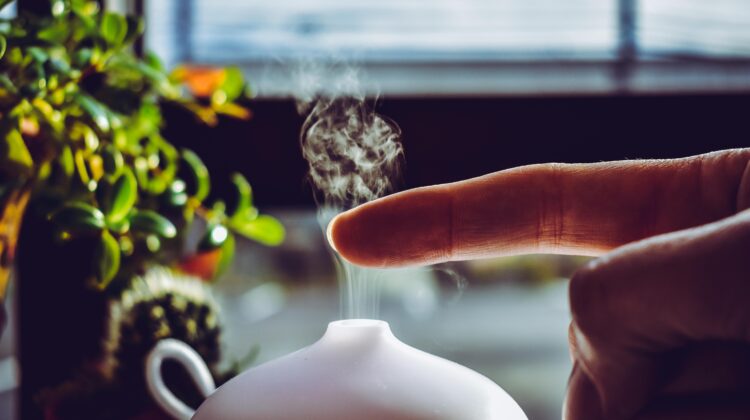
- Humidifiers: Run one for 4-6 hours daily near your plants
Brown, crispy leaf edges are your first warning sign. According to University of Georgia Extension research, proper humidity can increase growth rates by 40%. That’s a game-changer for architectural indoor plants, turning moderate growth into impressive displays.
Soil and Feeding Basics
Big leaves need nutrients to stay vibrant and healthy. Start with a well-draining mix: 50% potting soil, 30% perlite, and 20% orchid bark. This combo prevents root rot while holding enough moisture to keep those large leaves hydrated and perky.
Feed with half-strength liquid fertilizer every 2-3 weeks during spring and summer. Reduce to monthly in fall. Stop completely in winter when growth slows. This schedule matches your plant’s natural rhythm and prevents fertilizer burn on those gorgeous oversized leaves. Think of it as feeding your plant when it’s actively growing and letting it rest when dormancy kicks in.
Keeping Big Leaves Clean, Healthy, and Pest-Free
Maintaining the health and beauty of plants with big leaves requires regular attention to cleaning, pest prevention, and interpreting what your plant is telling you through its leaves.
Why Regular Leaf Cleaning Makes or Breaks Your Plant’s Health
Here’s something most plant parents don’t realize: dust sitting on those gorgeous leaves blocks up to 50% of light absorption. That’s like forcing your plant to wear sunglasses indoors all day, significantly reducing its ability to photosynthesize effectively.
Monthly cleaning isn’t optional—it’s essential for keeping your large leaf houseplants thriving. Grab a damp microfiber cloth and gently wipe each leaf, supporting the underside with your other hand to prevent tearing. For plants with lots of foliage, a lukewarm shower works wonders. Just make sure water drains completely afterward to avoid root rot.
Skip the leaf shine products you see at garden centers—they clog the tiny breathing pores (stomata) and actually attract more dust. Natural shine comes from healthy plants, not spray bottles. When your plant is properly cared for, those leaves will gleam on their own.
Good Tip!
Clean leaves in the morning so they dry before nightfall, reducing the risk of fungal issues that love damp conditions.
Spotting and Stopping Pests Before They Spread
Spider mites, scale, and mealybugs love hiding on the undersides of big leaves where you rarely look. Make weekly inspections part of your routine—flip those leaves over and check carefully. Early detection is everything when it comes to pest management.
Look for these warning signs:
- Tiny webs in leaf joints (spider mites)
- Cotton-like white clusters (mealybugs)
- Small brown bumps that don’t wipe off (scale)
Caught something? Act fast. Mix 1 tablespoon of neem oil or insecticidal soap per quart of water and spray all leaf surfaces—top, bottom, and stems. Repeat weekly for three weeks to break the pest lifecycle.
Most importantly, isolate the affected plant immediately. According to the American Phytopathological Society, 80% of indoor plant pests go unnoticed until they’ve already spread to your entire collection. Don’t let one infested plant take down your whole urban jungle.
Decoding What Your Leaves Are Telling You
Brown crispy edges? That’s your plant screaming for more humidity or consistent watering. Yellow leaves usually mean you’re overdoing the water or skipping fertilizer. Here’s the thing: losing 1-2 older bottom leaves each month is completely normal—plants naturally shed old growth.
But if multiple leaves turn yellow at once, something’s wrong. Soft brown spots signal fungal problems from poor air circulation, while crispy brown patches mean direct sunlight is burning the leaves. Learning to read these signals turns you from a casual owner into a true plant parent who can address issues before they become serious.
Smart Pruning That Encourages Better Growth
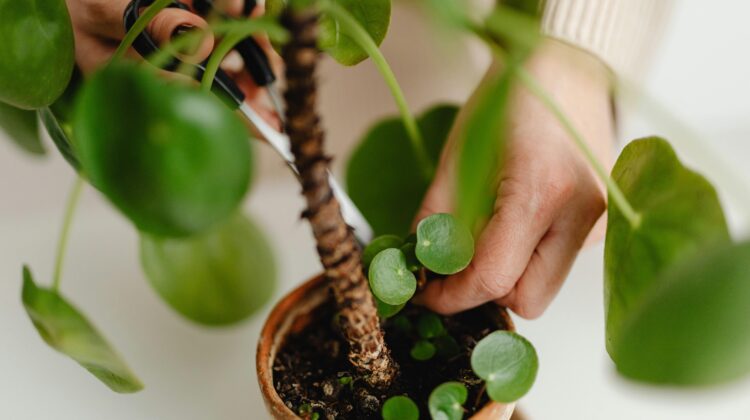
Remove damaged leaves at the base using clean, sharp pruning shears. This redirects energy to healthy growth instead of wasting it on dying foliage. Early spring is prime time for strategic pruning—cut just above a node (those bumps on the stem) to trigger new shoots and bushier growth.
Those pruned stems from plants with big leaves? Stick them in water and you’ve got free new plants while controlling your original’s size. It’s a win-win that keeps your plant looking its best while expanding your collection at no cost.
Styling Plants With Big Leaves In Your Home
Having beautiful plants is one thing—displaying them in a way that enhances your entire space is another level entirely. Strategic placement and thoughtful styling turn individual plants into cohesive design elements.
Where To Position Big Leaves Plants For Best Growth and Style
Think of your big-leaved plant as the star of the show, not a background extra. These statement plants work best as room anchors—place them in corners to soften harsh angles, flank entryways for a dramatic welcome, or beside your favorite reading chair to create an instant cozy nook.
Here’s the trick: use the rule of thirds from photography. Instead of pushing plants against walls, position them about one-third of the way into the room. This creates depth and makes the space feel more intentional rather than cluttered.
Walk through your home and consider sight lines from doorways and seating areas. Your gorgeous Monstera deserves to be seen from multiple angles, not hidden behind a couch where only you’ll appreciate it.
Creating Plant Groupings That Look Professionally Designed
Want that curated jungle look without the guesswork? Follow the 70-20-10 rule. Use 70% large statement plants with big leaves, 20% medium fillers like Pothos, and 10% small accent plants. This ratio mirrors how plants grow in natural forest layers—tall canopy trees, mid-level shrubs, and ground cover.
Mix leaf sizes and textures to keep things interesting. Pair your glossy Rubber Plant with a trailing String of Hearts and an upright Snake Plant. This prevents the “too matchy” look that screams amateur hour and creates visual rhythm that guides the eye naturally through your space.
Good Tip!
Take a photo of your plant arrangement with your phone. What looks balanced in person can reveal gaps or crowding through a camera lens—it’s how designers check their work.
Choosing The Perfect Pot For Your Large-Leaved Plant
Your container should enhance your plant, not compete with it. Stick with neutral terracotta, white ceramic, or natural woven baskets that let those big leaves shine. The plant is the showpiece—your pot is just the supporting actor.
Size matters here: choose a pot diameter 2-3 inches larger than the root ball, with height about one-third of the plant’s total height. This creates visual balance and prevents your plant from looking top-heavy or drowning in an oversized container.
Drainage holes are non-negotiable—they’re the difference between thriving plants and root rot disasters. Love decorative pots without drainage? Use them as cachepots by placing your plant (in its drainage pot) inside. You get the aesthetic without sacrificing plant health.
Using Big-Leaved Plants As Natural Room Dividers
Here’s where plants with big leaves really earn their keep. A tall Bird of Paradise or Fiddle Leaf Fig positioned between your living and dining areas creates subtle separation without blocking light like traditional walls. This works beautifully in open-floor plans where you want to define spaces while maintaining flow.
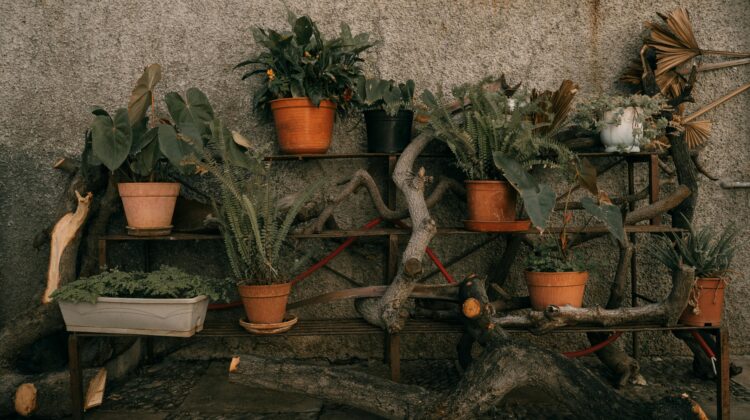
Vary heights using plant stands—some floor-level, others elevated—to create rhythm and guide the eye through the room. According to interior design principles, properly placed large plants can make rooms feel 20-30% larger by drawing the eye upward and adding vertical interest. That’s free square footage without knocking down walls—just smart placement of the right plants.
Propagating and Growing Your Big Leaves Plant Collection
Once you’ve fallen in love with plants with big leaves, you’ll want more. The great news? You don’t need to keep buying new plants when you can multiply what you already have.
Step-By-Step Guide To Propagating Big Leaves Plants
Want more plants without spending a fortune? Good news—most large leaf houseplants multiply easily through stem cuttings. Here’s how it works: grab clean, sharp scissors and cut a 4-6 inch section just below a node (that little bump where leaves sprout from the stem). Strip off the lower leaves, leaving 2-3 at the top.
Now you’ve got two options. Drop your cutting in a clear glass of water on a bright windowsill, or stick it directly into moist potting soil. Water propagation lets you watch roots develop, which typically takes 2-4 weeks—there’s something incredibly satisfying about seeing those first roots emerge.
Once those roots hit 2-3 inches long, it’s time to move your new plant into soil. Monstera, Philodendron, and Pothos varieties are especially forgiving for beginners trying this method. You’ll quickly realize propagation is like printing money—except you’re creating free plants instead.
Good Tip!
Add a drop of liquid rooting hormone to your propagation water to speed root development by up to 40%—just don’t overdo it, as too much can actually inhibit growth.
How To Encourage Your Plant To Grow Larger Leaves
Those Instagram-worthy giant leaves don’t happen by accident. If you want your plants with big leaves to reach their full potential, give them something to climb. Install a moss pole or trellis—climbing triggers hormonal changes that tell the plant to produce bigger, more dramatic foliage.
A young Monstera might start with 6-inch leaves, but give it vertical support and watch it produce 2-foot monsters within a few years. It’s not magic—it’s biology. In nature, these plants climb trees to reach more light, and their leaves grow larger as they ascend.
Beyond support, focus on the basics: bright indirect light, consistent feeding every 2-3 weeks during spring and summer, and pots that allow roots to spread comfortably. According to the Journal of Horticultural Science, plants with vertical support produce leaves up to 60% larger than their unsupported cousins. That’s the difference between nice-looking plants and jaw-dropping specimens.
When and How To Repot Large-Leaved Plants
Your plant needs a bigger home when roots start circling the drainage holes—usually every 18-24 months. Spring is your sweet spot for repotting since plants are actively growing and bounce back faster from the stress of being moved.
Choose a pot just 2 inches larger than the current one; bigger isn’t better here. Too much extra soil holds too much water, increasing root rot risk. Water your plant thoroughly the day before to reduce transplant shock.
Gently tease apart circled roots and trim any mushy, black sections—those are dead and won’t contribute to your plant’s health. Fresh soil goes in, plant goes in, water again. Expect some dramatic leaf drooping for 1-2 weeks while your plant adjusts to its new digs. This is totally normal, so don’t panic and start overwatering. Your plant just needs time to settle into its new home and will perk back up once established.
Conclusion
Plants with big leaves offer more than just aesthetic appeal—they’re powerful tools for transforming your living space into a healthier, more inspiring environment.
Start with forgiving varieties like Monstera or Rubber Plants if you’re new to large-leaved plants, matching species to your specific light conditions rather than choosing based solely on appearance.
Remember that consistent care beats complicated routines—proper watering allowing soil to dry between waterings, adequate humidity at 50-60%, and regular leaf cleaning will keep your plants thriving far better than expensive supplements or complicated schedules.
Position these statement plants strategically as room anchors rather than afterthoughts, using them to define spaces and create those coveted house plants design ideas you’ve been admiring online.
The beauty of plants with big leaves lies in their immediate impact and relatively straightforward care once you understand their basic needs.
Start with one statement plant, master its preferences, and gradually expand your collection for improved air quality, reduced stress, and that jungle-inspired atmosphere that makes a house feel like home.
Frequently Asked Questions
Do big-leaved plants need more water than smaller plants?
Not necessarily. Despite their larger leaf surface, these plants typically prefer drying out between waterings. Size of leaves doesn’t dictate watering frequency—soil moisture and environmental conditions do. Always check the soil first.
Can I keep these plants in a room with no windows?
Unfortunately, no. Large-leaved tropical plants need bright, indirect light to photosynthesize properly. Without natural light, they’ll decline quickly. Consider a grow light if your space lacks windows.
Why are my new leaves smaller than the old ones?
This usually signals insufficient light or nutrients. Move your plant closer to a window and resume regular feeding during growing season. Stress from recent repotting can also temporarily reduce leaf size.
Are large-leaved plants safe around pets?
It depends on the species. Rubber Plants are generally safer, while Monsteras and Philodendrons contain calcium oxalates that irritate pets. Always research your specific plant and consider placement away from curious animals.
How long does it take for a small plant to develop big leaves?
Most young plants need 1-2 years to produce mature-sized foliage. Providing a moss pole, proper light, and consistent feeding accelerates this process. Patience pays off with dramatic leaf development.
Should I mist my big-leaved plants daily?
Daily misting is largely ineffective and can promote fungal issues. Instead, use a humidifier, pebble trays, or group plants together for sustained humidity that actually benefits your plants long-term.