
Page Contents
Indoor Tree Plant Pot Guide: Choosing the Perfect Container
The best indoor tree plant pot should be 2-4 inches larger than the root ball, have proper drainage, and balance weight stability with your interior design vision.
You’ve finally brought home that stunning fiddle leaf fig or elegant rubber tree, only to realize it’s still sitting in its basic nursery pot. Choosing the right indoor tree plant pot isn’t just about aesthetics—it’s about giving your green giant the foundation it needs to thrive. The wrong container can lead to root rot, stunted growth, or a toppled plant, while the perfect pot becomes both a functional home and a beautiful design statement.
Many plant parents feel overwhelmed when shopping for tree pots. Should you size up by two inches or four? Do drainage holes really matter that much? What about those gorgeous ceramic pots without saucers? And how do you balance your house plants design ideas with the practical needs of a living tree? These questions leave many shoppers paralyzed in the garden center aisle or endlessly scrolling online.
This guide walks you through everything you need to know—from measuring your tree correctly and understanding material pros and cons, to drainage essentials and styling tips that make your indoor tree the focal point of any room. You’ll learn how to avoid common mistakes, match pots to specific tree species, and integrate your containers seamlessly into your overall house plants design ideas.
How to Choose the Right Indoor Tree Plant Pot Size
Measure Your Tree’s Root Ball Using the 2-4 Inch Rule
Getting the size right starts with a simple measurement. Grab your tape measure and check the diameter of your tree’s current nursery pot—that’s your root ball size. Your new indoor tree plant pot should be just 2-4 inches wider. That’s it. Not six inches. Not eight. Just two to four.
Why so specific? Think of it like buying shoes. Too tight, and your feet hurt. Too roomy, and you’re tripping over yourself. The same goes for trees. A pot that’s too large holds excess soil, which stays wet far longer than roots can handle. That soggy environment invites root rot faster than you can say “brown leaves.” Stick with the 2-4 inch rule, and your tree gets room to grow without swimming in moisture.
Consider Tree Height and the 1:3 Stability Ratio
Here’s what nobody tells you at the garden center: tall trees tip over. A six-foot fiddle leaf fig in a narrow pot becomes a falling hazard the moment someone walks by too fast. You need weight and width at the base.
The general guideline? Your pot width should be roughly one-third of your tree’s height. So a six-foot tree needs about a 20-24 inch diameter pot. Taller than that? Go wider. This ratio keeps your tree stable and prevents that heart-stopping crash at 2 a.m. Heavy duty plant pots for trees aren’t just about durability—they’re about physics. A wide, weighted base anchors top-heavy growth and gives you peace of mind.
Good Tip!
Place a few decorative rocks at the bottom of lightweight pots before adding soil—this adds stability without buying a whole new container.
Account for Growth Rate and Repotting Schedules
Not all trees grow at the same pace, and that changes your pot strategy. Fast growers like ficus or rubber trees will fill their pots within a year. You’ll be repotting annually, whether you like it or not. For these speed demons, starting with a pot on the larger end of the 2-4 inch range makes sense—it buys you time.
Slow growers like Dracaena or Norfolk Island pine? They’re happy in the same pot for two to three years. Choose the smaller end of the range. This approach saves you money and reduces repotting stress for both you and the tree. For more guidance on matching pot shapes to different plant types, check out specialized sizing resources.
Match Pot Depth to Root System Type
Here’s where it gets interesting. Some trees send roots straight down like anchors. Others spread them wide and shallow. Your pot depth needs to match.
Deep taproot trees (like citrus or avocado) need tall pots that accommodate downward growth. Shallow-rooted varieties (like palms or ficus) do better in wider, shorter containers. Check your specific tree species before shopping. A palm crammed into a deep, narrow pot wastes space and money, while a citrus tree in a shallow dish will never establish properly. Getting this match right means healthier roots and a happier tree.
Best Materials for Indoor Tree Plant Pots
Your indoor tree plant pot material matters more than you might think. It affects how often you’ll water, whether your tree stays upright, and how long your container lasts. Let’s break down the best options so you can match materials to your tree’s needs and your lifestyle.
Terracotta and Clay Pots for Moisture Regulation
Terracotta is a plant parent’s secret weapon against overwatering. These porous clay pots breathe, letting excess moisture evaporate through the walls. That natural wicking action pulls water away from roots, which is perfect if you’re growing citrus trees or olive trees indoors—both hate soggy soil.
The weight of terracotta also works in your favor. Heavy duty pots for trees mean stability, especially for top-heavy specimens. A 16-inch terracotta planter won’t tip over easily, even with a six-foot fiddle leaf fig towering above it.
Here’s the trade-off: you’ll water more often. That breathability dries soil faster, so check moisture levels twice a week during the growing season. If you travel frequently or forget to water, terracotta might stress you out.
Ceramic and Glazed Pots for Style and Stability
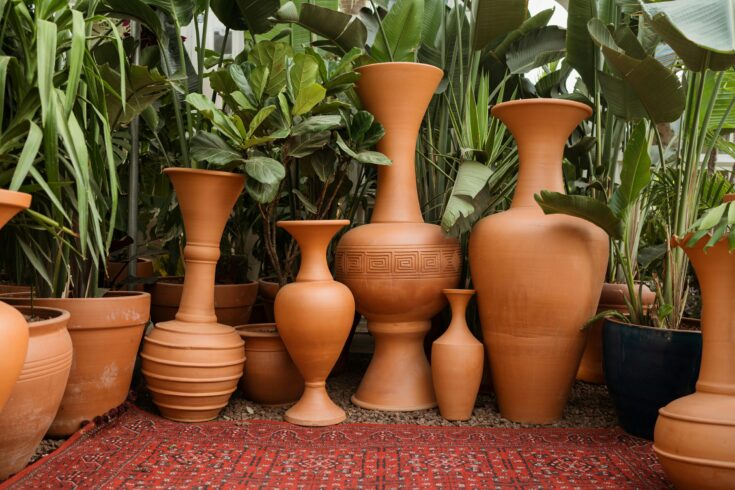
Ceramic pots deliver the best of both worlds—gorgeous looks and serious weight. That glazed finish seals the clay, creating a non-porous surface that holds moisture longer than terracotta. For decorative tree pots for living room displays, nothing beats the style variety that ceramic offers.
The heft matters for large plant containers indoor. A glazed ceramic pot anchors tall trees without budging. Think of it as insurance against accidental bumps or curious pets.
Just watch your watering. Since moisture doesn’t evaporate through glazed walls, soil stays damp longer. Check the top two inches of soil before watering again. Interior glazing can vary—some pots are only glazed outside, which changes how they perform.
Good Tip!
Lift your pot before buying. If you can barely pick up the empty container, you won’t want to move it once it’s filled with soil and a growing tree. Consider wheeled plant stands for heavy ceramic pots.
Plastic and Resin Pots for Lightweight Versatility
Modern plastic and resin containers have come a long way. High-quality resin pots mimic stone, concrete, or wood so convincingly that guests won’t know the difference. They’re affordable, which matters when you’re buying the best pots for indoor trees in multiple sizes.
The lightweight design makes moving easy. Rotate your tree monthly for even growth, or shift it seasonally without throwing out your back. This flexibility works great for trees you move outdoors in summer.
But here’s where you need to pay attention: plastic holds moisture. A lot of moisture. Tree planter pots with drainage are essential, and you’ll still need to be careful not to overwater. Feel the soil regularly—don’t just follow a schedule.
Wooden Planters and Natural Fiber Baskets
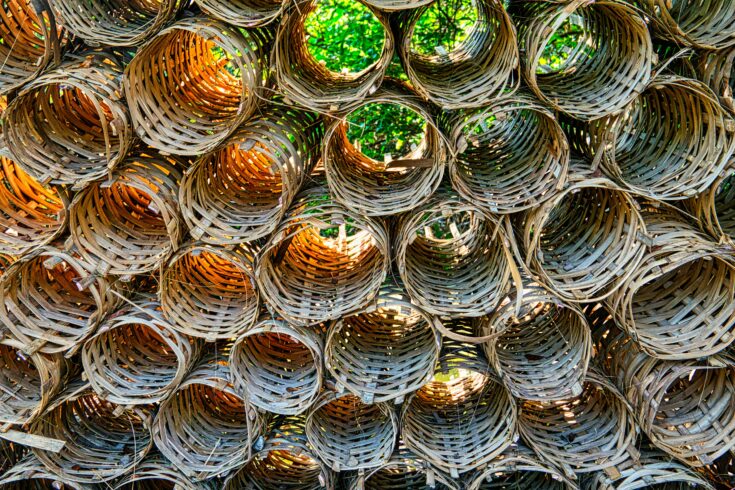
Wood and natural fibers add warmth that synthetic materials can’t match. A rustic wooden planter or woven basket brings organic texture to your space, perfect for fiber clay and natural material containers that complement indoor greenery.
The catch? Wood and moisture don’t mix well long-term. Water will eventually rot untreated wood or break down natural fibers. Always use a plastic liner insert—basically a nursery pot that sits inside your decorative planter. This protects your beautiful wooden container while keeping your tree’s roots properly contained.
Check liners regularly for cracks and replace them when needed. It’s easier than replacing a $150 wooden planter that’s rotted from the inside out.
Drainage Requirements for Your Indoor Tree Plant Pot
Why Drainage Holes Are Essential for Root Health
Let’s get straight to the point: drainage holes aren’t optional. They’re the difference between a thriving tree and a dead one. Here’s why: when water sits in the bottom of a pot with no escape route, it creates an oxygen-free zone where roots literally suffocate. Your tree’s roots need to breathe just as much as they need water. Without drainage, standing water triggers root rot—a fungal disease that turns healthy roots into mushy, brown decay. The statistics tell a sobering story: 95% of indoor tree deaths stem from overwatering issues, and most of those happen in containers without proper drainage. If you take away just one thing from this guide, make it this: never compromise on drainage holes when choosing your indoor tree plant pot.
Getting Hole Size and Placement Right
Not all drainage holes work equally well. A tiny pinprick won’t cut it for large plant containers indoors. You need at least a 0.5-inch diameter hole for smaller pots, but if you’re dealing with tree planter pots with drainage for bigger specimens, aim for holes that are 1 inch or larger. Think about it: water needs to exit quickly enough that soil doesn’t stay waterlogged between waterings. Multiple holes beat a single hole every time because they distribute drainage evenly and prevent soil from blocking the exit. Check The Complete Guide To Planting Houseplants In Pots & Planters for detailed planting techniques that work with proper drainage systems. Here’s a pro move: elevate your pot slightly using pot feet or small blocks. This creates airflow underneath and ensures water doesn’t sit in contact with the drainage holes.
Good Tip!
Place a coffee filter or paper towel over drainage holes before adding soil. It lets water through while preventing soil from washing out—especially helpful during the first few waterings when soil hasn’t settled yet.
Working with Decorative Pots Without Drainage
Found the perfect decorative pot for your living room, but it has no holes? Don’t panic. The double-pot method saves the day. Keep your tree in its nursery pot with drainage, then slip it inside your beautiful cachepot (that’s the fancy term for a decorative outer pot). This setup gives you the best of both worlds: proper drainage for your tree and the aesthetic you want. When you water, just lift out the nursery pot, water it in the sink, let it drain completely, then return it to its decorative home. If you’re committed to a specific pot and willing to modify it, you can drill drainage holes yourself using a masonry bit for ceramic or a standard drill bit for plastic. Go slow, use tape to prevent cracking, and drill from the inside out. Or skip the DIY stress and pay a professional to drill it for you—many garden centers offer this service for a small fee.
Choosing the Right Saucer and Managing Water
Your saucer matters more than you think. It should be wide enough to catch every drop of drainage water—nothing worse than discovering a water ring on your hardwood floor three days later. But here’s the critical part: don’t let water sit in that saucer. Standing water creates the exact problem you worked so hard to avoid with drainage holes. Empty your saucer within 30 minutes of watering. Set a phone reminder if you need to. This simple habit prevents roots from reabsorbing dirty water full of minerals and salts your tree just flushed out. Choose saucers made from materials that won’t stain or damage your floors—glazed ceramic, plastic, or cork-backed options work well. For heavy pots you can’t easily lift, use a turkey baster or wet-dry vacuum to remove excess water from the saucer without moving the pot.
Matching Your Indoor Tree Plant Pot to Tree Species
Not all indoor trees play by the same rules. Your fiddle leaf fig has totally different container needs than your palm, and ignoring these differences is like buying the same shoe size for a toddler and a basketball player. Let’s break down what each popular tree species actually needs.
Fiddle Leaf Figs and Rubber Trees
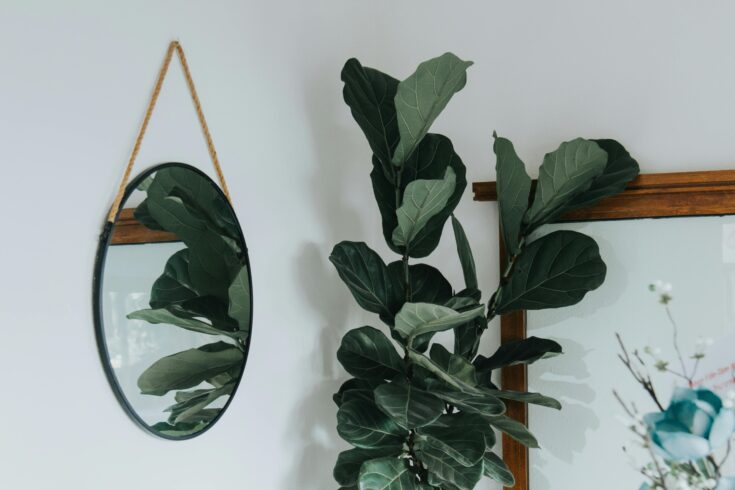
These Instagram-famous beauties are notoriously top-heavy. Their large, broad leaves create weight up high while their root systems stay relatively compact. This imbalance makes them prone to tipping over—especially when you’re vacuuming nearby or your cat decides to investigate.
You need a heavy, stable indoor tree plant pot with a minimum 14-16 inch diameter for mature specimens. Ceramic or thick terracotta works best because the weight acts as a counterbalance. A lightweight plastic pot might save your back when moving it, but it’ll stress you out every time someone walks past. Consider the pot’s base width, too. A wider bottom creates stability even if the top tapers slightly.
Good Tip!
Add river rocks or aquarium gravel to the bottom of your fiddle leaf fig’s pot before adding soil. This extra weight lowers the center of gravity and significantly reduces tipping risk without compromising drainage.
Dracaenas and Palms
These vertical growers are the opposite problem. They shoot upward with relatively narrow canopies, so they don’t need the same wide base. Actually, deeper and narrower containers work better for their root systems, which tend to grow downward rather than spreading out.
Tall cylindrical pots are perfect here—they match the plant’s natural growth habit and look stunning in modern spaces. You can get away with large plant containers indoors that are 10-12 inches in diameter, even for six-foot specimens, as long as the pot is proportionally deep. This also means less floor space taken up, which matters in smaller rooms. For more guidance on selecting the right pot shape for your specific plant type, consider how the container’s proportions complement your tree’s natural form.
Citrus and Olive Trees
Mediterranean trees hate wet feet. Their natural habitat features fast-draining, rocky soil, so your container choice becomes critical. Terracotta isn’t just aesthetic here—it’s functional. The porous material wicks moisture away from roots and allows better air circulation.
Plan for 16-20 inch tree planter pots with drainage for mature specimens. These trees also benefit from wheeled bases since many people move them outdoors seasonally. The combination of proper drainage and mobility keeps them healthy year-round.
Weeping Figs and Scheffleras
These adaptable varieties are the “easy roommates” of indoor trees. They tolerate various pot materials and don’t demand specific container characteristics. This flexibility means you can prioritize aesthetics and match them to your decorative tree pots for living room styling—whether that’s sleek modern ceramics or rustic woven baskets.
Indoor Tree Plant Pot Styling and Design Ideas
Create Statement Focal Points with Bold Container Choices
Your indoor tree plant pot can steal the show when you choose bold colors, eye-catching textures, or oversized containers that demand attention. Think of a cobalt blue glazed pot paired with a fiddle leaf fig—the deep blue makes those glossy green leaves pop while anchoring your entire room design. Textured finishes like ribbed ceramic or hammered metal add visual interest even in neutral tones. The trick is letting your tree become the room’s hero piece. If you’re working with a dramatic space, go big. An oversized planter creates instant impact and tells guests exactly where to look. Just remember that “statement” doesn’t always mean loud. Sometimes a massive concrete cylinder in soft gray makes just as much impact as a bright orange pot—it all depends on your existing décor.
Coordinate Multiple Containers for a Cohesive Look
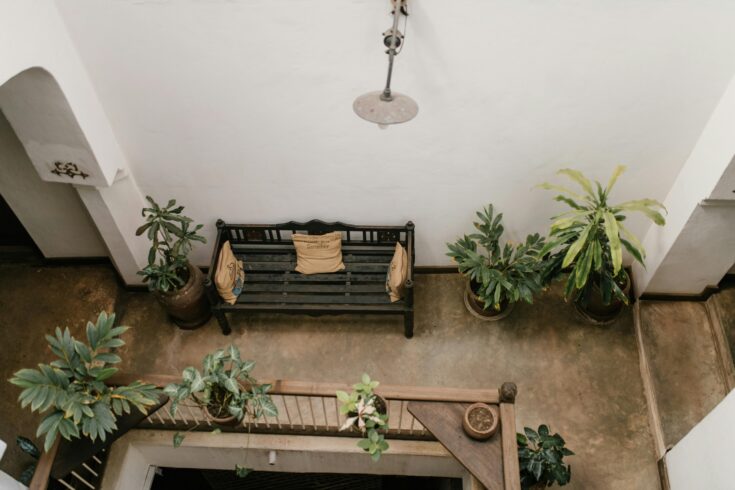
When you have several plants in one space, your decorative tree pots for the living room display should feel like they belong together. Start by choosing a color family—maybe all earth tones or various shades of white and cream. You don’t need identical pots (that actually looks too matchy). Instead, repeat materials across different sizes. Three terracotta pots in different heights create rhythm. Or mix materials but keep the style consistent—modern matte finishes in black, white, and gray work together even if one’s ceramic and another’s fiberglass. Height variation matters too. Your large plant containers indoors should anchor the arrangement, with smaller pots creating layers around them. This approach, as demonstrated in IKEA’s decorating with large plant pots guide, transforms random plants into an intentional indoor garden that calms your space.
Good Tip!
Take a photo of your space before shopping for pots. Use it to check whether potential containers will complement your existing furniture, wall colors, and decor style before you buy.
Match Your Pot Style to Your Interior Design Theme
Your indoor tree plant pot should speak the same design language as your furniture. Minimalist spaces call for clean-lined concrete planters or matte black cylinders—nothing fussy, just simple geometry. Bohemian rooms come alive with natural fiber baskets, woven seagrass, or classic terracotta with that earthy, lived-in feel. Modern farmhouse lovers should hunt for distressed white ceramic or galvanized metal containers that add rustic charm without going full country. And if you’re into mid-century style, look for tapered ceramic planters on wood stands—those iconic designs from the ’50s and ’60s still work beautifully today. When your pot matches your style, everything clicks.
Update Your Look with Seasonal Styling Options
You don’t need to repot your tree every time the holidays roll around. Removable pot covers, decorative wraps, or fabric sleeves let you switch up your style without disturbing roots. Try placing your indoor tree plant pot inside a larger decorative basin for special occasions—maybe a galvanized tub for fall, a festive planter for winter holidays, or a bright basket for spring. This double-container method protects your tree from repotting stress while giving you endless styling flexibility. Just remember to remove any temporary covers before watering, or make sure water can still drain properly. Seasonal styling keeps your space feeling fresh without the commitment of permanent changes.
Common Indoor Tree Plant Pot Mistakes to Avoid
The Too-Big Pot Trap
We’ve all been there. You bring home a gorgeous fiddle leaf fig in a small nursery pot and think, “Why not give it room to grow?” So you grab a pot that’s way too big. Big mistake. When you jump from a 6-inch pot to a 14-inch container, all that extra soil holds moisture far longer than your tree’s roots can absorb it. The result? Soggy soil, oxygen-starved roots, and eventually root rot. Follow the “just one size up” rule instead. If your tree is in an 8-inch pot, move to a 10-inch. This gives roots room to expand without creating a swamp around them. Your tree will thank you with healthy growth instead of yellowing leaves and mushy roots.
Weight and Stability Issues
A tall rubber tree in a lightweight plastic pot is an accident waiting to happen. This is especially true if you’ve got kids, pets, or high foot traffic in your home. Here’s a simple rule: your indoor tree plant pot should weigh at least one-third of what your tree weighs. A 6-foot tree needs a heavy, stable base. Otherwise, one bump sends the whole thing crashing down. Heavy duty plant pots for trees aren’t just about looks—they’re about safety. Ceramic and terracotta containers naturally provide this weight. If you prefer lighter materials, add rocks to the bottom or choose a wider base that creates a lower center of gravity.
Good Tip!
Before buying, lift the pot at the store. If it feels too light for your tree’s height, it probably is. A good test: the empty pot should feel substantial in your hands.
Sacrificing Drainage for Aesthetics
That stunning decorative pot without drainage holes is tempting. It matches your décor perfectly. But here’s the truth: beautiful pots without proper drainage lead to dead trees and wasted money. Common houseplant mistakes often start with ignoring drainage needs. You’ll spend more replacing dead trees than you saved on that pretty pot. The solution? Use the cachepot method—keep your tree in its nursery pot with drainage, then slip it inside your decorative container. Or invest in a quality drill bit and add holes yourself. Some garden centers even offer drilling services. Your tree needs drainage. No exceptions.
Forgetting About Maintenance Access
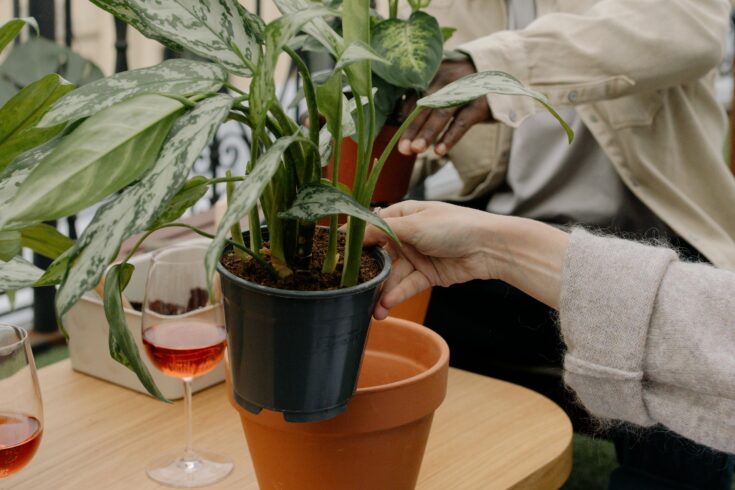
You found the perfect corner for your tree. Then three months later, you realize you can’t rotate it to ensure even light exposure. Or you’ve chosen such a large plant container that moving it for cleaning is impossible. Think ahead. Can you reach around the pot to wipe the leaves? Can you slide it out to vacuum behind it? Is there space to turn it quarterly? Heavy pots are great for stability, but if they’re immovable, you’re stuck with one-sided growth and dust buildup. Consider pot feet or rolling plant stands for larger trees. Your future self will appreciate the forethought when it’s time for routine care.
Conclusion
Selecting the perfect indoor tree plant pot transforms your space while giving your green companion exactly what it needs to flourish. Remember the fundamentals: measure your tree’s root ball and choose a pot 2-4 inches larger, prioritize drainage holes, and match materials to both your tree species and watering habits. Your pot choice directly impacts your tree’s health while serving as a design element that anchors your house plants design ideas and defines your space’s aesthetic.
Frequently Asked Questions
Can I use a pot without drainage holes if I’m really careful with watering?
Even the most careful waterers struggle with pots lacking drainage holes. Without an escape route for excess water, you’re essentially guessing how much moisture remains at the bottom—and roots sitting in that hidden water will eventually rot. The safest approach is to use the double-pot method: keep your tree in a pot with drainage, then place it inside your decorative container without holes.
How do I know when my tree has outgrown its current pot?
Watch for roots circling the soil surface, growing out of drainage holes, or water running straight through without absorbing. Your tree may also dry out unusually fast despite regular watering, or you might notice stunted growth during the growing season. These signs mean it’s time to size up following the 2-4 inch rule.
Is it better to buy one large pot my tree can grow into, or repot every year?
Always start with the appropriately-sized pot and plan to repot as needed. A pot that’s too large creates a waterlogged environment that damages roots faster than crowding ever could. Think of repotting as a normal part of tree care—fast growers need annual repotting, while slow growers can stay put for 2-3 years.
Do expensive decorative pots actually help my tree grow better?
Price doesn’t determine plant health—proper size, drainage, and material do. A $20 terracotta pot with good drainage will outperform a $200 designer pot without holes every time. That said, quality materials tend to last longer and provide better stability, so investing in well-made containers can be worthwhile for large trees you’ll keep for years.
What’s the easiest pot material for beginners who tend to overwater?
Terracotta is your best friend if you’re heavy-handed with the watering can. The porous clay naturally wicks moisture away from roots and provides a visual cue—the pot darkens when wet and lightens as it dries. This built-in indicator helps you learn your tree’s watering rhythm without expensive moisture meters.
Can I use the same pot if I replace my tree with a different species?
Absolutely, as long as the pot size matches your new tree’s root ball using the 2-4 inch rule. Just make sure to clean the pot thoroughly between trees to remove any salt buildup or potential pathogens. Keep in mind that different species have different needs—a pot that worked for a shallow-rooted palm might not suit a deep-rooted citrus tree.
Sources
- University of Florida Environmental Horticulture Department — Container Size and Plant Growth Relationships
- HortScience Journal — Comparative Study of Substrate Moisture Retention Across Container Materials
- American Society for Horticultural Science — Impact of Container Drainage on Root Health
- Journal of Environmental Horticulture — Species-Specific Container Requirements
- Journal of Environmental Psychology — Psychological Impact of Indoor Plant Displays
- National Gardening Association — Indoor Plant Failure Analysis