
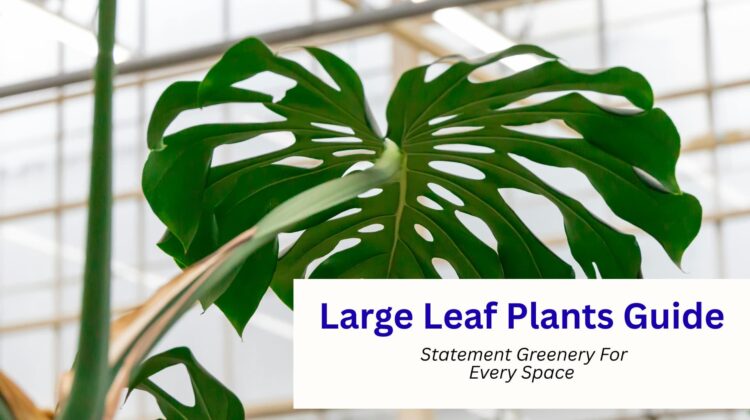
Large leaf plants like Monstera, Fiddle Leaf Fig, Bird of Paradise, and Elephant Ear varieties create dramatic indoor statements and thrive with proper lighting (typically bright indirect), consistent watering schedules, and occasional leaf cleaning to maintain their architectural beauty.
When I first brought home a Monstera deliciosa, its massive, fenestrated leaves instantly transformed my bland living room corner into a tropical sanctuary. Large leaf plants possess an architectural quality that few other houseplants can match—they command attention, create focal points, and bring a bold, jungle-inspired aesthetic to any interior space. These statement-making specimens have surged in popularity among plant enthusiasts and interior designers alike, offering dramatic visual impact with surprisingly manageable care requirements.
Many plant lovers struggle to find greenery that makes a real design statement without overwhelming their space or demanding expert-level horticultural skills. Small-leafed plants can feel insignificant in spacious rooms, while finding large leaf plants that thrive indoors—tolerating typical home lighting, humidity levels, and occasional watering lapses—often feels like searching for a unicorn. You want the lush, tropical look you see in magazines and on social media, but you’re unsure which species will actually survive in your specific conditions, how to care for those impressive leaves, or how to incorporate these bold beauties into your existing house plants design ideas.
This comprehensive guide will walk you through the most stunning and resilient large leaf plants perfect for indoor cultivation, from beginner-friendly favorites to more unusual varieties that add personality to your collection. You’ll discover specific care requirements for each species, troubleshooting solutions for common leaf problems, styling strategies that maximize visual impact, and practical tips for keeping those magnificent leaves healthy, glossy, and pest-free.
Page Contents
Why Large Leaf Plants Transform Your Indoor Space
Architectural Impact and Visual Weight
Think of large leaf plants as living sculptures for your home. These bold beauties naturally draw the eye, creating instant focal points that anchor your furniture arrangements and give purpose to empty corners. That awkward space beside your sofa? A towering Bird of Paradise solves it instantly. High ceilings making your room feel cold? A statement houseplant adds vertical interest and warmth.
Modern interior designers embrace the “plant as sculpture” concept, treating these specimens as functional art pieces. Unlike static décor, your Monstera or Fiddle Leaf Fig changes with the seasons, unfurling new leaves and commanding attention without overwhelming your space. This dynamic quality means your living room never feels stagnant—there’s always something new to appreciate as your plants mature and evolve.
Air Purification Benefits at Scale
Here’s something most people don’t realize: bigger leaves mean cleaner air. NASA’s Clean Air Study confirmed that larger leaf surface area translates directly to greater air-filtering capacity. Rubber Plants and Philodendrons don’t just look impressive—they’re actively removing formaldehyde, benzene, and other nasty toxins from your home.
The numbers are striking. Indoor plants with leaves larger than 8 inches can filter up to 87% of air pollutants within 24 hours. That’s not just decoration—that’s your tropical indoor plants working overtime to create a healthier living environment.
Good Tip!
Place your large leaf plants in rooms where you spend the most time—living rooms, home offices, or bedrooms—to maximize both visual impact and air purification benefits.
Biophilic Design Principles
We’re hardwired to crave nature. Biophilic design taps into this innate connection, and substantial greenery satisfies that need better than smaller plants ever could. Research from the University of Technology Sydney reveals impressive results: large indoor plants reduce stress by 37% and boost productivity by 38%.
That’s not just feel-good science—it’s measurable mental wellness improvement. When you’re staring at a deadline or dealing with a tough day, large houseplants provide structure and elegance that creates a calm, natural atmosphere. Your brain recognizes that bold foliage and responds by lowering cortisol levels. This biological response explains why offices and homes with prominent greenery consistently report higher satisfaction rates among occupants.
Space Perception and Room Dynamics
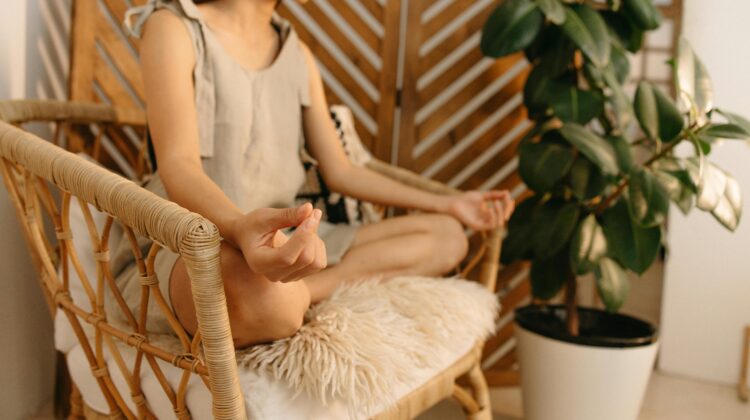
Large leaf plants are spatial magicians. Place one strategically, and suddenly a cramped room feels cozier, or an open-plan space divides into distinct zones—no construction required. They soften hard edges, define conversation areas, and make rooms feel intentionally designed rather than randomly furnished.
A 2023 study found that rooms featuring large-leafed tropical plants scored 42% higher in perceived comfort ratings. That’s the difference between a space that feels “just okay” and one where people genuinely want to spend time. The visual weight of substantial foliage creates anchoring points that help the eye navigate a room, making even challenging layouts feel balanced and welcoming.
Best Large Leaf Plants For Indoor Growing Success
Choosing the right tropical indoor plants can feel overwhelming when you’re staring at dozens of options at the nursery. The good news? A handful of proven varieties deliver that bold foliage impact without demanding expert-level skills. Let’s break down the top performers that actually thrive indoors and match different experience levels and lighting conditions.
Monstera Deliciosa (Swiss Cheese Plant)
The Monstera has earned its reputation as the poster child of statement houseplants for good reason. This climbing beauty needs bright indirect light and weekly watering once the top two inches of soil feel dry. Feed it monthly during spring and summer, and those iconic split leaves can reach an impressive 2-3 feet across.
Here’s the thing most people miss: if your Monstera isn’t developing those signature fenestrations (the splits and holes), it’s screaming for more light. Training it on a moss pole doesn’t just look dramatic—it actually triggers larger, more mature leaf growth as the plant climbs. This mimics the Monstera’s natural rainforest behavior where it scales trees searching for sunlight, rewarding you with increasingly impressive foliage as it gains height.
Ficus Lyrata (Fiddle Leaf Fig)
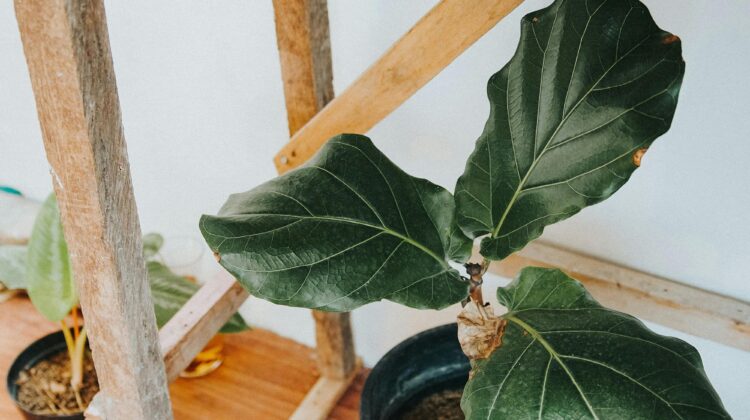
Fiddle Leaf Figs have a reputation for being fussy, but they’re actually straightforward once you understand their preferences. They crave consistent bright indirect light and hate being moved around. Rotate yours a quarter turn weekly to prevent that awkward leaning habit.
Water only when the soil is dry 2-3 inches down—overwatering causes those dreaded brown spots. Wipe dust off those glossy leaves monthly with a damp cloth. If your fig suddenly drops leaves, it’s reacting to environmental changes like temperature swings or drafts. Place it in a living room corner where it can become a permanent focal point, and it’ll reward your patience with steady growth. The key is establishing a routine and sticking with it rather than constantly adjusting conditions.
Good Tip!
Before bringing home any large leaf plant, check your space with a light meter app. Most tropical varieties need 5,000-10,000 lux to truly thrive—a simple measurement that saves months of troubleshooting.
Strelitzia Nicolai (White Bird of Paradise)
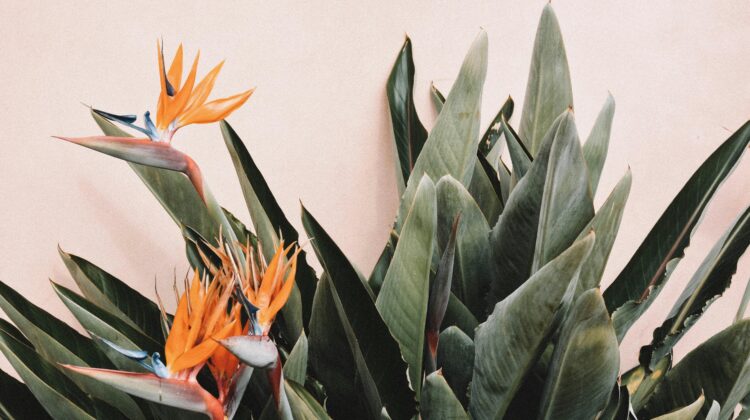
Want to create an instant tropical vibe? The White Bird of Paradise delivers with leaves that stretch 18-24 inches long. This architectural plant needs at least six hours of indirect light daily and humidity levels between 50-60%.
Water deeply when the topsoil dries out, letting excess drain completely. Those dramatic leaf splits you’ll notice? They’re completely natural—not damage. The splits develop as the plant matures, helping leaves withstand wind in their native habitat. This makes Bird of Paradise perfect for bright bathrooms or positioned near a humidifier where moisture levels support its tropical nature while showcasing those striking architectural leaves.
Alocasia Varieties (Elephant Ears)
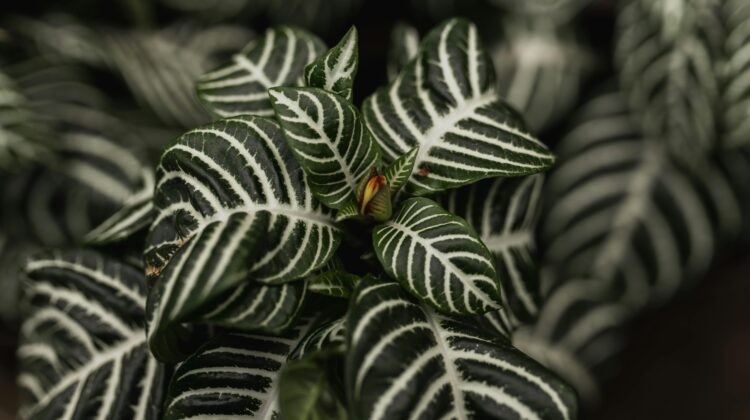
Alocasia amazonica, macrorrhiza, and zebrina create instant drama with their bold, oversized foliage. These dramatic indoor greenery options need warm temperatures (65-80°F) and consistent moisture without sitting in waterlogged soil. Well-draining potting mix is non-negotiable.
Many Alocasia varieties go dormant in winter—don’t panic if growth slows or some leaves die back. It’s natural. When spring arrives, they’ll bounce back with vigorous new growth. Their striking leaves make them perfect for bedrooms and living spaces where you want that big leaf tropical plant aesthetic. The sculptural quality of Alocasia foliage adds instant sophistication to any corner.
Large Leaf Plant Care Essentials: Light, Water, And Soil
Getting the fundamentals right makes everything else easier. Whether you’re starting with your first statement plant or expanding a growing collection, mastering these core care elements ensures your large leaf plants don’t just survive—they thrive and reach their full dramatic potential.
Understanding Light Requirements for Large Leaf Plants
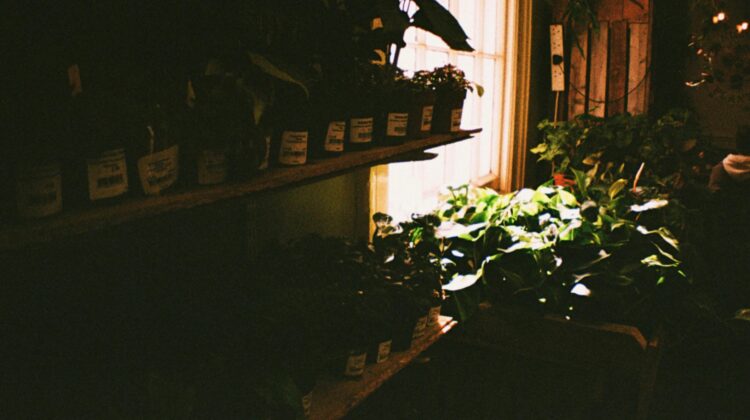
Most tropical indoor plants need bright indirect light to keep those impressive leaves looking their best. Think of it this way: bright indirect light (5,000-10,000 lux) means your plant sits near a window but never gets direct sun rays hitting its leaves. Medium indirect light (2,500-5,000 lux) works a few feet back from that window, while low light is what you’d find in a corner far from natural light sources.
Here’s the thing—most large leaf plants won’t maintain their size or variegation without enough light. Your Monstera’s leaves might stay small, and those beautiful splits won’t develop. Download a free light meter app on your phone to check your space, or try the shadow test: hold your hand a foot above where you’d place the plant at noon. A soft, fuzzy shadow means bright indirect light. No shadow? That’s too dim.
If you live up north, your plants will struggle during winter months. Supplemental grow lights make a real difference—just position them 12-18 inches above your plant and run them 12-14 hours daily. This seasonal adjustment prevents the leaf yellowing and stunted growth that often plague indoor jungles during darker months.
Watering Schedules and Techniques
Getting watering right solves most problems with statement houseplants. Here’s what works: water weekly during summer when plants actively grow, then dial back to every 10-14 days in winter. But don’t just follow a calendar blindly.
Stick your finger two inches into the soil. Dry? Time to water. Still moist? Wait another day or two. Moisture meters take the guesswork out if you’re not confident yet. For really big plants, try bottom-watering—set the pot in a tub of water for 30 minutes and let it soak up what it needs.
Root rot kills more large leaf plants than anything else. In fact, 68% of failures come from watering issues. If you see yellowing leaves, mushy stems, or a sour smell from the soil, you’ve likely overwatered. For more detailed guidance on plant care for large plants, check out expert resources that cover size-specific watering needs.
Good Tip!
Mark your calendar with watering dates and note how the soil feels each time. After a month, you’ll spot your plant’s unique pattern and water with confidence.
Soil Composition for Optimal Drainage
Heavy, dense soil suffocates roots and leads to rot. Your bold foliage plants need air pockets around their roots to thrive. Mix up this winning combination: 40% quality potting soil, 30% orchid bark (adds chunky drainage), 20% perlite (keeps things airy), and 10% worm castings (gentle nutrition).
This blend drains fast but holds just enough moisture. When water runs straight through in seconds, that’s perfect. The chunky texture allows roots to breathe while preventing the compaction that kills so many tropical plants over time.
Watch for rootbound signs every 18-24 months. Roots circling the pot’s bottom, poking through drainage holes, or water sitting on top instead of soaking in? Time to repot. Go up just one pot size—jumping too big encourages overwatering and can actually slow growth as the plant focuses energy on root development rather than foliage.
Humidity Requirements and Solutions
Dry air causes those frustrating brown leaf edges on architectural plants for indoors. Most species want 40-60% humidity, though Alocasias and Calatheas prefer 60-70%. Check your levels with a cheap hygrometer from any hardware store.
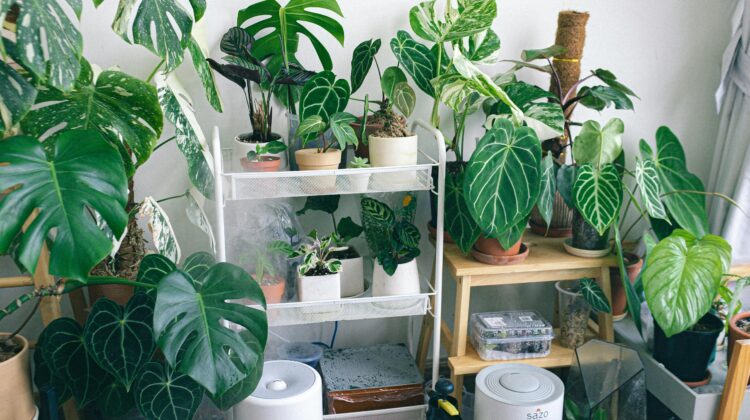
Boosting humidity doesn’t require fancy equipment. Group plants together so they create their own humid microclimate through transpiration. Set pots on pebble trays filled with water (just keep the pot bottom above the waterline). Run a humidifier nearby, or move dramatic indoor greenery to naturally humid bathrooms.
The payoff? Maintaining 50%+ humidity can increase leaf size by up to 30%. Your plants will push out bigger, healthier growth and skip those crispy edges entirely. This investment in proper humidity levels separates thriving plants from merely surviving ones.
Keeping Large Leaf Plants Healthy And Pest-Free
Maintaining the health and appearance of your large leaf plants requires consistent attention to details that casual plant owners often overlook. These preventive measures and quick interventions keep your botanical investments looking their absolute best year-round.
Leaf Cleaning and Maintenance Routines
Dust is your plant’s worst enemy. It blocks sunlight from reaching the leaf surface, which slows down photosynthesis and weakens your plant over time. Even worse, that layer of dust attracts pests like spider mites that love to hide in grimy conditions.
The solution is simple: grab a damp microfiber cloth and gently wipe each leaf once a month. Support the leaf from underneath with one hand while you wipe with the other to avoid tearing. Never use those commercial leaf shine products—they clog the pores your plant uses to breathe and can cause more harm than good.
For plants you can easily move, give them a lukewarm shower every few weeks. Just let the water run gently over the leaves to wash away dust and debris. Regular cleaning can boost photosynthesis efficiency by 25-30%, which directly translates to faster growth and healthier foliage. This simple maintenance ritual pays dividends in plant vitality and appearance.
Good Tip!
Use distilled water for cleaning if you have hard water—it prevents white mineral spots from forming on those beautiful leaves.
Common Pests and Organic Solutions
Even the healthiest large leaf plants can attract unwanted visitors. Spider mites are the biggest troublemakers, accounting for 41% of pest problems on indoor plants. Look for fine webbing between leaves and tiny stippled dots on the leaf surface.
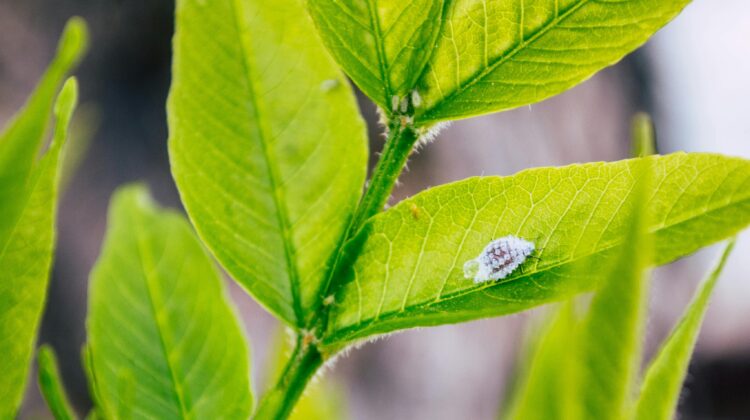
Scale insects appear as small brown bumps on stems and leaf undersides. Mealybugs show up as white, cottony masses in leaf joints. Here’s how to fight back:
- Spray affected plants with neem oil or insecticidal soap every 5-7 days
- Dab individual pests with a cotton swab dipped in isopropyl alcohol
- Isolate infected plants immediately to protect your collection
Always quarantine new plants for at least two weeks before introducing them to your indoor jungle. This simple step can save you from a full-blown infestation that could threaten your entire collection of large leaf plants.
Nutrient Deficiencies and Fertilization
Your plant’s leaves tell you exactly what they need. Yellowing between the veins signals iron deficiency. Overall pale, washed-out leaves mean nitrogen shortage. Brown, crispy edges point to potassium problems.
Feed your tropical indoor plants with a balanced liquid fertilizer (20-20-20) diluted to half-strength once monthly during spring and summer. Always follow the dilution instructions on the bottle—more isn’t better. Over-fertilizing causes fertilizer burn, which shows up as brown, scorched leaf tips that won’t recover. During fall and winter, suspend feeding entirely as growth naturally slows and nutrient demands decrease.
Pruning and Shaping Techniques
Dead or yellowing leaves drain energy from your plant. Remove them at the base using sterilized pruning shears—a quick wipe with rubbing alcohol between cuts prevents disease spread.
Selective pruning keeps your statement houseplants at a manageable size and encourages bushier growth. For Monsteras and Philodendrons, only trim aerial roots when they become a visual nuisance. Those roots help the plant climb and absorb moisture from the air, so leave them when possible.
According to University of Minnesota Extension, proper pruning techniques can extend your plant’s lifespan and improve its overall appearance significantly. Strategic trimming redirects energy toward new growth and helps maintain the sculptural form that makes these plants such powerful design elements.
Styling Large Leaf Plants In Your Home Design
The real magic happens when you move beyond simply keeping plants alive and start treating them as integral design elements. Thoughtful placement and styling transforms large leaf plants from houseplants into architectural features that define your entire space.
Strategic Placement for Visual Balance
Where you put your large leaf plants matters just as much as which ones you choose. Corner placement works wonders for creating vertical drama—think of a tall Bird of Paradise anchoring an empty corner and drawing the eye upward. Flanking your sofa or bed with matching statement houseplants creates instant symmetry that feels professionally designed.
Here’s where it gets fun: you can use these bold foliage plants as natural room dividers. A well-placed Monstera or Fiddle Leaf Fig can separate your living area from your dining space without blocking light or building walls. Apply the “rule of thirds” when styling—imagine dividing your wall into three sections and placing your plant at one of those intersecting points rather than dead center.
Don’t forget to vary heights for visual interest. Mix your tall architectural plants with medium-sized specimens and smaller trailing varieties to create layered vignettes that feel organic and collected over time. This dimensional approach prevents the flat, one-note look that can make plant collections feel more like a nursery than a curated living space.
Good Tip!
Use painter’s tape to mark potential plant positions on your floor before committing. Live with the mock placement for a few days to see how it affects your room’s flow and natural light patterns.
Container Selection That Complements Bold Foliage
Your pot choice can make or break your plant’s visual impact. Choose containers 2-4 inches larger than the root ball—any bigger and you risk waterlogged soil that leads to root rot. Terracotta pots are fantastic for moisture regulation since they’re porous and allow soil to breathe. Ceramic planters with drainage holes offer the best of both worlds: they’re beautiful and functional.
If you need to move your large leaf plants seasonally (say, from a bright summer spot to a warmer winter location), lightweight plastic containers make life easier. Color matters too. Neutral tones like white, black, or natural terracotta let the dramatic foliage take center stage, while bold pot colors can either harmonize with your leaf tones or create striking contrast.
Never compromise on drainage holes. They’re non-negotiable for preventing the root rot that kills more tropical indoor plants than any other issue. If you fall in love with a decorative pot without drainage, use it as a cachepot—a decorative outer vessel that holds a functional growing pot with proper drainage inside.
Creating Focal Points and Plant Groupings
A single statement plant can anchor a minimalist space beautifully. One perfectly placed Fiddle Leaf Fig in a clean-lined room creates that “less is more” aesthetic that interior designers love. But if you’re drawn to maximalist designs, grouped arrangements work magic—cluster three or five plants of varying heights for visual richness.
Try pairing your large leaf plants with trailing varieties like Pothos or String of Hearts. The cascading foliage adds dimension and softens the bold, upright structure of your statement pieces. Scale proportions matter here: your plants should be roughly 1/3 to 2/3 the height of nearby furniture. A tiny plant next to a massive sofa gets lost, while an oversized specimen can overwhelm a delicate side table.
Seasonal Styling and Rotation
Your plants aren’t statues—they need regular rotation for even growth. Turn each plant 90 degrees weekly so all sides get equal light exposure. This prevents that lopsided lean toward the window that makes plants look awkward and unbalanced.
Winter requires special attention. Move your tropical beauties away from cold windows and drafty areas, and boost humidity with a nearby humidifier or pebble tray. Refresh the topsoil with decorative elements like smooth river stones or preserved moss for a polished look that also helps retain moisture.
During warm months, consider temporary outdoor placement in a shaded spot. This growth boost can work wonders, but acclimate plants gradually to prevent shock. According to the American Society of Interior Designers, properly scaled large leaf plants increase perceived room value by 15-20% in home staging scenarios—proof that thoughtful styling pays off both aesthetically and financially.
Advanced Tips For Large Leaf Plant Enthusiasts
Once you’ve mastered the basics, these advanced techniques unlock new possibilities for expanding your collection, maximizing plant potential, and tackling varieties that intimidate less experienced growers. These strategies separate casual plant owners from true enthusiasts.
Propagation Techniques For Expanding Your Collection
Want to multiply your statement houseplants without spending a fortune? Propagation is your secret weapon. For Monsteras and Philodendrons, stem cutting is surprisingly simple. Find a node (that little bump where leaves emerge), cut just below it with clean shears, and place the cutting in water or sphagnum moss. You’ll see roots forming within 2-3 weeks. Once those roots hit 2-3 inches, transplant into soil.
Alocasias and Bird of Paradise prefer the division method. When repotting, gently separate the root ball into sections, making sure each has healthy roots and at least one growing point. Rubber Plants respond beautifully to air-layering—a technique where you encourage roots to form while the stem is still attached to the parent plant.
Here’s the game-changer: rooting hormone. It boosts success rates significantly, especially with trickier species. A small investment that pays off when you’re building your tropical indoor plants collection. Within a year, you can create enough plants to fill your home or share with friends, transforming a few purchases into an entire indoor jungle.
Good Tip!
Label your propagation containers with the date and species name. It helps you track progress and know when cuttings are ready for transplanting.
Training And Supporting Climbing Varieties
Vertical growth isn’t just about saving floor space—it’s about unlocking your plant’s full potential. Installing a moss pole, coco coir pole, or trellis transforms how Monsteras and Philodendrons grow. Secure stems loosely with soft plant ties or velcro strips as they climb. This mimics their natural rainforest behavior, where they scale trees toward sunlight.
The payoff? Vertical training produces those giant leaves you see on Instagram. Research shows moss pole training increases Monstera leaf size by 40% on average. Those dramatic fenestrations (leaf splits) become more pronounced as the plant matures vertically.
For bold foliage plants that really make a statement, consider wall-mounting options. Attaching climbing varieties to wooden frames or grid systems creates living art installations that command attention in any room. The vertical orientation also improves air circulation around leaves, reducing disease risk while creating stunning visual impact.
Rare And Unusual Large Leaf Plant Varieties
Ready to level up beyond the basics? The collector’s market for architectural plants has exploded—growing 156% from 2021 to 2024. Philodendron gloriosum offers velvety, heart-shaped leaves with striking white veining. Anthurium clarinervium displays similar dramatic veining patterns that look hand-painted.
Alocasia dragon scale lives up to its name with textured, scale-like leaves that catch light beautifully. And Monstera Thai Constellation? Those variegated cream-and-green leaves command premium prices for good reason—they’re stunning and relatively rare.
These rare specimens typically need the same care as their common cousins—bright indirect light, consistent moisture, good drainage. The main difference is sourcing. Check reputable online nurseries, local plant swaps, or specialty shops. While prices for rare large leaf plants can seem steep, they’re often more forgiving than their exotic status suggests once you understand their basic requirements.
Transitioning Outdoor Large Leaf Plants Indoors
Before the first frost hits, bring those outdoor specimens inside—but do it gradually. Start acclimating them 2-3 weeks early by reducing light exposure incrementally. Move plants to shadier spots each week to prevent shock.
Conduct a thorough pest inspection. Check under leaves, along stems, and in soil for hitchhikers. Treat any issues before bringing plants indoors where pests can spread to your entire collection. A preventive spray with insecticidal soap provides extra insurance.
Expect some leaf drop during transition. It’s normal adaptation, not failure. Your plant is adjusting to lower light and different humidity levels. Some species like Elephant Ears and Bananas can be overwintered dormant in cool, dark locations (50-60°F). Cut back foliage, reduce watering to minimal, and let them rest until spring. This dormancy period allows these large leaf plants to conserve energy and return with vigorous growth when conditions improve, often producing even more impressive foliage than before.
Conclusion
Large leaf plants offer unmatched drama and architectural beauty for indoor spaces, transforming ordinary rooms into lush, tropical retreats with their bold foliage and commanding presence.
Throughout this guide, we’ve explored the best species for indoor success—from the ever-popular Monstera deliciosa to the elegant Bird of Paradise—along with essential care requirements including proper lighting (bright indirect for most varieties), consistent watering schedules, well-draining soil mixes, and adequate humidity levels. We’ve addressed common challenges like pest management, nutrient deficiencies, and leaf maintenance, empowering you to keep those impressive leaves healthy and glossy year-round.
Whether you’re incorporating a single statement Fiddle Leaf Fig into your minimalist living room or creating a layered jungle aesthetic with multiple large leaf plants as part of your house plants design ideas, these magnificent specimens reward your care with dramatic growth and undeniable visual impact.
Ready to bring home your first large leaf plant? Start with a beginner-friendly Monstera, assess your space’s lighting conditions, and commit to a simple weekly care routine that includes watering checks, leaf cleaning, and monthly fertilizing during growing seasons—your journey to a lush, tropical indoor oasis starts with a single bold leaf.
Frequently Asked Questions
How do I know if my large leaf plant is getting enough light without a meter?
Try the shadow test at midday: hold your hand 12 inches above the plant location. A soft, fuzzy shadow indicates bright indirect light, while a sharp shadow means too much direct sun. No shadow at all signals insufficient light for most tropical varieties.
Can I use tap water for my large leaf plants, or do I need filtered water?
Most large leaf plants tolerate tap water fine if you let it sit overnight to evaporate chlorine. However, if you have heavily chlorinated or hard water, consider using filtered water to prevent mineral buildup and leaf spotting on sensitive species.
Why are my Monstera’s new leaves coming in small without splits?
Small, unsplit leaves typically signal insufficient light. Monsteras need bright indirect light and vertical support to produce mature foliage with fenestrations. Try moving it closer to a window and adding a moss pole for climbing.
How long does it take to see new growth on large leaf plants?
During active growing season (spring and summer), expect new leaves every 4-6 weeks with proper care. Growth slows dramatically or stops completely in winter months, which is completely normal for most tropical varieties.
Should I remove the brown tips on my plant’s leaves?
You can trim brown tips with sterilized scissors, cutting at an angle to mimic the natural leaf shape. However, address the underlying cause—usually low humidity or inconsistent watering—to prevent the problem from continuing on new growth.
Do large leaf plants really purify air better than smaller plants?
Yes, larger leaf surface area means more photosynthesis and greater air filtration capacity. Plants with leaves over 8 inches can filter up to 87% of certain air pollutants within 24 hours, making them functional as well as decorative.