
Page Contents
Plants with Green and White Leaves: Complete Care Guide
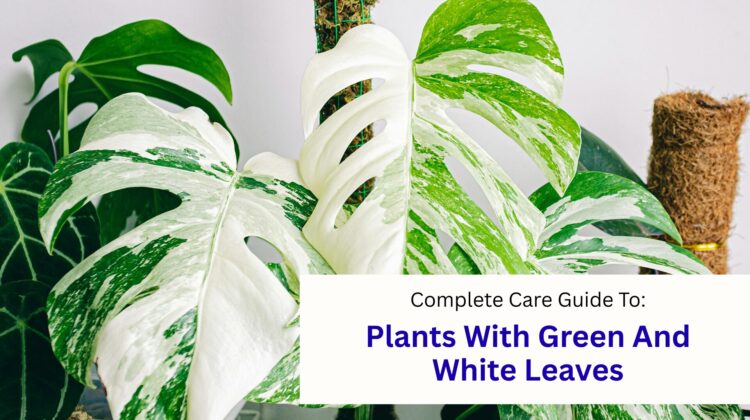
Plants with green and white leaves—including Pothos ‘Marble Queen’, Calathea ‘White Fusion’, and Monstera ‘Albo’—require bright indirect light and consistent moisture to maintain their stunning variegation.
Walking into a room adorned with plants featuring green and white leaves creates an instant impression of elegance and sophistication. These variegated beauties reflect light in unique ways, adding dimension and visual interest that solid green plants simply can’t match.
However, maintaining those gorgeous white patterns presents several challenges. Many plant enthusiasts struggle with issues like browning edges, leaves reverting to solid green, or determining the right light conditions to keep variegation vibrant and healthy.
This comprehensive guide will introduce you to the most stunning plants with green and white leaves, provide detailed care instructions for maintaining perfect variegation, troubleshoot common problems, and show you how to incorporate these statement pieces into your home decor—whether you’re a novice plant parent or an experienced collector.
Understanding Plants With Green and White Leaves: The Science Behind Variegation
The striking appearance of plants with green and white leaves has captivated indoor gardeners for generations. These botanical beauties don’t just add visual interest—they represent fascinating genetic quirks that make them both rare and remarkable. Before diving into specific varieties and care tips, let’s explore the science that creates those mesmerizing patterns.
What Causes Those Stunning White Patterns?
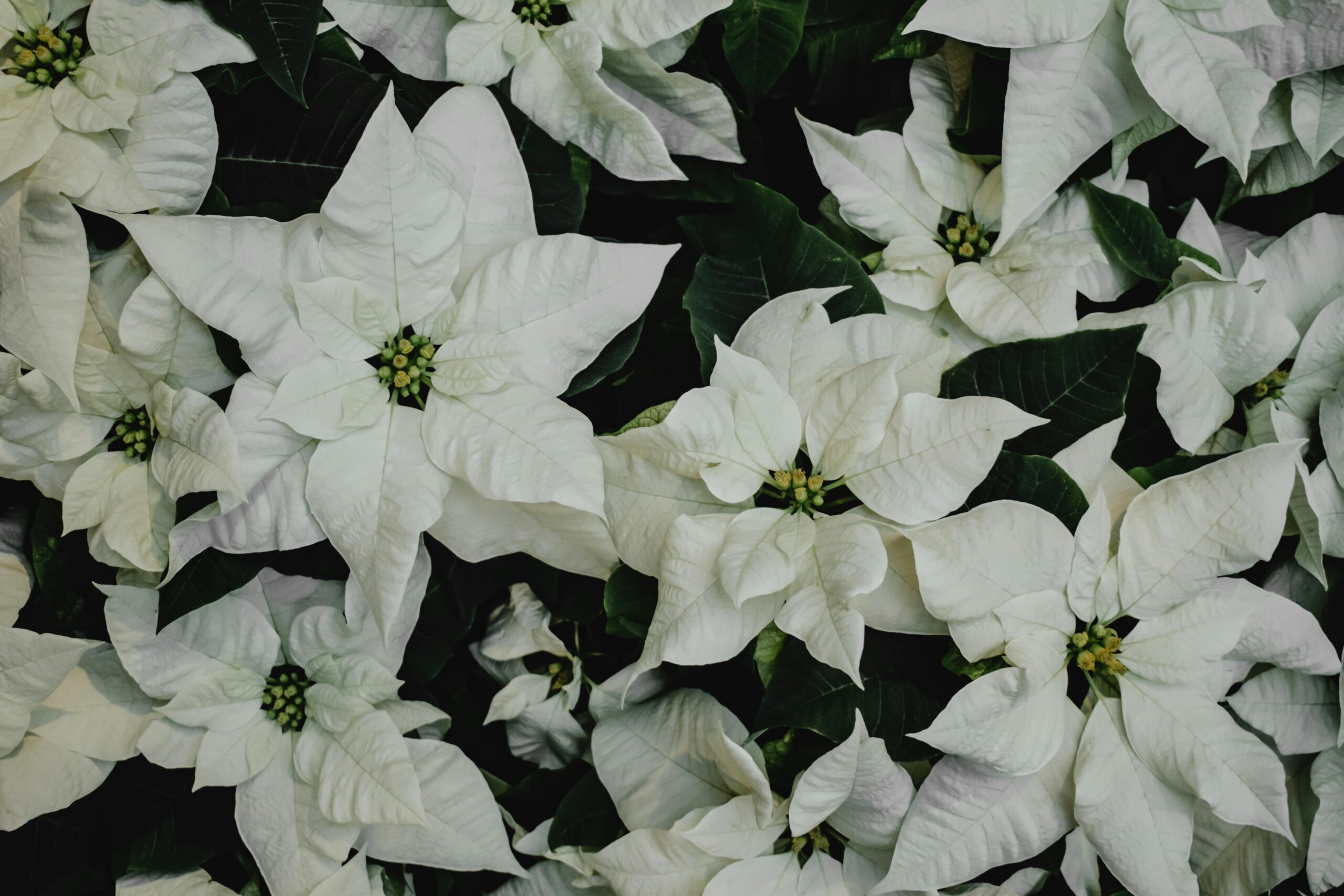
Ever wonder why some leaves show off white, cream, or silver patches while others stay solid green? It all comes down to chlorophyll—or rather, the lack of it. Chlorophyll is the green pigment that helps plants make food through photosynthesis. When certain leaf sections don’t produce this pigment, you get those striking white areas that make a plant with green and white leaves so eye-catching.
This happens through genetic mutations or something called chimeral variegation. Think of chimeral variegation as a plant having two different genetic “recipes” in one body—some cells produce chlorophyll, others don’t. According to research in the American Journal of Botany, this naturally occurs in only about 1 in 100,000 plants, which explains why stable variegated houseplants can cost 200-500% more than their solid green cousins.
Understanding this genetic foundation helps explain not only why these plants are priced higher, but also why they require special attention to maintain their distinctive coloring. The relationship between chlorophyll and variegation becomes especially important when we look at the different pattern types that emerge.
Decoding Variegation Patterns
Not all variegation looks the same. You’ll spot four main pattern types, each with its own visual punch:
- Sectoral variegation shows up as bold blocks of white or green, like entire leaf sections painted different colors
- Marginal variegation creates elegant edges, with white or cream borders framing green centers
- Blotched variegation gives you random white spots scattered across leaves—no two leaves look identical
- Marbled or mosaic patterns blend white and green in swirling, unpredictable designs
A Monstera Albo typically displays sectoral patterns with dramatic half-white leaves, while a Pothos ‘Marble Queen’ shows that classic marbled look. Recognizing these patterns helps you identify plants and understand their specific care requirements, since different variegation types can behave differently under various growing conditions.
Good Tip!
Place your variegated plant near an east-facing window where it gets bright morning light but avoids harsh afternoon sun—this sweet spot maintains white patterns without burning delicate tissue.
Why Variegated Plants Need Extra Light
Here’s the catch: those beautiful white portions can’t photosynthesize. They’re essentially freeloading off the green parts. This means your plant with green and white leaves needs 30-50% more light than solid green varieties just to stay healthy. Without enough light, the plant struggles to make food, and you’ll notice new leaves coming in greener—the plant’s survival response.
Position these beauties within 3-5 feet of bright, indirect light sources. A light meter reading of at least 200 foot-candles keeps variegation stable, according to the University of Florida IFAS Extension. This increased light requirement explains why even low-light tolerant species need brighter conditions when they’re variegated—they’re working harder to produce energy with less chlorophyll.
Will Your Plant Stay Variegated?
Some plants hold their patterns reliably, while others revert to solid green faster than you’d like. This depends on whether the variegation is genetically stable or chimeral. Variegated Indoor Plants: The Science Behind the Latest Houseplant Trend explains that chimeral types show two different chromosomal makeups, making them more prone to reverting when stressed by low light or rapid growth.
The fix? Prune out any solid green growth immediately—those sections grow faster and will eventually take over. Keep light levels consistent, and your white patterns should stick around. This vigilance is crucial because once a plant fully reverts to green, it’s nearly impossible to bring back the variegation. Now that you understand the science behind these stunning specimens, let’s explore which varieties deserve a spot in your home.
Top 10 Stunning Plants with Green and White Leaves for Your Home
Choosing your first plant with green and white leaves can feel overwhelming with so many options available. The key is matching the plant to your experience level and growing conditions. Whether you’re a complete beginner or a seasoned collector, there’s a variegated beauty waiting to brighten your space.
Best Variegated Plants for Beginners
Starting your journey with a plant with green and white leaves doesn’t have to be intimidating. Pothos ‘Marble Queen’ leads the pack as the ultimate forgiving friend—it tolerates missed waterings and adapts to various light conditions while showing off creamy white splashes across its heart-shaped leaves. Spider Plant ‘Vittatum’ comes in a close second, producing cascading striped foliage and baby plantlets that you can share with friends.
Snake Plant ‘Moonshine’ offers a modern twist with silvery-white leaves edged in dark green, thriving on neglect and low light. Chinese Evergreen ‘Silver Bay’ rounds out this beginner quartet with bold silver-green patterns that brighten dim corners where other variegated houseplants struggle. These four varieties provide enough resilience to forgive the occasional care mistake while still delivering that coveted variegated look.
Good Tip!
Place your beginner variegated plants within 5 feet of a window but out of direct sun—this sweet spot maintains their white patterns without risking leaf burn.
Medium-Difficulty Showstoppers
Ready to level up? Philodendron ‘Brasil’ delivers glossy leaves with lime-yellow and dark green stripes that trail beautifully from shelves. This variety rewards consistent care with vigorous growth and increasingly dramatic variegation. Calathea ‘White Fusion’ steals the show with its feathered white and green patterns that seem hand-painted, though it demands consistent humidity and filtered water. The extra attention pays off when those striking leaves unfurl.
Dieffenbachia ‘Camille’ creates a tropical statement with creamy white centers surrounded by green edges—just keep it away from pets and kids since it’s toxic if chewed. These intermediate options bridge the gap between foolproof beginners and high-maintenance rarities, teaching you valuable skills about humidity control and water quality.
Collector’s Varieties Worth the Investment
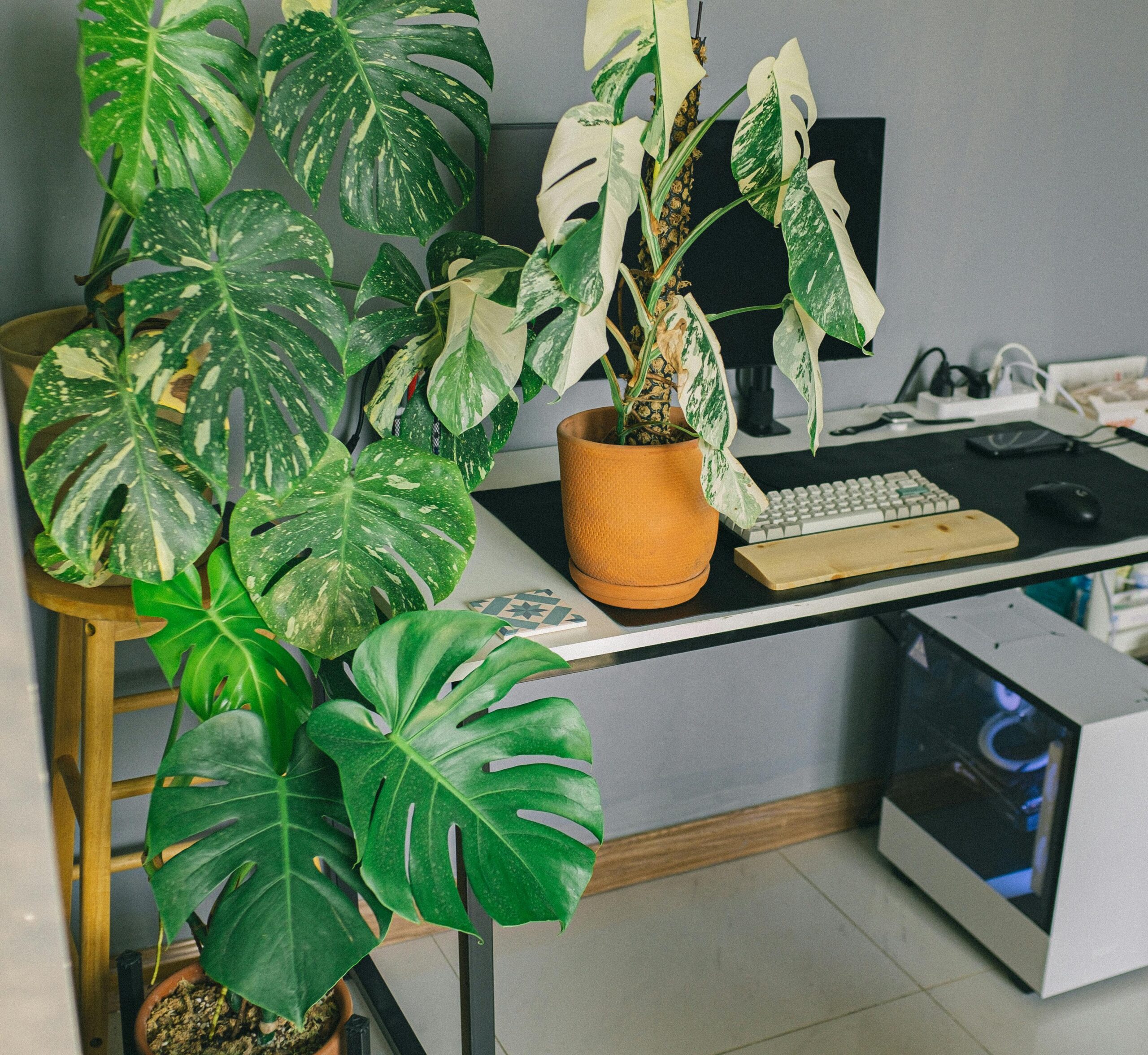
If you’re serious about plants with white and green leaves for your indoor jungle, Monstera ‘Albo Borsigiana’ tops every collector’s wish list with dramatic white sectors that can cover half the leaf. The price tag might make you wince, but watching those fenestrated leaves emerge half-white is genuinely thrilling.
Philodendron ‘White Princess’ offers pink-tinged new growth that matures into white and green variegation, creating a multi-colored display throughout the growing season. Syngonium ‘Albo’ presents arrow-shaped leaves splashed with white—all three command premium prices but reward dedicated care with breathtaking displays. These investment pieces become conversation starters and often appreciate in value as they mature.
Pet-Friendly Options
Love animals and plants equally? Spider Plant, Calathea, and Boston Fern ‘Whitmanii’ offer safe alternatives. These non-toxic beauties let you enjoy white striped indoor plants without worrying about curious cats or playful pups. You don’t have to sacrifice style for safety—these pet-friendly options still deliver impressive variegation that transforms any room. With your perfect plant selected, the next step is mastering the care techniques that keep those white patterns vibrant and healthy.
Essential Care Guide for Maintaining Vibrant Green and White Leaves
Bringing home a gorgeous variegated specimen is only the beginning. The real challenge—and reward—comes from providing the precise conditions these plants need to thrive. While each species has specific requirements, certain universal principles apply to all plants with green and white leaves.
Find the Sweet Spot: Bright Indirect Light
Your plant with green and white leaves needs more light than you’d think—but not direct sun. Those gorgeous white portions lack chlorophyll, which means they can’t photosynthesize as efficiently as green sections. Position your variegated houseplants near east or north-facing windows where they’ll get plenty of brightness without harsh rays that scorch delicate tissues.
If you notice new leaves coming in more green than white, that’s your plant telling you it needs more light. Move it closer to the window or consider a grow light during darker months. The transformation can be dramatic—I’ve seen Pothos go from mostly green back to heavily variegated within a few weeks of getting proper lighting. South and west-facing windows work too, but you’ll need sheer curtains to diffuse the intense afternoon sun.
Water Smart to Protect White Leaf Sections
Here’s the tricky part: white portions dry out faster but are also more prone to rot. Check the top 1-2 inches of soil with your finger—when it feels dry, it’s time to water. Always use room temperature filtered water if possible. Tap water contains fluoride and chlorine that cause brown spots and crispy edges, especially on those delicate white sections. I learned this the hard way when my Monstera Albo developed brown tips until I switched to filtered water.
Bottom watering works great too, letting roots soak up what they need without oversaturating the soil. Simply place your pot in a tray of water for 10-15 minutes, then remove and let excess drain. This method encourages deeper root growth while keeping foliage dry, reducing the risk of fungal issues on sensitive white leaf tissue.
Good Tip!
Set up a pebble tray under your variegated plants—fill a shallow tray with pebbles and water, then place your pot on top. As water evaporates, it creates a humidity bubble around your plant without risking root rot from sitting in water.
Maintain 40-60% Humidity Year-Round
White leaf portions lose moisture faster than green areas, making humidity crucial—especially during dry winter months. Aim for 40-60% humidity using pebble trays, grouping plants together, or running a humidifier nearby. If you see brown, crispy edges forming on white sections, low humidity is usually the culprit.
For more detailed guidance on keeping your variegated beauties thriving, check out this Ultimate Care Guide for Variegated Indoor Plants. Grouping plants creates a microclimate where they collectively raise humidity through transpiration—a simple, cost-effective strategy that benefits your entire collection.
Feed Lightly During Growing Season
Less is more when fertilizing variegated houseplants. Use half-strength balanced fertilizer once monthly during spring and summer only. Over-fertilizing burns white leaf sections faster than green ones, leaving ugly brown patches. Skip feeding entirely in fall and winter when growth naturally slows. Think of fertilizer as a gentle boost rather than a requirement—your plant with green and white leaves already works harder than solid green varieties, so don’t stress it further with excessive nutrients. Despite your best efforts, problems will occasionally arise. Knowing how to diagnose and fix them quickly makes all the difference.
Troubleshooting Common Problems With Green and White Leaved Plants
Even experienced plant parents encounter challenges with variegated specimens. The good news? Most issues are reversible when you catch them early and understand what’s causing the problem. Let’s walk through the most common concerns and their solutions.
Your Plant Is Losing Its White Stripes
When your plant with green and white leaves starts pushing out solid green growth, it’s crying out for more light. Those stunning white patterns need bright indirect light to stick around. Move your plant closer to a window—ideally within 3 to 5 feet of an east or north-facing one.
Here’s the crucial part: grab your pruning shears and cut off any fully green leaves or stems right away. This forces the plant to redirect energy into producing variegated growth instead. I’ve seen Pothos bounce back with gorgeous white patterns within weeks of this simple fix. Cut back to the last variegated section, even if it means removing significant growth. It feels counterintuitive, but green sections photosynthesize more efficiently and will eventually dominate if left unchecked.
White Portions Turn Brown and Crispy
Those delicate white sections on your variegated houseplants are more sensitive than you’d think. Brown, crispy edges usually mean one of three things: low humidity, direct sun hitting the leaves, or chemicals in your tap water. Start by checking your plant’s location—is harsh sunlight scorching those white areas? Move it back from the window.
Next, boost humidity with a pebble tray or humidifier, especially during winter when indoor air gets particularly dry. Finally, switch to filtered or distilled water if your tap water contains fluoride or chlorine. These chemicals accumulate in white leaf tissue faster than green, creating unsightly damage that won’t heal but can be prevented on new growth.
Good Tip!
Let tap water sit out overnight before watering—this allows chlorine to evaporate naturally and protects sensitive white leaf portions.
Yellow Leaves and Soggy Soil Mean Trouble
Yellow leaves paired with wet, heavy soil? That’s overwatering, and it’s serious. Cut back on watering immediately and check your drainage holes—are they clogged? Gently remove your plant from its pot and inspect the roots. Healthy roots look white or tan and feel firm. Mushy, brown, or smelly roots signal root rot.
Trim away damaged roots with clean scissors, repot in fresh, well-draining soil, and adjust your watering schedule. According to the Royal Horticultural Society, overwatering causes 60% of houseplant deaths. The white portions of variegated leaves make plants particularly vulnerable because they’re already working with reduced photosynthetic capacity—add compromised roots to the equation, and you’ve got a struggling plant. Prevention is easier than cure, so always err on the side of underwatering with variegated varieties.
Pests Love White Leaf Areas
Spider mites and mealybugs target white portions of leaves more than green areas—they’re just easier to colonize. Inspect your plants weekly, especially under leaves and along stems. Catch pests early and spray with neem oil or insecticidal soap. Apply every 5 to 7 days until they’re gone completely.
The white sections show pest damage faster too, so they actually serve as early warning systems for your entire plant collection. Quarantine any affected plants immediately to prevent spread, and increase your inspection frequency on neighboring plants. Once you’ve mastered care and troubleshooting, you’ll want to showcase these beauties in your home for maximum visual impact.
Styling Your Home With Green and White Variegated Plants
The aesthetic appeal of plants with green and white leaves extends far beyond their botanical interest. These living art pieces deserve thoughtful placement and styling that highlights their unique characteristics while complementing your home’s design. Strategic positioning transforms individual plants into cohesive design elements.
Create Dramatic Focal Points With Statement Specimens
Want to make a real impact? Position larger variegated plants like Monstera ‘Albo’ or Fiddle Leaf Fig ‘Tineke’ against dark walls. The contrast is stunning. Those white portions practically glow against charcoal gray, navy blue, or black surfaces. I placed my Monstera ‘Albo’ against a dark accent wall in my living room, and it became an instant conversation starter.
The white splashes catch natural light and create visual drama that no artwork could match. This works especially well in modern or minimalist spaces where you want one bold element to anchor the room. Consider the plant’s mature size when choosing location—that small Monstera will eventually need several feet of space to spread its fenestrated leaves.
Arrange Plants at Different Heights for Visual Flow
Don’t just line up your plants on one surface. Mix things up. Use plant stands to elevate some specimens. Hang trailing varieties like Pothos ‘Marble Queen’ from the ceiling. Add floating shelves at staggered heights. This creates what designers call “visual rhythm”—your eye naturally moves through the space instead of stopping at one flat level.
I use a tall plant stand for my Philodendron ‘Birkin’, a mid-height shelf for my Spider Plant, and a hanging planter for my trailing Pothos. The result? A dynamic, layered look that feels intentional and polished. Varying heights also ensures each plant gets appropriate light without shading others—functional design at its finest.
Good Tip!
Rotate your variegated plants 90 degrees every week to ensure even growth and prevent them from leaning toward the light source—this keeps their shape balanced and their variegation consistent on all sides.
Choose Containers That Enhance Variegation
Your pot choice matters more than you think. White ceramic containers make the green portions pop and create a clean, cohesive look. Black pots, on the other hand, make white variegation stand out dramatically—perfect for high-contrast spaces. Terracotta adds warmth while still highlighting those white leaf portions.
Avoid busy patterns that compete with the natural variegation. Keep it simple so your plant with green and white leaves remains the star. I’ve found that neutral containers work best for most spaces, letting you rearrange plants without worrying about clashing styles. Invest in quality drainage—even the most beautiful pot is worthless if it causes root rot.
Balance Your Collection With the 60-30-10 Rule
Here’s a designer secret that works every time: use 60% solid green plants, 30% variegated houseplants, and 10% colorful or flowering plants. This creates balance without overwhelming your space. Too many variegated plants can feel chaotic, while all solid green lacks visual interest. The 60-30-10 approach gives you that perfect mix.
My own collection follows this rule—mostly solid green Pothos and Philodendrons, a few variegated showstoppers, and one pink Anthurium for a pop of color. This ratio ensures your variegated specimens remain special focal points rather than competing for attention. The solid green plants provide a restful backdrop that makes those white-splashed leaves truly shine, creating a sophisticated, gallery-like atmosphere that feels curated rather than cluttered.
Conclusion
Plants with green and white leaves offer unmatched elegance and visual interest for any interior space. Remember that these variegated beauties require more light than solid green plants to maintain their stunning patterns, and their white portions need special attention to prevent browning or pest issues. Start with beginner-friendly varieties like Pothos ‘Marble Queen’ or Spider Plant while you master the light, water, and humidity balance these plants require. As your confidence grows, explore more exotic varieties that can become true centerpieces in your plant collection. With proper care, these stunning variegated specimens will transform your space with their architectural beauty and sophisticated contrast.
Frequently Asked Questions
How much more expensive are variegated plants compared to regular green ones?
Variegated plants typically cost 200-500% more than their solid green counterparts. This price difference reflects their rarity, with stable variegation naturally occurring in only about 1 in 100,000 plants. Collector varieties like Monstera ‘Albo’ command the highest premiums.
Can I grow variegated plants in low-light rooms?
Most variegated plants struggle in low light and will revert to solid green as a survival mechanism. They need 30-50% more light than non-variegated varieties, ideally receiving at least 200 foot-candles. Chinese Evergreen ‘Silver Bay’ tolerates dimmer conditions better than most.
Will my plant keep producing variegated leaves, or will it eventually turn all green?
Variegation stability depends on the type—genetically stable varieties maintain patterns reliably, while chimeral types revert more easily under stress. Providing consistent bright indirect light and immediately pruning solid green growth helps preserve white patterns long-term.
Why do the white parts of my plant’s leaves turn brown faster than the green parts?
White leaf sections lack chlorophyll and protective pigments, making them more vulnerable to damage. They dry out faster, burn more easily in direct sun, and absorb harmful chemicals from tap water more readily than green tissue does.
Is it safe to have variegated plants around my pets?
Many popular variegated plants like Pothos, Philodendron, and Monstera are toxic to pets if ingested. Pet-safe alternatives include Spider Plant, Calathea varieties, and Boston Fern ‘Whitmanii,’ which all offer beautiful variegation without health risks.
Should I fertilize variegated plants differently than regular houseplants?
Yes—use half-strength balanced fertilizer only during spring and summer months. White leaf portions burn more easily from excess nutrients, so less frequent, diluted feeding protects these delicate areas while still supporting overall plant health.
Sources
American Journal of Botany – Research on chimeral variegation in natural plant populations
Journal of Plant Physiology – Light requirements for variegated versus solid green plants
Royal Horticultural Society – Houseplant care guidelines for variegated species