
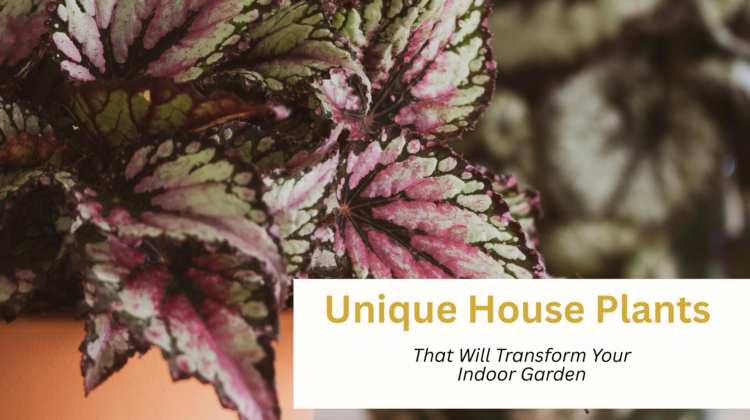
Unique house plants include rare aroids, unusual succulents, and specialty foliage varieties that offer distinctive colors, shapes, and textures beyond common houseplant selections.
Scrolling through Instagram, you’ve seen them—those jaw-dropping plant collections featuring specimens that look like they belong in a botanical garden, not a living room. If you’re tired of the same pothos and snake plants gracing every corner, you’re ready to discover unique house plants that truly stand out.
Most plant enthusiasts hit a wall when their collections start looking identical to everyone else’s. Big-box stores stock the same fifteen species, and finding truly distinctive varieties feels impossible. You want plants that spark conversation, showcase your personality, and bring genuine novelty to your space.
This comprehensive guide reveals fifty extraordinary plant species across multiple categories, complete with care requirements, where to source them, and how to integrate these botanical treasures into your home. You’ll learn which unusual varieties thrive in various light conditions, how to care for finicky specimens, and styling strategies that make your collection genuinely one-of-a-kind.
Page Contents
What Makes A House Plant Truly Unique?
Rarity That Creates Real Scarcity
Not every plant you can’t find at Home Depot qualifies as rare. True scarcity comes from biology, not just limited distribution. Some plants propagate painfully slowly—a single Monstera Obliqua cutting might take two years to produce another leaf. Others face geographic restrictions, growing only in specific microclimates that are nearly impossible to replicate commercially.
Limited propagation methods add another layer of genuine rarity. While pothos roots in water within days, many rare houseplants for collectors require tissue culture or specialized grafting techniques that keep production numbers low. The American Horticultural Society notes that while roughly 2,000 tropical species can grow indoors, only 50-75 dominate retail shelves. That gap between what’s possible and what’s available? It’s where genuine uniqueness lives, and it’s what separates truly unique house plants from their common cousins.
Visual Drama That Commands Attention
Walk into a room with a distinctive plant, and you’ll know it immediately. Unique house plants announce themselves through leaves with natural perforations that look hand-cut, foliage in near-black or steel-blue shades that seem impossible in nature, and variegation patterns so striking they resemble abstract art.
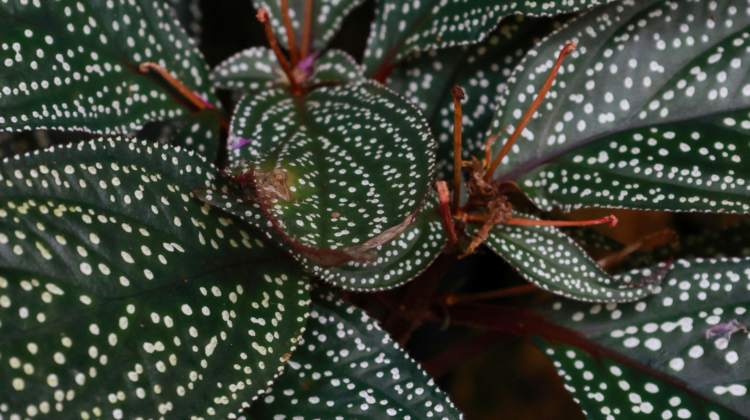
But it’s not just about leaf patterns. Architectural growth habits create equal impact—think of how a mature Alocasia Zebrina creates living sculpture with its bold striped stems, or how unusual indoor plants with unique foliage like the Begonia Maculata display polka-dotted leaves that look painted on. These distinctive indoor plant species don’t fade into backgrounds or serve as filler. Instead, they create focal points that spark conversations and double-takes, transforming ordinary spaces into botanical showcases.
Good Tip!
Before investing in expensive rare specimens, test your skills with affordable unusual varieties first. A $15 Watermelon Peperomia teaches the same humidity lessons as a $300 Anthurium without the financial stress.
Fascinating Behaviors Beyond Basic Growth
Some plants do more than just sit pretty on your shelf. Prayer plants fold their leaves upward each evening through nyctinasty—a daily rhythm you can actually watch unfold in real time. Carnivorous varieties like Venus flytraps and pitcher plants actively trap insects, bringing predatory drama to your windowsill that feels more animal than vegetable. Epiphytic species climb and attach to surfaces rather than growing in traditional soil, mimicking their tree-dwelling rainforest origins right in your living room.
These exotic houseplant varieties offer interactive experiences that transform plant care from routine maintenance into genuine fascination. You’re not just watering and waiting—you’re observing behaviors that connect you to evolutionary adaptations millions of years in the making.
Collector Appeal Driving Market Demand
The houseplant boom isn’t slowing down, and unique house plants sit at the heart of this cultural shift. In 2020, 18.3 million U.S. households bought houseplants, with millennials leading the charge for rare specimens. Some unique house plants now sell for thousands of dollars—a mature Monstera Albo cutting recently fetched $8,000 online, and that’s not even an outlier.
This isn’t just about plants anymore. It’s about curating collections that reflect personal taste and botanical knowledge, much like art collecting but with living, growing investments. The combination of aesthetic appeal, rarity, and the satisfaction of successfully cultivating something challenging has created a collector’s market that shows no signs of cooling. For beginners looking to enter this world, the good news is that you don’t need to drop thousands to start building a collection that feels special and unique.
Beginner-Friendly Unique House Plants Anyone Can Grow
You don’t need advanced horticulture skills to enjoy truly distinctive plants. These beginner-friendly options deliver visual impact and genuine uniqueness without demanding expertise or expensive equipment.
String of Turtles: Tiny Patterns, Big Impact
String of Turtles (Peperomia prostrata) looks like someone hand-painted miniature turtle shells onto every leaf. This trailing plant drapes beautifully from shelves or hanging baskets, creating instant visual interest without demanding much in return.
Water it when the soil dries out completely—usually every 7-10 days—and place it in bright, indirect light. Unlike fussier plants, it tolerates average home humidity just fine. The best part? It stays compact and manageable, making it perfect for small spaces or anyone nervous about overwhelming growth. Despite its distinctive appearance, it’s one of the most forgiving unique house plants you can start with.
Watermelon Peperomia: Nature’s Optical Illusion
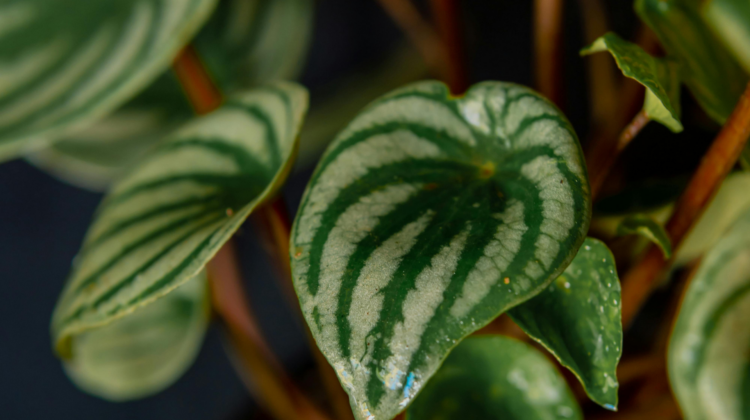
Watermelon Peperomia earns its name honestly—those silvery-green stripes genuinely resemble watermelon rinds in a way that makes people lean in for a closer look. This distinctive indoor plant species thrives in the same conditions you’re already providing for common houseplants, which makes it ideal for beginners who want something special without special treatment.
It prefers moderate watering (let the top inch of soil dry between drinks) and bright, filtered light. Many beginners worry about humidity requirements, but this rare houseplant adapts beautifully to typical indoor environments without complaint. Its upright growth habit means it won’t take over your space, and those striking leaves make every visitor do a double-take. You get wow-factor without the work.
Good Tip!
Group your beginner-friendly unique house plants together to create a humidity microclimate—they’ll help each other thrive while making a bigger visual statement than scattered singles.
Prayer Plants: Living Movement in Your Collection
Prayer Plant varieties bring something truly special to your collection—they actually move. Maranta and Calathea species fold their patterned leaves upward at night, then lower them again come morning. This natural behavior adds dynamic interest that static plants simply can’t match, turning your plant into something you observe rather than just maintain.
These unusual indoor plants with unique foliage prefer consistent moisture and indirect light. While they appreciate humidity, starting with more forgiving Maranta varieties helps you build confidence before tackling pickier Calatheas. The movement alone makes them conversation starters, but their intricate leaf patterns—from herringbone designs to painted brushstrokes—add another layer of visual appeal.
Polka Dot and Nerve Plants: Color Beyond Green
Polka Dot Plants (Hypoestes) and Nerve Plants (Fittonia) prove that unique house plants don’t need to be green to be stunning. Vibrant pink, white, or red veining transforms these compact growers into living art pieces that look more like they belong in a gallery than a garden center.
Both thrive in moderate light and prefer evenly moist soil—nothing complicated or finicky. They’re forgiving enough for beginners but distinctive enough to elevate any collection beyond the ordinary. Their compact size also makes them perfect for desks, shelves, or small spaces where larger statement plants won’t fit. You get maximum visual impact in a minimal footprint.
Rare Collector’s Unique House Plants Worth The Investment
Once you’ve mastered the basics, these collector-worthy specimens offer the next level of uniqueness—but they come with higher price tags and more specific care requirements.
Philodendron Pink Princess: The Instagram Superstar
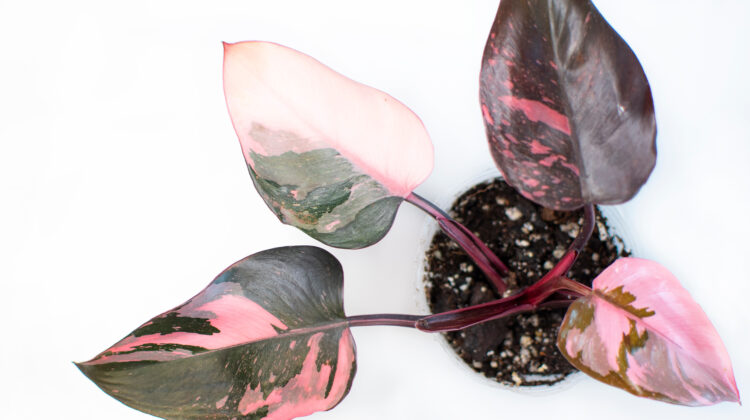
The Philodendron Pink Princess has become the poster child for rare houseplants for collectors—and for good reason. Its dramatic black and hot pink variegation creates a color combination you won’t find anywhere else in nature. Each leaf unfurls with unpredictable patterns, making every specimen genuinely one-of-a-kind.
The challenge? Pink Princess can revert to all-green growth if conditions aren’t right. Give it bright indirect light to maintain that stunning variegation, and prune any fully green leaves immediately to encourage more pink production. These distinctive indoor plant species typically cost $50-150 depending on size and pink coverage, but they’re worth every penny for the visual drama they bring. The investment pays off in pure showstopping presence.
Monstera Obliqua: More Hole Than Leaf
Often confused with the common Monstera Adansonii, the true Obliqua is the holy grail of unusual indoor plants with unique foliage. Its paper-thin leaves contain so many perforations that they’re literally more hole than leaf tissue—sometimes up to 90% fenestrated. This extreme adaptation makes Obliqua incredibly fragile and slow-growing, which explains why cuttings can command $300-1,000.
If you’re considering this investment, verify authenticity through reputable specialty plant societies before purchasing—misidentified Adansonii sold as Obliqua is common. True Obliqua demands high humidity (70%+) and patience—it may only produce 2-3 leaves per year. This is a plant for dedicated collectors willing to provide what it needs and wait for results.
Anthurium Clarinervium: Velvet Luxury
Running your fingers across an Anthurium Clarinervium feels like touching velvet. These heart-shaped leaves feature dramatic white veining against deep green backgrounds, creating a natural stained-glass effect that photographs beautifully and looks even better in person.
Unlike many exotic houseplant varieties, Clarinervium tolerates average home humidity better than expected, though it still prefers 60%+ when possible. Keep soil consistently moist but never soggy, and provide bright indirect light. Prices range from $40-100, making it more accessible than other collector plants while delivering serious visual impact. It’s the sweet spot between affordability and genuine rarity.
Variegated Monstera Albo: The Investment Piece
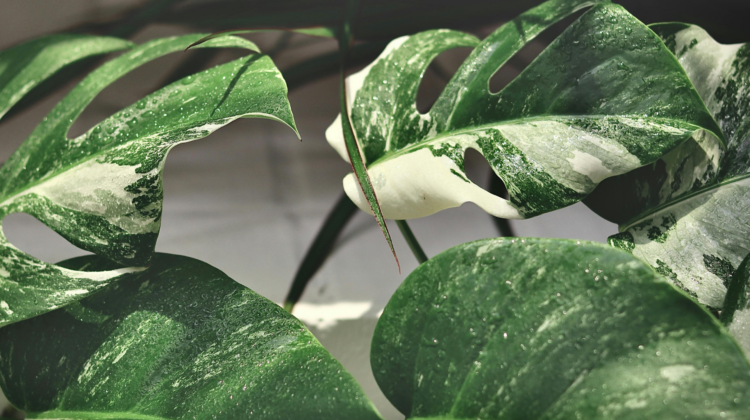
Variegated Monstera Deliciosa Albo Borsigiana commands $200+ per cutting because its stunning white marbling is unstable and slow to propagate. Each leaf emerges with unique sectoral variegation—some mostly white, others balanced, some barely marked. No two plants look identical.
The genetic mutation can’t be guaranteed through tissue culture, so every plant must be propagated from cuttings, limiting availability and keeping prices high. Albo needs bright light to maintain variegation but can sunburn easily—it’s a delicate balance that requires attention. For serious collectors of unique house plants, though, it’s the ultimate conversation starter and collection centerpiece.
Good Tip!
Before investing in expensive variegated plants, practice with affordable varieties like Pothos ‘Marble Queen’ to understand how variegation responds to light conditions. This builds confidence without risking hundreds of dollars on your first attempt.
Where To Find And Buy Unique House Plants
Knowing where to shop makes all the difference between finding genuine rarities and overpaying for common plants marketed as special.
Specialty Online Retailers With Verified Quality
Finding unique house plants online doesn’t mean settling for mystery boxes or crossed fingers. Specialty retailers like Logee’s, Steve’s Leaves, and NSE Tropicals have built their reputations on rare specimens and healthy stock. These nurseries photograph their actual inventory, provide detailed care sheets, and often guarantee plant health upon arrival.
Unlike big-box stores that carry the same fifteen species, these specialists cultivate unusual indoor plants with unique foliage you won’t find at your local garden center. They understand that collectors want verified quality, not stock photos of perfect plants that never arrive. You pay slightly more, but you’re buying expertise and reliability along with the plant.
Etsy Marketplace Shops That Deliver
Etsy has become a goldmine for rare houseplants for collectors, but you need to shop smart to avoid disappointment. Look for sellers with 4.5+ star ratings and hundreds of reviews that mention specific details about plant health and shipping. The best shops post owner-taken photos of the actual plant you’re buying—not generic images recycled across listings.
Read descriptions carefully for details about size, variegation, and current growth stage. Reputable Etsy sellers answer questions quickly and package plants like precious cargo with proper insulation and support. If you’re looking for something a bit more one-of-a-kind, take a look at our Rare Plants Collection to find some elusive beauties that bridge the gap between specialty nurseries and marketplace finds.
Local Botanical Garden Sales And Plant Swaps
Nothing beats seeing a plant in person before you buy it. Local botanical gardens host annual sales where enthusiasts gather to trade cuttings, share care tips, and sell propagated specimens. These events connect you with knowledgeable growers who actually cultivate the plants they’re selling—not just reselling imports.
You’ll discover regional specialists and learn which exotic houseplant varieties thrive in your specific climate. Plant swap events create community around distinctive indoor plant species, and you might trade a common cutting for something genuinely rare. The networking opportunities alone make these events worthwhile for serious collectors.
Good Tip!
Before buying expensive rare plants online, check the seller’s shipping guarantees and winter/summer hold policies. Reputable sellers won’t ship when temperatures could damage plants in transit.
Styling Your Unique House Plants For Maximum Impact
Once you’ve acquired these special specimens, displaying them properly ensures they get the attention they deserve.
Creating Plant Vignettes That Command Attention
Group 3-5 unique house plants together to create a visual story that’s greater than the sum of its parts. The secret? Mix complementary leaf shapes with contrasting textures. Pair the broad, velvety leaves of an Alocasia Black Velvet with the delicate, trailing String of Turtles and an upright Begonia Maculata with its polka-dotted foliage. This combination creates depth and interest that a single plant can’t achieve.
Think of it like composing a song—you need different instruments playing together. When selecting plants for your vignette, consider how their colors interact too. Silver-toned Scindapsus next to deep burgundy Tradescantia creates drama, while all-green groupings with varied textures feel sophisticated and calming. The key is intentional contrast, not random collection.
Choosing Containers That Enhance, Not Compete
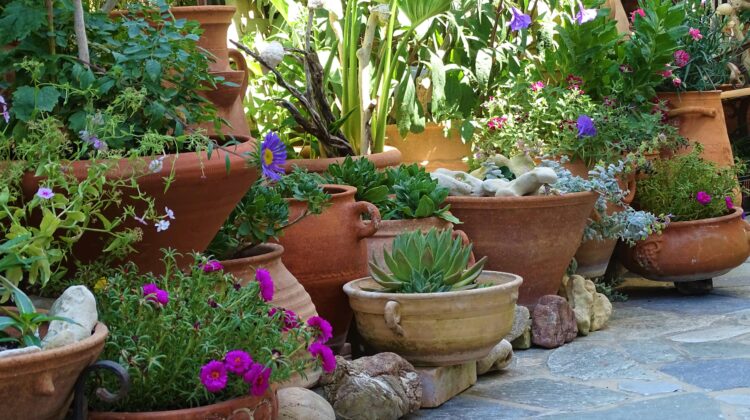
Your pot choice can make or break your plant’s presentation. For distinctive indoor plant species with bold variegation or colorful foliage—think Pink Princess Philodendron or Calathea Orbifolia—choose minimalist containers in neutral tones. Simple terracotta, matte black, or white ceramic lets the foliage shine without visual competition.
Save statement pots for plants with simpler, solid-green leaves where the container becomes part of the design. A sculptural pot elevates a basic Monstera into a focal point. As noted in decorating with plants indoors, grouping the same style or color pots together creates cohesion while allowing varied foliage to stand out. Your collection looks curated rather than cluttered.
Good Tip!
Use the “one-third rule” when pairing plants with pots—your plant should be roughly twice the height of its container for balanced proportions that feel natural, not top-heavy.
Using Height Variation to Create Visual Flow
Combine hanging, trailing, upright, and architectural plants to guide the eye through your space. Start with a tall, structural piece like a Philodendron Gloriosum on a plant stand, add a mid-height bushy specimen like a Peperomia Watermelon, and finish with a trailing Hoya Carnosa spilling over the edge.
This layering creates movement and prevents that “all the same height” monotony that makes collections feel flat. In corners, use vertical space by mounting a hanging planter above a floor plant—your eye travels up and down, making the space feel fuller and more intentional. Strategic height variation transforms individual plants into an integrated design.
Displaying Unusual Plants as Living Art
Treat your rare houseplants for collectors like the masterpieces they are. Mount epiphytes like Staghorn Ferns or Tillandsia directly on driftwood or cork boards for wall-mounted living sculptures that become architectural features. Display carnivorous plants under glass cloches to create mini ecosystems that protect them while showcasing their alien beauty.
Feature your most prized variegated specimens—a Monstera Albo or Philodendron Birkin—as solo focal points on floating shelves with dedicated lighting. These aren’t just plants; they’re conversation starters that deserve spotlight treatment. When you’ve invested time and money into truly unique house plants, presenting them as living art honors both the plants and your collection.
Conclusion
Discovering and growing unique house plants transforms your indoor garden from ordinary to extraordinary, offering endless opportunities for personal expression and botanical exploration.
From beginner-friendly varieties to collector-grade specimens, unusual doesn’t necessarily mean difficult.
By understanding what makes plants truly unique, matching specimens to your available light conditions, and sourcing from reputable retailers, you’re equipped to build a collection that reflects your individual style and stands apart from the mainstream.
Frequently Asked Questions
How do I know if a rare plant is actually worth the high price?
Research the plant’s propagation difficulty and growth rate—true rarity stems from slow growth or limited reproduction methods. Check multiple sellers to compare prices, and verify authenticity through plant societies or experienced collectors before investing in expensive specimens.
Can I grow rare houseplants if I’m still a beginner?
Absolutely! Start with beginner-friendly unique varieties like String of Turtles or Watermelon Peperomia that offer distinctive looks without demanding experience. These affordable options teach you specialized care techniques before you invest in pricier collector specimens.
What’s the difference between rare and unique houseplants?
Rare plants have limited availability due to slow propagation or geographic restrictions, while unique plants simply have distinctive visual features. A plant can be unique without being rare—and some rare plants aren’t particularly unique in appearance.
How can I prevent my variegated plants from losing their color patterns?
Provide bright indirect light to maintain variegation, as insufficient light causes plants to produce more chlorophyll, reverting to green. Immediately prune any fully green leaves to redirect energy toward producing variegated growth instead.
Are online plant purchases safe, or will my plant arrive damaged?
Reputable specialty retailers and high-rated Etsy sellers package plants carefully and offer health guarantees. Check shipping policies for temperature holds and read reviews mentioning packaging quality before purchasing from any new seller.
Should I buy a mature rare plant or start with a cutting?
Cuttings cost significantly less but require patience and propagation skills. Mature plants provide immediate impact and established root systems, making them worth the investment if you want guaranteed results and don’t mind the higher price.