
Page Contents
Best Perennial Plants for Containers: Year-Round Beauty
The best perennial plants for containers include hostas, coral bells, ornamental grasses, and hardy salvias that survive winters in pots and return stronger each year, offering low-maintenance beauty for patios and balconies.
Imagine stepping onto your balcony each spring to find your containers already brimming with life—no replanting, no starting from scratch, just gorgeous perennials ready to bloom again. Container gardening doesn’t have to mean annual replanting cycles that drain your wallet and waste resources.
Many gardeners struggle with constantly buying new annuals each season, watching container plants die after one frost, finding plants that actually survive winter in pots, dealing with root-bound perennials that don’t return, and feeling overwhelmed by conflicting advice about hardiness zones and container depth. Most assume perennials can’t thrive in confined container spaces.
This guide walks you through top-performing perennial plants specifically suited for container life, explains why certain perennials succeed in pots while others fail, provides practical care instructions including winter protection strategies, and offers creative design combinations that work beautifully on patios, balconies, and as transitional houseplants. By the end, you’ll have a curated list of reliable perennials and confidence to create stunning, long-lasting container gardens.
Why Choose Perennial Plants for Container Gardening?
Imagine cutting your annual plant budget by more than half while actually improving your garden. That’s the reality when you shift to perennials in containers—and it’s just the beginning of what makes this approach so appealing.
Long-Term Value and Cost-Effectiveness
Here’s something most gardeners don’t realize until they do the math: planting perennials in containers can slash your annual plant budget by 60-70%. Think about it. Annuals last one season, then you’re back at the nursery buying all new plants. Hardy perennials for pots, on the other hand, come back for three to five years—sometimes longer with proper care. That hosta you buy this spring? It’ll greet you again next April, fuller and more beautiful.
Container gardening economics studies confirm what savvy gardeners already know: investing in quality perennials pays off fast. Instead of spending $150 every spring on fresh annuals, you might spend that once and enjoy the same plants for years. Your wallet will thank you, and you’ll spend less time shopping and more time actually enjoying your garden.
Environmental Benefits
Beyond personal savings, there’s a broader impact worth considering. Every fall, millions of annual plants end up in landfills. When you choose perennial plants that survive winter in pots, you’re breaking that wasteful cycle. But the environmental wins go deeper.
Once established, perennials develop extensive root systems that hold moisture better than shallow-rooted annuals. This means less frequent watering—a real advantage during summer droughts. You’ll also make fewer trips to the nursery, which means less driving and a smaller carbon footprint. As experts at Fine Gardening point out, perennial containers require far less maintenance than their annual counterparts—less deadheading, less deadleafing, and ultimately less waste. It’s gardening that’s gentler on the planet.
Good Tip!
Start a “perennial fund” by setting aside half of what you’d normally spend on annuals. Use it to buy one or two quality perennials each season, gradually building a collection that returns year after year.
Seasonal Interest and Evolving Beauty
While annuals deliver consistent color, they lack something perennials offer in abundance: transformation. The best perennial plants for containers don’t just bloom and fade—they perform throughout the year. In spring, watch tender shoots emerge from seemingly dead soil. Summer brings flowers and lush foliage. Fall delivers stunning color changes as leaves turn bronze, burgundy, or gold. Even winter has its charm, with ornamental grasses swaying in the breeze and evergreen varieties providing structure.
This changing display keeps your containers interesting all year long. Unlike annuals that look the same from May through frost, perennials create a dynamic show that evolves with the seasons. Your containers become living calendars, marking time with new growth, blooms, and transformations.
Building Garden Skills
There’s another benefit that sneaks up on you: growing low maintenance container perennials teaches you things that annual-only gardening never will. You’ll learn how plants prepare for winter, what true dormancy looks like, and how to recognize healthy spring emergence versus winter damage. Understanding winter hardiness zones becomes practical knowledge, not abstract numbers.
You’ll develop patience as you wait for perennials to establish (they often spend their first year growing roots, not flowers). These skills translate directly to all types of gardening. Once you’ve successfully overwintered a container of coral bells, you’ll feel confident tackling more ambitious projects. According to the National Gardening Association’s 2023 survey, perennial containers show 42% better survival rates than annual-only plantings—and that success builds real gardening confidence.
Understanding Container Hardiness: What Makes Perennial Plants Survive in Pots
Before you start selecting plants, you need to understand why containers present unique challenges. A perennial that thrives in your garden bed might struggle—or die—in a pot just a few feet away. The difference comes down to root exposure, and it’s more dramatic than most gardeners realize.
The Two-Zone Rule Explained
Here’s something most gardeners don’t realize until it’s too late: that Zone 7 perennial thriving in your garden bed will likely die in a container over winter. Why? Container roots face harsher conditions than their in-ground cousins. The earth acts like a giant insulator, keeping ground temperatures steady even when the air freezes. But pots? They’re exposed on all sides.
That’s where the two-zone rule comes in. If you live in Zone 7, choose perennials rated for Zone 5. In Zone 6? Go with Zone 4 plants. This buffer gives your hardy perennials for pots the extra toughness they need to survive exposed winters. Think of it as insurance for your investment. A hosta rated for your exact zone might make it through one mild winter, but a hard freeze will kill those roots fast.
Root Exposure and Freeze-Thaw Cycles
The problem intensifies because container walls don’t protect like soil does. When temperatures drop, the cold penetrates from every direction—top, sides, and bottom. Even worse is the freeze-thaw cycle. Temperatures swing above and below freezing, causing ice crystals to form in root tissue, then melt, then freeze again. This repeated damage tears cell walls apart.
Pot material matters more than you’d think. Terracotta looks beautiful but offers almost no insulation and cracks easily when frozen. Wood containers provide better protection and breathe well, though they eventually rot. Resin and thick plastic pots are your best bet for overwintering perennials in containers—they insulate better and won’t crack. Double-walled containers work even better, creating an air pocket that buffers temperature swings.
Good Tip!
Wrap terracotta pots with bubble wrap before winter, or slip them inside larger plastic containers with newspaper stuffed between for extra insulation.
Container Size and Depth Requirements
Beyond material choice, size isn’t just about aesthetics—it’s survival. Most perennial plants that survive winter in pots need containers at least 12 to 18 inches deep. Shallow pots freeze solid faster, giving roots nowhere to escape the cold. Larger containers also hold more soil, which moderates temperature fluctuations. A 20-inch pot stays warmer longer than a 10-inch one.
Root space needs vary by plant type. Ornamental grasses need depth for their fibrous roots. Hostas spread wide, so they need diameter more than depth. Before choosing your best perennial plants for containers, check their mature root systems. The Complete Guide to Growing Perennials in Containers offers specific sizing recommendations for different plant families. A too-small pot doesn’t just stunt growth—it increases winter mortality dramatically.
Microclimate Considerations
Even with the right hardiness rating and proper pot size, placement changes everything. Where you place containers creates microclimates that can mean the difference between thriving plants and dead ones. A south-facing wall absorbs heat during the day and radiates it at night, creating a warmer microclimate that can bump your effective zone up by one. Protected corners shield pots from harsh winds that accelerate moisture loss and temperature drops.
Balcony gardeners face unique challenges. Higher floors mean more wind exposure, which dries soil faster and makes cold feel colder. A container on a tenth-floor balcony experiences harsher conditions than the same pot on a ground-level patio. If you’re up high, cluster pots together and position them against building walls. Group the best perennial plants for containers in tight arrangements—they’ll shelter each other and create a shared microclimate that helps everyone survive.
Top 15 Best Perennial Plants for Containers That Return Every Season
Now that you understand what makes perennials succeed in containers, let’s explore specific plants that consistently perform. These aren’t just survivors—they’re stars that deliver year after year with minimal fuss.
Shade-Loving Perennials for Containers
Not every patio gets full sun, and that’s perfectly fine. Shade perennials for containers can create lush, peaceful displays that thrive without direct sunlight. Hostas are the workhorses here—they’re nearly indestructible and come in dozens of varieties. ‘Blue Mouse Ears’ is a miniature hosta perfect for small pots, staying under 8 inches tall with thick, rounded leaves that slugs usually ignore.
Coral bells (Heuchera) bring year-round color with foliage in shades of burgundy, lime green, caramel, and even near-black. They’re semi-evergreen in many climates, so you get structure even in winter. Japanese forest grass (Hakonechloa) adds graceful movement with cascading golden or variegated leaves that glow in low light.
For a woodland feel, ferns like autumn fern (with coppery new growth) and Japanese painted fern (silver and burgundy fronds) create textural magic. These shade-loving perennials for containers need pots at least 12 inches deep and prefer consistent moisture without sitting in water.
Good Tip!
Pair hostas with coral bells in the same container—the bold hosta leaves contrast beautifully with Heuchera’s delicate foliage, and both share similar water and light needs.
Sun-Loving Perennial Container Stars
If your space gets six or more hours of direct sun, you’ve got options that bloom their hearts out. Compact daylilies like ‘Stella de Oro’ are legendary for a reason—they rebloom from late spring through fall, stay under 18 inches, and tolerate heat like champs. English lavender is one of the hardiest lavenders for cold climates (Zone 5), offering fragrant purple spikes in early summer and silvery foliage year-round.
Russian sage brings airy, violet-blue flowers from midsummer into fall, though it can get tall (3 feet), so pinch it back in early June to keep it bushier. Salvias are container superstars—varieties like ‘May Night’ bloom in late spring with deep purple spikes, while ‘Caradonna’ adds nearly black stems for extra drama.
Coneflowers (Echinacea) bloom from July through September, and compact varieties like ‘PowWow White’ stay under 2 feet. Deadhead spent blooms to encourage more flowers, or leave seed heads in fall for birds and winter interest. These best potted perennials for full sun need excellent drainage and weekly feeding during peak growth.
Ornamental Grasses That Excel in Pots
Grasses bring movement, texture, and architectural interest that few other perennials can match. Fountain grass (Pennisetum) produces bottlebrush-like plumes in late summer—’Hameln’ is a compact dwarf variety perfect for containers, staying around 2 feet tall. Blue fescue forms tidy, spiky mounds of steel-blue foliage that look great year-round and rarely need dividing.
Japanese silver grass (Miscanthus ‘Morning Light’) is a showstopper with white-striped leaves that catch light beautifully, though it needs a large container (at least 18 inches wide) since it reaches 4-5 feet. Sedges are often overlooked but incredibly versatile—they tolerate more shade than true grasses, stay evergreen in mild climates, and come in colors from bronze to chartreuse. Try ‘Evergold’ sedge for its bright yellow-striped leaves. These low maintenance container perennials rarely suffer from pests and provide four-season interest with minimal fuss.
Evergreen and Semi-Evergreen Options
Year-round structure matters, especially when containers sit near entryways or windows where you see them daily. Coral bells earn a second mention here because many varieties hold their foliage through winter, providing color when everything else is dormant. Some sedges, particularly leather leaf sedge, stay green even under snow.
Dwarf conifers like ‘Blue Star’ juniper or miniature mugo pine add classic evergreen structure—they grow slowly, so one plant can live in the same container for 5+ years. These plants bridge the gap between outdoor container gardening with perennials and indoor houseplant design. When temperatures drop, you can move these pots closer to your home’s entrance or even onto a covered porch where they’ll add life to winter views.
Proven Winners offers excellent container perennials that maintain visual interest across seasons, including varieties specifically bred for compact growth. In spring, these evergreen anchors provide the perfect backdrop when early bulbs and emerging perennials start their show.
Best Perennial Plants for Containers: Design Combinations That Work
Choosing great plants is only half the battle. How you combine them determines whether your containers look professionally designed or randomly assembled. Let’s explore proven formulas that work every time.
Thriller-Filler-Spiller Formula for Perennials
You’ve probably heard of the thriller-filler-spiller design trick for annuals. Good news—it works just as well with hardy perennials for pots. This classic approach creates containers with professional-looking depth and balance that return year after year.
Here’s how it works: Start with a tall “thriller” plant in the center or back. Think ornamental grasses like fountain grass (Pennisetum alopecuroides ‘Hameln’) or feather reed grass (Calamagrostis ‘Karl Foerster’). These add height and movement without overwhelming the pot.
Next, add mid-height “filler” perennials around your thriller. Coral bells (Heuchera) are perfect here. Try ‘Palace Purple’ for deep burgundy foliage or ‘Lime Rickey’ for chartreuse brightness. These plants fill the middle zone with color and texture that lasts all season—not just during bloom time.
Finally, choose low-growing “spiller” perennials that cascade over the pot’s edge. Creeping sedums like Sedum spurium ‘Dragon’s Blood’ or creeping thyme (Thymus serpyllum) work beautifully. They soften the container’s edges while adding another layer of interest.
Example trio for sun: Pair blue fescue grass (thriller) with ‘Caramel’ coral bells (filler) and golden creeping Jenny (spiller). For shade, try Japanese forest grass (thriller), ‘Obsidian’ coral bells (filler), and creeping Jenny again—it tolerates part shade too.
Good Tip!
Plant your thriller slightly off-center rather than dead center. This creates a more natural, asymmetrical look that feels less formal and more garden-like—especially effective in rectangular containers.
Color-Themed Perennial Containers
Beyond structure, color schemes transform random plant collections into cohesive designs. Monochromatic containers—using variations of one color—create sophisticated, calming displays that never clash.
For an all-white perennial container garden idea, combine variegated hostas like ‘Patriot’ or ‘Fire and Ice’ with white-flowering creeping thyme and white astilbe. Add white-edged sedge grass for texture. This combination shines in shade and literally glows at dusk.
Complementary colors—opposites on the color wheel—create vibrant, eye-catching containers. Purple and yellow is a winning combo. Try pairing purple salvia (‘May Night’ is reliably hardy) with yellow threadleaf coreopsis (‘Moonbeam’). Add blue fescue grass for a cool-toned accent. This trio thrives in full sun and blooms from late spring through fall.
Another proven pairing: blue and orange. Combine blue oat grass (Helictotrichon sempervirens) with orange coneflowers (Echinacea ‘Tiki Torch’) and blue-flowered catmint (Nepeta). The contrast is stunning without being garish.
Don’t forget foliage colors. Burgundy coral bells paired with golden Japanese forest grass creates drama even when nothing’s blooming. These shade perennials for containers prove that flowers aren’t everything.
Texture and Foliage-Focused Designs
Want year-round interest? Focus on leaves, not just blooms. The best perennial plants for containers often win on foliage alone—flowers are just a bonus.
Combine different leaf textures for maximum impact. Pair fine-textured plants like ornamental grasses or ferns with bold, architectural leaves like hostas. Add something lacy or frilly—like Japanese painted fern—for a third texture layer.
Winning texture combo for shade: Bold ‘Sum and Substance’ hosta (huge chartreuse leaves) with delicate Japanese painted fern (silvery fronds) and fine-textured sedge grass (Carex). Three completely different leaf types that complement rather than compete.
For sun: Spiky blue oat grass with rounded sedum leaves (‘Autumn Joy’ is perfect) and feathery Russian sage foliage. This combination looks interesting even in winter when the grass turns golden and the sedum’s dried flower heads catch snow.
Leaf size matters too. Mix large leaves with small ones. Combine a big-leafed hosta with tiny-leafed creeping thyme. The contrast makes both plants look better. Color variation in foliage extends interest beyond bloom time. Variegated plants—those with cream, white, or yellow markings—brighten shady spots. Try mixing solid-colored plants with variegated versions of the same species for subtle sophistication.
Seasonal Succession Planning
Here’s where container gardening with perennials gets really smart. Instead of one big bloom show that fades, plan for continuous interest from early spring through late fall.
Start with spring-blooming perennials. Tuck small spring bulbs like crocuses or species tulips between your perennials in fall. They’ll emerge first, giving you early color. As they fade, your perennials wake up and take over.
Choose mid-season bloomers next. Coral bells flower in late spring to early summer. Daylilies and salvia peak in summer. This keeps your containers interesting through the growing season’s middle months.
Finish with late-season stars. Sedums like ‘Autumn Joy’ bloom from late summer into fall, their flowers deepening from pink to russet. Ornamental grasses develop their best plumes in late summer and hold their structure through winter.
The key is knowing your plants’ bloom times. When shopping, check plant tags or look up bloom periods online. Aim for at least one plant blooming in each season—spring, summer, and fall.
Sample succession container: Spring bulbs (crocuses) → late spring coral bells → summer salvia → fall sedum. All in one pot, something’s always happening.
This approach creates low maintenance container perennials that evolve naturally through the year. Your containers tell a story rather than shouting once and going quiet. For more perennial container garden ideas and seasonal combinations, explore different plant pairings that work in your specific climate zone.
Remember: the best perennial plants for containers aren’t just survivors—they’re performers that earn their space season after season.
Essential Care Guide: Keeping Container Perennial Plants Thriving Year After Year
Even the toughest perennials need proper care to deliver their best performance year after year. The good news? Container care isn’t complicated once you understand what makes these plants tick.
Soil and Potting Mix Requirements
Your soil choice makes or breaks container perennial success. Never use garden soil in pots—it compacts too much and drowns roots. Instead, grab a quality potting mix designed for containers. These mixes stay fluffy and drain well, which is exactly what perennials need.
Here’s the thing: even good potting mix needs help. Mix in perlite or pumice at about 20-30% of your total volume. These white volcanic rocks create air pockets that keep roots breathing and prevent that soggy, suffocating feeling that kills hardy perennials for pots. Think of it as adding tiny air conditioners throughout your soil.
You don’t need to repot completely every year—that’s actually stressful for established plants. Instead, scrape away the top 2-3 inches of old soil each spring and replace it with fresh potting mix. This refreshes nutrients without disturbing the root system. Your perennials will thank you with stronger growth.
Good Tip!
Add a handful of compost when you refresh that top layer of soil—it feeds beneficial microbes that help your perennials absorb nutrients more efficiently throughout the season.
Watering Strategies for Potted Perennials
Water management looks different in containers than in garden beds. Container gardening with perennials means rethinking your watering routine. Pots dry out way faster than garden beds—sometimes daily in summer heat. That’s just physics. Less soil volume plus exposed sides equals rapid moisture loss.
Use the finger test before you water. Stick your finger two inches into the soil. Dry? Water deeply until it runs from drainage holes. Still moist? Wait another day. This simple check prevents both drought stress and overwatering, which are the top two killers of container perennials.
Self-watering containers are game-changers if you travel or have a busy schedule. They have built-in reservoirs that wick moisture up as plants need it. You’ll water less often and your perennial container garden ideas will stay consistently hydrated—which research shows dramatically improves winter survival rates.
As fall arrives and your perennials prepare for dormancy, gradually reduce watering. Once leaves drop or die back, water only when soil is completely dry. Dormant plants need moisture, just not much.
Fertilizing Schedule and Techniques
Feeding follows a clear seasonal rhythm. Spring is feeding time. When you see new growth emerging, apply a slow-release granular fertilizer. Sprinkle it on the soil surface and water in. These pellets release nutrients gradually over 3-4 months, giving your best perennial plants for containers steady nutrition without effort.
During the growing season (roughly May through July), supplement with liquid fertilizer monthly. Dilute it to half-strength—containers need less than the package suggests because nutrients don’t leach away as fast as manufacturers assume. Too much fertilizer creates weak, floppy growth that won’t survive winter.
Here’s a critical timing tip: stop all fertilizing 6-8 weeks before your first expected frost. This allows plants to “harden off”—basically toughening up their tissues for winter. Late-season fertilizer encourages soft new growth that freezes easily. Your low maintenance container perennials need this hardening period to make it through cold months.

Pruning and Deadheading for Compact Growth
Knowing when to cut back perennials determines whether they look tidy or messy. Some perennials (like ornamental grasses) look beautiful all winter and should be cut back in early spring before new growth starts. Others (like hostas) turn to mush after frost and should be cleaned up in fall.
Deadheading—removing spent flowers—keeps plants blooming longer and looking fresh. Snip off faded blooms just above the next set of leaves. This redirects energy from seed production back into growth and sometimes triggers a second flush of flowers.
Want bushier, more compact plants? Try the Chelsea chop. In late May, cut back leggy perennials like salvia or catmint by half. They’ll branch out and create fuller, sturdier plants that won’t flop over by July. This old British gardening trick (named for timing around the Chelsea Flower Show) works wonders on shade perennials for containers and sun-lovers alike.
Regular pruning also improves air circulation, which prevents fungal diseases that love crowded container plantings. Think of it as giving your perennials room to breathe.
Winter Protection Strategies: Ensuring Your Best Perennial Plants for Containers Survive Cold Months
All the selection and care work pays off when your perennials successfully overwinter. But they’ll need your help to make it through the toughest months.
Insulation Methods That Actually Work
Winter hits container perennials harder than in-ground plants. Exposed roots freeze faster when they’re surrounded by pot walls instead of earth. But you can beat the cold with simple insulation tricks.
Wrap your pots in burlap or bubble wrap before the first hard freeze. This creates an air pocket that slows temperature swings. Secure it with twine, and your roots stay warmer. Another smart move? Sink containers directly into garden beds or pile mulch around them up to the rim. The earth acts as a natural insulator.
If you’ve got multiple pots, cluster them together against your house foundation—especially on the south or east side. They’ll shield each other from wind and catch radiant heat from your home’s walls. For extra-tender hardy perennials for pots, build a quick cold frame using straw bales and an old window. It’s like a mini greenhouse that keeps temperatures 10-15 degrees warmer inside.
Good Tip!
Double-pot your most valuable perennials before winter. Place the planted container inside a larger pot and fill the gap with shredded leaves or straw—instant insulation that can boost survival rates by 40%.
When to Move Containers Indoors or to Shelter
Not all perennials need the same winter strategy. Fully dormant plants like hostas and ornamental grasses can handle an unheated garage in Zones 5-7. They’ll sleep through winter in the dark, no problem. Just make sure temperatures stay above 20°F to prevent root damage.
But semi-tropical perennials are different. Salvias, tender lavenders, and some coral bells won’t survive a hard freeze. Bring these indoors before frost as temporary houseplants. Place them in your sunniest window—south-facing is best. They’ll keep growing slowly and might even bloom.
When overwintering perennials in containers this way, expect some leaf drop as they adjust to indoor conditions. That’s normal. Come spring, gradually reintroduce them to outdoor life over 7-10 days to prevent shock. This approach works well for cold-tolerant container plants that need just a bit of extra protection.
Watering During Winter Dormancy
Here’s what trips up most gardeners: dormant doesn’t mean dead. Your sleeping perennials still need water, just not much. Check soil moisture once monthly if you haven’t had snow or rain. Stick your finger two inches down. If it’s bone-dry, water lightly.
Frozen pots are trickier. Wait for a mild day when soil thaws slightly, then water in the morning so excess can drain before temperatures drop again. The real danger isn’t dryness—it’s waterlogged soil. Soggy roots rot fast in cold conditions because plants can’t absorb moisture when dormant. Make sure your containers have drainage holes, and never let pots sit in saucers of water through winter.
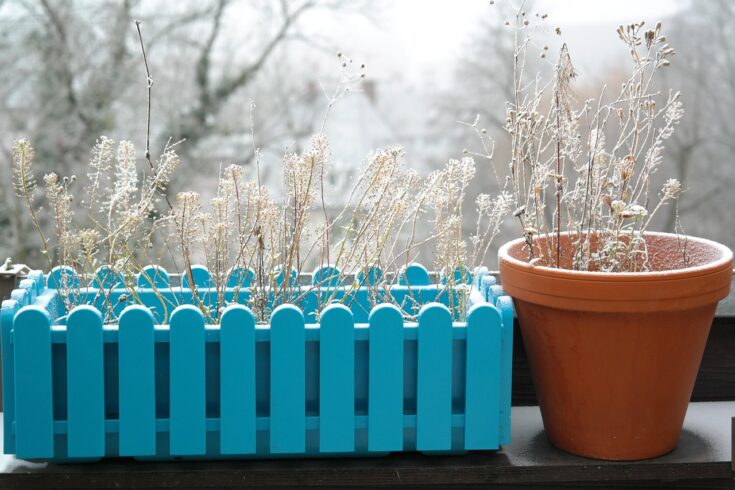
Spring Emergence and Container Refresh
When the last hard frost passes, it’s showtime. Unwrap your insulated containers and inspect for damage. Dead stems? Brown leaves? That’s expected. Cut away the dead stuff, but don’t panic if plants look rough. Many perennials emerge late, especially after a tough winter.
Check if your plants have outgrown their pots. Roots circling the bottom or pushing through drainage holes mean it’s time to divide. Pop the plant out, cut the root ball into sections with a sharp knife, and replant in fresh potting mix. This rejuvenates older perennials and gives you extras to share.
Refresh the top 2-3 inches of soil in containers you’re not dividing—just scrape away the old and add new mix. Feed with slow-release fertilizer, water deeply, and watch your best perennial plants for containers wake up stronger than ever. This spring renewal completes the annual cycle, preparing your containers for another season of beauty and performance.
Conclusion
Growing the best perennial plants for containers transforms outdoor spaces into enduring gardens rewarding you season after season. Key takeaways: choose perennials hardy to at least two zones colder than yours for winter survival in exposed containers; prioritize proven performers like hostas, coral bells, ornamental grasses, and hardy salvias with demonstrated long-term container success; design with thriller-filler-spiller formula using perennials for professional combinations providing year-round interest; implement winter protection strategies such as insulation, strategic placement, or moving containers to sheltered locations dramatically improving survival rates. Container perennial gardening creates sustainable, low-maintenance approaches deepening your garden connection while reducing annual replanting costs and waste. Begin with 2-3 containers featuring reliable hardy perennials suited to your zone—one shade-lover like compact hosta, one sun-lover like lavender, and one ornamental grass for texture. Plant this spring in appropriately-sized containers (minimum 14 inches diameter), follow care guidelines, and prepare properly for winter. You’ll be amazed when these plants emerge next spring, fuller and more beautiful than before.
Frequently Asked Questions
Can I really save money growing perennials in containers instead of buying annuals every year?
Absolutely. While perennials typically cost more upfront than annuals, they return for 3-5 years or longer with proper care, which means you’re not replacing plants every spring. After the initial investment, you’ll mainly spend on occasional soil refreshing and fertilizer. Many gardeners find they cut their annual planting budget in half or more once they transition to container perennials.
What happens if I forget about the two-zone rule and plant perennials rated for my exact zone?
Your plants might survive one mild winter, but they’re at high risk during colder-than-average years. Container roots experience much harsher conditions than in-ground plants because they’re exposed on all sides without the earth’s insulating properties. If you’ve already planted perennials rated for your zone, add extra winter protection like wrapping pots in burlap or moving them to a sheltered location to improve their chances.
Do I need to bring all my container perennials indoors for winter?
Not necessarily—it depends on your climate and the specific plants. Fully dormant perennials like hostas, ornamental grasses, and hardy sedums can stay outdoors with proper insulation in most zones. Semi-tropical varieties like tender salvias or certain lavenders need to come inside before the first frost. An unheated garage works well for dormant plants, while actively growing varieties need a sunny indoor spot.
How do I know when my perennials need to be divided or repotted?
Look for roots circling at the bottom of the pot, pushing through drainage holes, or visible at the soil surface. Your plant might also show reduced flowering, slower growth, or dry out much faster than usual despite regular watering. Most container perennials benefit from division every 3-4 years, which not only refreshes the plant but also gives you extras to expand your collection or share with friends.
Will my container perennials bloom in their first year, or do I have to wait?
Many perennials follow the saying “first year sleep, second year creep, third year leap,” meaning they spend their first season establishing roots rather than producing showy flowers. Some varieties like daylilies and salvias will bloom their first year, but don’t be disappointed if others focus on foliage initially. That root development is an investment that pays off with stronger, more abundant blooms in subsequent years.
Can I mix perennials and annuals in the same container?
Yes, this combination works beautifully and gives you the best of both worlds—reliable perennials that return each year plus colorful annuals for seasonal variety. Just remember that when you replace annuals each spring, be gentle around the perennial roots. This approach is especially useful when perennials have short bloom periods, as annuals can fill in with continuous color throughout the growing season.
Sources
- National Gardening Association – Garden to Table: A 5-Year Look at Food Gardening in America (2023 Survey Data)
- University of Minnesota Extension – Perennials for Containers (Research on container size and winter survival rates)
- Fine Gardening Magazine – Reader Survey: Most Successful Container Plants (2024 Annual Reader Poll)
- American Horticultural Society – Visual Impact Studies in Container Garden Design (Garden trial data on texture and engagement)
- Colorado State University Extension – Container Gardening (Research on irrigation methods and plant survival)
- Missouri Botanical Garden – Overwintering Container Gardens Research Project (Multi-year container survival trials in Zone 6)
- Royal Horticultural Society – Container Gardening: Perennials (Hardiness zone guidelines for container culture)
- University of Illinois Extension – Overwintering Tender Perennials (Research on winter protection methods)
- Cornell Cooperative Extension – Growing Perennials in Containers (Soil, drainage, and root space requirements)
- Journal of Environmental Horticulture – Root Zone Temperature Effects on Container-Grown Perennials (Scientific study on container microclimate)