
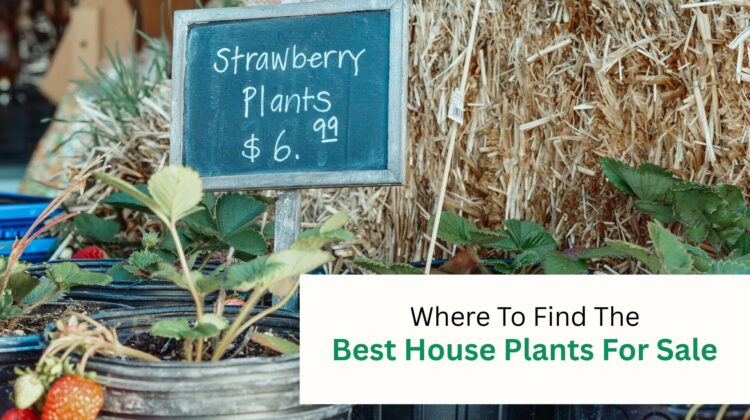
The best house plants for sale come from reputable local nurseries, specialized online retailers, and plant swaps, where you can verify plant health and access expert care advice.
You’ve scrolled past that gorgeous monstera on Instagram for the third time this week, and now you’re ready to bring one home. But where do you actually find quality house plants for sale without ending up with a half-dead ficus or overpaying for a sad succulent? The search for the perfect houseplant can feel overwhelming with countless options—from big-box stores to specialty nurseries to online marketplaces.
Finding reputable sellers, knowing whether plants are healthy before purchase, understanding fair pricing, choosing between online convenience versus in-person inspection, and avoiding common scams or low-quality plants are core challenges plant enthusiasts face. Many waste money on poorly-cared-for plants that die within weeks, or struggle to find specific varieties locally. The confusion around where to shop—and how to shop smartly—keeps people from building the indoor jungle they dream about.
This guide walks you through the top places to buy houseplants both online and offline, what to look for in a healthy plant, how to spot red flags, pricing expectations for popular varieties, and insider tips for scoring rare specimens. You’ll also learn how to integrate your new plants into stunning house plant design ideas that transform your space. By the end, you’ll shop with confidence and bring home thriving greenery every time.
Page Contents
Why Buying House Plants for Sale Requires Research and Care
The houseplant craze isn’t slowing down. According to the National Gardening Association, 77% of U.S. households bought at least one houseplant in 2023, fueling a $2.4 billion industry. That’s a lot of green—both in your home and in the market. But here’s the catch: more sellers doesn’t automatically mean better quality. With everyone from grocery stores to Instagram influencers hawking plants, you need to know who actually cares about what they’re selling. The explosion of options can feel exciting, but it also opens the door to sellers who prioritize profit over plant health.
Common Mistakes That Cost You Money and Heartbreak
Shopping for house plants for sale without doing your homework leads to predictable problems. You might fall for an overpriced trendy plant that drops 50% in value within months. Or you bring home what looks like a healthy monstera, only to discover spider mites colonizing the undersides of every leaf a week later. Root-bound plants—ones that have outgrown their pots and developed circling, tangled roots—struggle to thrive even with perfect care. And don’t get me started on the “rare plant” marketing tactics that slap a premium price tag on common varieties with slightly different leaf patterns. These pitfalls waste your money and leave you discouraged when plants fail despite your best efforts.
That’s why your seller choice matters more than you might think. The difference between a thriving plant and a struggling one often traces back to where you bought it. Reputable sellers provide plants with healthy, well-developed root systems that establish quickly in your home. They properly acclimatize plants to indoor conditions rather than shocking them with sudden environment changes. You get accurate species labeling—no guessing whether that “philodendron” is actually a pothos. And quality sellers offer post-purchase support, answering your care questions instead of disappearing after the sale. Before you buy houseplants online or locally, understanding 5 things to keep in mind before buying houseplants helps you make smarter choices.

The Hidden Difference Between Specialized Growers and Mass Retailers
Here’s a stat that should change how you shop: plants from specialized growers typically outlive those from mass retailers by 40-60%, according to University of Florida IFAS Extension research. Why such a dramatic difference? Specialized growers invest in proper hardening-off processes, gradually transitioning plants from greenhouse to retail conditions. They use quality soil mixes and appropriate pot sizes. Mass retailers often prioritize shelf appeal over plant health, leading to stressed specimens that look good for a few weeks before declining. When you’re investing in house plants for sale, thinking beyond the initial purchase price to long-term survival makes financial and emotional sense.
Good Tip!
Ask sellers when they received their plant shipment. Plants that arrived within the past week are usually healthier than those sitting on shelves for months. Most reputable sellers will gladly share this information.
Top Places to Find Quality House Plants for Sale Locally
Understanding the longevity gap between sellers naturally leads to the question: where should you actually shop? Whether you prefer browsing in person or shopping from home, knowing the strengths and weaknesses of each option helps you make informed decisions.
Independent Local Nurseries and Garden Centers
Your neighborhood nursery is often the best place to find house plants for sale that actually thrive. Unlike big chains, these shops employ staff who genuinely know their plants. They’ll ask about your home’s light conditions, your watering habits, and even your track record with plants before making recommendations. This personalized approach means you’re not just buying a plant—you’re getting a consultation.
Local nurseries also stock varieties adapted to your regional climate. A Boston nursery won’t push tropical plants that struggle in dry winter heating, while a Miami shop knows which specimens handle humidity swings. You can inspect every leaf, check the root system, and even get design advice for arranging multiple plants in your space. Many nurseries also offer guarantees or will replace plants that don’t make it through the first month, giving you peace of mind that mass retailers rarely provide.
Farmers Markets and Plant Pop-Ups
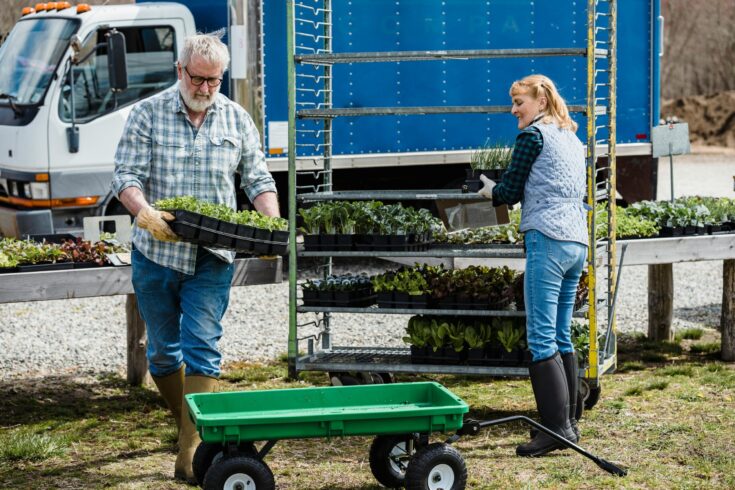
If you’re looking for unique varieties at better prices, farmers markets aren’t just for tomatoes anymore. Small-scale growers now bring exceptional house plants for sale at competitive prices. These vendors often propagate their own plants, so you’re getting specimens they’ve personally nurtured from cuttings. You’ll find varieties that big stores don’t carry—unusual pothos cultivars, rare philodendrons, or locally-grown succulents already adjusted to your area’s conditions.
Plant pop-ups work similarly but often focus exclusively on houseplants. These events connect you directly with local plant entrepreneurs who started in their own homes and scaled up. Prices run 20-30% lower than retail shops because there’s no storefront overhead. Plus, these sellers genuinely want your plant to succeed—they’ll share propagation tips and care tricks they’ve learned through trial and error.
Good Tip!
Arrive at farmers markets within the first hour for the best selection. Popular varieties sell out quickly, and you’ll have more time to chat with growers about care requirements.
Big-Box Home Improvement Stores
For budget-conscious shoppers, Lowe’s and Home Depot offer affordable house plants for beginners—pothos for $8, snake plants for $12, spider plants for $6. These prices beat specialty shops by half. But here’s the catch: you need to shop strategically. Most stores receive shipments mid-week, typically Tuesday through Thursday. That’s when you’ll find the freshest stock before weekend crowds pick through everything.
Inspect every plant carefully at big-box stores. Check for pests, examine the soil moisture, and gently tip the pot to see if roots are healthy. Staff usually can’t offer care advice, so you’re on your own for research. Skip any plant with yellowing leaves, bone-dry soil, or visible bugs. The American Nursery & Landscape Association reports that local nurseries maintain 30% higher customer satisfaction rates, but big-box stores work fine if you know what to look for.
Botanical Gardens and Conservatory Sales
For something completely different, botanical garden sales are the hidden gem of local plant shopping. These seasonal events—usually spring and fall—offer expertly-grown specimens you won’t find elsewhere. The plants come from professional horticulturists who’ve spent months (sometimes years) perfecting growing conditions. You’ll find rare varieties, native plants perfect for your region, and mature specimens that would cost triple at retail shops.
Best of all? Your purchase supports conservation work and educational programs. Many botanical gardens propagate endangered species or focus on sustainable growing practices. You’re not just getting a beautiful plant—you’re contributing to plant preservation efforts. Check your local botanical garden’s website for sale dates, and show up early. The best specimens disappear within the first few hours.
Online Retailers Offering House Plants for Sale with Confidence
If visiting local shops isn’t convenient or you’re searching for specific varieties, the online plant market has matured significantly in recent years. While buying plants sight unseen once seemed risky, reputable online retailers now make it surprisingly reliable.
Specialized Online Plant Shops Deliver Quality and Peace of Mind
When you buy houseplants online from specialized retailers, you’re getting more than just a plant in a box. Companies like The Sill, Bloomscape, and Planterina have built their reputations on delivering healthy plants with actual support systems. These best online plant nurseries include detailed care cards that tell you exactly how much light and water your new plant needs—no guessing games. Their customer service teams actually know plants, not just order numbers. Most offer 30-day health guarantees, which means if your fiddle leaf fig arrives looking sad or declines quickly, they’ll replace it or refund your money. This kind of backup makes online shopping feel a lot less risky than gambling on a mystery plant from a random website.
Finding Rare Houseplants for Sale Through Small Growers
Etsy and independent online growers are treasure troves for rare aroids, variegated monsteras, and unusual specimens you’ll never find at your local garden center. But here’s the catch: you need to shop smart. Always read seller reviews carefully before clicking “buy.” Look for ratings of 4.8 stars or higher and at least 500 completed sales. These numbers tell you the seller consistently delivers healthy plants and handles problems professionally. Check recent reviews specifically—a shop that was great two years ago might have changed hands or dropped their standards. Small growers often package plants with more care than big retailers, but without the safety net of corporate guarantees, your due diligence protects your wallet.
Good Tip!
Screenshot seller reviews and photos before purchasing rare plants online. If the plant arrives damaged or doesn’t match the listing, you’ll have documentation for disputes or refunds.
Plant Subscription Services: Convenience at a Premium
Monthly plant subscriptions from companies like Horti deliver curated house plants for sale right to your door with care guides included. It’s like a surprise gift to yourself every month. The downside? Prices typically run 20-30% higher than buying individual plants. You’re paying for the convenience, curation, and discovery factor. These services work great if you want to expand your collection without research, but they’re not the budget-friendly option. If you’re just starting out or working with limited funds, buying plants individually gives you more control over spending and species selection.
What to Expect When Shipping House Plants
Reputable online sellers treat shipping like the science it is. They use heat packs in winter and cold packs in summer to protect your plants from temperature extremes. Most ship early in the week—Monday through Wednesday—so your plant doesn’t sit in a warehouse over the weekend. Expect to pay $15-30 for shipping, which covers specialized packaging with support structures, moisture retention, and careful handling instructions for carriers. Delivery typically takes 2-5 days, and tracking information arrives immediately. When your plant shows up, open it right away and follow any unpacking instructions. Plants shipped properly bounce back quickly from their journey, but they need your attention within the first 24 hours.
How to Identify Healthy House Plants for Sale Before You Buy
You’ve found the perfect spot for that new plant and you know where to shop. You’re ready to buy. But here’s the thing—bringing home a sick plant is like adopting a problem you didn’t sign up for. Knowing what to look for before you hand over your money saves you heartbreak (and cash) down the road. Let’s break down exactly how to spot a winner.
Check the Root System First
The roots tell the real story. They’re like the plant’s foundation—if they’re compromised, everything above ground will eventually suffer. When you’re shopping at local plant nurseries near me, politely ask if you can gently slide the plant from its pot. You’re looking for white or light-colored roots that feel firm to the touch. Healthy roots should spread throughout the soil without wrapping around themselves in tight circles.
Mushy, brown, or black roots? That’s root rot, and it’s a deal-breaker. Those plants are already on their way out. Root-bound plants—where roots circle the pot’s edge in dense spirals—struggle to establish themselves even after repotting. They’ve been in that container way too long. Sure, you can sometimes rehabilitate them, but why start with a challenge when you’re paying full price?
Good Tip!
Take a photo of the roots when you inspect them. If problems develop later, you’ll have proof of the plant’s condition at purchase—helpful if the seller offers guarantees.
Examine the Foliage Carefully
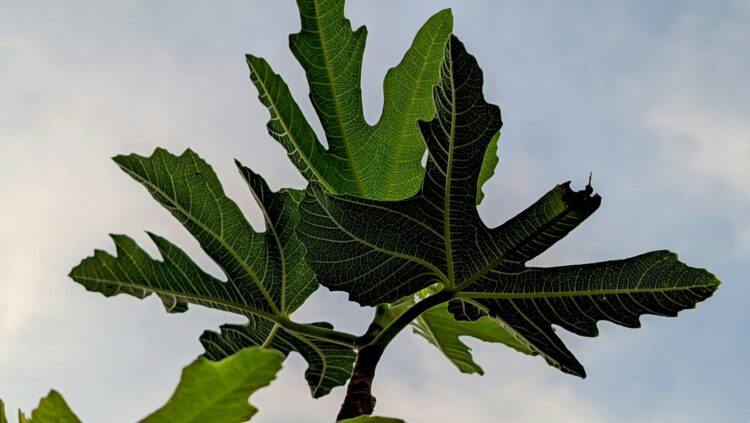
Leaves don’t lie. A plant’s foliage shows you exactly how it’s been treated for weeks or even months before you arrived. Look for vibrant color that matches what’s normal for that species—deep greens for pothos, silvery tones for certain philodendrons, rich burgundy for rubber plants.
Run your fingers along the leaves. They should feel firm and springy, not limp or papery. Check for yellowing tips, brown edges, or spots—these signal stress, inconsistent watering, or disease. Don’t forget to flip those leaves over and inspect the undersides. That’s where pests love to hide. Look closely at stem joints too, where leaves meet branches.
When you buy houseplants online, you can’t do this inspection yourself, which is why choosing reputable sellers with detailed photos and health guarantees matters so much. But in person? Take your time. A healthy plant will show consistent growth, with no wilting or drooping even if it’s been a few days since watering.
Watch for Pest and Disease Red Flags
This is where many shoppers get burned. You bring home what looks like a gorgeous plant, only to discover a week later that it’s infested—and now it’s spread to your other plants. Not fun.
Here’s what to look for:
- Sticky residue on leaves or nearby surfaces: That’s honeydew from aphids or scale insects.
- Fine webbing between leaves or stems: Spider mites are setting up camp.
- White cottony spots in leaf joints: Mealybugs have moved in.
- Black sooty coating on leaves: This mold grows on pest secretions—a sign of established infestation.
Even if a plant looks clean, always quarantine new purchases for 2-3 weeks away from your other plants. Keep them in a separate room if possible. This waiting period lets any hidden pests reveal themselves before they can spread. It’s one of the best houseplant buying tips for beginners that experienced plant parents swear by.
Assess the Soil and Pot Quality
The soil tells you how the plant’s been cared for recently. Stick your finger about an inch into the soil. It should feel slightly moist but not waterlogged. Soggy, swampy soil that smells sour indicates overwatering and potential root rot developing. Bone-dry, rock-hard soil that’s pulled away from the pot’s edges means the plant’s been stressed and neglected.
Quality sellers use well-draining soil mixes appropriate for each species. Succulents should be in gritty, fast-draining mix. Tropical plants need moisture-retentive but airy soil with perlite or bark mixed in. If you’re looking at house plants for sale and the soil looks like dense, heavy mud or is full of fungus gnats (tiny flies that hover around the pot), keep walking.
The pot itself matters too. Drainage holes are non-negotiable unless you’re an experienced grower who knows how to manage water perfectly. Cheap plastic pots are fine temporarily, but cracks or damage can indicate rough handling during shipping or stocking.
Research from Cornell University shows that 68% of houseplant deaths within the first month trace back to pre-existing root problems or pest issues present at purchase. That’s why this inspection process isn’t paranoid—it’s practical. Spending five minutes checking these four areas before you buy saves you from spending months trying to rescue a struggling plant. Your future self will thank you.
House Plants for Sale: Pricing Guide and Value Assessment
Once you know how to identify healthy plants, understanding fair pricing becomes your next superpower. Not all expensive plants are worth the money, and not all bargains are actually good deals. Here’s how to navigate the wide range of prices you’ll encounter.
Budget-Friendly Starter Plants ($5-20)
If you’re just getting started with houseplants, the good news is you don’t need to break the bank. Affordable house plants for beginners like pothos, snake plants, spider plants, and philodendrons typically cost between $5 and $20—and they’re genuinely hard to kill. These plants thrive on neglect, tolerate low light, and forgive forgotten waterings. You’ll find them at nearly every garden center, grocery store, and big-box retailer. They’re perfect for testing your green thumb or filling empty corners without financial stress. Plus, many of these plants grow quickly, so that $8 pothos cutting you buy today could trail across an entire bookshelf within a year. When you’re browsing house plants for sale, starting with these resilient varieties builds your confidence and teaches you the basics before investing in pricier specimens.
Mid-Range Popular Varieties ($20-60)
Once you’re ready to level up, mid-range plants like monsteras, fiddle leaf figs, rubber plants, and ZZ plants offer more visual drama without extreme costs. Here’s where size matters significantly. A 6-inch pot monstera typically runs $25-35, while a 10-inch pot of the same plant jumps to $60-80. That price difference reflects months or even years of growing time. If you’ve got patience, buy smaller and watch it grow. If you want instant impact, the larger size is worth it. These plants have become Instagram favorites for good reason—they make bold statements and adapt well to indoor conditions. When shopping at local plant nurseries near me, you’ll notice these varieties are consistently stocked because they balance affordability with that “wow factor” people want.
Good Tip!
Check historical pricing data on sites like TheRootPrice.com before buying rare houseplants for sale—you’ll see if that “limited edition” plant is genuinely rare or just temporarily hyped.
Premium and Rare Specimens ($60-300+)
Now we’re talking serious plant investments. Variegated monsteras, pink princess philodendrons, and other rare houseplants for sale command premium prices—sometimes shockingly high ones. A Thai constellation monstera with established fenestrations averages $150-250 for just a 6-inch pot. These aren’t impulse purchases. They’re collector’s items. The high cost reflects genuine scarcity, years of careful cultivation, or specific growing conditions that produce unique variegation patterns. Before dropping hundreds on a trendy plant, ask yourself: Am I buying this because I genuinely love it, or because everyone on social media has one?
When Higher Prices Actually Make Sense
Not all expensive plants are overpriced hype. Mature plants with established root systems and multiple growth points justify higher costs—you’re paying for years of care you didn’t have to provide. Certified organic growing practices add value if chemical-free growing matters to you. Uncommon cultivars developed through selective breeding programs also command fair premiums. But here’s the reality check: trendy plants inflated by social media often drop 40-50% in price within 12-18 months as growers ramp up production. That $200 pink princess you’re eyeing? It might be $100 next year. The average American houseplant enthusiast spends $180 annually on plants, with 23% spending over $500 per year. Decide what category you’re in, shop accordingly, and remember that a healthy $15 pothos brings just as much joy as a $150 rarity if you’re not chasing trends.

Alternative Ways to Find House Plants for Sale Beyond Traditional Shopping
If conventional shopping doesn’t fit your budget or style, the plant community offers creative alternatives that can build your collection without emptying your wallet. These methods require more effort but often reward you with healthier plants and meaningful connections.
Plant Swaps and Community Exchanges
You don’t need to spend a fortune to grow your plant collection. Plant swaps through Facebook groups, local plant clubs, and neighborhood exchanges let you score free or low-cost plants while making friends who share your green thumb obsession. These community gatherings work on a simple principle: bring cuttings or divisions from your own plants and trade them for something new.
The beauty of plant swaps goes beyond saving money. You’ll meet experienced plant parents who share care tips specific to your local climate. Someone might hand you a pothos cutting and explain exactly how they keep theirs thriving in the same neighborhood conditions you face. Many cities host monthly swap events at community centers, coffee shops, or parks. Search “plant swap [your city]” on Facebook or check local gardening clubs to find events near you.
Good Tip!
Bring small pots, plastic bags, and plant labels to swaps. Rooted cuttings travel better than bare stems, so prep your trades a few weeks ahead.
Estate Sales and Moving Sales
Here’s a secret many plant lovers miss: estate sales and moving sales often feature mature, well-established plants at a fraction of retail cost. When someone downsizes or a family settles an estate, those gorgeous plants need new homes fast. I once found a six-foot fiddle leaf fig for $20 at an estate sale—it’s still thriving five years later.
Check sites like EstateSales.net or local Facebook marketplace listings for upcoming sales. Arrive early for the best selection, and bring cash since many sales don’t accept cards. Look for plants that show signs of regular care: clean leaves, appropriate pot size, and healthy color. These plants often come from people who truly loved them, meaning they’ve received consistent attention for years.
Plant Propagation and Trading Networks
Online trading networks have exploded in popularity, connecting plant parents across the country. Reddit’s r/TakeaPlantLeaveaPlant community has over 200,000 members swapping cuttings through the mail. You can build an entire collection of affordable house plants for beginners for just the cost of shipping supplies.
Apps like Planta also facilitate local trades, letting you browse what’s available in your area. The process is straightforward: post what you have to trade, browse others’ offerings, and arrange an exchange. Most trades involve rooted cuttings or small plants that ship easily in padded envelopes. You’ll find everything from common pothos to rare houseplants for sale at collector prices—except you’re trading instead of buying.
Rescuing Clearance and “Sad Plants”
Those droopy, marked-down plants at the back of big-box stores? They’re often diamonds in the rough. Many stores discount struggling plants to $2-5 just to clear shelf space. With proper rehabilitation—fresh soil, appropriate light, and consistent watering—these plants recover beautifully. Your success rate will hover around 60-70% once you gain experience.
Look for plants with salvageable root systems and stems that aren’t mushy or completely dried out. Yellowed leaves can be trimmed, and droopy stems often perk up with proper care. Repot immediately in fresh, well-draining soil, place in appropriate light, and water consistently. Within a few weeks, you’ll see new growth that proves your rescue mission succeeded. These clearance finds teach you plant care fundamentals while keeping your budget intact—a win-win for developing your skills while expanding your collection.
Conclusion
Finding the right house plants for sale transforms from overwhelming to exciting once you know where to look and what to examine. Prioritize reputable sellers like local nurseries and specialized online retailers who stand behind their plants with guarantees and expertise. Always inspect plants thoroughly for healthy roots, pest-free foliage, and appropriate soil conditions before purchasing. Understand fair pricing for your desired varieties so you’re not overpaying for hype, and explore alternative sources like plant swaps and propagation networks to build your collection sustainably. Visit a local nursery this week with your inspection checklist, or browse a reputable online retailer’s selection. Start with one or two easy-care plants if beginning your journey, and set a calendar reminder to check your new plant daily for the first two weeks. Your indoor jungle awaits with the confidence to shop for house plants for sale like a pro.
Frequently Asked Questions
How long should I quarantine new plants before placing them with my collection?
Keep new plants isolated for 2-3 weeks in a separate room. This waiting period reveals hidden pests or diseases before they spread. Monitor closely for signs of bugs or declining health during this time.
Can I return a houseplant if it dies shortly after purchase?
It depends on where you bought it. Most specialized online retailers offer 30-day guarantees, while local nurseries typically provide 7-14 day return windows. Big-box stores rarely accept returns on plants once purchased.
What’s the best day of the week to shop for plants at major retailers?
Tuesday through Thursday is ideal since most stores receive fresh shipments mid-week. Shopping during these days gives you first pick before weekend crowds arrive and selection decreases.
Are plants from grocery stores worth buying, or should I avoid them?
They can be fine if you inspect carefully and shop right after delivery. The main drawback is limited staff knowledge and inconsistent care. Treat them like budget options requiring extra scrutiny.
How much should I budget monthly if I want to grow my plant collection?
Most enthusiasts spend around $15 per month, though serious collectors may invest $40-50 monthly. Start with budget-friendly varieties under $20 until you develop consistent care routines.
Do rare variegated plants hold their value or drop in price over time?
Trendy rare plants typically drop 40-50% within 12-18 months as growers increase production. Buy rare plants because you love them, not as investments expecting value appreciation.
Sources
- National Gardening Association – 2023 National Gardening Survey: Houseplant Purchasing Trends
- University of Florida IFAS Extension – Commercial Foliage Plant Production and Longevity Studies
- American Nursery & Landscape Association – 2024 Customer Satisfaction in Retail Garden Centers Report
- Digital Commerce 360 – 2024 E-commerce Growth Report: Home and Garden Category Analysis
- Cornell University Department of Horticulture – Common Causes of Houseplant Mortality in Home Environments
- National Gardening Survey – 2024 American Gardening Spending Habits and Trends
- Social Plant Economy Report – 2024 Global Analysis of Online Plant Trading Communities and Participation Rates