
Page Contents
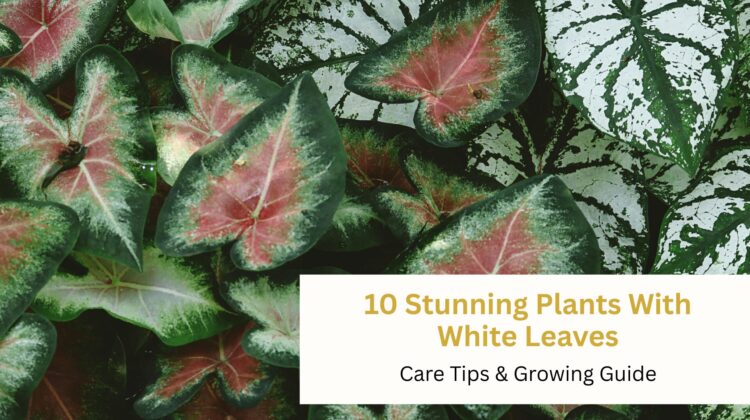
10 Stunning Plants With White Leaves: Care Tips & Growing Guide
Plants with white leaves—including varieties like Monstera albo, white pothos, and aluminum plants—thrive indoors when given bright indirect light, proper humidity, and careful watering that protects their unique variegation.
Imagine walking into a room where sunlight catches the silvery-white foliage of a stunning houseplant, creating an almost ethereal glow that instantly lifts the mood. Plants with white leaves have become design darlings, offering a refreshing alternative to traditional all-green varieties.
Finding the right white-leaved plant can feel overwhelming. You might wonder which varieties actually thrive indoors, how to maintain that gorgeous white coloring without it fading to green, or whether these statement plants require expert-level care.
This guide solves those challenges by walking you through the most reliable and stunning plants with white leaves for your home, complete with care requirements, styling tips, and troubleshooting advice for keeping that white foliage vibrant.
Understanding White Leaves: The Science Behind Variegation
If you’ve ever wondered why some houseplants sport stunning white markings while others stay solid green, you’re about to discover the fascinating science behind this botanical phenomenon. Plants with white leaves aren’t just beautiful—they’re genetic marvels that have adapted in unique ways.
What Causes White Variegation in Plants?
White variegation happens when certain leaf sections lack chlorophyll—the green pigment that powers photosynthesis. Think of chlorophyll as a plant’s solar panel. Without it, those white or cream areas can’t convert sunlight into energy. They’re beautiful, but they’re basically freeloading off the green parts of the leaf. This is why plants with white leaves need enough green tissue to survive. A leaf that’s 90% white might look stunning, but it can’t sustain itself long-term.
The Three Types of White Coloration
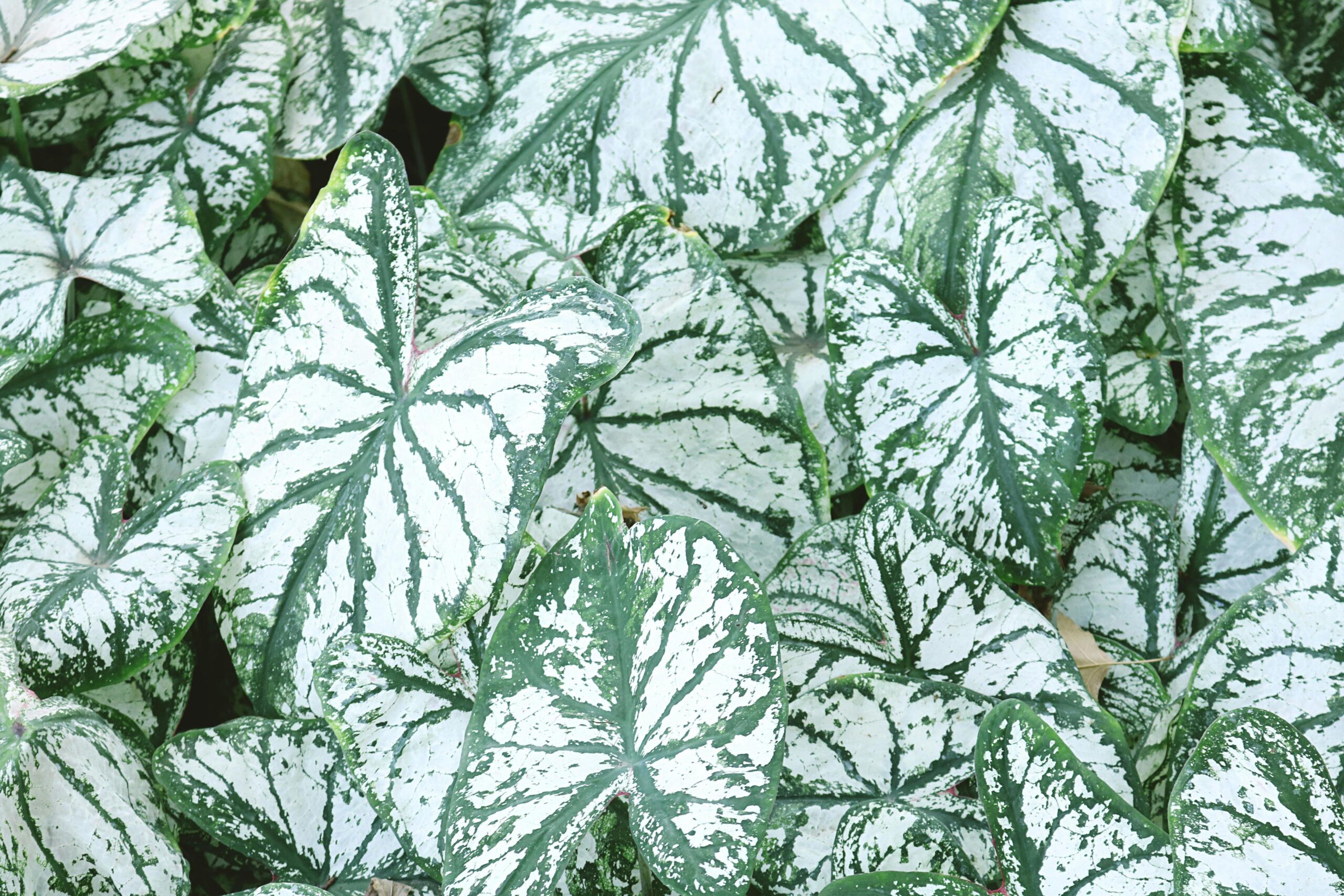
Not all white leaves are created equal, and understanding the difference helps you choose the right plant and care for it properly. True variegation comes from genetic mutations that block chlorophyll production in specific cells. You’ll see this in plants like Marble Queen pothos, where white and green sections are clearly defined.
Silvery coloring is different—it comes from tiny air pockets between leaf cells or specialized reflective structures. Plants like aluminum plant (Pilea cadierei) show this metallic sheen. Finally, some plants sport powdery or fuzzy white coatings on their leaves. This isn’t variegation at all—it’s a protective layer of tiny hairs or waxy substances.
Good Tip!
When shopping for variegated plants, gently rub a white leaf section. If the color wipes off, it’s a coating—not true variegation. This simple test helps you avoid disappointment.
Why Some Variegation Disappears
Some variegated houseplants are genetically stable—their white patterns are locked into every cell. Others have chimeral variegation, where only certain cell layers carry the mutation. These plants can revert to all-green growth if conditions stress them or if the mutated cells get outcompeted. If you see solid green leaves appearing on your previously white-and-green plant, prune them immediately. Those green leaves are more efficient at photosynthesis, and if left alone, they’ll eventually take over.
Light Needs for White-Leaved Plants
According to research from the Royal Horticultural Society, plants with white leaves need 20-30% more light than fully green varieties. Why? Less chlorophyll means less photosynthesis happening. To compensate, you need to give them brighter conditions—but not direct sun, which can scorch those delicate white sections. Place them near east-facing windows or a few feet back from south or west exposures. Understanding this light balance is crucial for keeping your variegation vibrant and preventing your plant from reverting to green.
Now that you understand what makes these botanical beauties tick, let’s explore the best varieties to bring home—starting with options perfect for beginners.
Top 5 Plants With White Leaves for Beginners
Starting your journey with plants with white leaves doesn’t have to be intimidating. These five varieties combine stunning appearance with forgiving care requirements, making them ideal for anyone new to variegated houseplants.
Marble Queen Pothos
If you’re new to the world of variegated plants, Marble Queen Pothos is your best friend. This beauty features a perfect 50/50 balance of white and green marbling that looks stunning without being fussy. Unlike some high-maintenance variegated houseplants, this one actually forgives your mistakes. Forgot to water for a week? It’ll bounce back. Light conditions less than ideal? It adapts. The vines trail beautifully from hanging baskets or climb up moss poles, making it incredibly versatile for any space. Plus, you can snip off a stem and root it in water—instant new plant. Just remember to prune any all-green leaves that pop up, or your plant will gradually lose its gorgeous white patterns.
Good Tip!
Place your Marble Queen Pothos near an east-facing window where it gets gentle morning light—this keeps the variegation bold without risking sunburn on those delicate white sections.
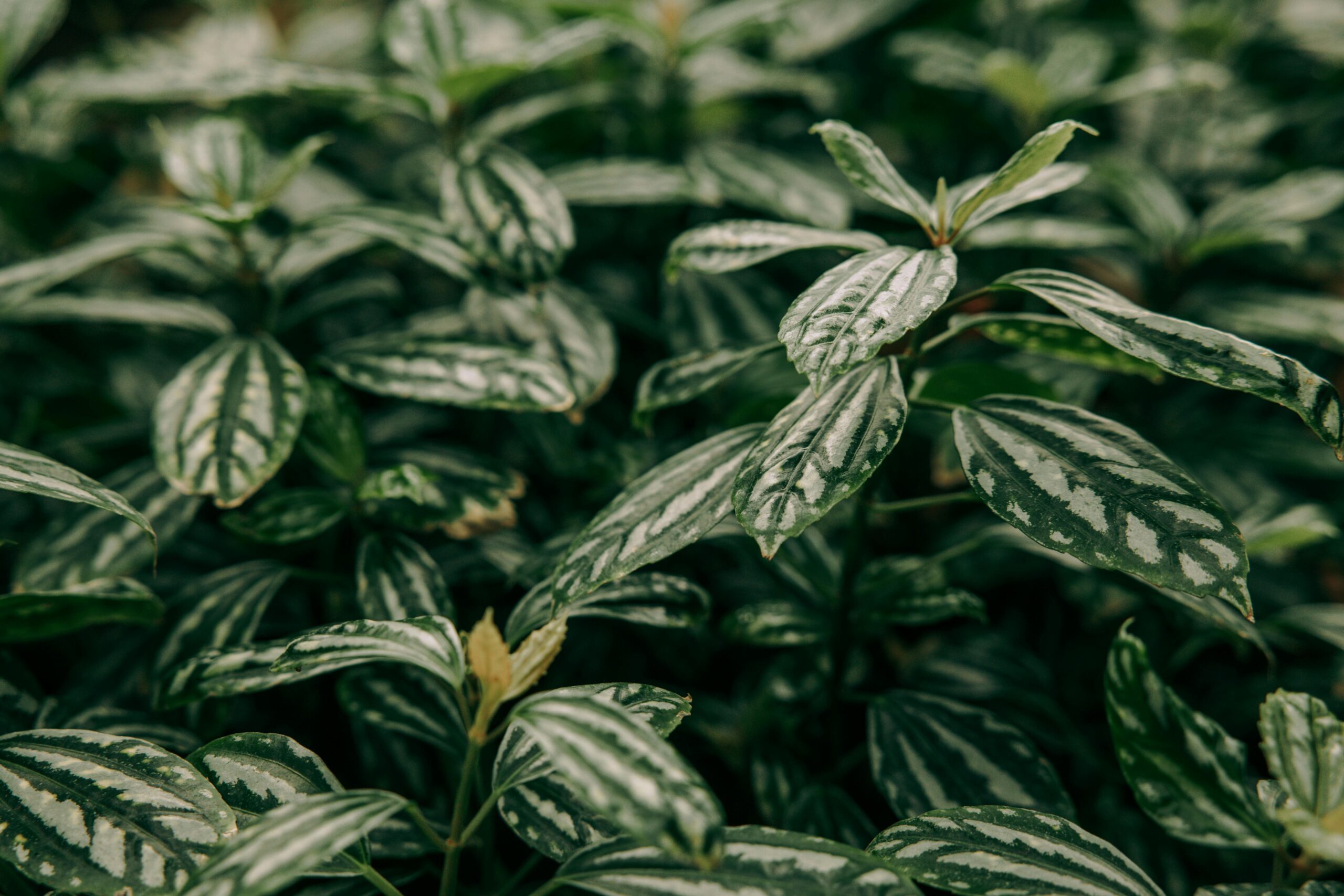
Aluminum Plant (Pilea cadierei)
The Aluminum Plant earns its name from the metallic silver-white stripes that run across its green leaves, creating an eye-catching contrast. This compact beauty stays around 12 inches tall, making it perfect for desks, shelves, or small apartments where space is tight. What makes it ideal for beginners? It thrives in average home conditions without drama. No special humidity requirements, no fussy watering schedules—just regular care and it’s happy. The bushy growth habit means it looks full and lush quickly, and it readily produces baby offsets you can separate and share with friends.
White Butterfly Syngonium
White Butterfly Syngonium brings elegance with its arrow-shaped leaves featuring creamy white centers bordered by green edges. This plant starts compact but develops a vining habit as it matures, giving you options for styling. It adapts remarkably well to moderate light conditions—not too bright, not too dim—making it easier to find the right spot in your home. Watering is straightforward: when the top inch of soil feels dry, give it a drink. No complicated schedules or moisture meters needed. The stems root easily in water if you want to propagate, and it doesn’t throw tantrums over average home humidity levels.
Tradescantia ‘White Velvet’
Tradescantia ‘White Velvet’ stands out with its fuzzy, silvery-white leaves and striking purple undersides. This fast grower fills spaces quickly, cascading beautifully from hanging planters or spilling over shelf edges. What makes it beginner-friendly? It’s remarkably forgiving. Miss a watering? It recovers fast. Light not perfect? It still grows. This resilience makes it ideal when you’re still learning to read plant signals. The rapid growth also means you’ll see results quickly, which keeps you motivated. Pinch back leggy stems to encourage bushier growth, and you’ll have a lush display in no time.
Hoya Carnosa ‘Krimson Queen’
Hoya Carnosa ‘Krimson Queen’ features thick, waxy leaves with white margins that sometimes blush pink—absolutely gorgeous. As a semi-succulent, it stores water in those thick leaves, meaning you can let the soil dry completely between waterings. Perfect for busy beginners or those prone to overwatering. It grows as a vine that you can train on a trellis or let trail naturally. The real bonus? With proper care, it produces clusters of fragrant, star-shaped flowers that smell amazing. This plant proves that low-maintenance doesn’t mean boring. For more stunning options, check out these 21 Plants With White and Green Leaves for stunning effects!
Once you’ve mastered these beginner-friendly varieties, you might find yourself ready to invest in something more exclusive. That’s where luxury collector plants enter the picture.
Luxury Plants With White Leaves for Collectors
For those ready to take their plant collection to the next level, these premium varieties offer unmatched beauty—along with higher price tags and more demanding care requirements.
Monstera Deliciosa ‘Albo Variegata’
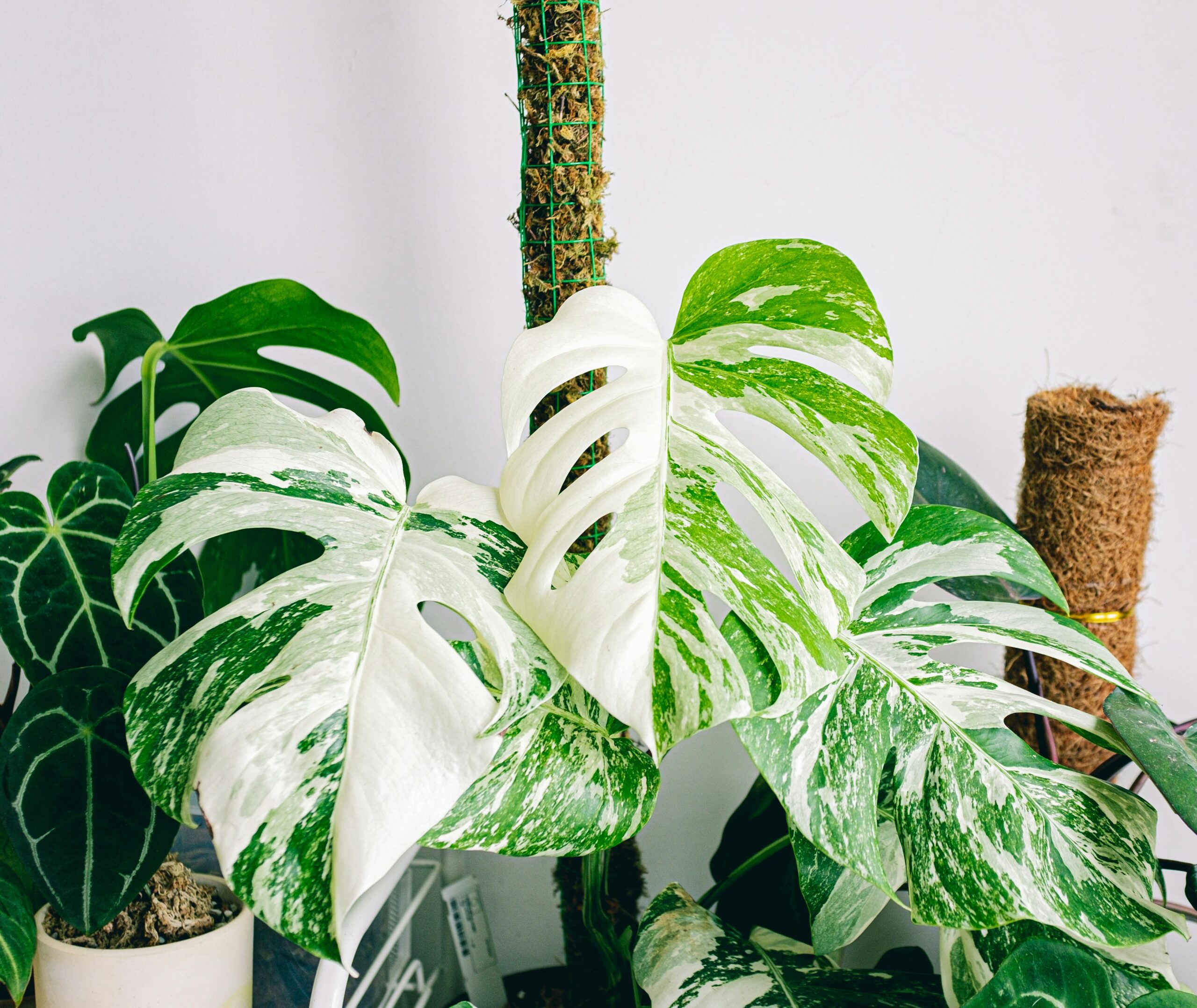
If you’re ready to make a serious statement, the Monstera albo is the crown jewel of variegated houseplants. This stunner features those iconic split leaves with dramatic white sectoring that can appear as half-moon patterns or marbled swirls. No two leaves look exactly alike, which is part of the magic. But here’s the reality check: these beauties command prices from $100 to $500 or more, depending on size and how much white variegation each plant displays.
The more white, the higher the price tag—and the more challenging the care. These plants need bright indirect light to keep that variegation vibrant, humidity above 60%, and well-draining soil that prevents root rot. The white sections can’t photosynthesize, so they’re more prone to yellowing if conditions aren’t right. Many collectors find their Monstera albo reverting to all-green growth, which you’ll need to prune immediately to preserve the variegation.
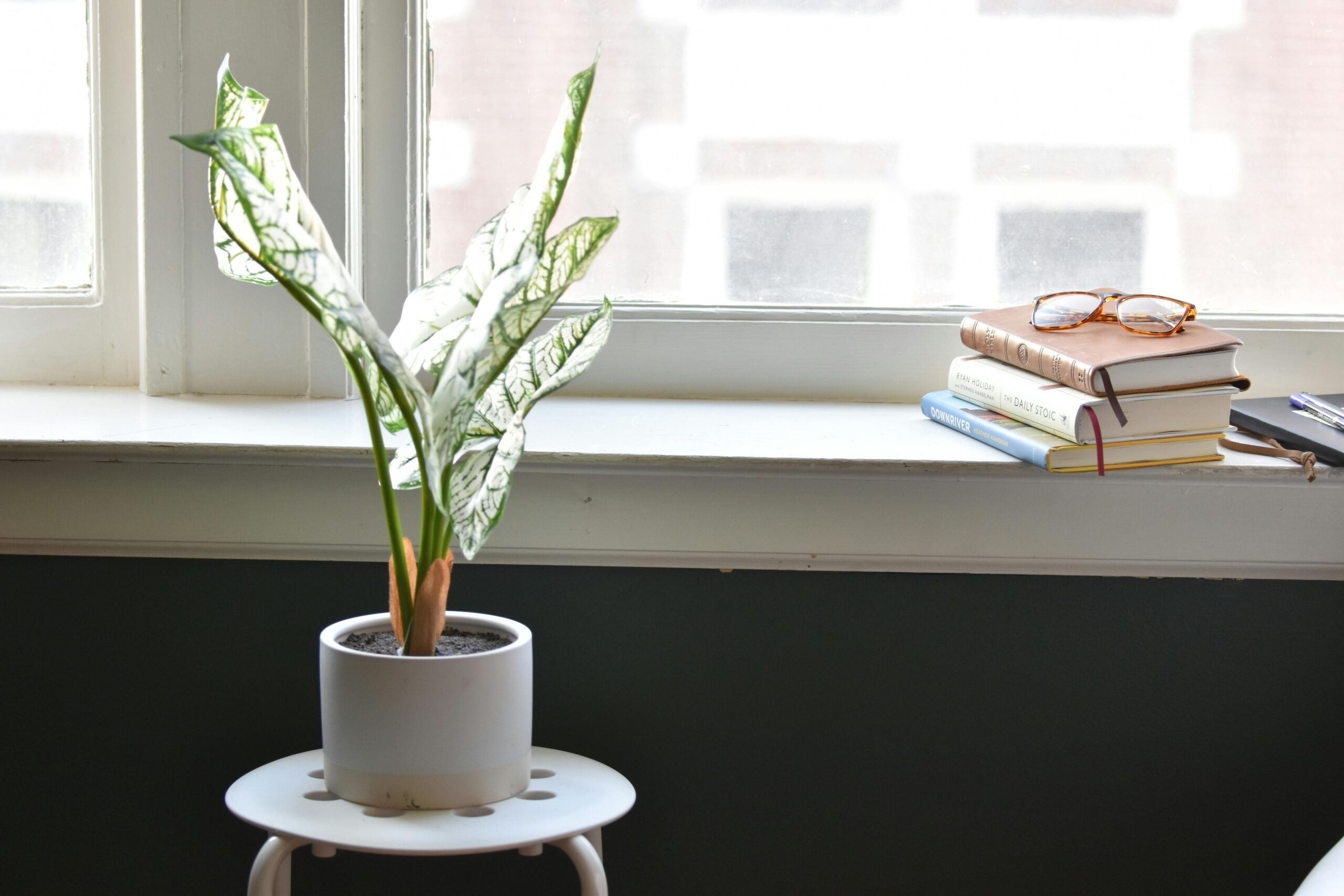
Caladium ‘White Queen’
Caladiums bring pure drama with their paper-thin leaves that look almost translucent when backlit. The ‘White Queen’ variety displays predominantly white foliage with delicate contrasting veins in pink or green. These plants are showstoppers, but they come with a catch: they’re seasonal. Caladiums naturally go dormant in winter, dying back completely before reemerging in spring.
During their growing season, they demand high humidity (70% or higher) and consistent moisture without waterlogging. Place them in bright indirect light where they’ll stay warm and humid. Keep in mind these plants are toxic to pets due to calcium oxalate crystals, so position them safely away from curious cats and dogs.
Good Tip!
When purchasing high-value variegated plants online, always request photos of the exact plant you’re buying—not just stock images. This protects you from disappointment and ensures you’re getting the variegation level you’re paying for.
Philodendron ‘White Knight’
The Philodendron ‘White Knight’ offers stunning visual contrast with its dark burgundy-black stems against bright white-variegated leaves. This rare variety has become increasingly sought-after among collectors, though it requires careful light management to thrive. Too little light and the variegation fades; too much direct sun and those white sections burn quickly. Find that sweet spot with bright indirect light, and you’ll be rewarded with consistent new growth that maintains its striking appearance. Like other rare white plants, the ‘White Knight’ grows slower than fully green philodendrons because the white tissue can’t contribute to photosynthesis.
Variegated String of Hearts
For something delicate and trailing, the variegated String of Hearts delivers with its tiny heart-shaped leaves featuring pink and white marbling. This plant is perfect for hanging displays in bright locations where its cascading vines can show off. Unlike some high-maintenance variegated plants, this one tolerates slightly drier conditions between waterings, making it more forgiving for busy plant parents. The key is providing enough light—without it, the pink and white coloring fades to mostly green. Hang it near an east or west-facing window, and watch those delicate vines grow several feet long over time.
Whether you’re growing beginner-friendly varieties or rare collector specimens, proper care makes all the difference. Let’s break down exactly what these plants need to thrive.
Essential Care Guide for White-Leaved Plants
Caring for plants with white leaves requires a slightly different approach than their fully green counterparts. Here’s everything you need to know to keep your variegated beauties thriving.
Light Requirements: Finding the Sweet Spot
Your plants with white leaves need bright indirect light—but here’s the tricky part. Those stunning white sections burn easily in direct sun, yet they need more light than fully green plants to stay healthy. Think of it as a Goldilocks situation: not too much, not too little.
Place your variegated beauties about 3-5 feet from south or west-facing windows, or right next to an east-facing window where morning sun is gentler. If you notice your plant producing more solid green leaves, it’s crying out for more light. In winter, move plants closer to windows. In summer, watch for crispy brown edges that signal too much direct sun.
Watering: Less is More
White leaf sections are delicate. They lack the protective chlorophyll that green tissue has, making them prone to rot if you overwater. Let the top 1-2 inches of soil dry out before watering again—stick your finger in to check.
Use filtered or distilled water when possible. Tap water’s chlorine and minerals can leave spots on those gorgeous white leaves. Water less frequently in winter when growth slows, and more during active growing season. When in doubt, underwater rather than overwater—your plant will forgive you faster.
Humidity: Keep Those White Leaves Happy
Aim for 50-70% humidity. White leaf sections have thinner cell walls and lose moisture faster than green parts, so they’re thirstier for humid air. Set up a humidifier nearby, place plants on pebble trays filled with water, or group several plants together to create a mini humid microclimate.
Bathrooms work great for humidity-loving varieties. Skip the misting—it doesn’t provide lasting humidity and can encourage fungal issues.
Pruning: Stop the Green Takeover
Check your plants weekly for all-green shoots or leaves. These revert sections grow faster and will eventually take over, turning your stunning variegated plant into a plain green one. Cut them off immediately at the base using clean scissors. This forces your plant to put energy into the beautiful variegated growth you actually want.
Good Tip!
Feed your variegated houseplants regularly on a schedule and add a liquid silica boost to strengthen white leaf sections—it helps all plants but especially protects delicate variegated tissue from damage and stress.
Even with excellent care, you’ll occasionally run into problems. Here’s how to troubleshoot the most common issues with variegated plants.
Troubleshooting Common Problems With White-Leaved Plants
Despite your best efforts, plants with white leaves can develop issues. The good news? Most problems are fixable once you identify the cause.
Variegation Loss and Reverting to Green
Nothing’s more frustrating than watching your prized plants with white leaves slowly turn all green. This happens when your plant isn’t getting enough light to support those gorgeous white sections. The plant basically goes into survival mode and produces more chlorophyll-packed green leaves to photosynthesize efficiently.
Move your plant closer to a bright window immediately—within 2-3 feet of an east-facing window or 4-5 feet from a south-facing one works great. Then grab your pruning shears and cut off any fully green leaves or stems right away. If you don’t remove that green growth, it’ll take over since it grows faster than variegated sections. Check out the Missouri Botanical Garden’s troubleshooting guides for more detailed plant care advice when things go wrong.
Browning White Sections
White leaf tissue burns way easier than green parts. If you’re seeing brown, crispy edges or patches on the white areas, you’ve likely got a sunburn or humidity problem. Direct afternoon sun will scorch those delicate white sections in minutes. Move your plant away from windows with intense light, or add a sheer curtain to filter harsh rays.
Low humidity also causes browning since white tissue loses moisture faster than green. Aim for 50-60% humidity using a humidifier, pebble tray, or by grouping plants together. Water quality matters too—chlorine and fluoride in tap water can cause tip burn on sensitive white leaves.
Good Tip!
Fill a watering can and let it sit overnight before watering. This allows chlorine to evaporate and brings water to room temperature, preventing shock to sensitive white tissue.
Slow Growth
Here’s the truth: your white-leaved plant will never grow as fast as its fully green cousins. That’s just physics. With less chlorophyll, these plants photosynthesize at about half the rate of regular plants. A Monstera albo might push out one leaf every few months instead of weekly. Don’t panic and start overfeeding or overwatering to “speed things up”—that’ll just cause problems.
Instead, focus on giving your plant optimal conditions: bright indirect light, consistent watering, appropriate humidity, and light feeding during the growing season. If growth completely stops or leaves get smaller over time, then you’ve got an actual problem to address.
Pest Susceptibility
White tissue is basically a pest magnet. Research shows it’s 35% more vulnerable to spider mites, mealybugs, and thrips because it lacks the chemical defenses found in chlorophyll-rich tissue. Get in the habit of inspecting your plants with white leaves weekly—flip leaves over and check stems where pests hide. Catch infestations early and they’re easy to handle.
Wipe leaves with diluted neem oil monthly as prevention. If you spot pests, isolate the plant immediately and treat with insecticidal soap or neem oil every 5-7 days until they’re gone. Good air circulation and proper humidity also help prevent pest problems before they start.
Beyond keeping them healthy, these stunning plants deserve to be displayed in ways that maximize their visual impact. Let’s explore styling strategies that make your variegated collection shine.
Styling Your Space With White-Leaved Plants
Once you’ve mastered the care basics, it’s time to think about presentation. Plants with white leaves are natural showstoppers, and strategic placement amplifies their beauty even further.
Create Dramatic Contrast With Dark Backgrounds
Want your plants with white leaves to really pop? Place them against dark backgrounds. A black ceramic pot makes white variegation look absolutely stunning. Deep charcoal walls create an instant gallery effect with your Monstera albo or Snow Queen pothos.
Think beyond paint colors too. Dark wood furniture, navy blue shelving, or even slate-colored planters amplify the brightness of white foliage. The contrast tricks your eye into seeing the white sections as even more luminous. Try positioning a white-leaved plant on a walnut bookshelf or against exposed brick. The difference is dramatic.
This works especially well in white living rooms with plants where you want botanical elements to stand out without overwhelming the space.
Mix Different Variegation Patterns Together
Don’t settle for just one type of white variegation. Combine marbled patterns with striped ones. Pair sectoral variegation with speckled leaves. This creates visual interest that keeps people looking.
Group a marbled Marble Queen pothos with the bold sectoring of a Monstera albo. Add a Fittonia with delicate white veining for texture contrast. The different patterns play off each other beautifully.
This approach prevents your plant display from looking one-note. Each variegation style catches light differently throughout the day, creating an ever-changing display.
Good Tip!
Photograph your plant groupings at different times of day to see which combinations work best in changing light conditions before committing to permanent placement.
Balance Leaf Sizes and Shapes
Pair large statement pieces with smaller textured plants. A towering Monstera albo needs companions that won’t compete. Place delicate Fittonias or compact Pileas at its base.
This creates natural visual hierarchy. Your eye travels from the bold focal point down to intricate details. It mimics how plants layer in nature—canopy to understory to ground cover.
Mix broad leaves with narrow ones. Combine smooth textures with fuzzy or waxy surfaces. A Caladium’s paper-thin leaves look even more dramatic next to a Hoya’s thick, succulent foliage.
Rotate Plants Seasonally
Winter calls for strategic placement. Move your white-leaved beauties to brighten dark corners when daylight is scarce. They reflect available light better than green plants, making rooms feel less gloomy.
Come summer, protect sensitive varieties from intense afternoon sun. Rotate highly variegated plants away from south-facing windows. Move them to east-facing spots where they get gentler morning light instead.
This rotation keeps plants healthy while maximizing their decorative impact year-round. Your Tradescantia might summer on a shaded patio, then return indoors to brighten a dim hallway in December. By understanding both the care requirements and styling potential of these botanical beauties, you’ll create displays that are as healthy as they are visually stunning.
Conclusion
Plants with white leaves offer an unmatched combination of visual drama and botanical interest that transforms any indoor space. While these beauties require slightly more attention than their green counterparts—particularly regarding light exposure and humidity—the stunning aesthetic impact makes the extra effort worthwhile. Start with beginner-friendly varieties like Marble Queen Pothos or Aluminum Plant before graduating to more demanding specimens as your confidence grows.
Frequently Asked Questions
Can I grow white-leaved plants in low-light rooms?
Unfortunately, no. White-leaved plants need 20-30% more light than green varieties because they have less chlorophyll. Low light will cause them to lose variegation and produce all-green leaves.
Why are variegated plants more expensive than regular ones?
Variegated plants grow slower and can’t be mass-produced as easily since the white sections don’t photosynthesize efficiently. Additionally, stable variegation is rare and highly sought-after by collectors.
Will my white-leaved plant stay variegated forever?
Not necessarily. Chimeral variegation can revert to all-green if stressed or not pruned. Always remove solid green growth immediately, and provide adequate light to maintain variegation patterns.
Do white leaves need special fertilizer?
They don’t need special fertilizer, but feed lightly during growing season. Consider adding liquid silica to strengthen delicate white tissue. Avoid over-fertilizing, which can encourage green growth.
Can I propagate white-leaved plants successfully?
Yes, but cuttings must include both white and green tissue. All-white sections can’t root or survive alone since they lack chlorophyll for energy production.
Are white-leaved plants safe for pets?
It depends on the species, not the variegation. Many popular varieties like pothos, philodendrons, and caladiums contain calcium oxalate crystals that are toxic to cats and dogs.
Sources
- Royal Horticultural Society – Variegated Plant Care Guide
- University of Georgia Extension – Light Requirements for Houseplants
- Cornell University Department of Plant Pathology – Pest Susceptibility in Variegated Plants