
Page Contents
Transform Your Space: Complete Indoor Garden Setup Guide
An indoor garden is a controlled growing space inside your home where you cultivate herbs, vegetables, or ornamental plants year-round using natural or artificial light, proper containers, and strategic care techniques.
Imagine stepping into your kitchen on a January morning, frost coating the windows, and snipping fresh basil from your thriving indoor garden just inches from your coffee maker. While outdoor gardens lie dormant under snow, indoor gardens bring life, color, and fresh produce into your home 365 days a year. Whether you’re a city dweller with limited outdoor space or simply want to extend your growing season indefinitely, creating an indoor garden transforms any room into a productive green sanctuary.
Many aspiring indoor gardeners struggle with where to start—what plants actually thrive indoors, how much light they truly need, and whether investing in grow lights is necessary or just hype. You might worry about attracting pests, dealing with humidity issues, or simply keeping plants alive beyond a few weeks. The confusion around soil versus hydroponics, container choices, and watering schedules can feel overwhelming, leaving your indoor gardening dreams stuck in the planning phase.
This comprehensive guide walks you through every step of building a successful indoor garden, from selecting the right location and plants to mastering lighting, watering, and pest management. You’ll discover practical house plants design ideas that blend functionality with aesthetics, learn which beginner-friendly plants guarantee success, and gain troubleshooting strategies for common challenges—so you can confidently grow fresh food and beautiful greenery regardless of season or square footage.
Choosing the Perfect Location for Your Indoor Garden
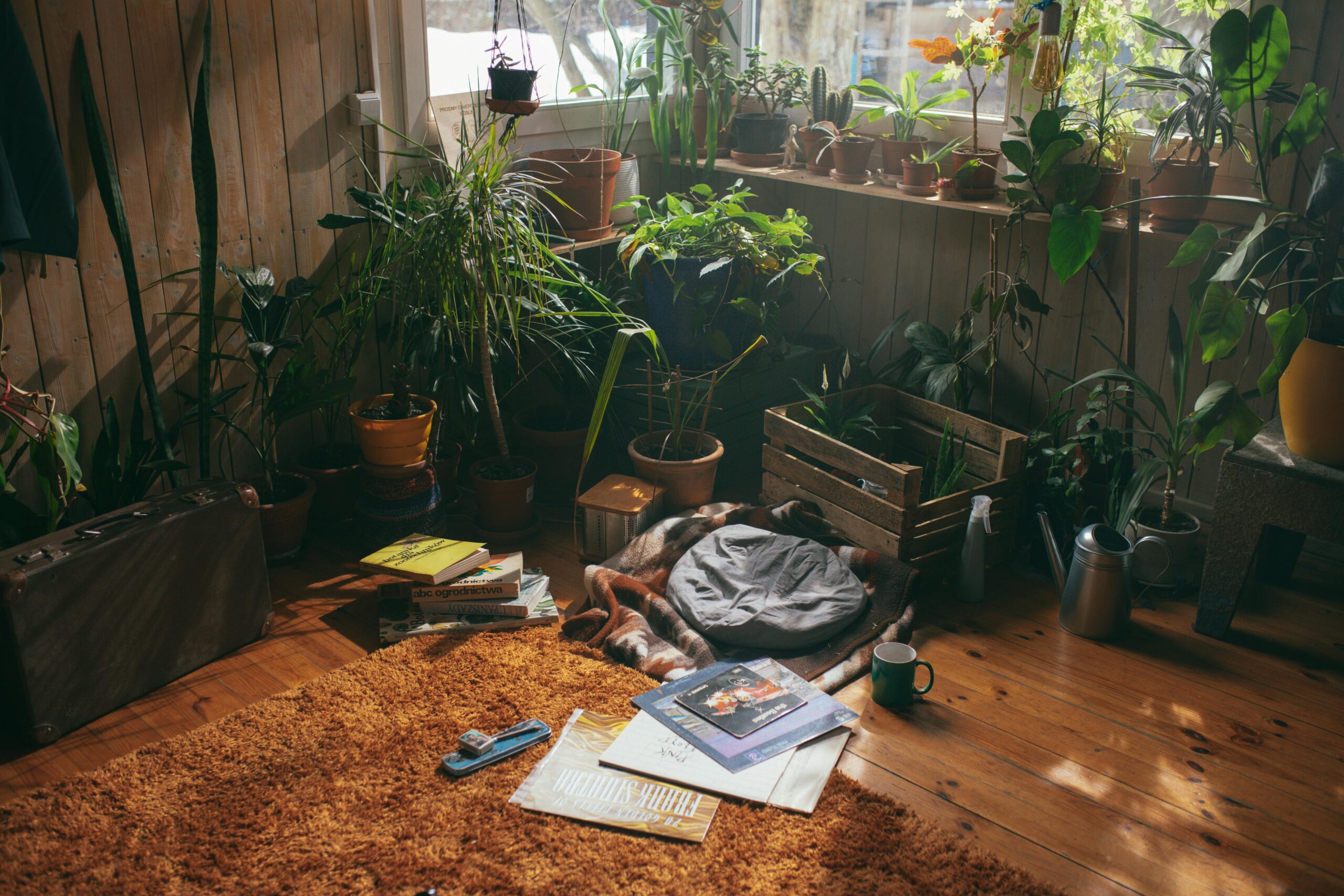
Setting up your indoor garden starts with location—the single most critical decision that determines your plants’ success or struggle. Before you buy a single seed or container, you need to understand the microclimates already existing in your home. Each room offers different conditions, and matching those conditions to your plants’ needs makes the difference between thriving harvests and disappointing failures.
Assess Natural Light Availability
Walk through your home at different times of day and notice where sunlight lands. South-facing windows deliver 6-8 hours of direct light—perfect for tomatoes, peppers, and other fruiting plants that need intense sun. East and west windows offer gentler morning or afternoon light, ideal for herbs like basil and parsley or leafy greens like lettuce. North-facing windows provide the least light, so save those spots for low-light tolerant plants or plan to add grow lights. According to Cornell University’s horticulture department, proper light placement can increase indoor plant productivity by up to 200%.
This dramatic difference in productivity isn’t just about plant survival—it’s about whether your indoor garden actually produces enough food to justify the effort. A basil plant in perfect light yields three times more leaves than one struggling in dim conditions. The location you choose literally determines how much you’ll harvest.
Consider Temperature and Humidity Zones
Once you’ve mapped your home’s light patterns, turn your attention to temperature and humidity. Your kitchen and bathroom naturally maintain 40-60% humidity—great for tropical plants and herbs. Living rooms tend to be drier, especially during winter when heating systems run constantly.
Avoid placing your indoor garden near heating vents, air conditioners, or drafty doors. Temperature swings stress plants and slow growth. The ideal location for your indoor garden maintains a constant room temperature between 64-75°F. Plants can’t adjust to radical temperature changes the way we can—a drafty window that drops from 70°F during the day to 50°F at night will stunt growth and invite disease.
Evaluate Space Constraints and Vertical Options
Measure your available floor, counter, and wall space before buying containers. Vertical indoor gardens using wall-mounted planters or tiered shelving maximize production in apartments—some systems yield 30-40% more growing area than traditional horizontal setups. Think upward if you’re short on square footage.
This approach transforms limitations into advantages. That narrow wall beside your refrigerator? Perfect for a vertical herb garden. The space above your kitchen counter? Ideal for hanging planters with cascading cherry tomatoes. When you design your indoor garden with vertical growing in mind from the start, you’ll discover growing space you never knew existed.
Factor in Accessibility for Maintenance
Position your indoor garden where you’ll see it daily. Studies show gardeners maintain plants 60% more consistently when located in high-traffic areas versus tucked-away corners. Easy access means you’ll water on time, harvest regularly, and catch problems early.
Out of sight really does mean out of mind when it comes to plant care. That guest bedroom might have perfect light, but if you only visit it twice a week, your plants will suffer from neglect. Choose a spot you pass multiple times daily—even if the light isn’t quite as good, consistent attention often matters more than perfect conditions.
Good Tip!
Use a free light meter app on your smartphone to measure actual light levels in different rooms—this takes the guesswork out of choosing the perfect spot for your plants.
Essential Indoor Garden Systems and Setup Methods
Once you’ve selected the perfect location, you’ll need to choose a growing system that matches your goals, available space, and how much time you can commit to maintenance. Different indoor garden systems suit different goals, spaces, and commitment levels. Choosing the right setup from the start saves you time, money, and frustration down the road.
The good news? You don’t need expensive equipment to get started. Some of the most productive indoor gardens run on simple, low-tech systems that anyone can set up in an afternoon. Others incorporate technology that automates much of the work. Let’s explore your options so you can make an informed decision.
Traditional Container Gardening Basics
Container gardening indoors is where most people begin—and for good reason. You’ll need pots with drainage holes, quality potting mix (never use garden soil), and saucers to catch excess water. That’s it. This classic method works for about 80% of indoor plants and requires minimal investment.
The beauty of container gardening lies in its simplicity. You can start with a few herb pots on your kitchen windowsill and expand as you gain confidence. Most beginners succeed because the learning curve is gentle, and mistakes are easy to fix. Just remember: drainage holes aren’t optional. Without them, roots sit in water and rot within days.
Container growing also offers flexibility that other systems can’t match. Want to move your basil closer to the window? Done. Need to rearrange for a dinner party? No problem. This mobility lets you optimize conditions as seasons change and as you learn what works best in your space.
Good Tip!
Label your containers with plant names and planting dates using waterproof markers—you’ll thank yourself later when identifying which herbs need harvesting first.
Hydroponic Indoor Garden Systems Explained
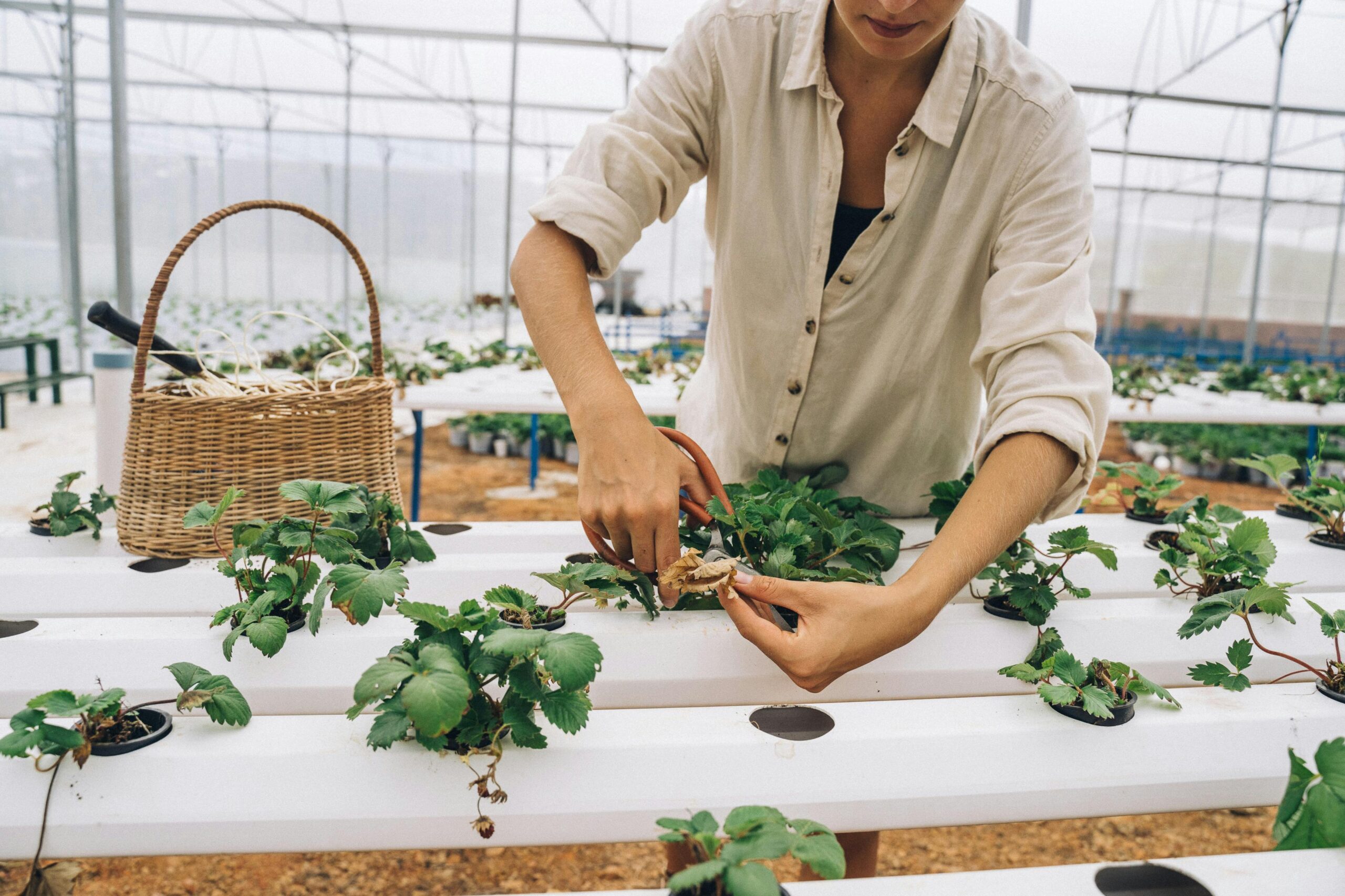
Hydroponics sounds complicated, but it’s just soil-free growing using nutrient-enriched water. NASA research shows hydroponic systems grow plants 25-50% faster than soil. For beginners, the Kratky method (passive) requires zero electricity—plants sit in containers with roots partially submerged in nutrient solution. Deep water culture systems add air pumps to oxygenate roots, boosting growth even more.
The best indoor garden system for you depends on your space and commitment level. Hydroponics delivers faster harvests but requires more attention to nutrient levels and pH balance. If you enjoy monitoring and adjusting systems, hydroponics can become an engaging hobby that produces impressive results. The accelerated growth rates mean you’ll harvest lettuce in three weeks instead of six, and your herbs will grow bushier and more productive than their soil-grown cousins.
However, hydroponics does require a learning period. You’ll need to understand nutrient ratios, maintain proper pH levels, and keep the water oxygenated. Once you master these basics, the system largely runs itself—but there’s definitely more to learn upfront compared to traditional containers.
Self-Watering and Automated Setups
Forget daily watering checks. Self-watering planters feature built-in reservoirs with wicking systems that pull moisture up to roots as needed. You’ll water once every 1-2 weeks instead of every few days. Smart gardens take automation further with built-in LED lights and automatic watering timers.
These setups help forgetful gardeners maintain consistent care schedules without guilt or dead plants. A University of Arizona study found self-watering containers reduced plant mortality rates by 45% for novice gardeners. If you travel frequently or work long hours, this investment pays for itself in saved plants.
The beauty of automated systems isn’t just convenience—it’s consistency. Plants thrive on predictable routines, and automation delivers that better than even the most dedicated human. Your indoor garden receives exactly the right amount of water and light every single day, eliminating the boom-and-bust cycle that comes with manual care.
Microgreen and Sprout Growing Stations
Microgreens are nutritional powerhouses packed into tiny plants. These compact systems produce harvests in just 7-14 days—perfect for small space indoor gardens. USDA research shows microgreens contain 40 times more nutrients than mature plants.
You don’t need fancy equipment. A shallow tray, quality seeds, and a sunny spot or small grow light get you started. Within two weeks, you’ll harvest nutrient-dense greens for salads, sandwiches, and smoothies. For year-round indoor gardening in tight quarters, microgreens deliver maximum nutrition per square inch.
This makes microgreens ideal for testing the waters before committing to a larger indoor garden. The fast turnaround means you’ll see results quickly, building confidence and teaching you the basics of seed starting, watering, and harvesting. Many gardeners maintain a permanent microgreen station even after expanding into larger systems, simply because the nutritional benefits and quick harvests are so valuable.
Best Plants to Grow in Your Indoor Garden
Choosing the right plants can make or break your indoor gardening experience. The good news? Some varieties practically grow themselves, while others need a bit more attention but reward you with years of harvests. Your success depends less on developing a green thumb and more on selecting plants that match your specific conditions and experience level.
Start with plants known for indoor success, then expand to more challenging varieties as you gain confidence. This approach builds your skills progressively while keeping you encouraged with regular harvests.
Easy-Win Herbs That Forgive Your Mistakes
Start with basil, mint, chives, and parsley if you’re new to growing herbs indoors. These forgiving plants thrive with just 4-6 hours of bright light from a sunny window. You’ll snip your first harvest in about 3-4 weeks—faster than most vegetables. Forgot to water for a day or two? These herbs bounce back without holding a grudge.
Basil loves warmth and grows like crazy on kitchen windowsills. The more you harvest, the bushier it becomes—making it perfect for beginners who worry about harvesting “too much.” Mint spreads aggressively (keep it in its own pot unless you want a mint takeover). Chives handle cooler temps better than most herbs and produce mild onion-flavored leaves that regrow after cutting. Parsley starts slow but produces for months once established, delivering fresh flavor for soups, salads, and garnishes.
These herbs succeed indoors because they tolerate the variable conditions most homes offer. They don’t demand perfect humidity or exact temperatures, and they communicate clearly when they need water—leaves droop slightly, you water, and they perk up within hours.
Good Tip!
Pinch off the top leaves of basil and mint weekly to encourage bushier growth and prevent flowering, which makes leaves taste bitter.
Salad Greens for Quick, Continuous Harvests
Lettuce, spinach, arugula, and kale mature in just 30-45 days under moderate light conditions. The real magic happens when you use cut-and-come-again harvesting—snip outer leaves and let the center keep growing. One planting can feed you for months.
These leafy greens work perfectly for a small space indoor garden since they don’t need deep containers. Lettuce varieties like butterhead and loose-leaf handle indoor conditions better than iceberg types, which struggle without intense outdoor sun. Spinach prefers cooler spots (60-65°F), making it ideal for rooms that stay on the chillier side. Arugula grows fast and adds peppery flavor to salads, sprouting in just 3-5 days. Kale tolerates lower light better than most greens and produces through winter, when outdoor gardens lie dormant.
The continuous harvest approach transforms salad greens from a one-time crop into a renewable resource. Instead of growing a head of lettuce, harvesting it, and starting over, you maintain plants that produce fresh leaves week after week. This approach maximizes your growing space and ensures you always have fresh greens available.
Fruiting Vegetables That Actually Produce Indoors
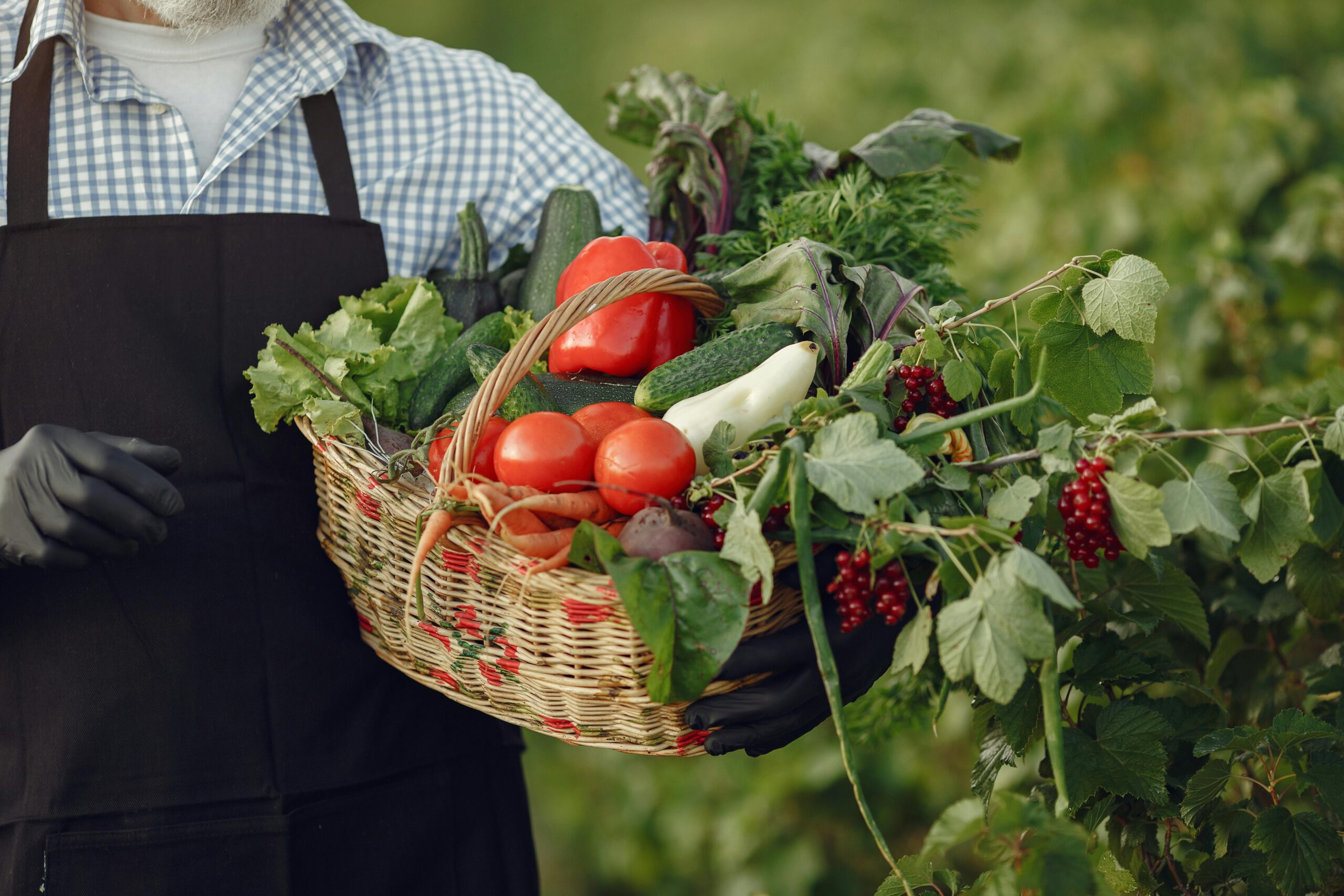
Cherry tomatoes, small peppers, and dwarf eggplants need serious light—8+ hours of intense sunshine or quality grow lights. Choose determinate tomato varieties (they stay compact) rather than indeterminate types that climb endlessly. Each plant yields 2-5 pounds of produce over 3-4 months. That’s real food from your indoor vegetable garden, not just garnishes.
Tomatoes need sturdy stakes and regular feeding—they’re heavy feeders that deplete soil nutrients quickly. Peppers prefer consistent warmth and produce for months, with some plants continuing to fruit for over a year when kept healthy. Dwarf eggplants like ‘Fairy Tale’ stay under 2 feet tall and fruit reliably in containers, producing beautiful purple-striped fruits that taste delicious grilled or roasted.
These fruiting vegetables represent the pinnacle of indoor gardening—they’re challenging but incredibly rewarding. When you bite into a sun-warmed cherry tomato grown on your kitchen counter in January, you’ll understand why gardeners go to such lengths to grow them indoors.
Mediterranean Herbs for Long-Term Growing
Rosemary, oregano, and thyme demand 6-8 hours of direct sunlight or equivalent grow light power. These woody perennials grow slowly but produce for years with proper care. They prefer drier soil between waterings and don’t mind if you forget them occasionally—a trait that makes them surprisingly well-suited to indoor conditions once established.
Rosemary needs excellent drainage and cooler night temps, mimicking its Mediterranean origins. Oregano spreads nicely and intensifies in flavor as it matures, with dried leaves often tasting stronger than fresh. Thyme varieties range from upright to creeping—both work indoors, though upright types make harvesting easier.
For selecting the best indoor plant with light requirements that match your space, consider these Mediterranean herbs for south-facing windows where light is strongest. Their slow growth means less frequent harvesting, but their intense flavors mean a little goes a long way in cooking. A single rosemary plant can supply your kitchen for years.
Lighting Solutions for Indoor Garden Success
Even with a perfectly chosen location, many indoor gardens fail because of inadequate light. This single factor determines more about your success than any other—because without sufficient light, nothing else matters. Your plants can’t photosynthesize properly, growth stalls, and harvests disappoint. The good news? Once you understand light requirements and know how to meet them, you can grow anything anywhere in your home.
Measuring Your Available Light Accurately
Here’s the truth most indoor gardeners don’t realize until their plants start struggling: what looks bright to your eyes might be dim twilight to your basil. Your indoor garden needs specific light levels to thrive, not just “a sunny spot.” Download a free light meter app or grab an inexpensive physical meter to measure foot-candles in your space.
Herbs need 200-500 fc, leafy greens require 300-600 fc, and fruiting vegetables demand 600-1000 fc. Most indoor spaces without direct sun? They barely hit 50-100 fc. That’s why your tomatoes look sad and your lettuce stretches like it’s reaching for help.
This measurement step saves months of frustration. Instead of wondering why your plants struggle, you’ll know exactly whether your space provides adequate light or whether you need supplemental lighting. Many gardeners skip this step and blame themselves for “not having a green thumb” when the real issue is simple physics—there’s not enough light energy for photosynthesis.
Selecting and Positioning Grow Lights
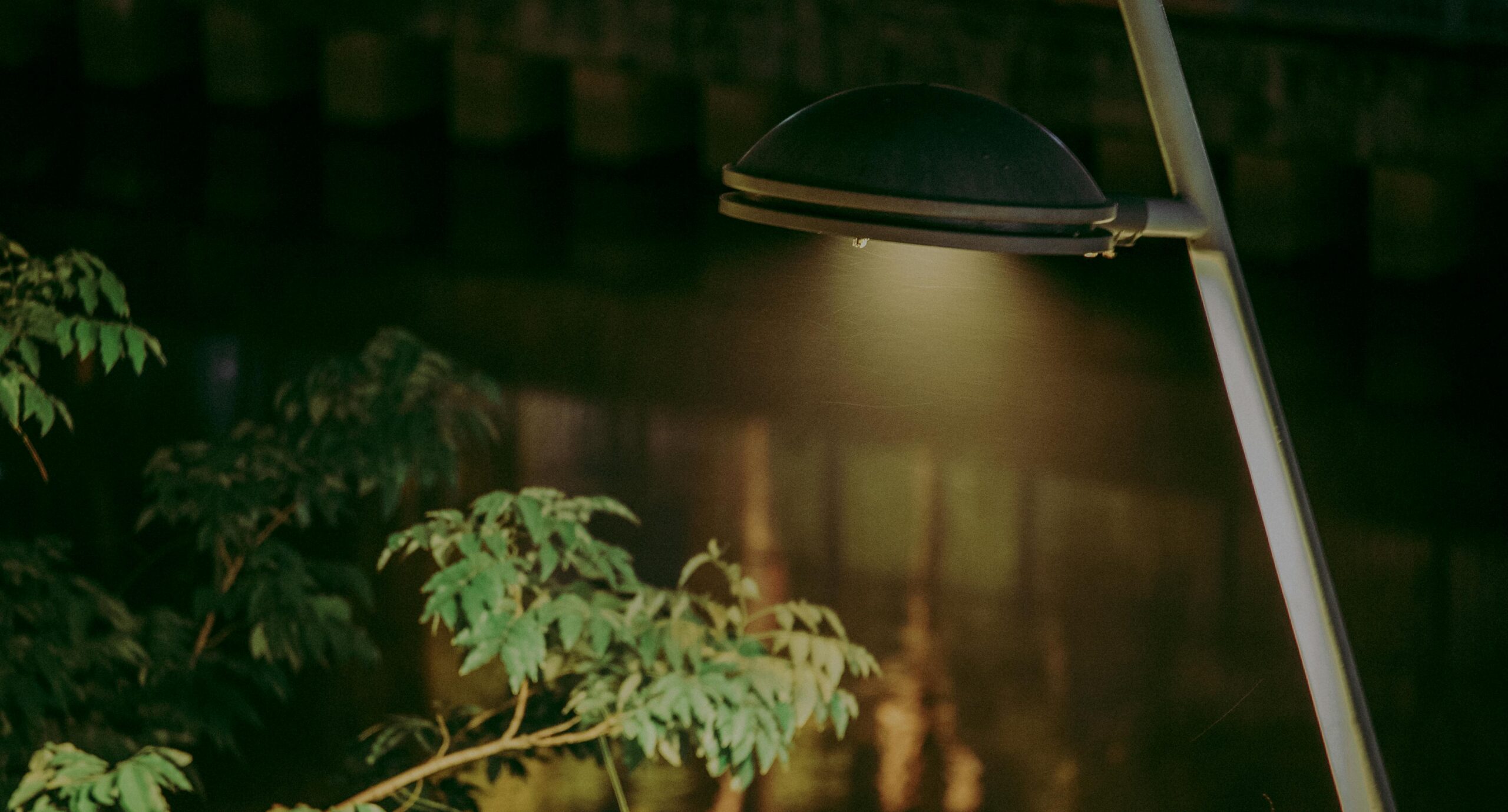
If your measurements fall short, LED full-spectrum grow lights solve the problem efficiently. They use 40-75% less energy than older systems while delivering better results. Position lights 6-12 inches above leafy plants like spinach and herbs—closer means stronger growth. For taller crops like peppers, hang lights 12-24 inches away.
Run them 12-16 hours daily to mimic summer conditions. This isn’t optional for year-round indoor gardening—it’s the difference between thriving plants and disappointing harvests. The initial investment in quality grow lights pays for itself within a season or two through increased harvests and plant survival rates.
Modern LED technology has revolutionized indoor gardening by making supplemental lighting affordable and practical. Older systems generated excessive heat and consumed enormous amounts of electricity. Today’s LEDs run cool and efficient, making it practical to light an entire indoor garden without worrying about energy bills or fire hazards.
Good Tip!
Set your grow lights on automatic timers—consistent daily schedules prevent plant stress and can boost yields by 30-40% compared to irregular lighting.
Understanding Light Spectrum for Plant Growth
Not all light is equal. Blue spectrum (400-500nm) creates compact, bushy growth perfect for herbs and greens, keeping plants from stretching and producing dense foliage. Red spectrum (600-700nm) triggers flowering and fruiting in tomatoes and peppers, signaling plants to shift from vegetative growth to reproduction. Full-spectrum LEDs combine both, supporting plants through all growth stages.
Match your light to your crops for best results. If you’re only growing leafy greens and herbs, blue-heavy lights work perfectly and cost less. For fruiting crops, invest in full-spectrum lights that provide both blue and red wavelengths. This targeted approach maximizes results while minimizing energy consumption.
Watering, Feeding, and Maintaining Your Indoor Garden
With location chosen, systems set up, plants selected, and lighting dialed in, your indoor garden now needs consistent maintenance. This is where many beginners stumble—not because the tasks are difficult, but because they’re ongoing. Success comes from developing simple routines that become second nature, ensuring your plants receive what they need without demanding excessive time or attention.
When and How to Water Your Indoor Garden
Getting watering right feels tricky at first, but it’s simpler than you think. Stick your finger into the soil about 1-2 inches deep—if it feels dry, it’s time to water. Most indoor garden plants need watering every 3-7 days, but this varies based on pot size, plant type, and your home’s conditions.
Small pots dry out faster than large ones because they hold less water reserve. Herbs like basil drink more than succulents. Hot, dry rooms mean more frequent watering than cool, humid spaces. These variables make it impossible to set a universal watering schedule—you need to check your specific plants in your specific conditions.
The biggest mistake? Overwatering. It kills more indoor plants than underwatering ever will. Always use containers with drainage holes and never let pots sit in standing water. Signs of overwatering include yellowing leaves, wilting even when soil is wet, and those annoying fungus gnats buzzing around.
When you do water, soak the soil thoroughly until water drains from the bottom—shallow watering encourages weak root systems that stay near the surface. Deep watering trains roots to grow downward, creating stronger plants better able to handle brief dry periods.
For best results, check this watering guide that breaks down timing by pot size and season.
Good Tip!
Use room-temperature water instead of cold tap water—it prevents root shock and helps nutrients absorb better, especially for tropical herbs and leafy greens.
Feeding Your Plants the Right Way
Your indoor garden needs regular feeding to stay productive. Potting mix contains limited nutrients that plants quickly exhaust, especially fast-growing crops like tomatoes and leafy greens. Use balanced liquid fertilizers like 10-10-10 or 20-20-20 NPK at half-strength every 2-4 weeks during active growth.
Organic options like fish emulsion or compost tea work great too—they release nutrients slowly and add beneficial microbes that improve soil health. These living organisms help break down organic matter and make nutrients more available to plant roots, creating a healthier growing environment overall.
Learn to read what your plants are telling you. Yellowing older leaves mean nitrogen deficiency—the plant is pulling nitrogen from old growth to support new growth. Purple-tinged foliage suggests phosphorus shortage. Brown leaf edges signal potassium or calcium needs. Adjusting your fertilizer ratios fixes these issues within 1-2 weeks, transforming struggling plants into productive powerhouses.
The key is consistency. Regular light feeding beats occasional heavy feeding because it maintains steady nutrient levels without overwhelming plants or causing salt buildup in containers.
Troubleshooting Common Indoor Garden Challenges
Even with perfect setup and consistent care, challenges will arise. Pests find their way indoors, humidity fluctuates, and plants sometimes struggle despite your best efforts. The difference between successful indoor gardeners and frustrated former gardeners lies not in avoiding problems but in catching and addressing them early before minor issues become major disasters.
Keeping Pests Away from Your Indoor Garden
Nobody wants uninvited guests munching on their basil. Spider mites, fungus gnats, aphids, and whiteflies love stressed plants—they’re like tiny vultures that spot weakness from a mile away. The good news? Prevention beats treatment every time.
Start with the basics: water correctly and keep air moving around your plants. Overwatered soil breeds fungus gnats, while stagnant air invites spider mites. When you bring home new plants, quarantine them for two weeks before mixing them with your indoor garden. This simple step catches hitchhiking pests before they spread throughout your entire growing space.
If pests do show up, neem oil spray works wonders. Mix one tablespoon per quart of water and spray every leaf surface—top and bottom. The oil suffocates soft-bodied insects and disrupts their life cycles. Yellow sticky traps catch flying pests like whiteflies and gnats, helping you monitor population levels and providing some control. For aphids, try ladybugs. They’re natural predators that handle infestations without chemicals, and watching them hunt is surprisingly entertaining.
The key to pest management is vigilance. Check your plants every few days, looking carefully at leaf undersides where pests often hide. Catching problems when you see three aphids instead of three hundred makes control dramatically easier.
Good Tip!
Check leaf undersides weekly with a flashlight—early pest detection increases treatment success from 40% to 90%.
Fixing Humidity Problems
Your indoor garden needs 40-60% humidity to thrive. But winter heating drops levels to 20-30%, turning leaf tips brown and edges crispy. This damage isn’t just cosmetic—low humidity stresses plants, slows growth, and makes them more susceptible to pests like spider mites that thrive in dry conditions.
Group plants together—they create their own humid microclimate through transpiration. As plants release water vapor through their leaves, neighboring plants benefit from the increased moisture. Set pots on pebble trays filled with water (just don’t let pot bottoms touch the water, which causes root rot). Or run a humidifier near your plants. These simple fixes prevent most problems common to many indoor plants.
During summer, humidity usually isn’t an issue—in fact, you might face the opposite problem with excessive moisture encouraging fungal diseases. Good air circulation becomes crucial during humid months to prevent mold and mildew from establishing on leaf surfaces.
Stopping Leggy Growth
Stretched, weak stems mean your plants are reaching desperately for light. They’re literally growing toward windows, producing elongated growth that can’t support leaves or fruit. This etiolated growth is your plants’ emergency response to insufficient light—they’re gambling by stretching toward any light source they can find.
Move plants closer to light sources immediately. If that’s not enough, add grow lights positioned 6-12 inches above foliage. Your plants will respond within days, producing compact, healthy growth instead of spindly stems. New growth will emerge shorter and sturdier, though the already-stretched portions won’t change.
For severely leggy plants, you can sometimes prune them back hard to encourage bushier regrowth from lower nodes. This works well with herbs like basil but less well with fruiting crops that need their full canopy to produce. Prevention through adequate lighting beats trying to fix leggy growth after it occurs.
Your indoor garden represents an investment of time, money, and hope. By understanding these fundamentals—choosing the right location, selecting appropriate systems and plants, providing adequate light, maintaining consistent care routines, and troubleshooting problems early—you’ll join the ranks of successful indoor gardeners producing fresh food year-round. Start small, learn from each season, and gradually expand as your skills and confidence grow. Your kitchen will thank you with flavors that store-bought produce simply can’t match.
Conclusion
Creating a thriving indoor garden transforms your living space into a year-round source of fresh herbs, vegetables, and greenery—regardless of outdoor weather or available yard space. The key takeaways for success include choosing the right location with adequate light (or supplementing with grow lights), selecting beginner-friendly plants like basil, lettuce, and cherry tomatoes that forgive occasional mistakes, establishing consistent watering and feeding routines that prevent the most common problems, and addressing challenges early before they escalate. Your indoor garden becomes an extension of your house plants design ideas, blending productive growing with beautiful living décor that purifies air and lifts your mood daily. Whether you start with a simple windowsill herb collection or invest in a hydroponic system, the satisfaction of harvesting homegrown food steps from your kitchen is unmatched. Take action today: identify the brightest spot in your home, purchase 3-5 herb seedlings or seed packets, and set up your first indoor garden this week. Start small, observe how your plants respond, and expand gradually—within months, you’ll wonder how you ever lived without fresh greens at your fingertips.
Frequently Asked Questions
Can I grow an indoor garden if I only have north-facing windows?
Yes, but you’ll need grow lights for most edible plants. North windows provide minimal direct sunlight, which isn’t enough for herbs or vegetables. Pair your natural light with LED grow lights for best results.
How much should I expect to spend starting a basic indoor garden?
A beginner setup costs $30-$75 for containers, potting mix, seeds, and basic supplies. Add $40-$100 if you need grow lights. Start small with 3-4 herb pots before investing in larger systems.
Will my indoor garden attract bugs into my home?
Proper care prevents most pest issues. Overwatering attracts fungus gnats, and stressed plants draw spider mites. Maintain good watering habits and air circulation, and quarantine new plants to minimize risk.
How long until I can actually harvest food from my indoor garden?
Microgreens harvest in 7-14 days, herbs in 3-4 weeks, and leafy greens in 30-45 days. Fruiting vegetables like tomatoes take 60-90 days but produce for months once they start.
Do I need to use fertilizer if I’m using fresh potting mix?
Yes, after 4-6 weeks. Potting mix contains starter nutrients that deplete quickly. Begin feeding with diluted liquid fertilizer every 2-4 weeks to maintain healthy, productive plants.
Can I use regular garden soil in my indoor containers?
Never use outdoor garden soil indoors. It compacts in containers, drains poorly, and often contains pests or diseases. Always use sterile potting mix formulated specifically for container growing.
Sources
- National Gardening Association – Garden to Table: A 5-Year Look at Food Gardening in America (2021 Special Report)
- Cornell University, Department of Horticulture – Light Requirements for Indoor Plant Production (Research Publication Series)
- NASA Controlled Ecological Life Support System – Hydroponic Growth Studies for Space Applications (Technical Report)
- United States Department of Agriculture (USDA) – Nutritional Comparison of Microgreens and Mature Vegetables (Agricultural Research Service Study)
- Grand View Research – Hydroponics Market Size, Share & Trends Analysis Report (Industry Analysis 2025)
- University of Arizona, Department of Agricultural and Biosystems Engineering – Water Use Efficiency in Container Gardening Systems (Extension Publication)
- Ball Horticultural Company – Indoor Gardening Consumer Trends Survey (Annual Industry Report)
- American Horticultural Society – Growing Vegetables Indoors: Timing and Variety Selection (Educational Resource)
- Purdue University, Department of Horticulture and Landscape Architecture – LED Lighting for Indoor Plant Production: Energy Efficiency Study (Research Bulletin)
- HortScience Journal – Effects of Light Spectrum on Indoor Vegetable Growth and Development (Peer-Reviewed Study, Volume 54, Issue 8)
- University of Massachusetts, Center for Agriculture, Food and the Environment – Water Quality for Greenhouse and Nursery Crops (Extension Factsheet)
- Michigan State University Extension – Fertilization Strategies for Container-Grown Vegetables (Research Report)
- Journal of Plant Nutrition – Comparative Study of Organic vs. Synthetic Fertilizers in Container Systems (Academic Publication)
- Colorado State University Extension – Common Houseplant Problems and Solutions (Educational Guide)
- Royal Horticultural Society – Humidity and Pest Management in Indoor Growing Environments (Research Study)