
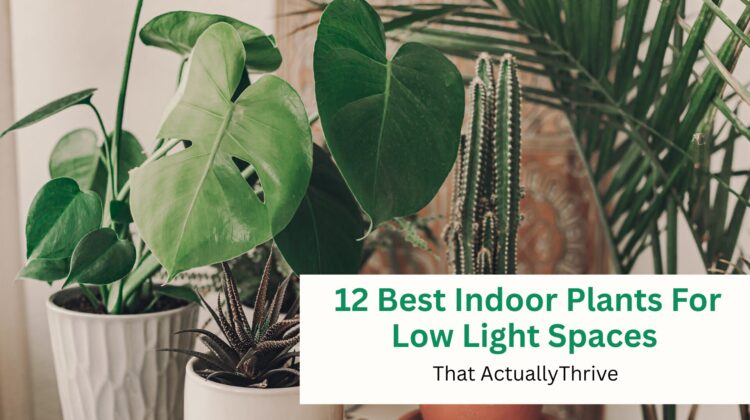
The best low light indoor plants include pothos, snake plants, ZZ plants, peace lilies, and cast iron plants—all proven to thrive in spaces receiving less than 50-100 foot-candles of light.
Staring at that shadowy corner in your living room, you’ve probably wondered if any plant could possibly survive there. The truth? Some of the best indoor plants low light conditions can support are not just survivors—they’re absolute showstoppers that bring life to the dimmest spaces in your home.
Many indoor gardeners struggle with north-facing rooms, windowless bathrooms, or apartments where sunlight is a luxury. You’ve likely killed a few plants already, watching them slowly fade despite your best efforts. The confusion around which plants actually tolerate low light versus those marketed as such but secretly crave sunshine leaves you hesitant to try again.
This guide walks you through the best indoor plants low light environments can sustain, with honest care requirements, styling tips, and troubleshooting advice for each variety. You’ll learn exactly how to identify low light conditions in your home, match plants to specific rooms, and create stunning house plants design ideas that work with your lighting reality rather than against it.
Page Contents
Understanding Low Light Conditions: What Your Plants Actually See
Before you can choose the best indoor plants low light spaces will actually support, you need to understand what “low light” really means—and it’s probably darker than you think.
What Does “Low Light” Actually Mean?
Low light typically measures between 25-100 foot-candles (250-1000 lux). Think of it as the amount of light filtering through a forest canopy to reach the ground below. The best indoor plants low light spaces can support actually evolved in these exact conditions—on jungle floors where towering trees block most direct sunlight. This is why they’re so forgiving in your dim hallway or that corner far from any window.
To put it in perspective, bright indirect light measures 400-800 foot-candles, while direct sunlight can exceed 10,000 foot-candles. Understanding this difference helps you stop blaming yourself when sun-loving plants fail in your shade tolerant indoor plants setup. The numbers matter because they explain why that fiddle leaf fig everyone raves about keeps dropping leaves in your apartment—it simply needs more light than your space provides.
The Shadow Test: Your Free Light Meter
Here’s a simple trick to assess your space without spending money on equipment: hold your hand about 12 inches above a surface during the brightest part of the day. If the shadow you see is fuzzy and barely visible, you’ve got low light conditions. Sharp, well-defined shadows mean medium to bright light. No shadow at all? That space might be too dark even for low light houseplants for beginners without supplemental lighting. This quick test works better than guessing and saves you from buying the wrong plants repeatedly.
Low Light Doesn’t Mean No Light
Let’s clear up a dangerous myth that kills more houseplants than any pest ever could: “low light” doesn’t mean “no light.” Even the toughest shade-tolerant plants need some illumination to photosynthesize and stay alive. Completely windowless rooms without artificial light won’t support any living plant long-term. If you’re working with a truly dark space, you’ll need a grow light on a timer to keep your greenery thriving. Think of it this way: low light plants are the marathon runners of the plant world—they can survive on less, but they still need fuel to function.
Where Low Light Actually Exists in Your Home
Here’s where you’ll typically find these conditions in real-world homes: north facing window plants get gentle, indirect light all day without harsh rays. Spaces more than 6 feet from any window qualify, even if the room feels bright to your eyes—human vision adapts differently than plants photosynthesize. Areas with obstructed sunlight—blocked by buildings, trees, or heavy curtains—also count. That bathroom with frosted glass? Perfect low light territory for the right plants.
Good Tip!
Download a free lux meter app on your smartphone to measure light levels throughout the day. Take readings at 10 AM, 2 PM, and 5 PM to see how your space changes—you might be surprised which corners actually get enough light for plants!
Once you’ve identified your low light zones, you’re ready to select plants that will actually thrive there rather than merely survive. The right plant in the right spot makes all the difference between a thriving green corner and a graveyard of brown leaves.
The 12 Best Indoor Plants Low Light Spaces Love (With Care Essentials)
Now that you understand what low light actually means, let’s explore the champions that flourish in these challenging conditions. These aren’t just plants that tolerate shade—they’re varieties that have adapted over millennia to thrive with minimal sunlight.
Pothos and Snake Plants: The Ultimate Low Light Champions
If you’re just starting out with shade tolerant indoor plants, these two are your best friends. Pothos and snake plants can genuinely thrive in as little as 25-50 foot-candles of light—that’s dimmer than most people realize. I’ve watched a golden pothos flourish in a north-facing bathroom for over three years, pushing out new leaves every month without ever seeing direct sun.
Snake plants are equally forgiving. Water them every 2-3 weeks, forget about them during vacation, and they’ll still look great when you return. The American Society for Horticultural Science confirms that snake plants photosynthesize at just 0.5% of full sunlight. That’s practically superhero-level adaptation. These two plants have rescued more beginners from giving up on indoor gardening than any other varieties, which is why they consistently top every “best indoor plants low light” list you’ll find.
ZZ Plants and Cast Iron Plants: Built to Last
Looking for indoor plants that don’t need sunlight to look stunning? These two are virtually indestructible. ZZ plants maintain their glossy, architectural foliage even when you forget to water for weeks. Their thick rhizomes store water like camels store fat, making them drought-tolerant superstars. Cast iron plants earned their name for good reason—they tolerate dark corners, irregular watering, and even temperature fluctuations that would stress other varieties.
Research shows ZZ plants kept 95% of their chlorophyll after six months in extremely low light. Both plants grow slowly, which means less maintenance and fewer repotting sessions—perfect if you want greenery without constant fussing. This slow growth is actually an advantage in dim conditions, as it means they’re efficiently using every photon of available light rather than stretching desperately toward windows.
Good Tip!
Wipe ZZ plant and cast iron plant leaves with a damp cloth monthly—dust blocks precious light in dim spaces and can cut photosynthesis efficiency by half.
Peace Lilies and Chinese Evergreens: Beauty That Blooms in Shadow
Want flowers without bright windows? Peace lilies and Chinese evergreens deliver beauty that defies expectations. Peace lilies produce elegant white blooms even in low light, though they’ll flower more frequently with slightly brighter conditions. Those white “flowers” are actually specialized leaves called spathes, and they add a sophisticated touch to any dim corner.
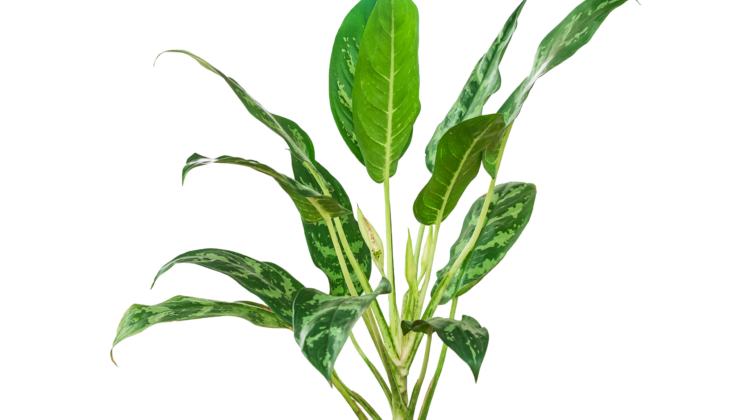
Chinese evergreens offer stunning variegated foliage in shades of pink, red, and silver—proving that the best indoor plants low light conditions support aren’t just various shades of green. Both signal when they need water—peace lilies droop dramatically (but recover quickly after watering), while Chinese evergreens show slight leaf curling. This built-in communication system makes them particularly beginner-friendly since they’ll tell you exactly what they need.
Prayer Plants, Boston Ferns, and Spider Plants: The Mid-Range Options
These varieties sit comfortably between “indestructible” and “needs attention” on the care spectrum. Prayer plants fold their leaves at night in a fascinating display that never gets old to watch, and they tolerate low light beautifully. Boston ferns need higher humidity but work wonderfully in dim bathrooms where that moisture naturally exists. Spider plants produce cascading offspring on long stems, creating living curtains of green that purify air while thriving in moderate to low light.
Each of these plants brings something unique to your space while adapting remarkably well to less-than-ideal lighting. They’re forgiving enough for beginners but interesting enough that experienced plant parents still appreciate them.
Philodendrons and Dracaenas: Statement Plants for Larger Spaces
If you need to fill a bigger area, heart-leaf philodendrons and various dracaena species deliver impressive size without demanding bright light. Philodendrons climb or trail depending on how you train them, offering flexibility in design. Dracaenas grow slowly into tree-like specimens that anchor corners with architectural presence.
Both categories include dozens of varieties, so you can choose leaf shapes, colors, and growth patterns that match your aesthetic. They’re the backbone plants of interior landscaping in corporate offices specifically because they tolerate the fluorescent lighting and neglect that would kill fussier species.
Pet-Safe Options for Furry Family Members
If you have curious cats or dogs, skip the toxic varieties and choose prayer plants, Boston ferns, or certain peperomia types. Prayer plants fold their leaves at night (fascinating to watch) and tolerate low light beautifully. Boston ferns need higher humidity but work wonderfully in dim bathrooms. Peperomias come in dozens of varieties with textured, patterned leaves that add visual interest without posing danger to pets who like to nibble.
For more beginner-friendly plants that thrive in low light, explore options that match your specific space and lifestyle. The key is matching plant needs to your actual conditions rather than wishful thinking about how much light you have.
With your plant selection made, success depends entirely on understanding how their care needs differ from sun-loving varieties. The most common mistakes happen when people treat all houseplants the same way, regardless of their lighting conditions.
Low Light Plant Care: Watering, Feeding, and Maintenance Secrets
Choosing the right plants is only half the battle—keeping them alive requires understanding how low light fundamentally changes their care requirements. The biggest mistakes happen when people apply “normal” houseplant care to species living in dim conditions.
Why Overwatering Kills More Low Light Plants Than Anything Else
Here’s the thing most people get wrong: they water their shade-loving plants on the same schedule as their sun-worshippers. Big mistake. When your best indoor plants low light varieties sit in dim corners, they photosynthesize way less than plants basking in bright spots. Less photosynthesis means slower metabolism, which means they need significantly less water.
It’s like the difference between fueling an athlete versus someone binge-watching Netflix all day—one needs way more resources than the other. Overwatering drowns the roots, literally suffocating them and inviting root rot that’ll kill your plant faster than any light deficiency ever could. I’ve seen more pothos and snake plants killed by kindness—in the form of too-frequent watering—than I can count.
The Finger Test: How to Water Low Light Plants Correctly
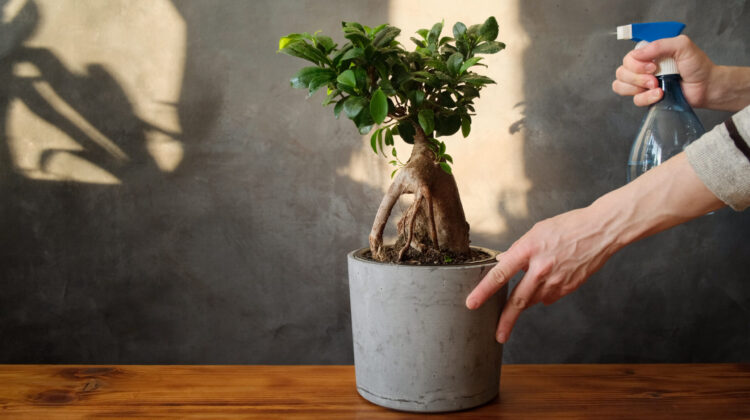
Forget watering on a rigid schedule. Instead, stick your finger 2-3 inches down into the soil before you even think about reaching for your watering can. If it feels damp, walk away. Only water when the soil at that depth feels dry to the touch. This simple test accounts for your specific home’s humidity, temperature, and airflow—factors that vary wildly between apartments and houses.
During winter months, when growth slows to a crawl, reduce your watering frequency by 30-50%. Your snake plant that needed water every two weeks in summer might go three weeks or more in January. The Secret to Growing Healthy Indoor Plants in Low-Light conditions starts with understanding this fundamental shift in care needs. Your plants are essentially hibernating during short winter days, using even less water than their already-minimal summer requirements.
Good Tip!
Mark your calendar when you water each plant. After a month, you’ll see clear patterns emerge and know exactly how often each plant actually needs water in your specific conditions.
Feed Less, Stress Less: The Half-Strength Fertilizer Rule
Indoor plants that don’t need sunlight grow slower—sometimes dramatically slower—than their sun-loving cousins. That means they need way fewer nutrients. During the growing season (spring and summer), fertilize at half the recommended strength, and only monthly at most. Come fall and winter? Skip fertilizing entirely.
Your low light houseplants for beginners are basically hibernating, and feeding them during dormancy is like forcing someone to eat a huge meal right before bed—unnecessary and potentially harmful. Excess fertilizer salts build up in soil when plants can’t use them, eventually burning roots and causing more problems than skipping fertilizer altogether. When in doubt with the best indoor plants low light spaces support, under-fertilize rather than over-fertilize.
Dust Off for Success: The Overlooked Maintenance Essential
Here’s something nobody talks about enough: dust on leaves blocks the limited light your plants are already struggling to capture. Wipe down leaves monthly with a damp cloth. For plants with lots of small leaves, a gentle shower works wonders. This simple five-minute task can boost photosynthesis efficiency significantly, giving your best plants for dark rooms every advantage they can get in their challenging environment.
Think of it as cleaning your windows—you don’t realize how much clarity you’ve lost until you wipe away the grime. The same principle applies to plant leaves, except the stakes are higher since they’re working with minimal light to begin with. This maintenance step becomes even more critical in kitchens where grease particles settle on foliage, or in dusty environments where particles accumulate quickly.
Even with perfect care, problems will occasionally arise. Knowing how to diagnose and fix common issues separates thriving plant parents from frustrated ones who keep replacing dead plants.
Troubleshooting Common Low Light Plant Problems (And How to Fix Them)
Despite your best efforts, the best indoor plants low light conditions support will occasionally show signs of stress. The key is catching problems early and understanding what your plant is actually telling you.
Yellowing Leaves: The Overwatering Trap
Yellow leaves on your low light houseplants for beginners usually scream one thing: too much water. Here’s the deal—plants in dim spaces photosynthesize slower, which means they drink way less than their sun-soaked cousins. That soil you think is “moist enough” is actually drowning your plant’s roots.
Before you water, stick your finger two inches into the soil. If it feels even slightly damp, walk away. Let the soil dry completely between waterings, especially during winter when growth slows to a crawl. I’ve rescued countless yellowing pothos and peace lilies simply by backing off the watering can for a few weeks. The yellowed leaves won’t turn green again—they’re dead tissue—but new growth will emerge healthy once you’ve corrected the watering schedule.
Good Tip!
Mark your calendar to check soil moisture rather than watering on a schedule—your plants will thank you for responding to their actual needs instead of your routine.
Leggy, Stretched Growth: Your Plant’s Cry for Light
When your plant starts looking like it’s reaching desperately toward the window with long, sparse stems, that’s etiolation—fancy plant speak for “I need more light!” Even the best indoor plants low light conditions support have their limits. Those stretched stems with wide gaps between leaves signal that your plant is literally stretching toward any available light source, sacrificing compact growth for survival.
Move your stretched-out friend closer to a window, ideally within three to five feet of a north-facing window or six feet from an east-facing one. If that’s not possible, it’s time to consider a small LED grow light. Position it 12-18 inches above your plant and run it for 12-14 hours daily. You’ll see tighter, bushier growth within a month. The leggy growth won’t fix itself—those stems are permanently stretched—but you can prune them back to encourage compact new growth closer to the base.
Fungus Gnats: The Damp Soil Menace
Those annoying little flies hovering around your shade tolerant indoor plants? Fungus gnats love consistently damp soil in poorly lit areas where it takes forever to dry out. The fix is simple but requires discipline: let the top two inches of soil dry out completely between waterings.
These pests lay eggs in moist soil, so breaking that cycle starves them out within a couple of weeks. You can also place a layer of sand or decorative pebbles on top of the soil to discourage egg-laying—the adults can’t burrow through it to reach moist soil. For more detailed strategies on common problems and solutions with low light indoor trees, check out this helpful resource that covers adjusting watering schedules for slower light absorption.
Yellow sticky traps catch adults and help you monitor whether your population is increasing or decreasing. The gnats themselves don’t harm plants—they’re just incredibly annoying—but their larvae feed on roots in large enough numbers, so addressing the problem matters.
Brown Leaf Tips: Water Quality Matters
Brown, crispy leaf tips often point to minerals building up from tap water—fluoride and chlorine are common culprits, especially on sensitive species like prayer plants and dracaenas. Fill a pitcher with tap water and let it sit uncovered for 24 hours before watering. This allows chlorine to evaporate. Better yet, use filtered water if you have it.
Inconsistent watering also causes browning—alternating between bone-dry soil and soaking wet creates stress that manifests as crispy tips. Establish a regular check-in schedule even if you’re not actually watering each time. This consistency helps you catch problems before they become visible damage.
Once you’ve mastered the care fundamentals and troubleshooting, the fun part begins—designing beautiful displays that make your dim spaces come alive with greenery. The right styling transforms a few plants from “better than nothing” to “intentionally designed focal point.”
House Plants Design Ideas: Styling Low Light Spaces with Greenery
Growing healthy plants is one thing—arranging them beautifully is another skill entirely. These design strategies help you maximize the visual impact of your low-light greenery while working with the natural constraints of dim spaces.
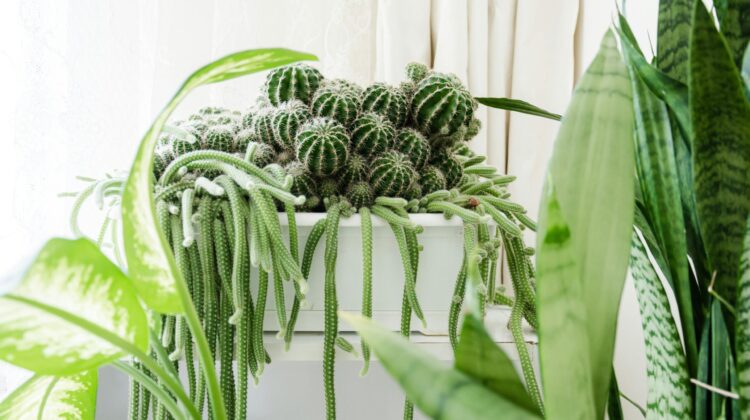
Build Depth with Layered Plant Heights
Think of your dim corner like a stage where you’re directing a play. You need actors at different levels to create visual interest that draws the eye through the space. Start with a tall snake plant anchoring that shadowy spot by your bookshelf—its vertical lines draw the eye upward and fill empty space without demanding sunlight.
Then add trailing pothos on a higher shelf or hanging planter. Those cascading vines create movement and soften hard edges. At the base, tuck in a compact ZZ plant or Chinese evergreen to fill the lower level. This layering trick works because your eye travels through the space rather than landing on one flat plane.
Even in a north-facing room with minimal light, this vertical arrangement makes the area feel intentionally designed rather than neglected. The best indoor plants low light conditions allow thrive at different heights, so take advantage of their varied growth habits to create dimension where architectural features might be lacking.
Choose Light-Colored Containers That Work Double Duty
Your pot choice matters more in dim spaces than you’d think. Dark planters absorb what little light reaches your plants, creating visual black holes that make corners feel even darker. Meanwhile, cream, white, or metallic containers bounce light around, brightening the entire area.
I switched my ZZ plant from a black ceramic pot to a glossy white one, and the corner instantly felt brighter—the plant didn’t change, but the reflected light made the whole setup more visible and intentional. Reflective surfaces like glazed ceramics or metallic finishes amplify available light without adding a single watt or running up your electricity bill.
This simple swap costs nothing if you’re repotting anyway, but the visual payoff is immediate. Light-colored pots also show you when dust accumulates, reminding you to wipe down leaves—that crucial maintenance task that keeps your best indoor plants low light varieties photosynthesizing efficiently.
Good Tip!
Place a small mirror behind your plant grouping to double the perceived greenery and reflect more light onto the leaves—it’s an interior designer’s secret for making small, dark spaces feel larger and brighter.
Match Plants to Room-Specific Conditions
Not all low-light spaces are created equal, and the most successful displays work with rather than against each room’s unique microclimate. Your bathroom offers humidity that ferns crave, making it perfect for those delicate fronds that would crisp up in your dry living room. The steam from showers creates a mini tropical environment that Boston ferns absolutely love.
Bedrooms benefit from snake plants, which release oxygen at night—unlike most plants that only photosynthesize during daylight. They also tolerate weeks of neglect, ideal for busy lifestyles where plant care might slide down the priority list. Entryways need statement-makers like ZZ plants that handle temperature fluctuations when doors open and closed, plus the occasional drafts that would stress finickier varieties.
These best plants for dark rooms thrive because you’re working with their natural preferences rather than fighting against them. Stop trying to force a humidity-loving fern in your bedroom with forced-air heating; put it where the shower steam reaches and watch it flourish.
Arrange in Odd Numbers with Varied Textures
Professional designers use the “rule of three” because odd-numbered groupings feel more natural and dynamic than even numbers. Grab three shade tolerant indoor plants with different leaf shapes: pair broad snake plant blades with delicate pothos vines and add a textured peperomia. This contrast creates visual interest even when you’re working with just a few varieties.
Mix heights, leaf sizes, and growth patterns. The result looks curated and intentional—like you planned this display rather than randomly placing pots wherever they fit. Even using the same species can work beautifully if you vary container heights or use different varieties of the same plant. Three different pothos varieties at staggered heights creates a cohesive yet interesting display that works in the dimmest corners.
The beauty of working with the best indoor plants low light spaces support is that they’re inherently forgiving. You can experiment with arrangements, move plants around to find their perfect spot, and adjust your design as your collection grows—all without stressing plants that would sulk if moved in brighter conditions.
Conclusion
Transforming dim corners into thriving green spaces is absolutely achievable when you choose the best indoor plants low light conditions can support. The key takeaways: first, accurately assess your light levels using the shadow test or a smartphone app. Second, embrace the care paradox: less light equals less water, less fertilizer, and slower growth. Third, address the real limiting factor in most low-light failures—overwatering—by checking soil moisture before every watering session. Finally, don’t underestimate styling; even slow-growing plants create stunning displays when thoughtfully arranged.
Frequently Asked Questions
Can I use a regular LED bulb as a grow light for my low light plants?
Regular LED bulbs can help, but they’re not ideal long-term. Dedicated grow lights provide the specific light spectrum plants need for photosynthesis. If budget is tight, a standard daylight LED bulb works better than nothing for supplementing truly dark spaces.
How often should I rotate my low light plants?
Rotate your plants a quarter turn every time you water them, typically every 2-3 weeks. This ensures all sides receive equal light exposure and prevents lopsided growth. It’s especially important for plants near windows where light comes from one direction.
Do low light plants need drainage holes in their pots?
Absolutely yes—drainage holes are even more critical for low light plants because they’re prone to overwatering. Without drainage, excess water sits at the bottom causing root rot. Use pots with holes or add a layer of rocks before potting in decorative containers.
Will my low light plants grow faster if I move them closer to a window?
Most will grow faster with more light, but watch for signs of stress like leaf bleaching. Gradually transition plants over 1-2 weeks if moving to brighter spots. Some varieties actually prefer consistent low light over fluctuating conditions.
Can I keep low light plants alive in a basement or windowless office?
Yes, but you’ll need artificial lighting on a timer for 12-14 hours daily. No plant survives permanent darkness. A small LED grow light positioned 12-18 inches above your plants creates perfectly viable growing conditions in windowless spaces.
Why are my low light plant’s leaves getting smaller over time?
Progressively smaller leaves signal insufficient light, even for shade-tolerant varieties. The plant is conserving energy by producing less leaf surface. Move it slightly closer to a light source or add supplemental lighting to restore normal growth patterns.
Sources
- University of Georgia Extension – Light Requirements for Indoor Plants
- NASA – Clean Air Study on low-light tolerant plants
- Journal of Environmental Horticulture – ZZ plant chlorophyll retention
- Royal Horticultural Society – Dust accumulation reducing photosynthesis efficiency