
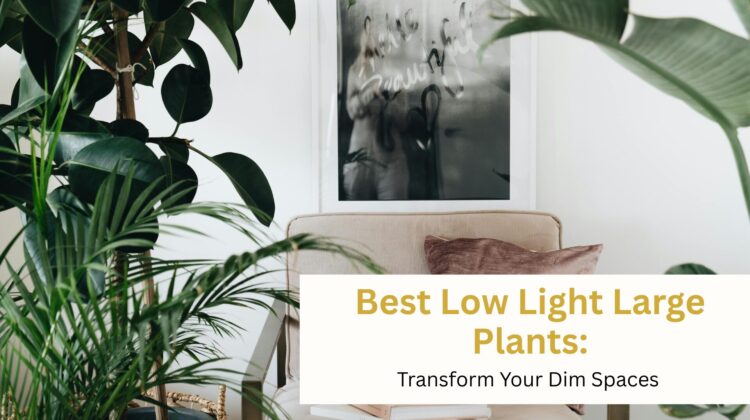
Several large plants thrive in low light conditions, including ZZ Plants, Cast Iron Plants, and Snake Plants that can grow 3-6 feet tall while requiring minimal natural light.
That empty corner in your dimly-lit hallway or that shadowy spot behind your couch doesn’t have to remain bare and uninspiring—low light large plants can transform these overlooked spaces into lush, vibrant focal points.
Many plant enthusiasts assume impressive, floor-standing specimens require bright conditions, leaving darker rooms plant-free after watching prized fiddle leaf figs and other sun-loving varieties slowly decline and ultimately perish.
This guide reveals magnificent large plants that not only survive but actually thrive in dim conditions, complete with specific care requirements and styling tips to help you create the indoor jungle you’ve been dreaming of, regardless of your home’s lighting situation.
Page Contents
What Exactly Counts as ‘Low Light’ for Indoor Plants?
Before you start shopping for low light large plants, it helps to understand what “low light” actually means—because it’s not what most people think.
Understanding the 50-250 Foot-Candle Range
Low light doesn’t mean your room is pitch black. In botanical terms, we’re talking about 50-250 foot-candles—roughly the amount of light you’d find 6-10 feet from a north-facing window. Here’s a simple test: if you can comfortably read a book without turning on a lamp during midday, you’ve got low light conditions. If you need artificial lighting to see clearly, you’re probably in the “too dark” zone where even the most shade-tolerant plants will struggle.
Where You’ll Find These Dim Spaces in Your Home
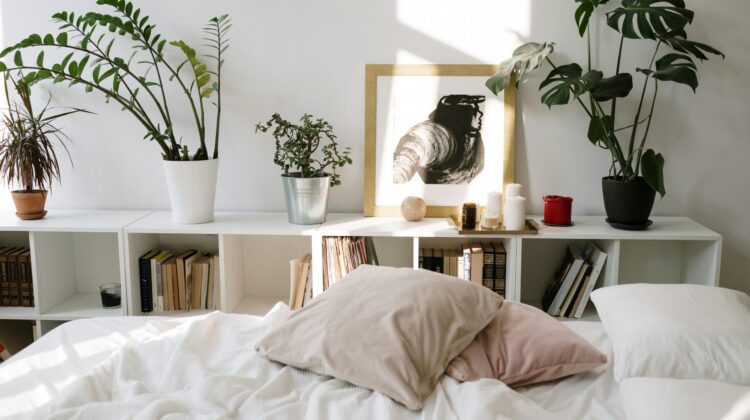
Think about those spots you’ve been meaning to decorate but assumed nothing would survive. North-facing rooms top the list—they get consistent but gentle light all day. Windowless bathrooms, hallways that never see direct sun, office corners far from windows, and rooms with heavy curtains or blinds all qualify as low light locations. These are exactly where floor plants for low light conditions can make the biggest impact, turning forgotten spaces into green focal points.
Good Tip!
Use your smartphone’s camera to check light levels—if you need flash to get a clear photo at noon, your plant will need more light than that spot offers.
Low Light vs. No Light: A Critical Distinction
Here’s what trips people up: low light doesn’t mean no light. Even the most forgiving large indoor plants for dark rooms need some natural light to survive. According to horticultural standards, low light areas receive about 25% or less of available outdoor light. Plants can tolerate and even thrive in these conditions. But stick a plant in a completely dark closet? It’ll eventually die, no matter how “low light tolerant” the label claims.
Understanding this distinction will help you choose the right low light large plants for your space and set realistic expectations for their growth and health. Now let’s explore which specific plants actually deliver on their low-light promises.
Top 5 Large Plants That Thrive in Low Light Conditions
Once you’ve identified your low light spaces, it’s time to pick the plants that will actually thrive there. These five varieties have proven themselves time and again as reliable performers in dim conditions.
ZZ Plant (Zamioculcas zamiifolia)
The ZZ Plant is basically bulletproof. It grows 3-4 feet tall and features glossy, waxy leaves that actually reflect whatever light you’ve got—making your dim room feel a bit brighter. Here’s the secret to its success: those potato-like rhizomes underground store water like a camel stores fat, which means this plant can handle serious neglect. Forget to water for three weeks? Your ZZ Plant won’t hold it against you. The thick, architectural stems grow upright without needing stakes, and the deep green foliage stays shiny with just an occasional dusting. If you’ve killed every plant you’ve ever owned, start here.
Cast Iron Plant (Aspidistra elatior)
There’s a reason Victorians loved this plant—it survived gas lamp fumes, coal dust, and total neglect in dim parlors. The Cast Iron Plant reaches 2-3 feet with broad, leathery dark green leaves that look elegant without trying. It’s the plant equivalent of that friend who never complains. Grows in the darkest corner of your hallway? No problem. Forgot it exists for a month? Still thriving. The leaves emerge slowly but steadily, creating a lush clump that fills floor space beautifully. For large indoor plants for dark rooms, nothing beats this Victorian-era survivor.
Good Tip!
Wipe Cast Iron Plant leaves with a damp cloth monthly—dust blocks the limited light they’re working with, and clean leaves photosynthesize more efficiently in dim conditions.
Snake Plant Tall Varieties (Sansevieria trifasciata ‘Laurentii’)
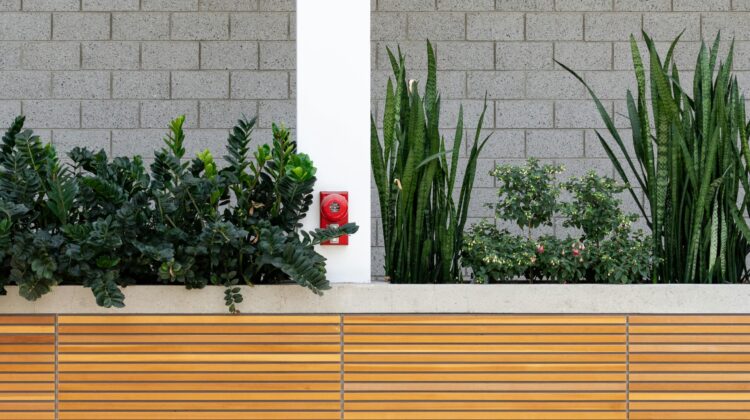
Snake Plants are the ultimate set-it-and-forget-it choice. The ‘Laurentii’ variety grows 3-4 feet tall with striking upright leaves edged in bright yellow. Water once every 2-3 weeks—seriously, that’s it. These tall shade-tolerant plants actually prefer being ignored, and overwatering kills them faster than anything else. The sword-like leaves grow straight up, making them perfect for narrow spaces beside furniture or in tight corners. They also release oxygen at night (unlike most plants), so they’re ideal for bedrooms. If you travel frequently or work long hours, Snake Plants won’t punish you for it.
Kentia Palm (Howea forsteriana)
Want instant tropical vibes without the tropical light requirements? The Kentia Palm delivers. This elegant beauty grows 6-10 feet tall indoors with graceful, feathery fronds that arch beautifully. Kentia palms can grow up to 40 feet outdoors, but indoors they stay manageable while still making a major statement. The fronds filter even minimal light effectively, and the plant tolerates dry air better than most palms. Place one in a dim living room corner, and suddenly you’ve got a vacation resort vibe. Growth is slow but steady—expect new fronds every few months rather than weeks, which is perfectly normal for low light large plants.
Dracaena Varieties: Dragon Tree and Corn Plant
If you want architectural drama without the fuss, Dracaena varieties are your answer. The Dragon Tree (Dracaena marginata) grows 6-10 feet tall with spiky, colorful leaves edged in red or pink—perfect for that empty corner that needs a vertical punch. The Corn Plant (Dracaena fragrans) offers a softer look with broader, arching leaves and occasional fragrant blooms. Both tolerate serious neglect and actually thrive on being ignored. I’ve seen Dragon Trees survive in office hallways with zero natural light, just fluorescent bulbs overhead. These are true workhorses among large indoor plants for dark rooms, and their patterned foliage adds visual interest even when plant details fade in dim lighting.
Good Tip!
Wipe Dracaena leaves monthly with a damp cloth to remove dust—this simple step maximizes photosynthesis in low light and keeps those colorful stripes vibrant.
More Stunning Options to Expand Your Collection
Once you’ve mastered the basics with those top five, you might find yourself wanting to add more variety to your low light spaces. These additional options bring different textures, colors, and forms to diversify your indoor plant collection.
Peace Lily ‘Sensation’: The Flowering Giant
Most people know the compact Peace Lily, but ‘Sensation’ is a completely different beast. This variety reaches 4-6 feet tall and produces those stunning white blooms even in seriously dim conditions—making it one of the few flowering options for low light spaces. The glossy, ribbed leaves create texture and movement, while the blooms add elegance to shadowy corners. It’s also forgiving about watering (it’ll droop dramatically when thirsty, then perk right back up). According to The Spruce’s guide to tall low-light plants, Peace Lilies rank among the most reliable performers for dim bathrooms and north-facing rooms where other bloomers fail.
Philodendron Selloum: Instant Jungle Vibes
Want a tropical statement piece that screams “indoor jungle”? Philodendron selloum (also called Hope Philodendron) develops those dramatic, deeply-lobed leaves that look like they belong in a rainforest. This beauty grows 5 feet tall and equally wide, so give it space to spread. The architectural leaf structure creates incredible visual impact even in low light, where simpler foliage might disappear. It’s surprisingly low-maintenance—water when the top few inches of soil dry out, and it’ll reward you with steady growth. Just note that it needs room to breathe; cramming it into a tight corner defeats its dramatic presence. This makes it an excellent choice among low light large plants when you have adequate floor space to showcase its natural form.
Rubber Plant Dark Varieties: Bold and Moody
Standard green Rubber Plants need decent light, but the dark varieties—’Burgundy’ and ‘Black Knight’—are different animals entirely. These tall shade-tolerant plants grow 6-8 feet with deep burgundy-to-black glossy leaves that practically glow in dim spaces. The dark pigmentation helps them photosynthesize more efficiently in low light than their green cousins. They’re also incredibly forgiving about inconsistent watering and tolerate dry indoor air better than most tropicals. One specimen can anchor an entire room with its bold, moody presence—perfect for modern or industrial design schemes where you want drama without bright colors.
Essential Care Tips for Low Light Large Plants
Growing low light large plants successfully isn’t just about choosing the right varieties—it’s about adjusting your care routine to match their slower metabolism and reduced light conditions. These essential tips will help you avoid the most common pitfalls.
Water Less Frequently Than You Think
Here’s the truth most plant parents learn the hard way: low light means your plants are basically in slow-motion mode. They’re photosynthesizing less, growing slower, and drinking way less water than you’d expect. That gorgeous ZZ Plant in your hallway? It probably needs watering every 10-14 days, not weekly.
The biggest killer of low light large plants isn’t neglect—it’s overwatering. When plants aren’t getting much light, they can’t process water efficiently. That excess moisture just sits in the soil, suffocating roots and inviting rot. Before you water, stick your finger 2-3 inches into the soil. If it feels damp, wait a few more days. Your plant will thank you for it.
Use Well-Draining Soil and Pots with Drainage Holes
Root rot is the silent assassin of large indoor plants for dark rooms, and it all starts with soggy soil. Standard potting mix alone holds too much moisture for plants in dim conditions. Mix in 30% perlite or orchid bark to create air pockets that let excess water drain away quickly.
And those decorative pots without drainage holes? They’re basically death traps. Always use containers with drainage holes, then place them inside your pretty cachepot if you want the aesthetic. For tall shade-tolerant plants, choose heavier ceramic or terracotta pots—they provide stability and naturally wick away moisture better than plastic.
Good Tip!
Place a layer of small rocks at the bottom of your cachepot before adding your planted container—this creates an air gap that prevents your plant from sitting in drained water.
Fertilize Sparingly in Low Light Conditions
Plants growing in dim spaces don’t need much food. They’re not producing new growth rapidly, so they can’t use excess nutrients. Fertilizing too often causes salt buildup in the soil, which burns roots—especially problematic when plants are already stressed by limited light.
Feed your floor plants for low light conditions at half-strength every 6-8 weeks during spring and summer only. Skip fertilizing entirely from fall through winter when growth naturally slows. A diluted liquid fertilizer works well, or use slow-release pellets once in early spring. Less is genuinely more here.
Dust Leaves and Rotate for Even Growth
Dust on leaves blocks the limited light your plants are already working with. Wipe leaves monthly with a damp cloth to keep them clean and maximize their photosynthesis efficiency. It’s a simple task that makes a real difference when every ray of light counts.
Also, plants naturally lean toward their light source. Rotate your low light large plants 90 degrees every month to encourage even growth and prevent that awkward one-sided look. For more guidance on selecting plants that naturally handle these conditions well, check out these expert tips for picking low-light houseplants. Quarter-turns keep your plants balanced and looking their best from every angle.
Troubleshooting Common Problems
Even with proper care, you’ll occasionally encounter issues with your low light large plants. Recognizing problems early and understanding their causes makes all the difference between losing a plant and saving it.
Yellow Leaves—Overwatering vs. Underwatering
Yellow leaves on your low light large plants usually signal overwatering, not thirst. Here’s how to tell the difference: overwatered leaves feel mushy and soft, often with brown spots spreading from the center. Underwatered leaves, on the other hand, turn crispy and dry, with yellowing that starts at the tips and edges.
In dim conditions, overwatering is your biggest enemy. Your plant photosynthesizes slower in low light, which means it drinks less water. Before you reach for the watering can, stick your finger 2-3 inches into the soil. If it feels damp, wait. Most floor plants for low light need water every 10-14 days, not weekly. I learned this the hard way when my ZZ Plant dropped three leaves in one week—turns out I’d been drowning it with kindness.
Leggy Growth with Long Gaps Between Leaves
Notice your Dracaena developing awkward gaps between leaves? Or your Aglaonema losing its compact shape? That’s etiolation—your plant’s way of reaching desperately for more light. While these are shade-tolerant plants, there’s a limit.
The fix is simple: move your plant 2-3 feet closer to a window. You don’t need direct sun, which can actually scorch leaves that have adapted to dimness. Just a bit more ambient light makes a huge difference. If your variegated varieties start turning solid green, that’s another sign they need slightly brighter conditions. Adjust gradually over a week to avoid shock.
Good Tip!
Take a “before” photo when you move your plant closer to light. Check it again in 4 weeks—you’ll be amazed at the tighter, healthier growth pattern that develops.
Slower Growth Is Completely Normal
Here’s what nobody tells you: your large indoor plants for dark rooms won’t grow like their bright-light cousins. Expect 2-3 new leaves per growing season, not monthly spurts. This isn’t failure—it’s biology.
Low light means slower photosynthesis, which means slower growth. Your Cast Iron Plant might sit unchanged for months, then suddenly push out a leaf. That’s normal. However, if you see zero growth for over a year combined with yellowing leaves, gradually increase light exposure. Otherwise, embrace the slow pace. These plants are marathon runners, not sprinters.
Watch for Pests in Low Light Conditions
Spider mites and mealybugs love low light spaces with poor air circulation. Check your plants monthly, especially under leaves and along stems. Spider mites leave fine webbing and tiny dots, while mealybugs look like white cotton clusters.
Catch them early and they’re easy to handle. Wipe leaves with a damp cloth weekly, which removes dust and pests. If you spot an infestation, treat immediately with insecticidal soap approved by the EPA. Spray thoroughly, hitting leaf undersides where pests hide. Repeat weekly for three weeks to break the breeding cycle.
Styling Tips for Low Light Large Plants in Your Home
Beyond just keeping your plants alive, thoughtful placement and styling can transform your dim spaces into design highlights. Here’s how to make the most of your low light large plants from an aesthetic standpoint.
Create Dramatic Focal Points with Single Statement Pieces
That empty corner in your hallway doesn’t need to stay bare. A single tall Snake Plant or architectural Dracaena can transform it into a striking focal point. The key is choosing a decorative pot that complements your existing decor. A woven basket works beautifully in bohemian spaces, while a sleek ceramic planter fits modern aesthetics perfectly. Metallic containers add industrial charm. When you place one impressive specimen in a dim corner, it draws the eye and makes the space feel intentional rather than forgotten. Your guests won’t believe such a stunning plant thrives without bright light.
Group Plants at Varying Heights for Lush Vignettes
Clustering several floor plants for low light conditions creates a jungle-like atmosphere that’s both visually stunning and beneficial for your plants. Try pairing a tall Snake Plant with a medium-sized Philodendron and a trailing Pothos at the base. This layered approach adds depth and interest to your space. Here’s the bonus: when you group plants together, they create their own microclimate with increased humidity levels, which helps them thrive even more. It’s like they’re supporting each other while making your dim corner look like a professional designer styled it.
Good Tip!
Place a small dish of water with pebbles near grouped plants to boost humidity levels naturally—especially helpful in winter when indoor air gets dry.
Use Vertical Space with Climbing Varieties
If floor space is tight, think upward. Training a Monstera or Pothos on a moss pole creates a living sculpture that maximizes vertical space. These climbing varieties look stunning beside bookcases or in narrow hallways where a wide plant would feel cramped. The best part? When Pothos climbs vertically, its leaves can grow up to 12 inches—much larger than when it trails. You can also use wall-mounted trellises or decorative supports to guide growth. This approach works perfectly in apartments or small rooms where every square foot counts. If your space feels dark and cramped, grow lights can supplement natural light without overwhelming your decor.
Match Plants to Room-Specific Needs
Different rooms have different conditions, and smart placement makes all the difference. Snake Plants belong in bedrooms because they release oxygen at night, actually improving your sleep environment. Peace Lilies thrive in bathrooms where humidity runs high from showers. Rubber Plants make bold statement pieces in living rooms where you want drama and presence. Consider scale too—a 6-foot Dracaena anchors a spacious living area beautifully but would overwhelm a small powder room. Think about how you use each space and choose your low light large plants accordingly. This thoughtful matching of plant to room ensures both aesthetic success and healthy growth, turning those previously lifeless corners into vibrant, living spaces.
Conclusion
Transforming dim corners and shadowy spaces with low light large plants is not only possible—it’s one of the most rewarding ways to bring life into overlooked areas of your home. By selecting proven performers like ZZ Plants, Cast Iron Plants, and Dracaena varieties, adjusting care routines for slower growth, and using strategic placement, you can create stunning green focal points in even the darkest spaces. Remember that ‘low light’ doesn’t mean ‘no light,’ and with the right species and proper care, your indoor jungle can thrive virtually anywhere in your home.
Frequently Asked Questions
Can low light plants survive in a room with no windows at all?
No, even the most tolerant plants need some natural light to survive long-term. Completely windowless rooms would require full-time grow lights to keep plants alive and healthy.
How do I know if my plant needs more light without waiting for it to die?
Watch for warning signs like leaves turning solid green (losing variegation), long stems with big gaps between leaves, or complete growth停滞 for over a year. These indicate your plant needs slightly brighter conditions.
Will my low light plant grow faster if I water it more often?
Absolutely not—this is a common mistake that leads to root rot. Low light plants photosynthesize slower and need less water, not more. Overwatering kills more low light plants than anything else.
Do I need special grow lights for my low light plants?
Not necessarily. True low light plants survive well with ambient natural light from windows. Grow lights help in completely dark spaces or can supplement very dim areas during winter months.
Why are my Snake Plant leaves drooping even though it’s supposed to be easy?
Drooping usually means overwatering or cold damage. Snake Plants need very infrequent watering (every 2-3 weeks) and temperatures above 50°F. Check that soil is dry before watering and keep away from cold drafts.
Can I put my low light plant outside in summer to help it grow faster?
Moving a low light-adapted plant into bright outdoor conditions will shock and likely burn it. If transitioning outdoors, do it gradually over 2-3 weeks, placing it in deep shade first.
Sources
- University of Florida Extension: Houseplants for Low-Light Conditions
- NASA: Clean Air Study on Indoor Plants
- Royal Horticultural Society: Houseplant Care Guidelines