

Indirect light plants thrive in bright to medium filtered sunlight without direct rays, making them perfect for most indoor spaces where direct sun is limited or inconsistent.
That stunning apartment with north-facing windows or the perfect living room shadowed by neighboring buildings doesn’t have to be a plant-free zone. Indirect light plants offer the perfect solution for creating lush, vibrant indoor spaces regardless of your lighting situation—no full sun required.
Many plant enthusiasts struggle to decode what ‘indirect light’ actually means, leading to disappointing results: leggy growth, yellowing leaves, or plants that simply refuse to thrive. The confusion between low light, indirect light, and bright indirect light creates frustration and wasted money on inappropriate plant choices.
 This comprehensive guide will demystify indirect light conditions, introduce you to the most adaptable and beautiful plants for filtered sunlight, and provide practical care strategies to help your indoor garden flourish. You’ll learn how to assess your home’s unique lighting conditions, select plants that match your space and lifestyle, troubleshoot common issues, and create stunning plant displays even in challenging light environments.
Page Contents
What Is Indirect Light for Plants? Understanding the Basics
Before you can choose the right plants for your home, you need to understand what “indirect light” actually means. It’s one of those terms thrown around constantly in plant care guides, but rarely explained in practical terms that help you make real decisions about where to place your greenery.
What Indirect Light Actually Means
Indirect light refers to bright or medium light that’s been softened before it reaches your plants. Think of it as sunlight that’s taken a detour—filtered through sheer curtains, bounced off a wall, or simply positioned 3-8 feet away from a window where the sun’s rays don’t directly hit the leaves. It’s the sweet spot most houseplants crave. Direct sun can scorch delicate foliage, while too little light leaves plants struggling to photosynthesize. Indirect light gives your green friends the energy they need without the risk of leaf burn.
This distinction matters more than most beginners realize. When you understand how light behaves in your home, you’ll stop guessing where plants should go and start making confident placement decisions that set your indoor garden up for success.
Where You’ll Find Indirect Light in Your Home
Most homes naturally offer plenty of indirect light zones. Look a few feet away from windows or in rooms with east or west-facing windows dressed with curtains. Even bright rooms where plants sit across from windows rather than right in them provide ideal conditions. If you’re wondering whether your plants for north facing windows will thrive, the answer is often yes—north-facing spots typically deliver consistent, gentle indirect light throughout the day.
The key is recognizing these zones. Walk through your home at different times of day and notice where brightness appears without direct sun beams hitting surfaces. These are your prime real estate locations for indirect light plants.
Good Tip!
Try the shadow test right now: hold your hand 12 inches above a table near your plant spot. A soft, fuzzy shadow means you’ve found the perfect indirect light location!
The Simple Shadow Test
Want to know if a spot has good indirect light? Use the shadow test. Hold your hand about 12 inches above a surface in the area you’re considering. A soft, fuzzy shadow indicates ideal indirect light conditions—perfect for most bright indirect light houseplants. A sharp, well-defined shadow means direct sun (too intense for many plants), while barely visible or no shadow suggests low light that won’t support most growth.
This simple technique removes the guesswork. You don’t need fancy light meters or apps—just your hand and thirty seconds to evaluate any location in your home.

Why Indirect Light Beats Low Light
Here’s where many plant parents get confused: indirect light isn’t the same as low light. Unlike true low light found in north-facing corners far from windows, indirect light provides sufficient brightness for healthy photosynthesis while preventing leaf burn or stress. As one Reddit user perfectly explained in a discussion about what indirect light actually means, indirect light plants are physically away from windows where direct sun rays aren’t touching them, but they’re still receiving plenty of ambient brightness to thrive.
This distinction determines whether your plants will merely survive or actually flourish. Low light plants exist, but most popular houseplants fall into the indirect light category—they need that filtered brightness to grow full, vibrant, and healthy. Understanding this difference helps you match the right plant to the right spot, which is the foundation of successful indoor gardening.
10 Best Indirect Light Plants for Beginners
Now that you understand what indirect light actually is and where to find it in your home, let’s explore the plants that thrive in these conditions. These ten varieties have earned their beginner-friendly status through their resilience, adaptability, and ability to communicate their needs clearly.
Pothos (Epipremnum aureum)
Pothos sits at the top of every beginner’s list for good reason. This trailing beauty thrives in almost any indirect light situation—from bright spots near windows to medium-light corners several feet away. The heart-shaped leaves come in stunning varieties: golden pothos with yellow splashes, marble queen with creamy white patterns, or neon with electric lime-green foliage.
What makes pothos truly beginner-friendly? It actually tells you when it needs water by drooping slightly, then perks right back up after a drink. You can forget to water for a week or two, and it’ll forgive you. Place it on a shelf, let the vines cascade down, and watch it grow 10+ feet if you let it. I’ve kept pothos alive in bathrooms, offices, and even a windowless hallway with just ambient light—it adapts like a champ and ranks among the most reliable indoor indirect light plants you can grow.
Snake Plant (Sansevieria)
Snake plants stand tall with their striking, sword-like leaves that add architectural interest to any room. These low maintenance indoor plants handle bright to medium indirect light beautifully, but they’ll also tolerate darker corners better than most. The upright growth pattern means they fit perfectly in tight spaces—next to furniture, on side tables, or flanking doorways.
NASA research confirms what plant lovers already know: snake plants are air-purifying powerhouses that release oxygen at night, making them ideal bedroom companions. Water them every 2-3 weeks, and they’re happy. Overwater them, and you’ll see mushy leaves—but that’s hard to do since they prefer dry soil. For plants for north facing windows, snake plants deliver without complaint.
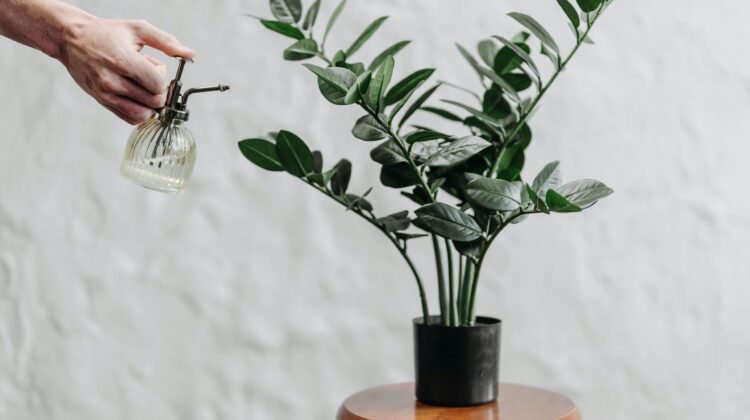
ZZ Plant (Zamioculcas zamiifolia)
The ZZ plant’s glossy, dark green leaves look almost artificial—that’s how perfect they stay with minimal effort. This plant excels in medium indirect light but tolerates lower conditions better than most houseplants. Its secret weapon? Thick rhizomes under the soil store water, making it incredibly drought-tolerant. Forget to water for three weeks? The ZZ plant won’t even flinch.
It grows slowly but steadily, eventually reaching 2-3 feet tall with gracefully arching stems. Perfect for busy professionals or frequent travelers, this plant practically raises itself. Just avoid overwatering—let the soil dry completely between waterings, and you’ll have a thriving indirect light plant that requires almost zero fuss.
Peace Lily (Spathiphyllum)
Peace lilies bring elegance with their dramatic white flowers that bloom even in indirect light—no direct sun required. What beginners love most? These bright indirect light houseplants communicate clearly. When thirsty, they droop noticeably. Give them water, and within hours, they’re standing tall again. This clear signal takes the guesswork out of watering schedules.
Beyond their beauty, peace lilies rank among the best air-purifying plants, filtering toxins from indoor air. They prefer consistently moist (not soggy) soil and appreciate humidity, making them perfect for bathrooms or kitchens. Place them 3-6 feet from a window, water when they droop, and enjoy white blooms several times a year.
Chinese Evergreen (Aglaonema)
Chinese evergreens offer stunning leaf patterns—from silvery greens to deep emerald with pink or red accents. These indirect light plants adapt to various light levels, though they show their best colors in medium to bright indirect spots. Their slow, compact growth makes them perfect for desks, shelves, and smaller spaces where you want impact without sprawl.
What beginners appreciate most is their forgiveness. Miss a watering? They’ll bounce back. Forget to fertilize for months? They keep growing anyway. They’re not fussy about humidity either, making them more adaptable than ferns or calatheas that demand constant moisture in the air.
Spider Plant (Chlorophytum comosum)
Spider plants earn their popularity through sheer resilience and their adorable “babies”—small plantlets that dangle from long stems like spiders on silk threads. These offsets make propagation effortless, turning one plant into dozens that you can share with friends or spread throughout your home.
In bright indirect light, spider plants produce more of those charming babies and show off their variegated green-and-white striped leaves at their finest. They tolerate occasional neglect, bounce back from underwatering, and adapt to different humidity levels. Whether cascading from a hanging basket or sitting on a high shelf, spider plants add movement and visual interest while purifying your air.
Philodendron
Philodendrons come in countless varieties, but they all share the same easy-going nature that makes them perfect for beginners working with indirect light. Heart-leaf philodendrons trail beautifully, while split-leaf varieties create dramatic focal points with their distinctive foliage.
These plants signal their needs clearly—drooping leaves mean they’re thirsty, while yellowing suggests overwatering. They grow quickly in bright indirect light, giving you the satisfaction of visible progress. Just give them consistent moisture (not soggy soil), wipe their leaves occasionally to remove dust, and they’ll reward you with lush, tropical growth that transforms any room.
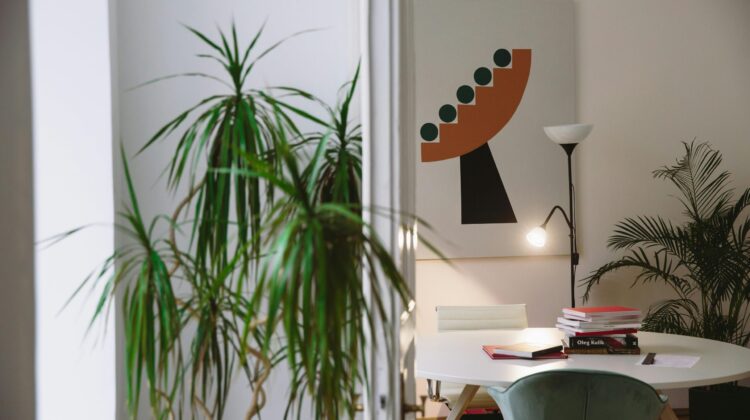
Dracaena
Dracaenas offer striking architectural presence with their cane-like stems and clusters of spiky or broad leaves depending on the variety. From the popular corn plant to the dramatic dragon tree, these indirect light plants handle medium light conditions while adding vertical interest to your space.
What makes them beginner-friendly is their drought tolerance. They’d rather be too dry than too wet, so if you tend to forget about your plants for a week or two, dracaenas won’t hold it against you. They grow slowly and steadily, requiring minimal intervention beyond occasional watering and very infrequent feeding.
Rubber Plant (Ficus elastica)
Rubber plants make a bold statement with their large, glossy leaves in deep green or striking burgundy. These indirect light plants prefer bright conditions but adapt to medium light, though growth slows accordingly. Their substantial presence makes even a young plant feel like a design feature rather than an accessory.
Care is straightforward: water when the top few inches of soil dry out, wipe those gorgeous leaves monthly to keep them gleaming, and avoid moving them around too much once they’re settled. Rubber plants dislike frequent relocation, so choose their spot thoughtfully. Given stability and the right light, they’ll grow into impressive specimens that anchor your indoor garden.
Cast Iron Plant (Aspidistra elatior)
The cast iron plant earned its name through legendary toughness. If you’re worried about killing plants, start here. These indirect light plants tolerate neglect, low humidity, irregular watering, and less-than-ideal conditions that would stress other houseplants. Their dark green, arching leaves add graceful greenery to corners and spots where other plants struggle.
Growth is slow, but that’s part of their charm—you’re not constantly repotting or managing aggressive spread. They’re the plant equivalent of that reliable friend who never complains and always shows up. Place them in medium indirect light, water when the soil dries out, and basically ignore them. They’ll thrive on that benign neglect better than constant fussing.
Good Tip!
Start with just one or two beginner plants before expanding your collection. Master their care rhythms first—how often they need water in your specific home, how they respond to your lighting. This builds confidence and prevents the overwhelm of caring for multiple struggling plants at once.
How to Care for Indirect Light Plants Successfully
Choosing the right plants is only half the battle. Even the most resilient indirect light plants need proper care to truly thrive. The good news? Once you understand a few fundamental principles, caring for these plants becomes intuitive rather than stressful.
Water Wisely to Prevent Root Rot
Here’s the thing about indirect light plants—they don’t drink as fast as their sun-soaked cousins. Less light means slower photosynthesis, which means your plant needs less water. Before you reach for that watering can, stick your finger about 1-2 inches into the soil. Does it feel dry at that depth? Then it’s time to water. Still moist? Wait a few more days.
This simple finger test has saved countless plants from root rot, which happens when roots sit in soggy soil for too long. I learned this the hard way with my first pothos—I was watering on a schedule instead of checking the soil, and within weeks, the leaves turned yellow and mushy. Once I started testing the soil first, everything changed. If you’re still unsure about your home’s lighting conditions, measuring light levels with a meter app can help you understand exactly what your plants are working with and adjust your watering accordingly.
Feed Monthly During Growing Season
Your indirect light plants need nutrients, but not as much as you might think. During spring and summer, feed them once a month with a balanced houseplant fertilizer diluted to half-strength. That’s it. Plants growing in lower light conditions don’t need heavy feeding because they’re not growing as aggressively as bright indirect light houseplants near sunny windows.
Come fall and winter, you can stretch that feeding schedule to every 6-8 weeks or skip it entirely. These rest periods are natural—your plants slow down when daylight decreases and temperatures drop. Respect that rhythm instead of pushing them to grow year-round, and you’ll have healthier, more resilient plants.
Good Tip!
Mark your calendar with plant care reminders. Set a monthly alert for fertilizing and quarterly reminders to rotate your plants—it takes the guesswork out of maintenance.
Keep Humidity Between 40-60%
Most indirect light plants come from tropical environments where humidity runs high. Your home’s dry air can stress them out, especially during winter when heating systems suck moisture from the air. The sweet spot? Aim for 40-60% humidity. You can achieve this by grouping plants together (they create their own little humid microclimate), placing pots on pebble trays filled with water, or running a humidifier nearby. Calatheas and ferns especially appreciate this extra moisture.
Don’t overthink humidity unless you’re growing particularly demanding plants. Most beginner-friendly indirect light plants tolerate typical household humidity reasonably well. But if you notice brown leaf tips or crispy edges, dry air is usually the culprit.
Rotate Plants Every Three Months
Even indirect light comes from a direction—usually your windows. Over time, your plants will lean toward that light source, growing lopsided and uneven. Every quarter, give each pot a quarter turn. This encourages balanced growth on all sides and keeps your plants looking full and healthy instead of stretched and tilted.
This simple habit takes seconds but makes a visible difference in plant symmetry. Set a seasonal reminder—first day of each season, rotate your plants. It becomes automatic, and your plants develop evenly on all sides.
Troubleshooting Common Indirect Light Plant Problems
Even with proper care, you’ll occasionally encounter issues. The key is recognizing problems early and understanding what your plants are trying to tell you through their symptoms. Most issues with indirect light plants stem from just a handful of causes, making troubleshooting simpler than you might expect.
Leggy, Stretched Growth Signals Your Plant Needs More Light
When your plant starts looking like it’s reaching desperately toward the window—long stems with big gaps between leaves—that’s etiolation. Your plant is literally stretching to find more light. The leaves might look smaller than usual, and the whole thing seems sparse and lanky instead of full and bushy.
The fix is straightforward: move your plant closer to the window. Try shifting it 2-3 feet closer and watch how it responds over the next few weeks. If you can’t move it closer, supplement with a grow light for 6-8 hours daily. You can also prune back the leggy growth to encourage bushier development from the base. Don’t expect those stretched stems to suddenly fill in—new growth will be more compact once lighting improves.
Yellow Leaves Usually Mean You’re Watering Too Much
Here’s something that trips up a lot of plant parents: yellow leaves in indirect light conditions almost always point to overwatering. Because your indirect light plants photosynthesize more slowly than those in bright sun, they use less water. That means the soil stays wet longer, and roots can start to rot.
Check the soil before you water. Stick your finger about 2 inches down—if it’s still moist, wait a few more days. Let the top layer dry out completely between waterings. If you’re seeing multiple yellow leaves and the soil feels soggy, you’re probably watering on a schedule instead of checking what the plant actually needs. The solution is adjusting your approach to match your plant’s actual consumption rate rather than an arbitrary timeline.
Good Tip!
Set a weekly reminder to check your plants rather than water them automatically—this simple shift prevents most overwatering problems in indirect light conditions.
Slow Growth Is Normal—Don’t Panic
Your indirect light plants won’t grow as fast as those sitting in a sunny window, and that’s completely fine. Expect slower, steadier growth patterns. A pothos in bright indirect light might put out a new leaf every week or two, while one in medium indirect light might take a month. That doesn’t mean your plant is unhappy—it’s just adapting to available energy.
If growth seems completely stalled for months, that’s when you should investigate. But modest growth? That’s exactly what you want from healthy indirect light plants. Patience is part of the process, especially during fall and winter when most houseplants naturally slow down.
Dust Blocks Light Your Plants Desperately Need
Dust buildup might seem minor, but it’s blocking precious light from reaching your plant’s leaves. In indirect light conditions where every bit of brightness counts, a dusty leaf can’t photosynthesize efficiently. Wipe down your plant’s leaves monthly with a damp cloth—just plain water works fine. Support each leaf gently from underneath while you wipe the top surface to avoid damage.
This simple maintenance task also lets you inspect for pests and check overall plant health. You’ll spot problems like spider mites or scale insects early when they’re easier to treat. Plus, clean leaves just look better—their natural shine and color come through instead of hiding under a gray film.
Styling Your Home with Indirect Light Plants
Once you’ve mastered the care basics, the fun part begins: transforming your space with thoughtfully arranged greenery. Strategic placement of indirect light plants doesn’t just keep them healthy—it turns your home into a more vibrant, inviting environment that reflects your personal style.
Build Eye-Catching Vertical Displays
Think beyond the windowsill. Vertical displays let you pack more greenery into your space while giving each plant the light it needs. Plant stands work wonders near windows—they create tiers that position plants at different heights, so everyone gets their share of filtered sunlight. Wall-mounted shelves bring plants up to eye level, turning them into living art. And hanging planters? They’re perfect for trailing pothos or string of pearls that spill beautifully downward.
The trick is placing these displays 3-6 feet from your windows. This sweet spot gives bright indirect light houseplants the glow they crave without the harsh rays. I’ve seen cramped apartments transform into lush jungles just by going vertical. You maximize light exposure and free up valuable floor space at the same time.
Group Plants by Their Care Needs
Here’s a game-changer: cluster plants that want the same things. When you group ferns, calatheas, and peace lilies together, you’re not just creating visual impact—you’re making life easier. These humidity lovers benefit from each other through transpiration. As they release moisture, they create their own little microclimate.
This smart grouping means you water them on the same schedule. No more guessing which plant needs what. Plus, when plants for north facing windows sit together, they’re easier to monitor. You’ll spot problems faster and adjust care for the whole crew at once. This approach works particularly well for collections of indirect light plants with similar requirements.
Good Tip!
Place a small tray of water with pebbles beneath grouped plants to boost humidity naturally—the evaporating water benefits all nearby plants without extra effort.
Mix Textures for Visual Drama
Variety makes your plant display sing. Pair feathery ferns with the bold, glossy leaves of a rubber plant. Set trailing pothos against the upright, architectural lines of a snake plant. This contrast creates depth and keeps your eye moving through the space.
Different leaf shapes and growth patterns add dimension that single-variety groupings just can’t match. A wispy asparagus fern softens the strong presence of a fiddle leaf fig. Trailing plants spill over edges while upright growers add height. According to research from the Journal of Environmental Psychology, these thoughtfully arranged plant groupings boost satisfaction with your living space by 15%. The visual interest created by mixing textures makes your collection of indirect light plants feel intentional and curated rather than random.
Choose Containers That Work and Look Great
Your pots matter more than you think. Decorative cachepots give you style, but they need drainage-friendly nursery pots inside. This double-pot system protects your furniture from water damage while letting you match any décor.
Pick containers that complement your space—ceramic pots for modern vibes, woven baskets for bohemian warmth, or sleek metal planters for industrial style. Just make sure that inner nursery pot has drainage holes. This setup gives you the best of both worlds: gorgeous containers that keep your indirect light plants healthy and thriving while elevating your interior design.
Propagating Indirect Light Plants to Expand Your Collection
After successfully caring for your first indirect light plants, you’ll naturally want more. Propagation lets you multiply your collection without spending money, share plants with friends, and gain confidence in your plant parenting skills. The process is simpler than most beginners expect and incredibly rewarding when you watch roots develop on cuttings you’ve taken yourself.
Water Propagation: The Easiest Way to Multiply Your Favorites
Water propagation is hands-down the simplest method for beginners. You can multiply pothos, philodendrons, and many other indirect light plants without spending a dime. Here’s how: grab clean scissors and snip a 4-6 inch stem just below a leaf node (that little bump where leaves emerge). Remove any lower leaves that would sit underwater, then pop the cutting into a glass of room-temperature water.
Place your glass in bright indirect light—a north-facing windowsill works perfectly. Change the water every 5-7 days to prevent bacterial growth. Within 2-4 weeks, you’ll see white roots sprouting. Once they reach 2-3 inches long, plant them in soil and watch your collection grow. The transparent container lets you monitor root development, turning propagation into an fascinating observation project.
Division: Perfect for Clustering Plants
If you’re repotting a snake plant, spider plant, or peace lily, division gives you instant new plants. When you slide the plant from its pot, you’ll notice it’s actually several plants growing together. Gently tease apart the root clumps with your fingers—don’t worry if a few roots break. Each section with its own roots and leaves becomes a new plant.
Pot them individually in fresh soil, water lightly, and place them back in their usual indirect light spot. This method works best for plants that naturally produce offsets or grow in clumps. It’s faster than waiting for cuttings to root and gives you established plants immediately.
Good Tip!
Label your propagation jars with the plant name and date using masking tape—it helps track which cuttings root fastest and builds your confidence for future propagation projects.
Timing Your Propagation for Best Results
Spring and early summer are your propagation sweet spots. During these months, plants pump energy into new growth, which means cuttings develop roots much faster. According to Purdue Extension’s propagation research, success rates jump significantly when you propagate during active growth periods.
Avoid winter propagation—plants are semi-dormant then, and cuttings often rot before rooting. The combination of slower plant metabolism and lower light levels during winter months creates challenging conditions for root development. Wait until spring returns and your indirect light plants show signs of active growth. You’ll see faster results and fewer failures, making the whole experience more encouraging and successful as you expand your indoor garden.
Conclusion
Indirect light plants offer the perfect solution for most indoor spaces, thriving in filtered sunlight without the intensity of direct rays. By understanding your home’s light conditions and selecting appropriate plants—from easy-care pothos and snake plants to statement-making monsteras—you can create a lush indoor garden regardless of window exposure. Remember that indirect light environments require less frequent watering, occasional fertilizing, and regular dusting to help plants photosynthesize efficiently. Start with a few forgiving varieties, observe their response to your specific conditions, and adjust care accordingly. With the right plant choices and simple maintenance routines, you’ll soon transform your indirect light spaces into thriving green sanctuaries that purify your air and elevate your décor.
Frequently Asked Questions
Can I use a grow light if my home doesn’t have enough indirect light?
Absolutely! Grow lights work wonderfully as supplements or replacements for natural indirect light. Position them 12-18 inches above your plants and run them for 10-12 hours daily to mimic natural conditions.
How do I know if my plant is getting too much or too little indirect light?
Too much light causes bleached or brown-scorched leaves, while too little results in leggy growth with widely spaced leaves. Healthy plants show vibrant color and compact growth with normal leaf spacing.
Do indirect light plants still need a rest period in winter?
Yes, most houseplants naturally slow down during winter months due to shorter days and lower light intensity. Reduce watering frequency and pause fertilizing until spring when active growth resumes.
Can I move my indirect light plants outside during summer?
Many can vacation outdoors in shaded spots, but transition gradually over 7-10 days to prevent shock. Choose locations under covered porches or tree canopies that block direct sun exposure.
What’s the difference between medium and bright indirect light?
Bright indirect light occurs 2-5 feet from unobstructed windows with soft shadows, while medium indirect light sits 5-8 feet away with barely visible shadows. Most houseplants tolerate both conditions.
Should I clean my windows to improve indirect light for my plants?
Definitely! Dirty windows can block up to 40% of available light. Clean windows quarterly maximize the indirect light reaching your plants, especially important during darker winter months.
Sources
- University of Georgia Extension — Light Requirements for Indoor Plants.
- NASA Clean Air Study — Interior Landscape Plants for Indoor Air Pollution Abatement.
- Journal of Environmental Horticulture — Common Causes of Houseplant Failure in Residential Settings.