
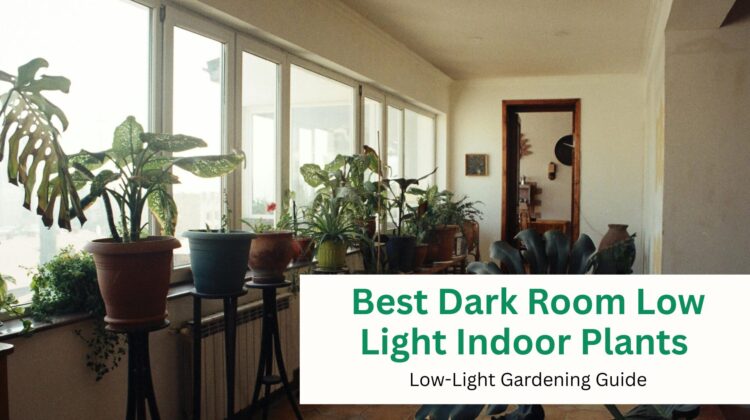
Several resilient indoor plants not only tolerate but actually prefer low-light conditions, making dark room low light indoor plants the perfect choice for spaces that receive just 25–75 foot-candles of light, allowing them to thrive even in the dimmest corners of your home.
Staring at that dim corner of your apartment or windowless bathroom wondering if any plant could possibly survive there? You’re not alone. Most spaces in our homes receive far less natural light than ideal for typical houseplants, leaving many plant enthusiasts frustrated with their wilting green friends.
The confusion around what truly qualifies as ‘low light’ leads to disappointment and dying plants. You’ve likely killed supposed ‘low-light’ plants before or hesitate to invest in greenery for north-facing rooms, hallways, or basement spaces. Many plant labels claim ‘low light tolerance’ but still require bright indirect light to truly thrive.
This guide eliminates the guesswork by revealing scientifically-proven dark room low light indoor plants, complete with specific care requirements and realistic expectations. You’ll learn how to measure light levels, choose plants that match your actual conditions, troubleshoot common issues, and incorporate beautiful plant design ideas for shadowy spaces. By the end, you’ll have a curated list of nearly indestructible options and the confidence to green up even your dimmest rooms.
Page Contents
Understanding What ‘Low Light’ Really Means For Indoor Plants
Low light isn’t just a vague term—it has real numbers behind it. When we talk about low light conditions, we’re referring to 25-75 foot-candles (250-750 lux). Compare that to the 400-800 foot-candles most houseplants prefer, and you’ll immediately understand why your average tropical plant struggles in that dim hallway. Think of it this way: bright indirect light resembles a well-lit office, while low light is closer to the ambient glow in a movie theater before the previews start. Understanding this difference helps you set realistic expectations and choose dark room low light indoor plants that actually thrive without constant disappointment.
The Science Behind Low Light Measurements
These measurements matter because they define what your plant can actually do with the light available. A lux meter app on your smartphone can help you measure your space at different times of day. If you can barely see your hand’s shadow when held above a white surface, you’re in true low-light territory. This simple test gives you immediate insight into whether your chosen spot will support plant life or if you need to adjust your expectations.
Even Shade-Loving Plants Need Some Light
Here’s the truth bomb: no plant survives in complete darkness forever. Even the toughest dark room low light indoor plants need at least some ambient light to photosynthesize and stay alive. Some species can hang on for months with minimal illumination, but eventually, they’ll decline without any light source. If you’re eyeing that windowless bathroom or basement corner, you’ll need either a nearby light source or supplemental lighting to keep your greenery thriving long-term. The good news? The plants we’ll discuss below can handle remarkably dim conditions—they just need something to work with.
Growth Slows Way Down in Dim Conditions
Set your expectations accordingly—plants in low light grow at just 10-25% the rate of their bright-light cousins. That snake plant might push out one new leaf per year instead of five. This isn’t failure; it’s biology. Slower growth actually means less maintenance, which works perfectly for busy plant parents. Just don’t expect rapid jungle vibes in your shadowy spaces. Instead, appreciate these plants for their ability to maintain their good looks and stay alive in conditions that would kill most other greenery. This slower pace also means less pruning, less repotting, and fewer demands on your time—a hidden benefit that makes these species perfect for low-maintenance lifestyles.
Top 5 Virtually Indestructible Dark Room Low Light Indoor Plants
Now that you understand what low light really means, let’s explore the champions of dim spaces. These five species have proven themselves time and again as the most reliable options for areas where other plants simply give up.
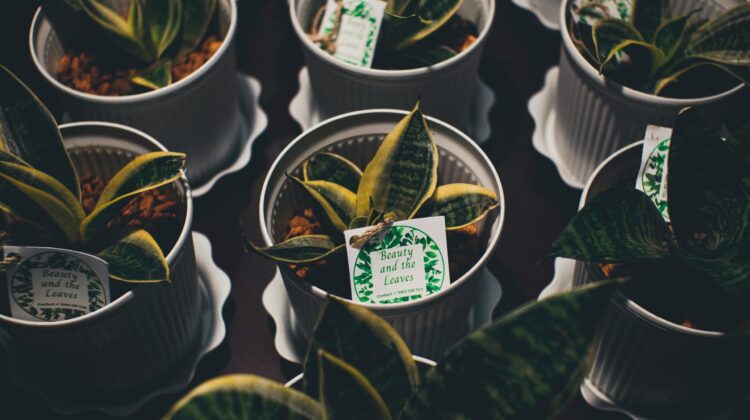
Snake Plant (Sansevieria)
If you’ve killed every plant you’ve ever owned, the snake plant is your redemption story. This architectural beauty survives on as little as 10-20 foot-candles—that’s dimmer than most office cubicles. Its sword-like leaves stand upright even in near darkness, and here’s the kicker: you only need to water it once every 4-6 weeks. Overwatering actually kills snake plants faster than neglect does. As a bonus, NASA research confirms it removes toxins like formaldehyde and benzene from your air while you sleep. Place one in your bedroom corner or that dark hallway, and forget about it. Seriously.
The snake plant’s tolerance for neglect stems from its succulent-like leaves that store water efficiently. This adaptation makes it one of the premier dark room low light indoor plants for beginners and forgetful waterers alike. Its vertical growth pattern also means it takes up minimal floor space while making a bold visual statement—perfect for narrow hallways or tight corners where you need impact without bulk.
ZZ Plant (Zamioculcas zamiifolia)
The ZZ plant laughs in the face of neglect. Those glossy, waxy leaves hide a secret weapon: potato-like rhizomes underground that store water for months. Studies show it thrives in as low as 15 foot-candles, making it perfect for rooms without windows. You can literally go on vacation for two months and come home to a happy plant. The thick stems and shiny foliage look expensive and intentional, even though you’re doing almost nothing. Just don’t overwater—these rhizomes rot quickly in soggy soil.
One often-overlooked care tip: dust your ZZ plant’s leaves monthly with a damp cloth. Clean leaves absorb what little light they get much more efficiently in dark spaces, helping your plant make the most of challenging conditions. This simple maintenance step takes five minutes but can make the difference between a plant that merely survives and one that actually looks good.
Pothos Varieties (Epipremnum aureum)
Pothos adapts to 50 foot-candles and trails beautifully from shelves or hanging planters, transforming boring vertical space into living art. Golden pothos, marble queen, and jade varieties all handle windowless bathroom situations like champions. The vines cascade gracefully, and you can trim them back anytime to control length. They stay lush even in humidity-heavy bathrooms without windows, and they’re nearly impossible to kill. Stick a cutting in water, and it’ll root in two weeks—free plants forever.
What makes pothos particularly valuable as dark room low light indoor plants is their versatility. Train them up a moss pole, let them trail from a high shelf, or allow them to sprawl across a bookcase. They adapt to your space and continue looking full and healthy even when light levels would send other plants into decline. The variegated varieties may lose some of their color patterning in very dim spots, but they’ll maintain their health and continue growing, which is more than most plants can claim.
Chinese Evergreen (Aglaonema)
Want color in your cave-like space? Chinese evergreen delivers with pink, red, or silver-splashed foliage that holds its vibrant patterns even in 50-75 foot-candles. It removes benzene and formaldehyde from indoor air, making it functional and beautiful. These low maintenance dark room plants grow slowly and stay compact, perfect for desktops or bathroom counters. Water when the top two inches of soil dry out, and you’re golden.
The Chinese evergreen stands out among dark room low light indoor plants because it proves you don’t have to sacrifice aesthetics for survival. Most low-light plants come in shades of basic green, but aglaonema varieties offer genuine visual interest with their patterned leaves. This makes them ideal for spaces where you want more than just “alive”—you want actual design impact. Their slow growth and compact habit mean they’ll stay exactly where you put them for years without outgrowing their space.
Cast Iron Plant (Aspidistra elatior)
This Victorian-era survivor earned its name by tolerating gas lamp fumes, dust, and conditions as low as 25 foot-candles in dark parlors. If it survived the 1800s, it’ll survive your basement apartment. Deep green, arching leaves add elegance to shadowy entryways and north-facing corners where nothing else will grow. It’s pet-safe, pest-resistant, and genuinely thrives on neglect.
The cast iron plant’s historical pedigree tells you everything you need to know about its toughness. Before electric lighting, homes were considerably darker than modern spaces, yet this plant flourished on mantels and in corners lit only by candles and gas lamps. That makes it perhaps the ultimate dark room low light indoor plant for truly challenging locations. Its graceful, arching foliage also brings a touch of classic elegance that complements both traditional and contemporary decor.
Essential Care Guide for Low Light Indoor Plants in Dark Rooms
Successfully growing plants in dim conditions requires adjusting your care routine to match their slower metabolism. What works for plants in bright spots will actually harm these shade-dwellers if you’re not careful.
How Often to Water Dark Room Low Light Indoor Plants
Here’s the truth: your plants that grow in dark rooms need way less water than you think. Cut back your watering schedule by 40-50% compared to the same plant in a brighter spot. Why? In low light, your plants photosynthesize and transpire much slower, which means soil stays moist nearly twice as long. Research from Iowa State University Extension shows that overwatering kills 90% of houseplants, and this problem gets worse in dim conditions where soil dries 50% slower.
Before you water, stick your finger two inches into the soil. If it feels even slightly damp, wait a few more days. Your snake plant or ZZ plant can easily go two to three weeks between waterings in a dark corner. This patience prevents the root rot that claims so many well-intentioned plant parents’ dark room low light indoor plants. Remember: these species evolved to handle drought, not drowning. When in doubt, wait it out.
Best Soil Mix for Low-Light Conditions
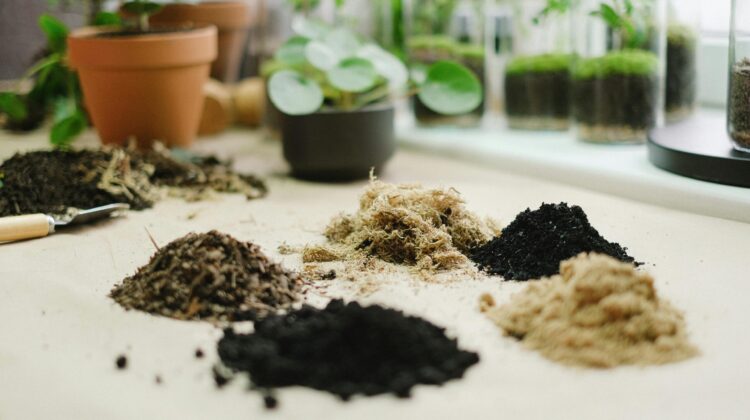
Don’t use regular potting soil straight from the bag for your windowless bathroom plants or hallway greenery. You need a well-draining mix that prevents water from sitting around roots. Add perlite or coarse sand to standard potting mix—aim for about 30% drainage material. This creates air pockets that help roots breathe even when evaporation slows to a crawl. Think of it this way: in low light, your plant can’t drink water quickly, so you need soil that won’t hold onto moisture for weeks. A chunky, airy mix prevents the root rot that plagues so many plants in dimly lit rooms.
Place a few pebbles or drainage stones at the bottom of your pot before adding soil. This creates an extra safety zone that keeps roots from sitting in water, which is especially crucial for low maintenance dark room plants. This simple layer can be the difference between a thriving plant and one that slowly succumbs to wet feet over the course of months. Combined with proper watering habits, the right soil mix sets your dark room low light indoor plants up for long-term success.
When and How to Fertilize
Your dark room low light indoor plants are basically hibernating compared to their sun-loving cousins. They grow slowly and need very little food. Fertilize only once every 2-3 months during spring and summer using diluted fertilizer at half the recommended strength. When fall arrives, stop feeding completely until spring returns. Over-fertilizing causes salt buildup in soil that dries slowly, burning roots and creating brown leaf tips that look like disease but are actually chemical damage.
For shade-loving varieties in low-light conditions, less is always more when it comes to nutrients. These plants simply can’t process heavy feeding when their photosynthesis is running at reduced capacity. Excess fertilizer sits in the soil, accumulates, and eventually creates more problems than it solves. If you’re unsure whether to fertilize, skip it. An under-fertilized plant in low light will simply grow a bit slower; an over-fertilized one can suffer permanent damage.
Temperature and Humidity Requirements
Keep your space between 65-75°F with moderate humidity around 40-50%. Most dark room low light indoor plants handle typical home conditions just fine, but avoid placing them near heating vents or drafty windows. Consistent temperatures prevent stress that shows up as drooping leaves or stunted growth. Since these plants already operate at reduced capacity due to limited light, temperature fluctuations become an additional stressor they don’t need.
Most indoor spaces naturally fall within this range, which means you don’t need to create a special microclimate for your plants. However, bathrooms with showers provide bonus humidity that certain species appreciate, while climate-controlled hallways offer the steady temperatures that prevent shock. Simply avoid extreme locations, and your plants will adapt to whatever stable conditions you provide.
Troubleshooting Common Problems with Plants in Dark Spaces
Even the toughest survivors occasionally show signs of stress. Knowing how to read these signals helps you adjust care before minor issues become major problems.
Why Your Low-Light Plant Has Yellow Leaves
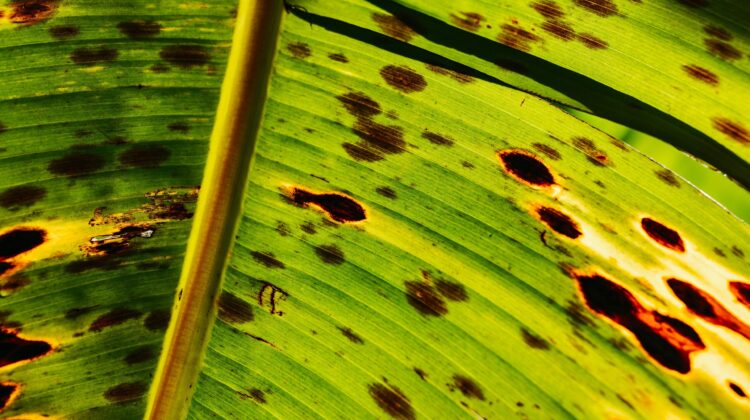
Yellow leaves on your dark room low light indoor plants usually point to one culprit: overwatering. In dim conditions, your plants photosynthesize slower and need way less water than you’d think. Before you panic and grab fertilizer, stick your finger into the soil. If it’s damp below the surface, hold off on watering. Let the top 1-2 inches dry out completely before giving your plant another drink. This simple check prevents root rot, which kills more low-light plants than any nutrient deficiency ever could.
If the soil is actually dry and you’ve been underwatering, yellowing could indicate the opposite problem—but this is far less common. In most cases, especially with beginner plant parents, the issue stems from too much love, not too little. The yellow leaves won’t turn green again, but stopping the overwatering prevents new leaves from showing the same symptoms.
Dealing with Leggy, Stretched Growth
Notice your plant reaching desperately toward the nearest light source? That stretched, spindly growth—called etiolation—means your plant wants just a bit more light. You don’t need to move it to a sunny window. Instead, try rotating it a quarter turn each week so all sides get equal exposure. Or shift it 6-12 inches closer to your light source. Even these small adjustments help plants that grow in dark rooms maintain compact, healthy growth without shocking them with too much brightness.
Set a phone reminder to rotate your low maintenance dark room plants every Sunday morning—consistency prevents lopsided growth before it starts. This weekly ritual takes thirty seconds but makes a visible difference in how your plants develop. If moving the plant isn’t an option, consider adding a small grow light on a timer to supplement the natural light without requiring a complete location change.
Fixing Brown Leaf Tips
Brown, crispy tips on otherwise healthy leaves? Check your water quality first. Tap water contains salts and minerals that build up in soil over time, especially since low-light plants drink slowly. Switch to filtered water, or let tap water sit in an open container overnight so chlorine evaporates. Low humidity can also cause browning—group plants together or place them on pebble trays to boost moisture around the leaves.
These brown tips are cosmetic rather than life-threatening, but they indicate your plant is dealing with stress. Addressing the underlying cause prevents the problem from spreading to new growth. You can trim off the brown tips with clean scissors if they bother you aesthetically, but fixing the water or humidity issue ensures new leaves emerge without the same damage.
Understanding Slow Growth Is Normal
Your plant hasn’t grown in three months? Relax—that’s completely normal for plants in rooms without windows. In low light, growth slows to a crawl, especially during winter. Some plants essentially go dormant and won’t add new leaves until spring arrives. This isn’t failure; it’s survival mode, according to Clemson Cooperative Extension research on indoor plant care.
Many plant parents interpret this dormancy as decline and respond by watering more, fertilizing more, or moving the plant around searching for the “right” spot. This actually creates stress that harms the plant. Instead, maintain your minimal care routine and wait for spring. When day length increases and ambient light improves, even your darkest corner gets a bit brighter, and your patient dark room low light indoor plants will respond with fresh growth.
Creative Design Ideas for Dark and Low-Light Spaces
Just because your space lacks natural light doesn’t mean it should lack style. These design strategies help you create visually interesting plant displays even in the dimmest corners.
Create Visual Drama by Mixing Heights and Textures
Want to make that forgotten corner actually interesting? Pair tall, architectural plants with cascading varieties to create natural depth. A statuesque snake plant anchored next to trailing pothos instantly transforms a flat, boring space into something worth looking at. The upright leaves draw your eye up while the vines soften the edges and add movement. This layering trick works because you’re mimicking how plants grow in nature—not everything sits at the same height.
Try grouping three plants of varying heights in odd numbers—designers swear by the “rule of three” for creating balanced, professional-looking arrangements. You’ll be amazed how much life this brings to previously dead zones. The contrast between leaf shapes and growth habits creates interest that single-species groupings can’t match. A cast iron plant’s broad arches look even more dramatic when paired with a ZZ plant’s upright stems and a Chinese evergreen’s compact rosette.
Use Light-Reflecting Containers to Your Advantage
Here’s a clever hack most people miss: your planter choice matters just as much as the plant itself. Metallic pots, glossy white ceramics, or even mirrored containers bounce whatever little light you have back toward your plants. This doesn’t just help your greenery—it also brightens the entire space visually. Dark corners feel less cave-like when you’ve got reflective surfaces catching and redistributing light. Plus, a sleek silver or white pot adds instant modern style.
Skip dark, matte planters in dim rooms—they absorb light instead of working with it. Even this small change can improve conditions for your dark room low light indoor plants while making the space feel more intentional and designed. Place a small mirror behind your plant to double the light it receives and create the illusion of more greenery—it’s like getting two plants for the price of one! This optical trick works especially well in narrow hallways where a mirror adds perceived depth while supporting plant health.
Turn Your Windowless Bathroom Into a Green Oasis
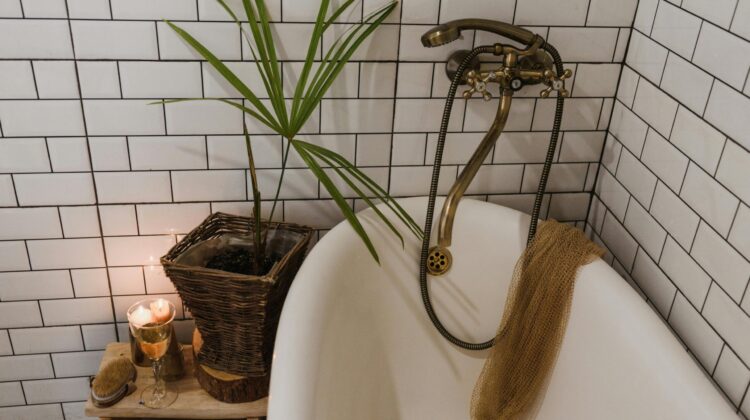
That bathroom with zero windows? It’s actually perfect for certain humidity-loving plants. Ferns, peace lilies, and Chinese evergreens thrive in the natural moisture from your showers. Mount floating shelves or use your countertop to display these beauties. They’ll appreciate the steam while purifying your air. Just make sure they’re not directly in the shower spray—ambient humidity is what you’re after.
Bathrooms offer a unique advantage for dark room low light indoor plants: consistent moisture levels that prevent the crispy, dry conditions many homes develop during winter heating seasons. This makes them ideal for species that might struggle with low light and low humidity combined. A pothos trailing from a high shelf or a snake plant on the counter transforms utilitarian space into a spa-like retreat. The greenery softens hard tile surfaces and creates a connection to nature even in this purely functional room.
Make Bold First Impressions in Hallways
Your entryway sets the tone for your entire home. Place a statement ZZ plant or dracaena in a decorative pot on a modern plant stand right where guests enter. These dark room low light indoor plants handle dim hallways like champs and look intentional, not accidental. Choose a stand that elevates the plant to eye level for maximum impact. This draws attention upward, makes ceilings feel higher, and creates an immediate sense that this is a home where details matter.
Hallways present a specific challenge: they’re transitional spaces that people move through rather than linger in, yet they’re often the darkest parts of a home. A single, well-chosen plant on an attractive stand makes these pass-through areas feel finished and welcoming. The key is selecting a specimen that maintains its shape and color without bright light—a leggy, sad-looking plant creates the opposite impression you want. Stick with proven performers like snake plants, ZZ plants, or cast iron plants that look good year-round without demanding attention or special care.
With the right plant selection and thoughtful placement, even your dimmest spaces can become green, vibrant, and genuinely welcoming. These dark room low light indoor plants prove that limited natural light doesn’t mean limited options—it just means choosing species that are naturally adapted to thrive exactly where you need them most.
Conclusion
After exploring the world of dark room low light indoor plants, you now know that limited natural light doesn’t mean you have to live in a plant-free home. Understanding your actual light levels, choosing genuinely low-light-tolerant plants, adjusting your care routine (especially watering), and using creative design approaches will help you successfully grow plants in even the darkest corners of your home. Start with one proven performer like a snake plant or ZZ plant, and gradually fill your shadowy spaces with thriving greenery that purifies air and enhances your well-being.
Frequently Asked Questions
Can I keep plants in a room with absolutely no windows?
While plants need some light to survive, you can absolutely keep them in windowless rooms by adding artificial grow lights or LED bulbs. Aim for at least 6-8 hours of artificial light daily to keep your plants healthy and thriving.
How do I know if my plant is getting too little light versus too much water?
Check the soil moisture first—stick your finger two inches deep. If it’s wet and leaves are yellow, it’s overwatering. If soil is dry and growth is extremely leggy or pale, it needs more light.
Will low-light plants eventually adjust and grow faster in dark rooms?
No, plants won’t magically adapt to produce faster growth in low light. They’ll remain in slower growth mode indefinitely. This is actually beneficial since it means less pruning, repotting, and overall maintenance for you.
Do I need to buy expensive grow lights for my dark room plants?
Not necessarily. Standard LED bulbs work fine for supplementing light in dark spaces. Save your money—expensive grow lights are only essential for high-light plants like succulents or flowering varieties, not shade-tolerant houseplants.
Can I move my low-light plant to a brighter spot occasionally?
Yes, but do it gradually. Sudden light changes stress plants and cause leaf burn or shock. If relocating, transition slowly over 1-2 weeks by moving incrementally closer to brighter areas each day.
What’s the absolute darkest spot where a plant can still survive?
Areas with at least 25-50 foot-candles work for the toughest varieties like cast iron plants or snake plants. If you can comfortably read a book without straining, a plant can likely survive there long-term.
Sources
- University of Georgia Extension – Growing Indoor Plants with Success
- NASA Clean Air Study – Research on air-purifying capabilities of common houseplants
- Iowa State University Extension – Houseplant Care
- Journal of Environmental Horticulture – Minimum Light Requirements for Indoor Foliage Plants