
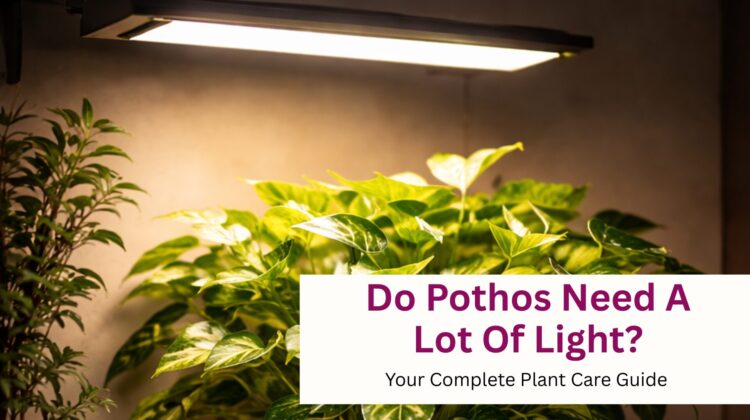
Pothos do not need a lot of light—they’re remarkably adaptable plants that thrive in low to medium indirect light, though they’ll grow faster and develop more vibrant variegation in brighter conditions.
If you’ve ever wondered whether your pothos is getting enough light—or maybe too much—you’re asking one of the most important questions for keeping this popular trailing plant healthy and vibrant.
Many plant parents struggle with finding the perfect lighting balance for their pothos, leading to yellowing leaves, leggy growth, or stunted vines that just won’t flourish.
This comprehensive guide will walk you through exactly how much light pothos plants need, how to identify light-related problems, and where to place your pothos for optimal growth—whether you’re working with a sun-drenched living room or a windowless bathroom.
Page Contents
Understanding Pothos Light Requirements: The Science Behind Their Adaptability
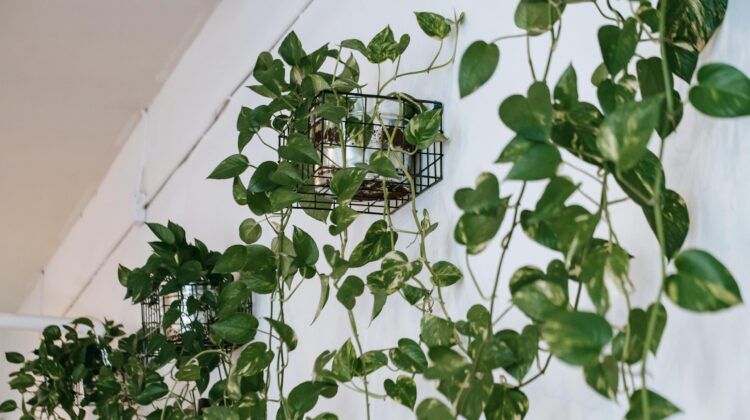
If you’ve ever wondered “do pothos need a lot of light,” you’re asking the right question—but the answer might surprise you. These trailing beauties didn’t just randomly become the perfect beginner plant. Pothos evolved in the understory of Southeast Asian rainforests, where towering canopy trees filter most of the sunlight before it reaches the ground. In their natural habitat, pothos climb up tree trunks and rocks, living in dappled shade rather than bright, direct sun.
This evolutionary background explains why your pothos can survive in that dim corner of your living room—it’s literally built for it. The plant adapted over thousands of years to make the most of whatever filtered light manages to reach the forest floor. So when you’re wondering whether do pothos need a lot of light to stay healthy, remember that these plants are hardwired to handle low-light situations that would stress out sun-loving species.
The Secret Behind Pothos Low Light Tolerance
Here’s what makes pothos special: they have incredibly efficient chlorophyll that squeezes every bit of energy from available light. While most plants need bright conditions to photosynthesize effectively, pothos can produce energy even in dim spaces. Think of it like having night-vision goggles for photosynthesis.
This doesn’t mean they prefer darkness, but it does mean they won’t immediately die if your apartment doesn’t get great natural light. According to University of Georgia Extension research, pothos can survive in as little as 10-20 foot-candles of light—that’s roughly the brightness of a well-lit office or bathroom. For comparison, optimal growth happens around 200-400 foot-candles, which you’d find near (but not directly in front of) a bright window.

Good Tip!
Use your smartphone to estimate light levels—if you can comfortably read a book without straining your eyes, your pothos has enough light to survive, even if growth will be slower.
Understanding “Low-Light Tolerant” Doesn’t Mean “No-Light Tolerant”
This is where many plant parents get tripped up. “Low-light tolerant” sounds like pothos can live in complete darkness, but that’s not how photosynthesis works. Every living plant needs some light to produce energy and stay alive. Your pothos won’t instantly keel over in a dark corner, but over weeks and months, it’ll slowly decline without any light source.
The acceptable range for pothos light requirements is surprisingly wide—from 10-20 foot-candles on the low end to 400+ foot-candles for bright indirect light. That flexibility makes pothos perfect for almost any room, but even the shadiest spot needs at least some ambient light. If you’re placing your pothos in a windowless bathroom or basement, you’ll need to add a grow light or move it near a light source periodically to keep it healthy long-term.
Understanding this distinction helps answer the question “do pothos need a lot of light” more accurately—they don’t need intense brightness, but they absolutely need some light source to thrive. The difference between low-light and no-light is critical for your plant’s survival.
Do Pothos Need A Lot Of Light To Grow Fast? Growth Rate Expectations
Now that we’ve established pothos can survive in low light, let’s talk about what happens when you give them more brightness. The short answer to whether do pothos need a lot of light for vigorous growth is yes—if you want fast, full development, brighter conditions make all the difference.
How Light Conditions Directly Impact Monthly Growth
Your pothos won’t grow at the same pace in every spot in your home. In low-light areas like that dim corner of your bedroom, expect about 2-4 inches of new growth each month. Move that same plant near a bright window with filtered light, and you’ll see 8-12 inches or more monthly. That’s a huge difference.
The reason? Light fuels photosynthesis, which powers every aspect of growth. Less light means slower food production for your plant. More light (as long as it’s indirect) means more energy for pushing out new leaves and longer vines. If you’re wondering how much light does pothos need to really thrive, brighter indirect light wins every time for faster, fuller growth.
This growth difference becomes particularly noticeable over several months. A pothos in optimal lighting conditions can easily produce several feet of new vines in a single growing season, while the same variety in low light might only manage a foot or two of leggy growth.
Light Intensity Shapes Your Plant’s Overall Appearance
Light doesn’t just control how fast your pothos grows—it shapes how it looks. In bright conditions, you’ll notice larger leaves, thicker vines, and a bushier overall appearance. The leaves will be closer together on the stems, creating that lush, full look everyone loves.
In low light, the same plant becomes leggy. Leaves shrink, and the spaces between them stretch out to 4-6 inches as the plant reaches desperately for more light. This is called etiolation, and while it won’t kill your pothos, it definitely won’t give you that Instagram-worthy cascade you’re hoping for. Understanding pothos light requirements helps you set realistic expectations based on where you can actually place your plant.
The visual difference between a bright-light pothos and a low-light pothos is striking. Bright-light specimens develop leaves that can reach 6-8 inches across, while low-light versions might only produce 2-3 inch leaves on stretched-out stems.
Good Tip!
Measure your plant’s growth monthly by marking the longest vine with a small piece of tape. Track the distance over three months to see if your current light spot is working or if you need to relocate.
Seasonal Changes Affect Growth Patterns
Don’t panic if your pothos slows down in winter—it’s totally normal. Shorter days and weaker sunlight mean less energy for growth, even if you haven’t changed your plant’s location. You might see growth drop to just 1-2 inches monthly during November through February, regardless of whether do pothos need a lot of light during other seasons.
Come spring and summer, that same plant will explode with new leaves as daylight increases and intensifies. This seasonal rhythm is natural and happens to pothos in all light conditions, though it’s more pronounced in plants relying solely on natural window light. You can counteract winter slowdowns by moving your pothos closer to a window or adding a simple grow light for 12-14 hours daily.
This seasonal awareness helps you adjust your care routine and expectations throughout the year, preventing unnecessary worry when your plant’s growth naturally slows.

Perfect Placement: Where To Put Your Pothos For Optimal Light
Knowing the science behind pothos light requirements is one thing, but translating that knowledge into practical placement decisions is where many plant parents struggle. Let’s break down exactly where to put your pothos based on the light available in your home.
Best Spots That Make Your Pothos Thrive
Finding the sweet spot for your pothos doesn’t have to be complicated. North-facing windows are absolute winners—they deliver consistent, gentle light all day without harsh rays. This placement answers the question “do pothos need a lot of light” with a resounding “no”—just steady, moderate brightness.
If you have east or west-facing windows, place your pothos about 5-8 feet away. This gives your plant bright, indirect light without the scorching midday sun. East windows are particularly perfect because they provide gentle morning sun that won’t burn leaves, followed by bright indirect light for the rest of the day.
Bathrooms with frosted windows are surprisingly perfect, too. The diffused light creates ideal conditions, plus the natural humidity from showers gives your pothos a tropical boost it’ll love. These locations provide everything pothos evolved to appreciate without any harsh extremes.
Moderate Locations That Work Just Fine
Don’t stress if you don’t have the “perfect” window. Rooms with sheer curtains work beautifully for pothos light requirements. The fabric filters harsh rays while still letting plenty of brightness through, creating that dappled forest-floor effect pothos naturally prefer.
Well-lit hallways with ambient light are another solid choice. Your pothos won’t grow as fast as it would in brighter spots, but it’ll stay healthy and happy. These moderate locations answer the question “how much light does pothos need” with a practical middle ground—enough to maintain health without pushing maximum growth.
Corner spaces that receive reflected light from nearby windows also work well. While not receiving direct window exposure, these spots often get surprisingly adequate brightness bounced off walls and ceilings throughout the day.
Good Tip!
Test your spot by holding your hand 12 inches above where you’ll place your pothos. If you see a soft, fuzzy shadow, that’s perfect indirect light. A sharp, defined shadow means too much direct sun.
Challenging Spots You Can Still Make Work
Interior rooms without windows aren’t deal-breakers. If the room gets reflected light from adjacent spaces or stays well-lit with artificial lighting during the day, your pothos can adapt—though growth will be slower. This is where affordable grow lights from Amazon become game-changers.
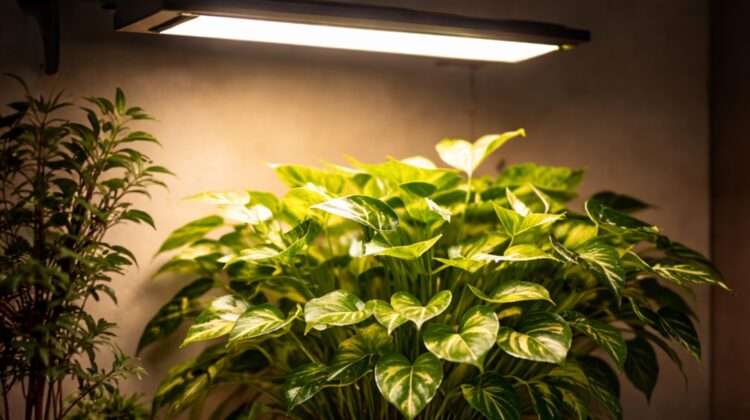
A simple LED grow light running 12-14 hours daily can transform a dim corner into viable pothos territory. Modern LED grow lights are energy-efficient, don’t generate much heat, and cost just pennies per day to operate. They’re particularly useful for home offices, bedrooms, or any space where you want greenery but lack natural light.
When using grow lights, position them 12-18 inches above your pothos for best results. This distance provides adequate light intensity without overwhelming the plant.
Places To Avoid Completely
Skip direct southern exposure unless you filter it heavily with curtains. The intense light will scorch leaves and fade variegation, causing more harm than benefit. While you might think “more light is always better,” pothos have their limits.
Windowless rooms with zero supplemental lighting won’t support even pothos low light tolerance. Dark closets and basements are non-starters—your plant needs at least some light to survive, no matter how adaptable the species is.
Also avoid spots directly above heating vents or radiators, even if the light is good. The constant blast of hot, dry air will damage leaves faster than poor lighting ever could.
Light-Related Problems: Troubleshooting Common Pothos Issues
Even with the best intentions, sometimes pothos placement goes wrong. Recognizing light-related problems early helps you correct course before your plant suffers serious damage. Here’s how to identify and fix the most common issues.
Yellowing Leaves: When Too Much Light Meets Too Much Water
Yellow leaves can stress out any plant parent, but here’s the good news—it’s usually an easy fix. This problem typically happens when your pothos sits in direct sunlight while also getting watered too frequently. The intense light speeds up water loss through the leaves, but if the roots are sitting in soggy soil, they can’t keep up. Your plant gets confused signals and starts dropping leaves.
Move your pothos to a spot with filtered light, about 5-8 feet from a bright window. Then check the soil—only water when the top two inches feel dry to the touch. This combination of adjusted light and proper watering timing usually stops yellowing within a few weeks, though already-yellow leaves won’t turn green again.
Leggy, Sparse Growth: The Classic Low-Light Cry for Help
If your pothos looks stretched out with long gaps between leaves, it’s literally reaching for more light. This leggy growth is your plant’s way of saying it needs brighter conditions. The vines get thin and weak, and new leaves come in smaller than the older ones.
This issue definitively answers whether do pothos need a lot of light—while they can survive in dim conditions, they can’t maintain compact, attractive growth without adequate brightness. The fix? Relocate your plant closer to a window or add a simple grow light.
You can also prune those long, sparse vines back to encourage fuller growth. Don’t worry—pothos bounce back quickly once they get the light they need. Cut just above a leaf node, and the plant will branch out from that point, creating a bushier appearance.
Good Tip!
Take a photo of your pothos today, then check again in two weeks after adjusting its light. You’ll actually see the difference in leaf spacing and color—it’s the best way to know if your changes are working.
Brown, Crispy Edges: When Direct Sun Gets Too Harsh
Those crispy brown edges aren’t a disease—they’re essentially sunburn. Direct sunlight is too intense for pothos leaves, which are adapted to the filtered light of forest floors. If your plant sits right in a sunny window, especially facing south or west, those harsh rays can scorch the delicate leaf tissue.
The solution is simple: add a sheer curtain to diffuse the light, or move your pothos a few feet back from the window. Understanding common pothos problems helps you catch these issues before they spread to healthy foliage.
Once you’ve adjusted placement, trim off the damaged leaves. They won’t recover, but new growth will emerge healthy and vibrant in the corrected lighting conditions.

Variegation Loss: When Patterns Fade to Solid Green
Variegated pothos varieties like Marble Queen need more light than their solid green cousins. If those beautiful white or yellow patterns start disappearing, your plant is adapting to low light by producing more chlorophyll. It’s not dying—just trying to survive by maximizing its photosynthetic capacity.
Gradually move your variegated pothos to a brighter spot over two weeks to prevent shock. You won’t get the lost patterns back on existing leaves, but new growth will show those gorgeous markings again once the plant receives adequate light. This is one situation where the answer to “do pothos need a lot of light” depends on the variety—variegated types definitely need brighter conditions than solid green ones.
Maximizing Pothos Health: Beyond Light Requirements
While light is crucial, it doesn’t work in isolation. Your pothos needs a complete care package that adjusts based on its light exposure. Here’s how to synchronize all aspects of care with your plant’s lighting conditions.
Adjust Watering Based on Light Exposure
Here’s something many plant parents miss: the amount of light your pothos gets directly affects how often you’ll need to water it. Plants in brighter spots dry out much faster because they’re actively growing and transpiring moisture through their leaves. If your pothos sits near a sunny window, you might need to water every 5-7 days during the growing season.
Meanwhile, that same plant tucked in a dim corner might only need watering every 10-14 days. The trick is checking the top two inches of soil—if it’s dry, it’s time to water. This simple adjustment prevents the two most common pothos problems: overwatering in low light (which leads to root rot) and underwatering in bright light (which causes droopy, crispy leaves).
Think of watering and light as a connected system. More light equals more growth, which equals more water consumption. Less light equals slower growth and reduced water needs. Matching your watering schedule to light conditions keeps your pothos healthy regardless of where you place it.
Feed According to Growth Activity
Your fertilizing schedule should match your plant’s light conditions and growth rate. When your pothos is soaking up bright indirect light and pushing out new leaves every few weeks, feed it monthly with a balanced liquid fertilizer diluted to half strength. This supports the vigorous growth that adequate lighting enables.
But if your plant lives in a shadier spot where growth slows to a crawl, cut back to feeding every 6-8 weeks. Overfertilizing a slow-growing, low-light pothos just leads to salt buildup in the soil and burned roots—not the lush growth you’re hoping for.
Think of it this way: plants only need food when they’re actively growing, and light is what drives that growth. A pothos in low light isn’t producing many new leaves, so it doesn’t need the same nutrient input as a plant in brighter conditions pushing out new foliage weekly.
Good Tip!
Mark your calendar with different watering schedules for pothos in different rooms—your bright-light plants and low-light plants need completely different care routines!
Boost Humidity for Healthier Growth
While pothos aren’t fussy about humidity and can handle typical indoor levels around 40-50%, they really come alive when humidity reaches 60-70%. This becomes especially important if you’re growing your pothos in brighter conditions, where increased light means increased transpiration and faster moisture loss from leaves.
Higher humidity helps prevent those annoying brown leaf tips and keeps foliage looking glossy and vibrant. Simple fixes include grouping plants together (they create their own humid microclimate), placing a shallow tray of water near your pothos, or setting your pot on a pebble tray with water below the pot bottom.
You don’t need expensive humidifiers—just a little extra moisture in the air makes a noticeable difference. This is particularly true for pothos in brighter, warmer spots where transpiration rates are naturally higher.
Choose the Right Soil Mix for Your Light Conditions
Well-draining potting mix isn’t just important—it’s absolutely critical when you’re growing pothos in low light. In shadier spots, soil stays wet much longer because the plant isn’t actively drinking and transpiring. If your mix holds too much moisture, you’re setting yourself up for root rot.
Use a blend that’s about 60% potting soil and 40% perlite or orchid bark to ensure excess water drains quickly. For brighter locations where soil dries faster, you can get away with standard houseplant mix, though adding some perlite never hurts.
The bottom line: match your soil drainage to your light conditions, and your pothos will thank you with healthy roots and vigorous growth. A plant in low light with heavy, moisture-retentive soil is a recipe for disaster, while a plant in bright light with fast-draining soil might need more frequent watering but will avoid root problems.
By understanding how light, water, nutrients, humidity, and soil all interconnect, you’ll create the perfect environment for your pothos to thrive—whether you’re working with bright indirect light or making the most of a shadier spot.
Conclusion
Pothos don’t need a lot of light to survive, but they thrive best in medium to bright indirect light. They’re incredibly adaptable, making them perfect for almost any lighting situation in your home. Variegated varieties need more light to maintain their patterns, while all types will grow faster with better light exposure. Remember to adjust watering and fertilizing based on light conditions, and don’t hesitate to supplement with grow lights if natural light is limited. With these light considerations in mind, your pothos will reward you with lush, healthy growth that beautifies any space.
Frequently Asked Questions
Can I keep my pothos in a room with no windows?
A windowless room can work if you add a grow light running 12-14 hours daily. Without any light source—natural or artificial—your pothos will slowly decline over time, even though it’s low-light tolerant.
Why is my variegated pothos turning all green?
This happens when variegated varieties don’t get enough light. They produce extra chlorophyll to survive in dim conditions, causing patterns to fade. Move it to brighter indirect light to restore variegation in new growth.
How far from a window should I place my pothos?
For east or west-facing windows, place your pothos 5-8 feet away for optimal bright, indirect light. North-facing windows are gentle enough to place plants closer, while southern windows need more distance or sheer curtains.
Will my pothos grow in fluorescent office lighting?
Yes! Standard office lighting provides 10-20 foot-candles, which is enough for survival. Growth will be slower than near a window, but your pothos will stay healthy with consistent artificial light exposure.
How do I know if my pothos is getting too much light?
Look for brown, crispy leaf edges or yellowing leaves—these signal sunburn from direct light. Your pothos should never sit in harsh, direct sunlight. Move it back from the window or add filtering curtains.
Should I rotate my pothos for even growth?
Yes! Rotating your pothos 180 degrees every few weeks ensures all sides receive equal light exposure. This prevents lopsided growth and keeps your plant looking full and balanced from every angle.
Sources
- University of Georgia Extension – Research on houseplant light requirements
- Journal of Environmental Horticulture – Study on pothos growth rates under different light intensities
- University of Florida IFAS Extension – Research on common houseplant problems