
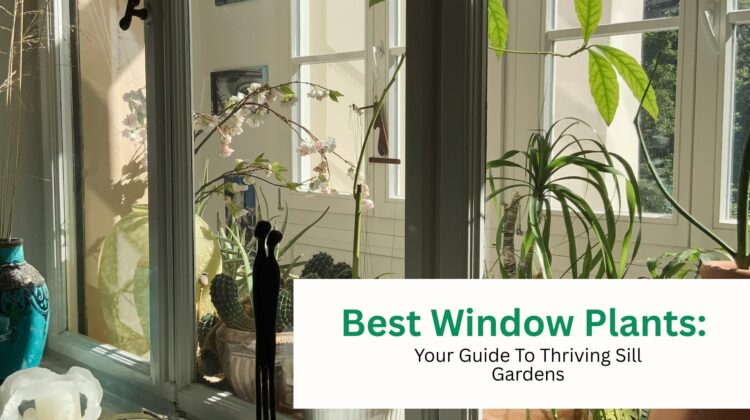
The best window plants match your window’s light exposure—succulents and cacti for south-facing windows, pothos and philodendrons for north-facing, with proper rotation and watering adjustments ensuring year-round success.
Your windows aren’t just portals to the outside world—they’re prime real estate for creating vibrant, living displays that transform your home’s atmosphere. Window plants bring nature indoors while taking advantage of natural light, the most crucial element for healthy plant growth.
Many plant lovers struggle with choosing the right greenery for their windowsills, often dealing with leggy growth, scorched leaves, or plants that simply refuse to thrive. Different window orientations provide vastly different light conditions, and understanding this relationship is key to success.
This comprehensive guide will walk you through selecting, caring for, and styling window plants for every exposure level—from bright south-facing sills to gentler north-facing spots. You’ll discover which species thrive in each location, how to avoid common mistakes, and creative ways to maximize your windowsill space.
Page Contents
Understanding Window Light Exposure For Your Plants
Before diving into specific plant recommendations, you need to understand what you’re actually working with. Light isn’t just light—your windows create dramatically different growing conditions based on their direction, season, and surrounding environment.
Know Your Window Direction
Not all windows are created equal when it comes to cultivating healthy window plants. South-facing windows deliver 6-8 hours of direct, intense light—we’re talking 10,000+ lux, which is perfect for sun-worshipping species. These are the powerhouses of indoor gardening, offering the brightest and most consistent exposure throughout the day.
East-facing windows offer a gentler approach with morning sun at 5,000-8,000 lux, giving plants a soft wake-up call without the afternoon heat. This makes them ideal for species that appreciate bright conditions but can’t handle intense, sustained sun exposure.
West-facing windows blast hot afternoon rays that can stress sensitive species. The light arrives later in the day and typically comes with significant heat buildup, which creates unique challenges and opportunities depending on your plant selection.
North-facing windows provide the most consistent indirect light at 2,000-5,000 lux, ideal for shade lovers that would scorch in brighter locations. Understanding these differences helps you match the right windowsill plants to the right spot, setting yourself up for success from the start.
Winter Changes Everything
Here’s something many plant parents overlook: natural light through windows can drop by 30-50% during winter months. Your south-facing window that bathed your succulents in glorious light all summer might barely provide medium light come December. This seasonal shift affects growth cycles dramatically, so you’ll need to adjust watering and fertilizing schedules accordingly. Some window plants may even go semi-dormant when light levels plummet, requiring far less water and no fertilization until spring returns.
This seasonal consideration becomes especially important if you’re planning long-term care strategies. What works in July might leave your plants struggling in January, even though they haven’t moved an inch from their favorite spot.
What’s Blocking Your Light?
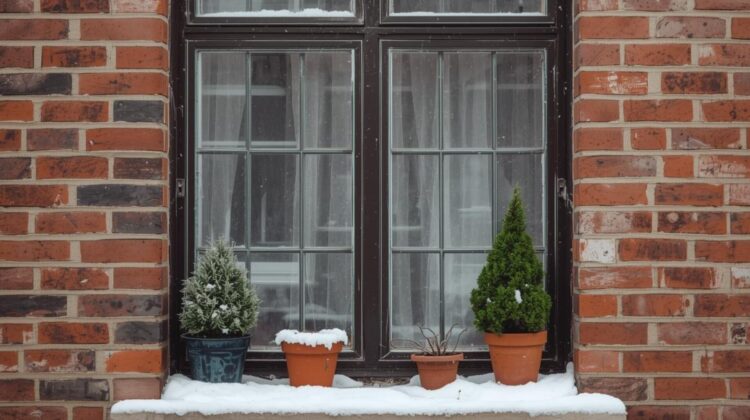
Even a south-facing window plants setup can become medium-light territory with the wrong window treatments or outdoor obstructions. Sheer curtains, overhangs, nearby buildings, and even tree branches significantly impact actual light levels reaching your plants. A window that technically faces south might only receive a few hours of direct sun if your neighbor’s oak tree creates afternoon shade.
Understanding light conditions in your specific space matters more than compass direction alone. This is why experienced plant parents always assess their actual conditions rather than making assumptions based solely on window orientation.
The Simple Shadow Test
Want to measure light without fancy equipment? Use the shadow test. Place your hand between the light source and a white surface at midday. Sharp, well-defined shadows mean bright light—great for an indoor window garden with high-light plants. Soft, barely visible shadows signal low light conditions better suited for pothos or philodendrons.
This simple assessment tool helps you make informed decisions about plant placement without investing in expensive light meters. While those tools have their place, the shadow test gives you everything you need for successful plant selection.
Good Tip!
Light intensity drops by 50% just one foot away from your window. Keep light-hungry window plants directly on the sill, not on a nearby table.
Best Window Plants For South-Facing Windows
Now that you understand how to assess your light conditions, let’s explore which plants will absolutely thrive in your brightest spots. South-facing windows are the powerhouses of indoor gardening, offering the brightest and most consistent light—perfect for sun-loving species that would struggle elsewhere in your home.
These windows create conditions closest to outdoor growing environments, which opens up exciting possibilities for species you might not have considered for indoor cultivation. The key is matching plants to this intense light rather than fighting against it.
Succulents and Cacti: Water-Storing Champions
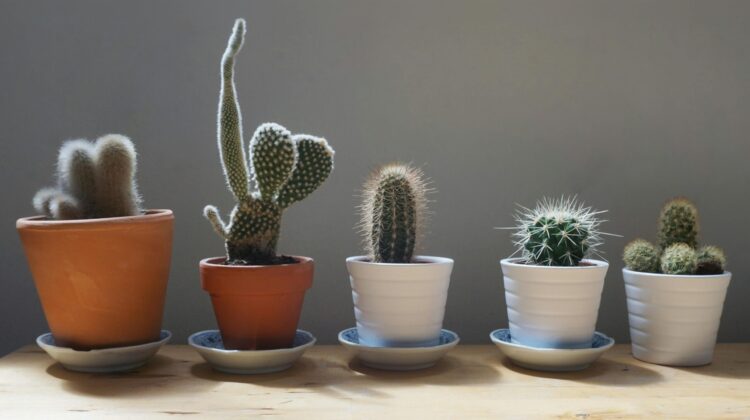
If you’ve got a south-facing sill, succulents and cacti are your best friends. Plants like echeveria, jade plants, and aloe vera absolutely thrive with 6+ hours of direct sun. These plants evolved in intense desert conditions, so they’ve mastered the art of storing water efficiently. Their thick leaves and stems act like tiny reservoirs, letting them handle the bright light without wilting.
You’ll find them incredibly forgiving—perfect if you travel or occasionally forget to water. They’re built to survive neglect better than almost any other houseplant category. For more ideas on maximizing these sunny spots, check out plants for south-facing rooms.
The beauty of these water-storing champions is their incredible variety. From compact rosettes to tall, architectural specimens, you’ll find succulents in every size, color, and texture imaginable—all perfectly suited to your brightest window.
Flowering Window Plants That Bloom Beautifully
Want color on your windowsill? Flowering window plants like hibiscus, jasmine, and geraniums produce abundant blooms in south-facing spots. Here’s the secret: these plants need 1,000-2,000 foot-candles for optimal bud formation. Without enough light, they’ll give you lots of leaves but few flowers. South-facing window plants get exactly what they need to put on a show all season long.
The difference between flowering performance in bright versus medium light is dramatic. Plants that produce sparse, sporadic blooms elsewhere will reward you with continuous color when given proper south-facing exposure. This makes them worth the extra attention they require compared to foliage-only varieties.
Good Tip!
Place a small thermometer on your south-facing sill to monitor temperature. If it regularly exceeds 85°F, move heat-sensitive plants back a few inches or add a sheer curtain.
Culinary Herbs for Your Indoor Window Garden
A window herb garden in a south-facing spot is a game-changer for cooking. Basil, rosemary, thyme, and oregano don’t just survive—they become more aromatic with high light exposure. Research shows essential oil production increases by 40% in full sun conditions. That means more flavor in every leaf you snip. Plus, you’ll have fresh herbs year-round without a trip to the grocery store.
Growing herbs as window plants also gives you complete control over growing conditions. No pesticides, no mystery treatments—just pure, organic flavor whenever you need it. The convenience factor alone makes this one of the most practical applications of south-facing window space.
Protecting Window Plants from Intense Summer Heat
Even sun-loving windowsill plants need protection during peak summer. Afternoon sun can heat glass surfaces to 95°F, which stresses even tough plants. Use sheer curtains during peak hours (typically 2-5 PM) to diffuse the intensity without blocking necessary light. You’ll also need to increase watering frequency—every 4-5 days instead of weekly.
Watch for bleached or brown leaf tips, which signal your plants for sunny windows are getting too much of a good thing. These warning signs appear before serious damage occurs, giving you time to adjust conditions. A few inches of distance from the glass or temporary afternoon shading can make all the difference between thriving plants and stressed specimens.
Perfect Window Plants For East-Facing Windows
Moving from the intensity of south-facing windows, let’s explore a gentler option that many plants actually prefer. East-facing windows offer a balanced approach that expands your plant possibilities significantly.
Foliage Plants That Love Morning Sun
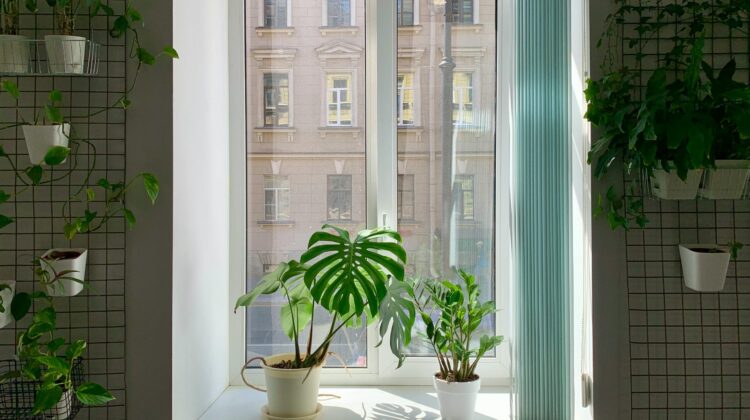
East-facing windows are the sweet spot for many popular houseplants. African violets, begonias, prayer plants, and spider plants absolutely thrive here. Why? They get gentle morning light without the harsh afternoon heat that can damage delicate leaves.
According to the Missouri Botanical Garden, these species show 25% better leaf coloration in east-facing positions compared to north-facing spots. That means richer greens, more vibrant patterns, and healthier overall growth. If you’ve struggled with pale, washed-out foliage in darker rooms, moving these window plants to an east-facing sill can make a dramatic difference.
The morning light also dries out any overnight moisture that collects on leaves, reducing the risk of fungal issues. This natural drying cycle creates healthier conditions without requiring additional ventilation or air circulation efforts on your part.
Flowering Beauties That Bloom Without Burning
Want flowers on your windowsill? East exposure is perfect for orchids—especially the popular Phalaenopsis varieties—along with peace lilies and cyclamen. These plants produce reliable blooms without risking leaf scorch from intense afternoon sun. Morning light gives them the energy they need for flower production, while the softer afternoon light prevents heat stress. It’s the best of both worlds.
Many Calatheas make great east-facing window plants too, thriving in bright indirect conditions. Their stunning leaf patterns actually become more pronounced with the right light balance that east-facing windows naturally provide.
This makes east-facing windows ideal for anyone who wants both flowers and foliage interest without constantly monitoring for heat stress or light damage. The conditions practically manage themselves.
Trailing Plants That Maximize Your Space
Limited windowsill real estate? Go vertical with trailing varieties. String of hearts, philodendron ‘Brasil’, and pothos create stunning cascading displays that make the most of your space. Their vining nature means they grow down instead of out, perfect for narrow sills.
Plus, these plants look gorgeous in hanging planters positioned just above your window frame. This approach lets you fill vertical space that would otherwise go unused, effectively doubling or tripling your growing area without adding a single square inch of shelf space.
Good Tip!
Place a pebble tray filled with water beneath your east-facing windowsill plants to boost humidity naturally—the morning sun will evaporate the water, creating a mini greenhouse effect.
Watering and Humidity for East-Facing Success
Morning sun dries soil more slowly than afternoon heat, which changes your watering routine. Water your east-facing window plants when the top inch feels dry—typically every 5-7 days. This gives you more flexibility in your schedule compared to the frequent watering demands of south-facing windows.
Maintain 40-60% humidity for tropical species by misting regularly or grouping plants together. This creates a microclimate that keeps everyone happy without extra equipment. The gentler light conditions mean plants lose less moisture through transpiration, making humidity management significantly easier than in brighter locations.
Window Plants That Thrive In West-Facing Windows
West-facing windows can feel like a blessing and a curse. That afternoon sun packs serious heat—but pick the right window plants, and you’ll have a stunning display that actually loves those conditions. The key is working with the heat rather than fighting it.
Heat-Tolerant Foliage Plants Built For Afternoon Sun
If you’ve ever touched a west-facing window around 3 PM, you know it gets hot. Really hot. That’s why ponytail palm, dracaena, snake plants, and ZZ plants are your best friends here. These tough customers have thick, waxy leaves that act like natural sunscreen, reducing water loss through transpiration. This means they won’t wilt when the afternoon heat kicks in.
Snake plants, in particular, are nearly indestructible—they’ll handle the heat, forget-me-not watering schedules, and still look great. Their upright, architectural form also adds striking visual interest to your space while requiring almost zero maintenance.
Vibrant Colors That Intensify With Western Light
Here’s something cool: crotons and coleus don’t just tolerate west-facing windows—they actually get more colorful there. Research shows that anthocyanin production (those gorgeous red and purple pigments) increases by 35% in afternoon light. Your croton’s leaves will develop deeper reds, oranges, and yellows that simply won’t appear in gentler locations.
Coleus varieties explode with color intensity you won’t see in gentler light. These plants for sunny windows turn that harsh afternoon sun into a feature, not a problem. Rather than viewing west-facing exposure as a limitation, these colorful specimens prove it can actually enhance certain plant characteristics.

Flowering Succulents That Store Water For Hot Afternoons
Kalanchoe, crown of thorns, and desert rose are perfect windowsill plants for western exposure. Their succulent leaves store water like tiny reservoirs, so they cruise through hot afternoons without stress. Kalanchoe produces clusters of bright blooms that last for weeks, giving you extended color without constant deadheading.
Crown of thorns gives you year-round flowers with minimal fuss. These plants evolved in harsh conditions, so your west window feels like home to them. The combination of heat tolerance and flowering ability makes them uniquely suited to what many consider the most challenging window orientation.
Smart Protection Strategies For West Window Success
Even tough plants appreciate some help during peak heat. Install UV-filtering window film to drop temperatures by 15-20 degrees—your plants (and your cooling bill) will thank you. Pull sheer curtains between 2-5 PM when the sun hits hardest to diffuse intensity without blocking all light.
Group your window plants together to create a microclimate with higher humidity. The plants release moisture through their leaves, and when they’re clustered, they share that humidity boost. This collective effect protects all the plants more effectively than they could manage individually.
Good Tip!
Place a small tray of water near your west-facing window plants. As it evaporates throughout the hot afternoon, it creates extra humidity right where your plants need it most—no misting required.
Best Low-Light Window Plants For North-Facing Windows
After exploring all the bright window options, let’s talk about the gentlest light conditions in your home. North-facing windows might seem challenging at first glance, but they’re actually perfect for an entirely different category of beautiful window plants.
The Reliable Low-Light Champions
North-facing windows are ideal for some of the toughest, most forgiving window plants around. Pothos varieties—golden, marble queen, and jade—are your best friends here. They tolerate light levels as low as 50-100 foot-candles and keep growing without complaint, making them perfect for anyone who worries about providing enough light.
Heartleaf philodendrons are equally unfussy, trailing beautifully across your sill or climbing up a moss pole. Chinese evergreens add a pop of color with their variegated leaves, and they’re nearly impossible to kill. These plants evolved on forest floors where sunlight barely reaches, so your gentle north window feels like home to them.
The forgiving nature of these low-light champions makes them ideal for beginners or anyone who wants guaranteed success. They thrive on benign neglect better than almost any other category of houseplants.
Statement Window Plants That Love the Shade
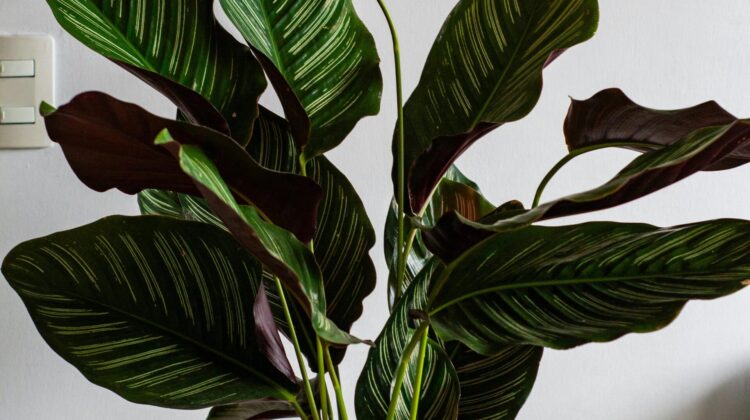
Want drama without bright light? Large-leaf plants are your answer. Calatheas show off stunning patterns and colors that actually fade in too much sun, making north-facing windows their ideal home. Monsteras develop those iconic split leaves even in low light, creating an instant jungle vibe that transforms your space.
Ferns—from Boston to maidenhair—thrive in the consistent, gentle illumination north windows provide. Their big leaves work overtime to capture every bit of available light, maximizing photosynthesis even under challenging conditions. These windowsill plants transform a dim corner into a lush focal point that rivals brighter displays.
Good Tip!
Dust blocks light absorption by up to 50%. Wipe leaves with a damp cloth monthly to keep your north-facing plants photosynthesizing efficiently.
Compact Choices for Tight Spaces
Small north-facing sills need plants that stay petite. Peperomias come in dozens of varieties—ripple, watermelon, baby rubber plant—all staying under 12 inches. Their compact growth habit means you can create diverse collections even in limited space.
Nerve plants add electric color with their pink or white-veined leaves, proving that low light doesn’t mean boring foliage. Baby tears create a delicate, cascading effect without taking over your entire sill. These compact options pack texture and visual interest into limited space, making them perfect for small apartments or crowded windowsills.
Adjusting Care for Lower Light
Less light means less water—a critical point many plant parents miss. Cut your watering frequency by 30-40%—think every 10-14 days instead of weekly. Lower light levels mean slower photosynthesis, which translates to slower water uptake. Overwatering becomes the biggest risk in north-facing locations.
Skip fertilizer completely during winter when growth naturally slows. Your plants won’t use those nutrients anyway, and buildup can damage roots over time. This simplified care routine actually makes north-facing window plants easier to maintain than their sun-loving counterparts, despite their reputation for being more challenging.
Conclusion
Creating thriving window plant displays requires matching species to your window’s specific light exposure, adjusting care based on seasonal changes, and protecting plants from temperature extremes.
Success comes from careful observation and adaptation, starting with beginner-friendly species that suit your window orientation and gradually expanding your collection as you gain confidence.
Frequently Asked Questions
Can I move plants between different windows as seasons change?
Absolutely! Rotating plants seasonally is smart gardening. Move sun-lovers closer to windows in winter when light drops, then shift them back in summer. Just transition gradually over 1-2 weeks to prevent shock from sudden light changes.
How do I know if my plant is getting too much light?
Watch for bleached or faded leaves, brown crispy edges, or leaves curling inward to protect themselves. These are distress signals. Pull the plant back 12-18 inches from the window or add sheer curtains during peak sun hours.
Do window screens affect how much light my plants receive?
Yes, screens block 15-30% of incoming light depending on mesh density. If your plants seem lackluster despite good window exposure, try removing screens seasonally or positioning plants directly against the glass when screens are installed.
Will my window plants grow toward the light and become lopsided?
They definitely will! This is called phototropism. Rotate your pots a quarter-turn every week to encourage even growth on all sides. Set a phone reminder so you don’t forget this simple maintenance step.
Can I use grow lights to supplement weak window light?
Grow lights are perfect for boosting insufficient natural light, especially in winter. Place LED grow lights 6-12 inches above plants for 10-12 hours daily. They’re particularly helpful for north-facing windows or heavily shaded spots.
How long does it take for a plant to adjust to a new window location?
Most plants need 2-4 weeks to acclimate to new light conditions. During this adjustment period, watch closely for stress signs and hold off on fertilizing. Some leaf drop is normal as plants adapt.