

Good window plants include pothos, succulents, herbs, African violets, and spider plants, each thriving in specific light conditions from bright south-facing to gentle north-facing windows.
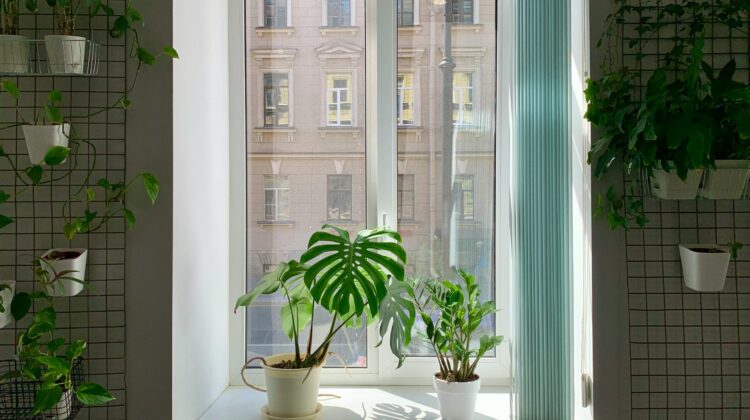
Those empty windowsills represent prime real estate for bringing nature into your home – sunny, well-defined spaces perfect for displaying plants that can transform any room with living color and texture.
Many plant enthusiasts struggle to match the right plants with their window conditions, often ending up with scorched leaves from too much sun or leggy growth from too little light, wasting money and creating frustration.
This guide reveals the best good window plants for every light exposure, with specific recommendations for north, south, east, and west-facing windows, plus care tips to ensure your windowsill garden thrives year-round.
Page Contents
Best Good Window Plants for Sunny South-Facing Windows
South-facing windows are the golden ticket of indoor gardening—they flood your space with intense, direct sunlight for most of the day. If you’re working with this bright exposure, you’ll want good window plants that can handle the heat and thrive in all that glorious light.
Succulents and Cacti: The Ultimate Sun Worshippers
If your south-facing window gets flooded with bright light all day, succulents and cacti are your best friends. Plants like echeveria, jade plant, and aloe vera have thick, fleshy leaves that store water—kind of like built-in reservoirs. This means they need minimal attention. Water them only when the soil is bone dry, usually every two to three weeks. These plants actually thrive on neglect, making them perfect for busy folks or beginners.
Just make sure you use well-draining soil and pots with drainage holes to prevent root rot. The beauty of these sun-loving varieties is that they not only survive in intense light—they truly come alive in it. Their colors intensify, their growth stays compact and attractive, and they’ll reward your minimal effort with surprising resilience.
Fresh Herbs Right on Your Kitchen Windowsill
Want fresh basil for your pasta or rosemary for roasted chicken? An indoor window herb garden is easier than you think. Herbs like basil, rosemary, and thyme love soaking up six or more hours of direct sunlight daily. They’ll grow faster, taste better, and fill your kitchen with amazing fragrance. Snip what you need for cooking, and they’ll keep producing.
Just water them when the top inch of soil feels dry, and use containers with good drainage. You’ll never go back to store-bought herbs once you taste the difference. These culinary good window plants transform your cooking while adding fresh greenery to your sunniest spot.
Good Tip!
Rotate your herbs every few days so all sides get equal light—this prevents them from leaning toward the window and keeps growth even and bushy.
Flowering Beauties That Love the Heat
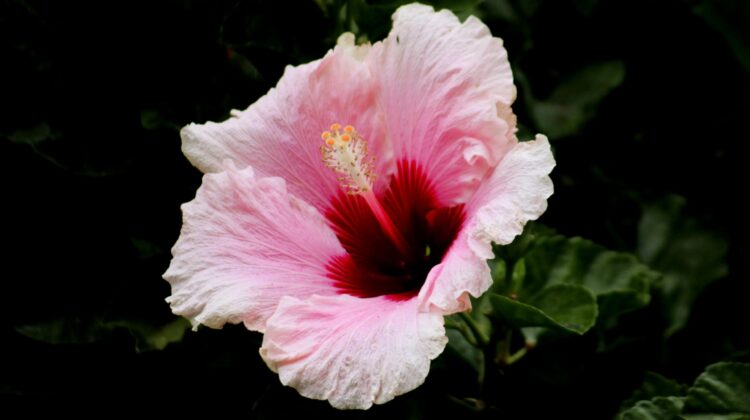
Beyond edibles, south-facing windows are perfect for flowering plants like geraniums, hibiscus, and kalanchoe. These sun-loving bloomers produce vibrant flowers when they get enough light and regular feeding. Fertilize them every two to four weeks during spring and summer to keep the blooms coming. Deadhead spent flowers to encourage new buds.
If you’re looking for plants for sunny windowsills that add color and life to your space, these are winners. The consistent, intense light of a south window triggers the flowering response that these plants crave, giving you months of colorful displays that brighten even the dreariest days.
Trailing Plants for Dramatic Displays
String of pearls and burro’s tail are stunning trailing succulents that cascade beautifully from windowsills. They tolerate intense light without flinching and create eye-catching displays. Let them spill over the edge of decorative pots for a waterfall effect. These good window plants are conversation starters and surprisingly low-maintenance once you get their watering schedule down. Their architectural beauty adds dimension to your south-facing window, turning a simple sill into a living sculpture.
Good Window Plants for Low-Light North-Facing Windows
North-facing windows get a bad rap, but they’re actually perfect for some of the most forgiving good window plants around. While south windows blast your plants with direct sun, north-facing spots offer gentle, indirect light all day—and plenty of beautiful varieties absolutely thrive in these conditions.
Pothos Varieties That Love Dim Corners
Pothos is the ultimate beginner-friendly plant. Golden pothos, marble queen, and neon pothos all adapt beautifully to north-facing windows where other plants would struggle. These trailing beauties don’t just survive in low light—they actually look better for it, with lush vines that cascade elegantly down your window frame or across a shelf.
Here’s what makes pothos so perfect: they purify your air while asking for almost nothing in return. Water when the top two inches of soil feel dry (usually once a week), and they’re happy. Train the vines along a curtain rod or let them spill from a hanging planter for an effortless, jungle-inspired look. Their forgiving nature makes them ideal low light window plants for anyone who’s ever worried about killing houseplants.
Snake Plants: The Ultimate Low-Maintenance Champion
If you’ve killed every plant you’ve ever owned, snake plants will change that story. These architectural beauties tolerate extremely low light levels—we’re talking darker than most plants would even attempt. Water them once every three to four weeks, and they’ll reward you with glossy, upright leaves that add modern style to any space.
Snake plants also remove toxins from indoor air, making them ideal for bedrooms. Try varieties like ‘Moonshine’ for silvery-green leaves or ‘Black Gold’ for dramatic dark edges. Their vertical growth makes them excellent small plants for window ledges where space is tight but you still want visual impact.
Good Tip!
Group your low light window plants together on a tray to create humidity and visual impact—three small plants look more intentional than one lonely specimen.
ZZ Plants for Seriously Hands-Off Care
ZZ plants thrive where others fail. Their glossy, dark green leaves look polished and intentional, even when you’ve forgotten about them for weeks. These plants tolerate neglect, inconsistent watering, and the dim light of north-facing windows without missing a beat.
Perfect for busy plant parents, ZZ plants grow slowly and stay compact as small plants for window ledges. They’re practically indestructible. The thick rhizomes beneath the soil store water like underground tanks, giving these good window plants remarkable drought tolerance that forgives your busy schedule.
Peace Lilies That Tell You What They Need
Peace lilies bring elegance to shaded sills with their graceful white blooms. They prefer indirect light and actually produce flowers even in lower light conditions—something most flowering plants won’t do. The best part? They dramatically droop when thirsty, giving you an obvious visual cue before any real damage happens.
Water them when they start to wilt slightly, mist occasionally for humidity, and enjoy months of beautiful blooms. According to research from the University of Florida, these adaptable plants maintain healthy growth with minimal light—proof that north-facing windows can absolutely support thriving greenery. Their communicative nature makes them surprisingly easy to care for once you learn their signals.
Perfect Plants for East-Facing Morning Light
East-facing windows offer the best of both worlds—gentle morning sunshine that energizes plants without overwhelming them, followed by indirect light for the rest of the day. This moderate exposure creates ideal conditions for a wide variety of good window plants that might struggle in harsher light.
African Violets for Continuous Blooms
African violets are the superstars of east-facing windows. These compact beauties produce velvety flowers in shades of purple, pink, and white—and they’ll keep blooming year-round if you give them consistent morning light. The gentle sun from an east window is perfect because it’s bright enough to trigger flowering but not so intense that it scorches their delicate leaves.
Water them from below by filling their saucer and letting the soil soak it up. This prevents ugly water spots on the fuzzy foliage. Feed them every two weeks with diluted African violet fertilizer during their growing season, and you’ll have a colorful display that never quits. These classic good window plants have remained popular for decades precisely because they deliver so much beauty in compact packages.
Orchids That Rebloom With Ease
Think orchids are too fussy? Not if you have an east-facing window. Phalaenopsis orchids (the ones you see everywhere) actually thrive in gentle morning sun. They’ll rebloom for years with minimal care—just water them once a week and let them dry out between waterings. The key is using a bark-based potting mix that drains fast.
East windows give orchids the bright indirect light they need without the harsh afternoon heat that can damage their leaves. After the flowers fade, don’t panic. Keep caring for your orchid normally, and it’ll send up a new flower spike in a few months. Their exotic appearance makes them impressive additions to any collection of good window plants, yet they’re far more forgiving than their reputation suggests.
Good Tip!
Place a humidity tray under your east window plants. Fill a shallow tray with pebbles and water, then set your pots on top. As the water evaporates, it creates a mini microclimate that ferns and prayer plants absolutely love.
Boston Ferns for Lush Green Displays
Boston ferns turn bathroom east windows into tropical retreats. Their arching fronds create dramatic cascades of green that soften any space. These good window plants love the moderate light and natural humidity that bathrooms provide. Keep their soil consistently moist—not soggy, just evenly damp.
Mist them daily if your bathroom runs dry, or let shower steam do the work for you. Boston ferns are sensitive to dry air, so they’ll tell you when they’re unhappy by dropping leaves. Calatheas make great east-facing window plants too, as they love bright indirect light conditions. Their preference for consistent moisture and moderate light makes them naturals for this gentler exposure.
Prayer Plants With Dramatic Movement
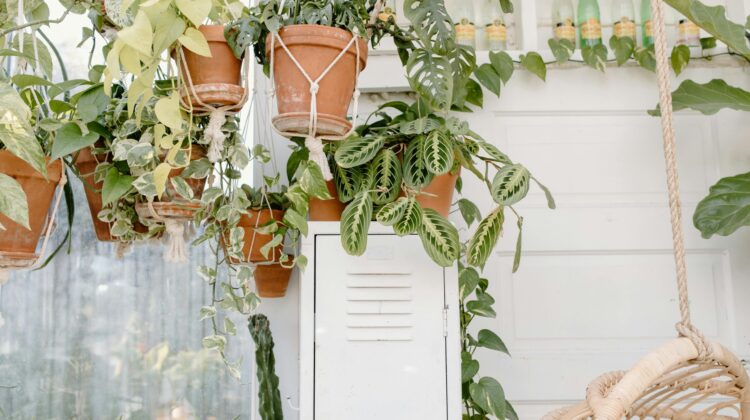
Prayer plants (maranta and calathea varieties) put on a show in east windows. During the day, their patterned leaves spread out to catch the morning light. At night, they fold upward like hands in prayer—it’s fascinating to watch. These small plants for window ledges showcase bold stripes, spots, and colors that look hand-painted.
They need consistent moisture and hate direct sun, making east-facing spots ideal. Water when the top inch of soil feels dry, and wipe their leaves monthly to keep those patterns vibrant. Their movement and intricate foliage patterns make them interactive additions to your plant collection—you’ll find yourself checking on them just to see what they’re doing.
Hardy Plants for West-Facing Afternoon Sun
West-facing windows present a unique challenge: relatively mild light in the morning that builds to intense, hot afternoon sun. You need good window plants tough enough to handle that heat surge without wilting or burning.
Spider Plants: Heat-Tolerant Producers
Spider plants are champions when it comes to handling the intense afternoon heat that west-facing windows dish out. These resilient beauties don’t just survive—they thrive and reward you with adorable baby plantlets dangling from arching stems. You can snip these “spiderettes” and root them in water or soil to multiply your collection for free.
Water when the top inch of soil feels dry, and watch as your spider plant fills your windowsill with cascading green-and-white striped foliage. They’re perfect if you want good window plants that practically grow themselves. Their rapid growth and prolific reproduction make them generous plants that keep on giving.
Rubber Plants: Glossy Showstoppers
If you’re after dramatic foliage, rubber plants deliver with their thick, glossy leaves that practically glow in west window light. The afternoon sun brings out their deep burgundy or rich green tones beautifully. Keep yours compact and bushy by pruning the top growth—this encourages side branching and prevents it from getting leggy.
Wipe the leaves monthly with a damp cloth to maintain that signature shine and remove dust that blocks light absorption. Their architectural presence and easy care requirements make rubber plants standout choices for anyone seeking statement-making good window plants that command attention.
Ponytail Palms: Low-Maintenance Sculptural Beauties
Ponytail palms look like something straight out of a Dr. Seuss book with their swollen trunk bases and fountain-like sprays of thin leaves. They’re built for heat and bright light, storing water in that bulbous base like a camel stores reserves. This means you only need to water every two to three weeks—perfect for busy plant parents.
Plants that cope with harsh western sun like ponytail palms handle afternoon intensity without complaint. Their quirky appearance and drought tolerance make them conversation pieces that require almost no maintenance—ideal for west windows where conditions can get extreme.
Crotons: Living Stained Glass
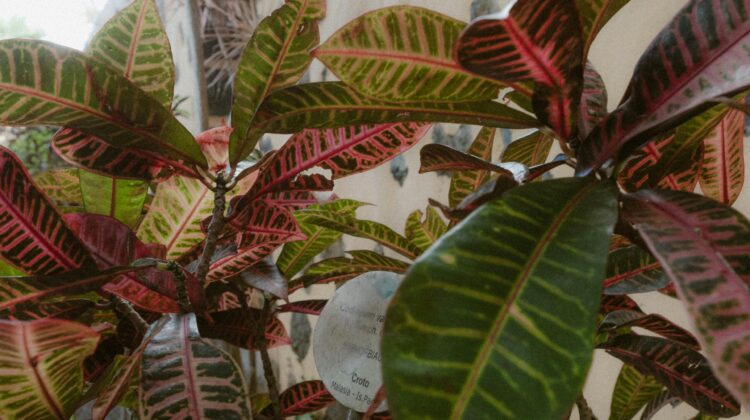
Want a plant that looks like autumn year-round? Crotons develop their most stunning gold, orange, and red leaf patterns when bathed in bright west window light. Insufficient light turns them plain green, so this exposure is ideal. Keep the soil consistently moist and provide humidity by misting or using a pebble tray—crotons appreciate that extra moisture to balance the intense afternoon heat.
These colorful good window plants transform ordinary windowsills into art installations with their vibrant, multi-hued foliage. The stronger the light, the more intense their colors become, making west-facing windows the perfect stage for their show-stopping display.
Good Tip!
During peak summer months, move heat-sensitive plants a few inches back from west-facing glass to prevent leaf scorch while still providing plenty of bright light.
Window Plant Care Tips for Healthy Growth
Once you’ve selected the right good window plants for your light conditions, proper care ensures they’ll thrive for years. These universal tips apply regardless of which window direction you’re working with, helping you maintain healthy, beautiful plants.
Rotate Your Plants Weekly for Even Growth
Turn your window plants a quarter-turn every week. This simple habit prevents lopsided, reaching growth that makes plants look scraggly. When plants sit in one spot, they lean toward the light source. The side facing the window gets strong, while the back side stays weak and sparse.
Weekly rotation ensures every side gets equal light exposure. Your plants grow fuller and more balanced. Mark your pots with a small dot or line to track which direction you’ve turned them. Make it part of your Sunday routine—water, rotate, done. This effortless practice dramatically improves plant symmetry and overall appearance.
Adjust Watering with the Seasons
Your watering schedule shouldn’t stay the same year-round. Good window plants need more water during summer months when sunlight is intense and growth is active. The soil dries out faster near warm, bright windows. Check moisture every few days in summer.
Come winter, dial it way back. Most plants enter a rest phase and need significantly less water—sometimes half as much. Overwatering dormant plants causes root rot. Stick your finger two inches into the soil. If it’s dry, water. If it’s damp, wait. Understanding your plants’ seasonal rhythms prevents the most common cause of houseplant death: improper watering.
Good Tip!
Keep a small notebook near your windowsill to track watering dates and plant behavior. You’ll quickly learn each plant’s unique rhythm and catch problems early.
Clean Leaves Monthly to Boost Health
Dust doesn’t just look bad—it blocks light absorption. A layer of grime on leaves reduces photosynthesis and weakens your plants. Dust also creates perfect hiding spots for pests like spider mites and mealybugs. Once a month, wipe leaves gently with a damp cloth.
For small plants for window ledges, give them a gentle shower in the sink. Clean leaves absorb more light, look vibrant, and stay pest-free. This quick task makes a noticeable difference in plant health. Think of it as skincare for your good window plants—regular maintenance that keeps everything functioning optimally.

Protect Plants from Temperature Extremes
Windows can be harsh environments. Winter drafts chill plants, while summer heat bakes them. Use thermal curtains or blinds during extreme weather to shield your indoor window herb garden from temperature swings. Pull plants a few inches back from frosty glass in winter.
In scorching summer afternoons, close blinds partially or move heat-sensitive varieties temporarily. Most good window plants thrive between 65-75°F. Protecting them from extremes keeps growth steady and prevents stress damage. Window glass amplifies both cold and heat, creating microclimates that can stress even resilient plants if you’re not paying attention.
With the right selections for your light conditions and consistent care practices, good window plants transform your home into a thriving indoor garden. Whether you’re working with blazing south light, gentle north exposure, or anything in between, there’s a perfect plant waiting to make your windowsill its home.
Conclusion
Selecting the right good window plants for your specific light conditions is the key to success, whether you have bright south-facing windows perfect for succulents and herbs, or north-facing windows where pothos and snake plants will thrive. Remember to consider each window’s unique microclimate, adjust your watering schedule seasonally, and rotate plants regularly for even growth. With these simple practices, you can transform every windowsill in your home into a thriving, beautiful green space.
Frequently Asked Questions
Can I mix sun-loving and shade-loving plants on the same windowsill?
It’s not recommended since they have opposite light needs. Sun lovers will stretch and weaken in shade, while shade plants will scorch in direct sun. Group plants with similar requirements together for best results.
How do I know if my window plant is getting too much light?
Watch for brown, crispy leaf edges, faded colors, or bleached-looking spots on foliage. If leaves feel hot to touch midday, move your plant back a few inches from the glass.
Do I need to fertilize window plants differently than other houseplants?
Plants in bright windows grow more actively and benefit from regular feeding during spring and summer. Use half-strength liquid fertilizer every 2-4 weeks, then stop or reduce during winter dormancy.
What’s the easiest way to increase humidity for window plants without misting daily?
Set plants on trays filled with pebbles and water, or group several plants together to create a mini humid zone. Both methods passively increase moisture without daily effort.
Can I leave my window plants when I go on vacation?
Most plants handle 1-2 weeks alone if watered thoroughly beforehand. Move them slightly away from intense light, group them together for humidity, or ask a neighbor to check once.
Why are my window plant’s lower leaves turning yellow and dropping?
This usually signals overwatering or natural aging. Check soil moisture before watering and ensure pots have drainage holes. Occasional bottom leaf loss on mature plants is completely normal.