

The best unusual house plants to buy combine striking visual appeal with manageable care requirements, and they’re more accessible than you think when you know where to look and what to choose.
I’ll never forget the moment I walked into my friend’s apartment and stopped dead in my tracks—not because of the furniture or artwork, but because of a bizarre, almost alien-looking plant with leaves that looked like strings of pearls cascading down a macramé hanger. Unusual house plants to buy have become the new must-have for plant enthusiasts who’ve moved beyond the standard pothos and snake plants. These extraordinary specimens offer conversation-starting beauty and unique character that mass-market varieties simply can’t match.
You’re tired of seeing the same fiddle leaf figs and monsteras in every home décor magazine and Instagram feed. You want something different—something that reflects your personality and makes guests ask, ‘What is that plant?’ But finding truly unusual house plants to buy feels overwhelming. Where do you even start? How do you know if these exotic specimens will survive in your home? And most importantly, how do you care for plants you’ve never encountered before?
This guide will walk you through extraordinary plant varieties that go far beyond basic house plants design ideas, complete with care requirements, styling suggestions, and trusted sources for purchasing. You’ll learn which quirky specimens thrive in typical home conditions, how to integrate them into your existing plant collection, and the insider tips that help these conversation pieces flourish rather than just survive.
Page Contents
What Makes These Unusual House Plants To Buy Worth The Investment
What Actually Qualifies As “Unusual” In The Plant World
Not every plant at your local nursery deserves the “unusual” label. True unusual house plants to buy stand out through rare species you won’t find at big-box stores, unexpected growth patterns like spiraling leaves or trailing vines, textures that make you want to reach out and touch them, or colors that seem almost unnatural. Think plants with leaves that look like strings of pearls, foliage with metallic sheens, or succulents shaped like dolphins. These aren’t your standard pothos or snake plants—they’re the specimens that make visitors stop and ask, “Wait, is that real?”
The distinction matters because genuinely unusual plants offer benefits that extend far beyond aesthetics. When you’re hunting for unusual house plants to buy, you’re not just adding decoration—you’re investing in living art that transforms your space and, surprisingly, your mental state.
The Mental Health Benefits You’re Not Expecting
Here’s something most plant parents don’t know: distinctive plants do more for your wellbeing than common varieties. Studies from the Journal of Environmental Psychology found that novel natural elements reduce stress by 37% more than familiar ones. That means your weird-looking String of Hearts or alien-esque Lithops actually provides enhanced psychological benefits beyond what standard houseplants offer. Your brain responds differently to novelty, and that response translates into deeper relaxation and mental clarity.
The research gets even more interesting. Plant psychology studies reveal that plants with complex leaf patterns hold viewer attention 3.2 times longer than solid-colored foliage. That extended gaze increases the calming effects we get from plant observation. Your brain literally relaxes more when looking at intricate patterns. This isn’t just feel-good speculation—it’s backed by measurable data showing how unusual specimens create stronger emotional connections than their common counterparts.

Good Tip!
Start with three unusual specimens mixed into your existing collection—research shows this ratio creates the perfect balance between familiarity and novelty for maximum satisfaction.
These Plants Can Actually Appreciate In Value
Unusual house plants to buy aren’t just pretty—they’re investments. Some rare Monstera varieties have increased 300% in market value since 2020, according to plant marketplace data. While you shouldn’t buy plants purely for profit, knowing that certain rare houseplants hold genuine financial value adds another dimension to the hobby. Research from the American Horticultural Society shows that collectors report 42% higher satisfaction when they include at least three unusual specimens alongside common varieties.
This appreciation potential makes thoughtful selection even more important. The unusual house plants to buy that hold value typically combine rarity with ease of care—they’re specimens that new collectors want but that experienced growers can successfully propagate and share. Understanding which characteristics create lasting value helps you build a collection that grows both aesthetically and financially over time.
String Of Hearts And Other Trailing Unusual House Plants To Buy For Vertical Interest
Trailing plants completely change how you experience a room. They draw the eye upward, soften hard edges, and create movement that static floor plants can’t match. The trailing category offers some of the most accessible unusual house plants to buy for beginners, since many forgive occasional neglect while delivering serious visual drama.
String Of Hearts: The Perfect Beginner’s Trailing Plant
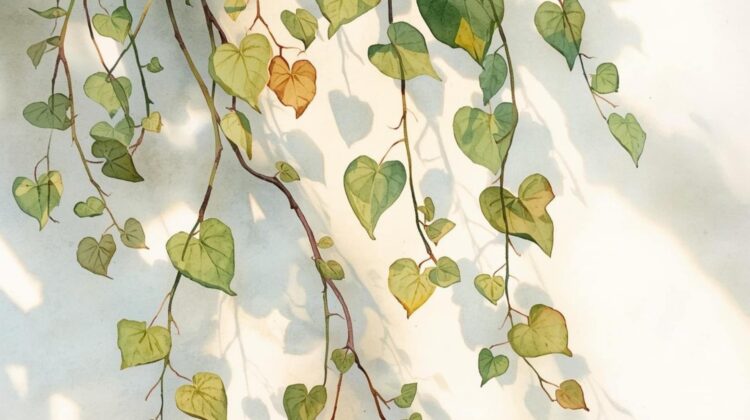
String of Hearts (Ceropegia woodii) looks like something from a fairy tale with its delicate vines draped in tiny heart-shaped leaves. Those silver variegation patterns catch the light beautifully, making each leaf look hand-painted. Here’s the best part: despite its exotic appearance, this plant forgives beginner mistakes. It bounces back from underwatering and actually prefers being slightly neglected.
Want more plants? Just snip a stem cutting below a node, stick it in water, and you’ll see roots within two weeks. This makes String of Hearts one of the most shareable unusual house plants to buy for both new collectors and seasoned plant parents. The propagation ease means you can fill an entire wall with cascading hearts within a single growing season, or share cuttings with friends who inevitably ask where you found such a stunner.
String Of Dolphins: Whimsical Cascades That Start Conversations
String of Dolphins (Senecio peregrinus) produces the most adorable dolphin-shaped leaves that literally look like they’re jumping through ocean waves. Position this beauty in bright indirect light—think a few feet from a south or west window—and watch those “dolphins” cascade down your hanging planter. The key to keeping this conversation starter houseplants thriving? Let the soil dry completely between waterings since it’s technically a succulent.
Guests will stop mid-sentence when they notice those playful leaves. The whimsical factor is real, but so is the care simplicity. Like most succulents, String of Dolphins actually suffers more from attention than neglect. Overwatering causes those distinctive leaves to yellow and drop, while benign neglect keeps them plump and happy. This makes it an ideal choice if you travel frequently or tend to forget watering schedules.
Watermelon Dischidia: An Epiphyte That Defies Expectations
Dischidia ovata showcases round leaves that develop watermelon-like striping as they mature. This epiphytic plant naturally grows on trees in the wild, which means it loves mounting on cork bark or driftwood rather than sitting in traditional pots. The trailing habit looks stunning when displayed this way, creating living art on your wall. These distinctive indoor plant varieties thrive with minimal root space and actually prefer drying out between waterings.
The mounting approach might sound intimidating, but it’s surprisingly straightforward. Wrap the roots in sphagnum moss, secure them to your chosen surface with fishing line or wire, and mist regularly until the plant establishes. Once attached, Watermelon Dischidia requires even less maintenance than pot-bound plants since there’s no risk of root rot from sitting water.
Good Tip!
Hang trailing plants at eye level or higher to make your room feel 15-20% taller—vertical garden studies prove this simple placement trick creates more dynamic visual interest than floor plants alone.
Architectural Unusual House Plants To Buy That Make Bold Statements
If trailing plants add softness and movement, architectural specimens bring structure and drama. These are the unusual house plants to buy when you want a focal point that commands attention the moment someone enters the room. They work particularly well in minimalist spaces where their bold forms can truly shine without competing against busy décor.
Euphorbia Trigona (African Milk Tree): The Modern Minimalist’s Dream
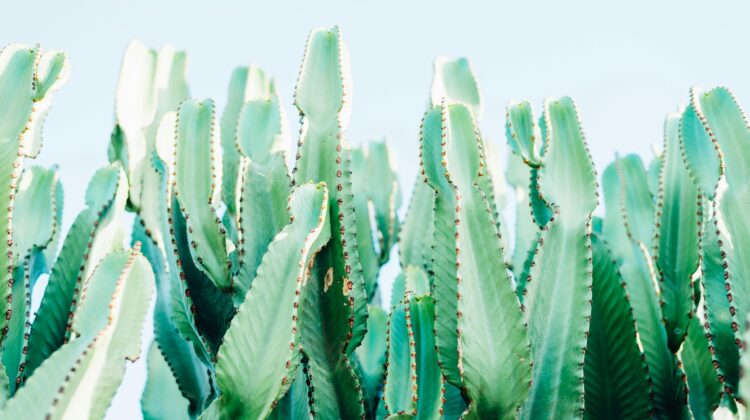
If you’re craving drama without the fuss, the African Milk Tree delivers. This striking plant looks like a cactus but isn’t one—it’s a succulent with three-sided stems that shoot upward like green architectural columns. Small leaves sprout along the ridges, adding texture without softening that bold, geometric silhouette. It can reach up to 6 feet indoors, making it perfect for filling that awkward corner in your living room or anchoring a minimalist entryway.
The best part? It barely needs water. I’m talking once every two to three weeks during growing season, even less in winter. This is one of those rare houseplants for collectors who want maximum visual impact with minimum maintenance. Place it near a bright window, and it practically takes care of itself while transforming your space into something that feels curated and intentional. The upright growth habit means it consumes minimal floor space while providing substantial vertical interest—a huge advantage in smaller homes or apartments.
Stapelia Gigantea (Zulu Giant): Beauty With A Quirky Twist
Yes, this plant smells like rotting meat when it blooms. But hear me out—those star-shaped flowers are absolutely spectacular, reaching up to 12 inches across with intricate patterns that look hand-painted. The carrion scent only lasts a few days and attracts pollinators in nature (though indoors, you might just crack a window). Between blooms, Stapelia requires simple succulent care: well-draining soil, bright light, and infrequent watering.
It’s a true conversation starter houseplant that gives you bragging rights at plant swaps. Most guests won’t even know about the smell until you tell them, and by then, they’re already mesmerized by those otherworldly blooms. The reality is that many unusual house plants to buy come with quirks—and those quirks become part of their charm once you understand them. Stapelia’s brief olfactory offense is more than compensated by those stunning flowers that look like they belong in a botanical illustration from another planet.
Good Tip!
Position architectural plants like Euphorbia trigona near neutral-colored walls to maximize their sculptural impact—busy backgrounds compete for attention and diminish the plant’s bold presence.
Cyphostemma Juttae (Wild Grape): Living Sculpture With Ancient Charm
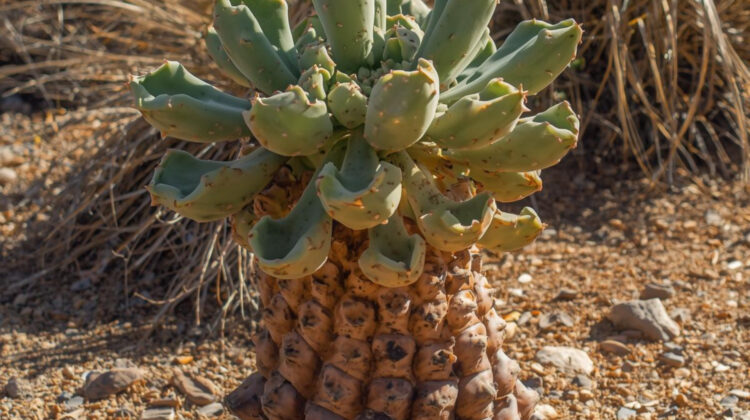
This plant looks like it belongs in a desert art installation. The thick, bottle-shaped caudex stores water like nature’s own reservoir, while the peeling bark gives it an aged, weathered appearance that adds instant character. During growing season, it produces leaves that eventually drop, creating year-round visual interest through its changing appearance.
Interior design research shows that statement plants that define a room with strong sculptural forms can reduce your need for additional décor by up to 30% in minimalist spaces. Cyphostemma juttae proves that point perfectly—it’s art and plant rolled into one distinctive indoor plant variety that commands attention without overwhelming your space. The deciduous nature might worry new owners, but those seasonal changes add depth to your relationship with the plant as you learn to appreciate its different phases throughout the year.
Unusual House Plants To Buy With Extraordinary Leaf Patterns And Textures
Pattern and texture create a completely different type of visual interest than architectural form. These unusual house plants to buy reward close observation—they’re the specimens you find yourself staring at while drinking your morning coffee, discovering new details in the variegation or noticing how the light hits those textured surfaces differently at various times of day.
Calathea White Fusion: A Living Work Of Art
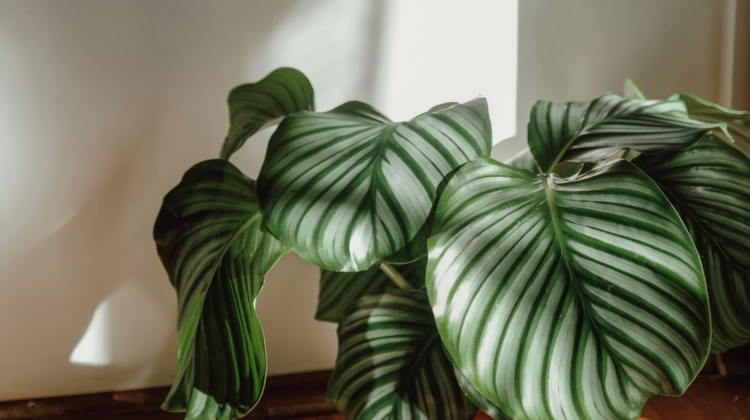
If you’re hunting for conversation starter houseplants, Calathea White Fusion delivers drama like nothing else. This stunner shows off white, green, and purple variegation that looks hand-painted. The leaves fold up at night—a cool trick called nyctinasty—like they’re saying goodnight. Yes, it needs humidity around 60%, which means regular misting or a nearby humidifier. But here’s the thing: once you see those leaves unfurl in the morning light, you’ll understand why collectors obsess over this plant.
Keep it away from direct sun (it’ll scorch those delicate leaves) and use filtered water to prevent brown edges. The humidity requirement sounds demanding, but it actually gives you an excuse to create a dedicated plant zone where multiple humidity-loving specimens can support each other. Once you’ve dialed in the conditions for one Calathea, you can easily expand your collection of moisture-loving unusual house plants to buy without additional setup.
Begonia Maculata: Easier Than It Looks
The Polka Dot Begonia fools everyone. Those silver spots on dark green leaves with burgundy undersides scream “high-maintenance exotic,” but it’s surprisingly forgiving. This is one of those rare houseplants for collectors that actually tolerates beginner mistakes. Water when the top inch of soil dries out, give it bright indirect light, and you’re golden.
Want bushier growth? Pinch back the stems just above a leaf node. New shoots will branch out from that spot, creating a fuller plant. Check out these beautiful variegated houseplants for more pattern inspiration. The pinching technique also provides regular cuttings for propagation, making Begonia maculata one of the most generous plants in your collection. Within a year, you can easily turn one plant into five or six, creating stunning displays or gifts for plant-loving friends.
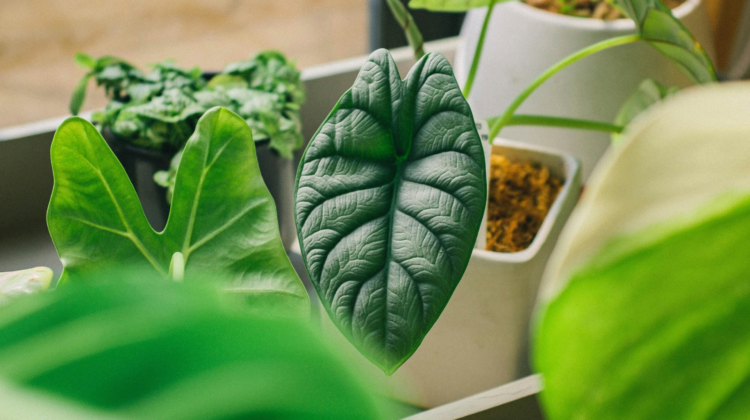
Alocasia ‘Dragon Scale’: Texture You Can Almost Feel
Dragon Scale lives up to its name with deeply textured leaves that look like reptilian skin. The metallic sheen shifts from silvery-green to bronze depending on the light angle. New plant parents panic when it goes dormant in winter, but that’s normal—it’s resting, not dying. Keep the soil barely moist during dormancy and resist the urge to overwater.
Understanding dormancy cycles transforms your relationship with plants like Dragon Scale. Rather than viewing winter dormancy as failure, you’ll recognize it as natural behavior and anticipate the excitement of spring growth. This seasonal rhythm actually makes these unusual house plants to buy more engaging than evergreen specimens that look identical year-round.
Good Tip!
Group your high-humidity plants together to create a microclimate—they’ll naturally increase moisture levels for each other, reducing your misting workload.
Where To Find And Buy Unusual House Plants Safely Online And Locally
Knowing which unusual house plants to buy matters little if you don’t know where to find healthy specimens. The sourcing strategy impacts both plant health and your wallet, with smart shoppers accessing rare varieties at reasonable prices through channels that beginners often overlook.
Why Specialty Online Nurseries Beat Big-Box Stores Every Time
Here’s the truth: those unusual house plants to buy at your local big-box store? They’ve usually been sitting under fluorescent lights for weeks, stressed and struggling. Specialty online nurseries ship healthier, better-acclimated specimens directly from growers who actually know their plants.
When you’re shopping online, look for sellers with detailed photos of the actual plant you’ll receive—not stock images. Real photos show you exactly what’s coming. Read reviews carefully. Reputable sellers have customers raving about packaging quality and plant health. Red flags include impossibly low prices, generic descriptions, and zero customer feedback. If a rare Alocasia costs $15 when it’s $60 everywhere else, something’s off.
Sites like Logees offer rare tropical houseplants you won’t find at garden centers, with growing guides included. The investment in specialized nurseries pays off through better plant health, accurate species identification, and ongoing support when you have care questions. Many specialty growers are passionate collectors themselves who genuinely want your plant to thrive.
Tap Into Local Plant Swaps And Collector Communities
Want rare houseplants for collectors at a fraction of retail cost? Join your local plant community. Facebook groups and plant society meetings are goldmines for unusual cuttings and divisions. I’ve scored incredible plants for $10 that would’ve cost $80 online—plus I got care tips from someone who’s actually grown them.
These groups trade everything from uncommon succulent varieties to exotic indoor plants for sale. The community knowledge alone is worth joining. Someone’s always willing to share propagation secrets or troubleshoot your struggling Calathea. Beyond the financial savings, local plant communities provide mentorship that transforms how you approach the hobby. Experienced collectors share not just plants but years of accumulated wisdom about creating the right conditions for success.
Good Tip!
Before buying from plant swaps, ask sellers about their pest management routine. Bringing home mealybugs or spider mites isn’t worth the savings.
Explore Spring And Fall Plant Festivals For Hands-On Shopping
Seasonal plant shows let you inspect before you buy—crucial for distinctive indoor plant varieties. Check each plant for pests under leaves, peek at root health through drainage holes, and look for fresh growth. Spring and fall festivals showcase the most unusual varieties when growers release new stock. You’ll find conversation starter houseplants you’ve never seen online, and you can ask growers questions face-to-face.
The timing of these festivals matters. Spring shows focus on active-growth specimens ready to establish in your home, while fall festivals often feature deals on mature plants as growers clear greenhouse space. Both seasons offer advantages, so mark your calendar for multiple visits throughout the year.
Essential Care Tips For Keeping Your Unusual House Plants To Buy Thriving Long-Term
Acquiring unusual house plants to buy is one thing—keeping them alive and thriving is another. The care fundamentals remain consistent across most species, but understanding the nuances separates casual plant owners from successful collectors whose rare specimens flourish for years.
Understanding What “Bright Indirect Light” Actually Means
You’ve probably read that phrase a hundred times, but what does it really mean for your exotic indoor plants? Here’s the practical version: place your unusual house plants to buy about 3-5 feet from an east or west-facing window. If harsh sun streams through, hang a sheer curtain to soften it. Want to get technical? Grab a light meter and aim for readings between 200-400 foot-candles—that’s the sweet spot where most rare houseplants for collectors thrive without getting scorched.
Think of it this way: your plant should see the sky but never direct sun rays hitting its leaves. The investment in a basic light meter ($15-25) eliminates guesswork and helps you identify which spots in your home actually provide suitable lighting. You might be surprised to discover that the corner you thought was bright is actually too dim, while that spot near your bathroom window provides perfect conditions.
Smarter Watering For Exotic Species
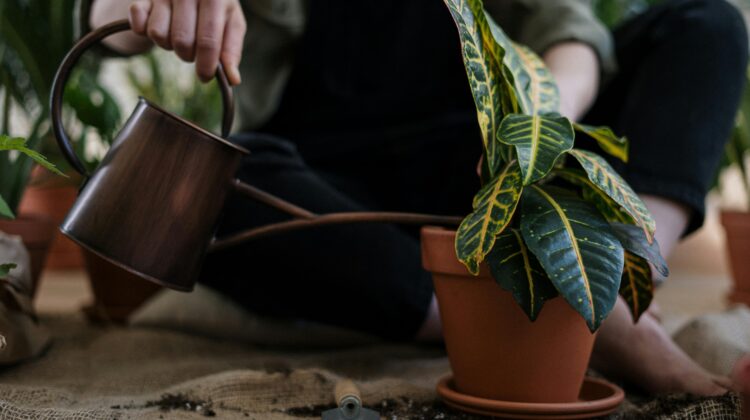
Ditch the finger test. Seriously. Those unique tropical plants for home often need way less water than you’d guess, and sticking your finger in the soil doesn’t tell you what’s happening at root level. Invest in a moisture meter instead—it’s a game-changer. Also, your pot choice matters more than you think. Terracotta dries out fast (great for succulents), while plastic holds moisture longer (perfect for humidity lovers). Most unusual foliage plants indoor actually prefer to dry out between waterings, so resist the urge to overwater.
The moisture meter reveals what your finger can’t feel: whether the bottom third of the pot is staying too wet, even when the surface feels dry. This information prevents the root rot that kills more rare plants than any other issue. Pair this knowledge with appropriate pot selection, and you’ve eliminated the top two watering mistakes that plague new collectors.
Good Tip!
Label each plant’s pot with its last watering date using a small piece of tape—you’ll quickly learn each species’ unique rhythm and avoid the guessing game.
Creating Custom Soil Blends That Actually Work
Generic potting soil kills more rare plants than anything else. Here’s why: those conversation starter houseplants often come from completely different native environments than your standard houseplant. Mix your own blend using orchid bark for drainage, perlite for aeration, and peat moss for moisture retention. Adjust ratios based on what you’re growing—succulents need more bark and perlite, while tropical varieties want more peat.
Research backs this up: species-appropriate soil mixes reduce plant death by 68% compared to off-the-shelf options. The time spent mixing custom soil (maybe 10 minutes per batch) pays massive dividends through improved plant health. Create several base mixes and keep them in labeled containers so you’re ready when repotting time arrives. Your succulents, tropicals, and epiphytes each get exactly what they need without compromise.
Troubleshooting Common Problems Before They Escalate
Yellowing leaves on your new Calathea? It’s probably your tap water. These sensitive species hate chemicals and minerals—switch to filtered or rainwater. Crispy brown edges? Your humidity’s below 50%. Group plants together, add a pebble tray, or run a humidifier. And when pests show up (they will), don’t panic. Learn to identify what’s attacking each species specifically—spider mites love dry conditions while fungus gnats thrive in soggy soil. Targeted treatment works way better than generic pest spray.
For more detailed guidance on maintaining optimal conditions, check out how to keep rare houseplants thriving indoors. The proactive approach makes all the difference. Weekly inspections catch problems while they’re still manageable, long before they escalate into plant-threatening crises. Spend five minutes each week really looking at your plants—checking undersides of leaves, examining new growth, and noting any changes in color or texture. This simple habit builds your diagnostic skills while protecting your investment in those carefully selected unusual house plants to buy.
Conclusion
Finding and successfully growing unusual house plants to buy transforms your indoor space from ordinary to extraordinary while connecting you with a passionate community of fellow plant enthusiasts.
Start with beginner-friendly unusual varieties like String of Hearts or Polka Dot Begonia that offer visual impact without demanding expert-level care. Source your plants from reputable specialty nurseries or local collector groups where you’ll get healthy specimens and valuable growing advice.
Remember that unusual doesn’t automatically mean difficult—many exotic-looking plants actually thrive with less fussing than common varieties.
The most important lesson is that every unusual plant has specific needs, but once you understand those requirements, these extraordinary specimens often outlive and outperform their mainstream cousins.
Your action step today: choose one unusual plant from this guide that matches your light conditions and experience level, locate a trusted source, and add that first conversation-starting specimen to your collection.
You’ll be amazed how that single unusual addition inspires you to explore more creative house plants design ideas and pushes your indoor garden in exciting new directions.
Frequently Asked Questions
How much should I expect to spend on unusual houseplants?
Prices vary widely depending on rarity and size. Beginner-friendly unusual plants like String of Hearts start around $15-30, while rare collector varieties can range from $50-200+. Plant swaps and local communities offer budget-friendly alternatives to retail pricing.
Will unusual plants die more easily than common houseplants?
Not necessarily—many unusual plants are surprisingly forgiving. String of Hearts and Begonia Maculata actually tolerate beginner mistakes well. The key is matching the plant’s needs to your environment rather than assuming exotic appearance equals difficult care.
Can I propagate unusual plants as easily as pothos or snake plants?
Many unusual trailing varieties propagate easily from stem cuttings in water. String of Hearts roots within two weeks, making it highly shareable. However, some architectural species like Euphorbia require different propagation methods, so always research your specific plant first.
Do unusual plants really need special soil, or is that just marketing?
Custom soil blends genuinely matter for long-term health. Epiphytes, succulents, and tropical species have vastly different drainage needs that generic potting mix can’t meet. Species-appropriate soil reduces plant death by 68% compared to off-the-shelf options.
How do I know if an online plant seller is legit?
Look for actual plant photos (not stock images), detailed customer reviews mentioning packaging quality, and realistic pricing. Impossibly cheap rare plants, generic descriptions, and zero feedback are major red flags that suggest poor quality or potential scams.
What’s the easiest unusual plant for someone who’s killed every houseplant they’ve owned?
Start with Euphorbia Trigona (African Milk Tree) or String of Hearts. Both forgive neglect, need infrequent watering, and bounce back from mistakes. They deliver visual impact without demanding the constant attention that kills most beginners’ enthusiasm.