
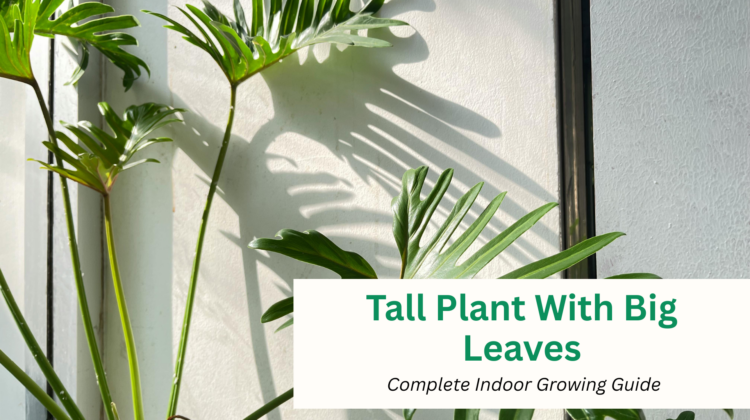
The best tall plant with big leaves for most homes is the Monstera deliciosa, thriving in bright indirect light with weekly watering and minimal fuss, though several other stunning varieties suit different conditions and aesthetics.
Picture walking into a room and being greeted by a stunning tall plant with big leaves that instantly transforms the entire atmosphere—these architectural beauties aren’t just houseplants, they’re living sculptures that command attention and breathe life into any corner. Whether you’re dreaming of creating a tropical oasis in your living room or adding dramatic vertical interest to a bland hallway, large-leafed statement plants offer an unmatched combination of visual impact and air-purifying benefits. For plant enthusiasts exploring house plants design ideas, these towering green giants represent the perfect intersection of function and aesthetics.
You’ve probably scrolled through countless interior design photos featuring those gorgeous, magazine-worthy tall plants with oversized foliage, wondering which varieties would actually thrive in your home’s lighting conditions and how to keep them looking lush rather than leggy. Many plant lovers struggle with selecting the right large-leafed specimen for their space—will it outgrow the room too quickly? Does it need humidity levels you can’t provide? How do you prevent those beautiful big leaves from developing brown edges or drooping? The confusion around care requirements, placement options, and long-term maintenance often stops people from bringing these statement plants home.
This comprehensive guide walks you through everything you need to confidently choose, care for, and style a tall plant with big leaves in your home. You’ll discover the top varieties suited to different light conditions, learn the specific watering and feeding schedules that keep those impressive leaves healthy, and get practical troubleshooting tips for common issues like yellowing foliage or pest problems. We’ll also share creative placement ideas and design strategies that maximize visual impact, along with real-world maintenance advice from years of growing these beauties indoors.
Page Contents
Best Tall Plant With Big Leaves Varieties For Indoor Spaces
Monstera Deliciosa (Swiss Cheese Plant)
If you’ve spent any time scrolling through plant Instagram, you’ve seen the Monstera. This tall plant with big leaves has earned celebrity status for good reason. Those iconic split leaves can stretch 2-3 feet wide on mature plants, creating instant drama in any room. Indoors, Monsteras typically reach 6-10 feet with proper support like a moss pole or trellis.
What makes them perfect for beginners? They forgive occasional neglect better than most statement indoor plants. Place yours in bright indirect light, water when the top few inches of soil dry out, and watch it thrive. The fenestrated leaves develop those signature holes as the plant matures, giving you that tropical vibe everyone craves. As a climbing variety, Monstera naturally reaches upward, making it an ideal choice when you want vertical impact without taking up excessive floor space.
Fiddle Leaf Fig (Ficus Lyrata)
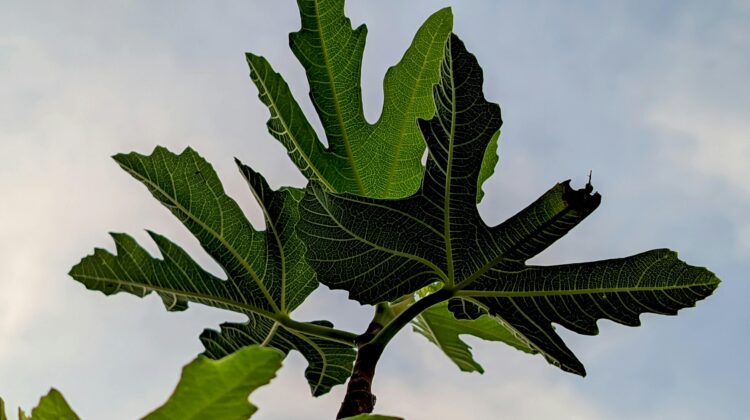
Interior designers can’t get enough of the Fiddle Leaf Fig. Those violin-shaped leaves grow up to 15 inches long, stacking vertically to create architectural presence that reaches 6-10 feet indoors. According to the National Gardening Association, fiddle leaf figs rank among the top five most popular indoor trees in American homes.
But here’s the catch—they demand consistency. Irregular watering causes leaf drop. Moving them around stresses them out. If you’re willing to commit to a regular care routine, though, this big foliage plant rewards you with stunning vertical impact that transforms any corner into a designer showcase. The dramatic, oversized foliage makes each plant feel like a living sculpture, commanding attention in even the largest rooms.
Good Tip!
Rotate your Fiddle Leaf Fig a quarter turn every week to ensure even growth and prevent it from leaning toward the light source.
Bird of Paradise (Strelitzia Nicolai)
Want instant tropical impact? The Bird of Paradise delivers with paddle-shaped leaves spanning 18-24 inches. This dramatic indoor greenery grows 5-7 feet tall indoors and occasionally produces white-and-blue blooms if conditions are right. You’ll need bright light and plenty of space for this one—those massive leaves spread wide.
Position it where it won’t crowd walkways or bump into furniture. The payoff is a living sculpture that makes guests stop and stare. This tall plant with big leaves brings an unmistakable resort-style atmosphere to your home, transforming ordinary corners into lush tropical retreats. For more big-leaf plants that make a statement, check out this comprehensive guide.
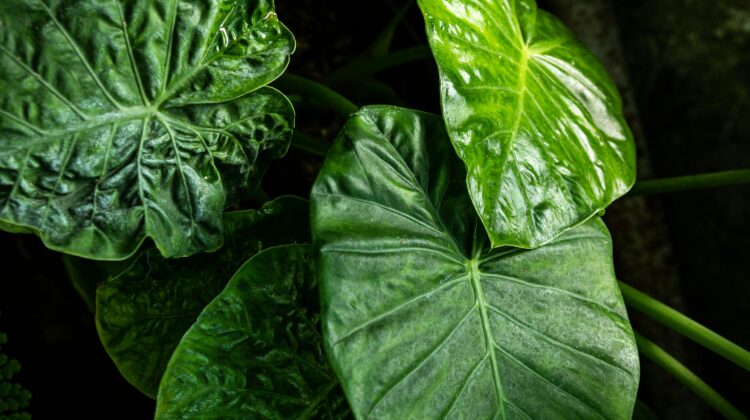
Elephant Ear (Alocasia and Colocasia Species)
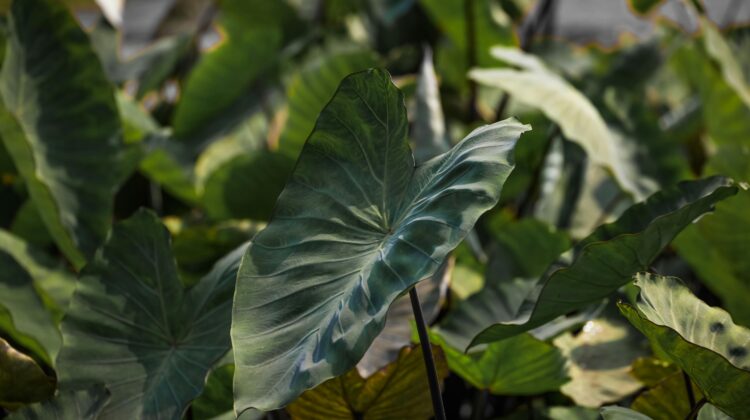
Elephant Ears bring variety to the table. Heart-shaped or arrow-shaped leaves reach 2-3 feet long, with plant heights ranging from 3-8 feet depending on the species. You’ll find options in deep purples, variegated patterns, and classic greens.
Beyond looks, research from the University of Georgia Extension shows Alocasias remove formaldehyde and other VOCs from indoor air at rates 30% higher than average houseplants. These large leaf houseplants need consistent moisture and humidity to keep those impressive leaves looking their best. When properly cared for, they create bold focal points that rival any piece of art or furniture in terms of visual impact.
Understanding Light Requirements For Tall Big Leaf Plants
Light determines everything for your tall plant with big leaves—from growth rate to leaf size to overall health. Getting it right means the difference between a thriving showpiece and a struggling plant that never quite looks its best. The good news is that once you understand the basics, matching plants to your available light becomes second nature.
Bright Indirect Light Champions
Most tall plants with big leaves absolutely love bright indirect light. Think Monstera, Fiddle Leaf Fig, and Bird of Paradise—these tropical beauties thrive when positioned 3-6 feet from east or west-facing windows. They want that filtered sunlight, not the harsh direct rays that’ll scorch those gorgeous leaves in hours.
Direct sun is the enemy here. It causes brown patches and crispy edges faster than you’d expect. I’ve seen a Fiddle Leaf Fig go from perfect to damaged in a single afternoon of direct exposure. Place your statement indoor plants where they get plenty of brightness without the intensity. A sheer curtain between the plant and window works perfectly, diffusing the light while still providing the energy these plants need for growth.
Medium Light Tolerators
Not everyone has perfect window placement, and that’s okay. Pothos varieties, Philodendrons, and certain Dracaena species handle dimmer conditions surprisingly well. They’re the forgiving friends of the plant world, adapting to less-than-ideal situations while still providing that lush greenery you’re after.
Just manage your expectations. In lower light, these architectural houseplants grow slower and produce smaller leaves. They won’t give you that dramatic tropical look as quickly, but they’ll survive and still look good. For more insights on optimizing conditions for big leaf houseplants, check out this helpful guide that covers various light scenarios.
Reading Your Plant’s Light Signals
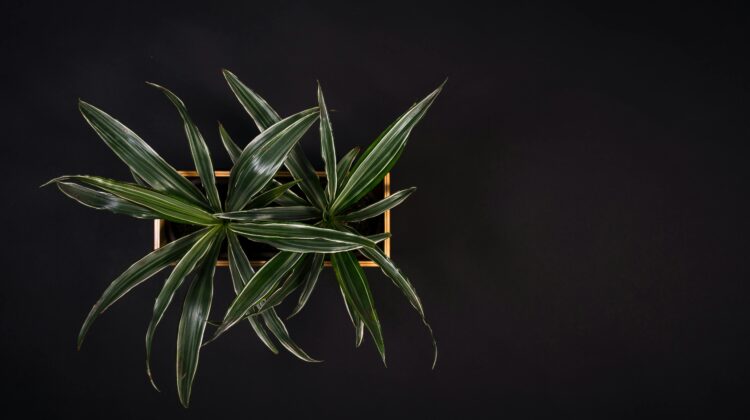
Your plant talks to you through its leaves. Pale yellow leaves or fading variegation? Too much direct sun. Leggy growth with big gaps between leaves? Not enough light. These signals appear long before permanent damage sets in, giving you time to adjust placement.
According to research in the Journal of Environmental Horticulture, inadequate light causes 60% of houseplant failures. That’s huge. Learning to read these signals saves you from becoming part of that statistic. Pay attention to new growth especially—it tells you immediately whether your plant is happy with its current spot or needs a change.
Good Tip!
Use the shadow test: hold your hand 12 inches above where your plant sits. A soft, blurry shadow means perfect bright indirect light. A sharp, defined shadow means too much direct sun. No shadow at all? Your plant needs more light.
Seasonal Light Adjustments
Light changes throughout the year, and your tall plant with big leaves needs adjustments to match. Winter means shorter days and weaker sun—move plants closer to windows during these months to compensate for the reduced light intensity and duration.
Summer brings intense light that can burn even indirect-light lovers. Add sheer curtains or relocate plants a bit farther from windows during peak months. These small seasonal tweaks keep your dramatic indoor greenery looking perfect year-round. Think of it as maintaining a relationship with your plants—what works in June might need modification by December.
Mastering Watering And Humidity For Large Leaf Plants
Water and humidity work hand-in-hand to keep those impressive leaves looking their best. Get either one wrong, and you’ll see the effects almost immediately. Fortunately, establishing the right balance becomes intuitive once you understand what your plants actually need.
When To Water Your Tall Plant With Big Leaves
Most tropical plants for home need water when the top 2-3 inches of soil feel dry. Stick your finger into the soil—if it feels dry at that depth, it’s time to water. During the growing season (spring and summer), this usually means watering weekly. In winter, you can stretch it to every 10-14 days as growth slows and water needs decrease.
Here’s why those big foliage plants need more attention: large leaves transpire moisture faster than smaller ones. Think of each leaf as a mini water pump pulling moisture from the roots and releasing it into the air. The bigger the leaf, the more water it needs to maintain that impressive size and prevent wilting.
Never follow a rigid schedule. Your home’s temperature, humidity, and light levels all affect how quickly soil dries out. Check the soil before each watering instead of marking your calendar. For watering large floor plants, a moisture meter takes the guesswork out if you’d rather not stick your finger in the dirt.
Why Humidity Matters For Big Leaf Plants
Tropical varieties evolved in humid rainforests where moisture hangs in the air. When indoor humidity drops below 40%, these plants struggle. You’ll notice brown leaf edges, crispy tips, and leaves that curl inward—all signs your plant is stressed from dry air.
The good news? NASA’s Clean Air Study found that grouping plants together creates beneficial microclimates. When you cluster several large leaf houseplants, they raise the local humidity by 10-15%. Each plant releases moisture through transpiration, and the group benefits from this shared humidity boost. It’s a natural solution that requires zero equipment or ongoing maintenance.
Good Tip!
Place a hygrometer near your plants to monitor humidity levels. If it consistently reads below 40%, it’s time to boost moisture with a humidifier or pebble tray.
Smart Watering Techniques For Large Containers
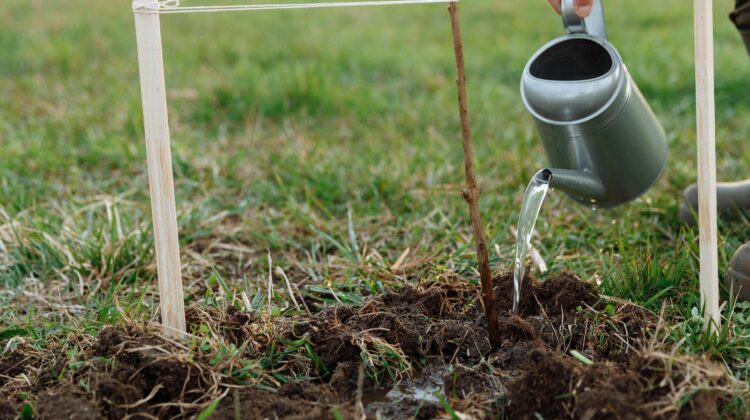
Bottom watering works wonders for statement indoor plants in large pots. Set the container in a tray of water and let the soil absorb moisture from the drainage holes. This prevents soil compaction and ensures even distribution throughout the root system, reaching even the deepest roots that top watering might miss.
If you prefer top watering, pour slowly and evenly across the soil surface. Water until you see it drain from the bottom holes. This flushes out salt buildup and ensures the entire root ball gets moisture. Never let your tall plant with big leaves sit in standing water—root rot can develop within days when roots stay waterlogged.
Skip The Misting And Try These Instead
Misting sounds helpful, but it only raises humidity for 10-15 minutes. Worse, wet leaves can develop fungal spots if moisture sits too long. Save yourself the daily spritz routine and use these better alternatives: pebble trays (fill a shallow tray with stones and water, then set your pot on top), small humidifiers near plant clusters, or bathroom placement where shower steam naturally boosts moisture levels. These methods provide consistent humidity without the downsides of misting.
Setting Up Proper Soil, Potting, And Support Systems
The foundation of healthy growth starts below the surface. Getting your soil mix, container choice, and support systems right from the beginning prevents countless problems down the road and sets your tall plant with big leaves up for years of thriving growth.
Ideal Soil Composition
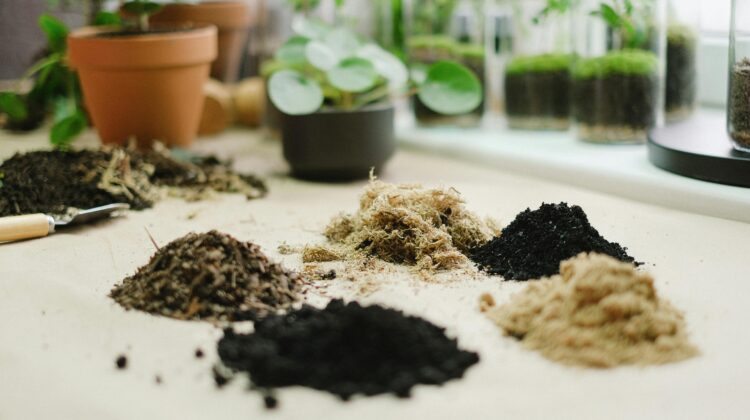
Your tall plant with big leaves needs soil that drains fast. Think of it like this: heavy, compact soil is basically a wet sponge that never dries out, and that suffocates roots. Mix standard potting soil with 30-40% perlite, orchid bark, or coconut coir. This combo prevents waterlogging while still holding enough moisture for those big leaves.
Cornell University’s Cooperative Extension found that proper drainage cuts houseplant deaths by 45%. That’s huge. If you’ve ever dealt with yellowing leaves on a statement indoor plant, bad soil was probably the culprit. The roots literally can’t breathe in dense mixes, and yellow leaves are their way of waving a white flag. Investing in quality soil components pays off immediately in plant health and resilience.
Container Selection Strategy
Bigger isn’t better when it comes to pots. Choose containers only 2 inches larger than your plant’s current root ball. Oversized pots hold way too much moisture, which leads straight to root rot. Terracotta pots work great for moisture-sensitive tropical plants for home because they’re porous and let excess water evaporate through the sides.
Always check that drainage holes are clear—never blocked. I’ve seen people use decorative cache pots without drainage, and it’s a disaster waiting to happen. Water pools at the bottom, roots sit in it, and within weeks you’ve got a mushy, dying plant. If you love the look of a pot without holes, use it as an outer decorative container and keep your plant in a proper nursery pot inside.
Good Tip!
Place a layer of lava rocks or broken pottery at the bottom of your pot before adding soil—this creates extra drainage space and prevents soil from blocking the holes.
Staking And Support Systems
Climbing varieties like Monstera don’t just grow tall—they want to climb. Install plant supports for tall plants like moss poles, bamboo stakes, or trellises during repotting. Doing it later risks damaging roots. Secure stems loosely with soft ties (never wire or tight string). As your plant grows, adjust the ties every few months.
This mimics how these big foliage plants grow in nature—wrapping around trees and reaching toward light. Plants with proper support grow more vigorously and produce larger leaves because they can focus energy on growth rather than struggling to stay upright. The vertical growth also maximizes your floor space, making support systems especially valuable in smaller rooms.
Repotting Timeline
Most large leaf houseplants need fresh soil every 18-24 months. Watch for these signs: roots circling the pot’s bottom, water running straight through without absorbing, or growth that’s basically stopped. Spring is your best window because plants are entering active growth mode. They recover faster and adapt to their new container quickly.
I’ve repotted in fall before, and the plant just sat there for months looking stressed. Timing matters more than you’d think. When you do repot, be gentle with roots, add fresh well-draining soil, and water thoroughly after transplanting to help settle the soil and eliminate air pockets.
Fertilizing And Maintaining Healthy Big Leaves
Nutrition and basic maintenance keep your tall plant with big leaves looking magazine-worthy. These tasks become quick routines once you know what to watch for and when to take action.
Feeding Your Statement Plants The Right Way
Your tall plant with big leaves needs regular feeding during its active growth period. From spring through early fall, fertilize every 2-4 weeks using a balanced liquid fertilizer diluted to half-strength. This approach prevents the salt buildup that causes crispy, burned leaf edges—a common mistake when people follow package directions meant for outdoor plants.
Think of it like this: indoor plants grow slower than their outdoor cousins, so they need less food. When winter arrives and growth slows, cut back to monthly feeding or stop entirely. Your plant enters dormancy and won’t use those nutrients anyway. Continuing to fertilize during dormancy just leads to salt accumulation in the soil.
Good Tip!
Mark your calendar with fertilizing dates instead of trying to remember. Set phone reminders for the first day of each month during growing season—consistency matters more than the exact product you choose.
Reading What Your Leaves Tell You
Your plant’s foliage speaks volumes about its nutritional health. Yellowing older leaves at the bottom? That’s nitrogen deficiency calling. Brown, crispy leaf edges point to potassium shortage. Pale new growth that looks washed out signals iron deficiency. Learning this visual language helps you adjust feeding before problems become severe.
According to the American Horticultural Society, proper fertilization increases leaf size by 20-30% and intensifies color vibrancy. Understanding fertilizing fundamentals helps you adjust your feeding routine based on what you’re seeing rather than blindly following a schedule.
Keeping Those Big Leaves Clean
Dust blocks light absorption and photosynthesis—two things your large leaf houseplants desperately need. Wipe leaves monthly with a damp microfiber cloth, supporting each leaf from underneath to prevent tearing. This simple task can improve photosynthesis efficiency by up to 20%, directly impacting growth and health.
Skip the leaf shine products. They clog pores and create more problems than they solve. Clean water on a soft cloth does everything you need without adding chemicals or blocking the stomata that your plant uses to breathe.
Pruning For Better Growth
Remove yellowed or damaged leaves at the base using clean scissors. Cut leggy stems to encourage bushier development. This redirects energy to healthy foliage instead of wasting it on dying leaves. Strategic pruning keeps your statement indoor plants looking full and balanced rather than sparse and stretched. Don’t be afraid to prune—you’re helping your plant focus its resources where they matter most.
Troubleshooting Common Problems With Tall Big Leaf Plants
Even with perfect care, issues pop up. Knowing how to diagnose and fix problems quickly keeps your plants healthy and prevents minor issues from becoming major setbacks.
Yellowing Leaves Diagnosis
Yellow leaves can send any plant parent into panic mode, but understanding the pattern helps you fix the problem fast. When just the lower leaves turn yellow, you’re likely dealing with overwatering or natural aging—older leaves simply die off as your plant grows. Widespread yellowing across multiple leaves tells a different story, pointing to nutrient deficiency or root issues.
Check the soil moisture by sticking your finger 2-3 inches deep. If it’s soggy, you’re watering too much. Review your fertilizing schedule too—skipping feedings during growing season starves your plant. Adjust your watering frequency based on what you find, and watch for improvement within two weeks.
Pest Identification And Treatment
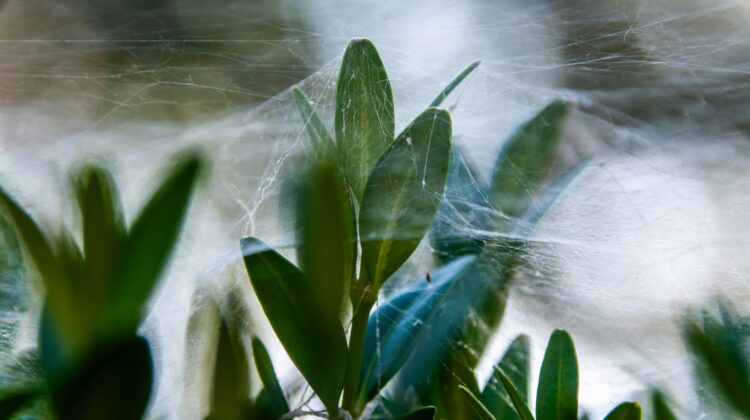
Large leaf houseplants attract three main troublemakers. Spider mites leave fine webbing and create tiny yellow dots on leaves. Scale insects look like brown bumps stuck to stems and leaf undersides. Mealybugs show up as white cottony clusters in leaf joints. The moment you spot any of these, isolate your plant immediately to protect your other greenery.
Treat weekly with insecticidal soap or neem oil for 3-4 weeks straight—skipping treatments lets pests rebound. According to the University of California IPM program, early detection increases treatment success rates by 80%, so check your plants weekly during routine watering. Make inspection part of your regular maintenance rather than waiting for obvious signs of infestation.
Good Tip!
Keep a spray bottle of diluted neem oil ready in your plant care station—catching pests in the first 48 hours makes treatment three times easier than waiting a week.
Brown Edges And Tips
Those crispy brown edges ruin the look of your statement indoor plants, but they’re fixable. Low humidity causes most cases, especially during winter when heating systems dry out indoor air. Fluoride in tap water also burns leaf tips on sensitive varieties. Inconsistent watering—alternating between bone-dry and soaking wet—stresses plants and creates brown edges.
Boost humidity with a small humidifier or pebble tray. Switch to filtered or distilled water if your tap water contains fluoride. Establish a regular watering routine you can stick to. Trim brown sections with clean scissors at an angle for a cleaner look while you address the root cause. Remember that trimmed edges won’t turn green again, but you’re preventing the problem from affecting new growth.
Drooping Or Curling Leaves
Droopy leaves signal your tall plant with big leaves needs immediate attention. This symptom points to two opposite problems—severe underwatering or root rot from overwatering. Check the soil first. Bone-dry soil means you’ve waited too long between waterings. Soak it thoroughly and create a consistent schedule moving forward.
If the soil feels wet and roots look mushy and dark when you inspect them, you’ve got root rot. Repot immediately in fresh, well-draining soil after trimming away all damaged roots with sterilized scissors. Healthy roots should be white or light tan and firm to the touch. Root rot progresses quickly, so address it the same day you discover it. With prompt action, most plants recover fully within a few weeks, producing new healthy roots in their improved growing conditions.
Conclusion
Bringing a tall plant with big leaves into your home transforms more than just your décor—it creates a living focal point that purifies air, boosts mood, and connects you with nature daily.
Choose varieties like Monstera or Fiddle Leaf Fig that match your lighting conditions, establish consistent watering routines that prevent both drought stress and root rot, provide proper support and well-draining soil for healthy growth, and maintain simple care habits like leaf cleaning and strategic fertilizing.
Start by assessing your home’s light levels, then select one tall plant with big leaves that fits your conditions and commitment level—even beginners succeed with forgiving varieties like Pothos or Philodendron.
Set calendar reminders for weekly watering checks, monthly fertilizing during growing season, and quarterly leaf cleaning sessions to keep your statement plant thriving.
Frequently Asked Questions
How often should I actually water my tall big-leaf plant?
Check the soil instead of following a schedule. Water when the top 2-3 inches feel dry to your finger. This typically means weekly in summer and every 10-14 days in winter, but your home’s conditions determine the exact timing.
Can these plants survive in a room without much natural light?
Most tall big-leaf varieties need bright indirect light to thrive. Low-light tolerant options like Pothos and Philodendrons can survive dimmer rooms, but they’ll grow slower and produce smaller leaves than advertised.
Why does my plant keep getting brown tips on the leaves?
Brown tips usually indicate low humidity, fluoride in tap water, or inconsistent watering. Try boosting humidity with a humidifier, switching to filtered water, and maintaining a regular watering routine to solve the problem.
Do I need to buy special soil for these plants?
Regular potting soil won’t drain well enough. Mix standard potting mix with 30-40% perlite, orchid bark, or coconut coir to create the fast-draining environment big-leaf tropical plants need to prevent root rot.
When is the best time to repot my tall plant?
Spring is ideal because plants enter active growth and recover faster from the stress. Repot every 18-24 months or when you notice roots circling the pot bottom or water running straight through without absorbing.
Will my Monstera or Fiddle Leaf Fig eventually outgrow my space?
Indoors, these plants typically max out at 6-10 feet tall. You can control size through pruning and pot selection—keeping plants in appropriately-sized containers naturally limits their growth compared to outdoor specimens.