
Page Contents
Top Indoor Planters That Transform Your Home Into Paradise
The top indoor planters combine proper drainage, appropriate sizing, and durable materials to create healthy growing environments for houseplants while enhancing your home’s aesthetic appeal.
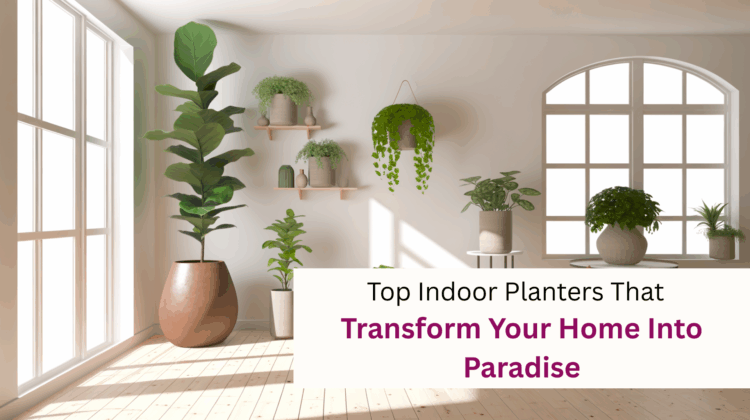
Picture walking into your home and feeling instantly calm. Green plants fill every corner. The air feels fresh and clean. This dream can become real with the right top indoor planters.
Many people want to bring nature indoors but feel lost. Which planters work best? What sizes fit different spaces? How do you choose materials that last? These questions stop many from starting their indoor garden journey.
This guide solves these problems. You’ll discover the best indoor planters for every room and budget. We’ll cover sizes, materials, and plant matches. Plus, you’ll get expert tips to keep your plants thriving year-round.
Best Materials for Top Indoor Planters
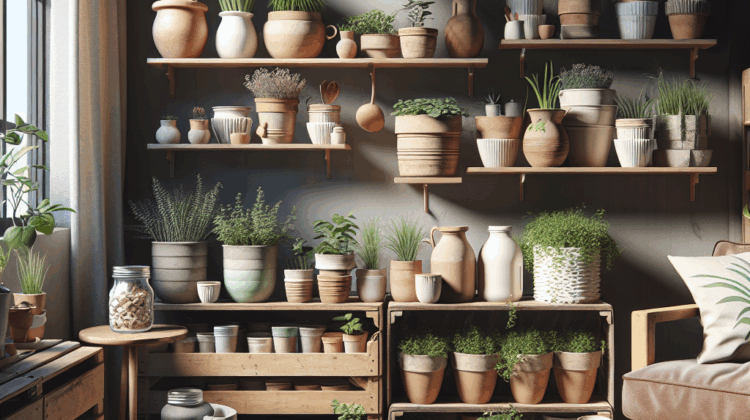
Choosing the right material makes all the difference between thriving plants and constant plant parent stress. Each planter material brings unique benefits that can match your plants’ needs and your lifestyle perfectly.
Ceramic and Terracotta: The Plant Health Champions
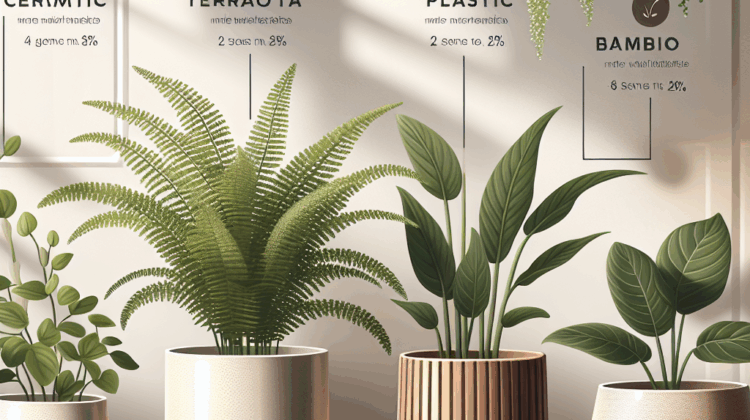
Ceramic planters are moisture masters. They hold water longer than other materials, creating consistent soil conditions that ferns, peace lilies, and tropical plants absolutely love. If you’re growing plants that hate dry spells, ceramic containers keep their roots happy with steady hydration.
Terracotta takes a different approach. These classic clay pots breathe through their porous walls, allowing air to reach plant roots while excess moisture escapes. This natural ventilation prevents the soggy soil conditions that kill most houseplants. Studies show terracotta reduces root rot in 80% of common houseplants, making it the go-to choice for beginners and experts alike.
Good Tip!
Soak new terracotta pots in water for 30 minutes before planting. This prevents the dry clay from stealing moisture from your plant’s soil during the first few waterings.
The downside? Both materials can be heavy and breakable. Ceramic costs more upfront, while terracotta needs more frequent watering since it dries out faster.
Modern Plastic: Lightweight and Smart
Don’t dismiss plastic planters as cheap alternatives. Today’s high-quality plastic options rival traditional materials in both looks and plant health benefits. They’re lightweight enough to move easily, won’t break if dropped, and many come with excellent drainage systems built right in.
Modern plastic planters also offer features you won’t find elsewhere. Some include water reservoirs, while others have removable inner pots for easy plant care. For renters or frequent movers, plastic planters make perfect sense.
Wood and Bamboo: Natural Beauty Meets Function
Wood and bamboo planters bring warmth to any room while supporting healthy plant growth. These natural materials regulate moisture better than you’d expect, and they complement every decor style from rustic farmhouse to modern minimalist.
Cedar and teak resist moisture damage naturally, while bamboo offers sustainable appeal. Most wood planters come with plastic liners to protect the material, giving you the best of both worlds.
The key consideration here is maintenance. Wood planters need occasional treatment to prevent water damage, especially in humid rooms like bathrooms.
When selecting materials for your top indoor planters, match them to your plant types and care style. Expert reviews from Wirecutter can help you compare specific brands and features.
Good Tip!
Mix planter materials throughout your home for visual interest. Use ceramic for statement plants, terracotta for herbs, and lightweight plastic for hanging plants or high shelves.
Remember, the best indoor plant containers work with your lifestyle, not against it. Choose materials that make plant care easier, and your green paradise will practically maintain itself.
Size Guide for Indoor Planters That Work
Getting the right planter size makes all the difference between thriving plants and constant repotting headaches. Most plant parents either go too big or too small, creating stress for their green friends. Here’s how to nail the perfect fit every time.
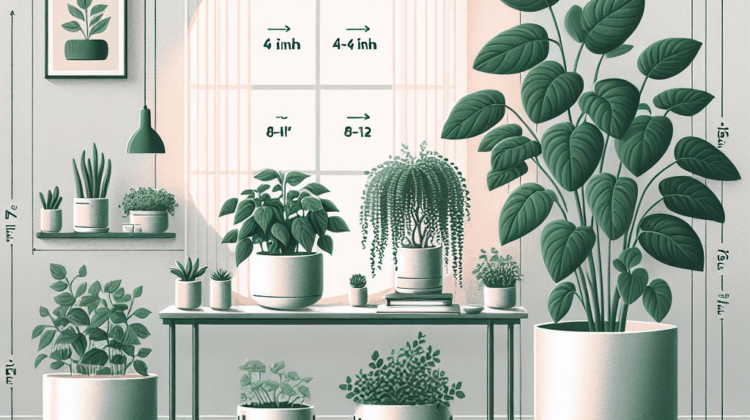
Small planters measuring 4-6 inches work beautifully for compact plants that don’t need much root space. Think herb gardens on your kitchen windowsill – basil, mint, and cilantro love these cozy containers. Succulents also thrive in small spaces since their shallow root systems don’t need deep soil. New plant cuttings or starter plants from the nursery often come in 4-inch pots, making this size perfect for your first few months together.
Good Tip!
Measure your plant’s current root ball before buying a new planter. Choose a container just 1-2 inches wider than the roots to prevent overwatering issues.
Medium planters in the 8-12 inch range handle most popular houseplants with ease. Your pothos, snake plants, and rubber trees will settle in comfortably here. These sizes give roots room to spread without drowning in excess soil. Most best indoor plant containers in this range also offer better stability for taller plants that might tip over in smaller pots.
Large planters of 14 inches or more create stunning statement pieces in your home. Fiddle leaf figs, monstera deliciosa, and other floor plants need this extra space to develop strong root systems. These top indoor planters work best in corners or as room dividers where their size becomes an asset rather than overwhelming smaller spaces.
Matching Size to Growth Patterns
Smart plant parents think ahead when choosing planter sizes. Fast-growing plants like pothos need room to expand, while slow growers like snake plants can stay put for years. Choosing the right pot shape also affects how roots develop and spread.
When you match planter size to your plant’s natural growth pattern, you avoid repotting stress that can shock sensitive plants. Roots that have proper space develop stronger, healthier systems that support better growth above ground.
Good Tip!
Check if your plant is root-bound by gently lifting it from its current pot. If roots circle the bottom or poke through drainage holes, it’s time to size up.
House plant pots with drainage become even more critical as sizes increase. Larger containers hold more water, making proper drainage essential to prevent root rot. Always ensure your indoor gardening planters have adequate holes and saucers to protect both plants and furniture.
Top Indoor Planters by Room
Different rooms call for different planting strategies. Your living room needs bold statement pieces, while your kitchen demands practical herb access. Let’s explore how to match the perfect planters to each space in your home.
Living Room Statement Pieces
Your living room deserves drama. Large floor planters create instant focal points that guests notice the moment they walk in. Choose containers 14 inches or larger for plants like fiddle leaf figs or bird of paradise. These showstoppers don’t just look amazing—they actively clean your air too.
Position your statement planter near a window but not in direct sunlight. Most large houseplants prefer bright, indirect light. The key is picking house plant pots with drainage to prevent root rot in these expensive plants.
Good Tip!
Place a large tray under floor planters to catch excess water and protect your floors from damage.
Kitchen and Bedroom Essentials
Your kitchen needs compact herb planters that fit on windowsills or counters. Fresh basil, mint, and oregano taste so much better than dried versions. Look for 4-6 inch containers that won’t crowd your cooking space.
Bedrooms call for low-maintenance plants in medium-sized planters. Snake plants and pothos thrive in low light and actually improve your sleep quality by releasing oxygen at night. These best indoor plant containers should be 8-12 inches for healthy root growth.
Bathroom Humidity Solutions
Bathrooms offer unique growing conditions that many plants love. The natural humidity from showers creates a mini greenhouse effect. Boston ferns, spider plants, and orchids absolutely thrive in these conditions.
Choose ceramic or plastic planters for bathrooms since they handle moisture better than terracotta. Southern Living’s container gardening experts recommend testing different humidity levels to find what works best for your specific plants.
Good Tip!
Run your bathroom fan for 10 minutes after showers to prevent mold while maintaining the perfect humidity for your plants.
Drainage Systems in Quality Indoor Planters
Poor drainage kills more houseplants than any other factor. Those tiny holes at the bottom of your planter aren’t just suggestions—they’re lifelines. When water can’t escape, roots literally drown in soggy soil. This creates the perfect breeding ground for root rot, which accounts for 90% of houseplant deaths.
The signs are easy to spot once you know what to look for. Yellow leaves, mushy stems, and that funky smell coming from the soil all scream “drainage problem.” Your plants need water, but they also need oxygen around their roots. Without proper drainage holes, even the best indoor plant containers become death traps.
Smart Saucer and Tray Solutions
Here’s where many plant parents get confused. You need drainage holes, but you also need to protect your furniture. The solution? A good saucer and tray system.
Place a waterproof saucer under your planter to catch excess water. After watering, let your plant drain for 30 minutes, then empty the saucer. This simple step prevents water damage to your floors while keeping your plants happy.
Some top indoor planters come with matching saucers that complement your decor. Others work with generic trays from the hardware store. Either way, never let your plants sit in standing water for more than an hour.
Good Tip!
Place pebbles in your saucer to elevate the planter slightly above any collected water. This creates perfect drainage while maintaining humidity around your plants.
Modern Self-Watering Options
Busy schedule? Frequent traveler? Self-watering planters might be your best friend. These indoor gardening planters use a reservoir system that feeds water to your plants gradually.
The magic happens through a wicking system or built-in water gauge. Your plants get consistent moisture without the risk of overwatering. Most self-watering systems last 1-2 weeks between refills, perfect for weekend trips or hectic work schedules.
DIY Drainage Fixes
Found the perfect planter but it lacks drainage holes? Don’t give up. You can fix this problem with a few simple tools.
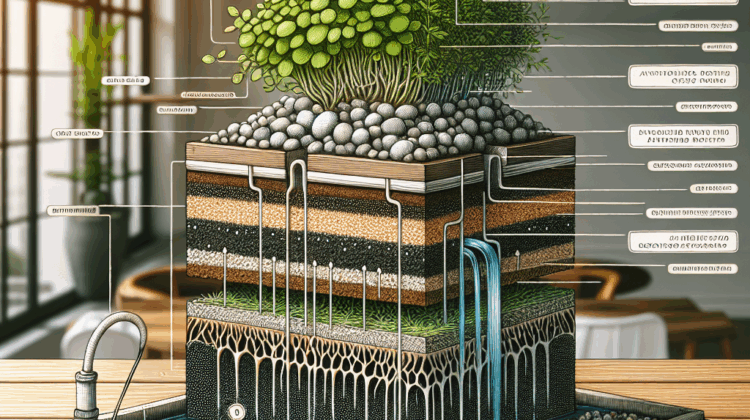
For ceramic or plastic planters, use a drill with a masonry bit to create 3-4 holes in the bottom. Start small and work your way up to avoid cracking. For planters you can’t drill, try the layered drainage method with pebbles and activated charcoal at the bottom.
Good Tip!
Test your drainage by watering slowly until water runs out the bottom. Good drainage means water flows freely within 10-15 seconds of reaching the holes.
Budget-Friendly Top Indoor Planters Options
Creating your dream indoor garden doesn’t have to drain your wallet. Smart shoppers can find quality top indoor planters that last for years without spending a fortune.
Affordable Materials That Don’t Break the Bank
You can score durable planters for under $20 that rival expensive options. Basic terracotta pots from hardware stores work just as well as designer versions. They breathe properly and prevent root rot. Simple ceramic planters from discount retailers offer the same moisture retention as pricey boutique pieces.
Plastic gets a bad rap, but modern resin planters look sophisticated and weigh almost nothing. They’re perfect for renters who move frequently. Look for UV-resistant options that won’t fade or crack over time.
Good Tip!
Check the clearance sections at garden centers in late fall. You’ll find high-quality planters marked down 50-70% as stores make room for holiday inventory.
DIY Projects That Save Money
Transform everyday items into unique best indoor plant containers. Old colanders make excellent hanging planters with built-in drainage. Wooden crates from craft stores create rustic charm for herb gardens. Even large yogurt containers work great when painted and decorated.
Mason jars are perfect for propagating cuttings or growing small herbs. Tin cans wrapped in twine give you that farmhouse look for pennies.
Where to Hunt for the Best Deals
Thrift stores often hide vintage planters at rock-bottom prices. Estate sales are goldmines for unique ceramic pieces. Online marketplaces like Facebook Marketplace let you buy in bulk from other plant lovers downsizing their collections.
End-of-season sales at major retailers slash prices by up to 75%. Spring clearances happen when stores switch from garden to patio furniture displays.
Good Tip!
Join plant swap groups on social media. Members often sell quality planters at half the retail price when upgrading their collections.
When to Splurge vs. Save
Invest in quality drainage systems and larger statement pieces that anchor your room design. Save money on small herb planters and starter containers you’ll likely replace as plants grow. The New York Times Wirecutter guide offers excellent recommendations for both budget and premium options that balance cost with functionality.
Conclusion
The right indoor planters transform any space into a thriving green sanctuary. Quality materials like ceramic and terracotta provide the best foundation for plant health. Proper sizing prevents most common plant problems. Good drainage systems stop root rot before it starts. Your indoor garden success depends on matching planters to your plants’ needs and your lifestyle.
Frequently Asked Questions
How do I know when it’s time to repot my plant into a larger container?
Look for signs like roots growing through drainage holes, roots circling the bottom when you lift the plant, or your plant drying out very quickly between waterings. Generally, you should size up by just 1-2 inches in diameter when repotting to avoid overwhelming the plant with too much soil.
Can I use a planter without drainage holes if I’m careful with watering?
While it’s possible, it’s not recommended as it’s extremely difficult to maintain proper moisture levels without drainage. Instead, either drill holes in your favorite planter or use the double-pot method – place your plant in a plastic nursery pot with drainage holes, then set that inside your decorative planter.
What’s the best planter material for someone who tends to overwater their plants?
Terracotta is your best friend if you’re heavy-handed with watering. Its porous nature allows excess moisture to evaporate through the walls of the pot, helping prevent root rot. The downside is you’ll need to water more frequently, but it’s much better than risking root rot from overwatering.
How do I prevent my wooden planters from rotting?
Always use a plastic liner inside wooden planters to protect the wood from constant moisture. Additionally, apply a waterproof sealant to the wood every 1-2 years, focusing especially on the interior. Keep the planter elevated slightly off the ground or surface to allow airflow underneath.
Should I use the same type of planter in every room for a cohesive look?
While matching planters can look great, mixing materials often creates more visual interest and allows you to better meet each plant’s needs. Consider using similar colors or styles while varying materials – for example, white ceramic, white plastic, and whitewashed wood planters can create a cohesive look while offering different benefits for different plants.
Sources
- National Gardening Association, 2023 Garden to Table Study
- American Society for Horticultural Science, Container Gardening Research Report
- NASA Clean Air Study, Interior Landscape Plants for Indoor Air Pollution Abatement
- Journal of Environmental Horticulture, Container Drainage and Plant Health Study