
Page Contents
Best Porch Hanging Baskets for Every Home Style Guide
Porch hanging baskets work best when you match container size to your space, choose plants suited to your light conditions, and follow proper watering techniques.
Picture this: You walk up to your front porch and see gorgeous, overflowing hanging baskets swaying gently in the breeze. Your neighbors stop to admire your beautiful display. The right porch hanging baskets can transform any ordinary entrance into a welcoming oasis that boosts your home’s curb appeal instantly.
But choosing the perfect hanging baskets for your porch feels overwhelming. You wonder about the right size, which plants will thrive, and how to keep them looking amazing all season long. Many homeowners struggle with baskets that look great for a few weeks, then wilt or become an eyesore.
This guide gives you everything you need to create stunning porch hanging basket displays that last. You’ll learn how to choose the right containers, select plants that thrive in your conditions, and maintain beautiful baskets from spring through fall.
Choosing the Right Porch Hanging Baskets for Your Space
Selecting the perfect porch hanging baskets starts with getting the basics right. The wrong size or material can turn your dream display into a maintenance nightmare. Here’s what you need to know to make smart choices from the start.
Container Size Makes All the Difference
Most porches look best with 12-16 inch baskets. Go smaller, and your plants look cramped. Go bigger, and they overwhelm your space. The sweet spot? Fourteen-inch containers give your plants the root space they crave while staying proportional to most porch sizes.
Think about your porch’s scale too. A tiny 8-foot porch needs smaller baskets than a sprawling wraparound. Match your basket size to your space, not just your plant wishlist.
Good Tip!
Measure your porch width and divide by 4 to find your ideal basket diameter. This creates perfect visual balance.
Material Choices That Actually Matter
Your basket material affects everything from watering frequency to winter storage. Plastic baskets retain moisture longer but can crack in freezing weather. Coconut fiber liners look natural and provide excellent drainage, but they dry out faster in hot weather.
Metal containers offer durability and style but heat up quickly in direct sun. This can stress plant roots during summer heat waves. For most homeowners, plastic baskets with good drainage holes offer the best balance of performance and price.
Don’t Ignore Weight Limits
Here’s what many people forget: a filled basket weighs 15-25 pounds on average. That’s serious weight hanging from your porch structure. Check your porch’s load capacity before you start shopping.
Older porches or those with decorative trim might need reinforcement. When in doubt, consult a contractor. It’s cheaper than repairing a collapsed porch ceiling.
Style Matching for Curb Appeal
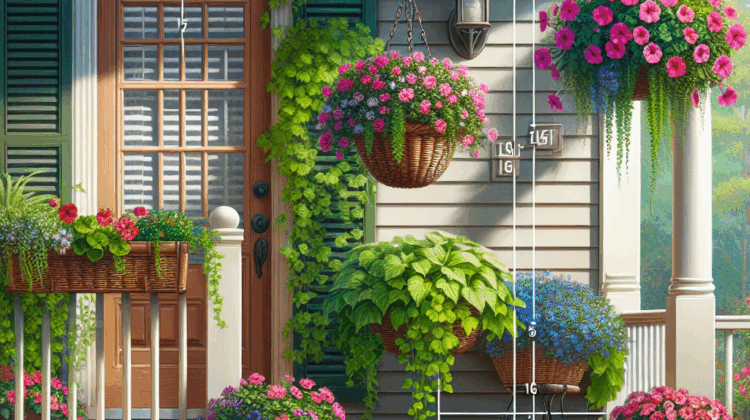
Your porch hanging baskets should complement your home’s architecture, not compete with it. Traditional homes look great with classic wire baskets and coconut fiber liners. Modern houses pair well with sleek metal or contemporary plastic designs.
Consider your existing porch decorating ideas too. Match basket colors to your shutters, door trim, or outdoor furniture. This creates a cohesive look that boosts your home’s curb appeal instantly.
Good Tip!
Take a photo of your porch and bring it when shopping for baskets. This helps you visualize how different styles will look in your space.
Best Porch Hanging Basket Sizes by Porch Type
Small porches (under 8 feet wide) work best with 10-12 inch baskets. Medium porches (8-12 feet) can handle 12-14 inch containers. Large porches (12+ feet) look great with 14-16 inch baskets or multiple smaller ones grouped together.
For expert guidance on selecting the perfect plants for your chosen baskets, check out these hanging basket tips for choosing the best blooms for your outdoor space.
Top Plant Varieties for Porch Hanging Baskets Success
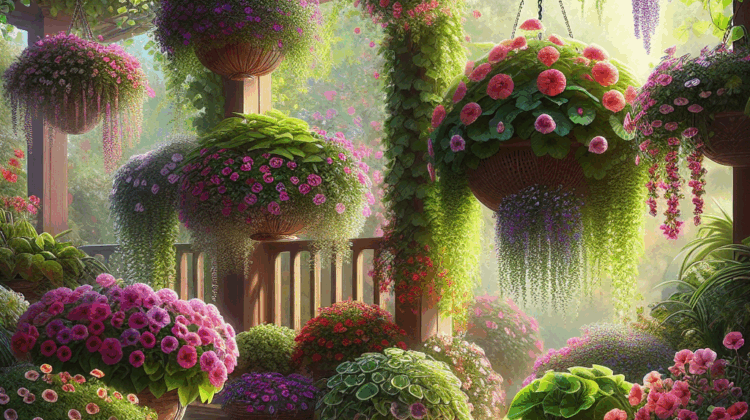
Choosing the right plants makes or breaks your porch hanging basket display. The key is matching your plant selection to your porch’s specific light conditions and design goals.
Sun-Loving Champions for Bright Porches
If your porch gets six or more hours of direct sunlight daily, you’re in luck. Petunias are absolute workhorses that bloom nonstop from spring until frost. Their trumpet-shaped flowers come in every color imaginable, from soft pastels to bold purples and reds.
Geraniums bring classic charm with their sturdy stems and cheerful clusters of blooms. They handle heat better than most flowers and actually prefer slightly dry conditions between waterings. Calibrachoa, often called “million bells,” creates clouds of tiny petunia-like flowers that cascade beautifully over basket edges.
Good Tip!
Plant sun-loving varieties in the morning when it’s cooler. Their roots establish better before facing the afternoon heat stress.
Shade Stars for Covered Porches
Shady porches need different heroes. Begonias shine in partial to full shade with their waxy leaves and delicate flowers. Wax begonias stay compact, while tuberous varieties create dramatic displays with dinner-plate-sized blooms.
Impatiens are shade garden classics that bloom continuously in low-light conditions. New Guinea impatiens handle more sun than traditional varieties and offer stunning foliage patterns. Fuchsias bring exotic appeal with their dangling, two-toned flowers that hummingbirds adore.
Creating Dramatic Cascades
The secret to professional-looking outdoor hanging flower baskets lies in trailing plants. Bacopa produces tiny white or purple flowers on graceful trailing stems. Ivy geraniums combine the reliability of regular geraniums with a cascading growth habit perfect for basket edges.
Sweet potato vine isn’t just for vegetable gardens. Its heart-shaped leaves in chartreuse, purple, or bronze create stunning foliage displays that complement any flowering plants. These top hanging basket plants work beautifully alone or mixed with other varieties.
Good Tip!
Mix fast-growing annuals with slower perennials. The annuals provide instant impact while perennials establish for next season’s display.
Smart Seasonal Combinations
The most successful seasonal hanging baskets combine annuals and perennials strategically. Start with perennial structure plants like small hostas or heuchera, then fill in with colorful annuals that change with the seasons. This approach gives you continuous color from spring through fall while building a foundation that returns each year.
Essential Planting Tips for Healthy Porch Hanging Baskets
Getting your porch hanging baskets off to the right start makes all the difference between a thriving display and a disappointing mess. Let’s walk through the key steps that will set you up for success from day one.
Choose the Right Soil Mix
Skip the garden soil completely. Your back will thank you, and so will your plants. High-quality potting mix designed for containers weighs about 30% less than regular garden soil. This lighter weight puts less stress on your porch structure and hanging hardware.
Look for potting mixes that contain perlite or vermiculite. These ingredients improve drainage while keeping the soil from getting too heavy when wet. Many gardeners make the mistake of using whatever soil they have on hand, but container plants need that extra drainage and aeration that only good potting mix provides.
Set Up Proper Drainage
Nothing kills hanging basket plants faster than waterlogged roots. Check that your baskets have multiple drainage holes in the bottom. If you’re using solid containers, drill additional holes yourself – aim for at least six holes in a 14-inch basket.
Coconut fiber liners work great for wire baskets and add a natural look that complements most porch styles. These liners allow excess water to drain while keeping soil in place. Before adding soil, place a coffee filter or piece of landscape fabric in the bottom to prevent soil from washing out through the holes.
Good Tip!
Add a layer of lightweight stones or broken pottery pieces at the bottom of solid containers before adding potting mix. This creates extra drainage space and prevents soil from blocking drainage holes.
Master the Thriller, Filler, Spiller Formula
This design trick creates professional-looking arrangements every time. Start with one “thriller” plant in the center – something tall and eye-catching like a spike plant or upright geranium. Add “filler” plants around it – these are your main color sources like petunias or begonias. Finish with “spiller” plants around the edges that cascade down – think trailing petunias or sweet potato vine.
Space plants closer together than you would in garden beds. In a 14-inch basket, you can fit 5-7 plants total. This might seem crowded, but container plants need that density to create the full, lush look you want.
Get the Initial Care Right
Water your newly planted basket thoroughly until water runs out the drainage holes. This settles the soil and eliminates air pockets around roots. Don’t just sprinkle the surface – you want that water to reach every root.
Apply slow-release fertilizer granules right after planting. These pellets feed your plants gradually over 3-4 months, which saves you from weekly liquid feeding. Sprinkle the granules on top of the soil according to package directions, then water them in.
For more detailed guidance on creating successful hanging basket displays, Iowa State University Extension offers excellent research-based tips.
Quick Plant Spacing Guide
Here’s how to space plants in different basket sizes:
- 10-12 inch baskets: 3-4 plants total
- 14-16 inch baskets: 5-7 plants total
- 18+ inch baskets: 7-9 plants total
Remember, your outdoor hanging flower baskets will fill in quickly once plants start growing. It’s better to start with fewer plants than to overcrowd them from the beginning.
Watering and Maintenance Secrets for Thriving Porch Hanging Baskets
Let’s face it – keeping porch hanging baskets looking amazing all season long isn’t just about picking pretty plants. The real magic happens with smart watering and consistent care. Here’s how to keep your outdoor hanging flower baskets thriving from spring through fall.
Daily Watering: Your Summer Survival Guide
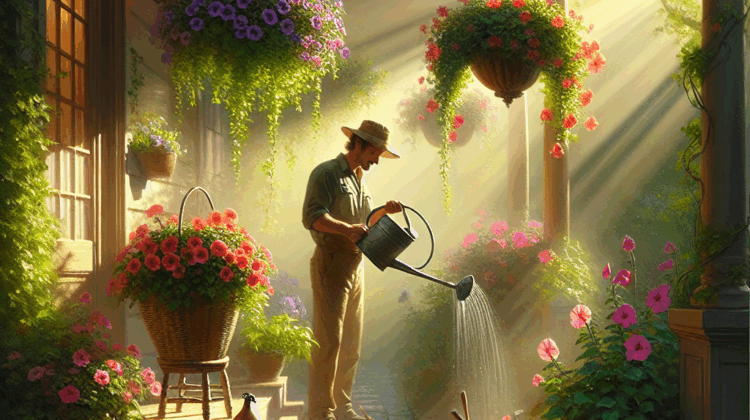
Most porch hanging baskets need daily water during peak summer months. Hot weather and wind dry out containers fast. Your beautiful petunias can go from gorgeous to wilted in just one day without enough moisture.
Start checking your baskets every morning. If temperatures hit 80°F or higher, plan to water daily. Some days you might even need to water twice – morning and early evening. Container plants dry out much faster than garden beds because they have limited soil to hold moisture.
Good Tip!
Water your porch hanging baskets in the early morning (6-8 AM) to reduce evaporation and give plants time to absorb moisture before the day heats up.
Smart Moisture Testing Prevents Plant Problems
Don’t guess about watering. Stick your finger 2 inches down into the soil before adding water. This simple test prevents the number one killer of hanging basket plants – overwatering damage.
Wet soil feels cool and sticks to your finger. Dry soil feels warm and crumbly. If the top inch is dry but you feel moisture below, wait another day. Root rot from too much water kills plants faster than drought stress.
For deeper baskets, use a wooden skewer or pencil to check moisture levels. Push it down 3-4 inches, then pull it out. Damp soil will stick to the wood.
Feeding Schedule for Continuous Blooms
Apply liquid fertilizer every 2-3 weeks to keep your hanging basket plants blooming all season. Container plants need more frequent feeding than garden plants because nutrients wash out with regular watering.
Choose a balanced liquid fertilizer (like 10-10-10) or one designed for flowering plants. Mix it at half strength and apply every two weeks during peak growing season. This gentle approach prevents fertilizer burn while keeping plants healthy.
Good Tip!
Add liquid fertilizer to your watering can once a week at quarter strength instead of full strength every two weeks – your plants will get steady nutrition without risk of burning.
Weekly Deadheading Keeps Flowers Coming
Remove spent flowers every week to encourage new growth and extend your blooming period. This simple task can double your flower production and keep baskets looking fresh all season.
Pinch off faded blooms right above the next set of leaves or buds. For plants like petunias, you can shear back leggy growth by one-third in mid-summer. They’ll bounce back with fresh growth and more flowers.
Don’t forget to remove any yellowing or damaged leaves while you’re deadheading. This prevents disease and keeps your seasonal hanging baskets looking their best.
Timing Your Care Routine
Create a simple weekly schedule for hanging baskets tips. Monday mornings work great for deadheading and feeding. Check moisture levels daily, but do your major maintenance once a week.
During extreme heat waves (over 90°F), your porch container gardening routine might need daily attention. Move baskets to shadier spots during the hottest part of the day if possible.
With these simple maintenance secrets, your porch hanging baskets will stay healthy and beautiful all season long. Consistent care makes all the difference between baskets that thrive and ones that just survive.
Common Porch Hanging Basket Problems and Solutions
Even the most beautiful porch hanging baskets can face challenges. Don’t worry – most problems have simple fixes that’ll get your outdoor hanging flower baskets looking gorgeous again.
Wilting happens fast, but the cause isn’t always obvious. Your plants might droop from underwatering, especially during hot summer days when baskets dry out quickly. But overwatering causes wilting too – soggy roots can’t absorb nutrients properly. Check if your plants have outgrown their containers. Root-bound hanging basket plants struggle to take up water even when soil feels moist.
Heat stress hits porch container gardening hard. When temperatures climb above 90°F, even heat-tolerant plants start to suffer. Morning sun locations work better than afternoon spots that bake all day.
Good Tip!
Stick your finger 2 inches into the soil before watering. If it feels dry, water deeply until water drains from the bottom.
Pests love the cozy environment of hanging baskets. Aphids cluster on new growth and flower buds, sucking plant juices and leaving sticky honeydew behind. Spider mites create fine webbing and cause leaves to look dusty or stippled.
Fight these problems naturally. Spray aphids off with a strong stream of water, then apply insecticidal soap every few days. For spider mites, increase humidity around your baskets and use neem oil spray in the evening. Regular inspection catches problems early – check under leaves where pests like to hide.
Fungal diseases sneak up when conditions stay too humid. Poor air circulation around crowded seasonal hanging baskets creates perfect conditions for powdery mildew and root rot. Overhead watering that wets leaves makes problems worse.
Space your baskets at least 18 inches apart for good airflow. Water at soil level instead of from above. Remove any yellowing or spotted leaves immediately to prevent disease spread. Avoid common hanging basket mistakes that lead to fungal issues.
Good Tip!
Move baskets to a shadier spot during heat waves above 90°F, or create temporary shade with an umbrella or cloth.
Extreme weather tests even the toughest porch hanging baskets. Strong winds can dry out plants quickly and damage delicate flowers. Heavy rain overwhelms drainage and can snap hanging chains.
Protect your investment during storms. Move lightweight baskets to sheltered areas or lower them to the ground. For permanent installations, choose sturdy chains and hooks rated for wind loads. Consider wind-resistant plants like petunias and bacopa for exposed locations.
Quick Problem-Solving Checklist
When your baskets look stressed, run through this list:
- Check soil moisture 2 inches down
- Look for pests under leaves and on stems
- Ensure adequate spacing between baskets
- Move baskets during temperature extremes
- Remove diseased plant material immediately
Most porch hanging basket problems resolve quickly with prompt attention. The key is catching issues early before they become serious.
Creative Porch Hanging Basket Display Ideas and Arrangements
Creating a stunning porch display with hanging baskets goes beyond just picking pretty flowers. The secret lies in smart arrangement strategies that turn your front porch into a showstopper.
Height variation creates the most dramatic visual impact. Hang your baskets at three different levels to add depth and dimension to your porch space. Place the tallest basket about 7-8 feet high, a medium one at 5-6 feet, and a lower basket at 3-4 feet. This staggered approach draws the eye upward and makes your porch feel larger. You can achieve different heights using ceiling hooks, wall brackets, and shepherd’s hooks placed at various distances from your porch edge.
Good Tip!
Use a measuring tape to mark your hanging points before installing hooks. This ensures your baskets hang at perfect intervals and creates a professional, planned look.
Smart grouping strategies make your display look professionally designed. Always use odd numbers when arranging your porch hanging baskets. Three baskets create a balanced triangle, while five baskets allow for more complex arrangements. Avoid even numbers like two or four baskets, which can look awkward and unbalanced. Space your baskets so they don’t bump into each other when swaying in the breeze – about 3-4 feet apart works perfectly.
Seasonal transitions keep your porch looking fresh year-round. Plan three distinct displays that flow naturally together. Start spring with cool-weather favorites like pansies and primrose in soft pastels. Summer calls for heat-loving petunias, calibrachoa, and trailing bacopa in vibrant colors. Fall brings opportunities for mums, ornamental kale, and trailing ivy in rich oranges and burgundies. This hanging basket inspiration shows how different seasonal combinations can transform the same porch space.
Maximizing Small Porch Spaces with Hanging Baskets
Small porches need special consideration to avoid looking cluttered. Stick to one large basket or two medium ones maximum. Choose trailing plants like sweet potato vine or bacopa that cascade downward without taking up floor space. Mount baskets in corners or along the sides rather than directly in front of your door.
Good Tip!
Start cuttings from your summer baskets in late August. Root them in water, then pot them up for indoor plants. You’ll save money and have free plants for next year’s outdoor displays.
Budget-friendly options don’t mean sacrificing style. Make your own hanging baskets using coconut fiber liners and wire frames from the hardware store. Propagate your own plants by taking cuttings from existing flowers or trading with neighbors. Buy smaller plants in spring rather than full-grown ones – they’ll fill out quickly and cost half the price. Consider mixing in some herbs like trailing thyme or oregano, which serve double duty as both decoration and kitchen ingredients.
Conclusion
Your porch hanging baskets can become the highlight of your home’s exterior with proper planning and care. Choose containers that match your space, select plants suited to your light conditions, and maintain consistent watering schedules. Start by measuring your porch and assessing light conditions, then visit your garden center to create your first stunning display.
Frequently Asked Questions
How often do I really need to water my hanging baskets?
During peak summer months, most hanging baskets need water daily, sometimes even twice a day if temperatures exceed 85°F. The best way to check is to stick your finger 2 inches into the soil – if it feels dry, it’s time to water. Water early in the morning for best results.
What’s the easiest way to tell if my basket is too heavy for my porch?
A good rule of thumb is that a fully saturated 14-inch hanging basket shouldn’t weigh more than 20-25 pounds. If you can’t easily lift the basket with one hand, it’s likely too heavy for standard porch hooks. Consider installing reinforced hanging hardware or choosing a smaller container size.
My hanging baskets look great in spring but get leggy by mid-summer. What am I doing wrong?
Leggy growth usually means your plants need more frequent pruning and feeding. Try cutting back trailing stems by one-third in mid-summer and fertilizing every 2-3 weeks with a balanced liquid fertilizer. Regular deadheading of spent blooms will also encourage bushier growth.
Can I reuse my hanging baskets and soil from last year?
While you can reuse the containers after a thorough cleaning, it’s best to start with fresh potting mix each spring. Old soil loses its structure and nutrients over time. Clean your baskets with a 10% bleach solution, rinse thoroughly, and fill with new potting mix for best results.
What’s the best way to protect hanging baskets during storms?
When severe weather is forecasted, temporarily move baskets to a protected area or lower them to the ground. For everyday wind protection, install swivel hooks that allow baskets to rotate naturally, and choose wind-resistant plants like petunias or geraniums for exposed locations.
Sources
-
National Gardening Association, Container Gardening Survey Result
-
USDA Cooperative Extension Service, Container Plant Care Guidelines
-
American Horticultural Society, Annual Plant Performance Studies
-
University of Illinois Extension, Hanging Basket Plant Selection Guide
-
Cornell Cooperative Extension, Container Garden Maintenance
-
Penn State Extension, Flowering Annual Care and Maintenance