
Page Contents
Complete Guide to Essential Indoor Gardening Supplies
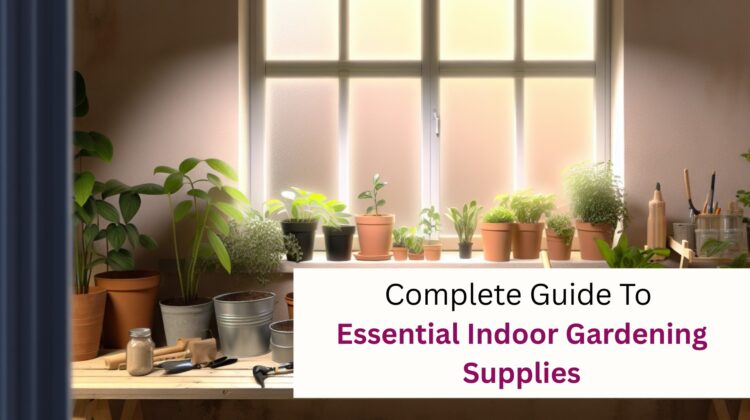
The most essential indoor gardening supplies include quality potting mix, containers with drainage, basic tools, and grow lights – these four categories form the foundation for successful houseplant care.
Transform your living space into a green sanctuary with the right indoor gardening supplies – the secret weapon that separates thriving plant parents from those watching their leafy friends struggle.
Many new plant enthusiasts dive headfirst into indoor gardening only to watch their plants fail, not realizing that success depends heavily on having the proper tools, containers, soil, and accessories.
This comprehensive guide reveals the essential indoor gardening supplies every plant parent needs, from beginner basics to advanced accessories, helping you create the perfect growing environment for any houseplant while avoiding costly mistakes.
Essential Indoor Gardening Supplies Every Plant Parent Needs
Core Supply Categories That Build Your Foundation
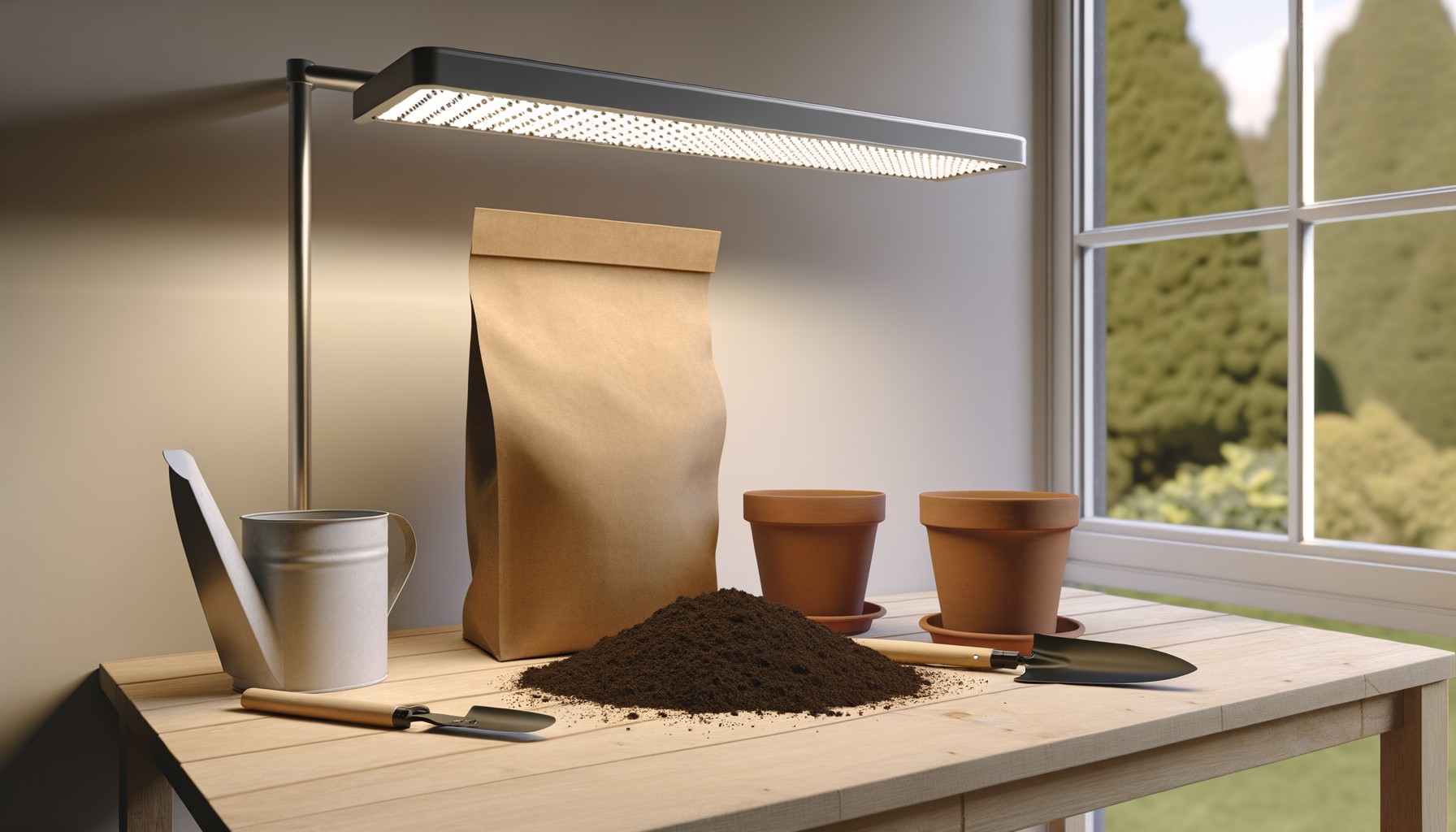
Every successful indoor garden starts with four key categories of supplies. First, you need quality containers with proper drainage. Second, invest in the right potting mix for your plant types. Third, get basic hand tools for maintenance and repotting. Finally, ensure adequate lighting with grow lights or strategic placement near windows.
These categories work together like a support system. Your container holds everything in place. The soil feeds your plants. Tools help you care for them properly. And lighting gives them energy to grow. Skip any category, and you’ll likely face problems down the road.
Good Tip!
Start with one plant from each major category (succulent, tropical, flowering) to test your supply setup before expanding your collection.
Budget Starter Kits vs Premium Options
New plant parents often wonder whether to start cheap or invest upfront. Budget starter kits ($20-40) work well if you’re testing the waters. They typically include basic plastic pots, standard potting mix, and simple tools. These kits help you learn without major financial risk.
Premium options ($80-150) offer better long-term value. You get ceramic or terracotta pots, specialized soil blends, and quality tools that last years. The materials also support better plant health. If you’re serious about indoor gardening supplies, premium starter kits prevent costly replacements later.
How Proper Supplies Prevent Plant Deaths
Research shows that 78% of houseplant failures stem from preventable issues. Most problems trace back to inadequate supplies. Poor drainage kills more plants than any disease. Cheap potting mix lacks proper nutrients and structure. Dull pruning shears damage stems and invite infections.
Quality indoor plant containers with drainage holes prevent root rot. Good potting mix provides nutrition and proper water retention. Sharp, clean tools make precise cuts that heal quickly. These supplies create an environment where plants can actually thrive instead of just survive.
Investment Priorities for Smart Shopping
Buy these essentials first: containers with drainage, quality potting mix, and a basic watering can. These three items solve the most common plant problems immediately. Add grow lights next if your space lacks natural light. Finally, invest in hand tools like pruning shears and a soil scoop.
Items that can wait include decorative planters, fertilizer systems, and specialty tools. Focus your initial budget on functional houseplant care supplies rather than aesthetic upgrades. You can always upgrade containers and add accessories once your plants are established and thriving.
Containers and Planters: Choosing the Right Indoor Gardening Supplies for Plant Health
Why Proper Drainage Makes or Breaks Your Plants
Here’s a shocking truth: 90% of houseplant problems trace back to improper containers. Most plant deaths aren’t from neglect – they’re from well-meaning plant parents using containers without drainage holes. When water sits in the bottom of a pot, roots literally drown and rot within days.
Every container needs drainage holes. Period. If you fall in love with a decorative pot without holes, use it as a cover pot. Place your plant in a plastic nursery pot inside the pretty one. This simple trick prevents root rot while keeping your style intact.
Good Tip!
Test drainage by watering your plant thoroughly. Water should flow out the bottom within 30 seconds. If it doesn’t, your container needs more or larger drainage holes.
Container Materials: What Works Best for Your Plants
Choosing the right material affects how often you water and how healthy your roots stay. Terracotta pots are porous and breathe, making them perfect for plants that hate wet feet like succulents and snake plants. They dry out faster, so you’ll water more often.
Ceramic and glazed pots hold moisture longer. They work great for tropical plants that love consistent moisture. Plastic containers are lightweight and retain water well, but they don’t breathe. Self-watering options work wonderfully for busy plant parents or vacation care.
Getting the Size Right for Happy Growth
Size matters more than you think. A pot that’s too big holds excess water around small root systems, causing rot. Too small, and your plant becomes rootbound and stressed. Learn more about choosing the right pot size for different plant types.
Most plants need containers just 1-2 inches larger than their current pot when repotting. Fast growers like pothos can handle slightly bigger jumps. Slow growers like snake plants prefer minimal size increases.
Balancing Style with Function in Your Indoor Garden
You don’t have to sacrifice beauty for plant health. The secret is layering functional and decorative indoor plant containers. Use practical pots with drainage for plant health, then place them inside stylish cover pots or decorative planters.
This approach lets you change your decor without disturbing roots. Swap outer pots seasonally or match them to your room’s color scheme. Your plants stay healthy while your space looks magazine-worthy.
Soil and Growing Media: Foundation Indoor Gardening Supplies
Why Garden Soil Kills Houseplants
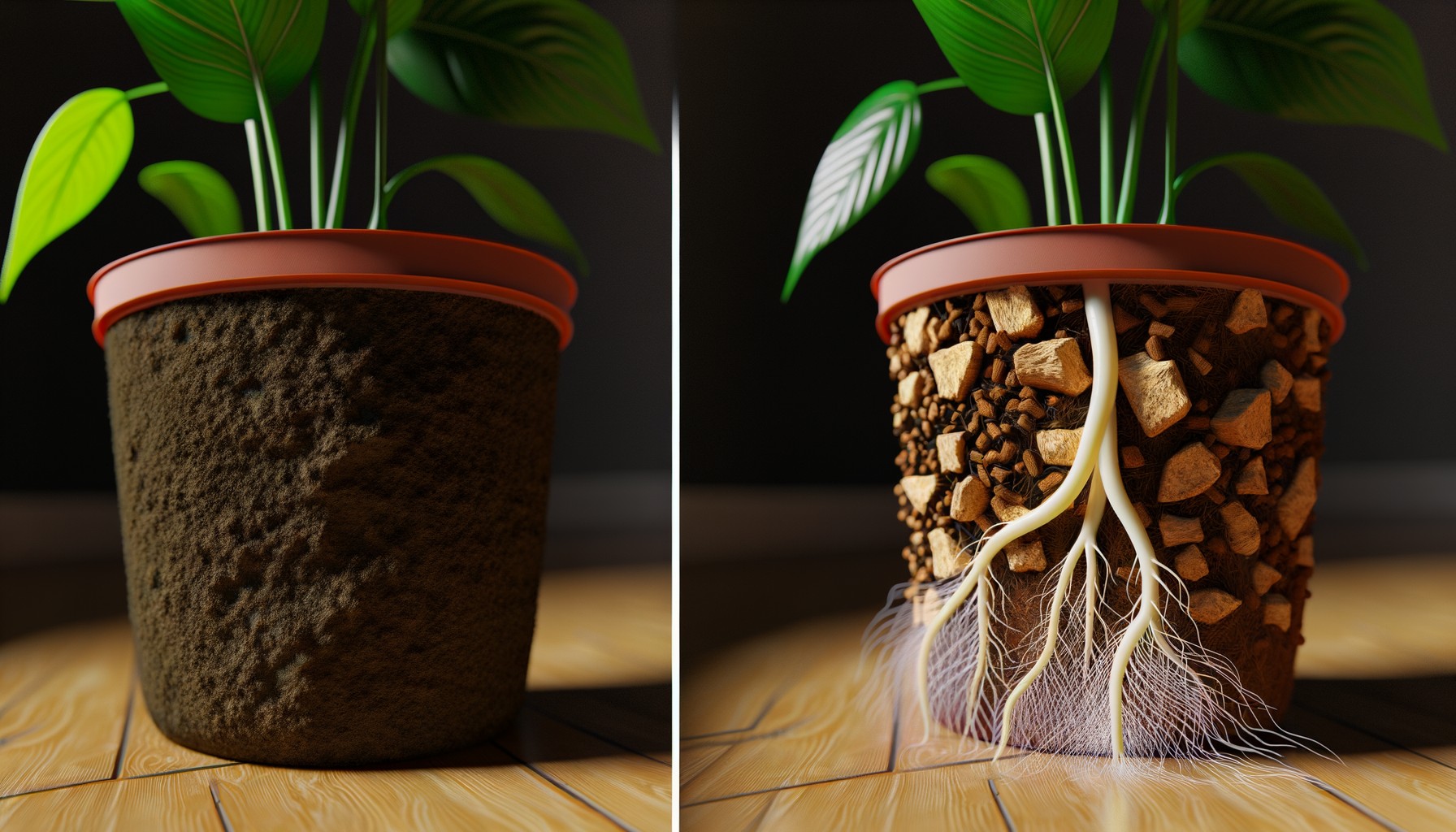
Your backyard soil might grow beautiful tomatoes, but it’s a death trap for houseplants. Garden soil compacts in containers, blocking air from reaching roots. It also holds too much water, creating soggy conditions that cause root rot. Quality potting mix solves these problems with lightweight ingredients like peat moss, vermiculite, and bark that drain well while holding just enough moisture. These garden soil and grow mediums are specifically designed for container growing.
Specialized Soil Blends for Different Plant Types
Not all plants need the same soil mix. Succulents thrive in fast-draining cactus mix with extra perlite and sand. Tropical houseplants like monstera prefer rich, moisture-retaining blends with organic matter. Orchids need chunky bark-based mixes that mimic their natural tree-growing environment. Using the wrong soil type is like feeding a fish the same food as a bird – it just doesn’t work.
Good Tip!
Mix your own succulent soil by combining regular potting mix with equal parts perlite and coarse sand – it costs half the price of pre-made blends.
Organic vs. Synthetic Fertilizers and Amendments
Organic fertilizers release nutrients slowly as they break down, feeding plants steadily for months. Synthetic fertilizers work faster but can burn roots if overused. Most quality indoor gardening supplies include slow-release fertilizer pellets mixed right in. For amendments, worm castings add gentle nutrition, while perlite improves drainage in heavy soils.
Storage and Shelf Life of Potting Mix
That bag of potting mix loses effectiveness over time. After two years, it loses about 40% of its drainage and nutrient properties. Store opened bags in sealed containers to prevent pest infestations and moisture loss. Keep them in cool, dry places away from direct sunlight. Fresh potting mix feels light and springy – old mix becomes dense and may smell sour.
Lighting Solutions: Critical Indoor Gardening Supplies for Plant Growth
Light is the engine that drives photosynthesis, yet it’s the most overlooked aspect of indoor gardening. Most houseplants struggle because they’re not getting enough quality light to thrive.
Understanding Light Requirements and Plant Health Impact
Poor lighting affects 65% of indoor plants, causing leggy growth, pale leaves, and eventual decline. Different plants need different light intensities. Low-light plants like pothos need 50-100 foot-candles, while high-light plants like fiddle leaf figs require 200+ foot-candles. Without proper lighting among your indoor gardening supplies, even the best soil and watering won’t save your plants.
Most homes provide only 10-20 foot-candles of natural light in winter. That’s nowhere near enough for healthy growth. Signs your plants need more light include stretching toward windows, dropping lower leaves, or refusing to flower.
LED vs. Fluorescent Grow Lights: Cost and Efficiency
LED grow lights cost more upfront but use 75% less energy than fluorescent options. A 30-watt LED replaces a 125-watt fluorescent bulb while lasting 10 times longer. For serious plant parents, LEDs pay for themselves within two years through energy savings.
Fluorescent lights work well for budget-conscious beginners. T5 fluorescent bulbs provide good light for seedlings and low-light houseplants. However, they generate more heat and need replacing every 12-18 months. Grow lighting mastery can help you choose the right system for your space.
Light Timers and Positioning Equipment
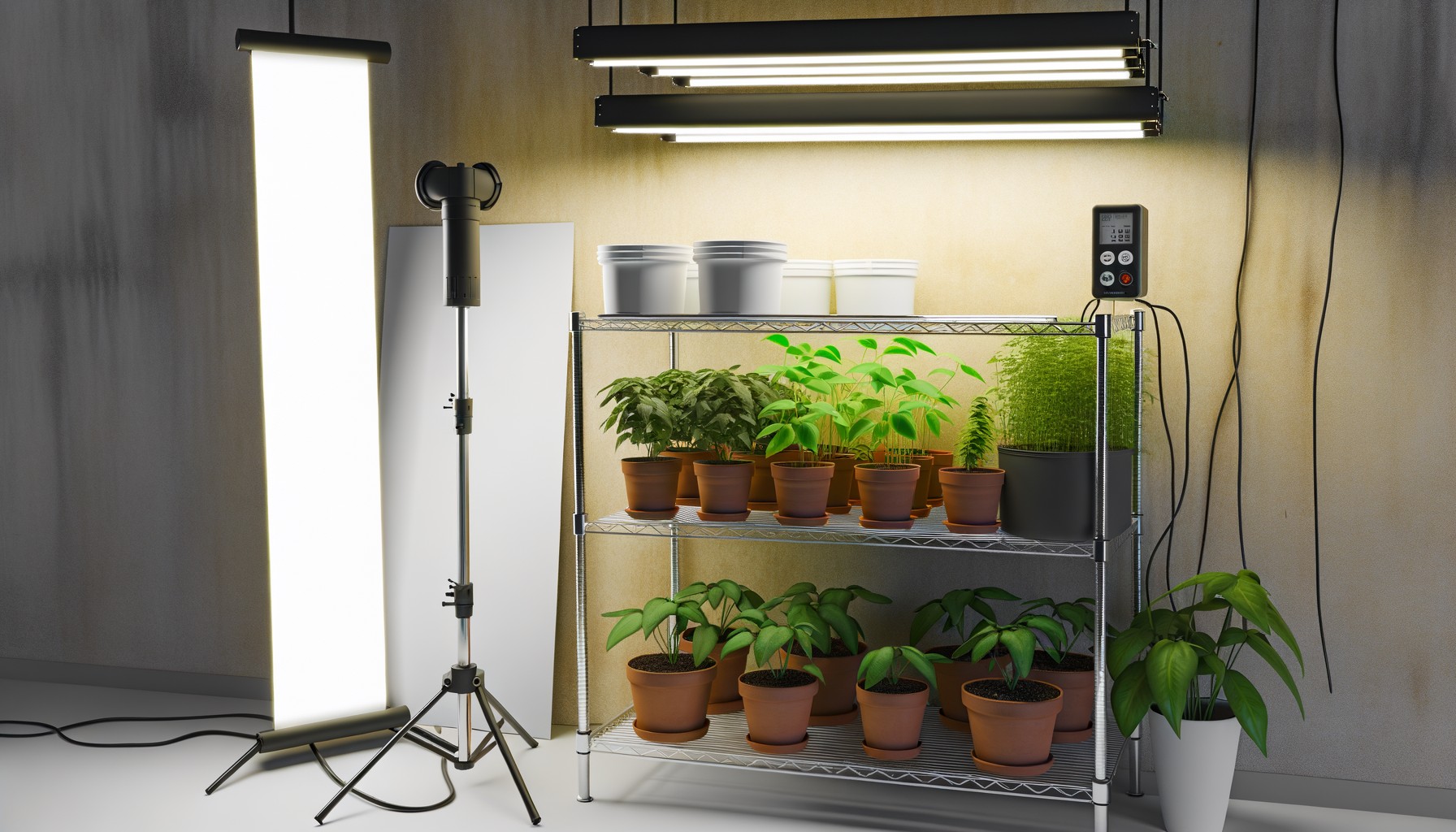
Consistency matters more than intensity. Plants need 12-16 hours of artificial light daily. Light timers automate this schedule, preventing the stress of irregular lighting. Position lights 6-12 inches above foliage for most houseplants.
Adjustable light stands let you raise fixtures as plants grow. This houseplant care equipment ensures optimal light distance throughout your plant’s development.
Natural Light Assessment and Window Gardens
A light meter helps you map your home’s brightest spots. South-facing windows provide the most light, followed by east and west exposures. North windows offer gentle, indirect light perfect for low-light plants.
Window shelves and plant stands maximize natural light exposure. Rotate plants weekly so all sides receive equal light.
Good Tip!
Place a white poster board behind your plants to reflect more natural light onto their leaves – this simple trick can increase light exposure by 30% without buying additional equipment!
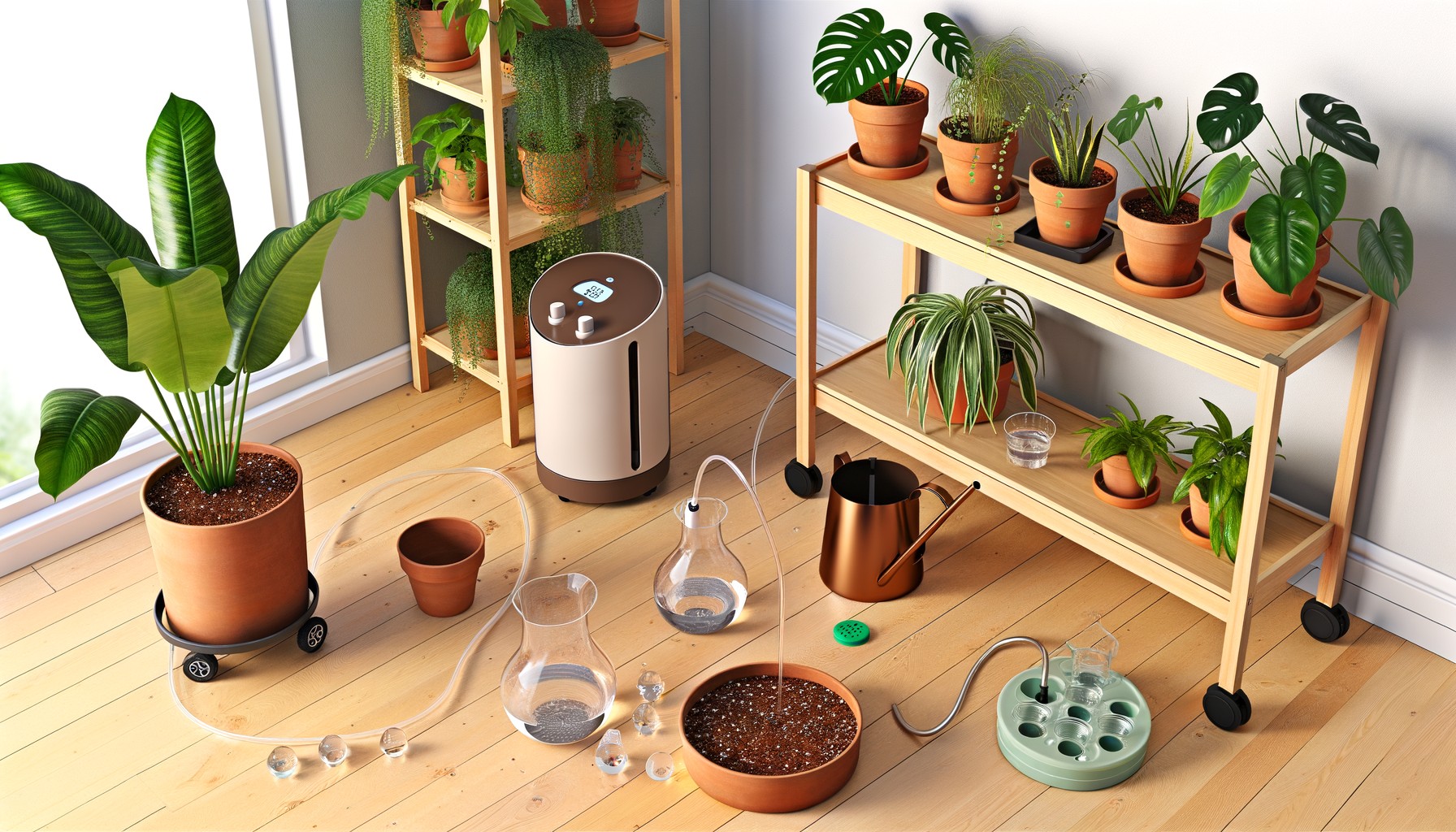
Watering and Humidity Indoor Gardening Supplies
Getting your watering game right can make or break your houseplant journey. These essential supplies help you master moisture control and create the perfect growing environment for your green friends.
Watering Tools That Prevent Overwatering
Overwatering kills more houseplants than any other mistake. The right watering tools help you deliver just the right amount of moisture every time. A long-spout watering can gives you precision control, letting you water soil directly without soaking leaves. Moisture meters take the guesswork out of when to water – simply stick the probe into soil and get an instant reading.
Self-watering stakes and globes work great for vacation care or forgetful plant parents. These clever devices release water slowly as soil dries out. For serious plant lovers, drip irrigation systems automate the entire process while preventing water waste.
Good Tip!
Water your plants in the morning so excess moisture evaporates during the day, reducing the risk of root rot and fungal problems.
Humidity Measurement and Control Equipment for Tropical Plants
Tropical houseplants crave humidity levels between 40-60%, but most homes sit around 30%. A digital hygrometer shows you exactly what humidity levels your plants are experiencing. Place one near your plant collection to monitor conditions throughout the day.
Humidifiers are game-changers for tropical plant care. Cool-mist ultrasonic models work best and won’t damage furniture. For budget-friendly options, pebble trays filled with water create localized humidity around individual plants. Group plants together to create natural humidity pockets too.
Drainage and Water Collection Systems
Protecting your furniture while ensuring proper drainage requires smart water management. Plant saucers catch excess water, but choose ones slightly larger than your pot’s base. Clear plastic saucers show water levels at a glance, while decorative ceramic options match your decor.
Waterproof plant mats protect surfaces from water damage and can be cut to fit any space. For heavy planters, wheeled plant caddies make moving easier while catching drips. Consider elevated plant stands that allow air circulation under pots – this prevents water from pooling and promotes healthy root systems.
Water Quality Testing and Filtration Options
Tap water often contains chlorine, fluoride, and minerals that can harm sensitive plants. Water testing strips reveal pH levels and chemical content in seconds. Most houseplants prefer slightly acidic water with a pH between 6.0-7.0.
Simple carbon filters remove chlorine and improve water quality for your plants. For the ultimate setup, reverse osmosis systems provide pure water that you can customize with plant-specific nutrients. Even letting tap water sit overnight allows chlorine to evaporate naturally – a free upgrade that makes a real difference for your indoor gardening supplies collection.
Maintenance Tools and Pest Control Indoor Gardening Supplies
Essential Hand Tools for Pruning, Repotting, and Plant Care
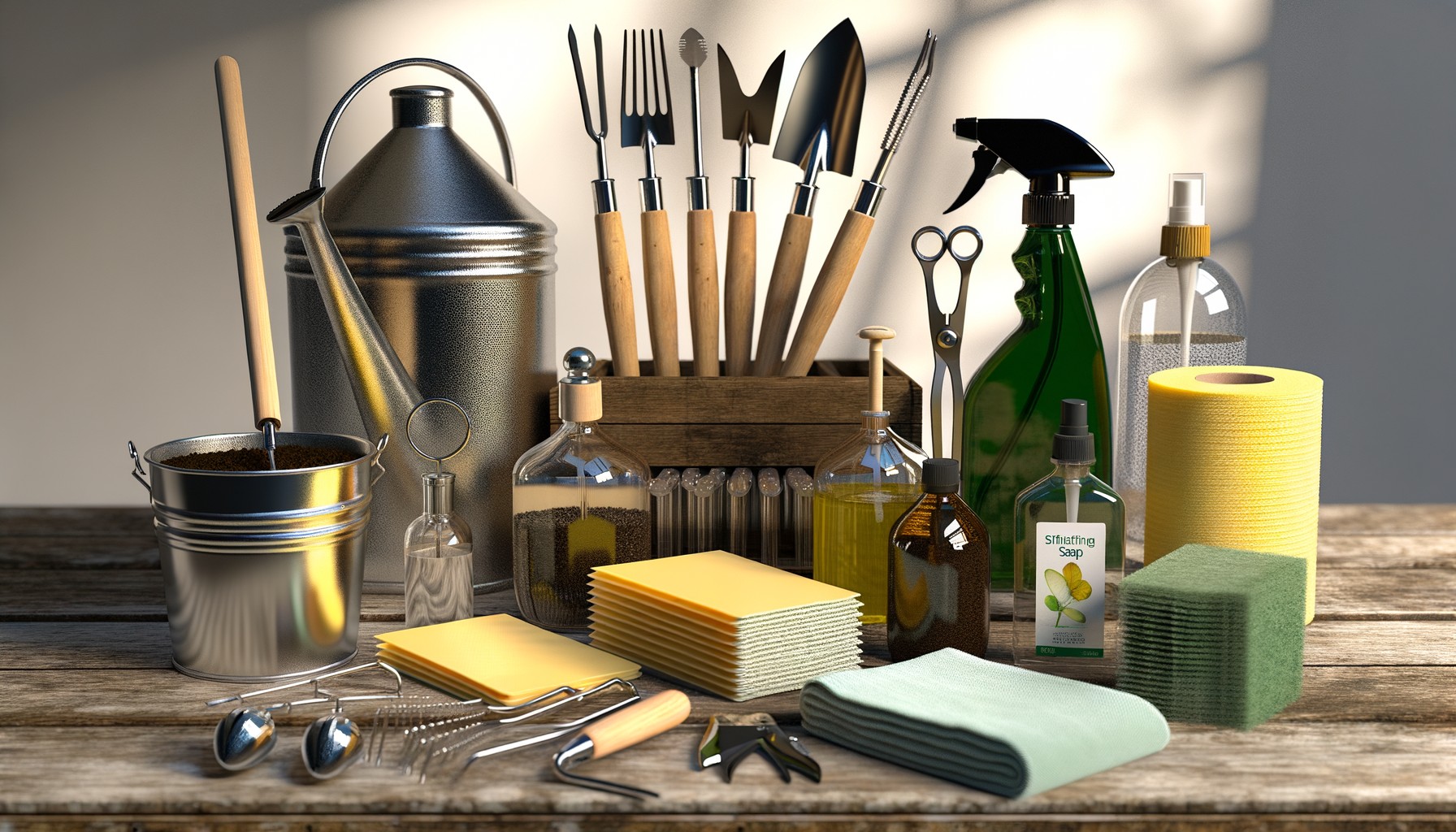
Your houseplant care supplies arsenal isn’t complete without quality hand tools. Sharp pruning shears are your best friend for removing dead leaves and encouraging healthy growth. Look for bypass pruners with stainless steel blades that stay sharp longer. A repotting kit should include a sturdy trowel, root rake, and soil scoop. These tools make transplanting less stressful for both you and your plants. Don’t forget a good watering can with a narrow spout for precise watering without splashing soil everywhere.
Organic Pest Control Supplies and Prevention Strategies
Nobody wants uninvited guests munching on their plants. Stock up on neem oil, insecticidal soap, and diatomaceous earth for safe, effective pest control. Yellow sticky traps catch flying pests before they become a bigger problem. For serious infestations, consider beneficial insects like ladybugs from reputable suppliers like Arbico Organics. Prevention beats treatment every time. Quarantine new plants for two weeks and inspect them regularly with a magnifying glass.
Good Tip!
Wipe down your tools with rubbing alcohol between plants to prevent spreading diseases or pests from one plant to another.
Cleaning and Sanitizing Equipment to Prevent Disease Spread
Clean tools save plants. Keep rubbing alcohol wipes handy for sanitizing shears between cuts. A soft brush helps remove dust from leaves, improving photosynthesis. Microfiber cloths work great for larger leaves like fiddle leaf figs. Replace old sponges regularly since they harbor bacteria. A spray bottle with diluted dish soap makes an excellent leaf cleaner that also deters soft-bodied pests.
Propagation Supplies for Expanding Your Collection
Plant propagation supplies turn one plant into many, saving serious money. Glass propagation tubes or mason jars work perfectly for water propagation. Rooting hormone powder speeds up the process for stem cuttings. Small pots, humidity domes, and seed-starting mix create the perfect environment for new growth. With basic propagation gear, you’ll never need to buy plants again.
Conclusion
Successful indoor gardening starts with having the right supplies, and this investment pays dividends in healthier plants and fewer frustrations. Focus on the fundamentals first: invest in good drainage, understand your lighting situation, and choose the right soil for your specific plants. Quality indoor gardening supplies are an investment in your plants’ health and your own satisfaction as a plant parent.
Frequently Asked Questions
How much should I expect to spend on basic indoor gardening supplies?
You can start with quality basics for about $50-75, which should cover a few containers with drainage, quality potting mix, basic hand tools, and perhaps a small grow light. Premium setups with specialized soils, ceramic pots, and advanced lighting systems can run $150-200, but remember that quality supplies prevent plant deaths and save money in the long run.
Do I really need special potting soil, or can I use dirt from my yard?
Garden soil is actually one of the quickest ways to kill houseplants when used indoors. Outdoor soil compacts in containers, lacks proper drainage, and often contains pathogens and pests that thrive in indoor conditions. Indoor potting mix is specifically formulated with ingredients like peat moss, perlite, and vermiculite that provide the right balance of moisture retention and drainage that houseplants need.
What’s the most common mistake new plant parents make with their supplies?
The number one mistake is using decorative pots without drainage holes. Even perfect watering can’t prevent root rot in containers that don’t allow excess water to escape. If you love a decorative pot without holes, use the “pot within a pot” method—keep your plant in a plastic nursery pot with drainage that sits inside your decorative container, and remove it for watering.
How do I know if my plants are getting enough light without buying expensive equipment?
Try the shadow test—hold your hand about 12 inches above your plant during the brightest part of the day. If you see a clear, defined shadow, your plant is likely getting bright light. A faint, fuzzy shadow indicates medium light, while barely visible or no shadow means low light conditions. Most houseplants need at least a medium-light shadow to thrive, and many flowering plants require a crisp, defined shadow.
How often should I replace my potting soil?
Most indoor plants benefit from fresh potting mix every 12-18 months, even if you’re keeping them in the same container. Over time, soil breaks down, compacts, and loses nutrients. When repotting, remove about 1/3 of the old soil from around the roots and replace it with fresh mix. Completely unused potting soil should be replaced after two years of storage, as it degrades and loses its beneficial properties.
What are the best budget-friendly alternatives to expensive grow lights?
For beginners, regular LED bulbs in the 5000-6500K “daylight” spectrum work surprisingly well for most houseplants. A simple clamp light fixture ($10-15) with a 9-12W LED bulb provides enough light for low to medium-light plants. Position it 12-18 inches above your plants for 12-14 hours daily. This setup costs under $25 and uses minimal electricity while providing better light than most north-facing windows.
Sources
- American Society for Horticultural Science, Container Gardening and Plant Health Study
- Indoor Plant Care Research Institute, Common Houseplant Failure Analysis
- National Gardening Association, Indoor Gardening Trends and Statistics Report
- Journal of Plant Nutrition, Potting Mix Composition and Longevity Study