
Page Contents
25+ Indoor Plant Room Ideas to Transform Your Space
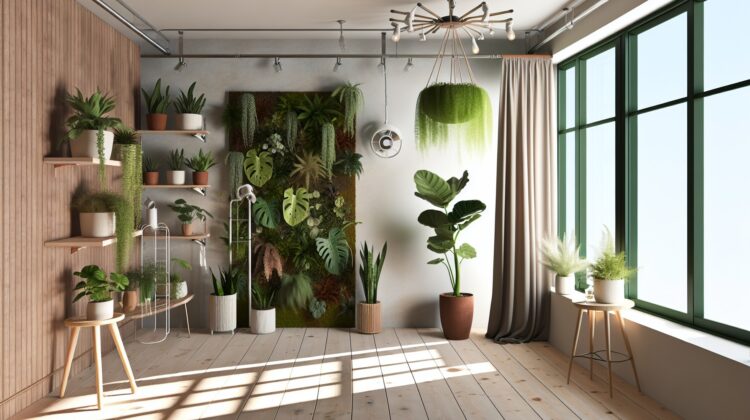
The best indoor plant room ideas combine strategic plant placement, proper lighting, complementary containers, and thoughtful furniture arrangement to create harmonious spaces where both plants and people thrive. Transform your space around you!
Transform any room in your home into a lush, Instagram-worthy botanical paradise with the right indoor plant room ideas that bring nature indoors while improving your mental health and air quality.
Many plant enthusiasts struggle to create cohesive, visually stunning plant rooms that balance aesthetics with proper plant care, often ending up with cluttered spaces or unhealthy plants due to poor planning and design choices.
This comprehensive guide provides 25+ actionable indoor plant room ideas, expert design principles, and practical house plants design ideas to help you create beautiful, thriving green spaces regardless of your experience level or room size.
Essential Planning for Your Indoor Plant Room Ideas
Room Assessment and Light Analysis
Before you start filling your space with gorgeous greenery, you need to become a light detective. Walk through your room at different times of day and notice where the sun hits hardest and where shadows linger. South-facing windows blast plants with intense light, perfect for succulents and cacti. North-facing windows offer gentle, indirect light that works great for pothos and snake plants.
Look for microclimates too—that corner near the heating vent stays warmer and drier, while the spot by your bathroom door gets extra humidity. Match your plants to these conditions instead of fighting them. Your fiddle leaf fig will thank you for that bright corner, while your peace lily thrives in that dimmer hallway spot.
Space Optimization Strategies
Smart indoor plant room ideas start with thinking vertically. Your walls and ceiling offer prime real estate that most people ignore. Install floating shelves at different heights to create a cascading plant display. Hang trailing plants like string of hearts from ceiling hooks to draw the eye upward.
Create distinct plant zones based on care needs—group your high-humidity lovers near each other so you can mist them together. Leave space between plant clusters for air to flow freely. Stagnant air leads to fungal problems and pest issues that can destroy your plant paradise. Position a small fan on low speed to keep air moving if your room feels stuffy.
Good Tip!
Use a smartphone light meter app to measure exact light levels in different spots. Most houseplants need 1000-2000 foot-candles for healthy growth.
Budget Planning and Timeline
Building an impressive plant collection doesn’t require emptying your wallet overnight. Start with affordable, fast-growing plants like pothos, spider plants, and rubber trees. These give you instant gratification and can be propagated to fill out your space for free.
Shop seasonal sales at garden centers—spring offers the best selection, while fall brings clearance prices. Join local plant swap groups on social media where enthusiasts trade cuttings and share plant care tips. Plan your room transformation in phases, focusing on one area at a time rather than overwhelming yourself with a complete makeover.
Safety Considerations
If you share your home with pets or small children, plant safety becomes crucial. Skip the gorgeous but toxic plants like monstera, philodendrons, and snake plants in favor of pet-safe options like spider plants, Boston ferns, and prayer plants. Create elevated displays using plant stands and hanging solutions to keep plants out of curious reach.
Research every plant before bringing it home—some common houseplants can cause serious harm if ingested. Keep activated charcoal on hand as a precaution, and post the poison control number somewhere visible. Your indoor garden should enhance your family’s well-being, not create hidden dangers.
Creative Indoor Plant Room Ideas by Space Type
Every room in your home offers unique opportunities to create stunning plant displays. The key is matching your plant choices to each space’s specific conditions and lifestyle needs.
Living Room Plant Sanctuaries
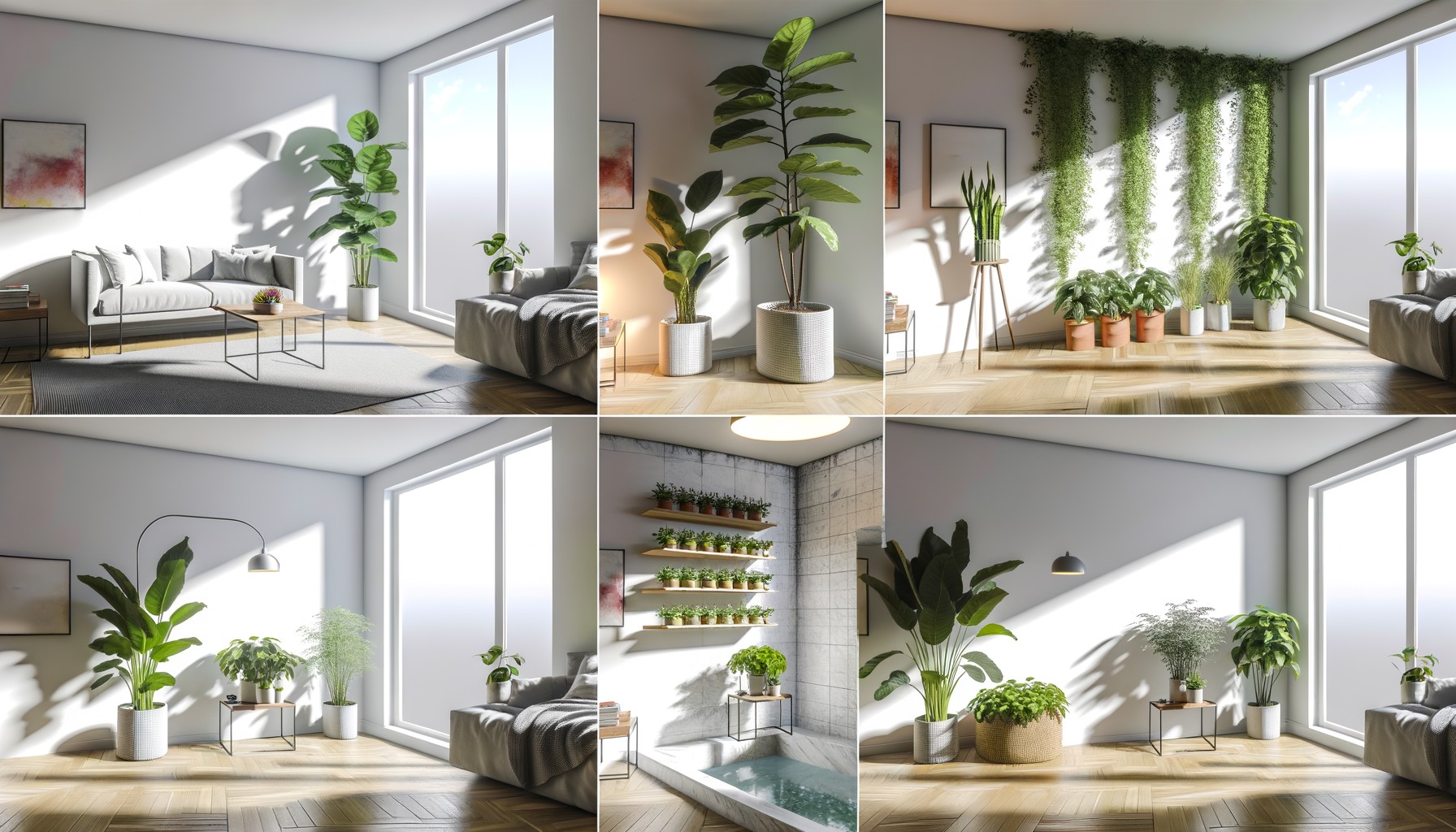
Transform your living room into a green oasis with large statement plants that command attention. A towering fiddle leaf fig or monstera deliciosa creates instant drama in empty corners. Place these showstoppers near windows where they’ll get bright, indirect light.
Integrate plants with your existing furniture by using plant stands that match your decor style. Cluster smaller plants on side tables, coffee tables, and floating shelves to create visual layers. Mix different plant heights and textures for a more dynamic look that feels intentional, not cluttered.
Good Tip!
Use plant saucers that match your furniture finish to protect surfaces while maintaining your room’s aesthetic.
Bedroom Plant Havens
Your bedroom should feel like a peaceful retreat, and the right plants can help you sleep better. Choose air-purifying plants like snake plants, peace lilies, or spider plants that work overtime while you rest. These hardy options also tolerate the lower light levels typical in bedrooms.
Create a calming atmosphere with soft, trailing plants like pothos or philodendrons on nightstands or hanging from the ceiling. Avoid flowering plants in bedrooms, as their fragrances can be too stimulating for quality sleep.
Kitchen Herb Gardens and Plant Displays
Make your kitchen both beautiful and functional with edible plants. Growing herbs like basil, mint, and rosemary on windowsills gives you fresh ingredients while adding greenery. These plants love the humidity from cooking and dishwashing.
Maximize limited counter space with tiered herb stands or magnetic planters on your refrigerator. Decorating with plants in kitchens requires choosing varieties that can handle temperature fluctuations and occasional cooking steam.
Bathroom Jungle Concepts
Turn your bathroom into a tropical paradise with humidity-loving plants. Ferns, orchids, and air plants thrive in steamy bathroom conditions. These indoor plant room ideas work especially well in bathrooms with windows or good ventilation.
Create shower-friendly arrangements by placing plants on bathroom shelves or hanging them from the ceiling where they’ll benefit from steam without getting directly wet. Use the unique lighting conditions in bathrooms to your advantage – many plants that struggle in other rooms will flourish here.
Maximizing Small Spaces with Vertical Indoor Plant Room Ideas
Small spaces don’t mean you have to sacrifice your plant dreams. Going vertical transforms cramped quarters into lush green sanctuaries that pack maximum impact into minimal square footage. These smart strategies help you create stunning indoor plant room ideas that work up, not out.
Wall-Mounted Planters and Living Walls
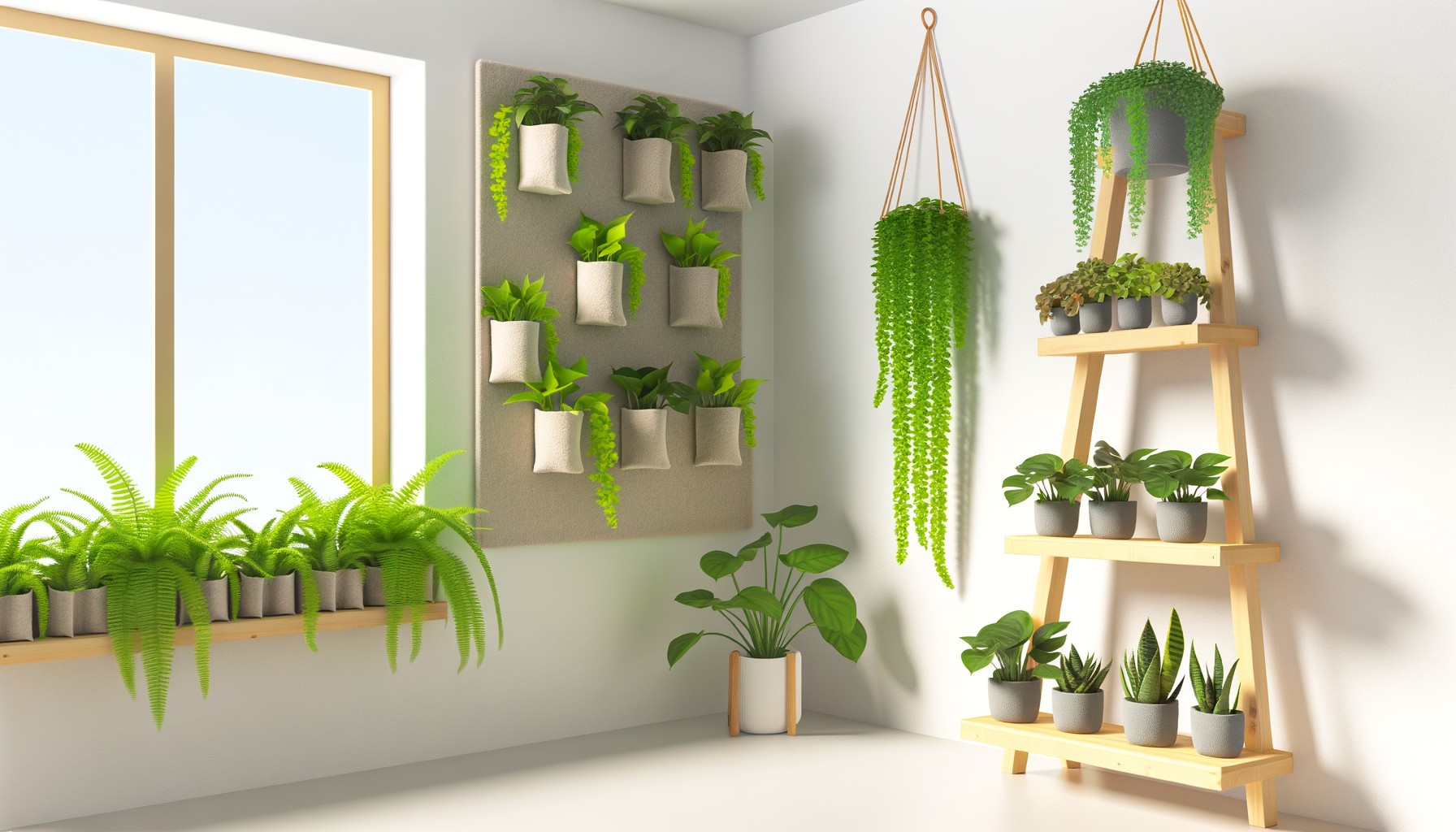
Wall-mounted systems turn blank walls into breathtaking focal points. Start with modular pocket planters or install a simple grid system using wall cleats. Choose lightweight materials like felt pockets or cedar planks to avoid overloading your walls.
Plant selection matters most for vertical success. Pothos, philodendrons, and ferns thrive in wall-mounted setups because they handle the slightly drier conditions well. Avoid heavy, water-loving plants that create drainage nightmares. Install your system at eye level for easy watering access—trust me, you don’t want to climb a ladder every week with a watering can.
Hanging Plant Arrangements
Ceiling-hung plants create magical floating gardens that draw the eye upward. Macrame hangers add bohemian charm, while sleek metal hangers suit modern spaces. Space plants at different heights to create natural layers—think of it as a green chandelier effect.
Before you hang anything, check your ceiling’s weight capacity. Use proper ceiling anchors rated for at least three times your planter’s weight when wet. Group odd numbers of plants together (three or five works best) and vary the heights by 8-12 inches for the most pleasing visual flow.
Good Tip!
Use S-hooks on your hanging planters to easily adjust heights as plants grow or to swap out seasonal displays without reinstalling hardware.
Tiered Plant Stands and Shelving
Multi-level displays maximize your floor space while creating dramatic height variation. Ladder-style plant stands work perfectly in corners, while rolling carts let you move your entire display for cleaning or seasonal rearrangement.
Build your display from tallest in back to shortest in front, just like a choir arrangement. This ensures every plant gets adequate light exposure. Corner tower arrangements work especially well for indoor vertical gardening ideas because they use often-wasted corner space efficiently. Mix plant sizes and textures on each level to avoid a monotonous look.
Window Ledge Optimization
Window ledges offer prime real estate for compact plant varieties. Maximize this natural light goldmine by rotating plants seasonally—move sun-lovers to south-facing windows in winter and shade-tolerant plants there in summer’s harsh heat.
Choose compact varieties like small succulents, air plants, or trailing plants that won’t block your view. Use matching saucers to protect your sills and create visual cohesion. Consider installing a narrow shelf just below your window to double your display space without sacrificing natural light.
These vertical indoor plant room ideas prove that limited space doesn’t limit your green thumb potential. Start with one technique and gradually layer in others as your confidence grows.
House Plants Design Ideas for Modern Aesthetics
Your home’s aesthetic doesn’t have to clash with your love for greenery. Today’s modern design styles embrace plants as essential decor elements, creating spaces that feel both sophisticated and alive.
Minimalist Plant Styling
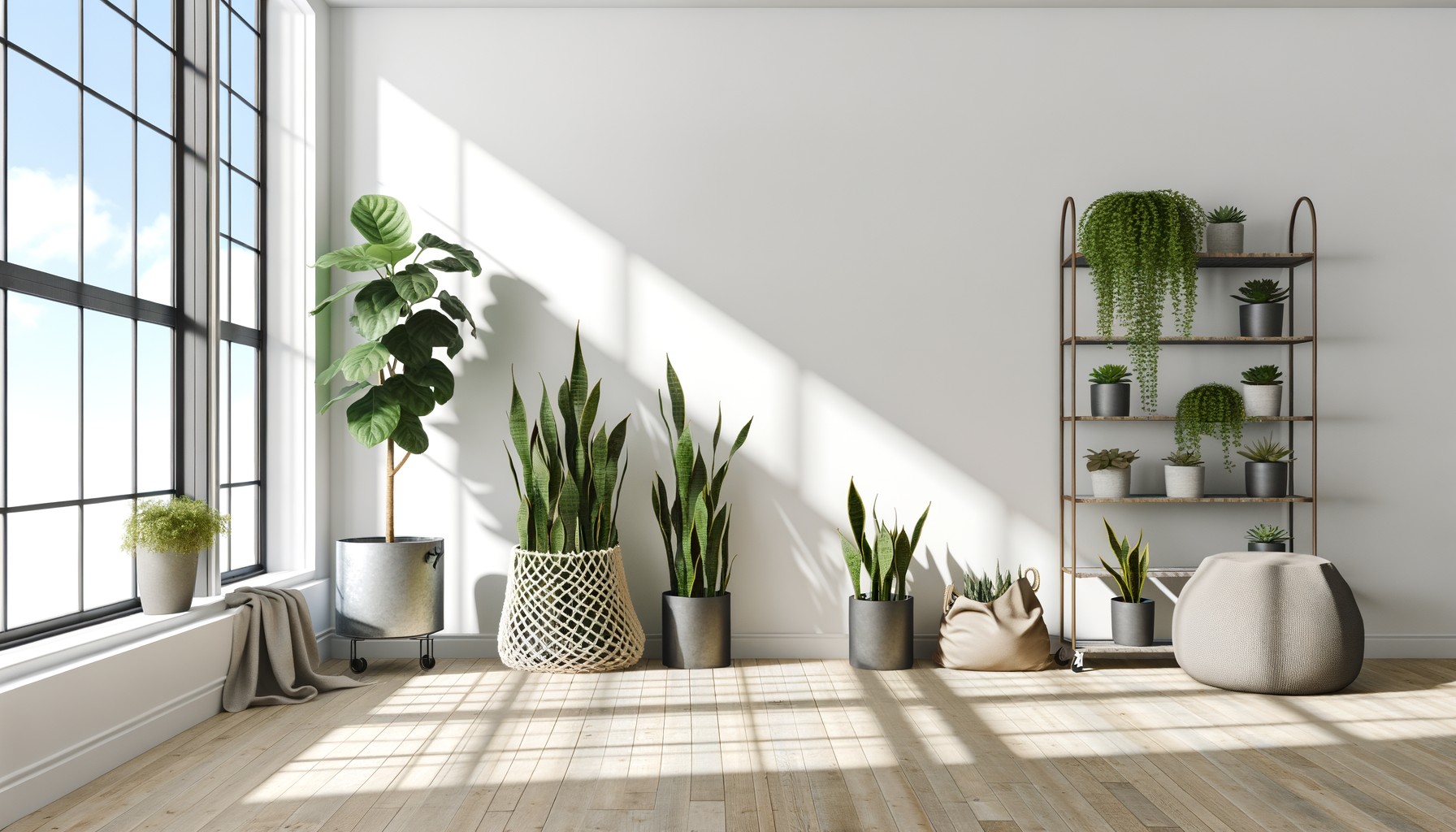
Less is more when it comes to minimalist plant displays. Focus on a few statement plants in sleek, monochromatic planters that complement your existing color scheme. White ceramic pots, black metal containers, or concrete planters work beautifully with this approach.
Position your plants strategically to create breathing room around each one. A single fiddle leaf fig in a corner or three snake plants arranged at different heights can transform a space without overwhelming it. The key is embracing negative space – let your plants shine as sculptural elements rather than filling every available surface.
Bohemian Jungle Vibes
Create your own indoor jungle by layering plants of different heights, textures, and leaf shapes. Mix hanging pothos with floor-standing monstera and tabletop succulents to build visual depth. Combine natural materials like woven baskets, macrame hangers, and wooden plant stands for that authentic boho feel.
Don’t be afraid to crowd plants together – this style thrives on abundance. Group plants with similar care needs, like humidity-loving ferns and tropical varieties, to create lush corners that feel like miniature rainforests.
Good Tip!
Use odd-numbered groupings (3 or 5 plants) to create more natural, visually appealing arrangements that feel less formal.
Industrial Plant Displays
Pair your plants with raw materials like exposed metal shelving, galvanized steel planters, and weathered wood stands. This style works perfectly in lofts or modern homes with concrete walls and high ceilings. Choose plants with architectural qualities – think tall snake plants, dramatic bird of paradise, or spiky aloe varieties.
Industrial-style plant displays shine when you incorporate functional elements like rolling plant carts or adjustable grow light fixtures that double as design features.
Scandinavian-Inspired Plant Rooms
Natural materials and neutral colors define this clean, functional approach to indoor plant room ideas. Light wood plant stands, white and beige ceramic pots, and simple geometric shapes create calm, organized spaces. Focus on plants with clean lines like rubber trees, peace lilies, or eucalyptus branches in tall vases.
Keep arrangements simple and purposeful. A single large plant in a beautiful wooden planter can anchor an entire room while maintaining that signature Scandinavian simplicity.
Low-Maintenance Indoor Plant Room Ideas for Beginners
Drought-Tolerant Plant Collections
Starting your indoor plant room journey doesn’t have to be overwhelming. Succulents and cacti are perfect for busy lifestyles because they store water in their leaves and stems. Think snake plants, jade plants, and aloe vera – these beauties can go weeks without water and still look amazing.
Arrange these water-wise plants on floating shelves or in decorative clusters on side tables. Mix different textures and sizes for visual interest. A tall snake plant paired with small echeveria creates depth without demanding daily attention.
Good Tip!
Group your drought-tolerant plants by watering needs – succulents together, cacti together. This prevents overwatering mistakes and makes care routines simple.
Self-Watering Systems and Automation
Technology makes indoor plant room ideas accessible to everyone. Water globes are perfect starter tools – just fill them up and stick them in the soil. They’ll slowly release water as your plants need it.
For larger collections, drip irrigation systems connect multiple plants to one water source. Smart plant monitors track soil moisture and send alerts to your phone. These tools take the guesswork out of plant care and help you build confidence as you learn each plant’s needs.
Foolproof Plant Combinations
Successful indoor plant room ideas often feature plants with similar care requirements grouped together. Pothos and philodendrons love the same conditions – bright, indirect light and weekly watering. ZZ plants and snake plants both tolerate low light and infrequent watering.
Create themed corners in your room. Place humidity-loving plants like Boston ferns and peace lilies near your bathroom or kitchen. Keep your desert plants in sunny windows where they’ll thrive together. This plant grouping strategy simplifies care and creates natural design flow.
Seasonal Care Simplification
The best low-maintenance approach involves understanding plant dormancy periods. Most houseplants slow their growth in winter and need less water and fertilizer. Create a simple calendar with seasonal reminders.
Summer means more frequent watering and monthly feeding. Winter calls for reduced watering and no fertilizer. Before vacation, move plants away from direct sunlight and water thoroughly. Group them together to create a humid microclimate that helps them survive longer periods without attention.
Advanced Indoor Plant Room Ideas for Experienced Gardeners
Rare and Exotic Plant Showcases
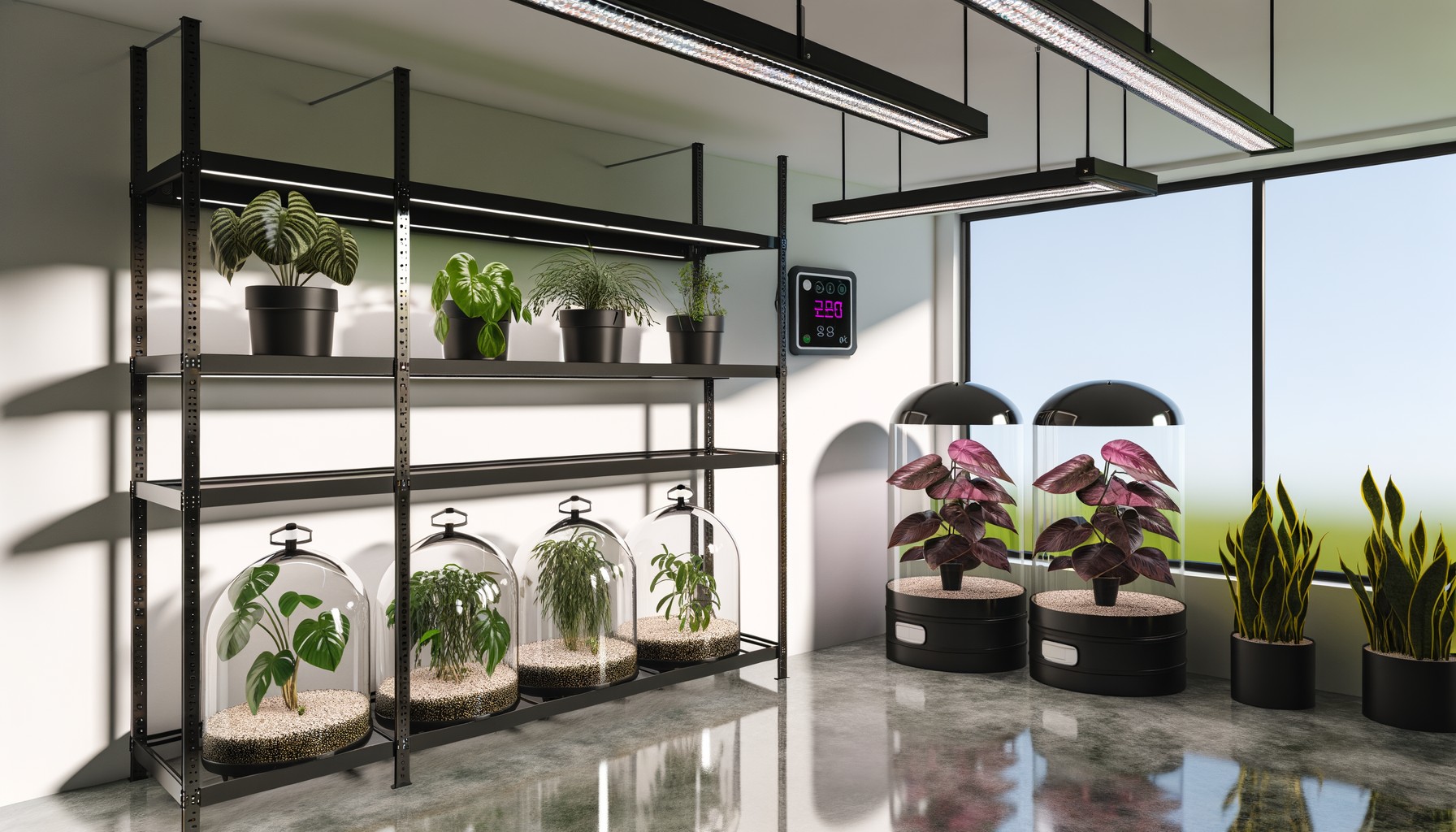
Creating stunning displays for challenging species requires precise environmental control. Start by installing full-spectrum LED grow lights to supplement natural light for tropical rarities like variegated Monsteras or Philodendron Pink Princess. Use humidity domes or glass cases to maintain 70-80% humidity for finicky plants. Position sensitive species away from heating vents and create microclimates using pebble trays and strategic plant groupings. Consider dedicating a corner with adjustable shelving where you can fine-tune conditions for each specimen.
Good Tip!
Use a digital hygrometer to monitor humidity levels in different zones of your plant room—rare plants often fail due to inconsistent moisture rather than lack of care.
Propagation Stations and Plant Nurseries
Transform a spare room corner into your personal plant nursery. Set up clear propagation containers with rooting hormone stations and heat mats for faster development. Install adjustable shelving with grow lights on timers to maintain consistent lighting for seedlings. Create separate areas for water propagation, soil propagation, and seed starting. Use clear storage bins as mini greenhouses for humidity-loving cuttings. This setup lets you expand your collection while sharing plants with fellow enthusiasts.
Seasonal Plant Rotations
Master the art of transitioning plants between indoor and outdoor environments. Establish quarantine areas for plants returning from summer outdoors—this prevents pest introductions. Create staging areas near windows where plants can gradually adjust to indoor conditions. Use plant caddies with wheels to easily move heavy specimens. Develop rotation schedules based on each plant’s dormancy periods and seasonal needs. This approach keeps your indoor plant room ideas fresh while maintaining plant health year-round.
Smart Home Integration
Elevate your plant care with automated systems that monitor and respond to plant needs. Install smart irrigation systems with moisture sensors that water plants only when needed. Program grow lights on timers that adjust intensity based on seasonal changes. Use environmental monitoring apps that track temperature, humidity, and light levels throughout your space. Connect everything to your smartphone for remote monitoring during travel. These advanced plant room setups create optimal growing conditions while reducing daily maintenance tasks.
Conclusion
Creating stunning indoor plant room ideas requires thoughtful planning, understanding your space’s unique conditions, and selecting plants that align with your lifestyle and aesthetic preferences. The most successful plant rooms combine proper lighting assessment, strategic plant placement, and consistent care routines to create thriving green sanctuaries that transform your living space into a botanical paradise.
Frequently Asked Questions
How much light do indoor plants actually need?
Most houseplants need 6-8 hours of bright indirect light daily. However, this varies widely between species – snake plants and ZZ plants can thrive in lower light conditions, while succulents and most variegated plants require much brighter conditions. I recommend using a smartphone light meter app to measure the actual light levels in different spots in your home.
What are the best plants for absolute beginners?
Start with nearly indestructible options like pothos, snake plants, ZZ plants, and spider plants. These resilient varieties can handle inconsistent watering, adapt to various light conditions, and rarely attract pests. They’re also easy to propagate once you’re ready to expand your collection, giving you more plants for free!
How do I protect my furniture and floors from water damage?
Always use saucers or cache pots with your plants to catch excess water. For larger plants, consider elevated stands with waterproof trays underneath. Cork mats or silicone coasters work well under smaller pots, while decorative trays can protect larger surfaces. Remember to empty drainage saucers about 30 minutes after watering to prevent root rot.
How can I keep my plants alive when I travel?
Before a short trip (1-2 weeks), thoroughly water all plants and move them away from direct sunlight. Group plants together to create a humid microclimate. For longer absences, consider self-watering devices like water globes, wicking systems, or asking a plant-savvy friend to check in. Automated smart watering systems are worth the investment if you travel frequently.
How do I deal with pests on my indoor plants?
Prevention is key – inspect new plants before bringing them home and quarantine them for 1-2 weeks. For active infestations, start with the least toxic options like insecticidal soap sprays or neem oil. Isolate affected plants immediately to prevent spreading. For persistent problems, systemic insecticides can be effective for non-edible plants, but always follow label directions carefully.
How many plants is too many for one room?
There’s no magic number – it depends on your room size, available light, and ventilation. Watch for signs of overcrowding like reduced air circulation, increased humidity problems, or difficulty accessing plants for care. Consider your lifestyle too – if maintaining your plants feels overwhelming rather than enjoyable, it might be time to scale back. Remember quality over quantity creates the most impressive plant displays.
Sources
- NASA – Clean Air Study
- University of Melbourne – Interior Landscape Plants for Indoor Air Pollution Abatement
- American Society of Interior Designers – The relative benefits of green versus lean office space
- American Society of Interior Designers – 2024 Home Design Trends Survey
- Indoor Plant Association – Houseplant Care and Maintenance Statistics Report