
Finding authentic rare house plants for sale requires knowing where to look, how to verify legitimacy, and which species match your care capabilities.
I’ll never forget the first time I spotted a Monstera obliqua at a local plant market—those delicate, fenestrated leaves stopped me in my tracks. Finding rare house plants for sale isn’t just about shopping; it’s about discovering living art that transforms your home into a personal botanical gallery.
But here’s the frustration every plant collector knows too well—rare specimens are notoriously difficult to find, often overpriced, and sometimes misidentified by sellers. You might scroll through countless online shops only to find the same common varieties labeled as ‘rare,’ or you discover that stunning Philodendron spiritus sancti costs more than your monthly rent. How do you navigate the rare plant market without getting scammed, overpaying, or bringing home a plant you’re not equipped to care for?
Finding authentic rare house plants for sale requires knowing where to look, how to verify legitimacy, and which species match your care capabilities—this guide connects you with trusted sources and helps you make confident purchasing decisions. In this guide, I’ll walk you through the best places to find genuine rare plants (both online and locally), teach you how to spot quality specimens and avoid common scams, introduce you to stunning rare varieties perfect for different skill levels, and share essential care insights so your investment thrives. Whether you’re expanding your collection or hunting for that one statement piece, you’ll finish this with a clear roadmap to finding and nurturing extraordinary plants.
Page Contents
Understanding What Makes Rare House Plants For Sale Truly Valuable
What Actually Makes a Plant Rare?
Not all “rare” plants are created equal. True rarity comes from limited natural habitats and tricky propagation. Think of plants like Anthurium crystallinum—they’ve always been hard to find and still command premium prices. Compare that to trendy plants with temporary scarcity. Remember when Monstera albo cuttings sold for $5,000+? Tissue culture changed everything. Now you can snag one for a few hundred bucks.
The difference matters when you’re shopping for rare house plants for sale. Real rarities hold their value because nature limits their availability, not just hype. Understanding this distinction helps you make smarter purchasing decisions and sets realistic expectations about which plants will maintain their collector status over time.
The Price Factors That Actually Matter
Variegation drives prices up fast—but only if it’s stable. A plant that keeps its white or pink patterns costs more than one that might revert to plain green. Size matters too. A single-leaf Philodendron melanochrysum cutting runs about $50, while a mature climbing specimen with multiple leaves? Expect $300 or more.
Provenance counts—plants from reputable specialty plant nurseries with documented lineage cost more than mystery plants from random sellers. You’re not just paying for the plant itself; you’re investing in verified genetics and cultivation history. Seasonal availability shifts prices too. According to the Royal Botanic Gardens Kew’s rare plant database, documented cultivation history increases collector confidence and value.
Buy What You Love, Not What Might Profit
Here’s the truth most sellers won’t tell you: most collectors aren’t flipping plants for cash. A 2023 Horticulture Week survey found 68% of rare plant buyers purchase for personal joy, not investment returns. That’s actually good news. It means you can focus on what excites you rather than gambling on future values. Buy that unusual indoor plant because its leaves make you smile, not because you think it’ll fund your retirement.
This mindset shift frees you to build a collection that genuinely brings you joy instead of one that stresses you out with market fluctuations. The plant community thrives when collectors prioritize passion over profit.
Good Tip!
Before buying any rare plant, check recent sold listings on eBay and Etsy—not just current asking prices. This shows what people actually paid, giving you realistic price benchmarks and protecting you from overpaying.
Spotting Pricing Red Flags
A $20 “variegated Monstera” screams fake. Real variegation doesn’t come cheap. Similarly, wildly inflated prices from sellers who can’t answer basic care questions signal inexperience or outright scams. Do your homework. Research what collector houseplants online actually sell for, not just what sellers hope to get.
The global houseplant market hit $19.3 billion in 2023 and rare plants are the fastest-growing segment—but that doesn’t mean every high price tag is justified. Armed with market knowledge, you’ll navigate the world of rare house plants for sale with confidence and avoid common pitfalls that trip up new collectors.
Best Places To Find Authentic Rare House Plants For Sale
Finding legitimate sources for rare house plants for sale can feel overwhelming when you’re navigating between trusted nurseries and questionable sellers. The good news? Once you know where to look, sourcing collector houseplants online and locally becomes straightforward and even exciting. Let’s explore the most reliable channels for building your collection.
Specialized Online Nurseries
Reputable online nurseries like Steve’s Leaves, NSE Tropicals, Gabriella Plants, and Ecuagenera USA have earned their stellar reputations for good reasons. These specialty plant nurseries provide transparent sourcing information, phytosanitary certificates for imported specimens, and detailed care instructions with every purchase. Their customer service teams actually know their plants—they’ll answer your questions about growth patterns, propagation methods, and care requirements without generic copy-paste responses.
Here’s something that might surprise you: waitlists for ultra-rare species actually signal legitimacy. Established nurseries maintain lists because they propagate responsibly and won’t oversell their limited stock. That Philodendron spiritus sancti might take months to arrive, but you’ll receive a healthy, properly documented plant worth the wait. These nurseries also stand behind their products with guarantees that protect your investment.

Instagram and Facebook Plant Shops
The social media plant market thrives with small growers offering unusual indoor plants for collectors at competitive prices. But this territory requires smart shopping. Always check seller reviews across multiple posts, not just their highlights. Ask for several photos showing the plant from different angles, including root shots—healthy roots mean healthy plants.
Use PayPal Goods & Services for purchases since it offers buyer protection if something goes wrong. Join plant community groups where sellers have established track records and members freely share their experiences. I once scored a stunning Hoya polyneura ‘Fish Tail’ from an Instagram seller who included a handwritten care card detailing her exact growing conditions. That personal touch and transparency? That’s what you’re looking for when shopping for rare house plants for sale through social channels.
Good Tip!
Before buying from social media sellers, search their username plus “review” or “scam” in plant groups. Honest sellers welcome this scrutiny and often have members vouching for them.
Local Plant Shows and Expos
Regional plant shows let you inspect rare tropical houseplants in person before buying—something you can’t do online. You’ll meet specialty growers who genuinely love talking about their plants, answer detailed questions about parentage and care, and often negotiate prices, especially toward the end of the event. According to the American Horticultural Society, attendance at specialty plant shows jumped 34% between 2020-2023, reflecting growing collector interest.
These events also let you compare prices across vendors and spot quality differences you’d miss in photos. You can examine leaf texture, check root systems, and assess overall plant health with your own eyes. Plus, the plant show atmosphere itself is energizing—you’re surrounded by people who share your passion and understand why you’re excited about that unusual Philodendron.
Plant Swaps and Collector Communities
Search Facebook for “[Your City] Rare Plant Collectors” and you’ll discover local enthusiasts who trade, sell, and share advice. Many collectors propagate their prized plants and sell cuttings at fair prices to fund their hobby. These communities operate on reputation—members quickly call out bad actors, creating a self-regulating marketplace that protects buyers.
You’ll find where to buy rare aroids from trusted local sources, learn about upcoming sales, and maybe even score free cuttings from someone’s overgrown collection. These connections often blossom into friendships with fellow plant lovers who become your go-to resources for troubleshooting care issues or identifying mystery plants.
Rare House Plants For Sale: Top Species For Beginning Collectors
Starting your rare plant collection doesn’t mean you need advanced growing skills or a massive budget. These gateway species offer that collector thrill while forgiving the inevitable beginner mistakes. They’re the perfect entry point into the world of rare house plants for sale.
Philodendron ‘Pink Princess’ and ‘White Princess’
These stunning Philodendrons have become gateway plants for new collectors—and for good reason. The ‘Pink Princess’ shows off bubblegum-pink splashes across dark green leaves, while the ‘White Princess’ features creamy white variegation that practically glows under natural light. Both need bright indirect light (think near an east-facing window) and well-draining soil that lets roots breathe.
Here’s the best part: tissue culture has made these beauties way more accessible. Five years ago, you’d pay $300+ for a small cutting. Today, you’ll find healthy plants for $40-150 depending on how much variegation they show. They still feel special without requiring a second mortgage. Just remember to rotate them regularly so all sides receive equal light exposure, promoting balanced growth and preventing the plant from leaning.
Monstera adansonii var. laniata
This fuzzy Monstera stops people in their tracks. Run your fingers along the leaves and you’ll feel soft, velvety texture—completely different from the smooth leaves of regular Monstera adansonii. The fenestrations (those natural leaf holes) create dramatic patterns that photograph like a dream.
Care-wise, treat it like its smooth cousin but bump up the humidity to 60% or higher. A small humidifier near your plant does the trick. Expect to pay $60-200 for established plants from specialty nurseries like Steve’s Leaves, where you’ll get healthy specimens with proper identification. The tactile experience of this plant makes it a conversation starter that guests can’t resist touching.
Good Tip!
Before buying any variegated plant, ask the seller for photos showing at least three recent leaves. This helps you verify the variegation is stable and not reverting to solid green.
Scindapsus pictus ‘Exotica’ and Rare Cultivars
If you want something gorgeous that forgives mistakes, Scindapsus pictus varieties deliver. The silvery, velvety leaves catch light beautifully and tolerate lower light than most collector houseplants online. I keep mine about six feet from a window, and it thrives without complaint.
The ‘Exotica’ cultivar shows larger silver splashes than standard varieties, making it perfect for Instagram-worthy plant corners. Prices range $25-80—a steal compared to fussier rare tropical houseplants. These grow quickly too, giving you that satisfying collector feeling without the stress. They’re excellent trailing plants for hanging baskets or training up moss poles, offering versatility in how you display them.
Hoya Varieties: The Ultimate Low-Maintenance Collectors
Hoyas are the ultimate beginner-friendly rare plants. Varieties like H. carnosa ‘Krimson Queen’ (with pink and cream edges) and variegated H. kerrii (the “sweetheart plant”) feature waxy, sculptural leaves that look almost artificial. When they bloom, the fragrant flower clusters smell like heaven and last for weeks.
These plants actually prefer neglect. Let the soil dry completely between waterings—overwatering kills more Hoyas than anything else. They tolerate occasional travel, missed waterings, and lower humidity. At $30-100, they’re investments that last decades. I know collectors with 40-year-old Hoyas passed down through families. That longevity makes them emotionally valuable beyond their monetary cost, becoming living heirlooms that connect generations of plant lovers.
Advanced Rare House Plants For Sale: Collector’s Dream Species
Ready to take your collection to the next level? These advanced rare house plants for sale represent the pinnacle of botanical beauty—but they demand serious commitment and the right environment to thrive. Think of these as the graduate-level courses after you’ve mastered the basics.
Anthurium Varieties: Living Sculptures With Velvety Leaves
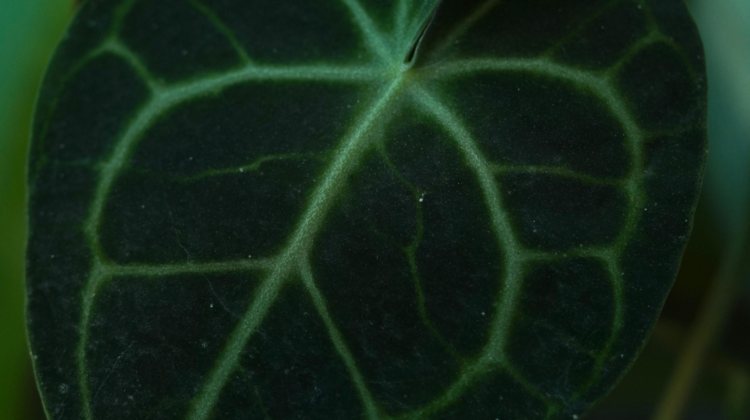
Anthuriums like A. warocqueanum, A. crystallinum, and A. regale stop people in their tracks. Their dramatic, velvety leaves feature pronounced white or silver venation that looks hand-painted. These aren’t just plants—they’re living sculptures that transform any space into a botanical gallery.
But here’s the challenge: they need high humidity (70% or higher), a chunky aroid mix that drains fast, and consistent moisture without ever sitting in water. Get the balance wrong, and those stunning leaves develop brown edges or worse. Prices range from $80 for smaller specimens to $500+ for mature plants, depending on size and species.
When my Anthurium crystallinum unfurled its first massive leaf, it felt like unwrapping a gift from nature itself. Worth every bit of effort, even through the learning curve of dialing in proper care.
Good Tip!
Place a small humidifier near your Anthuriums and group them together—they create a microclimate that keeps humidity stable without overwhelming your entire room.
Philodendron Spiritus Sancti and P. Tortum: The Ultimate Collector Status Symbols
These Philodendron rare varieties command premium prices of $200 to $2,000+ for good reason. Philodendron spiritus sancti comes from an extremely limited natural habitat in Brazil and grows painfully slow. It’s one of the rarest Philodendrons in cultivation—owning one is like having a piece of botanical history in your home.
P. tortum offers something different: skeleton-like leaves that create dramatic silhouettes against walls. Both species grow slowly, which keeps supply limited and prices high. But for serious collectors, these architectural forms justify the investment. They’re conversation pieces that signal your commitment to the hobby and appreciation for truly extraordinary plants.
Variegated Alocasias: Show-Stopping Foliage With Quirky Personalities
Variegated Alocasias like A. frydek variegated and A. dragon scale variegated combine bold leaf shapes with stunning cream or white variegation. They’re absolute showstoppers when actively growing, commanding attention in any collection.
The catch? They go dormant. Sometimes for months. And they’re sensitive to overwatering—root rot happens fast. Prices range from $100 to $600, and you’ll need patience during dormancy periods when leaves die back completely. They’ll return when conditions suit them, but waiting tests your nerves. Experienced collectors learn to trust the process, knowing that bulb is still alive underground, preparing for its spectacular comeback.
Monstera Obliqua True Form: Separating Fact From Fiction
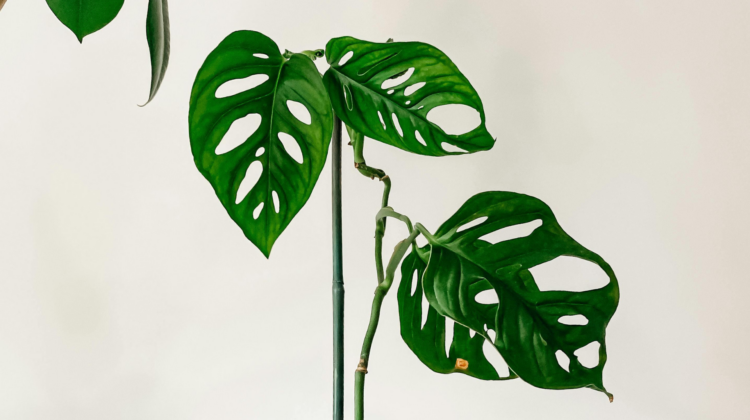
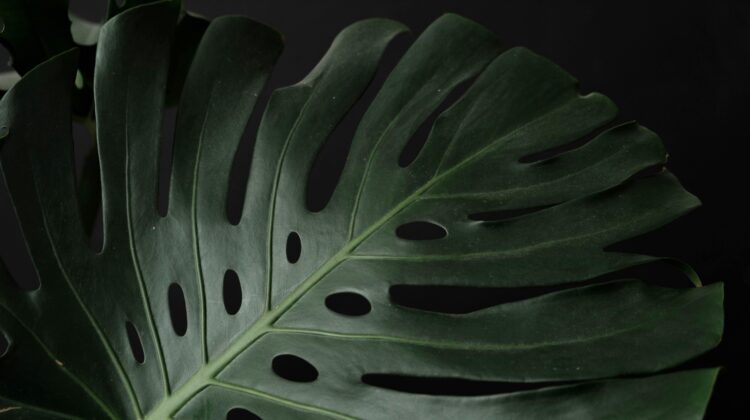
Let’s clear up the biggest confusion in rare house plants for sale: Monstera obliqua versus M. adansonii. True M. obliqua has extremely delicate leaves with more holes than actual leaf material—it looks impossibly fragile because it is. The leaves are so fenestrated they appear lace-like, barely holding together.
Most plants sold as “obliqua” are actually M. adansonii. Authentic M. obliqua specimens are rare and expensive, ranging from $300 to $3,000+. Before buying, demand verification—photos of the plant’s growth habit, leaf structure, and ideally documentation from specialty plant nurseries that source verified specimens. The difference matters, both for authenticity and your wallet. Don’t let sellers take advantage of the confusion—educate yourself before investing in this legendary species.
How To Evaluate Quality When Shopping For Rare House Plants For Sale
Shopping for rare house plants for sale online feels like buying a car without a test drive—you’re making a significant investment based on photos and descriptions. The difference between a thriving specimen and an expensive disappointment often comes down to knowing what to look for before you click “purchase.” These evaluation strategies protect both your money and your collection’s health.
Check The Root System First
Healthy roots are your plant’s foundation. They should look white to tan, feel firm when gently pressed, and spread evenly throughout the pot. Problem roots tell a different story—black coloring, mushy texture, circling patterns, or sparse growth signal trouble ahead that no amount of good care can fix later.
When buying online from specialty plant nurseries, don’t hesitate to request root photos. Serious sellers expect this from collectors purchasing unusual indoor plants and will happily provide documentation. I once asked for root pictures of a $200 Philodendron, and the seller happily sent five detailed shots within an hour. That responsiveness told me everything I needed to know about their professionalism and confidence in their stock.
Inspect The Foliage Carefully
Leaves reveal a plant’s health history like rings on a tree. Start by examining undersides and nodes—that’s where pests like spider mites and mealybugs hide. Look for tiny webs, cotton-like clusters, or sticky residue that indicates active infestations.
Brown spots or yellowing can indicate disease, but context matters. A single older leaf with natural aging looks different from widespread damage across multiple leaves. For variegated houseplants for sale, check that white or cream sections appear stable and well-established. If most variegation looks like it’s reverting to solid green, you’re buying a plant that might lose its rare characteristics within months.
Mechanical damage—a torn leaf from shipping or a crease from handling—usually isn’t a deal-breaker. Plants recover from minor injuries and continue growing normally. But widespread problems suggest poor care or underlying issues that will continue plaguing the plant in your care.
Verify Active Growth Points
Here’s something many new collectors miss: a rare plant cutting without nodes is basically an expensive decoration. It won’t grow new leaves or roots, no matter how perfectly you care for it. Before buying collector houseplants online, confirm the plant has visible growth points—either emerging leaves or clear nodes where future growth will happen.
Active growth points mean your investment will actually develop into a fuller plant over time. A single-node cutting might be cheaper, but a two or three-node cutting gives you better odds of success and faster growth. You’re not just buying the plant as it exists today—you’re buying its potential for growth and propagation in your collection.
Look For Seller Transparency
Green flags from reputable sellers include detailed descriptions with parentage information, multiple photos from different angles, and honest disclosure of any imperfections. Clear shipping policies and guarantee terms matter too—what happens if your plant arrives damaged or dies within the first week?
Responsive communication separates professional sellers from hobbyists playing business. Ask specific questions about care conditions, pest treatments, or propagation methods. I once passed on a “rare” Monstera because the seller couldn’t answer basic questions about its growing conditions—that vagueness was a red flag I couldn’t ignore. Trust your instincts when something feels off. As The Ultimate Guide to Buying Rare Plants emphasizes, researching sellers through reviews and plant community recommendations protects you from disappointment and financial loss.
Good Tip!
Screenshot all plant photos and seller descriptions before purchasing. If issues arise, you’ll have documentation of exactly what was promised versus what arrived.
Caring For Your Investment: Rare House Plants Need Specialized Attention
You’ve invested in rare house plants for sale—now the real work begins. These botanical treasures require different care than standard houseplants, and understanding those differences determines whether your investment thrives or merely survives. Let’s break down the essential practices that keep rare plants healthy and growing.
Acclimation Protocols: The First Two Weeks Matter Most
Your rare tropical houseplants just arrived, and you’re tempted to place them in that perfect sunny spot immediately. Don’t. Sudden environmental changes kill more collector houseplants online purchases than pests or disease combined. Start your new plant in a moderate location—somewhere with medium light and stable temperatures around 65-75°F.
Over the next 2-3 weeks, gradually move it closer to its permanent home, increasing light exposure by an hour or two each day. Watch for stress signals like drooping leaves, yellowing, or leaf drop. And here’s the mistake I see constantly: resist the urge to repot right away unless the roots are literally bursting through drainage holes. That fresh soil can wait. Your plant needs time to adjust to its new environment first, and adding repotting stress on top of shipping stress is a recipe for disaster.
Good Tip!
Place your new rare plant in a bathroom with a window for the first week—the naturally higher humidity and moderate light create an ideal acclimation environment while you monitor its adjustment.
Specialized Soil and Potting: Ditch the Standard Mix
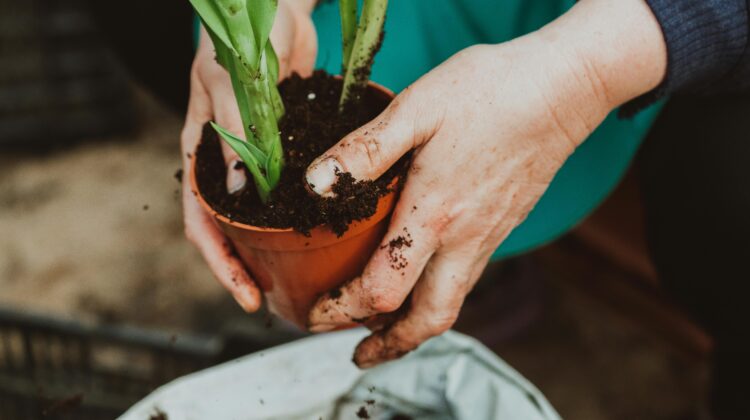
Standard potting soil is a death sentence for most rare aroids and unusual indoor plants for collectors. These plants evolved in tropical forests where their roots cling to trees and decomposing bark—they need air circulation around their roots that regular soil simply can’t provide.
Mix up a chunky blend: 40% orchid bark, 20% perlite, 20% coco coir, 10% worm castings, and 10% horticultural charcoal. This combination drains fast while holding just enough moisture. Root rot kills more expensive plants than anything else, and it happens when roots sit in soggy, compacted soil without oxygen. When you stick your finger in proper rare plant soil, it should feel loose and airy, not dense like garden dirt.
Humidity and Light Optimization: Practical Solutions That Actually Work
“Bright indirect light” confuses everyone, so here’s the translation: place your plant near an east or west-facing window with sheer curtains, or about 2-3 feet back from a south-facing window. Download a light meter app—you’re aiming for 200-400 foot-candles for most rare Philodendron varieties.
For humidity, you don’t need to transform your home into a rainforest. Group plants together so they create their own microclimate through transpiration. Set pots on pebble trays filled with water (just don’t let the pot bottoms touch the water). A small humidifier running nearby works wonders. My favorite hack? Clear storage bins become instant humidity chambers—just prop the lid open slightly for air circulation.
These simple adjustments can boost humidity from a dry 30% to a comfortable 60% right where your plants need it. For more detailed guidance on creating optimal conditions, check out this comprehensive guide on caring for rare houseplants.
Fertilization for Rare Specimens: Less Is Always More
Rare plants grow slower than their common cousins, and they’re surprisingly sensitive to fertilizer burn. During the active growing season from spring through early fall, feed with a balanced liquid fertilizer diluted to half the recommended strength—yes, half.
I learned this lesson the expensive way when I torched my Philodendron melanochrysum with full-strength fertilizer, turning its gorgeous leaves crispy brown at the edges. Now I fertilize every 3-4 weeks during growing season and skip it entirely in winter when growth naturally slows. Think of fertilizer as a supplement, not a meal. Your chunky soil mix with worm castings already provides baseline nutrition. You’re just giving your plants a gentle boost, not force-feeding them to grow faster than their nature intends. Patience pays off with rare house plants for sale—rushed care leads to damaged specimens and disappointing results.
Conclusion
Finding and successfully growing rare house plants for sale transforms your space from ordinary to extraordinary while connecting you to a passionate global community of collectors.
The key takeaways:
- First, source from reputable sellers—whether specialized online nurseries, vetted social media shops, or local plant shows—and always verify plant authenticity before purchasing.
- Second, match rare species to your actual care capabilities and home environment rather than buying aspirationally; a thriving $50 Philodendron ‘Pink Princess’ brings more joy than a struggling $500 Anthurium.
- Third, invest in proper care from day one—appropriate soil mixes, humidity solutions, and gradual acclimation protect your investment and ensure long-term success.
- Fourth, remember that the rare plant market constantly evolves; today’s $300 plant might be $75 next year through increased propagation, so buy what genuinely excites you rather than speculating on value.
Ready to start your collection? Begin by assessing your space’s light and humidity, then choose one rare house plant for sale that matches those conditions. Join a local plant collector group on social media to learn from experienced growers, and don’t hesitate to ask sellers detailed questions—the plant community thrives on shared knowledge.
Your first rare plant is waiting to become the conversation piece that transforms your home into a botanical sanctuary.
Frequently Asked Questions
How long should I wait before repotting a newly purchased rare plant?
Wait at least 2-3 weeks to let your plant acclimate to its new environment. Repot only if roots are severely crowded or circling. Adding repotting stress immediately after shipping often causes more harm than good.
Can I propagate rare plants to grow my collection faster?
Absolutely! Most rare aroids and Philodendrons propagate easily from stem cuttings with nodes. This lets you expand your collection affordably while creating backup plants. Just ensure cuttings include at least one node for successful rooting.
Do rare plants actually require more maintenance than common houseplants?
Not necessarily more—just different. Many rare plants need chunkier soil, higher humidity, and careful watering. Once you dial in their specific requirements, they’re often easier than constantly troubleshooting struggling common plants in wrong conditions.
How can I tell if a seller’s “rare” plant is actually worth the price?
Research recent sold listings on multiple platforms to see actual market prices. Check if the seller provides detailed care history, clear photos, and answers questions knowledgeably. Compare prices across several reputable sources before committing.
What’s the biggest mistake beginners make with rare houseplants?
Overwatering in heavy soil kills more rare plants than anything else. These tropical species need chunky, well-draining mixes that let roots breathe. Standard potting soil stays too wet and causes root rot in collector plants.
Should I buy rare plants from local sellers or online nurseries?
Both have advantages. Local sources let you inspect plants personally and avoid shipping stress. Online specialty nurseries offer wider selection and documented plant lineage. For expensive specimens, in-person inspection provides extra confidence.