
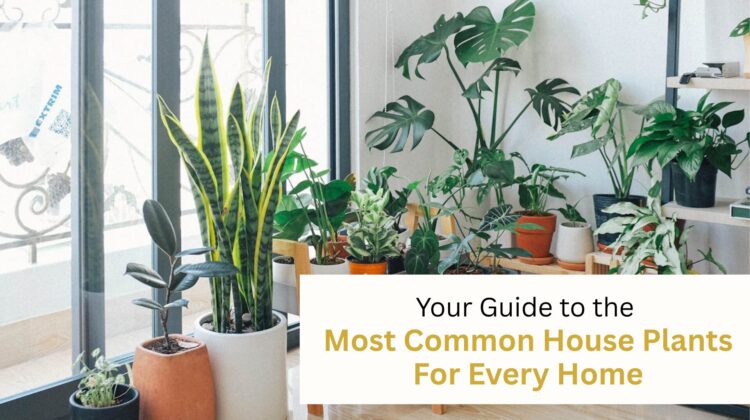
The most common house plants—including pothos, snake plants, spider plants, and peace lilies—are popular because they adapt to various light conditions, require minimal maintenance, and offer proven air-purifying benefits.
Walk into any thriving home, and you’ll notice something special: the quiet presence of common house plants breathing life into every corner. Whether it’s a trailing pothos cascading from a bookshelf or a resilient snake plant standing tall in a dim hallway, these green companions have become essential to modern living. Indoor plants aren’t just decorative—they’re mood boosters, air purifiers, and surprisingly forgiving friends for both seasoned plant parents and complete beginners.
But here’s where many people get stuck: with hundreds of species available at nurseries and online shops, how do you know which common house plants will actually survive in your space? Maybe you’re worried about low light in your apartment, concerned about curious pets, or simply overwhelmed by conflicting care advice. You want plants that fit your lifestyle—not ones that demand constant attention or wilt after a few weeks of honest neglect.
This guide walks you through the top common house plants that consistently thrive indoors, breaking down their care requirements, styling potential, and practical tips for troubleshooting issues like yellowing leaves or pest invasions. By the end, you’ll know exactly which plants suit your home and how to keep them flourishing year-round.
Page Contents
Why Common House Plants Deserve a Spot in Your Home
Walk into any thriving home, and you’ll likely spot greenery softening the corners and brightening the shelves. But common house plants do far more than fill empty spaces with color—they’re quietly working behind the scenes to improve your everyday life in ways you might not expect.
They’re Quietly Improving Your Health
Your common house plants are doing more than looking pretty on your shelf. Back in 1989, NASA’s Clean Air Study revealed something remarkable: plants like spider plants and peace lilies actively remove toxins from indoor air. We’re talking about formaldehyde from furniture, benzene from paint, and other nasties you didn’t know you were breathing.
But the benefits go beyond air quality. Research from the University of Technology Sydney found that indoor greenery reduces stress and sharpens concentration—basically turning your living room into a wellness retreat. Those air-purifying house plants work around the clock, converting carbon dioxide into fresh oxygen while you sleep, work, or binge-watch your favorite shows. Indoor spaces can get stuffy, especially in winter when windows stay shut. Common house plants naturally regulate humidity and pump out oxygen—a lifesaver in dry, poorly ventilated apartments. They’re like tiny climate-control systems that never need batteries.
Perfect for Plant Newbies
Here’s the truth: popular houseplants became popular for a reason. They’re nearly impossible to kill. Unlike rare, finicky species that demand perfect conditions, common house plants have been bred for decades to tolerate your mistakes. You’ll find pothos, snake plants, and spider plants at any garden center or big-box store—usually for under $20. They forgive irregular watering, survive in less-than-ideal light, and bounce back from neglect. If you’ve ever said “I kill every plant I touch,” these resilient varieties are your second chance at plant parenthood.
They Work With Any Style
Whether your home screams minimalist chic, cozy bohemian, or sleek modern, common house plants fit right in. Trailing pothos softens hard edges on floating shelves. Upright snake plants add architectural structure to empty corners. A rubber plant becomes a living sculpture in a simple ceramic pot. The versatility means you don’t need to redesign your space—just add green life that complements what you already love.
Good Tip!
Group three plants of varying heights together to create an instant focal point—it’s a designer trick that makes any room feel intentional.
Once you understand why these green companions deserve space in your home, the next logical question becomes: which ones should you actually bring home? Let’s explore the varieties that consistently deliver results without demanding perfection.
The Ultimate List of Common House Plants for Every Space
Choosing the right plant starts with understanding what each variety brings to your home. These four easy care houseplants consistently top the charts for good reason—they forgive mistakes, adapt to different environments, and deliver visual impact without demanding constant attention.
Pothos (Epipremnum aureum)
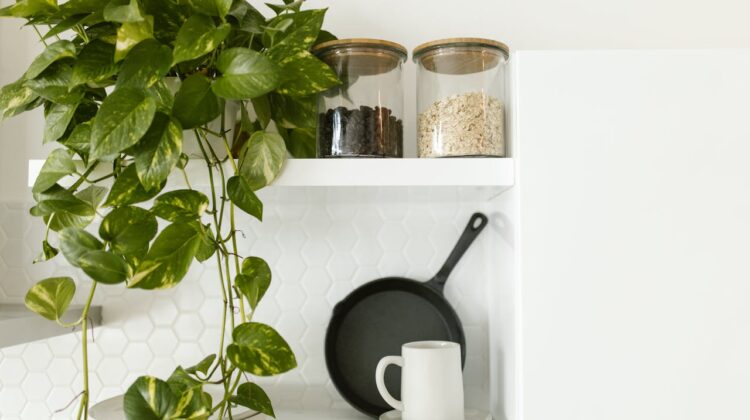
If you’ve ever killed a plant and sworn off greenery forever, pothos might just restore your confidence. This trailing beauty earned its nickname “devil’s ivy” because it’s nearly impossible to kill. Its heart-shaped leaves come splashed with creamy yellow or white variegation, creating a cascade of color that softens any shelf or hanging basket.
Pothos thrives in low to bright indirect light, making it perfect for that dim corner or sun-drenched windowsill. Forgot to water for two weeks? It’ll forgive you. Overwatered slightly? It bounces back. This adaptability makes it one of the best indoor plants for beginners who are still figuring out their watering rhythm.
Snake Plant (Sansevieria trifasciata)
The snake plant stands like a modern sculpture with its upright, sword-like leaves striped in shades of green and yellow. What sets this low maintenance common house plant apart is its extreme drought tolerance—it can survive up to six weeks without water, according to University of Florida research. Even better, it’s one of the rare plants that converts CO2 to oxygen at night, making it an ideal bedroom companion for cleaner air while you sleep. If you travel frequently or simply forget to water, the snake plant won’t hold it against you.
Good Tip!
Place your snake plant in a room with minimal natural light—it actually prefers neglect over attention, making it perfect for hallways or bathrooms without windows.
Spider Plant (Chlorophytum comosum)
Spider plants bring a playful energy with their arching, ribbon-like leaves and dangling baby plantlets called spiderettes. These little offshoots make propagation ridiculously easy—just snip one off and pop it in water until roots form. What makes spider plants truly special is their pet safe indoor plant status, fully approved by the ASPCA. If you have curious cats or dogs who like to nibble, this is your worry-free option. The spider plant also made NASA’s list of air purifying house plants, quietly filtering toxins while adding a lush, fountain-like shape to your space.
Peace Lily (Spathiphyllum)
The peace lily combines elegance with practicality. Its glossy, dark green leaves frame delicate white blooms that look like they belong in a spa. This plant adapts beautifully to low-light conditions, making it a go-to for north-facing rooms or offices with fluorescent lighting. Here’s the beginner-friendly feature everyone loves: peace lilies droop dramatically when thirsty, giving you a clear visual cue before any real damage occurs. Just water it, and within hours, it perks back up. Keep in mind that peace lilies are mildly toxic to pets, so place them on high shelves if you have animals at home.
For a comprehensive look at these and other popular houseplants, explore collections that range from Alocasia to Zenzi, covering all the popular families and varieties suited to different spaces and skill levels.
Now that you know which common house plants to choose, the next crucial step is understanding where to place them. Light conditions can make or break your plant’s success, so let’s break down exactly which varieties thrive in different lighting situations throughout your home.
Matching Common House Plants to Your Light Conditions
Low-Light Champions That Thrive in Dim Spaces
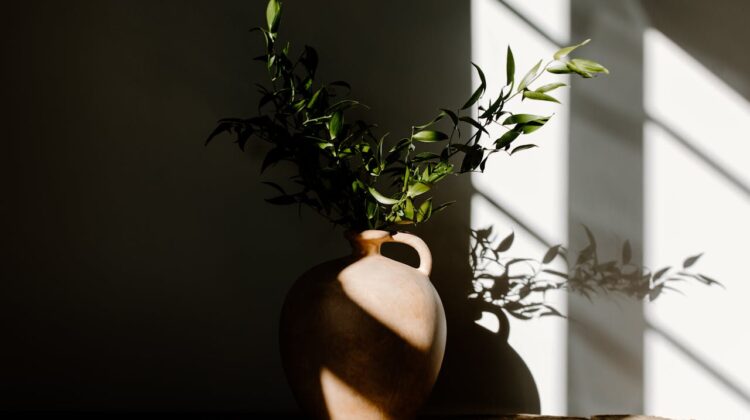
Got a north-facing room or a hallway that never sees direct sun? You’re not out of luck. Some of the best indoor plants for beginners actually prefer these shadier spots. Pothos, snake plants, ZZ plants, and cast iron plants are your go-to low light house plants—they’ll happily grow in corners 10+ feet from windows where most other greenery would struggle. These tough varieties evolved in forest understories, so they’re wired to make the most of whatever light they get. Your dimly lit bathroom or that awkward space behind the couch? Perfect homes for these shade-loving champions.
Bright Indirect Light Lovers for Sun-Drenched Rooms
If you’ve got east or west-facing windows, you’re sitting on prime real estate for common house plants like rubber plants, peace lilies, and fiddle leaf figs. These beauties crave brightness but can’t handle harsh afternoon rays beating down on their leaves. The solution? Hang a sheer curtain to filter the light. Think of it like sunglasses for your plants—they get all the energy they need without the burn.
Position them within 3-5 feet of the window, and you’ll see lush growth and vibrant foliage. Peace lilies will even reward you with those elegant white blooms when they’re happy with their lighting setup.
Good Tip!
Rotate your plants a quarter turn every week so all sides get equal light exposure. This prevents lopsided growth and keeps your common house plants looking balanced and full.
Direct Sun Tolerators (and Why Most Plants Aren’t)
Here’s the truth most plant parents learn the hard way: direct sunlight scorches the leaves of most common indoor plants for home. Those crispy brown edges? That’s sunburn. Succulents and cacti are the exceptions—they’ve adapted to intense desert conditions and actually need that strong light. But your pothos, philodendrons, and ferns? They’ll suffer. If you’ve got a south-facing window with blazing afternoon sun, either move sensitive plants back a few feet or stick with hardy succulents that can handle the heat.
Troubleshooting Light Issues Before They Become Problems
Your plants are constantly talking to you through their leaves. Leggy, stretched-out growth with big gaps between leaves means they’re desperately reaching for more light. Pale, washed-out foliage is another cry for help. On the flip side, brown crispy edges and bleached spots scream “too much sun!”
The fix? Move them closer to or farther from windows as needed. For truly windowless spaces like basements or interior offices, full-spectrum grow lights solve the problem beautifully—just position them 6-12 inches above your plants and run them for 12-14 hours daily. According to research from the University of Georgia, plants in low-light conditions grow about 50% slower, but they’ll stay healthy and vibrant when you match the right species to your space.
With the right lighting sorted out, your common house plants need just a few more essentials to thrive. Let’s walk through the daily and weekly care routines that keep these green companions looking their best year-round.
Essential Care Tips for Common House Plants
Watering Wisdom: The Soak and Dry Method
Here’s the truth: more houseplants die from too much love than neglect. Overwatering causes root rot, which accounts for 90% of houseplant deaths. Your best defense? The “soak and dry” method. Water your plant thoroughly until water drains from the bottom, then wait. Don’t water again until the soil dries out.
How do you know when it’s time? Use the finger test. Stick your finger about two inches into the soil. If it feels dry, water. If it’s still moist, wait another day or two. This simple habit prevents soggy roots and gives your plants the breathing room they need. Most common house plants like pothos and snake plants thrive with this approach because it mimics their natural environment—periods of rain followed by drying.
Good Tip!
Water in the morning so excess moisture evaporates during the day, reducing the risk of fungal issues and pests like fungus gnats.
Soil and Potting Basics
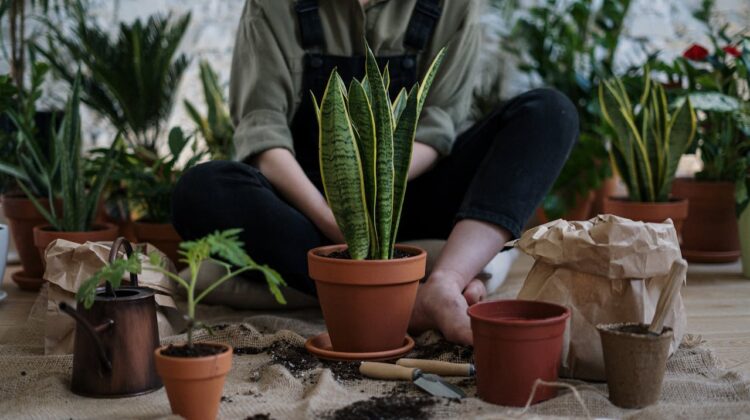
Your plant’s foundation matters. Skip the garden soil—it’s too dense for containers. Instead, use a well-draining potting mix designed for indoor plants. These mixes contain perlite, peat moss, or coconut coir that allow air to reach roots while holding just enough moisture.
Drainage holes are non-negotiable. Without them, water pools at the bottom, and roots suffocate. If you fall in love with a pot that lacks holes, use it as a decorative cover for a nursery pot with proper drainage.
Plan to repot every 1-2 years as your plant outgrows its container. Signs it’s time include roots circling the pot’s edge, water running straight through without absorbing, or stunted growth. Choose a pot one size larger and refresh the soil to give roots room to expand. For more detailed houseplant care guidance, expert resources can help you master the basics.
Feeding Schedule
Think of fertilizer as vitamins, not meals. During spring and summer—the growing season—feed your common house plants with diluted liquid fertilizer once a month. Use half the strength recommended on the bottle to avoid burning roots.
Come fall and winter, ease up. Most houseplants go dormant when daylight decreases and temperatures drop. They need less food during this rest period. Feeding dormant plants wastes fertilizer and can stress them. Resume monthly feeding when you notice new growth in early spring.
Humidity and Temperature
Most popular houseplants prefer 40-60% humidity and temperatures between 60-75°F—basically, the same conditions you find comfortable. If your home’s air feels dry (especially in winter), your plants feel it too. Brown leaf tips are a telltale sign.
Boost humidity naturally by grouping plants together. They create their own microclimate through transpiration. Or try a pebble tray: fill a shallow dish with pebbles and water, then set your plant on top (not touching the water). As water evaporates, it raises humidity around the leaves. These low-maintenance tricks keep your easy care houseplants happy without investing in a humidifier.
Once you’ve mastered the care basics, the creative part begins. Let’s explore how to showcase your thriving common house plants in ways that enhance every room’s personality and purpose.
Styling Common House Plants: Design Ideas for Every Room
The right placement doesn’t just keep your plants healthy—it transforms your home into a living, breathing space that feels intentional and inviting. Whether you’re working with a tiny apartment or a sprawling house, these room-by-room ideas will help you style your greenery like a pro.
Living Room Statements
Your living room is prime real estate for showcasing larger plants that command attention. Tuck a tall rubber plant or fiddle leaf fig into an empty corner, and suddenly that awkward space becomes a focal point. These statement plants add height and drama without cluttering your floor plan.
But don’t stop at floor plants. Trailing pothos draped over bookshelves or hanging from macramé planters creates vertical interest that draws the eye upward. This layering trick makes rooms feel bigger and more dynamic. Plus, pothos vines soften hard edges on furniture and shelving units, adding that lived-in warmth every living room needs. Mix heights and textures—pair a sculptural snake plant on a side table with cascading greenery above—and you’ve got a designer-worthy plant arrangement that looks effortless.
Good Tip!
Use plant stands or stacked books to vary heights on shelves. This creates visual rhythm and prevents your display from looking flat or cluttered.
Bedroom Sanctuaries
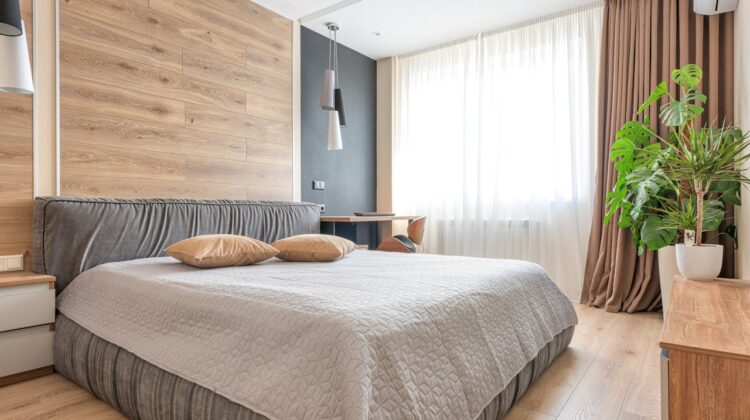
Your bedroom should feel like a retreat, and the right plants help make that happen. Snake plants and peace lilies are ideal bedroom companions because they’re quiet workers—purifying air while you sleep. Here’s the bonus: snake plants actually release oxygen at night (unlike most plants that do this during the day), which can improve sleep quality and help you wake up feeling fresher.
Place a snake plant on your nightstand or dresser where it’ll thrive in low to moderate light. Peace lilies work beautifully on windowsills or corner tables, their glossy leaves and occasional white blooms adding a calming, spa-like vibe. Keep these easy care houseplants away from curious pets, though—peace lilies are toxic if nibbled.
Kitchen Herb Integration
Why choose between pretty and practical when you can have both? Your kitchen windowsill is the perfect spot to mix common house plants with culinary herbs. Pair a trailing pothos with pots of basil, mint, or parsley on a sunny sill. The pothos adds lush greenery that cascades down, while the herbs give you fresh flavor for cooking.
This combo works especially well if your kitchen gets bright, indirect light. The pothos tolerates occasional neglect (forgot to water? It’ll forgive you), while herbs need more consistent moisture. Group them on a tray for easy watering and a cohesive look. You’ll love having fresh herbs within arm’s reach while you cook—and the greenery makes even the smallest kitchen feel alive.
Bathroom Spa Vibes
If you’ve got a bathroom with a window or decent lighting, you’re sitting on untapped plant potential. Bathrooms offer something most rooms don’t: natural humidity from showers and baths. Humidity-loving plants like pothos and spider plants absolutely thrive here, growing faster and lusher than they would in drier rooms.
Hanging planters are your best friend in bathrooms where counter space is tight. Suspend a spider plant from the ceiling or mount a wall planter for trailing pothos. The steam from your shower mimics their native tropical environment, so they’ll reward you with vibrant growth. Plus, these low maintenance common house plants handle the temperature fluctuations bathrooms experience better than fussier species. The result? A spa-like atmosphere that feels intentional and serene every time you step inside.
Even with proper placement and care, you’ll occasionally encounter challenges. Recognizing and addressing these common issues quickly keeps your plants healthy and prevents small problems from becoming major setbacks.
Troubleshooting Common Problems with House Plants
Yellowing Leaves
Yellow leaves are the number one distress signal from common house plants—but they don’t all mean the same thing. If your plant’s leaves feel soft and mushy while turning yellow, you’re likely overwatering. The roots are sitting in soggy soil, suffocating and starting to rot. On the flip side, dry, crispy yellow leaves that crumble when touched scream underwatering. Your plant is parched and shedding leaves to conserve moisture.
There’s a third culprit too: nutrient deficiencies, especially nitrogen. When older leaves turn pale yellow while new growth stays green, your plant is hungry. Feed it with a balanced liquid fertilizer diluted to half strength, and you’ll see improvement within a few weeks.
Dealing with Common Pests
Spider mites, fungus gnats, and scale insects love to crash your indoor plant party. Spider mites leave tiny webs and speckled yellow dots on leaves—they thrive in dry air. Fungus gnats are those annoying little flies hovering around soil; their larvae feed on roots in overly moist potting mix. Scale looks like small brown bumps stuck to stems and leaves, sucking sap and weakening your plant.
For all three, neem oil spray or insecticidal soap works wonders. Mix according to package directions and apply weekly until pests disappear. Prevention is simpler: avoid overwatering to stop gnats, keep humidity up to deter mites, and quarantine new plants for two weeks before introducing them to your collection. For more detailed solutions, check out 7 common houseplant problems and how to fix them.
Good Tip!
Isolate any plant showing pest signs immediately. Bugs spread fast, and one infested pothos can quickly turn your entire collection into a treatment zone.
Drooping or Wilting Plants
When your once-perky plant suddenly droops, it’s trying to tell you something went wrong—fast. Temperature shock from cold drafts or hot radiators can cause instant wilting. So can underwatering, especially if you’ve been inconsistent with your routine. But here’s one beginners miss: root-bound plants. If roots are circling the pot with nowhere to grow, they can’t absorb water properly even when the soil is moist.
Quick fixes depend on the cause. Adjust your watering schedule, move the plant away from temperature extremes, or repot into a container one size larger with fresh soil. Most common house plants bounce back within days once you address the root issue.
Brown Leaf Tips
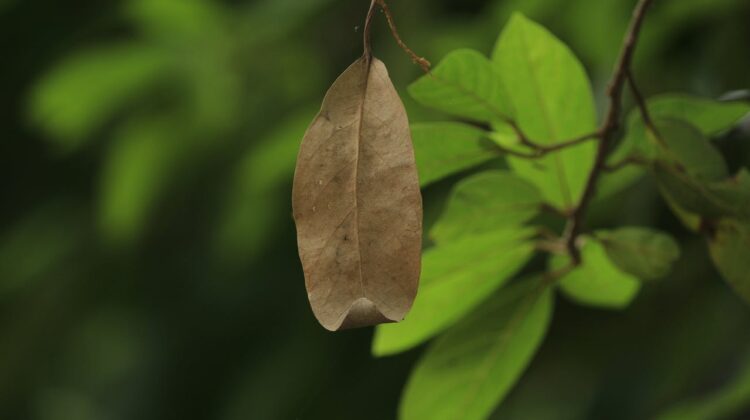
Those crispy brown tips on otherwise healthy leaves? They’re usually caused by low humidity, fluoride in tap water, or fertilizer burn. Most easy care houseplants prefer 40-60% humidity, but winter heating drops indoor air much lower. Mist leaves regularly or set pots on pebble trays filled with water to boost moisture around plants.
If you’re using tap water, let it sit overnight so chlorine evaporates, or switch to filtered water to avoid fluoride buildup. And if you’ve been heavy-handed with fertilizer, flush the soil by running water through it for a few minutes, then cut back feeding to once monthly during growing season.
Conclusion
Bringing common house plants into your home creates a healthier, more vibrant living space that adapts to your lifestyle. Whether you’re drawn to the nearly indestructible pothos, the architectural elegance of a snake plant, or the air-purifying power of a peace lily, these popular varieties prove that plant parenthood doesn’t require a green thumb.
We’ve covered matching plants to your light conditions, troubleshooting common issues, and styling your space with design ideas that feel fresh and personal. The best plant for you is one that fits your routine: low-maintenance ZZ plants for busy schedules, pet-safe spider plants for animal lovers, or statement rubber plants for design enthusiasts.
Start small with one or two common house plants, observe how they respond in your space, and build your collection from there. Your home and mood will thank you.
Frequently Asked Questions
Can I keep houseplants if I travel frequently for work?
Absolutely! Snake plants and ZZ plants can survive 4-6 weeks without water, making them perfect travel companions. Before leaving, water thoroughly and move plants away from direct sunlight to slow their water usage.
How do I know if my plant needs a bigger pot?
Check if roots are growing through drainage holes or circling the soil surface. If water runs straight through without absorbing, or growth has stalled despite proper care, it’s time to size up one pot.
Are grow lights really necessary for windowless rooms?
For truly dark spaces, yes. While some plants tolerate low light, they still need some brightness to survive. Full-spectrum LED grow lights run 12-14 hours daily keep plants healthy in basement offices or interior bathrooms.
What’s the difference between toxic and pet-safe plants?
Toxic plants like peace lilies and pothos cause vomiting or irritation if pets chew them. Pet-safe options like spider plants and Boston ferns won’t harm curious cats or dogs who nibble leaves.
Why does my pothos have more green leaves than variegated ones?
Insufficient light causes pothos to lose its signature yellow or white streaks and revert to solid green. Move it closer to a window, and new growth should return with variegation.
Should I wipe dust off my plant leaves?
Yes! Dust blocks light absorption and reduces photosynthesis. Gently wipe leaves monthly with a damp cloth, which also helps you spot pests early and keeps plants looking vibrant.
Sources
- NASA Clean Air Study
- University of Technology Sydney
- National Gardening Association
- University of Florida IFAS Extension
- American Horticultural Society
- ASPCA Animal Poison Control Center