
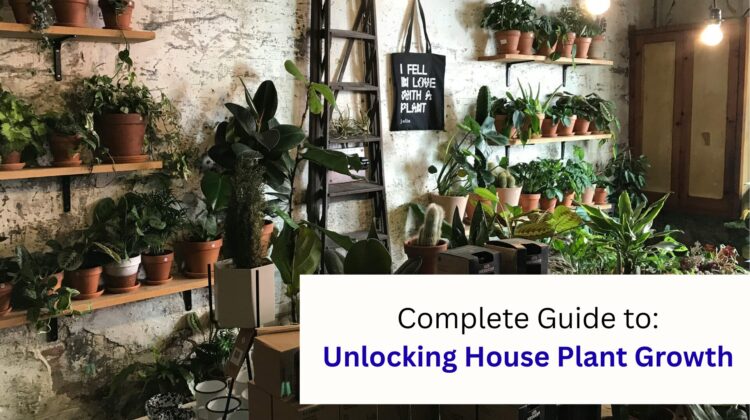
House plant growth depends on balancing six core factors: adequate light, proper watering, nutrient-rich soil, appropriate temperature and humidity, correct pot size, and proactive pest management.
You bring home a gorgeous pothos or fiddle leaf fig, full of promise and vibrant green leaves. Three months later, it’s barely grown an inch, and you’re left wondering what went wrong. House plant growth is both an art and a science—something every plant parent wants to master but often struggles with. This guide makes it clear that understanding the factors driving robust, healthy growth in indoor plants is entirely within your reach.
Despite regular watering and good intentions, many houseplants remain stunted, lose leaves, or simply refuse to thrive. The confusion around light requirements, fertilization schedules, soil types, and environmental conditions leaves even enthusiastic plant lovers feeling defeated. Without understanding the key drivers of house plant growth, it’s easy to make mistakes that slow progress or harm your green friends.
This guide walks you through the essential factors that influence house plant growth—from optimizing light and water to choosing the right soil, nutrients, and potting strategies. By the end of this article, you’ll have a clear, actionable roadmap to accelerate growth and create a lush indoor jungle. Plus, we’ll tie in creative house plants design ideas to help you style your thriving greenery beautifully.
Page Contents
Understanding the Fundamentals of House Plant Growth
What Actually Happens During House Plant Growth
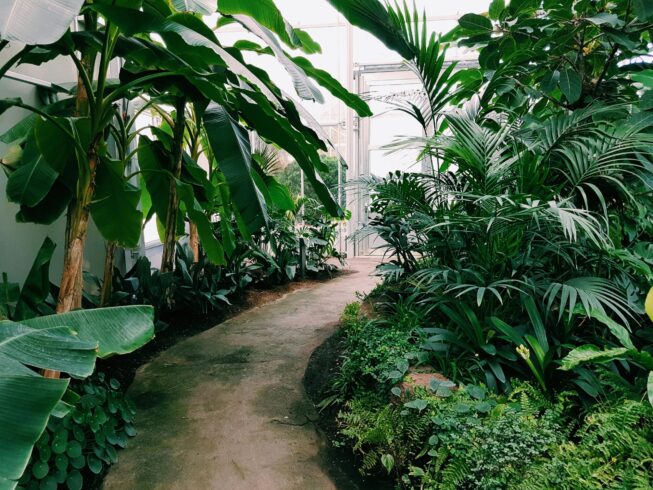
Think of your houseplants as tiny solar-powered factories. They take in light through their leaves, pull water up through their roots, and grab CO2 from the air around them. Through photosynthesis, they combine these ingredients to create glucose—essentially plant food—and release oxygen as a bonus. This glucose fuels everything from pushing out new leaves to building stronger stems.
But here’s what many plant parents miss: plants also breathe. Respiration happens 24/7, burning that stored glucose to power growth and repair. It’s a delicate balance. If your plant can’t photosynthesize enough (usually due to poor light), it can’t produce the energy needed for new tissue. That’s why understanding these basics matters—it’s not magic, it’s biology you can work with.
This biological process doesn’t happen at a constant rate year-round, though. Your plants respond to environmental cues that signal when to grow and when to rest.
Growth Phases in Houseplants: Active Seasons Versus Dormancy
Most houseplants follow natural cycles tied to light and temperature. Spring and summer bring longer days and warmer temps, triggering active growth. You’ll see new leaves unfurling, stems stretching, and roots expanding. This is when your plants are hungry for water, nutrients, and attention.
Come fall and winter, growth slows or stops completely. Shorter days and cooler indoor temps signal dormancy—a rest period where plants conserve energy. This isn’t failure. It’s normal. Many beginners panic when their monstera stops pushing out leaves in November, but that plant is just taking a well-deserved break. Respect these phases, and you’ll avoid common mistakes like overwatering or over-fertilizing dormant plants.
Good Tip!
Mark your calendar for seasonal care changes. In March, increase watering frequency and start fertilizing. In October, dial back both and let your plants rest until spring returns.
So how do you know if your plant is actually thriving during its active phase? There are clear visual cues that separate healthy house plant growth from plants that are merely surviving.
Key Indicators of Healthy House Plant Growth
Look for these signs that tell you your plant is genuinely thriving:
- New leaves: Fresh growth is the clearest indicator. New leaves should emerge regularly during the growing season.
- Strong, upright stems: Weak, floppy stems suggest inadequate light or nutrients.
- Vibrant color: Deep greens (or whatever color is natural for your plant) signal good health. Pale, yellowing leaves often mean trouble.
- Root development: When you repot, healthy roots should be white or light tan, firm, and spreading throughout the pot.
If your plant checks these boxes, you’re doing something right. If not, it’s time to troubleshoot your care routine. For more foundational guidance, check out this beginner’s guide to growing plants indoors that covers essential considerations.
Before we dive into specific care strategies, let’s clear up some persistent misconceptions that might be sabotaging your success.
Common Myths Debunked
More water doesn’t equal more growth. In fact, overwatering is the number one killer of houseplants, according to University of Georgia Extension research. Soggy soil suffocates roots, preventing them from absorbing nutrients and oxygen. Your plant literally drowns.
Second myth: all plants need bright light. Wrong. Snake plants, pothos, and ZZ plants actually prefer lower light conditions. Blasting them with direct sun causes leaf burn and stress, not faster growth. Match your plant to your available light—don’t force a shade-lover into a south-facing window and expect miracles.
Now that we’ve covered the fundamentals, let’s explore the single most important factor that drives house plant growth: light.
Light Requirements That Supercharge House Plant Growth
Why Light Is the Number One Driver of House Plant Growth
Think of light as food for your plants. Without it, they literally can’t eat.
Plants use light to power photosynthesis—the process that converts light, water, and carbon dioxide into energy and new growth. When light levels drop too low, photosynthesis slows to a crawl or stops completely. Your plant shifts into survival mode instead of growth mode.
The result? Weak, leggy stems stretching desperately toward the nearest light source. Pale, yellowing leaves. New growth that’s smaller and farther apart. Sometimes, no new growth at all for months.
I learned this the hard way with a fiddle leaf fig that sat in a dim corner for six months. It didn’t die, but it didn’t grow a single new leaf either. The moment I moved it near a south-facing window, it pushed out three new leaves in eight weeks.
The lesson here is simple: you can’t compensate for inadequate light with extra water or fertilizer. Light is the foundation, and everything else builds from there. But that doesn’t mean every plant needs intense, direct sun.

Matching Plants to Your Light Conditions
Not all plants need the same amount of light. The secret to healthy house plant growth is matching your plant’s needs to what your space actually offers.
Here’s a quick breakdown to help you choose wisely:
Low-Light Champions (3-4 hours of indirect light or far from windows):
- Pothos
- Snake plants
- ZZ plants
- Cast iron plants
Medium-Light Lovers (4-6 hours of bright, indirect light):
- Philodendrons
- Prayer plants
- Calatheas
- Most ferns
High-Light Enthusiasts (6+ hours of bright, direct or indirect light):
- Fiddle leaf figs
- Succulents and cacti
- Rubber plants
- Bird of paradise
Before buying a plant, check your space honestly. Stand where you plan to place the plant at different times of day. Can you comfortably read a book there without turning on a light? That’s medium light. Need a lamp? That’s low light.
For more guidance on lighting for indoor plants and matching plant needs to your space, the University of Minnesota Extension offers detailed foot-candle measurements and plant-specific recommendations.
Good Tip!
Rotate your plants a quarter turn every week. This ensures all sides receive equal light exposure and prevents lopsided, uneven growth.
But what if your home simply doesn’t have enough natural light? That’s where technology can bridge the gap.
Using Grow Lights to Boost House Plant Growth
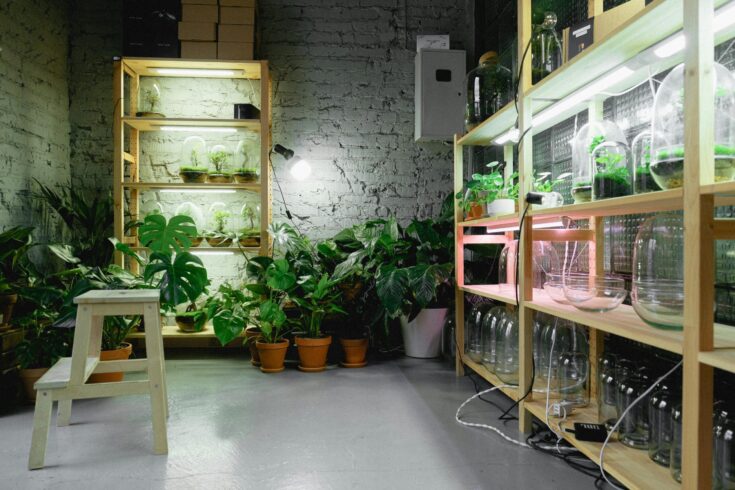
Don’t have enough natural light? Grow lights can fill the gap and accelerate house plant growth dramatically.
Full-spectrum LED grow lights are your best bet. They’re energy-efficient, run cool, and provide the blue and red wavelengths plants need most. NASA’s research on growing plants in space proved that specific light wavelengths directly impact growth rates—and those findings apply to your living room too.
Here’s how to use them effectively:
- Duration: Run grow lights for 12-16 hours during active growth seasons (spring and summer)
- Distance: Place LEDs 6-12 inches above foliage for most houseplants
- Consistency: Use a timer so your plants get reliable, daily light exposure
I added a simple LED grow light above my desk plants last winter. Within three weeks, my pothos started trailing faster than it had all year.
Whether you’re using natural or artificial light, your plants will communicate clearly when something’s off. You just need to recognize the signals.
Signs Your Plant Needs a Light Adjustment
Your plant will tell you when something’s wrong with its light situation. You just need to know what to look for.
Too Little Light:
- Stems stretch abnormally long between leaves (etiolation)
- New leaves grow smaller than older ones
- Lower leaves turn yellow and drop
- Plant leans dramatically toward the nearest window
Fix: Move closer to a window or add a grow light.
Too Much Light:
- Brown, crispy patches on leaves (leaf scorch)
- Leaves fade or bleach to pale green or yellow
- Soil dries out extremely fast
Fix: Move away from direct sun or add a sheer curtain to filter intense afternoon rays.
The key is responding quickly. Most light problems are reversible if you catch them early and adjust placement. Once you’ve optimized light, the next critical factor for house plant growth is water—and getting it right is trickier than most people think.
Watering Strategies to Optimize House Plant Growth
The Goldilocks Principle: Not Too Much, Not Too Little
Getting watering right is one of the biggest challenges in houseplant care for beginners. You need to find that sweet spot—not too much, not too little. The best way to know when your plant needs water? Skip the calendar and check the soil instead.
Stick your finger about two inches into the soil. If it feels dry at that depth, it’s time to water. If it’s still moist, wait another day or two. For those who want more precision, moisture meters are inexpensive tools that take the guesswork out of watering. They measure moisture levels deep in the root zone where it matters most.
This simple habit prevents both drought stress and the dreaded overwatering that kills more houseplants than any other mistake. But understanding when to water is only part of the equation—you also need to understand why proper watering matters so much for growth.
How Water Availability Directly Impacts Growth Rates
Water isn’t just about keeping your plant alive—it’s the engine that drives house plant growth. When soil moisture stays consistent, your plants can absorb nutrients efficiently and expand their cells to create new leaves and stems. Think of water as the delivery truck that brings food to every part of the plant.
Without enough water, nutrient uptake grinds to a halt. Growth slows or stops completely as the plant shifts into survival mode. But too much water creates equally serious problems. Waterlogged soil suffocates roots, preventing them from absorbing oxygen. Root rot sets in, and your plant can’t grow no matter how perfect everything else is.
The key is maintaining that middle ground where roots stay hydrated but never sit in soggy conditions. And here’s something most beginners don’t realize: your plant’s water needs change dramatically with the seasons.
Good Tip!
Water thoroughly until water drains from the bottom, then wait until the top two inches dry before watering again. This encourages deep root growth and prevents shallow, weak root systems.
Adjusting Watering Frequency for Growth Phases
Your watering schedule shouldn’t stay the same year-round. During spring and summer, most houseplants enter their active growing phase. They’re pushing out new leaves, extending stems, and building root systems. This growth requires more water and more frequent watering—sometimes every 5-7 days for thirsty plants.
Come fall and winter, growth slows dramatically or stops altogether. Your plants enter dormancy, and their water needs drop significantly. You might only need to water every 2-3 weeks during these months.
Set a weekly reminder on your phone to check your plants rather than watering on autopilot every Sunday. This approach matches your care to what your plants actually need, leading to healthier house plant growth you can see in action.
Beyond frequency and timing, there’s another water-related factor that can make or break your success.
Why Water Quality Makes a Difference
Not all water is created equal when it comes to how to make houseplants grow faster. Tap water often contains chlorine, fluoride, and dissolved minerals that can build up in soil over time.
For hardy plants like pothos or snake plants, tap water works fine. But sensitive species—calatheas, ferns, prayer plants—can develop brown leaf tips and stunted growth from these chemicals. If you notice these symptoms, switch to filtered or distilled water. You can also let tap water sit out overnight to allow chlorine to evaporate.
Another option: collect rainwater when possible. It’s naturally soft and free of additives. For more detailed guidance on watering indoor plants, including seasonal adjustments and plant-specific needs, expert resources can help you fine-tune your approach.
While water delivers nutrients to your plants, those nutrients have to come from somewhere—and that’s where soil quality and fertilization become crucial for sustained house plant growth.
Soil and Nutrients: The Foundation of House Plant Growth
Why Soil Composition Impacts House Plant Growth
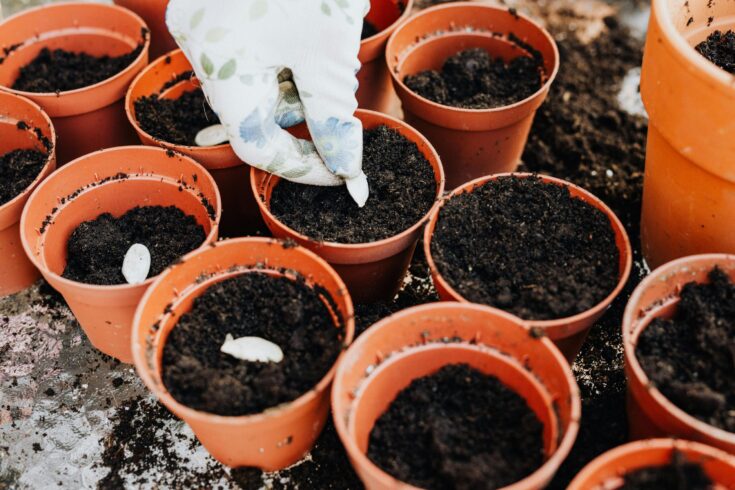
Think of soil as your plant’s life support system. It’s not just dirt—it’s a carefully balanced mix that determines whether your plants thrive or barely survive. The right soil composition directly influences house plant growth by managing three critical functions: drainage, moisture retention, and aeration.
Drainage materials like perlite and orchid bark prevent water from pooling around roots. When soil stays too wet, roots can’t breathe, leading to rot and stunted growth. Moisture retention comes from ingredients like peat moss and coco coir, which hold just enough water for roots to access between waterings. And aeration? That’s the space between soil particles that lets oxygen reach the roots. Without it, even the healthiest-looking plant will struggle to grow.
Heavy, compacted soil suffocates roots and blocks nutrient uptake. I learned this the hard way when my philodendron sat unchanged for months—turns out, the dense potting mix was choking its roots. After switching to a chunkier blend, it pushed out three new leaves in just weeks.
The takeaway? Soil isn’t one-size-fits-all. Different plants need different mixes to unlock their full potential.
Choosing the Right Soil Mix for Your Plants
Not all plants need the same soil. Matching your mix to your plant type is one of the simplest ways to accelerate house plant growth.
Succulents and cacti need fast-draining mixes that dry out quickly. Look for blends with at least 50% perlite, coarse sand, or pumice. These plants hate wet feet—their roots evolved in arid climates where water drains away fast.
Aroids like monsteras, pothos, and philodendrons prefer chunky, airy blends. Mix standard potting soil with orchid bark, perlite, and a bit of charcoal. This combo mimics their natural environment—forest floors with lots of organic matter and airflow. For more detailed guidance on creating the perfect soil mix, check out this comprehensive houseplant soil guide.
Ferns and calatheas thrive in moisture-retentive mixes. Use peat moss or coco coir as a base, with a smaller amount of perlite for drainage. These plants come from humid, consistently moist environments and need soil that holds water longer.
Good Tip!
Test your soil’s drainage by watering thoroughly and checking how long it takes to drain. Water should flow through in 30-60 seconds. If it pools or drains instantly, adjust your mix accordingly.
Even perfect soil won’t sustain your plants forever, though. Eventually, those nutrients get depleted, which is where fertilization comes in.
Fertilization Schedules to Accelerate House Plant Growth
Even the best soil eventually runs out of nutrients. That’s where strategic fertilization becomes essential for sustained house plant growth.
During the growing season (spring and summer), feed your plants every 2-4 weeks with a balanced liquid fertilizer. Look for formulas labeled 10-10-10 or 20-20-20—the numbers represent nitrogen, phosphorus, and potassium. Dilute to half strength to avoid burning roots. Think of it as a regular meal, not a feast.
But here’s what most beginners miss: stop fertilizing during dormancy. In fall and winter, most houseplants slow down or pause growth entirely. Fertilizing dormant plants is like forcing someone to eat when they’re not hungry—it stresses them out and can cause nutrient buildup in the soil.
Research published in HortScience found that houseplants fertilized appropriately during their growth phase showed 40% more leaf production compared to unfertilized controls. That’s a significant difference for such a simple practice.
If you’re interested in more sustainable approaches, there are plenty of organic alternatives that work just as well as synthetic options.
Organic Versus Synthetic Nutrients
You don’t have to rely on chemical fertilizers to boost house plant growth. Organic alternatives work beautifully and support sustainable plant care.
Worm castings are gentle, slow-release nutrients that improve soil structure. Mix a handful into your potting soil or top-dress existing plants. Compost tea provides a liquid nutrient boost—steep compost in water for 24-48 hours, strain, and use as a fertilizer. Slow-release pellets made from organic materials break down gradually, feeding plants for months.
When I switched to diluted fish emulsion for my pothos, it responded with vigorous growth—three new leaves in a single month. The smell isn’t pleasant, but the results speak for themselves. Organic options also reduce the risk of salt buildup, which can damage roots over time with synthetic fertilizers.
With light, water, and nutrients dialed in, there’s one more set of environmental factors that can make or break your success: temperature, humidity, and air circulation.
Temperature, Humidity, and Environmental Factors in House Plant Growth
Ideal Temperature Ranges for House Plant Growth
Most tropical houseplants thrive when you keep them between 65-80°F. That’s the sweet spot where their cells can divide efficiently and new leaves unfold without stress. Drop below 55°F, and growth slows to a crawl—sometimes stopping completely. Push above 85°F, and your plants start struggling to keep up with water loss through their leaves.
Think about where your plants sit. That fiddle leaf fig near the drafty window? It’s probably too cold in winter. The pothos on top of the fridge? It might be getting blasted by heat from the appliance. Moving plants just a few feet away from heating vents or air conditioning units can make a huge difference.
Temperature and humidity for indoor plants play a bigger role than most people realize—stability matters as much as the actual numbers. Which brings us to an often-overlooked factor that’s just as important as temperature.
Humidity’s Hidden Role in House Plant Growth
Most popular houseplants come from tropical rainforests where the air stays between 50-70% humidity. Your home? Probably sits around 30-40%, especially in winter when heating systems dry everything out.
Low humidity shows up as brown, crispy leaf tips on your calatheas and ferns. It also slows growth because plants close their pores to conserve moisture, which limits photosynthesis. The fix is simpler than you’d think.
Set plants on pebble trays filled with water (just keep the pot above the waterline). Run a humidifier nearby. Group plants together so they create their own humid microclimate through transpiration. I started using a small humidifier near my prayer plants last fall, and the difference in new leaf production was dramatic.
Beyond temperature and humidity, there’s another environmental factor that strengthens your plants in ways you might not expect.
Air Circulation and CO2 for Optimal House Plant Growth
Gentle airflow does more than prevent fungal problems—it actually strengthens your plants. When stems and leaves move slightly in a breeze, they develop thicker cell walls and sturdier structures. That’s why outdoor plants often look more robust than indoor ones.
You don’t need a strong fan. A ceiling fan on low or a small oscillating fan across the room works perfectly. Just avoid pointing it directly at your plants.
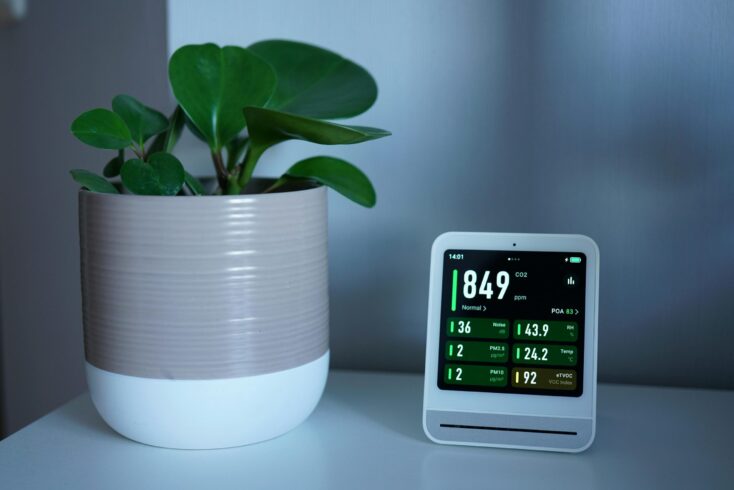
Here’s a bonus: rooms where people spend time naturally have slightly elevated CO2 levels from breathing, which benefits photosynthesis. Your living room plants are literally growing better because you’re there with them.
Good Tip!
Place a small hygrometer near your plants to monitor humidity levels. When it drops below 40%, it’s time to take action with pebble trays or a humidifier.
All these environmental factors shift with the changing seasons, which means your care routine should shift too.
Seasonal Adjustments for House Plant Growth
Winter brings shorter days and lower humidity—both of which naturally slow house plant growth. This isn’t a problem. It’s actually a normal dormancy period when your plants rest and conserve energy.
Don’t panic when growth stalls between November and February. Reduce watering frequency since plants use less moisture when they’re not actively growing. Skip the fertilizer until spring arrives. Think of it like hibernation for your green friends.
When daylight increases in March and April, you’ll see new growth explode as your plants wake up refreshed and ready to thrive. Which reminds us that sometimes, no matter how perfect your care, plants outgrow their containers—and that’s when repotting becomes essential for continued house plant growth.
Repotting, Root Health, and Accelerating House Plant Growth
How Pot Size Affects House Plant Growth
Ever wonder why your plant stopped growing even though you’re doing everything right? The answer might be hiding underground. Roots need space to expand and explore. When they run out of room, they start circling the pot’s edges, creating a tangled mess that chokes off growth.
A root-bound plant can’t absorb water or nutrients efficiently. It doesn’t matter if you’ve nailed the light conditions or water on a perfect schedule—if the roots are cramped, house plant growth stalls. You’ll notice signs like water running straight through the pot, leaves yellowing despite good care, or new growth that’s smaller and weaker than before.
Check your plant’s roots by gently sliding it out of its pot. If you see a dense spiral of roots with little soil visible, it’s time for an upgrade. This simple check can explain months of frustration and unlock the vigorous growth you’ve been hoping for.
Knowing when to repot is just as important as recognizing the need for it.
When to Repot for Maximum House Plant Growth
Timing matters when it comes to repotting houseplants to encourage growth. Fast-growing plants like pothos, philodendrons, and monsteras typically need fresh digs every 12-18 months. Slow growers like snake plants or ZZ plants can wait 2-3 years between moves.
Spring is your golden window. That’s when plants naturally shift into active growth mode, ready to send out new roots and leaves. Repotting in spring gives your plant the entire growing season to establish itself and take off. I learned this the hard way after repotting a fiddle leaf fig in November—it sulked for months before finally perking up the following spring.
Avoid repotting during fall or winter when most houseplants enter dormancy. It’s like waking someone up in the middle of the night and asking them to run a marathon. They need their rest period to conserve energy for the next growth cycle.
Good Tip!
Mark your calendar when you repot each plant. A simple note on your phone or a tag on the pot helps you track when it’s time for the next upgrade, taking the guesswork out of plant care.
Once you’ve decided it’s time to repot, the technique you use matters almost as much as the timing.
Step-by-Step Repotting Guide
Ready to give your plant room to thrive? Here’s how to repot like a pro. Choose a new pot that’s 1-2 inches larger in diameter than the current one. Going too big can lead to overwatering issues since excess soil holds moisture the roots can’t use.
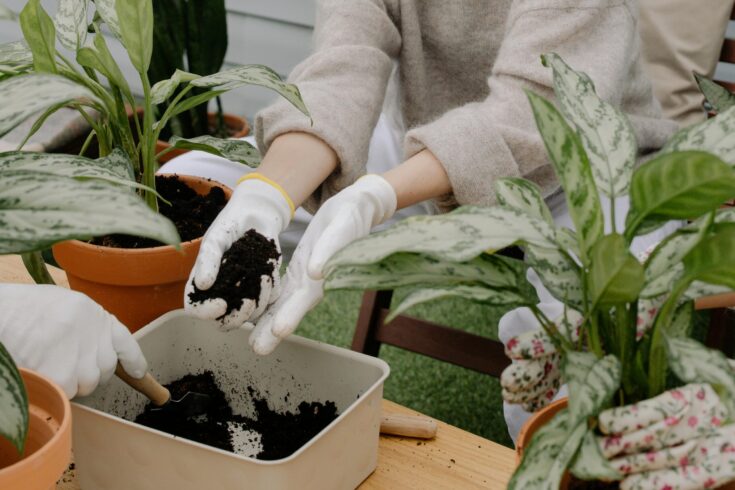
Water your plant a day before repotting. This helps the root ball slide out more easily and reduces transplant shock. Gently tip the pot and ease the plant out, supporting the base of the stem. If roots have formed a tight mat at the bottom, use your fingers to gently tease them apart. This encourages them to grow outward into the fresh soil instead of continuing their circular pattern.
Add a layer of fresh potting mix to the new container, position your plant so it sits at the same depth as before, and fill in around the sides with more soil. Press gently to eliminate air pockets, then water thoroughly until it drains from the bottom. This settling water helps roots make contact with their new home.
According to the Royal Horticultural Society, proper repotting technique can boost growth rates by up to 50% in the first season. But what if your plant has reached its ideal size and you don’t want it any bigger?
Root Pruning for Mature Plants
What if your plant has reached the perfect size and you don’t want it any bigger? Root pruning lets you refresh the plant without upsizing the pot. This technique works beautifully for mature plants that you want to maintain at their current dimensions.
Remove the plant and trim away 20-30% of the root mass, focusing on the outer edges and bottom where roots are most congested. Use clean, sharp scissors or pruning shears. It sounds drastic, but healthy plants bounce back quickly. The pruning stimulates new root growth and removes old, inefficient roots that aren’t pulling their weight.
Repot in the same container with completely fresh soil. The new growing medium provides nutrients and better drainage, giving your plant a reset without the size increase. Water well and expect a brief adjustment period—maybe a week or two of slower growth—before your plant rebounds with renewed vigor.
This approach has kept my rubber plant thriving in the same 10-inch pot for three years running, proving that successful house plant growth isn’t always about getting bigger—sometimes it’s about maintaining health and vitality at the perfect size for your space.
Conclusion
Achieving impressive house plant growth isn’t about luck—it’s about understanding and balancing six core factors: light, water, soil and nutrients, temperature and humidity, pot size and root health, and pest management. By matching your plants to appropriate light conditions, watering based on actual need rather than a rigid schedule, providing nutrient-rich soil and regular fertilization during the growing season, and maintaining stable environmental conditions, you’ll create an indoor environment where your plants thrive. Growth is a seasonal process; be patient during dormancy and celebrate new leaves as signs of success. Take action today: assess your plants’ current light levels, check if any are root-bound, and establish a consistent care routine. When your houseplants are growing vigorously, incorporate creative house plants design ideas to showcase your green thumb and transform your space into a vibrant, living oasis.
Frequently Asked Questions
Can I use the same soil mix for all my houseplants?
No, different plants need different soil compositions. Succulents require fast-draining mixes, while ferns prefer moisture-retentive blends. Matching soil to your plant’s natural habitat ensures better nutrient absorption and root health.
How do I know if my plant is dormant or dying?
Dormant plants maintain their existing leaves and stems without new growth during fall and winter. Dying plants show progressive symptoms like widespread yellowing, mushy stems, or leaf drop. Check the roots—healthy dormant plants have firm, light-colored roots.
Will fertilizing my plant more often make it grow faster?
Over-fertilizing causes more harm than good, leading to nutrient burn and salt buildup in soil. Stick to feeding every 2-4 weeks during active growth seasons only. More isn’t better—consistency and timing matter most.
Why are my plant’s new leaves smaller than the old ones?
Small new leaves typically indicate insufficient light or the plant being root-bound. Move your plant closer to a window or add a grow light, and check if roots are circling the pot’s edges.
Do I need to buy expensive grow lights for my plants?
Basic full-spectrum LED grow lights work perfectly for most houseplants and cost under $30. Expensive models offer features like timers and adjustable spectrums, but budget options deliver excellent results when positioned correctly.
How long after repotting should I expect to see new growth?
Most plants show new growth 2-4 weeks after spring repotting, once roots establish in fresh soil. Winter repotting delays visible growth until the next active season begins in spring.
Sources
- University of Georgia Extension – Common Houseplant Problems
- National Gardening Association – Indoor Gardening Survey Data
- NASA – Plant Growth in Space Research Program
- University of Florida IFAS Extension – Light Requirements for Houseplants
- American Society for Horticultural Science – Water Management in Container Plants
- HortScience Journal – Effects of Fertilization on Houseplant Leaf Production
- University of Georgia College of Agricultural and Environmental Sciences – Humidity and Houseplant Health
- Royal Horticultural Society – Repotting Houseplants Best Practices
- American Phytopathological Society – Impact of Pests on Indoor Plant Growth