
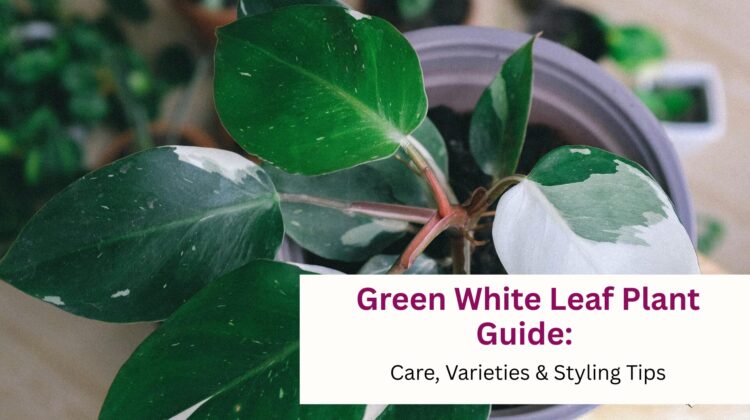
Green white leaf plant require bright, indirect light to maintain their variegation, consistent moisture without waterlogging, and slightly more attention than their all-green cousins.
If you’ve ever walked past a plant with striking green white leaf patterns and felt instantly captivated, you’re not alone. These botanical beauties combine the calming presence of greenery with elegant white markings that catch light and draw the eye, making them perfect statement pieces in any indoor garden.
But here’s where many plant lovers hit a wall: not all green white leaf plants are created equal, and their care requirements can be surprisingly specific. Maybe you’ve brought home a stunning variegated beauty only to watch its white sections turn brown, or perhaps the vibrant contrast faded to plain green over time.
This guide cuts through the confusion with everything you need to know about selecting, caring for, and styling green white leaf plants in your home. You’ll discover the science behind variegation, learn which varieties thrive in different environments, and master the care techniques that keep those white sections looking their best.
Page Contents
Understanding Green White Leaf Plant Variegation
Those stunning white patterns on your green white leaf plant aren’t just beautiful—they tell a fascinating story about how plants adapt and survive. Before you bring home your first variegated beauty, understanding what causes those striking markings will help you provide better care and avoid common frustrations.
What Causes Those Stunning White Patterns
Here’s the fascinating truth: those gorgeous white sections on your green white leaf plant can’t actually make food for the plant. Variegation happens when certain parts of the leaf lack chlorophyll—the green pigment that turns sunlight into energy. Think of it like this: the green parts are solar panels working overtime, while the white sections are just along for the ride.
This happens through genetic mutations that affect how chlorophyll develops in different leaf cells. Some plants are born this way, while others develop variegation as a spontaneous change. Because white areas can’t photosynthesize, your plant is essentially running on less fuel than its all-green cousins. This biological reality is why variegated houseplants need extra attention—they’re working harder with fewer resources, which affects everything from their growth rate to their light requirements.
Common Variegation Patterns You’ll See
Not all white patterns look the same, and understanding the difference helps you know what to expect from your green white leaf plant. Each pattern type has its own care considerations and stability issues. Here are the main types you’ll encounter:
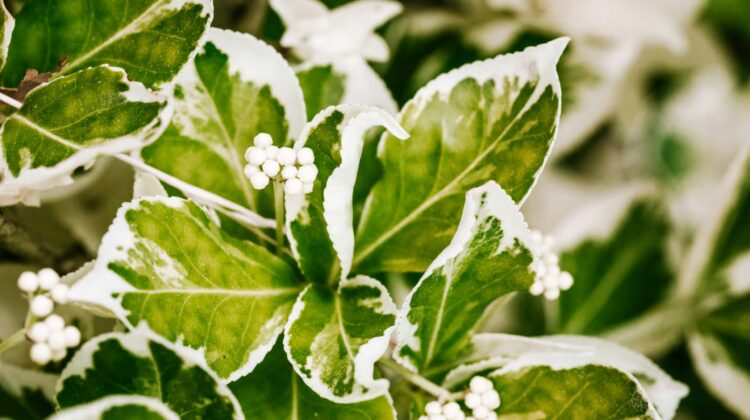
- Marginal variegation shows white edges around green centers (like Pothos ‘N’Joy’)
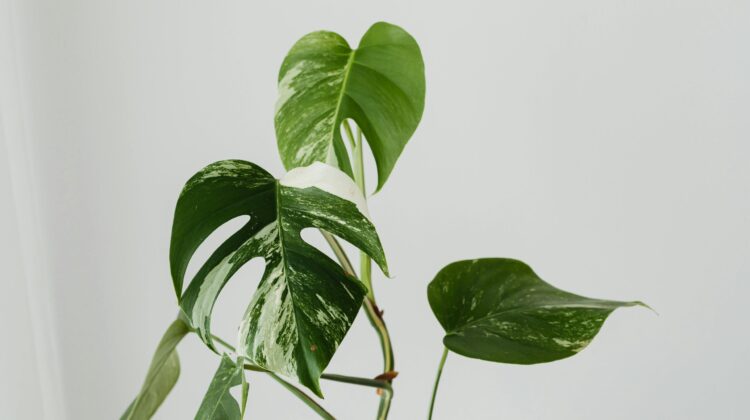
- Sectoral variegation creates dramatic half-and-half sections (think Monstera albo)
- Marbled patterns blend white and green in swirling designs (Calathea ‘White Fusion’)
- Striped variegation runs in lines along the leaf (Spider Plant ‘Variegatum’)
Each pattern affects care slightly differently. Sectoral types with large white sections are more delicate than marginal varieties with just white edges. Understanding your plant’s specific pattern helps you anticipate its needs and adjust your care routine accordingly.
Why Your Plant Might Lose Its White Markings
Ever bought a stunning variegated plant only to watch it slowly turn all green? You’re not alone, and there’s a clear biological reason behind this frustrating phenomenon. Variegation can be unstable because, from the plant’s perspective, solid green growth is more efficient. When your indoor plants with white leaves face stress—low light, temperature swings, or inconsistent watering—they often revert to all-green leaves to maximize energy production. It’s a survival mechanism kicking in.
Some varieties are more stable than others due to their genetic makeup, but all variegated plants carry this potential for reversion. The key is catching it early and pruning those solid green leaves immediately, since they grow faster and will eventually take over your carefully curated green white leaf plant.
Good Tip!
If you spot an all-green leaf emerging on your variegated plant, prune it off right away. These leaves grow faster than variegated ones and will eventually dominate, causing your plant to lose its beautiful white patterns entirely.
Why White Sections Make Care More Challenging
Those white patches aren’t just pretty—they fundamentally change how your plant behaves. Since white tissue can’t produce energy, the green sections must work harder to support the entire plant. This makes white and green foliage plants more sensitive to everything: light levels, water quality, humidity, and temperature fluctuations.
Too little light and the plant can’t generate enough energy to thrive. Too much direct sun and the delicate white tissue scorches easily—it lacks the protective chlorophyll that shields green leaves from intense rays. According to research from university horticulture programs, variegated varieties typically need 20-30% more light than non-variegated types, but that light must be indirect to protect vulnerable white areas. It’s a balancing act, but once you understand this trade-off, keeping your green white leaf plant healthy becomes much easier.
Top Green White Leaf Plants For Your Collection
Now that you understand the science behind variegation, let’s explore which plants deserve a spot in your home. Choosing the right variegated houseplants can feel overwhelming when you’re staring at dozens of options, but there’s a perfect green white leaf plant for every skill level and home environment.
Beginner-Friendly Green White Leaf Plants
Just starting your variegated plant journey? These three varieties forgive mistakes and grow fast enough to keep you motivated without the stress of finicky care requirements.
Pothos ‘Marble Queen’ is your best friend if you’re new to indoor plants with white leaves. This trailing beauty tolerates low light (though it prefers bright, indirect), bounces back from missed waterings, and grows quickly enough to show you’re doing something right. The creamy white splashes across its heart-shaped leaves look expensive but cost a fraction of rare varieties. It’s the perfect training-wheels plant for building your confidence.
Spider Plant ‘Variegatum’ might be the most forgiving plant on earth. It thrives in almost any light condition, produces adorable baby plants you can share with friends, and its white-striped leaves add architectural interest to shelves or hanging baskets. Plus, it’s completely safe for curious pets who like to nibble. If you can kill a spider plant, you might need to stick with artificial greenery.
Dracaena ‘Warneckii’ brings tropical vibes with minimal fuss. Its sword-like leaves feature crisp white stripes down the center, and it can handle dry air better than most variegated options. This one’s perfect for offices or bedrooms where you might forget to water occasionally. The upright growth habit makes it an excellent floor plant for corners that need a vertical element.
Good Tip!
Start with at least two beginner varieties before investing in expensive collector plants—you’ll learn what works in your space without the stress of potentially losing a $200 cutting.
Medium Difficulty Varieties With Stunning Patterns
Ready to level up? These white and green foliage plants require more attention but reward you with show-stopping looks that make your plant-loving friends jealous.
Philodendron ‘Birkin’ features precise white pinstripes that look hand-painted across deep green leaves. This compact beauty needs consistent moisture and bright indirect light to maintain its patterns. The challenge? Those white stripes can fade if lighting isn’t right, but adjusting placement usually fixes the issue quickly. It’s an excellent bridge plant between beginner and advanced varieties.
Calathea ‘White Fusion’ is the drama queen of variegated plant care, but if you’re up for the challenge, it’s absolutely worth it. Its marbled white, green, and purple leaves fold up at night in a fascinating display of plant movement. It demands high humidity, filtered water, and patience—but if you can meet its needs, you’ll have the most conversation-starting green white leaf plant on your block. This one separates casual plant owners from dedicated enthusiasts.
Collector-Worthy Specimens
These rare beauties come with premium price tags and specific care needs, but they’re the holy grail for serious plant enthusiasts who’ve mastered the basics.
Monstera ‘Albo Variegata’ is the Instagram star everyone wants. Each leaf is unique, with dramatic white sections that can cover half the leaf or create striking patterns. The catch? Those white sections make the plant grow slower, and you’ll need to provide perfect conditions to prevent browning. A single cutting can cost hundreds of dollars, so this isn’t where you want to start your variegated journey.
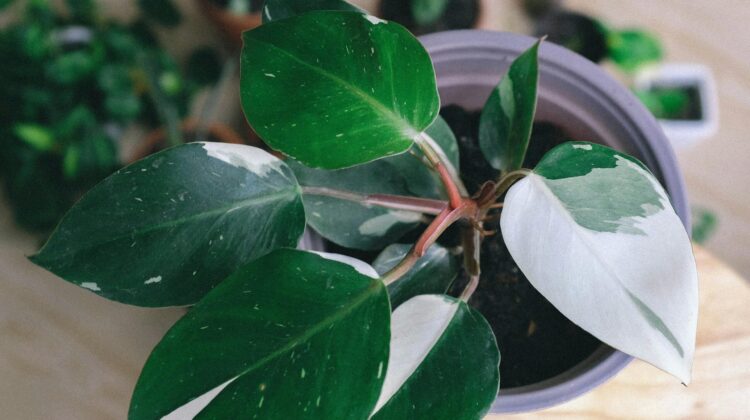
Philodendron ‘White Princess’ offers highly variable patterns where no two plants look identical. Some leaves emerge almost entirely white, while others show subtle splashes. This unpredictability is part of the appeal for collectors willing to invest time in proper care. For more inspiration on plants with white and green leaves for your indoor jungle, check out detailed care guides from experienced collectors who’ve learned through trial and error.
Essential Care Guide For Green White Leaf Plants
Understanding the theory behind variegation is one thing, but putting that knowledge into practice makes the difference between thriving plants and disappointing results. These care fundamentals apply to virtually every green white leaf plant, though you’ll need to fine-tune based on your specific variety.
Light Requirements: Finding The Sweet Spot
Your green white leaf plant needs bright, indirect light to keep those stunning white patterns vibrant. Think of it like this: the white sections can’t make food for the plant, so the green parts work overtime to compensate. Too little light? Your plant will ditch the white and go all-green to survive—it’s abandoning beauty for efficiency. Too much direct sun? Those delicate white areas scorch like paper under a magnifying glass.
Position your plant 3-5 feet from a south or west-facing window, or use sheer curtains to filter harsh rays. If natural light is limited, grow lights work wonders—just keep them on for 12-14 hours daily to mimic optimal conditions. Rotate your plant weekly so all sides get equal exposure and growth stays balanced instead of leaning dramatically toward the light source.
Watering: The Goldilocks Approach
Watering variegated houseplants requires a delicate touch that many beginners struggle to master. Those white sections are more vulnerable to rot and browning than their green counterparts, making consistent moisture levels critical. Stick your finger into the soil—when the top 1-2 inches feel dry, it’s time to water. Use room-temperature water and pour slowly until it drains from the bottom.
Never let your plant sit in standing water, and avoid splashing the leaves, especially the white parts which are more prone to spotting and disease. Consistency matters more than frequency—most indoor plants with white leaves prefer evenly moist soil that’s never soggy or bone-dry. Erratic watering stresses your green white leaf plant and can trigger reversion to solid green growth.
Good Tip!
Use filtered or distilled water if your tap water contains fluoride or chlorine—these chemicals cause brown tips on sensitive white tissue faster than you’d expect.
Soil Mix: Drainage Is Everything
Well-draining soil prevents the waterlogging that kills more variegated plant care efforts than anything else. Standard potting mix is too dense on its own for most green white leaf plants. Mix in perlite or orchid bark at a 2:1 ratio (two parts soil to one part amendment). This creates air pockets that let roots breathe and excess water escape quickly.
Always use pots with drainage holes—no exceptions, no matter how pretty that ceramic planter without drainage looks. If you’re growing aroids like Monstera or Philodendron, go even chunkier with your mix. These plants appreciate the extra aeration around their roots, which mimics their natural epiphytic growing conditions.
Humidity: Protecting Those White Edges
White and green foliage plants thrive in 50-60% humidity, which is higher than most homes naturally maintain. Lower levels cause crispy, brown edges on white sections first, since they lack the protective chlorophyll that helps green tissue retain moisture. Group plants together to create a humid microclimate, set pots on pebble trays filled with water (don’t let the pot touch the water), or invest in a small humidifier for the best results.
Keep plants away from heating vents and air conditioners that blast dry air directly at them. Morning misting helps temporarily, but consistent ambient humidity works better long-term for maintaining healthy white variegation.
Troubleshooting Common Green White Leaf Plant Problems
Even with perfect care, you’ll occasionally encounter issues with your variegated beauties. The key is diagnosing problems early and adjusting your approach before minor issues become major setbacks.
Fading Variegation Means Your Plant Needs More Light
If your green white leaf plant is losing its striking white patterns and looking more solid green, it’s crying out for better light. This happens because your plant is basically going into survival mode—when light is scarce, it pumps out more chlorophyll (the green stuff) to capture every bit of energy it can. The white sections become a luxury it can’t afford.
Move your plant closer to a window or add a grow light immediately. The good news? If you catch it early, new growth will show improved variegation once lighting improves. Just remember to make the transition gradual—sudden bright light can shock a plant that’s been sitting in dim conditions for months. This is one of the most common issues with indoor plants with white leaves, but it’s also one of the easiest to fix.
Brown or Crispy White Sections Point to Environmental Stress
Those beautiful white patches on your variegated houseplants are delicate and lack the protective mechanisms that green tissue has. They can’t shield themselves from damage the way chlorophyll-rich leaves can. If you’re seeing brown, crispy edges on white sections, you’re likely dealing with low humidity (below 40%), direct sunlight hitting those sensitive areas, or harsh chemicals in your tap water.
Boost humidity with a pebble tray or humidifier, filter your water to remove fluoride and chlorine, and move your plant away from harsh afternoon sun. White sections need that Goldilocks zone—bright but filtered light that provides energy without causing damage. Think of them as requiring the same protection you’d give your own skin on a sunny day.
Good Tip!
Keep a spray bottle of distilled water handy to mist your indoor plants with white leaves during dry winter months when heating systems zap humidity from the air.
Yellow Leaves Usually Mean You’re Overwatering
Yellowing leaves are your plant’s way of waving a red flag about too much water. Because white and green foliage plants have less photosynthetic capacity than all-green varieties, they’re extra sensitive to soggy soil—their roots just can’t handle the oxygen deprivation that comes with waterlogged conditions.
Check if the soil feels wet below the surface, look for mushy roots if you’re really concerned, and let the top two inches dry out before watering again. According to the University of Maryland Extension, overwatering causes more houseplant deaths than any other issue. Cut back your watering schedule and ensure your pot has drainage holes—this simple adjustment saves more plants than any fancy fertilizer or supplement.
Slow Growth Is Actually Normal for Variegated Plants
Here’s something that surprises many plant parents: if your green white leaf plant grows slower than its all-green cousins, nothing’s wrong. Those white sections can’t photosynthesize, so your plant has less energy to fuel growth. It’s working with maybe 50-70% of the energy production of a solid green plant, which naturally translates to slower development.
Be patient and resist the urge to over-fertilize to speed things up—that’ll cause more harm than good, potentially burning those sensitive roots and causing even more stress. Focus instead on providing optimal light and consistent care, and your plant will grow at its own steady pace. This is simply the trade-off for those stunning white patterns you fell in love with.
Styling Green White Leaf Plants In Your Home
Once you’ve mastered the care basics, it’s time to think about how to showcase your beautiful collection. Proper placement isn’t just about aesthetics—it also affects how much you’ll enjoy your plants and how well they’ll thrive in your space.
Create Dramatic Focal Points With Statement Pieces
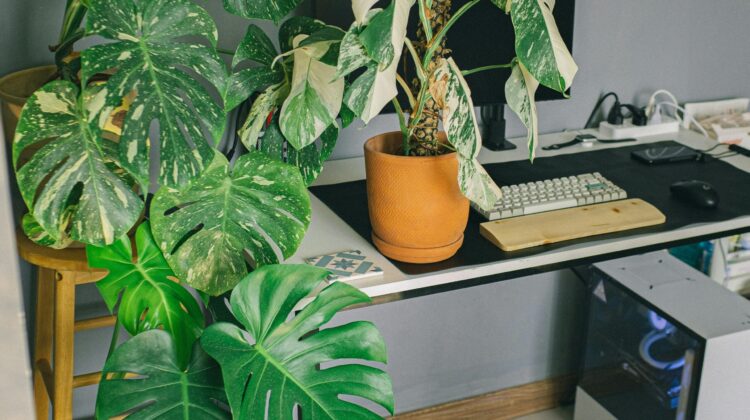
Want to make guests stop in their tracks? Place a large Monstera albo or Philodendron ‘Birkin’ in a well-lit corner where it can command attention. These showstoppers naturally draw the eye, especially when positioned where natural light can highlight their stunning white patterns throughout the day. The key is giving them room to breathe—don’t crowd them with other décor that competes for attention.
A single variegated houseplant in a neutral pot becomes instant art. Think white ceramic, concrete, or terracotta containers that let the foliage do the talking. Avoid busy patterns or bright colors that compete with those gorgeous leaves you’ve worked so hard to maintain. Position your statement plant near a window where it gets bright, indirect light, but not harsh afternoon sun that could scorch those delicate white sections you’re trying to showcase.
Group Plants Together For Maximum Visual Impact
Here’s a styling trick that works every time: cluster your green white leaf plants at different heights for a dynamic, layered look. Pair a tall Dracaena ‘Warneckii’ with a trailing Pothos ‘Marble Queen’ and a compact Calathea ‘White Fusion’ on a plant stand or shelf. The repetition of white variegation creates a cohesive look that feels intentional rather than random, while varying leaf shapes and sizes add depth and visual interest.
This grouping approach transforms a collection of individual plants into a curated display that looks professionally designed. Try this in your living room, entryway, or home office—anywhere you want to create a lush, intentional vibe that showcases your plant collection. The white patterns will bounce light around the space, making the whole area feel brighter and more alive without adding more light fixtures.
Good Tip!
Position your green white leaf plant near a mirror or light-colored wall to amplify the reflective quality of the white variegation—it doubles the visual impact and makes small spaces feel larger.
Choose The Right Containers To Showcase Your Plants
Your pot choice matters more than you think when displaying a green white leaf plant. Neutral containers—white, concrete, or natural terracotta—let your plant’s striking foliage take center stage rather than competing with it. Busy patterns or bold colors steal attention from those beautiful leaves you worked so hard to maintain through proper care and lighting.
Simple, clean lines work best for highlighting variegation. Consider texture too: smooth ceramic offers modern elegance, while rough concrete adds an industrial edge that works well in contemporary spaces. Make sure whatever you choose has drainage holes—non-negotiable for keeping your white and green foliage plants healthy. According to Houzz design trends, minimalist planters paired with variegated plants consistently rank as top choices for homeowners looking to elevate their interior style without overwhelming their space. The combination creates a sophisticated look that never goes out of style.
Conclusion
Green white leaf plants offer a stunning combination of elegant form and dramatic contrast. While they require more specific care than their solid green counterparts, the visual impact they bring to your space makes the extra effort worthwhile. By providing appropriate light, careful watering, and the right humidity levels, you’ll be rewarded with healthy, vibrant variegated foliage that transforms any room into a botanical showcase.
Frequently Asked Questions
Will my variegated plant stay variegated forever?
Not always. Variegation can be unstable, especially when plants face stress like inadequate light or inconsistent watering. Some varieties are genetically more stable than others, but regular monitoring and proper care help maintain those beautiful white patterns.
Can I propagate cuttings from white sections of my plant?
No, avoid cuttings with only white tissue—they won’t survive since they can’t photosynthesize. Always choose propagation cuttings that include both green and white sections to ensure the new plant can produce energy and grow successfully.
Do variegated plants need special fertilizer?
They don’t need special formulas, but they do need lighter feeding. Since they grow slower due to reduced photosynthesis, use half-strength fertilizer monthly during growing season. Over-fertilizing causes more harm than skipping feeds altogether.
Why are variegated plants so expensive compared to solid green ones?
They grow much slower due to limited photosynthesis, making them harder to propagate commercially. Rare varieties with unstable variegation can’t be mass-produced, and high collector demand drives prices up significantly.
Can I force my regular green plant to become variegated?
Unfortunately, no. Variegation results from genetic mutations or specific breeding, not environmental manipulation. You’ll need to purchase a naturally variegated variety if you want those stunning white and green patterns.
Is it normal for new leaves to have less white than older ones?
Yes, variegation levels fluctuate naturally between leaves. Environmental factors like seasonal light changes affect how much white appears. As long as you’re not seeing complete reversion to solid green, your plant is fine.
Sources
- University of Florida IFAS Extension – Research on light requirements for variegated plants
- Journal of Plant Physiology – Study on chlorophyll content in variegated foliage
- American Society for Horticultural Science – Research on variegated plant care needs