
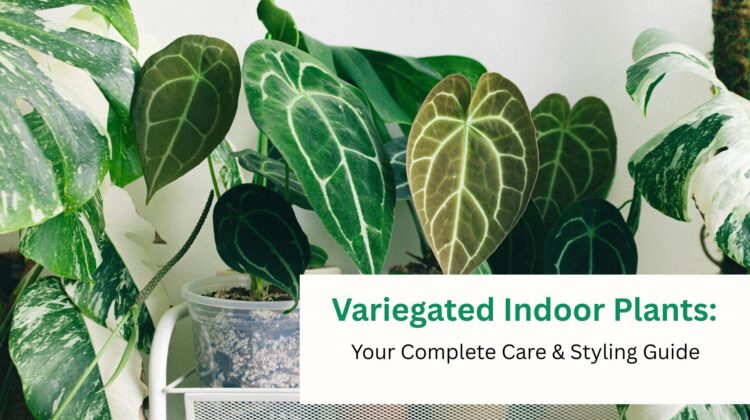
Variegated indoor plants require 20-30% more bright, indirect light than their solid-green counterparts and careful attention to watering since their reduced chlorophyll makes them more sensitive to environmental stress.
Walking into a room where sunlight catches the creamy-white streaks on a Monstera deliciosa leaf creates natural artwork on your walls. Variegated indoor plants have exploded in popularity—searches increased by 312% between 2020-2023—and it’s easy to see why these living masterpieces captivate plant enthusiasts worldwide.
But here’s the challenge many plant parents face: variegated indoor plants come with a reputation for being finicky, expensive, and difficult to maintain. You’ve probably wondered whether that $80 variegated Pothos is worth the investment, or why your beautifully striped plant keeps reverting to solid green.
This comprehensive guide demystifies variegated indoor plants from selection to styling, giving you the confidence to grow these stunning specimens successfully. Whether you’re a curious beginner or expanding your existing collection, you’ll find actionable strategies to help your variegated beauties thrive.
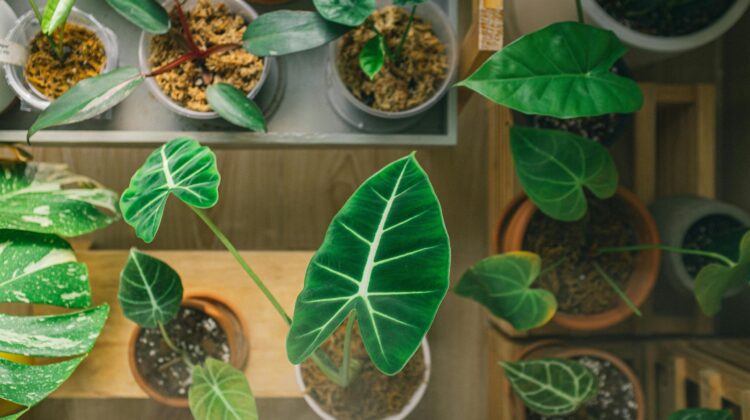
Before diving into specific varieties and care techniques, it’s crucial to understand what makes variegated indoor plants so special—and so challenging. The striking patterns you see aren’t just decorative; they’re biological phenomena that fundamentally change how these plants function.
Page Contents
Three Types of Variegation and What They Mean for Your Plant
Not all variegation is created equal. Understanding the type your plant has can save you from heartbreak down the road. Genetic or pattern variegation is the most stable—it’s coded into the plant’s DNA, so those patterns aren’t going anywhere. Think of Calathea ‘White Fusion’ with its predictable, consistent markings. This type passes reliably from one generation to the next, making these plants easier to propagate and maintain.
Chimeral variegation, on the other hand, is a bit of a wild card. Found in popular varieties like Monstera albo, this type results from a genetic mutation in certain cell layers. It’s beautiful but unstable, meaning your plant can revert to all-green growth if conditions aren’t perfect. The variegation exists only in specific tissue layers, which is why propagation becomes tricky—not every cutting will contain those mutated cells.
Finally, blister or reflective variegation isn’t actually about pigment at all—it’s a structural effect where air pockets beneath the leaf surface create a silvery, shimmering appearance. Understanding variegation types helps you set realistic expectations for how your plant will behave over time and what kind of care consistency it will demand.
Why Variegated Plants Command Premium Prices
If you’ve ever wondered why that variegated Monstera costs ten times more than the green version, here’s the truth: these plants are simply harder to produce. They grow 20-40% slower because they’re producing less chlorophyll, which means growers wait longer for saleable plants. Time is money in the nursery business, and slower growth translates directly to higher prices.
Propagation is trickier too—not every cutting maintains the variegation pattern, especially with chimeral types. A grower might take ten cuttings and end up with only three or four that show desirable variegation, making the successful ones proportionally more expensive. Add higher failure rates and intense collector demand, and you’ve got a perfect storm for premium pricing. A variegated Monstera cutting can easily run $100-$300, while the standard green version sits comfortably at $15-$30.
Good Tip!
Before investing in an expensive variegated specimen, buy a less costly variety first to test your home’s light conditions and your care routine—it’s the smartest insurance policy for your plant budget.
The Chlorophyll Challenge
Those stunning white and cream sections on indoor plants with white and green leaves come with a trade-off. Without chlorophyll, these areas can’t photosynthesize, forcing the green portions to work overtime. Plants with 50% or more variegation produce significantly less energy, making them more demanding about light placement and overall conditions. They’re essentially running on half their potential capacity, which affects everything from growth speed to stress tolerance.
They’re also more fragile—white sections sunburn easily and can’t repair themselves like green tissue can. When damage occurs to green areas, the plant can redirect resources to heal. White sections lack that ability entirely. This is why your variegated indoor plants need that sweet spot of bright, indirect light rather than the lower light their solid-green cousins might tolerate. Understanding this biological limitation helps explain many of the specific care requirements we’ll explore throughout this guide.
Managing Reversion When Green Leaves Appear
Seeing solid green leaves pop up on your prized variegated plant can feel like a betrayal, but it’s actually a survival strategy. When light is insufficient, plants revert to all-green growth because it’s more efficient for energy production. From the plant’s perspective, it’s choosing survival over aesthetics—and you can’t blame it for that.
The fix? Relocate your plant to brighter conditions immediately and prune those green leaves below the node—if you leave them, the plant will “choose” to keep producing the more efficient green growth. Sometimes reversion is temporary and responds to better care. Other times, especially with unstable chimeral variegation, it’s permanent. The key is catching it early and adjusting conditions before your entire plant goes green. Think of it as an early warning system: green leaves mean your plant is struggling with current conditions.
Top 12 Variegated Indoor Plants for Every Skill Level
Now that you understand the science, let’s talk practical application. Not all variegated indoor plants require the same level of expertise or investment. Choosing varieties that match your experience level sets you up for success rather than expensive disappointment.
Beginner-Friendly Variegated Plants That Forgive Mistakes
Starting your variegated plant journey doesn’t mean breaking the bank or stressing over every leaf. Four reliable champions make perfect first picks, each offering beautiful patterns without the drama of high-maintenance specimens.
Pothos ‘Marble Queen’ leads the pack with creamy-white splashes that brighten any corner. This trailing beauty forgives missed waterings and adapts to medium light, though brighter spots keep those patterns sharp. It’s the training wheels of variegated houseplants—forgiving enough to build your confidence while still delivering stunning visual impact.
Spider Plant ‘Variegatum’ produces cascading babies with crisp white stripes—perfect for hanging baskets in bathrooms where humidity naturally stays higher. As a bonus, the plantlets can be propagated easily, giving you backup plants or gifts for friends. Snake Plant ‘Laurentii’ stands tall with golden-yellow edges, tolerating low light and weeks of neglect better than most houseplants. It’s practically indestructible, making it ideal for busy plant parents or frequent travelers.
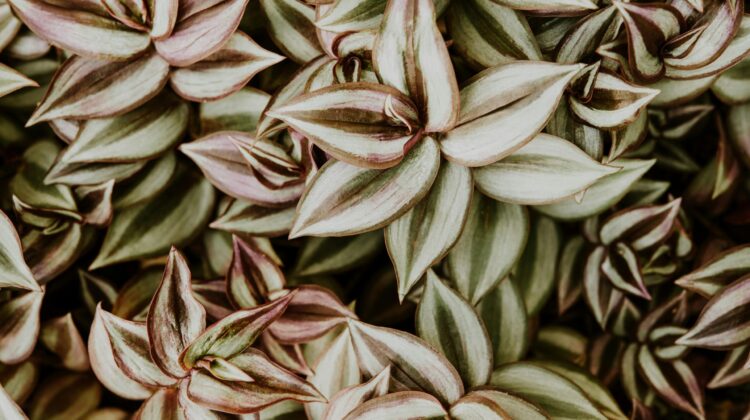
Finally, Tradescantia zebrina grows fast with purple-and-silver striped leaves, bouncing back quickly even if you accidentally underwater. Its rapid growth means you’ll see results quickly, which provides encouraging feedback as you learn.
These four typically cost $10-$30, making them ideal for experimenting without financial anxiety. They’ll teach you the basics of variegated plant care—reading light needs, adjusting watering frequency—without punishing beginner mistakes. For more inspiration on indoor plants with white and green leaves, check out Epic Gardening’s comprehensive guide featuring 34 stunning varieties.
Good Tip!
Start with just one beginner variety and master its care rhythm for 3-4 months before adding more. This builds confidence and prevents the overwhelm that kills expensive collections.
Intermediate Varieties for Growing Collectors
Ready to level up? Once you’ve successfully maintained beginner varieties through seasonal changes and watering adjustments, these four variegated indoor plants reward consistent care with showstopping growth.
Monstera ‘Thai Constellation’ features stable cream splotches across fenestrated leaves—no reversion worries here. Its genetic variegation means what you buy is what you keep, making it a safer investment than chimeral varieties. Philodendron ‘Brasil’ trails beautifully with lime-yellow stripes down heart-shaped leaves, creating cascading displays that work wonderfully on shelves or in macramé hangers.
Calathea ‘White Star’ shows off pink undersides and white-painted patterns that move with daily light cycles. The movement adds an interactive element to your plant display—these aren’t just static decorations but living, responsive organisms. Hoya carnosa ‘Tricolor’ offers pink-edged leaves and fragrant flower clusters, combining variegation with the bonus of evening-scented blooms that appear when the plant matures.
These plants need 50-60% humidity (think pebble trays or room humidifiers) and consistent watering schedules. They cost $30-$100 but deliver dramatic visual impact worth the investment. At this stage, you’re not just keeping plants alive—you’re optimizing their growth and appearance.
Advanced Collector Plants Worth the Investment
High-stakes beauties for experienced plant parents include Monstera albo with its unstable white sectoring, Philodendron ‘Pink Princess’ sporting bubble-gum pink variegation, and Alocasia ‘Frydek Variegata’ with silvery-white veining. These specimens demand attention to detail that goes beyond basic care.
They require 60-70% humidity, vigilant pest checks, and perfect watering balance. At $100-$500+, they’re investments requiring serious commitment. But for collectors who’ve mastered intermediate varieties, these plants represent the pinnacle of indoor gardening achievement. They’re conversation pieces, status symbols, and tangible rewards for developing genuine horticultural skill.
Emerging Rarities to Watch
The variegated plant market shifts constantly as breeding programs introduce new varieties and tissue culture makes formerly rare plants more accessible. Keep your eyes on Syngonium ‘Albo’, Scindapsus pictus ‘Exotica’, and **Philodendron ‘White Wizard’**—prices fluctuate wildly as availability shifts with breeding trends. What costs $300 today might drop to $75 in two years as production scales up, making these worth monitoring if you’re patient and budget-conscious.
Essential Care Requirements for Thriving Variegated Indoor Plants
Understanding plant types means nothing without proper execution. Let’s break down the non-negotiable care elements that determine whether your variegated indoor plants thrive or merely survive.
Light: The Non-Negotiable Factor
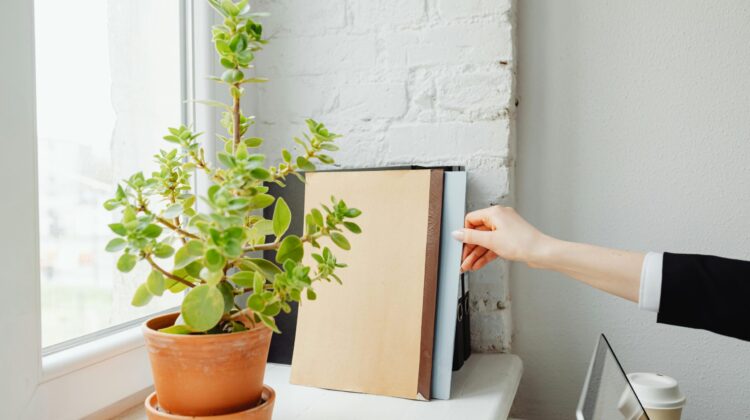
Light isn’t optional for variegated indoor plants—it’s everything. Your plants need 6-8 hours of bright, indirect light daily to maintain those stunning patterns. Position them 3-5 feet from east or west-facing windows where they’ll get consistent brightness without harsh afternoon rays. This distance provides the “Goldilocks zone”—enough intensity to support variegation without burning delicate tissues.
Too little light? Your plant will start pushing out solid green leaves as a survival tactic. Too much direct sun? Those delicate white sections will scorch and turn brown since they lack chlorophyll protection. The damage happens quickly—sometimes in just hours during intense summer afternoons.
During darker winter months or if you’re working with north-facing windows, invest in grow lights with a 5,000-6,500K spectrum. They’re game-changers for keeping variegation vibrant year-round. Position them 12-18 inches above your plants and run them for 12-14 hours daily to supplement weak natural light. This investment pays dividends in maintained patterns and healthy growth.
Watering Wisdom for Reduced Chlorophyll
Here’s the surprise: variegated indoor plants often need less water than you’d think. Because they have reduced chlorophyll, they photosynthesize slower, which means they take up water more slowly too. Let the top 1-2 inches of soil dry out completely between waterings—stick your finger in to check. This tactile method beats any watering schedule because it responds to actual conditions rather than arbitrary timing.
For expensive specimens like variegated Monsteras, a moisture meter takes the guesswork out. These $10-15 tools provide objective readings of moisture levels deep in the root zone where your finger can’t reach. Overwatering is the fastest way to kill these beauties since their already-stressed systems can’t handle soggy roots. Root rot sets in quickly, and there’s no coming back from that—you’ll lose a valuable plant to a completely preventable problem.
Good Tip!
Use a chopstick or wooden skewer inserted 2-3 inches into the soil—if it comes out clean and dry, it’s time to water. This simple trick prevents overwatering better than any schedule.
Soil and Drainage Specifics
Standard potting soil won’t cut it for variegated houseplants. Their root systems are less robust than green varieties, so they need extra aeration. Mix 30-40% perlite, orchid bark, or pumice into quality potting soil to create a chunky, well-draining blend. This creates air pockets that prevent water from pooling around roots while still maintaining enough moisture for uptake.
A simple recipe that works: 50% potting mix, 30% orchid bark, and 20% perlite. This airier texture prevents water from sitting around roots while still holding enough moisture. Think of it as giving your plant’s roots room to breathe—they’re already working overtime to support that gorgeous variegation. The chunks also encourage roots to grow stronger as they navigate around obstacles, creating a more resilient root system overall.
Feeding Strategies for Optimal Variegation
Feed your variegated indoor plants with balanced fertilizers like 10-10-10 or 20-20-20, but here’s the key: dilute to half-strength. Apply monthly during the growing season (spring through early fall). This conservative approach prevents the nutrient overload that can trigger reversion.
Over-fertilizing pushes all-green growth because the plant prioritizes efficient energy production over maintaining patterns. The excess nutrients essentially tell your plant, “We have plenty of resources, so let’s grow as efficiently as possible”—which means pumping out plain green leaves. For more detailed fertilizer guidance for variegated indoor plants, check resources that break down nutrient needs by variegation percentage.
Plants with 70%+ white sections may benefit from slightly higher nitrogen to compensate for reduced chlorophyll, but always start conservative. You can always increase if your plant shows deficiency signs, but you can’t undo fertilizer burn or reversion triggered by overfertilizing.
Preventing and Managing Common Variegated Plant Problems
Even with excellent care, variegated indoor plants present unique challenges. Recognizing problems early and responding appropriately makes the difference between minor setbacks and major losses.
When Your Plant Reverts to Solid Green
That sinking feeling when your gorgeous variegated Pothos suddenly pushes out an all-green leaf? It’s not a fluke—it’s your plant’s survival instinct kicking in. Reversion happens when your plant doesn’t get enough light to support those stunning white or cream sections. Those green leaves produce energy way more efficiently, so your plant essentially chooses productivity over beauty.
The fix is immediate: move your plant to a brighter spot with more indirect light. Then grab your pruning shears and cut off those solid green leaves just below the node. This tells your plant, “Nope, we’re keeping the variegation.” If you leave them, the plant will keep producing more efficient green growth, and you’ll lose that gorgeous pattern entirely. The green sections grow faster and more vigorously, eventually overwhelming the variegated portions.
Act decisively within the first week of noticing reversion. The longer green growth remains, the more the plant “commits” to that growth pattern. Some collectors check their plants daily specifically to catch reversion immediately—that’s how crucial timing is for maintaining patterns in unstable varieties.
Sunburn Damage on White Sections
Those delicate white portions on your variegated indoor plants look stunning, but they’re basically defenseless against direct sun. Without chlorophyll to protect them, they burn fast—showing up as brown, crispy patches that look like someone took a blowtorch to your leaves. Once burned, those spots won’t recover, so prevention is everything.
Use sheer curtains to filter intense afternoon sun, especially in south or west-facing windows. When you move a plant to a brighter location, do it gradually over 7-10 days. Think of it like getting a tan instead of a sunburn—slow acclimation keeps those white sections healthy and vibrant. Start with an hour of the new light condition, then two hours the next day, gradually increasing exposure until the plant adjusts.
Good Tip!
Rotate your variegated plants a quarter turn every week during watering. This ensures all sides get equal light exposure and prevents one-sided reversion while promoting balanced, symmetrical growth.
Why Pests Love Stressed Variegated Plants
Here’s an uncomfortable truth: variegated plants attract pests more than their green cousins. When your plant struggles to photosynthesize efficiently, it releases chemical stress signals—and spider mites, mealybugs, and thrips pick up on these like a dinner bell. Stressed plants produce different volatile compounds that insects can detect from surprising distances.
Make weekly inspections part of your routine. Check under leaves, along stems, and where leaves meet the main stalk—these hidden spots are where pests establish colonies before you notice them on visible surfaces. Catch problems early with insecticidal soap or neem oil, and always quarantine new plants for two weeks before introducing them to your collection.
For proper nutrition that supports plant health, check out this guide on fertilizing variegated indoor plants to keep stress levels low. Well-fed plants with optimal care show significantly fewer pest problems because they’re not broadcasting stress signals.
Slow Growth Is Actually Normal
If your variegated Monstera takes two months to unfurl a single leaf while your friend’s green one pumps out growth weekly, don’t panic. Variegated varieties naturally grow 20-50% slower—it’s just physics. With less chlorophyll, they produce less energy, which means slower everything. This isn’t a problem you fix; it’s an expectation you adjust.
Focus on optimizing what you can control: bright indirect light for 6-8 hours daily, humidity between 40-60%, and consistent care. Small leaves and slow unfurling are normal for these beauties. Patience isn’t just a virtue here—it’s a requirement. The collectors with the most impressive specimens aren’t those who rushed growth but those who maintained consistent, optimal conditions year after year.
Styling Your Space: Creative Design Ideas With Variegated Indoor Plants
Beyond care and maintenance, variegated indoor plants offer incredible opportunities for intentional interior design. Their natural patterns add dimension and interest that solid-green plants can’t match.
Create Statement Focal Points That Command Attention
Think of your variegated indoor plants as living sculptures. A large Monstera deliciosa ‘Thai Constellation’ or Ficus elastica ‘Tineke’ becomes an instant conversation starter when positioned strategically. These specimens have architectural presence that rivals expensive furniture or artwork.
Place these showstoppers against solid-colored walls—charcoal gray, navy blue, or even crisp white—to make those creamy streaks and splashes pop. The contrast naturally draws the eye and turns your plant into functional art. Corner spots with bright, indirect light work beautifully, especially beside a reading chair or sofa where the plant adds both visual weight and organic texture.
I’ve found that positioning a statement plant near the entrance creates an impressive first impression that sets the tone for your entire space. Guests notice these features immediately, and the effect is far more memorable than generic decor.
Group Plants Using the Thriller-Filler-Spiller Method
Borrowed from container gardening, this design trick works wonders for indoor plant displays. Start with an upright “thriller” like a tall Dracaena ‘Lemon Lime,’ add a bushier “filler” such as Peperomia ‘Marble,’ and finish with a trailing “spiller” like Pothos ‘N’Joy.’ This creates layers of visual interest at different heights.
The key is coordinating variegation patterns—mixing plants with similar white-and-green or cream-and-green coloring creates visual harmony rather than chaos. This layered approach adds dimension and makes even small collections feel intentional and curated. Group odd numbers (three or five plants) for a more natural, less formal appearance.
Enhance Patterns With Strategic Lighting
Your variegated houseplants deserve the spotlight—literally. Uplighting from below creates dramatic shadows with larger specimens, emphasizing their architectural qualities after sunset. Picture lights or adjustable track lighting can highlight your prized plants during evening hours when natural light fades.
This transforms your indoor plants with white and green leaves from daytime beauties into nighttime focal points. According to interior design research, proper plant lighting significantly enhances perceived room quality and ambiance. It’s not just about plant health—it’s about creating atmosphere that makes your space feel professionally designed.
Choose Containers That Let Variegation Shine
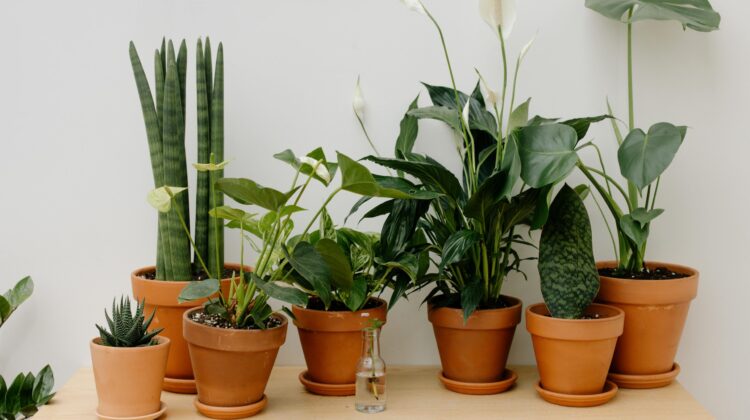
Your pot choice matters more than you might think. White, cream, terracotta, or matte black containers complement rather than compete with complex leaf patterns. Avoid busy patterns or bright colors that distract from your plant’s natural beauty. The container should frame and enhance, not overshadow.
Elevate your display using plant stands at varying heights—wooden tripods, metal risers, or ceramic pedestals create visual layers that feel professionally styled rather than randomly placed. This vertical dimension makes your collection appear more substantial and thoughtfully arranged.
Good Tip!
Rotate your variegated plants 90 degrees weekly to ensure even growth and prevent them from leaning toward light sources—this keeps your display looking balanced and symmetrical.
Variegated indoor plants represent the perfect intersection of challenge and reward. They demand attention, understanding, and consistency, but they repay that investment with unmatched visual impact. Whether you’re starting with a forgiving Pothos ‘Marble Queen’ or nurturing a prized Monstera albo, each plant teaches lessons about light, growth, and patience. The patterns that make these plants so desirable also make them vulnerable, requiring you to develop genuine horticultural awareness. But that’s precisely what makes success so satisfying—you’re not just decorating a space, you’re mastering a craft that connects you to the fascinating biology of plant life itself.
Conclusion
Variegated indoor plants transform ordinary spaces into dynamic displays that reward attentive care with stunning visual payoffs. These beauties require 20-30% more bright, indirect light than their green counterparts, careful watering to avoid root rot, and patience with their slower growth patterns. Start with beginner-friendly varieties before investing in expensive specimens, and implement weekly care routines to prevent common problems. With the right conditions and consistent attention, these living artworks will become the highlight of your indoor garden.
Frequently Asked Questions
Can I keep my variegated plant alive with only artificial light?
Absolutely! Quality grow lights with 5,000-6,500K spectrum work great if you run them 10-12 hours daily. Position them 12-18 inches above your plant and maintain this schedule consistently for best results.
Will cutting off green leaves hurt my variegated plant?
Not at all—pruning reverted growth actually helps your plant. Cut just below the node using clean, sharp scissors. This redirects energy toward maintaining variegated leaves instead of producing more efficient green ones.
How do I know if I’m overwatering my variegated plant?
Watch for yellowing leaves, mushy stems, or a sour soil smell. These beauties need less water than green plants. Always check soil moisture 2 inches deep before watering again.
Why is my new variegated leaf coming in mostly green?
Low light is usually the culprit. Move your plant closer to a bright window immediately. New leaves reflect current growing conditions, so improved light should bring back better variegation on future growth.
Can I propagate my variegated plant and keep the pattern?
Yes, but choose cuttings carefully! Take sections with visible variegation on both leaf and stem. Genetic variegation propagates reliably, while chimeral types (like Monstera albo) may produce unpredictable results.
Do variegated plants really need higher humidity than regular ones?
Most thrive at 40-60% humidity, which is comfortable for humans too. You don’t need a jungle environment—a pebble tray or grouping plants together usually provides enough moisture for healthy growth.
Sources
- Royal Horticultural Society – Light Requirements for Variegated Cultivars
- Journal of Horticultural Science – Root Development in Variegated Plant Cultivars
- American Society for Horticultural Science – Pest Susceptibility in Ornamental Variegated Plants