
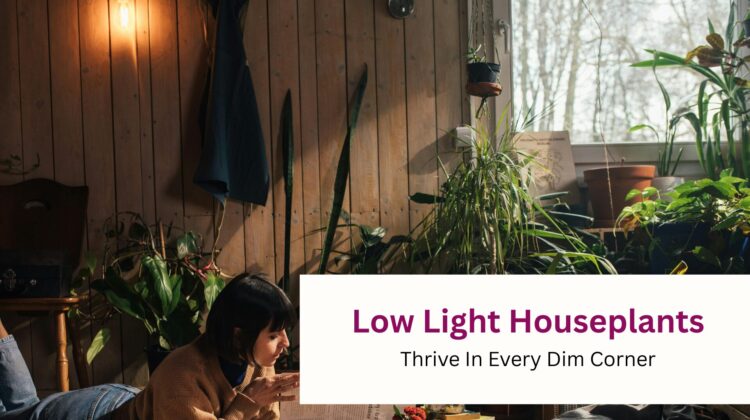
Low light houseplants like pothos, snake plants, and ZZ plants can thrive in spaces with minimal natural light, requiring only indirect sunlight and simple care routines to flourish.
Staring at that shadowy corner near your bathroom or that dim hallway and wondering if any plant could possibly survive there? You’re not alone—most homeowners struggle to find greenery that tolerates low light conditions.
Many indoor spaces lack adequate sunlight—north-facing rooms, basement apartments, windowless offices, or areas blocked by buildings. Traditional houseplants often struggle, yellow, or die in these conditions, leaving plant lovers discouraged.
This comprehensive guide reveals the best low light houseplants for every skill level and room type. You’ll discover specific species that flourish in shade, learn foolproof care techniques tailored to low-light conditions, understand how to style these plants within your home, and troubleshoot common issues like overwatering and pest problems.
Page Contents
Understanding Low Light Conditions For Your Houseplants
Let’s clear up the confusion right away. “Low light” doesn’t mean a dark closet or windowless basement. In plant care terms, low light typically means 50-150 foot-candles—that’s the indirect light you’ll find about 5-10 feet from a window, or what filters into a room for 4-6 hours daily. Think of that cozy reading nook a few feet back from your window, or that hallway that gets ambient light throughout the day. These spaces might seem dim to us, but they’re actually perfect for shade tolerant houseplants that evolved on forest floors where only 2-5% of sunlight penetrates through the canopy.
Finding The Sweet Spots In Your Home
Once you understand what low light actually means, you can start identifying the perfect spots for your plants. North-facing rooms are your best friends when it comes to low light houseplants. They provide consistent, gentle indirect light throughout the day without harsh afternoon sun. East-facing windows offer another great option—that soft morning light is ideal for most shade-loving varieties without the intensity that could scorch their leaves. Your bathroom, that interior hallway, or even your home office away from windows can all become thriving plant havens once you understand these light patterns.
Good Tip!
Place a white piece of paper in your chosen spot at noon. If you can read a book comfortably without straining, you’ve got enough light for most indoor plants for low light!
How Seasons Change Everything
Before you settle on permanent plant locations, there’s another factor to consider. Here’s what catches most plant parents off guard: winter light can drop by up to 50% compared to summer months. That spot that worked perfectly in July might leave your plants struggling come December. This is especially true in northern climates where days get shorter and the sun sits lower in the sky. You might need to move your low light tolerant houseplants closer to windows during winter, or consider rotating them seasonally for best results.
Simple Ways To Measure Your Light
You don’t need expensive equipment to figure out your light situation. Try the shadow test: hold your hand 12 inches above a white surface at midday. A sharp, clear shadow means bright light. A soft, fuzzy shadow indicates medium light. No shadow at all? That’s low light territory. You can also download free light meter apps on your smartphone—they’re surprisingly accurate for basic measurements and help you make confident placement decisions. Armed with this knowledge about your home’s light conditions, you’re ready to choose plants that will genuinely thrive in your space.
Top 12 Low Light Houseplants That Actually Thrive In Shade
Now that you know how to identify and measure low light conditions in your home, let’s talk about which plants will flourish in those spaces. These aren’t just plants that tolerate shade—they’re varieties that genuinely prefer dimmer conditions.
Pothos and Snake Plant: The Indestructible Duo
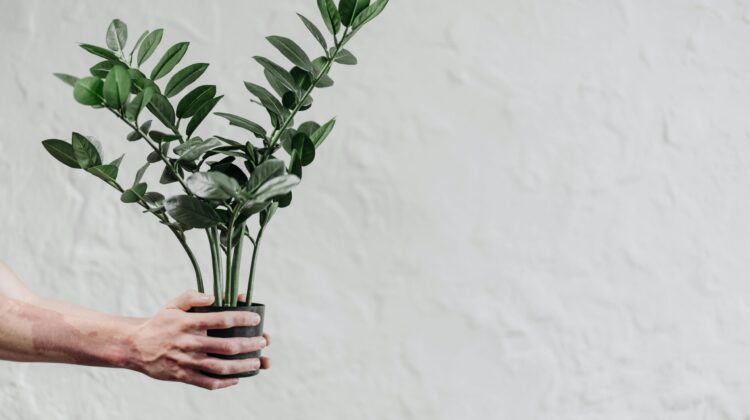
If you’re new to indoor plants for low light, start here. Pothos and snake plants are the ultimate forgiving friends. They handle neglect like champions and actually thrive in spaces that get as little as 50 foot-candles of light—that’s about what you’d find in a hallway or bathroom with no windows. Pothos trails beautifully from shelves or hanging baskets, while snake plants stand tall and architectural. Both tolerate irregular watering and still look great. You’d have to work pretty hard to kill these two, making them perfect starter plants for anyone building their low light houseplants collection.
ZZ Plant and Cast Iron Plant: The Drought Champions
Need something that survives extended trips or a forgetful watering schedule? ZZ plants and cast iron plants can go up to four months without water in low light conditions. Seriously. The ZZ plant has glossy, waxy leaves that store moisture, and the cast iron plant earned its name by surviving Victorian parlors with gas lamps and zero natural light. Both are shade tolerant houseplants that laugh in the face of neglect.
Good Tip!
Wipe dust off ZZ plant and snake plant leaves monthly with a damp cloth—clean leaves absorb more light in dim conditions.
Peace Lily and Spider Plant: The Air-Purifying Multitaskers
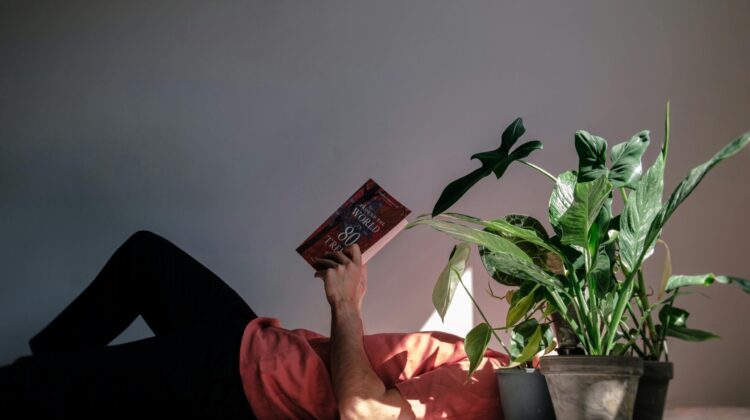
Beyond drought tolerance, you might want plants that serve multiple purposes. Peace lilies and spider plants are safe options that also clean your air. These pet-safe varieties remove toxins like formaldehyde and benzene while thriving in shadowy corners. Peace lilies even tell you when they need water by drooping dramatically (then perking right back up after a drink). Spider plants produce adorable baby plantlets you can propagate and share with friends, making them interactive additions to your low light houseplants family.
Chinese Evergreen and Philodendron Heartleaf: Colorful and Carefree
Who says low light houseplants have to be boring? Chinese evergreens come in stunning patterns—pink, red, silver—that brighten dim spaces naturally. Philodendron heartleaf offers that classic trailing vine look with heart-shaped leaves. Both need minimal fuss and actually prefer the calm, consistent conditions of low light rooms over bright, fluctuating spots. These beauties prove that choosing shade-loving plants doesn’t mean sacrificing visual interest.
Essential Care Guide For Low Light Houseplants
Choosing the right plants is only half the battle. Understanding how to care for them in low light conditions will make the difference between surviving and thriving. The care requirements for shade-dwelling plants differ significantly from their sun-loving cousins, and many plant parents make critical mistakes by treating them the same.
Watering Schedule For Low Light Conditions
Here’s the thing most plant parents get wrong: they water their shade-loving plants on the same schedule as their sun-worshippers. Big mistake. Your low light houseplants photosynthesize much slower in dim conditions, which means they use 40-60% less water than their bright-light cousins. That pothos tucked in your hallway? It needs watering maybe once every 10-14 days instead of weekly. The best approach is the finger test—stick your finger two inches into the soil. If it feels dry, water. If not, wait a few more days. This simple habit prevents the root rot that kills most indoor plants for low light spaces.
Choosing The Right Soil Mix For Shade-Loving Plants
Soggy soil is a death sentence for plants in dim spots. Because your low light houseplants dry out slower, you need a well-draining mix that prevents waterlogged roots. Look for potting soil that includes perlite, orchid bark, or coarse sand—these ingredients create air pockets that let excess moisture escape. You can also make your own by mixing two parts standard potting soil with one part perlite. This combination gives roots the oxygen they need while preventing the mushy conditions where root rot thrives. For more detailed guidance on low light tolerant houseplants and their specific soil needs, expert plant parents have tested these methods in real-world conditions.
Good Tip!
Set phone reminders to check your plants rather than water on autopilot. This prevents overwatering and helps you learn each plant’s unique rhythm.
When And How To Fertilize Low Light Houseplants
Just as watering needs differ, so do feeding requirements. Slow growth means your plants need way less food. Feed your shade tolerant houseplants at half-strength every 6-8 weeks during spring and summer only. Skip fertilizing entirely in fall and winter when growth naturally slows. Too much fertilizer causes nutrient burn—brown leaf tips and edges that won’t recover. Use a balanced liquid fertilizer diluted to 50% of package instructions, and always apply to damp soil, never dry. This gentle approach gives your low light houseplants the nutrients they need without overwhelming their slower metabolic processes.
Common Problems With Low Light Houseplants (And How To Fix Them)
Even with proper care, you’ll eventually encounter challenges with your shade-loving plants. The good news? Most issues with low light houseplants have straightforward solutions once you understand what’s causing them. Let’s troubleshoot the most common problems so you can catch them early and fix them fast.
Yellowing Leaves Signal Overwatering Issues
Yellow leaves on your indoor plants for low light usually mean one thing: too much water. In dim conditions, your plants photosynthesize less and drink way less water than they would in bright spots. That means the soil stays wet longer, and roots basically sit in a swamp. Before you water again, stick your finger 1-2 inches into the soil. If it feels damp, wait. Only water when that top layer is completely dry. This simple finger test prevents most yellowing problems and keeps roots healthy.
Leggy, Stretched Growth Means Light Starvation
When your plant starts looking tall, thin, and stretched out—that’s etiolation. It’s desperately reaching for more light. You’ll notice long gaps between leaves and weak, floppy stems. Fix this by rotating your plants a quarter turn every week so all sides get equal light exposure. If rotation doesn’t help, move the plant closer to a window or add a small grow light. Even a basic LED bulb can stop that stretched-out look and encourage compact, healthy growth.
Good Tip!
Set a phone reminder to rotate your plants every Sunday morning—consistency prevents one-sided growth and keeps foliage balanced.
Fungus Gnats Love Constantly Moist Soil
Those tiny flying bugs around your plants? Fungus gnats. They thrive in the consistently damp soil common in dim areas. Break their lifecycle by letting the top inch of soil dry out completely between waterings. The gnats lay eggs in moist soil, so drying it out kills larvae before they mature. You can also add a thin layer of sand on top of the soil—it dries quickly and prevents adults from laying eggs. This pest issue often goes hand-in-hand with overwatering, making it a double reminder to adjust your care routine.
Root Rot Develops Faster in Low Light
Root rot happens 3-4 times faster in low light because soil dries so slowly. You might not see problems until it’s serious—mushy stems, black roots, or a foul smell. Prevent it by using terracotta pots that wick moisture away from roots. Choose well-draining soil mixed with perlite or orchid bark. And here’s the big one: water carefully. When in doubt, wait another day. For more help identifying common houseplant problems, check out expert troubleshooting guides that cover everything from pests to temperature stress. Once you’ve mastered keeping your plants healthy, you can focus on making them look stunning in your home.
Styling Low Light Houseplants In Your Home Design
Healthy plants deserve to be showcased beautifully. The right styling approach transforms your low light houseplants from basic greenery into design elements that elevate your entire space. These strategies work specifically for dimmer areas where traditional plant displays might fall flat.
Creating Stunning Plant Groupings In Low Light Areas
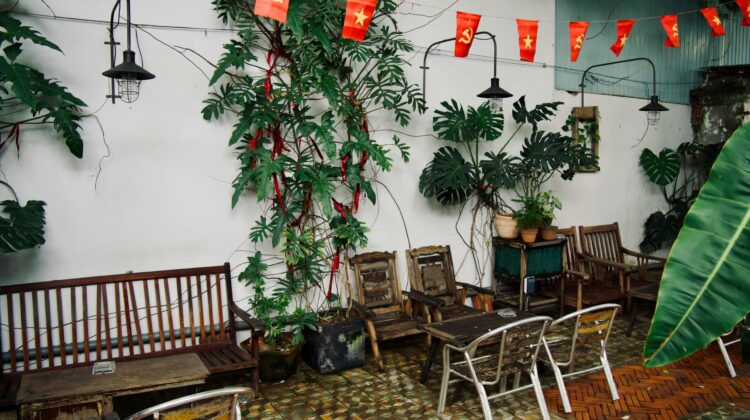
Want to make a real statement with your indoor plants for low light? Group 3-5 plants together instead of scattering single specimens around your space. This creates instant visual drama, even in dim corners. Mix different heights—pair a tall snake plant with a medium-sized pothos and a compact ZZ plant at the base. Add texture variety by combining glossy leaves with matte finishes or broad foliage with delicate fronds. Just remember to leave a few inches between each pot. Air needs to circulate freely to prevent moisture buildup and fungus problems. Think of it like arranging furniture—you want cohesion without crowding.
Choosing The Right Pots For Dim Spaces
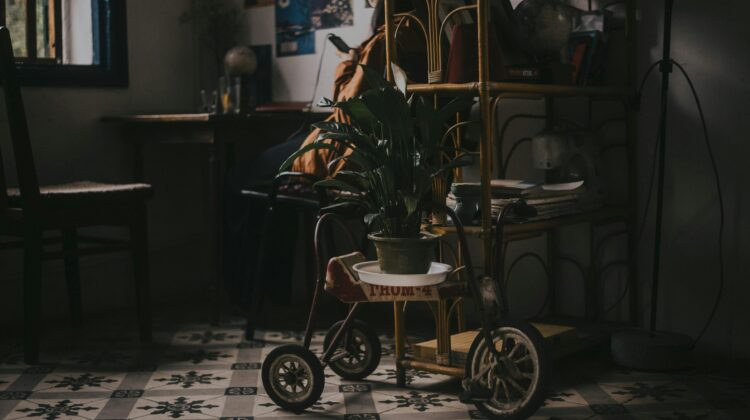
Your container choice matters more than you’d think in low light areas. Lighter-colored pots—think white, cream, or pale gray—actually reflect whatever light is available back toward your plants. This simple trick brightens up shadowy corners while giving your shade tolerant houseplants a subtle boost. Drainage holes are non-negotiable since these plants dry out slowly. If you’ve fallen in love with a decorative pot without drainage, use it as a cache pot instead. Just slip your nursery pot inside and remove it for watering.
Good Tip!
Rotate your grouped plants a quarter turn every two weeks so all sides receive equal light exposure and grow evenly.
Maximizing Vertical Space With Hanging Plants
Dark hallways and tight corners become opportunities when you look up. Install hanging planters with trailing varieties like pothos or philodendron to add life without sacrificing precious floor space. These low-light champions cascade beautifully from ceiling hooks or wall-mounted brackets. The vertical interest draws the eye upward, making rooms feel larger and more dynamic while making the most of every available growing spot.
Matching Plants To Specific Rooms
Strategic placement transforms low light houseplants from surviving to thriving. Put humidity-loving ferns and calatheas in your bathroom where shower steam creates their ideal environment. Bedrooms get air-purifying snake plants that release oxygen at night. Windowless offices? That’s where resilient ZZ plants shine—they tolerate neglect better than your coffee maker. By matching each plant’s preferences to specific room conditions, you create environments where your plants don’t just survive—they flourish. And when even the best placement isn’t quite enough, there’s one more tool in your arsenal.
Supplemental Lighting Solutions For Low Light Houseplants
Sometimes natural light alone isn’t enough, no matter how carefully you’ve chosen your plants and locations. That’s when supplemental lighting becomes not just helpful, but necessary for keeping your low light houseplants healthy and growing.
When Your Plants Are Crying Out For More Light
Your plants will tell you when they’re struggling. Look for extreme legginess—those long, spindly stems reaching desperately toward any light source. If your plant hasn’t produced a single new leaf in six months or more, that’s another red flag. Persistent yellowing despite proper watering and care? Time to consider supplemental lighting. These signs mean your indoor plants for low light have hit their limit and need a boost to thrive. Don’t wait until your plants are barely hanging on—early intervention makes recovery much faster.
The Power Of Full-Spectrum LED Grow Lights
Here’s where things get exciting. Full-spectrum LED grow lights providing 200-400 foot-candles can increase growth rates by 50-70% in shade tolerant houseplants. That’s not just survival—that’s genuine thriving. These lights mimic natural sunlight, giving your plants the energy they need for photosynthesis without the heat damage of traditional bulbs. You’ll notice tighter growth, richer leaf color, and renewed vigor within weeks of adding proper lighting. The transformation can be dramatic, especially in spaces that receive almost no natural light.
Good Tip!
Set a timer for your grow lights to maintain consistency—plants respond best to predictable light schedules that mimic natural day-night cycles.
Proper Placement Makes All The Difference
Position supplemental lighting 12-18 inches above your plants for 6-8 hours daily. This prevents stretching while promoting compact, healthy growth. Too close and you risk leaf burn. Too far and the light becomes ineffective. Adjust based on your plant’s response—if leaves start curling or bleaching, raise the light a few inches. This hands-on approach helps you find the sweet spot for your specific setup.
Budget-Friendly Options That Actually Work
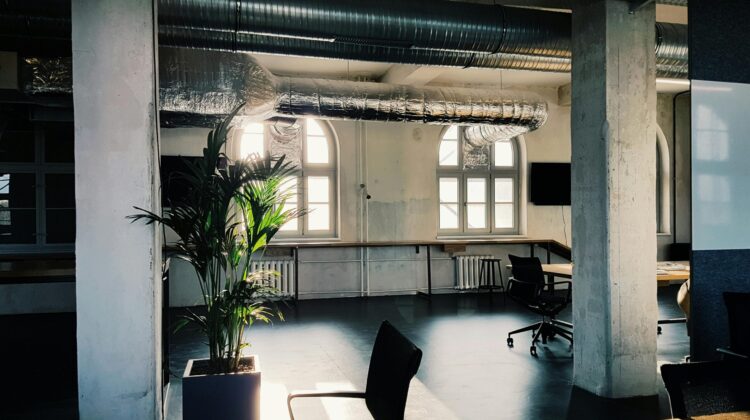
You don’t need expensive equipment to help your plants succeed. Budget-friendly clip-on grow lights work perfectly for individual plants on shelves or desks. For larger groupings, decorative floor lamps with grow bulbs illuminate multiple plants while adding style to your space. These solutions prove that giving your low light houseplants extra support doesn’t require breaking the bank. With the right combination of plant selection, proper care, thoughtful styling, and strategic supplemental lighting when needed, even the darkest corners of your home can become thriving green spaces. Your low light houseplants aren’t just surviving—they’re part of a intentional, beautiful indoor garden that works with your space, not against it.
Conclusion
Transforming dim corners into thriving green spaces is achievable with the right low light houseplants. Understand that ‘low light’ means indirect light, not complete darkness. Choose proven performers like pothos, snake plants, and ZZ plants. Adjust your care routine by reducing watering frequency, using well-draining soil, and fertilizing sparingly. Consider supplemental lighting if your plants struggle—even budget-friendly options can dramatically improve growth and appearance.
Frequently Asked Questions
Can I keep low light plants in a completely windowless room?
Most low light plants need some natural light to survive long-term. In truly windowless spaces, you’ll need to add supplemental grow lights for 6-8 hours daily to keep your plants healthy and prevent decline.
How do I know if my plant needs more or less water in low light?
Always check soil moisture before watering—stick your finger two inches deep. In low light, plants use significantly less water, so err on the side of underwatering. Wait until the top layer feels completely dry.
Will my low light plant ever grow new leaves?
Yes, but growth will be much slower than bright-light plants. Expect new leaves every few months rather than weeks. If there’s zero growth for six months, your plant likely needs more light or seasonal fertilizing.
Do all low light plants tolerate the same conditions?
Not exactly. While they all handle dim spaces, some prefer humidity (ferns), others tolerate drought (ZZ plants), and watering needs vary. Research your specific plant’s preferences beyond just light requirements for best results.
Can I move my low light plant to a brighter spot occasionally?
Sudden bright light can shock shade-adapted plants, causing leaf burn or bleaching. If relocating, do it gradually over 1-2 weeks, increasing light exposure slowly so the plant can adjust without damage.
Why are my low light plant’s leaves turning brown at the tips?
Brown tips usually indicate fertilizer burn from overfeeding or low humidity. Cut fertilizer to half-strength every 6-8 weeks only during growing season. Misting occasionally or grouping plants together increases ambient humidity naturally.
Sources
- NASA Clean Air Study – Research on air-purifying houseplants and their light requirements
- University of Florida IFAS Extension – Research on ZZ plant care and adaptation to low light conditions
- Cornell University Department of Horticulture – Studies on common causes of houseplant failure in low light environments